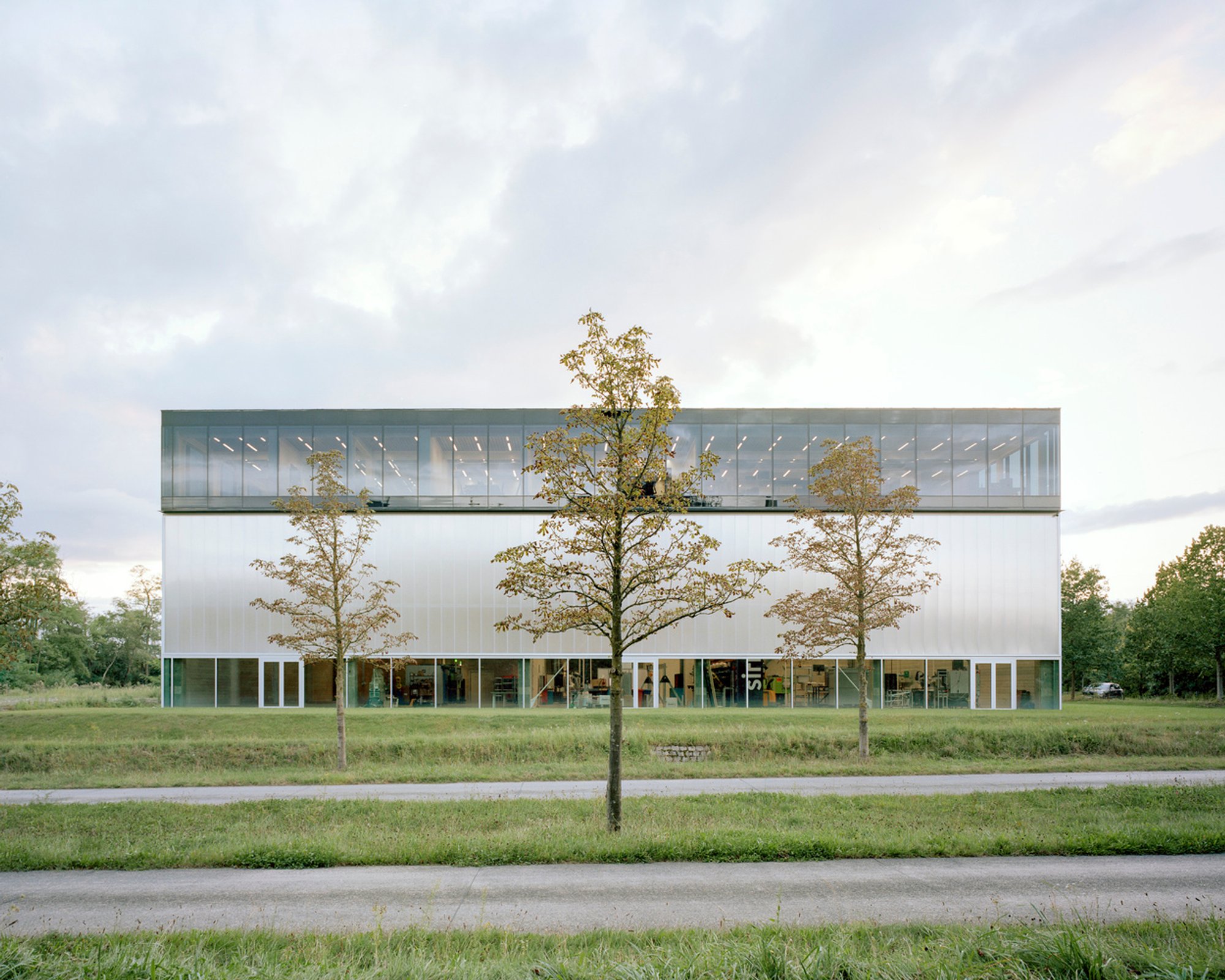
Modular Industrial Architecture: Smart Manufacturing Campus by XDGA
The Smart Manufacturing Campus by XDGA redefines modular industrial architecture with flexible workspaces, sustainable materials, and an innovative spatial organization.


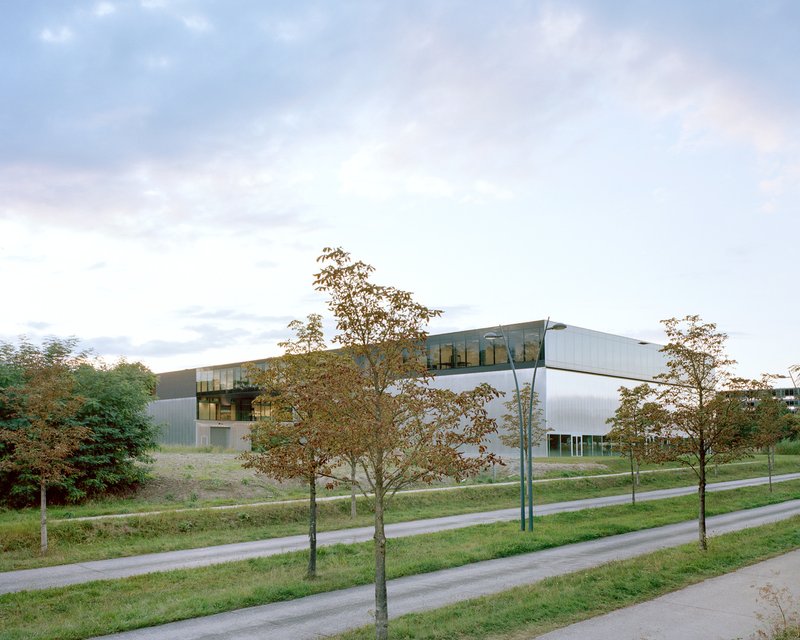
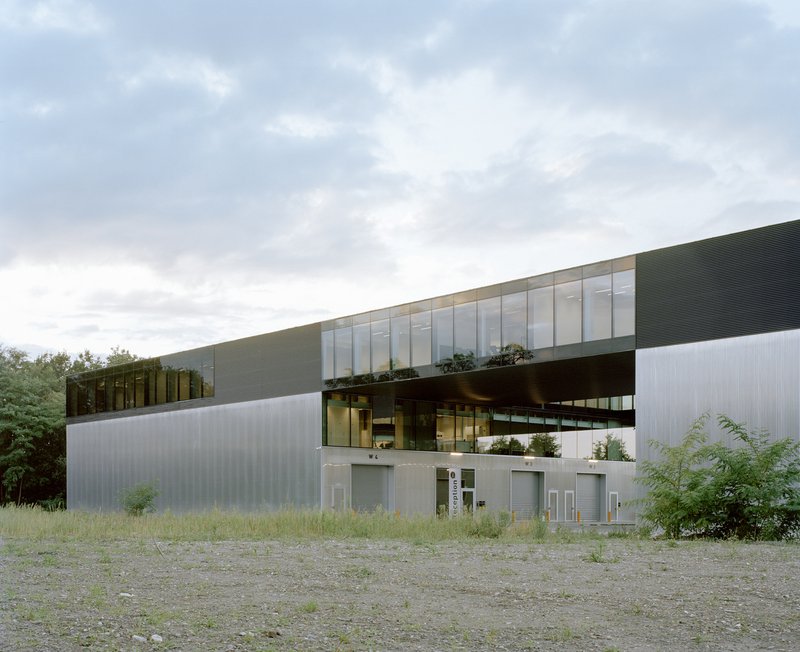
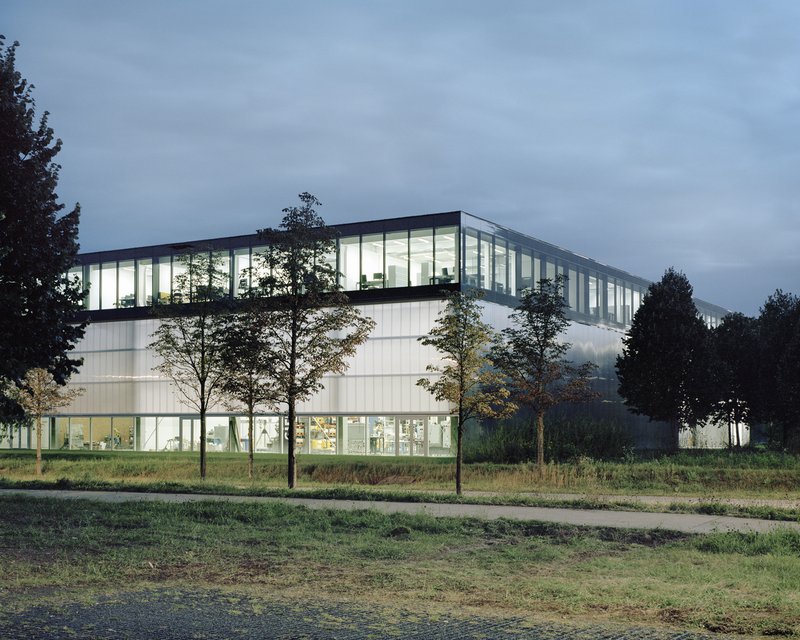
Modular industrial architecture is transforming the way manufacturing and office spaces are designed, prioritizing adaptability, efficiency, and sustainability. The Smart Manufacturing Campus by XDGA exemplifies this innovative approach, offering a fully flexible structure where companies in the field of smart technology can thrive. Located in Belgium, this 7,784-square-meter facility seamlessly integrates production, storage, and office spaces in a dynamic and reconfigurable environment.
Concept and Flexibility
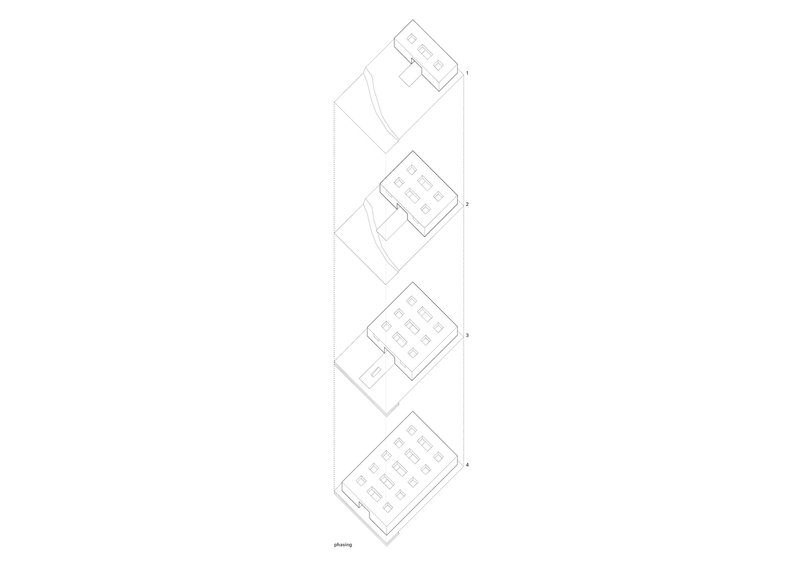
The Smart Manufacturing Campus is conceived as a modular and flexible structure, allowing independent companies to expand, contract, or reconfigure their workspaces as needed. This adaptability is a key feature in modern industrial architecture, ensuring that the building remains functional and efficient as business needs evolve.
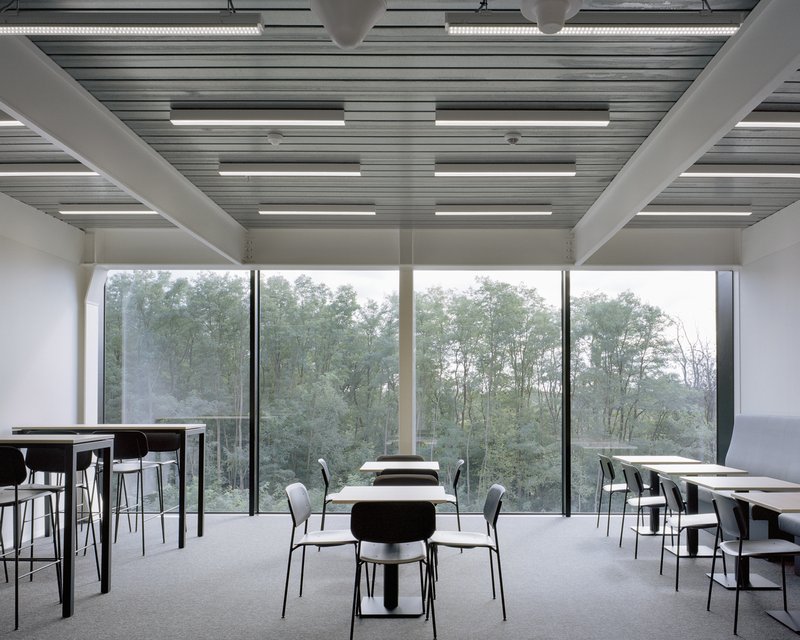
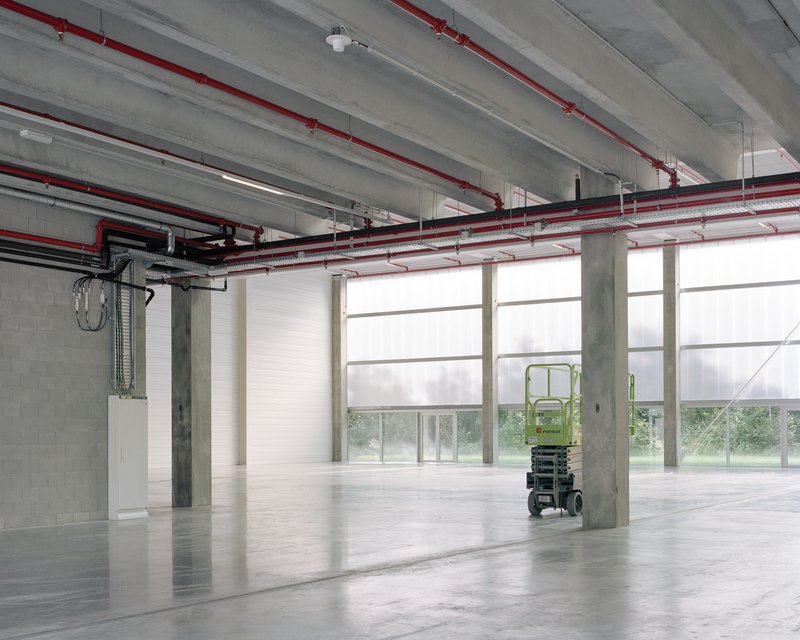
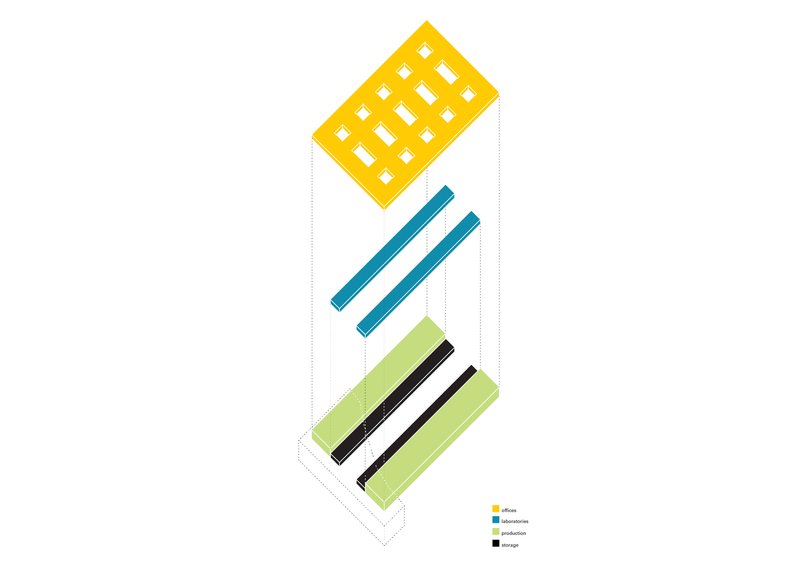
The design allows for seamless integration of production, logistics, and office functions. The modular nature of the building provides scalability, making it possible for startups and established enterprises to coexist and grow within the same framework. By prioritizing modularity, the campus fosters innovation and collaboration in an ever-changing technological landscape.
Spatial Organization and Design
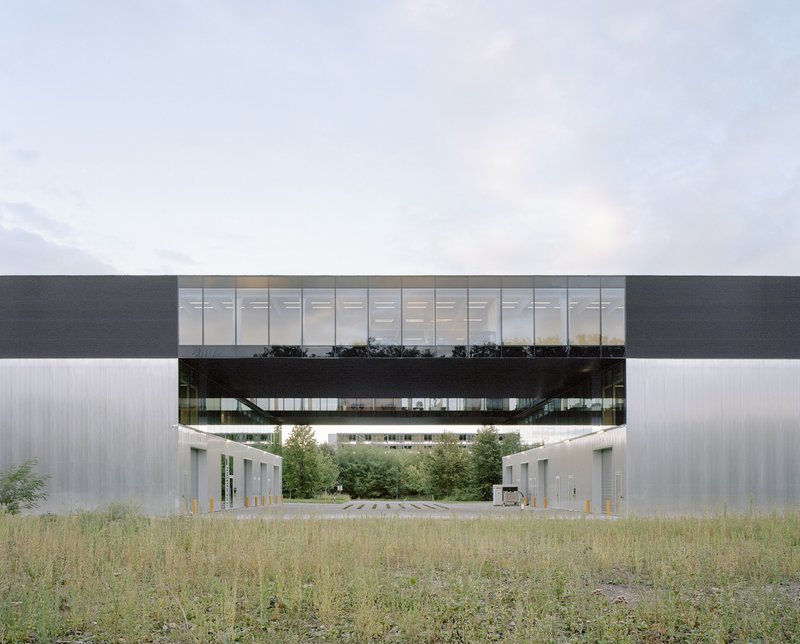
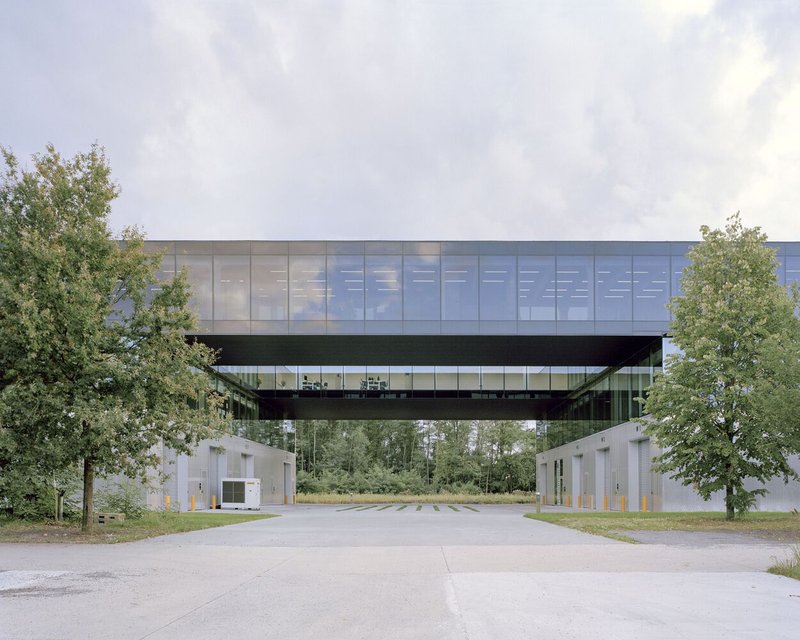
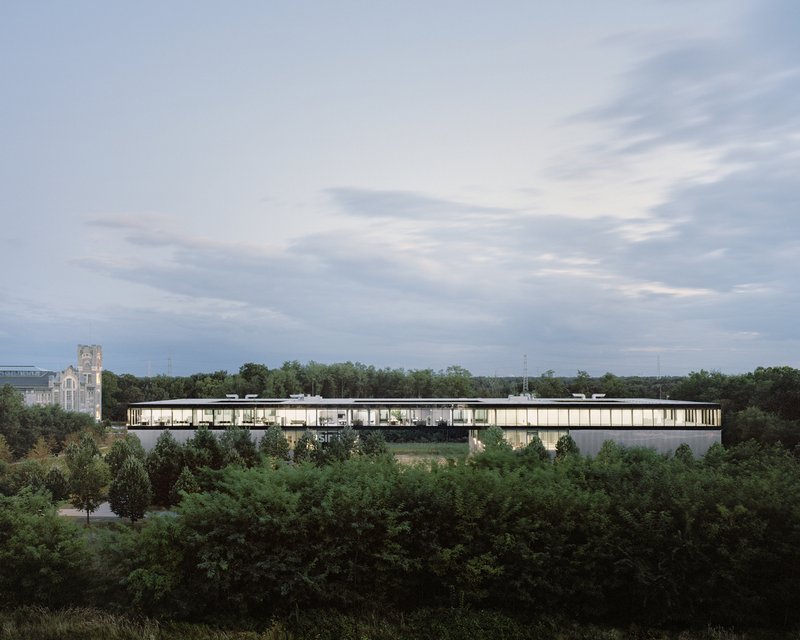
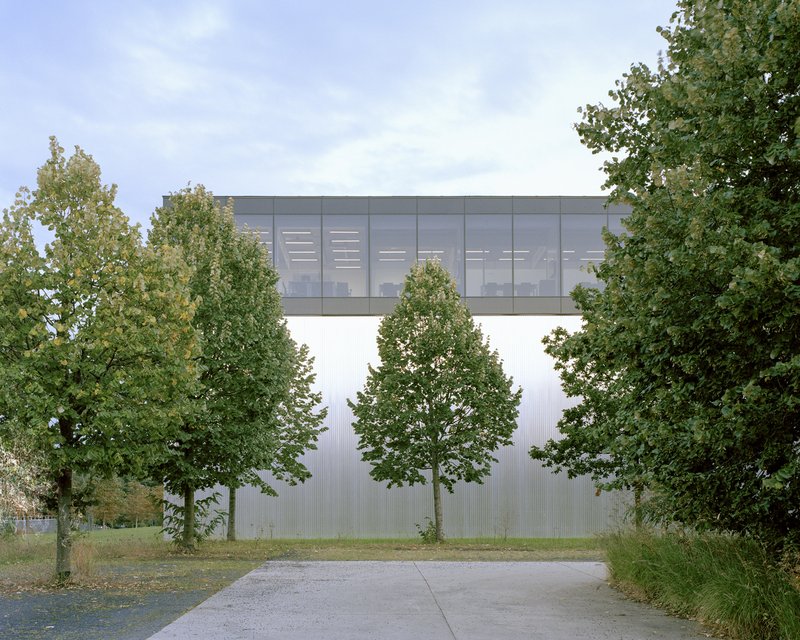
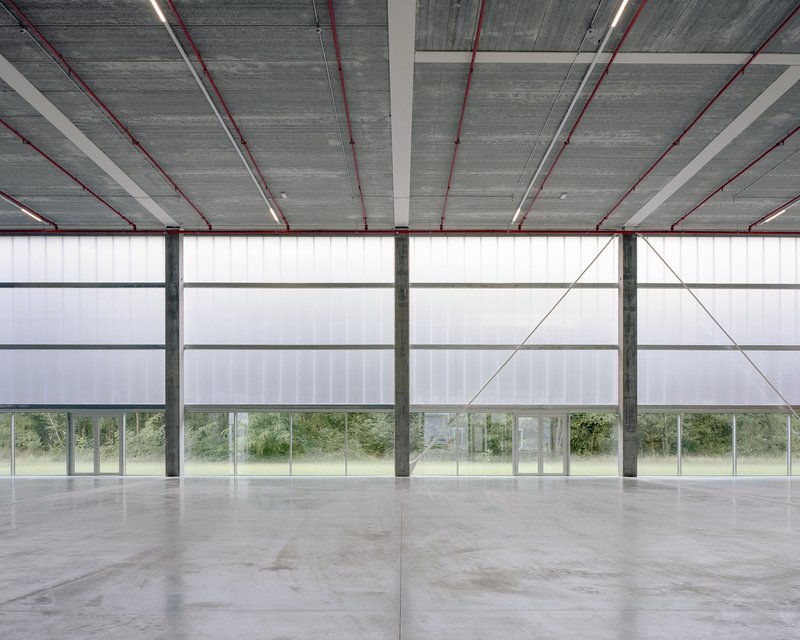
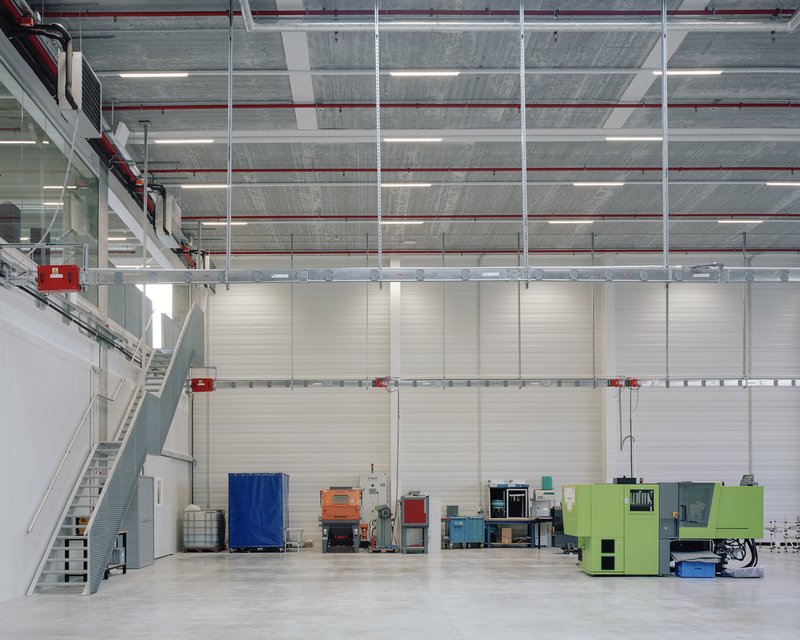
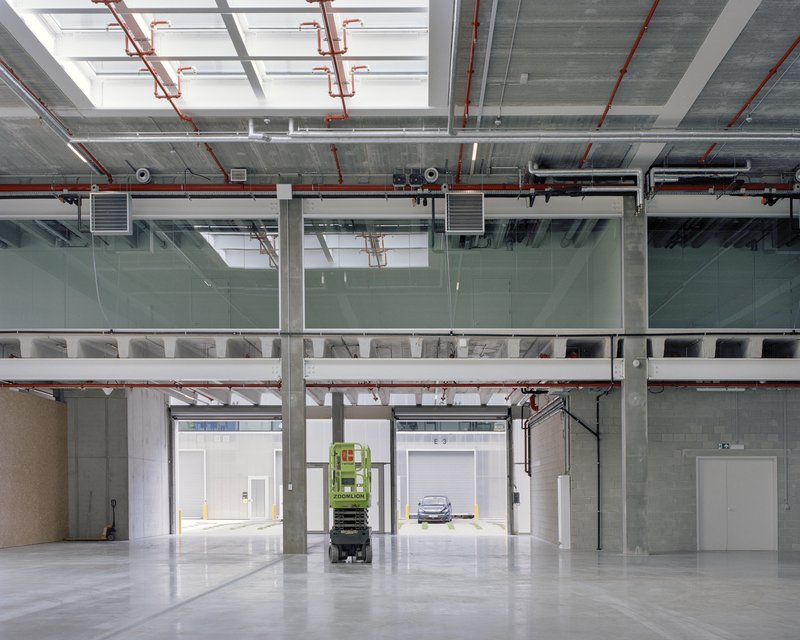
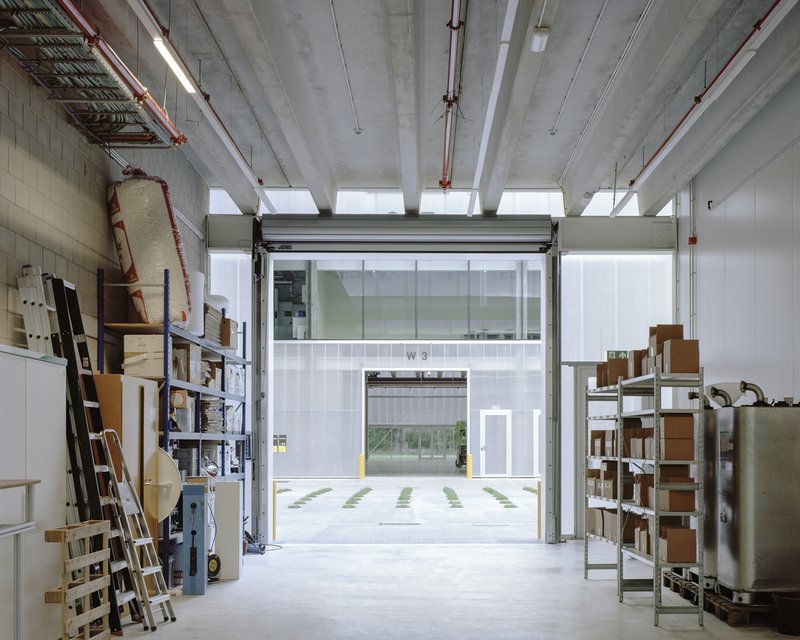
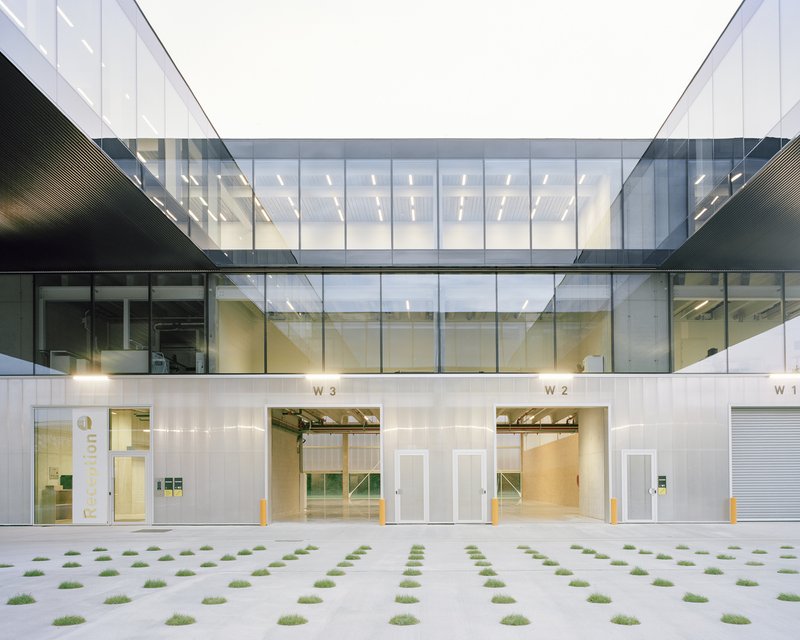
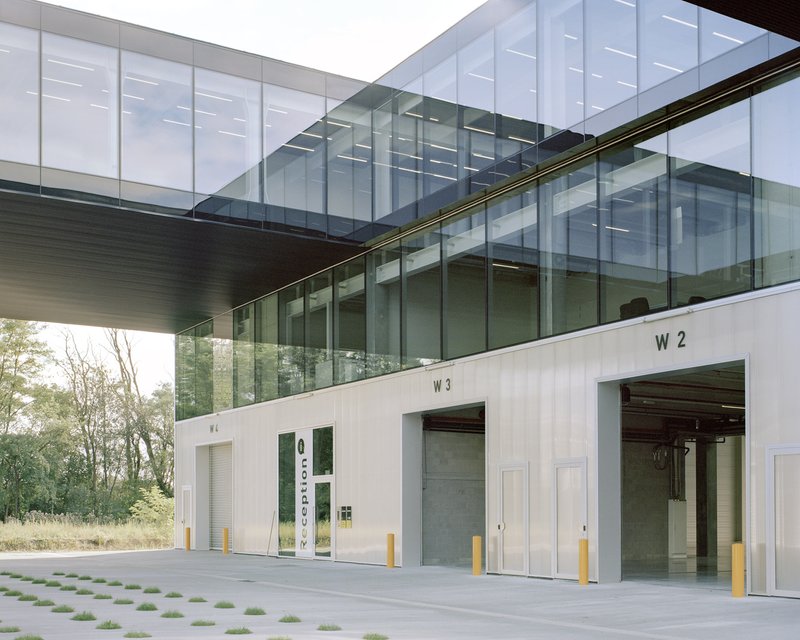
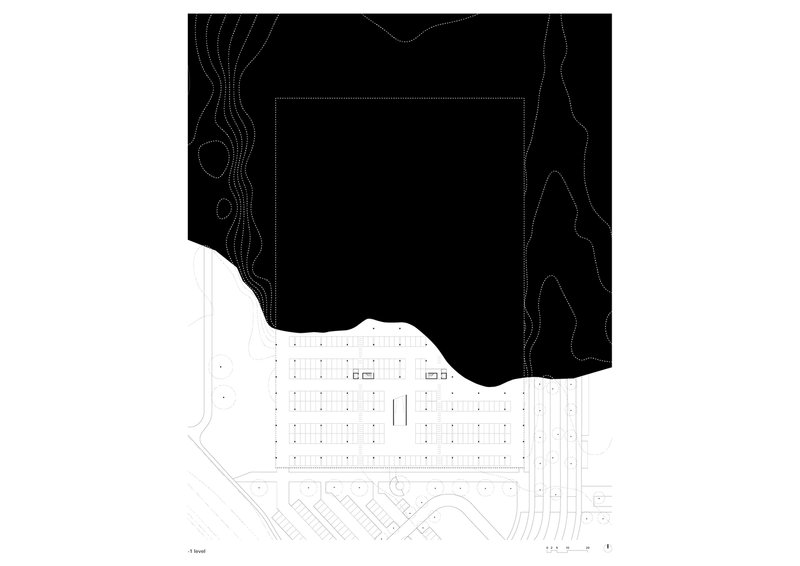
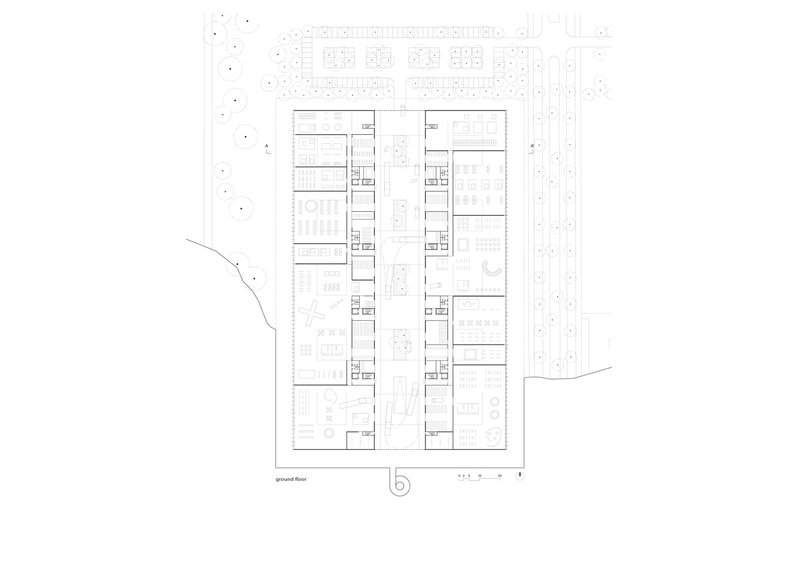
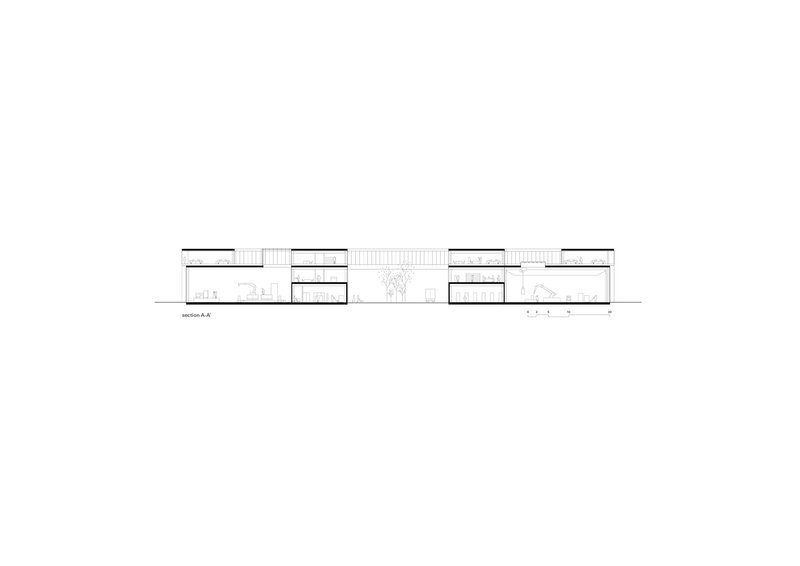
The ground floor is dedicated to production and storage spaces, strategically designed to accommodate heavy machinery and transportation vehicles. A column-free inner street facilitates easy movement, ensuring an uninterrupted workflow. This thoughtful design enhances operational efficiency while maintaining structural integrity.
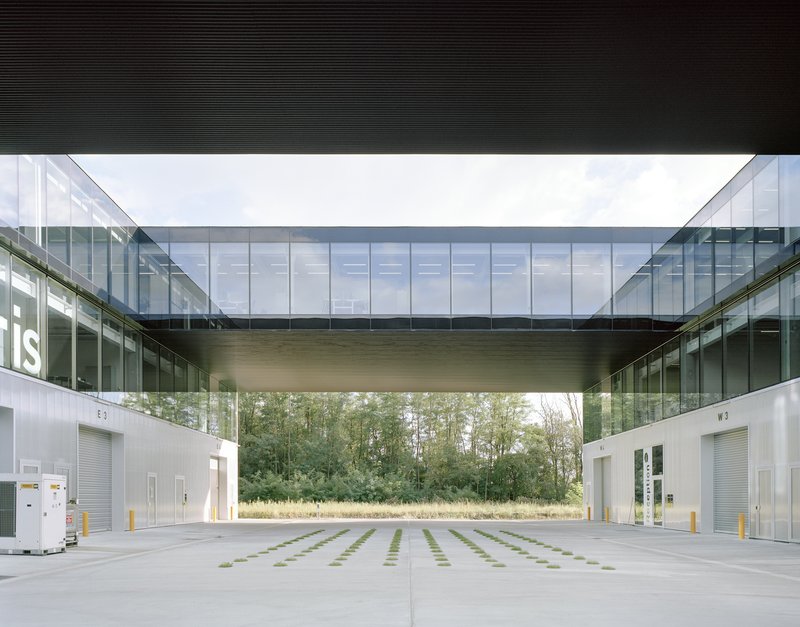
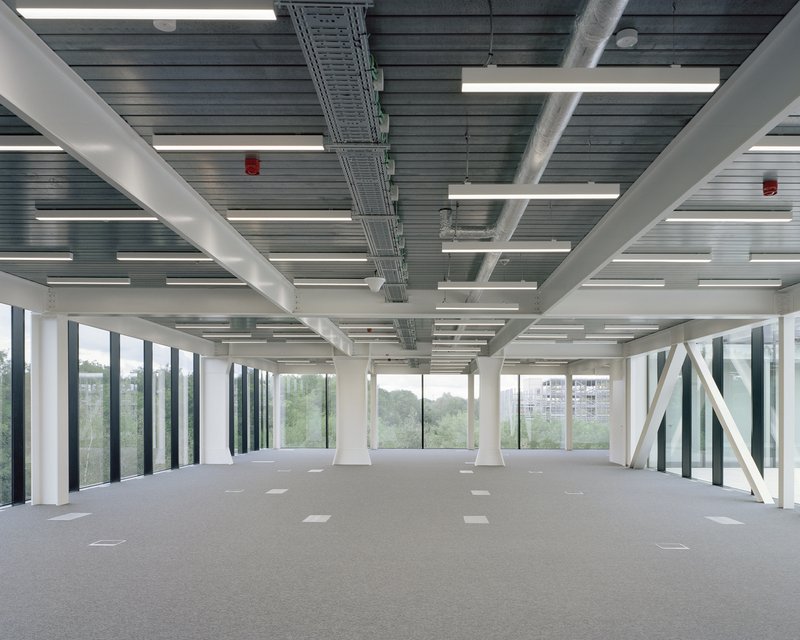
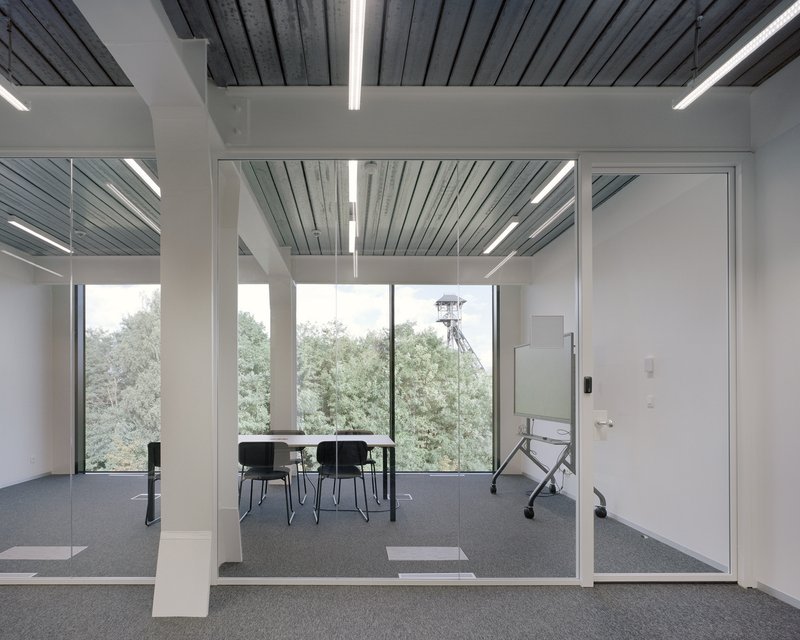
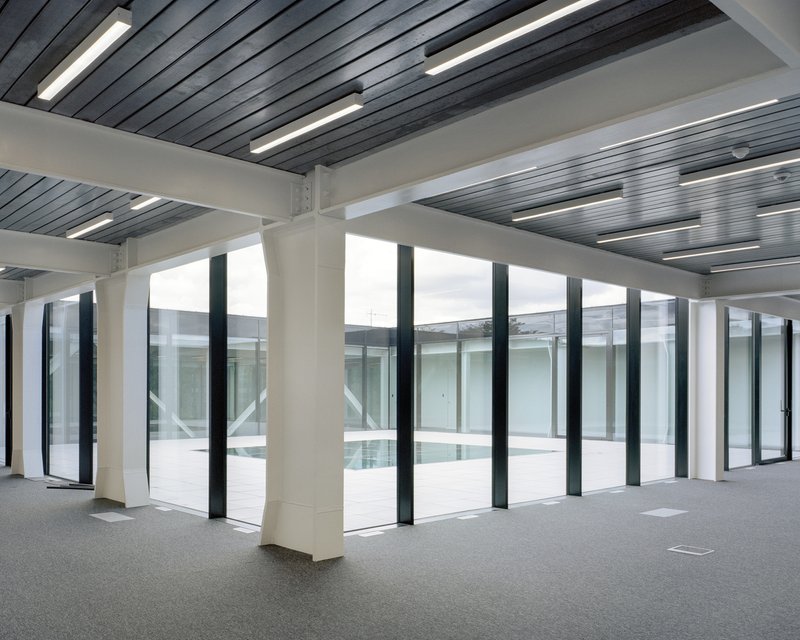
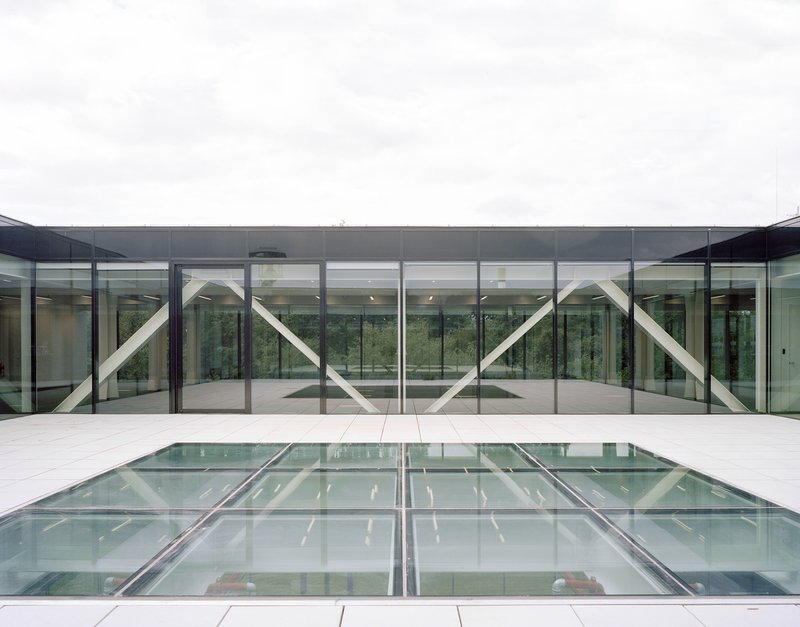
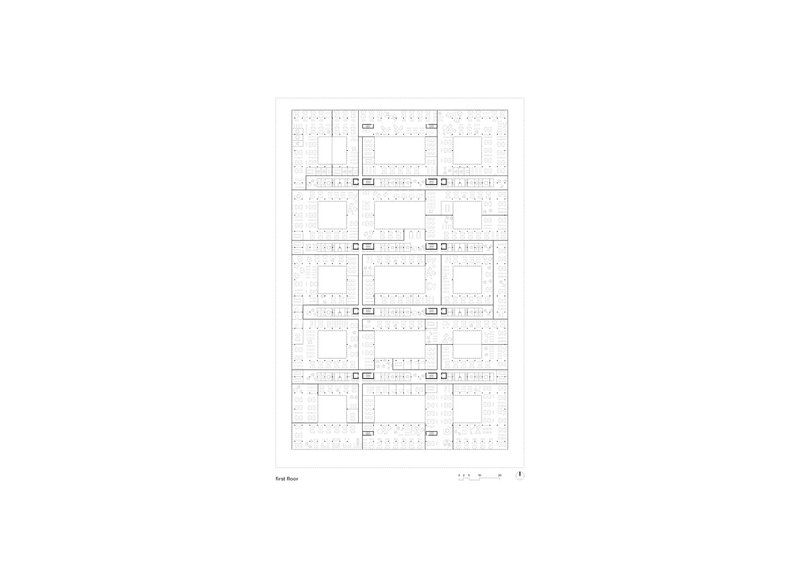
On the upper level, office spaces are arranged around a series of patios that create inviting outdoor and indoor areas for staff. These patios not only serve as breakout spaces but also allow natural light to penetrate deep into the interiors, improving the quality of the workspace. The interplay between industrial and office environments results in a cohesive structure that supports both manufacturing and knowledge-based work.
Materiality and Sustainability
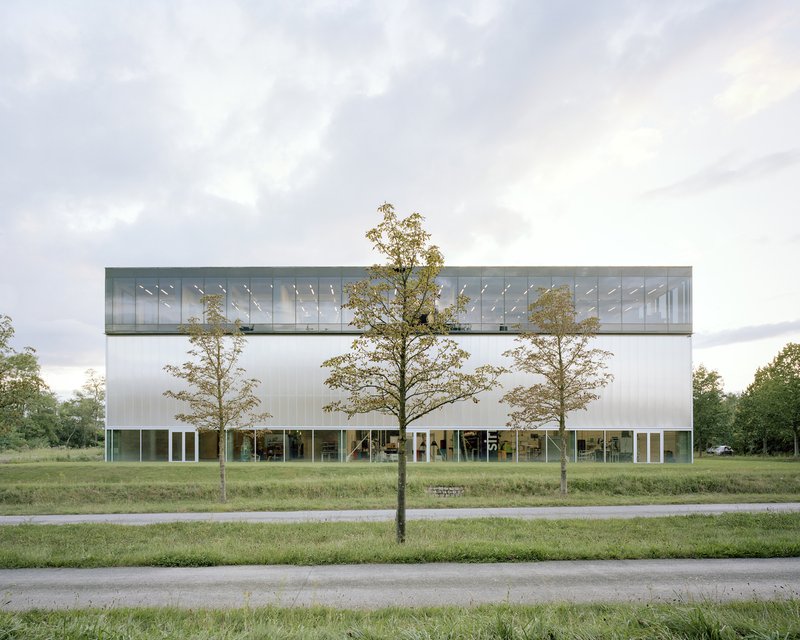
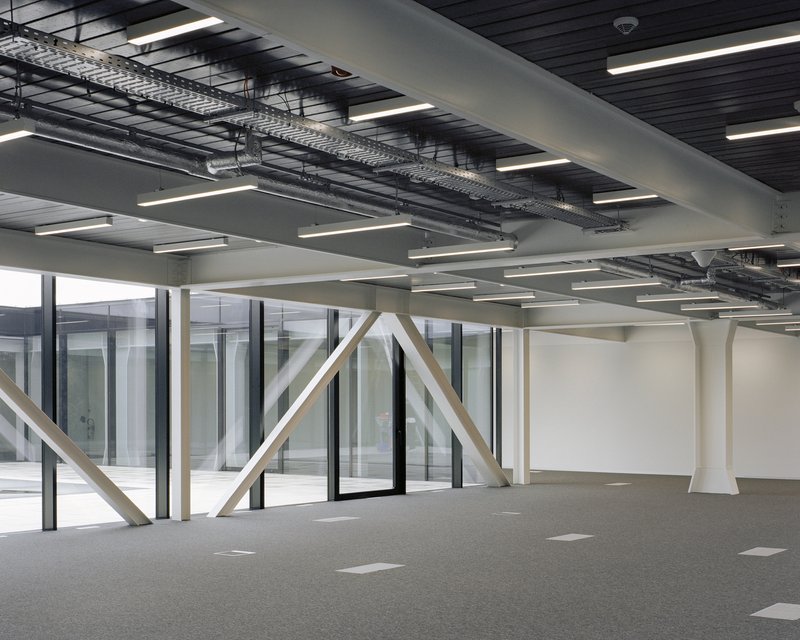
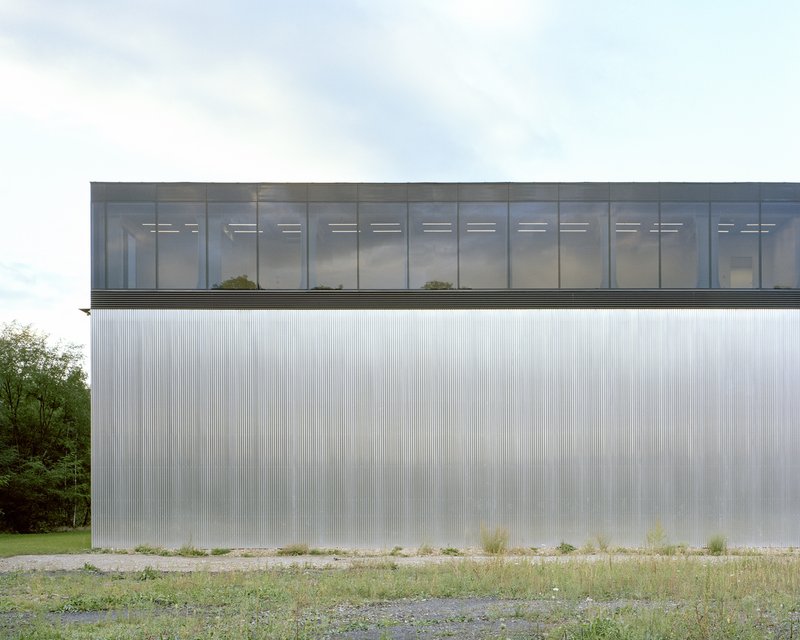
The Smart Manufacturing Campus integrates high-performance materials that enhance its durability and energy efficiency. Glass facades, lightweight steel structures, and modular partitions contribute to the building’s overall sustainability. The use of prefabricated elements minimizes construction waste while ensuring precision in execution.
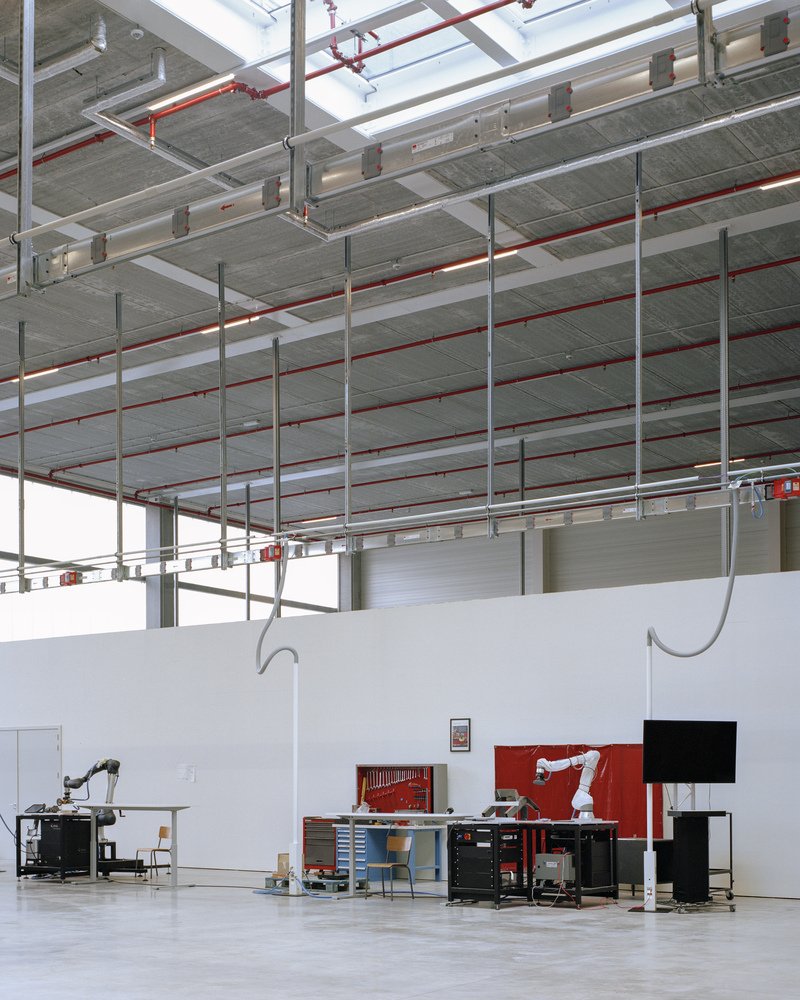
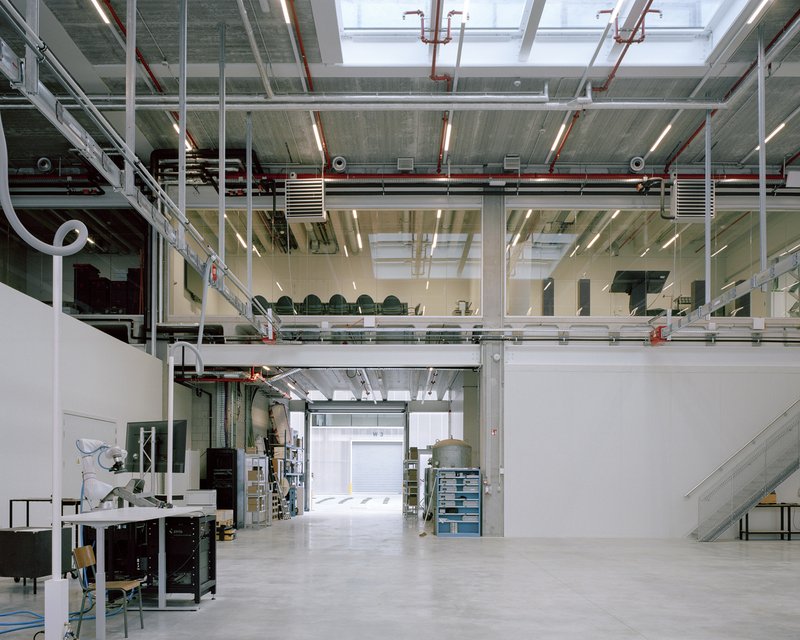
The column-free design reduces material consumption, optimizing structural efficiency without compromising spatial flexibility. Additionally, the incorporation of natural light through strategically placed patios reduces artificial lighting needs, lowering energy consumption and improving employee well-being.
The Future of Modular Industrial Architecture
As industries continue to evolve, the demand for modular industrial architecture is increasing. The Smart Manufacturing Campus sets a precedent for future industrial developments by demonstrating how flexible design can accommodate changing business needs. By integrating adaptable workspaces with sustainable materials and efficient spatial planning, the project establishes a model for smart, future-ready manufacturing environments.
The campus embodies a forward-thinking approach to industrial architecture, where innovation, functionality, and environmental responsibility intersect. As companies embrace smart technologies, flexible and modular spaces like this will play a crucial role in supporting their growth and operational success.
The Smart Manufacturing Campus by XDGA is a landmark example of modular industrial architecture, showcasing a design that is both scalable and sustainable. By seamlessly integrating production, storage, and office spaces within a flexible framework, the campus addresses the evolving demands of modern industries. With its emphasis on adaptability, natural light, and efficient material use, this project redefines the possibilities of industrial architecture in the 21st century.
All photographs are works of Maxime Delvaux