
Modular Wooden Architecture Design: A Case Study of Les Planches Installation
Exploring Les Planches Installation, a minimalist wooden architectural marvel fostering community, sustainability, and innovative design.

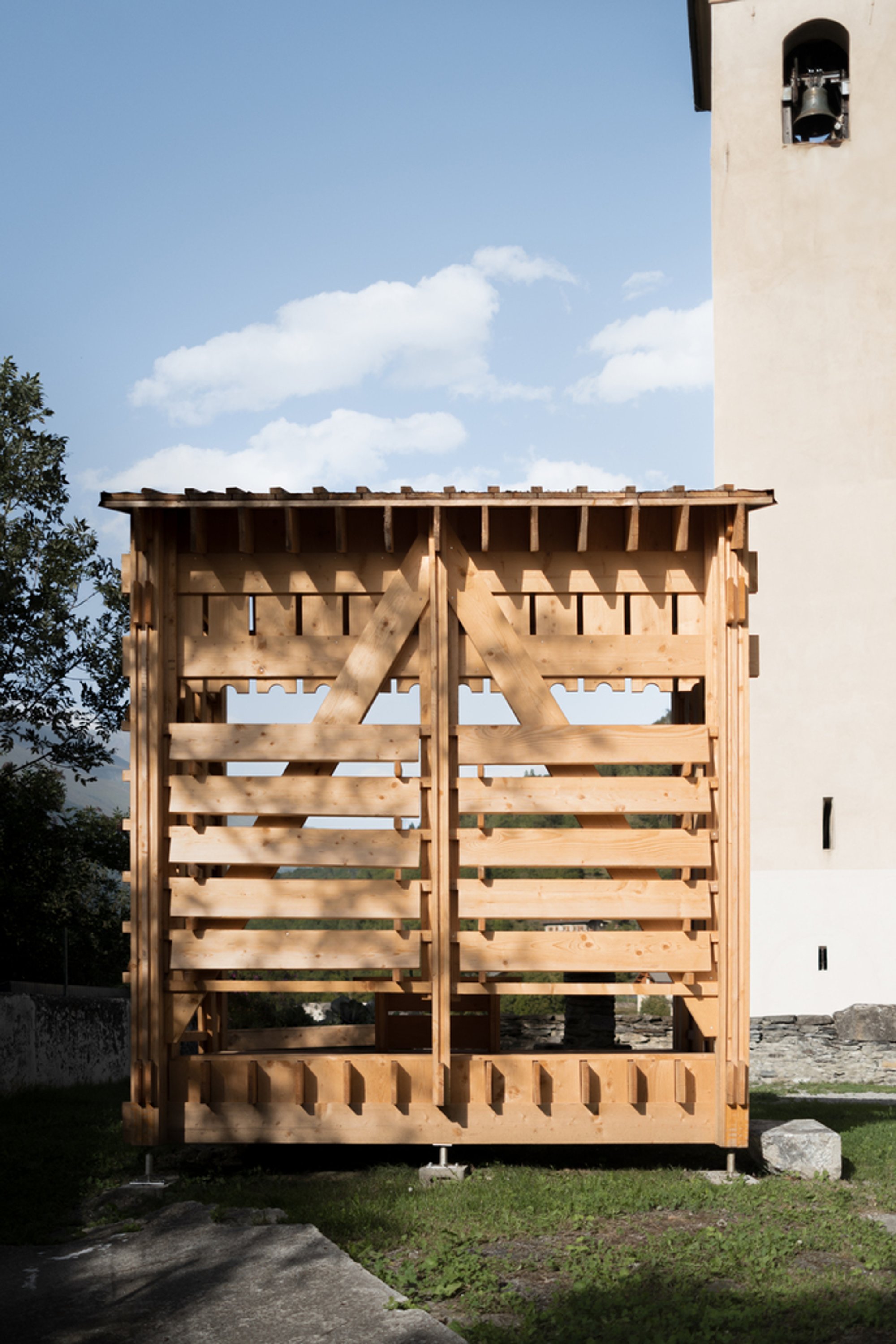
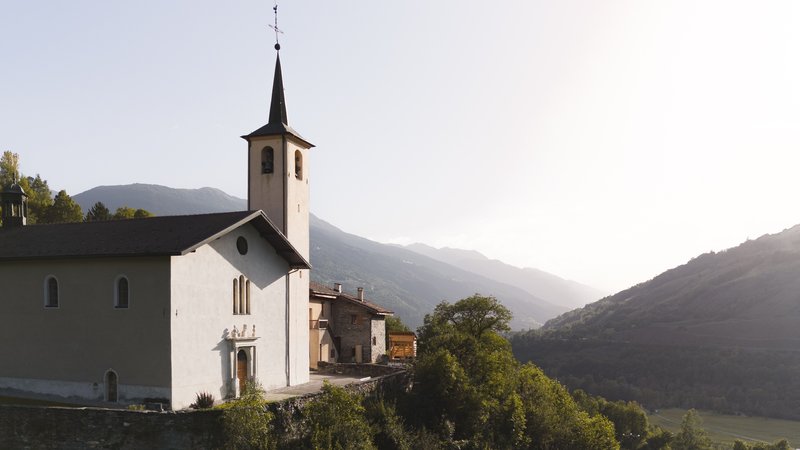
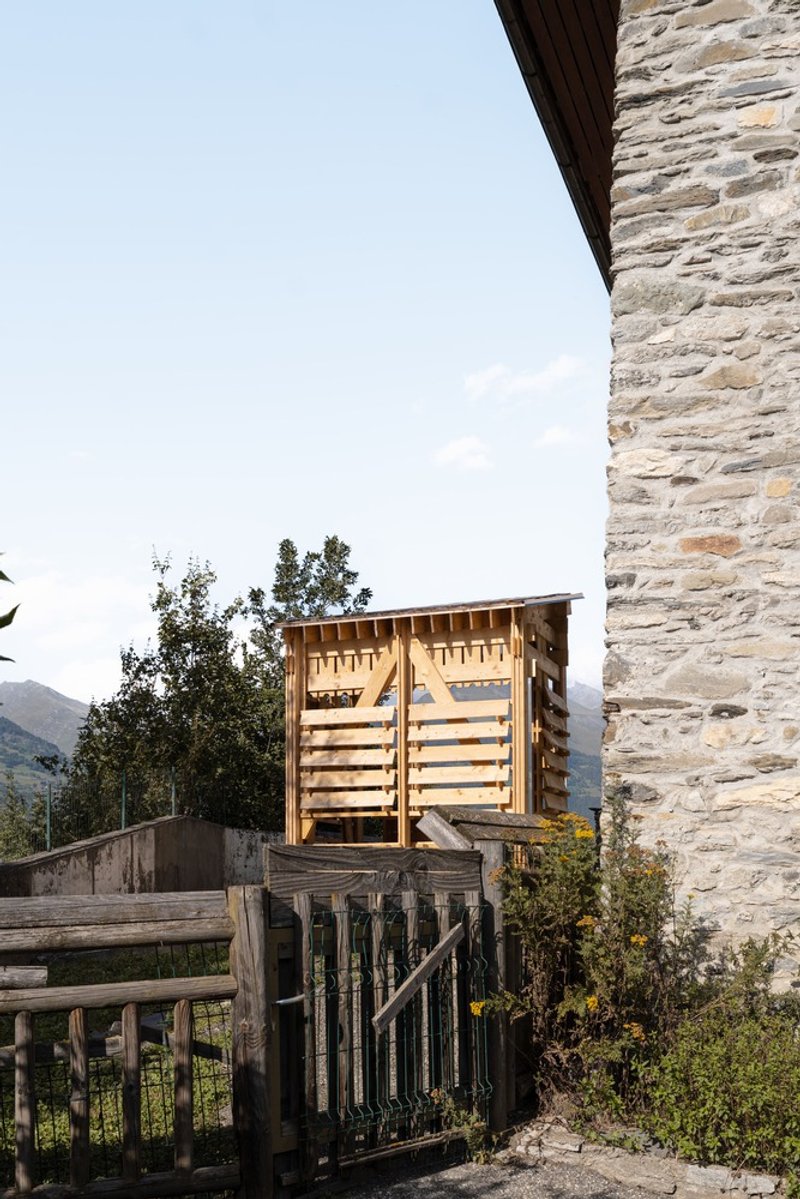
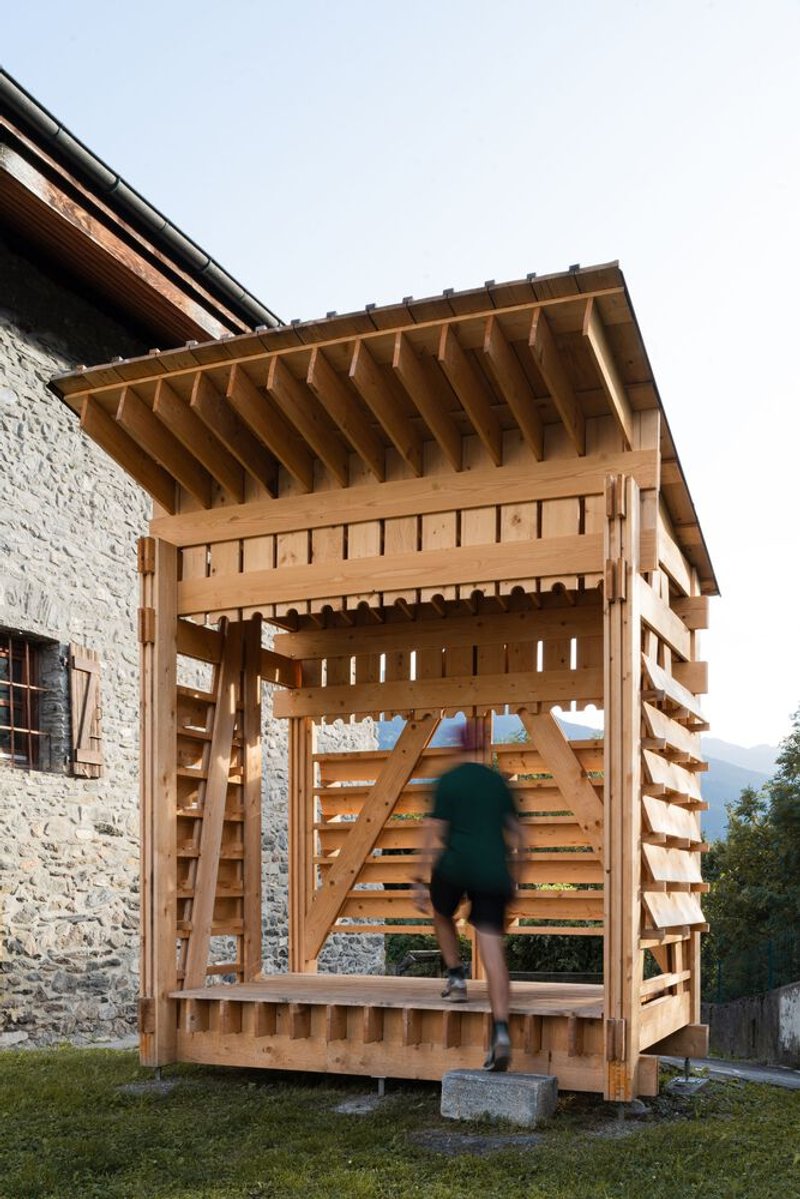
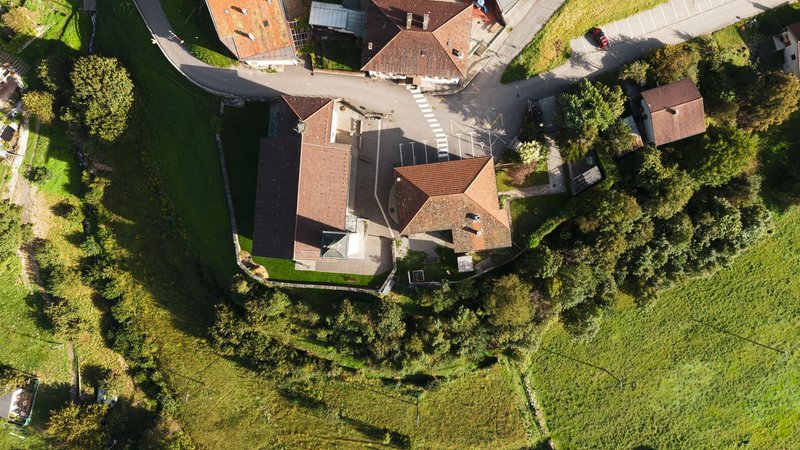
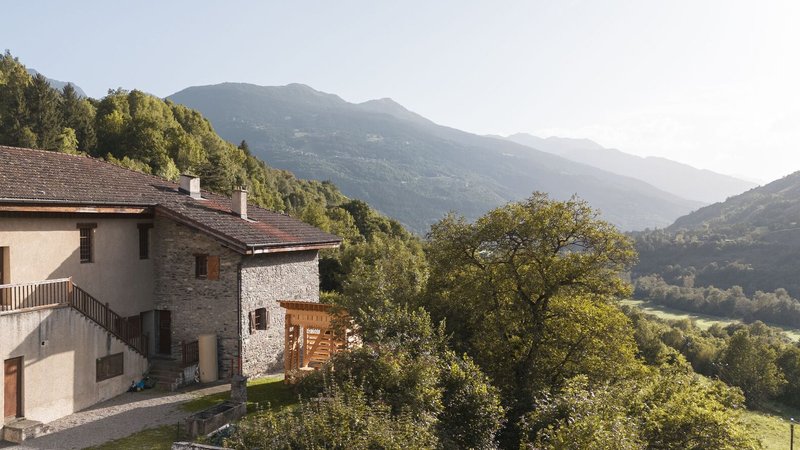
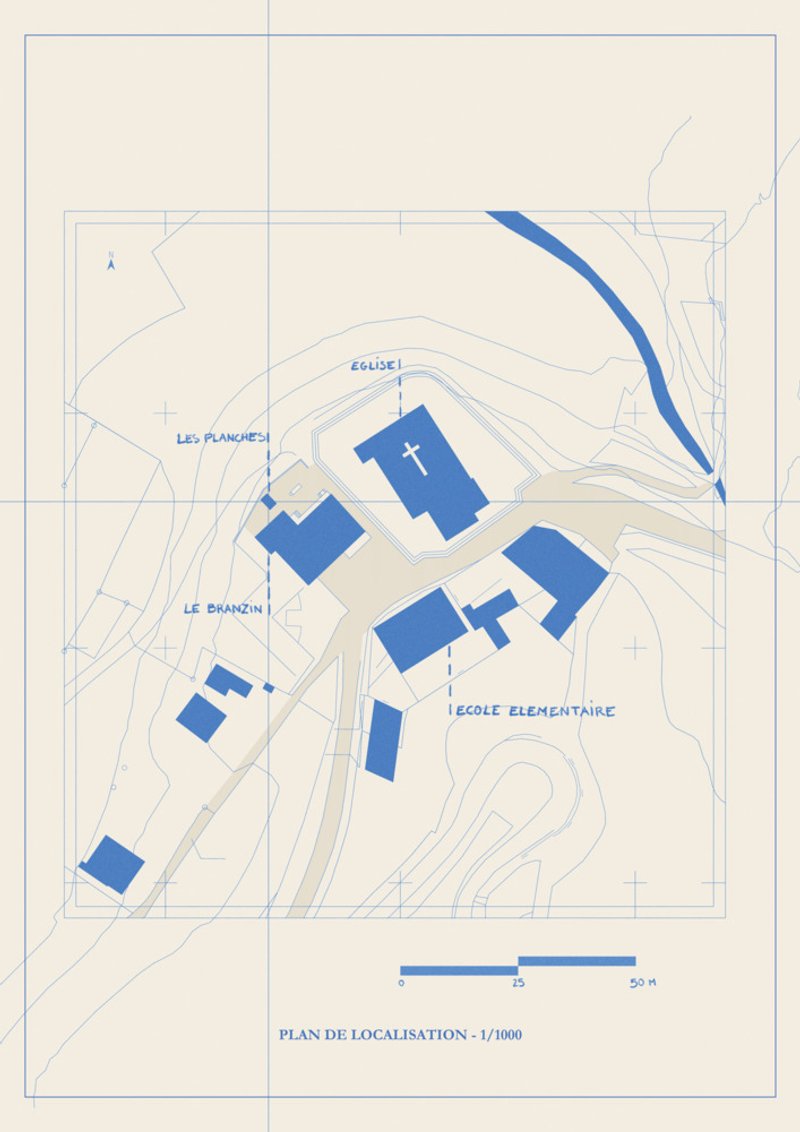
The Les Planches Installation, designed by architects Marina Poli and Philippe Paumelle, embodies a minimalist and functional approach to contemporary architecture. Located in Bourg-Saint-Maurice, France, this project explores the profound potential of simplicity by employing a single wooden element as its fundamental building block. The installation not only pays homage to the natural beauty of timber but also challenges the traditional concepts of spatial design and construction.
Introduction to Les Planches Installation
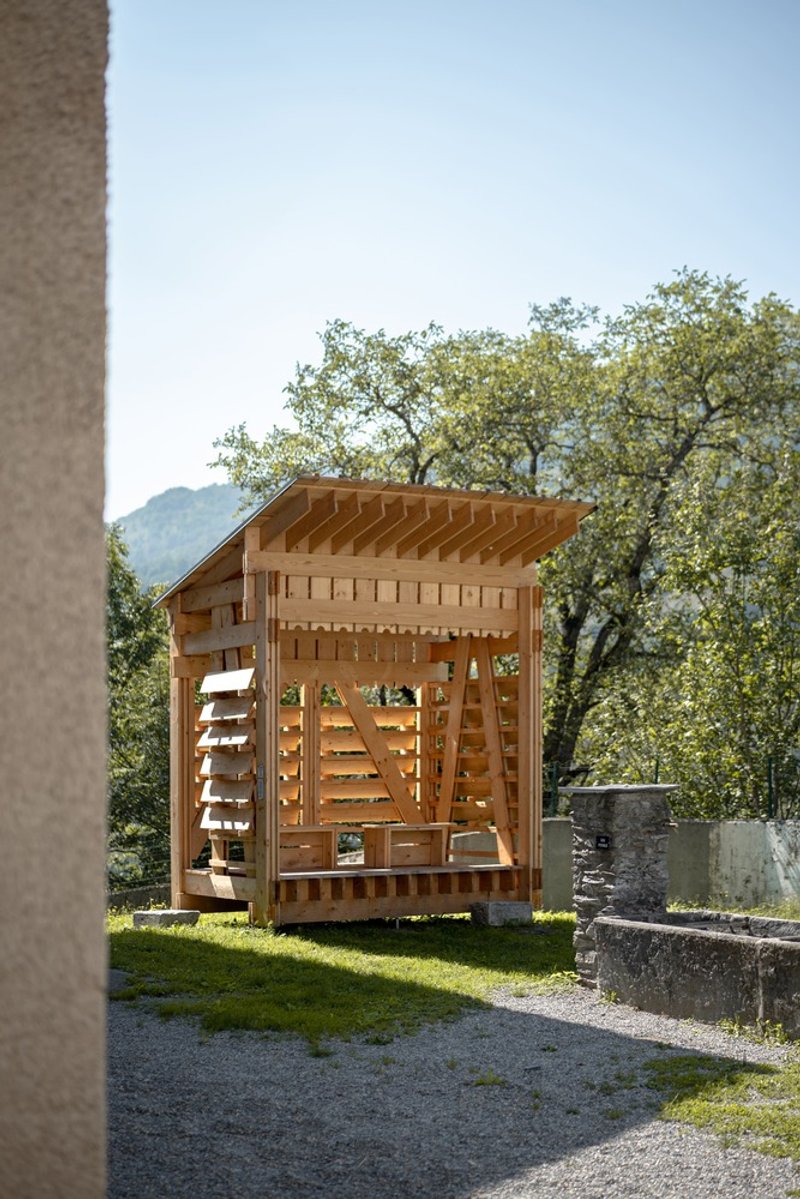
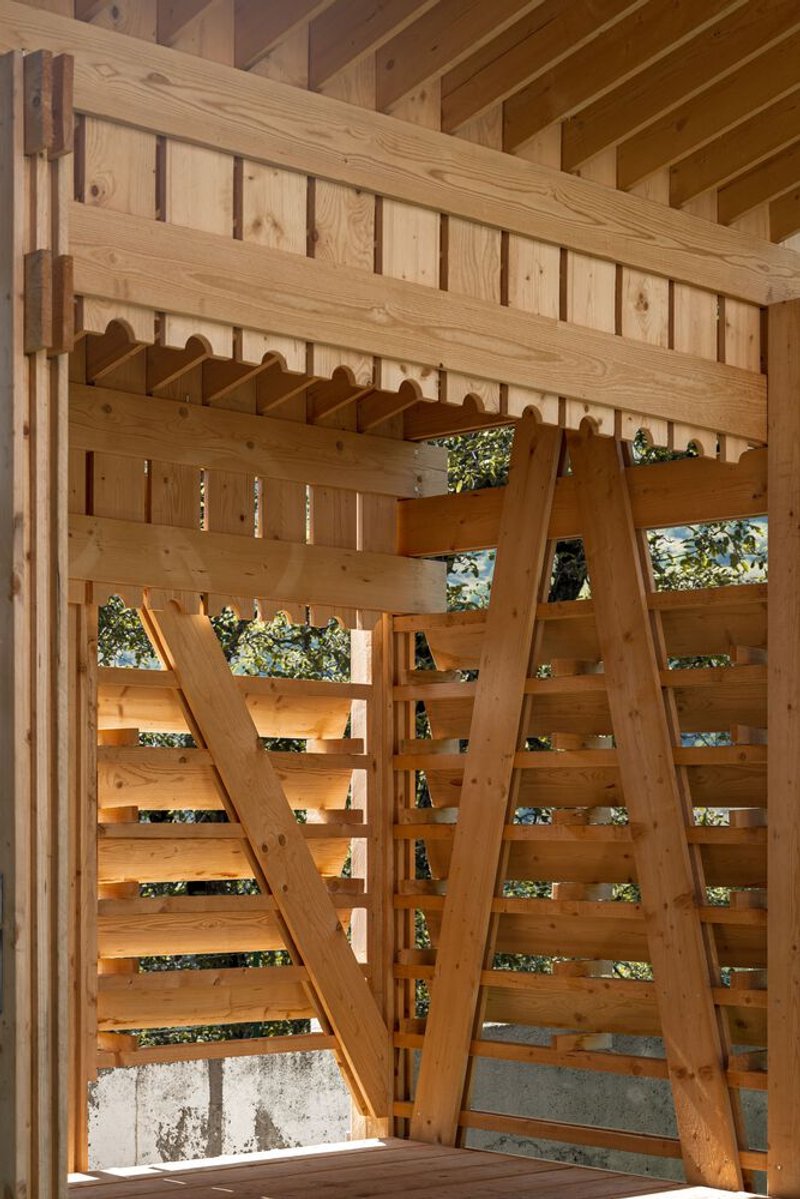
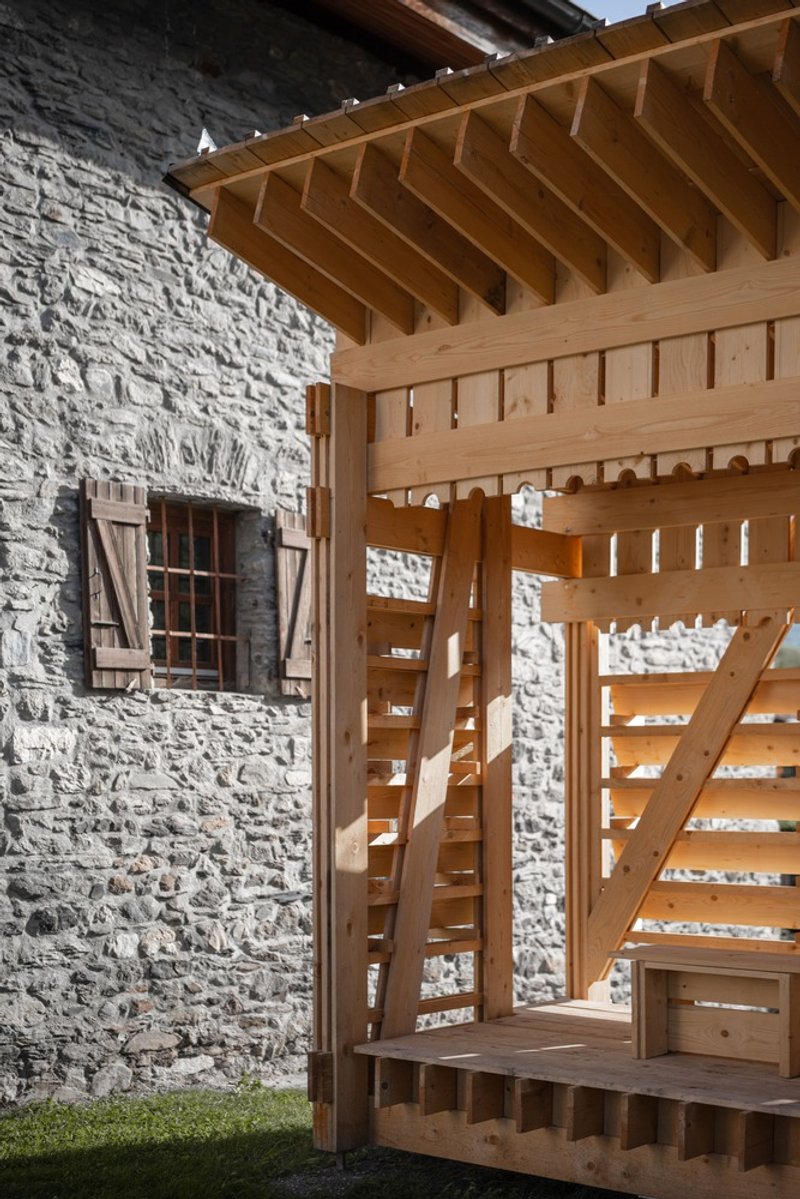
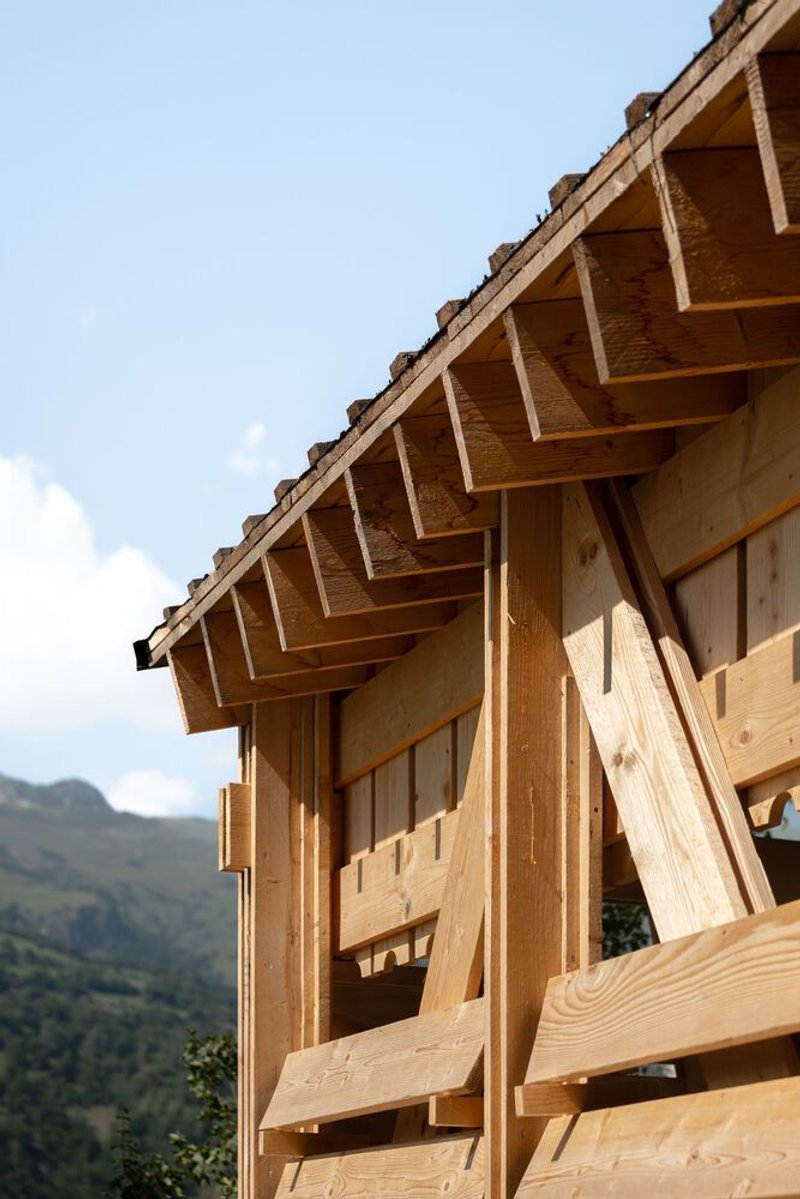
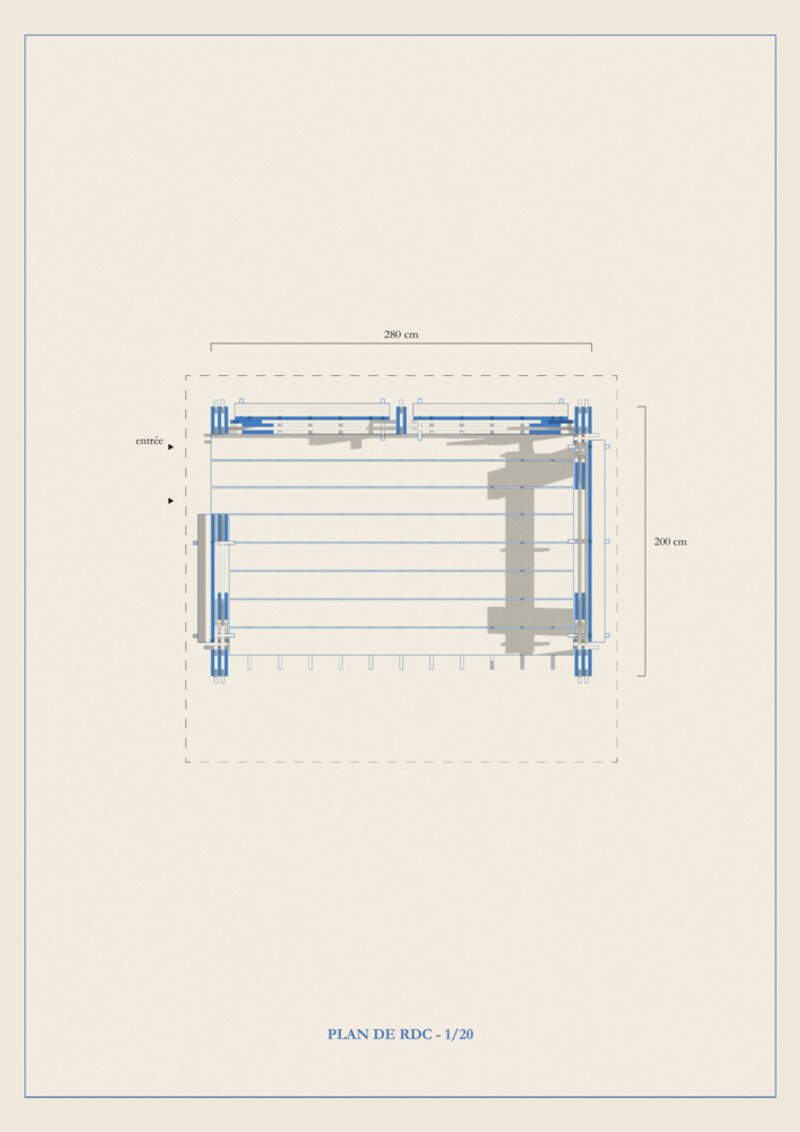
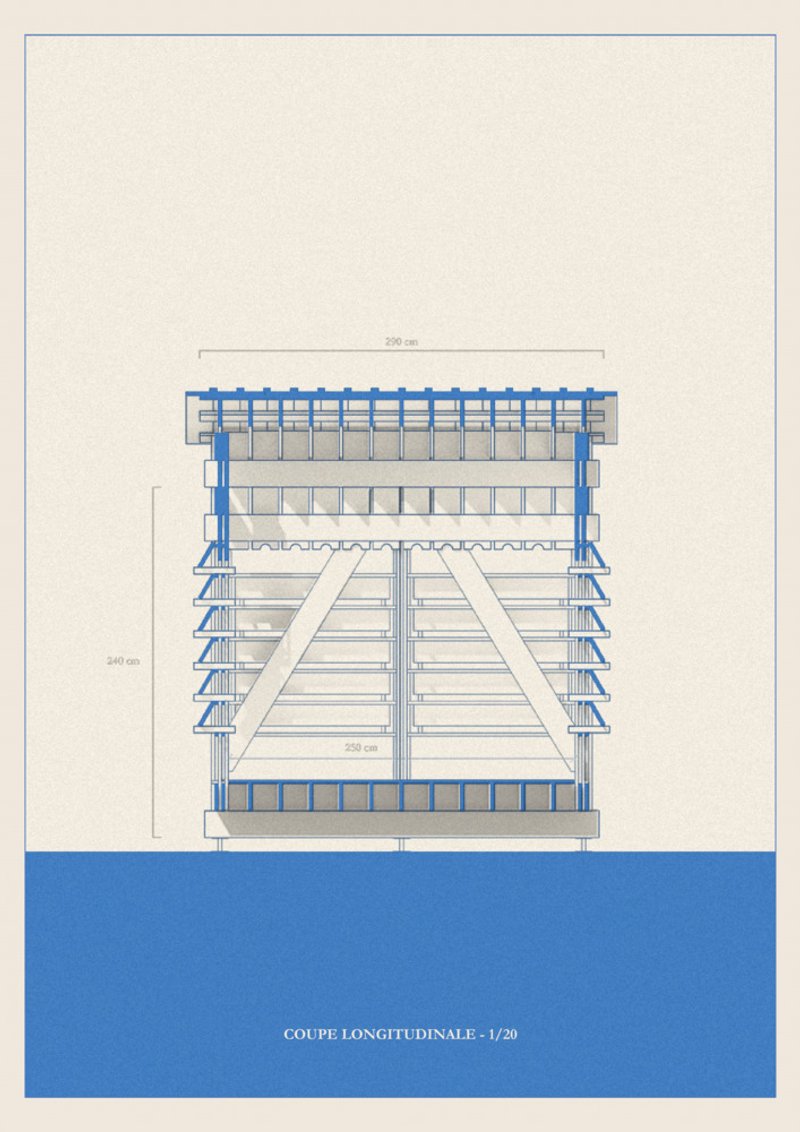
At its core, Les Planches is an architectural experiment that hinges on the use of a single plank of wood, meticulously cut to uniform dimensions. The planks, each measuring up to 300 cm in length, serve multiple purposes, functioning as posts, beams, friezes, or even seats. This innovative approach promotes construction efficiency and an economical design philosophy, making it a beacon of sustainable architecture.
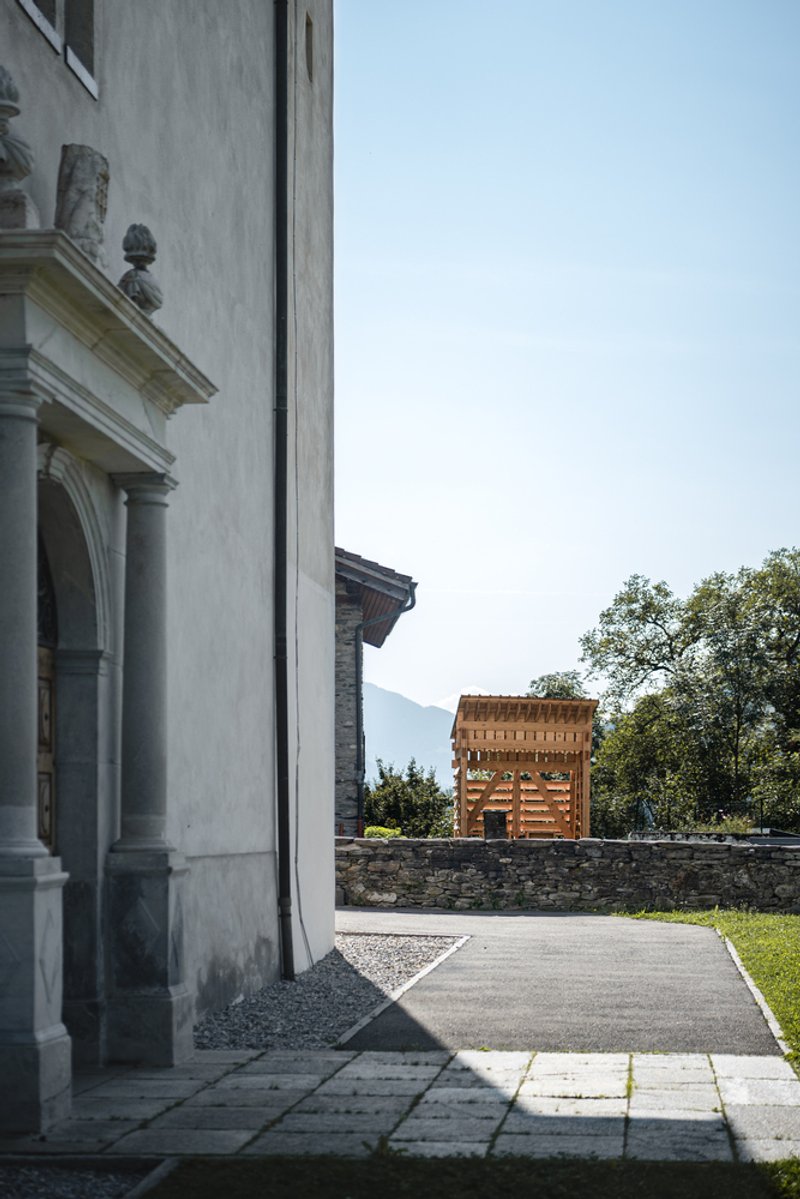
The installation embodies an intersection of functionality and aesthetic appeal, where horizontality meets verticality, creating a harmonious and rhythmic interplay. It offers a tactile and visual experience for visitors, bridging the gap between architecture and its users.
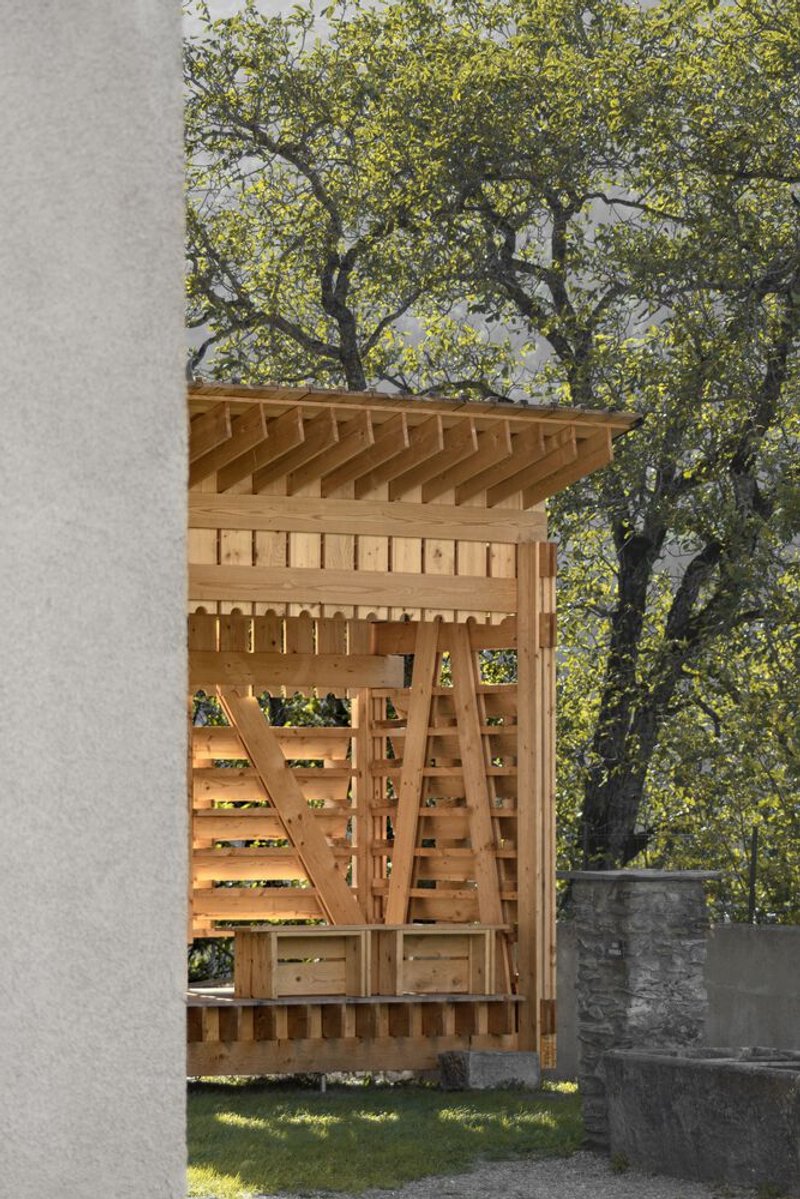
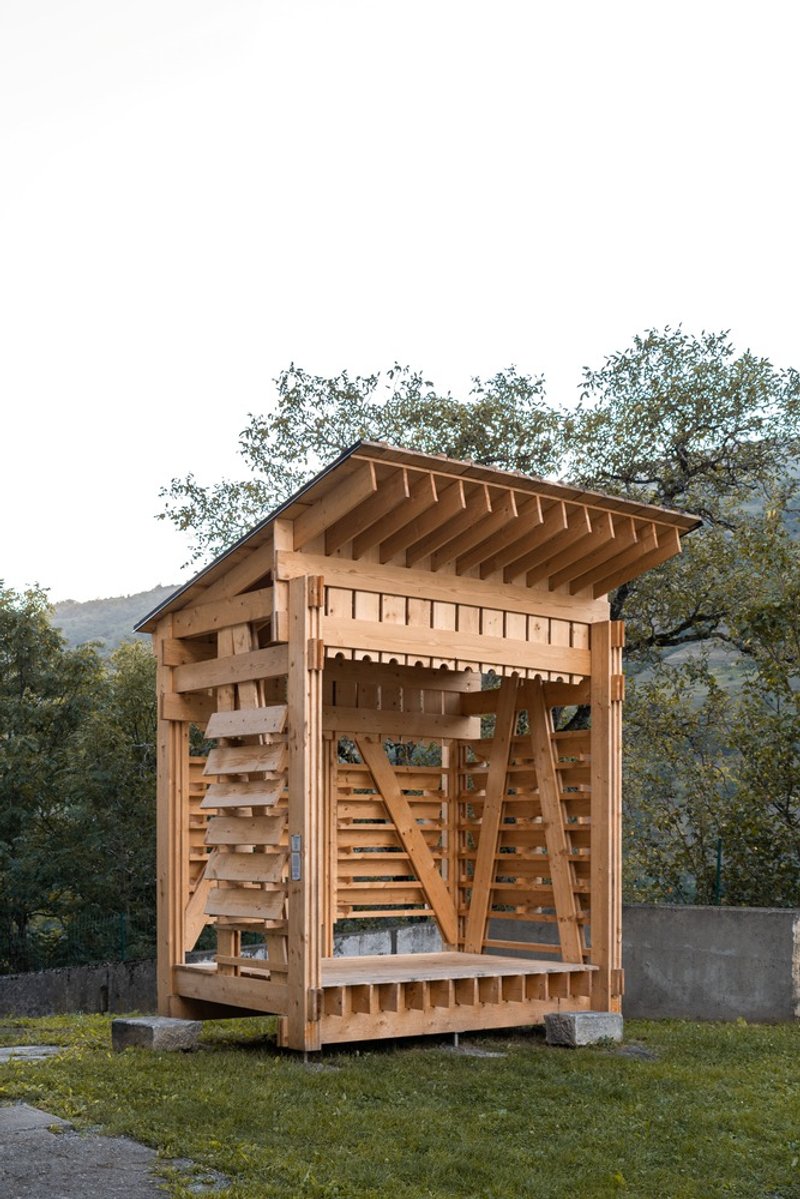
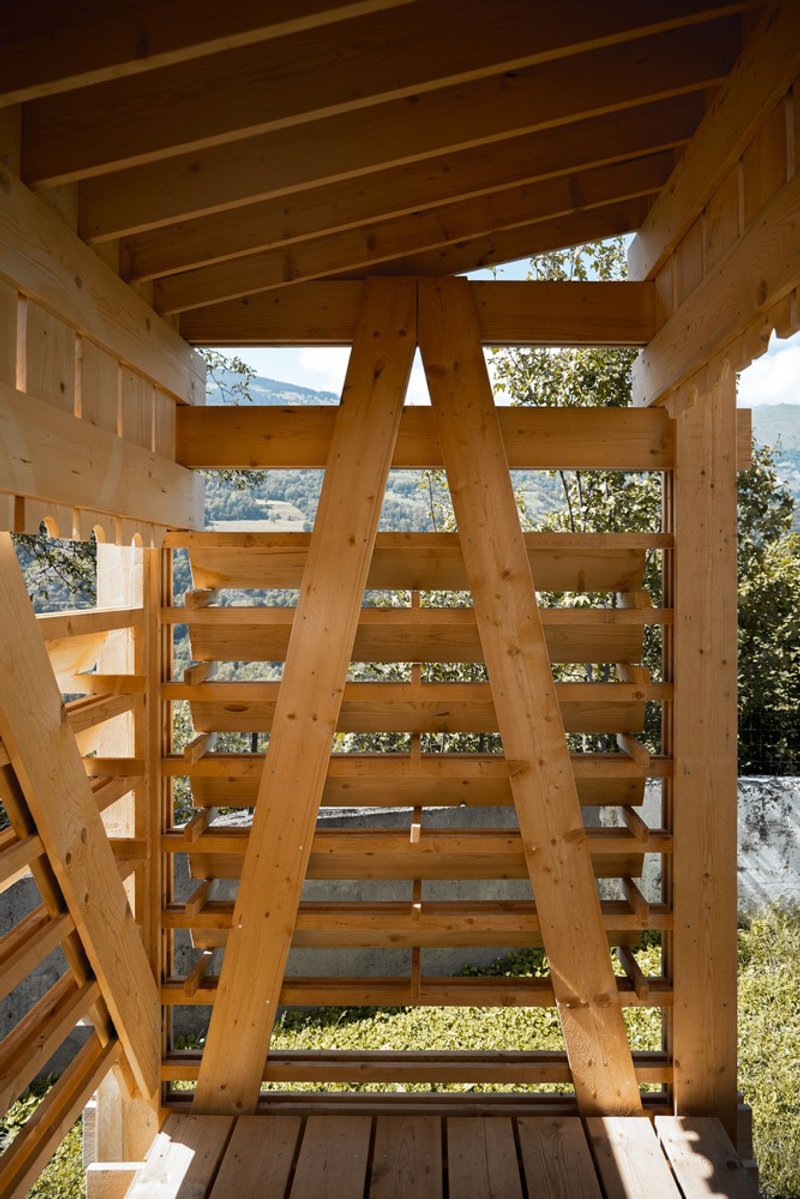
The Philosophy of Single-Element Construction
Inspired by the simplicity of modular toys like Kapla, the architects approached this project with a design philosophy rooted in constraint. The use of a single type of material serves as both a challenge and an opportunity, fostering creativity within defined limits. This process emphasizes the synergy between mind, hands, and material, producing a structure that is both didactic and inviting.
The concept of modular wooden architecture encourages engagement from users, inviting them to explore the design not only with their eyes but also with their hands. This tactile interaction fosters a deeper connection between individuals and the built environment, enriching their experience of space and form.
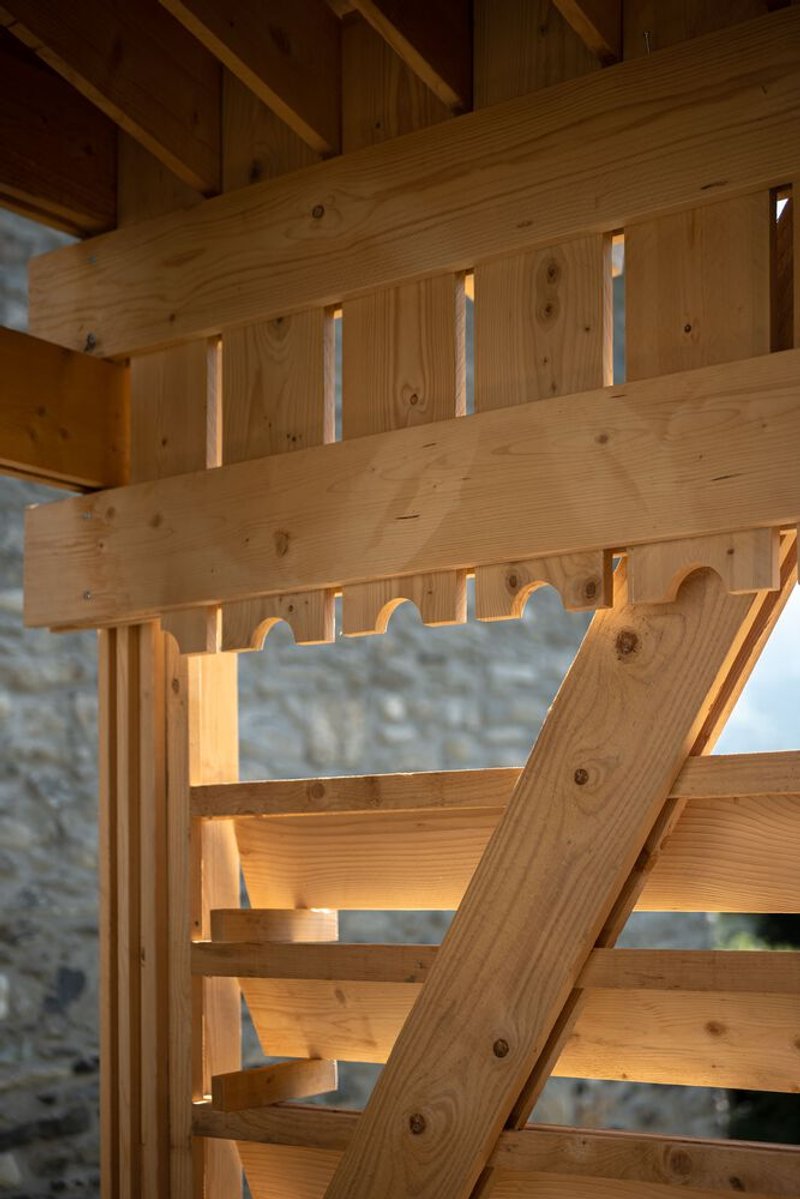
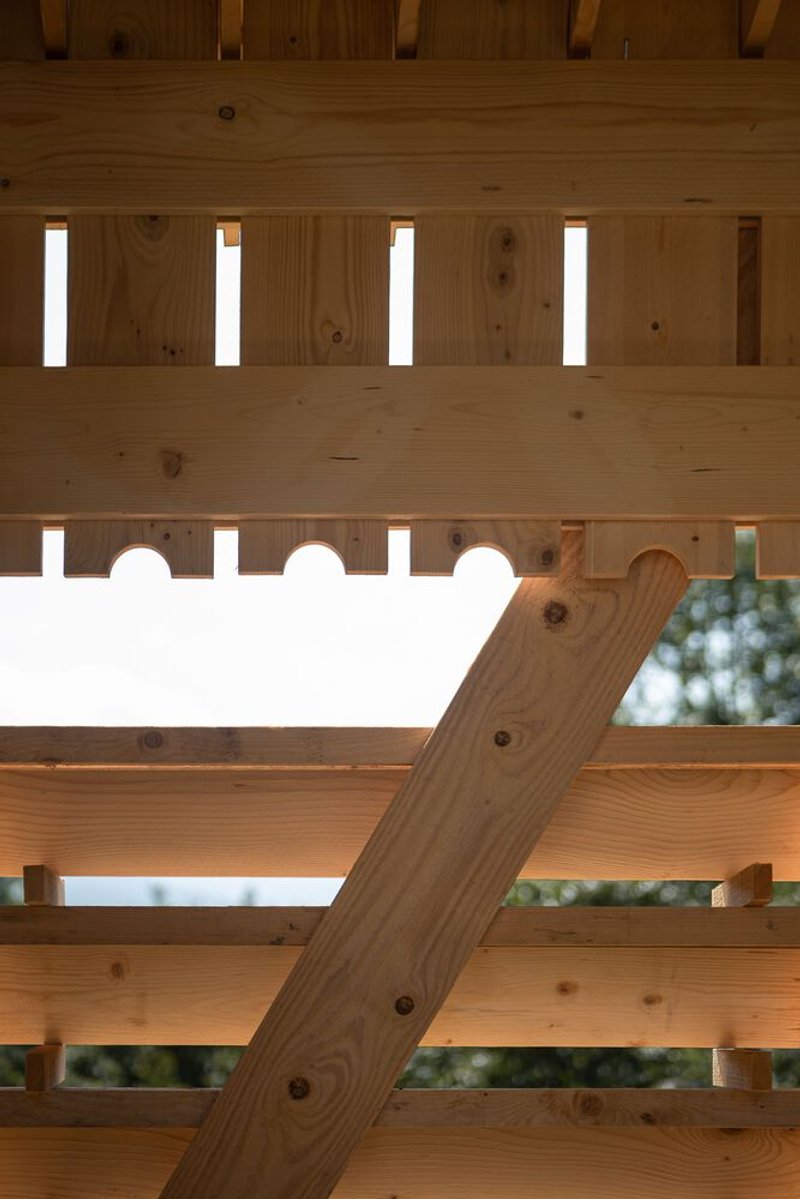
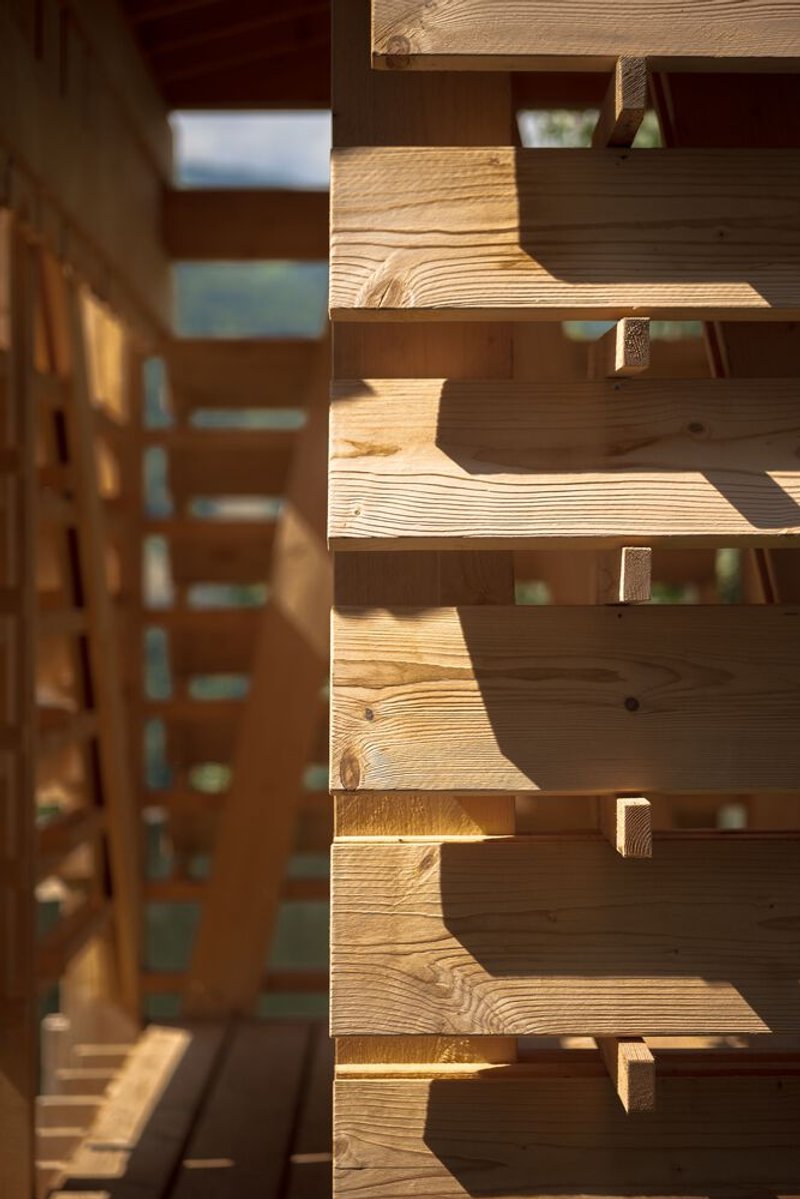
A Functional and Cultural Space
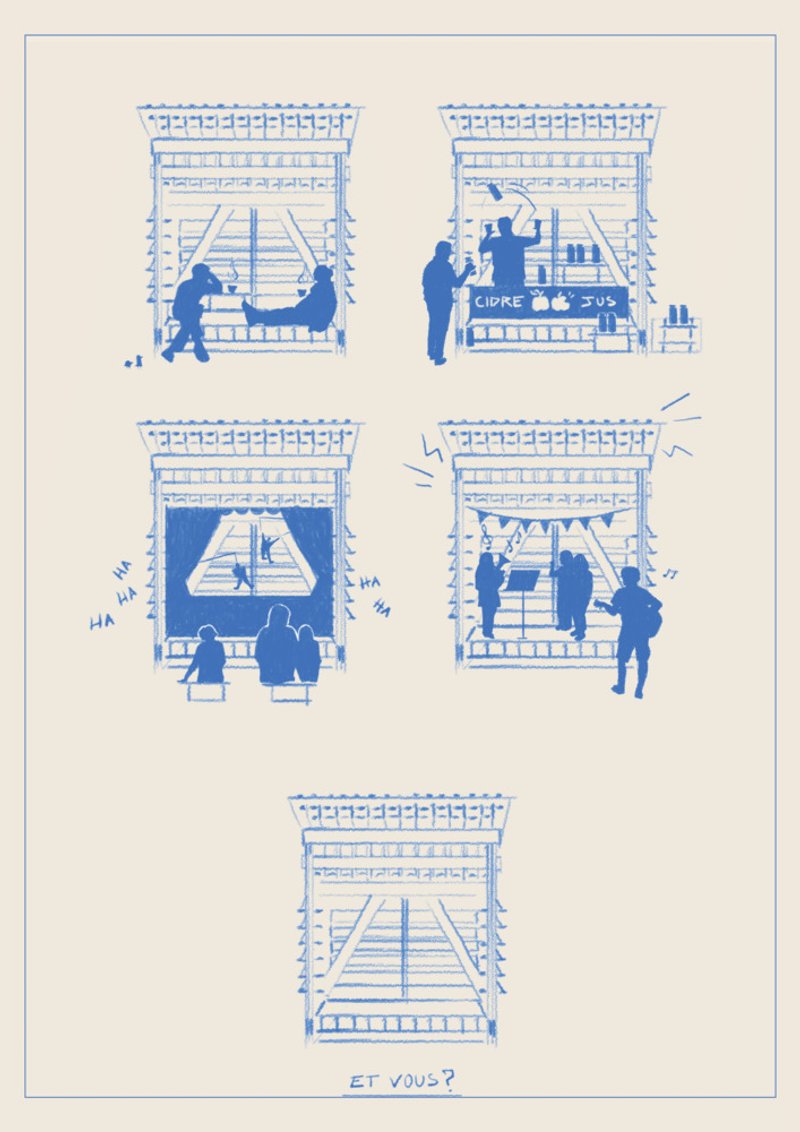
Les Planches is more than just an architectural installation; it is a cultural stage where the rhythm of collective life unfolds. Its design evokes the spirit of community, providing a versatile space for gathering, conversation, and celebration. Whether used for casual coffee chats, lively dances, or soulful musical performances, the installation serves as a hub for human connection and creativity.
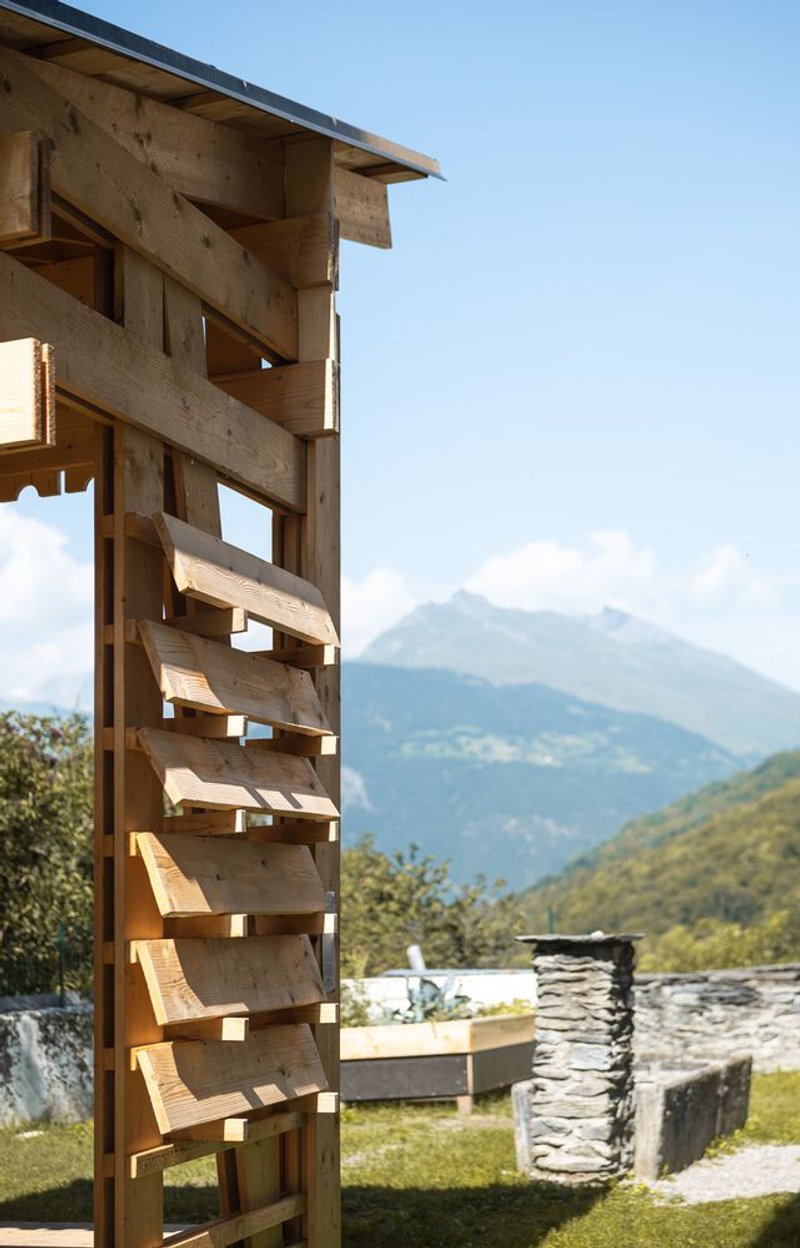
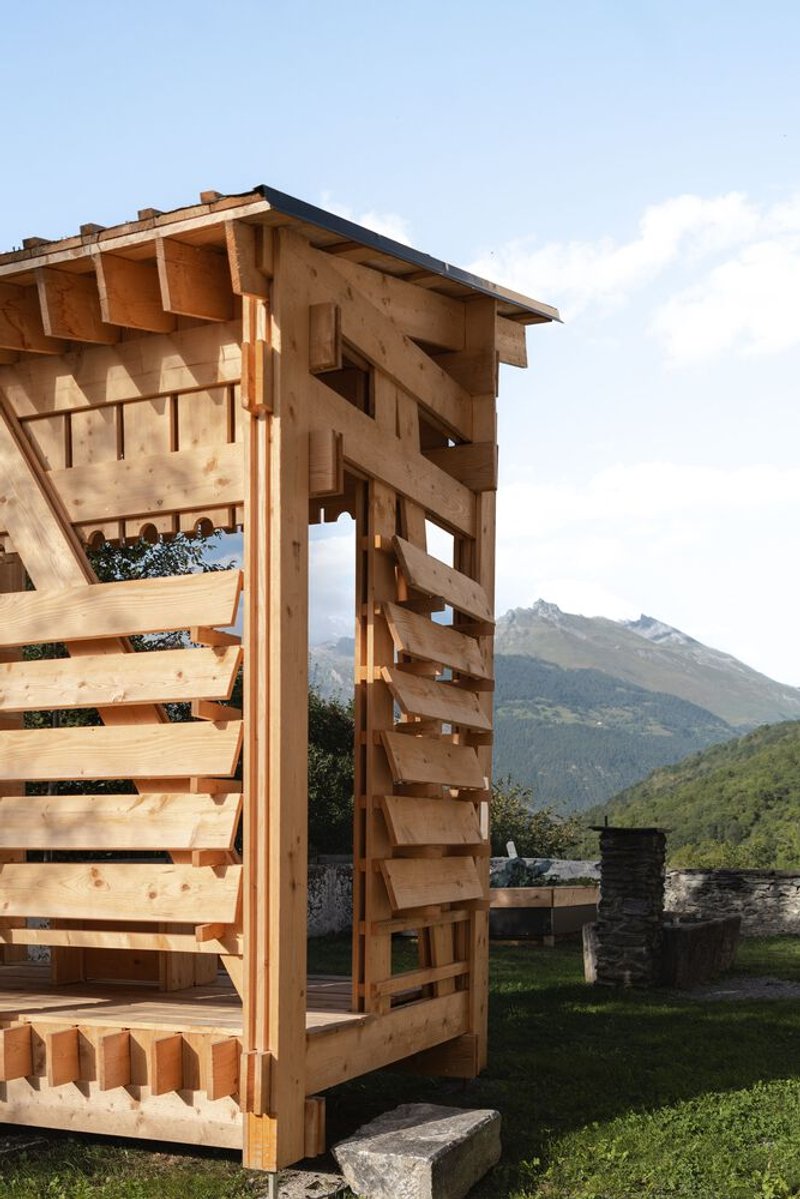
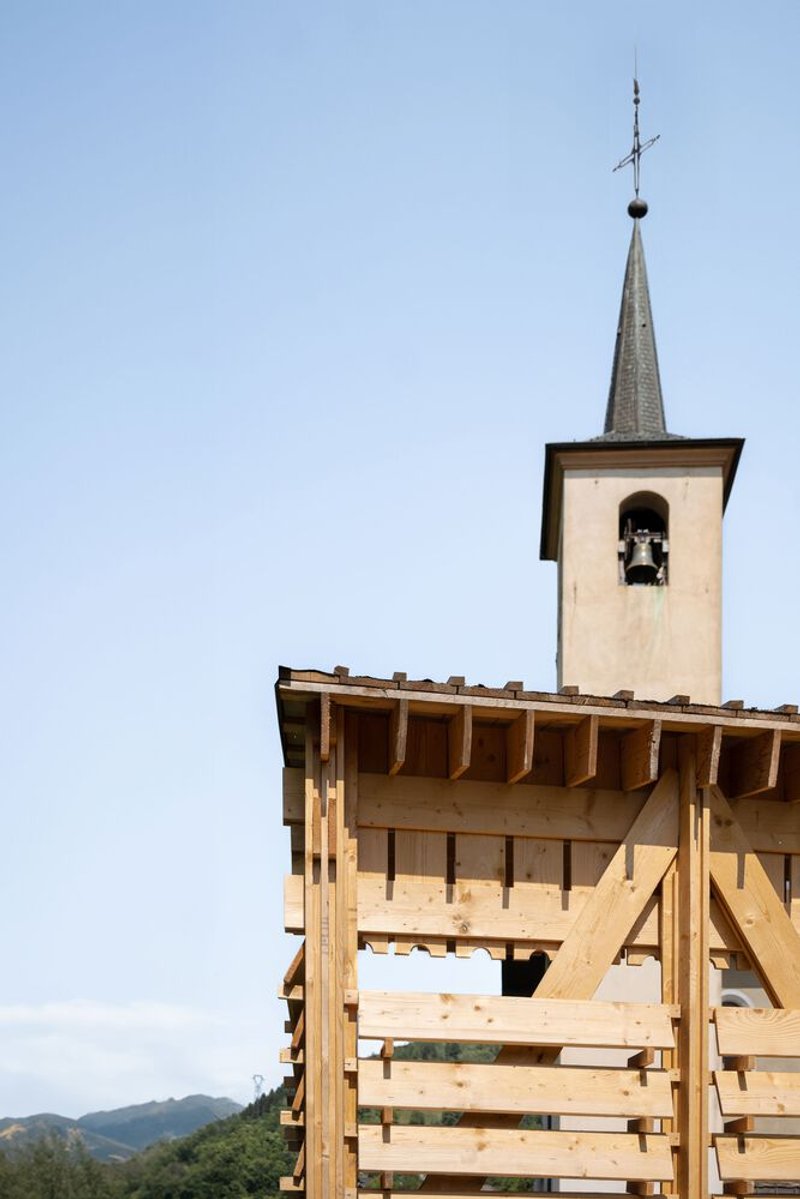
The careful arrangement of the planks reflects a vernacular spirit, drawing inspiration from traditional construction methods while maintaining a contemporary aesthetic. The installation’s modularity and adaptability make it a timeless addition to its environment, seamlessly blending functionality with poetic expression.
Sustainability and Economic Efficiency in Design
One of the standout features of Les Planches is its commitment to sustainability. By relying on a single wooden element, the project minimizes material waste and reduces environmental impact. The uniformity of the planks streamlines the construction process, saving time and resources while maintaining structural integrity.
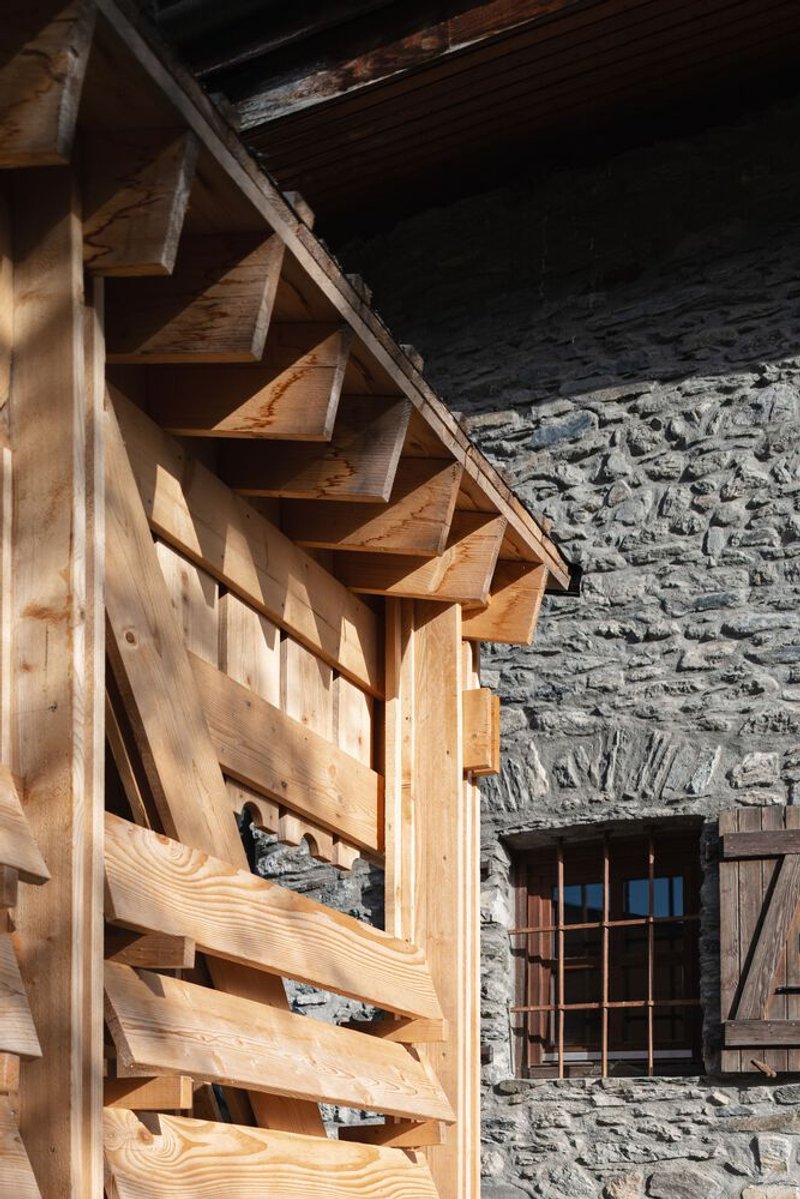
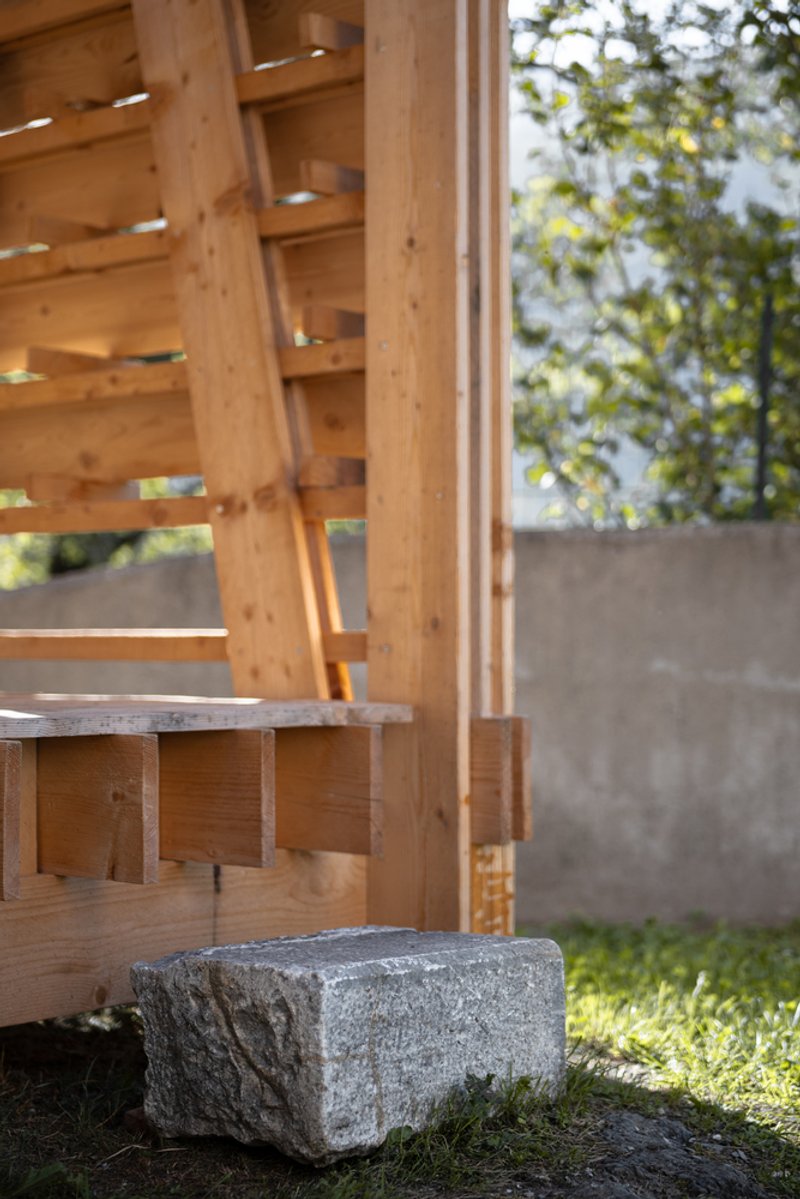
This economical approach underscores the potential of modular design in addressing modern challenges, offering solutions that are both practical and environmentally conscious. Les Planches sets a precedent for future architectural projects, demonstrating how thoughtful design can harmonize with ecological responsibility.
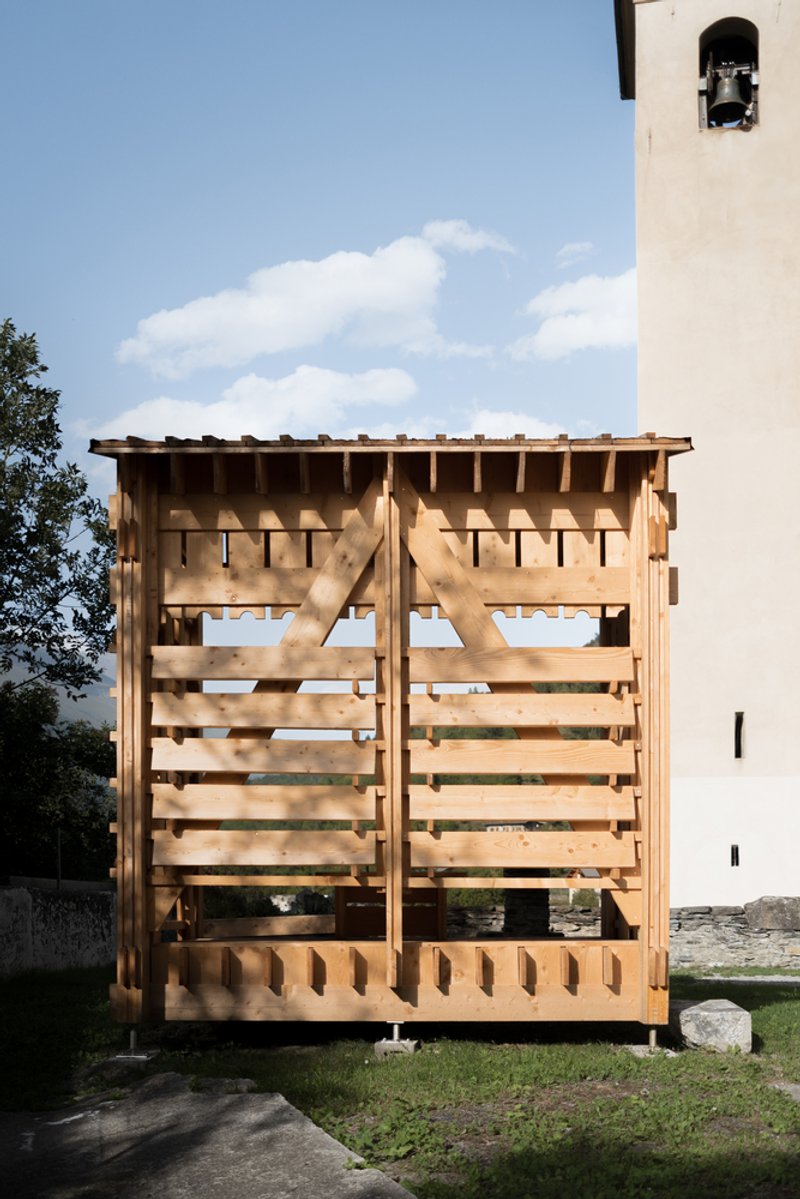
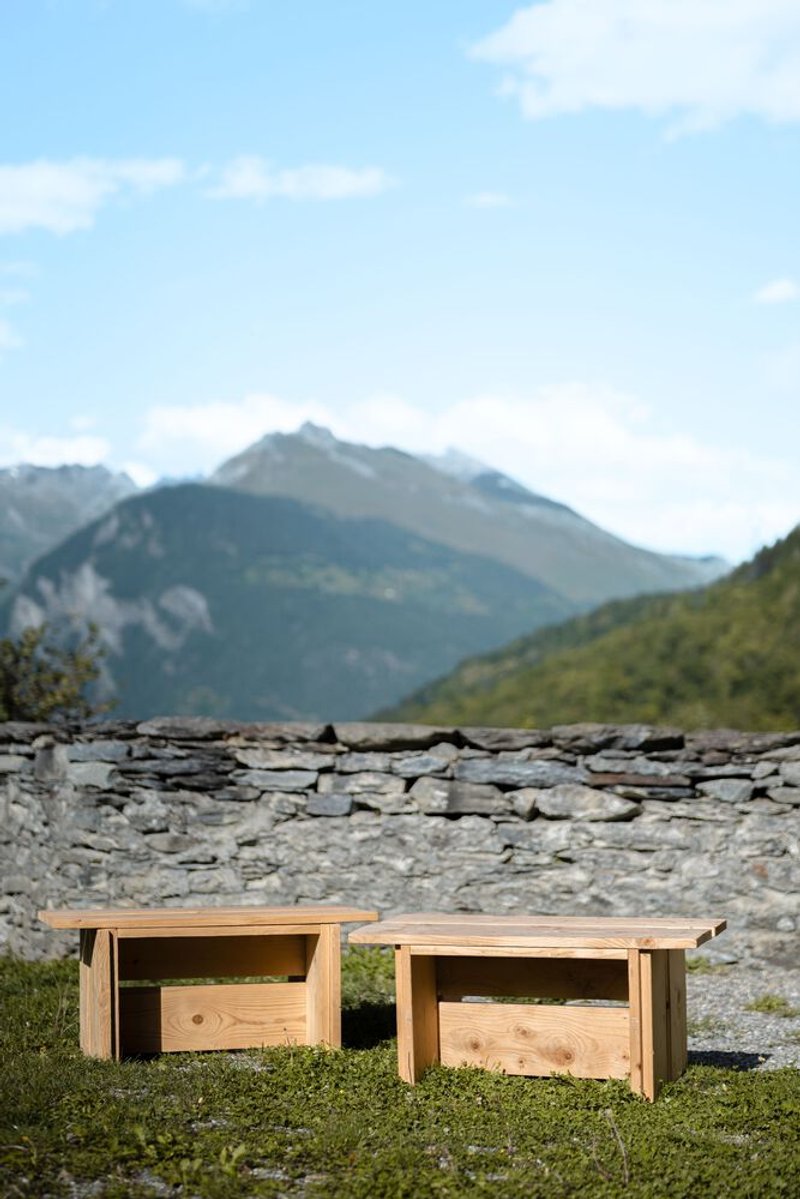
A Dialogue Between Design and Users
Les Planches Installation by Marina Poli and Philippe Paumelle is a remarkable example of how architecture can transcend its functional purpose to become an active participant in human life. By simplifying the design process and focusing on a single modular element, the project fosters a dialogue between space, material, and its users.
This innovative installation not only redefines the possibilities of wooden architecture but also inspires a new generation of architects to think creatively within constraints. Les Planches stands as a testament to the enduring power of simplicity, proving that minimalism, when executed with precision, can yield profound results.
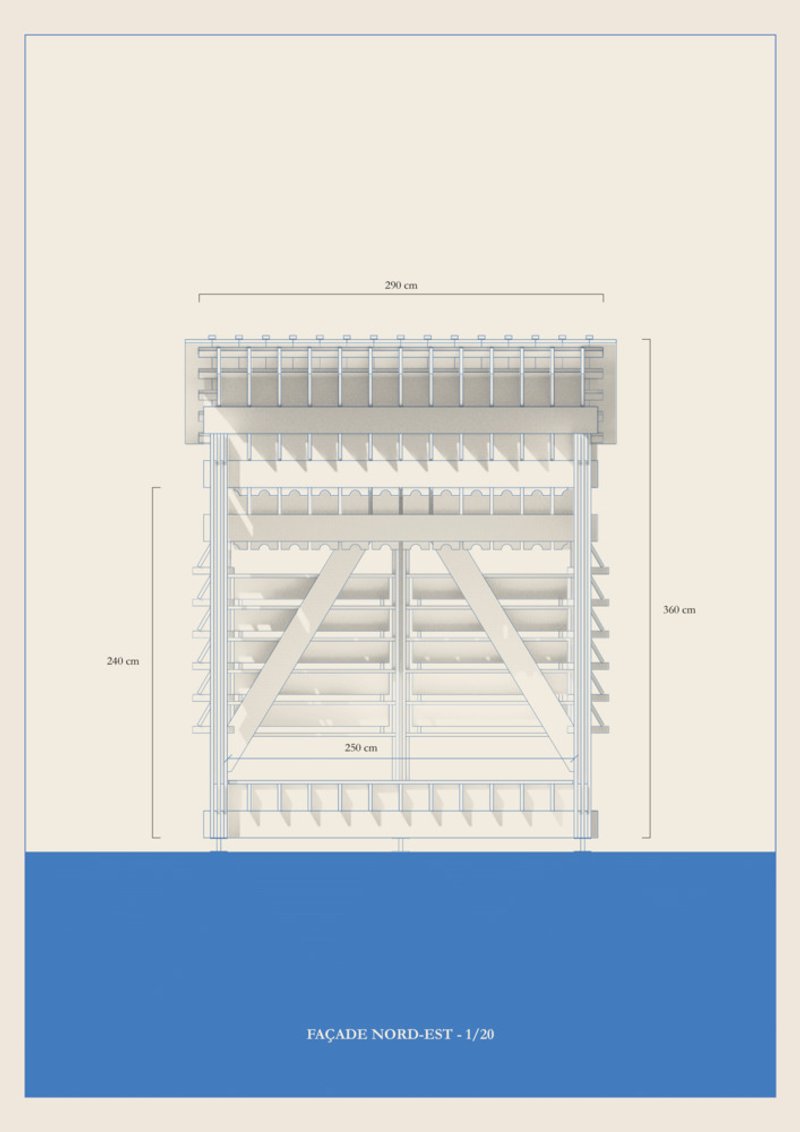
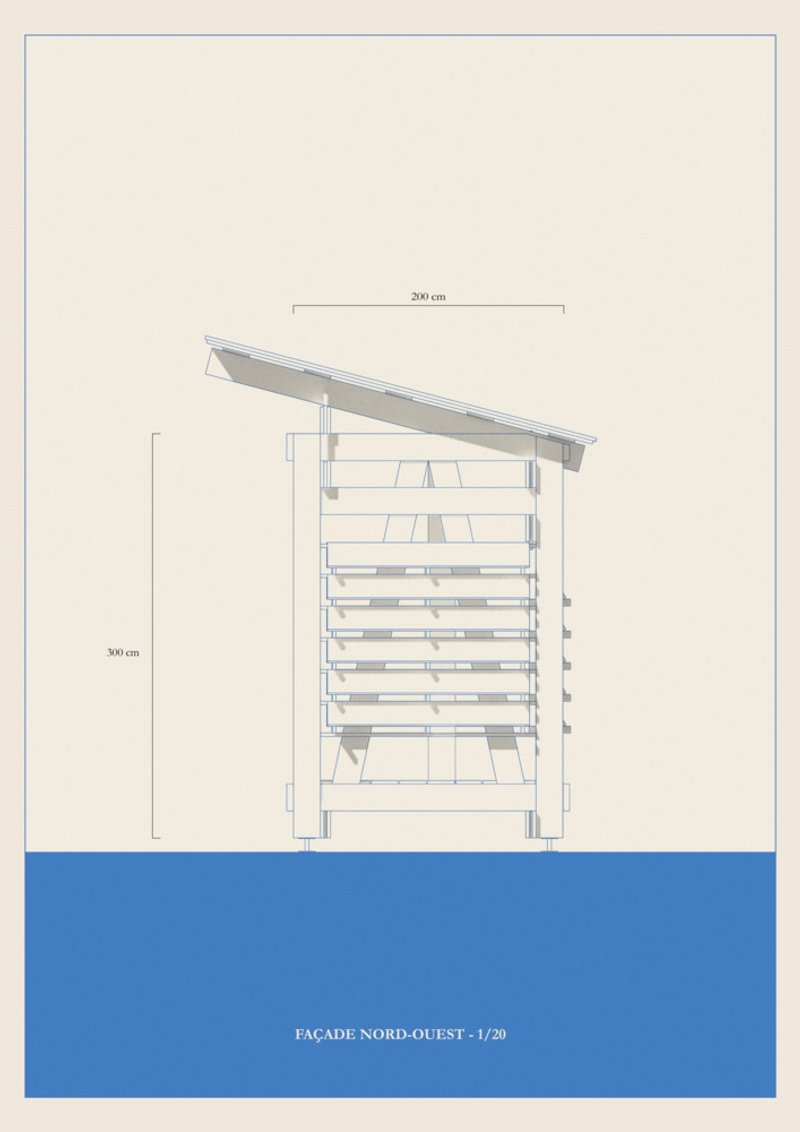
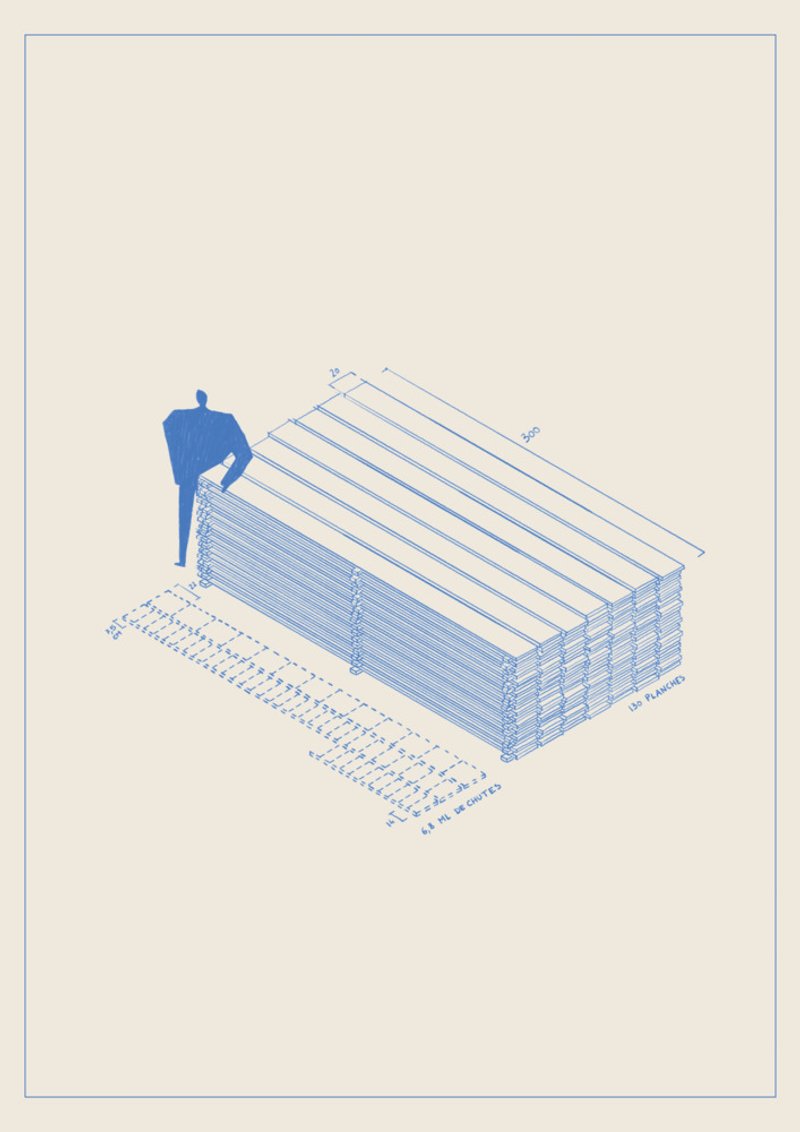
All Photographs are work of Clément Molinier




Popular Articles
Popular articles from the community

Gads Hill Early Learning Center by JGMA: Adaptive Reuse Shaping Community-Focused Educational Architecture
Adaptive reuse transforms fragmented structure into vibrant early learning center with playful façade, natural light, and community-focused sustainable design.
Atelier Macri Concept Store Interior Design by CASE-REAL
Atelier Macri store features a "ko" counter, walnut wood details, cork displays, blending retail, gallery, and seamless customer experiences.

Free Architecture Competitions You Can Enter Right Now
No entry fees, real prizes. Here are the best free architecture competitions open for submissions in 2026.
Alton Cliff House: A Harmonious Retreat by f2a Architecture in Lake Country, Canada
Alton Cliff House blends corten steel, prefabrication, and sustainable design, creating a luxurious, energy-efficient retreat perched on Canadian cliffs.


Similar Reads
You might also enjoy these articles


The Ken Roberts Memorial Delineation Competition (Krob)
As the most senior architectural drawing competition currently in operation anywhere in the world, it draws hundreds of entries each year, awarding the very best submissions in a series of medium-based categories.

Waterfront Redevelopment and Urban Revitalization in Mumbai: Forging a New Dawn for Darukhana
A transformative waterfront redevelopment project reimagining Darukhana’s shipbreaking heritage into an inclusive urban future.

OUT-OF-MAP: A Call for Postcards on Feminist Narratives of Public Space
Rhizoma Design and Research Lab invites artists, designers, architects, researchers, and students to reflect on how feminist perspectives can reshape public space. Selected works will be exhibited in Barcelona, October 2026. Submissions open until 15 April 2026.


Documentation Work on Buddhist Wooden Temple
Architectural syncretism and cultural hybridity: A comparative study of the Buddhist temples in Chattogram Hill tracks
Explore Architecture Competitions
Discover active competitions in this discipline




The International Standard for Design Portfolios


The Global Benchmark for Architecture Dissertation Awards


The Global Benchmark for Graduation Excellence


Challenge to reimagine the Iron Throne
Comments (0)
Please login or sign up to add comments
No comments yet. Be the first to comment!