
New Design for Singapore Science Centre Unveiled by Zaha Hadid Architects
A Glimpse of the Impressive Architecture


The Science Centre Board of Singapore has revealed the design of the new Science Centre, created by Zaha Hadid Architects (ZHA), which will offer a unique and comprehensive experience in science, technology, engineering and mathematics (STEM) education for all Singaporeans.
Since its establishment in 1977, the Science Centre has been dedicated to inspiring curiosity and innovation in young students and with the new location and facilities, it aims to broaden its outreach, allowing people of all ages to appreciate the significance of science and technology in their daily lives.
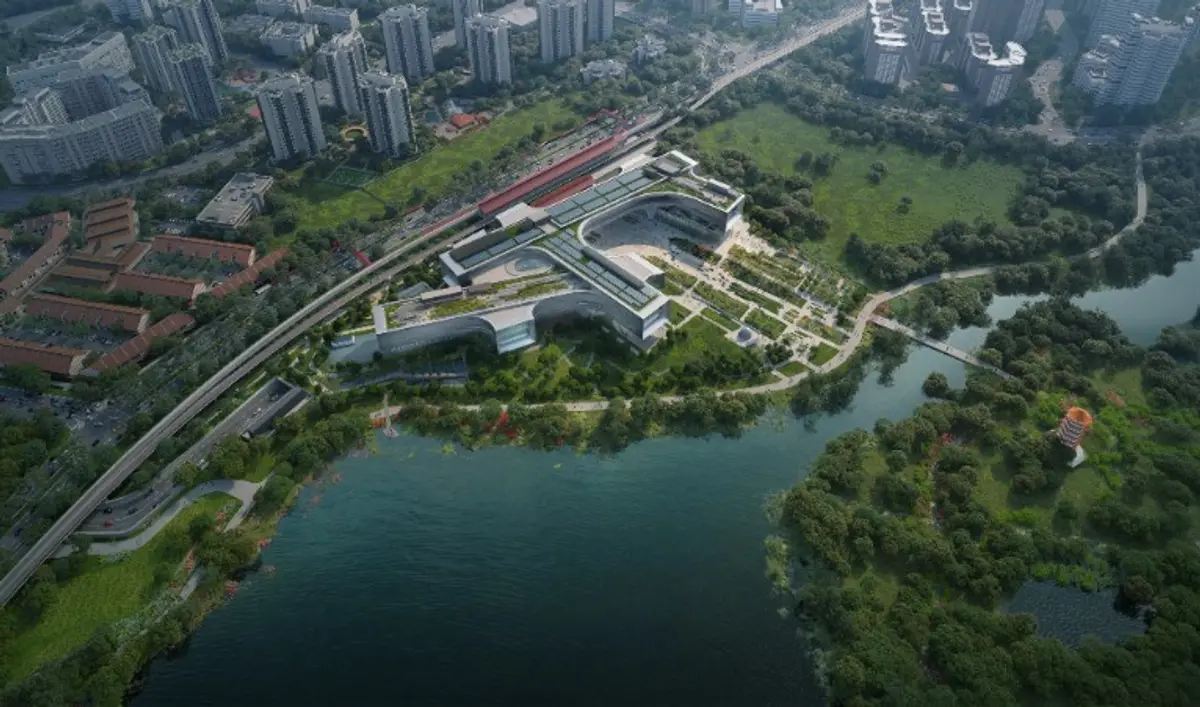
Inspired by the natural landscape of Jurong Lake Gardens in Singapore, the new Science Centre looks towards the future and provides ample opportunities for visitors to engage with the surrounding gardens and lake. Designed in collaboration with Architects 61, the Science Centre is composed of five interconnected rectangular volumes, featuring exhibition galleries, interactive labs, event spaces, as well as administrative offices, archives, and visitor facilities.
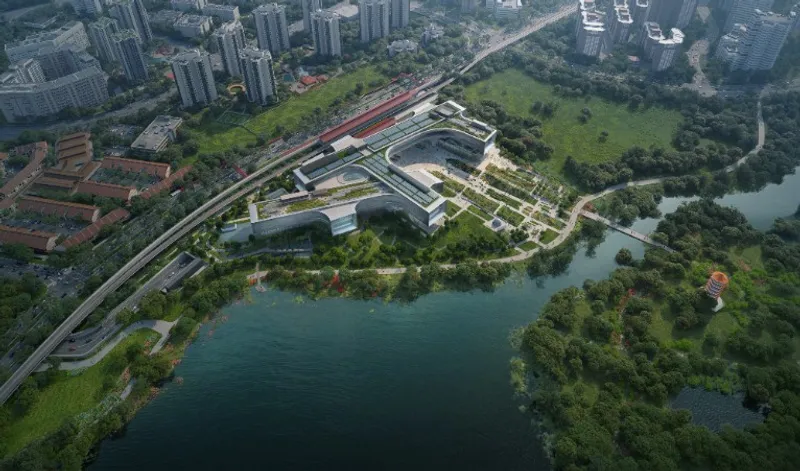
The new Science Centre boasts five unique volumes with large windows serving as "monocles" that offer stunning views of the lake. The design enhances the indoor-outdoor relationship by defining a series of courtyards and gardens that lead from the MRT station to the pagoda in the Chinese Garden. This new destination provides a variety of indoor, outdoor, and rooftop spaces for learning and community events.
The Children's Gallery, more than twice the size of the current one, features an interactive waterplay area, discovery trails in the secondary forest, and a sensory trail on the roof garden. Older students will have access to specialized labs and workshops that encourage hands-on learning. For example, the Eco-Lab will allow students to conduct scientific investigations and analyze samples taken from the Eco-Garden. They can also monitor the data collected from their personal devices in school or at home. The centre will also educate visitors on sustainability practices, such as vertical farming systems.
The new Science Centre will also have an Observatory for budding astronomers to learn about the universe, a Digital Fabrication Lab for incubator programs, and a Makerspace for young inventors to bring their ideas to life. The outdoor Activity Plaza will be a hub for STEM programs and community activities.
The new Science Centre in Singapore is designed with sustainability in mind, aligning with the Singapore Green Plan 2030. The building, created in collaboration between Atelier Ten, ZHA and Architects 61, incorporates green design principles and energy-saving strategies to minimize its carbon footprint. The goal is to attain BCA Green Mark Platinum Super Low Energy certification.
The design of the centre includes outdoor areas that are shaded from the sun but open to the prevailing winds. The use of natural ventilation and controlled daylight will reduce energy consumption while improving the visitors' experience and comfort. Solar panels and insulation roof gardens will support the centre's renewable energy targets.
The building features a high-efficiency space conditioning system controlled by an intelligent building management system, which aims to reduce energy consumption by over 40%. The centre also prioritizes water management and landscaping to conserve and restore local plant communities.
Located next to Chinese Garden MRT station, the new Science Centre is targeted to open its doors around 2027, which also marks the 50th anniversary of the institution. Associate Professor Lim Tit Meng, Chief Executive of the Science Centre Board, said, “Our ambition for the new Science Centre is to be a truly rewarding destination for all ages and abilities. The universal design principles of the new building will facilitate equal opportunities for all visitors, regardless of demographic or learning abilities. We have also been experimenting with new programmes and exhibition formats at the current site, taking note of the best practices we can apply to provide enhanced experiences to our audiences. Top of the list is to seek community partnerships to ensure we co-create a place that individuals will not only want to visit but also leave feeling more curious about science.”
Ms Tan Yen Yen, Chairman of the Science Centre Board, said, “We have great confidence in the new Science Centre’s potential to drive growth in STEM education and exploration across the region, as STEM industries play a key role in shaping our post-pandemic future. I’d like to express my appreciation to the Ministry of Education and all our partners for their belief in the Centre’s ability to inspire generations and their unwavering support in helping to deepen the impact of our work.”
Press release and images courtesy of Zaha Hadid Architects

Popular Articles
Popular articles from the community


Play: Fragments of Their World
Familiar architecture becomes modular playground design, creating safe spaces where displaced children can learn, connect, imagine and play.

Lunar Spiral: Space Architecture Shaped by the Mathematics of the Universe
Lunar Spiral reimagines space architecture through Fibonacci geometry, lunar regolith, levitating habitats, and self-sustaining Moon living.

ALGAL REALM: A Bio-Integrated Lunar Habitat Design for Life Beyond Earth
ALGAL REALM reimagines lunar habitat design with algae-powered life support, 3D-printed regolith, and vertical living for a lunar future.

Hill & Cross Opera: Sculptural Opera House Architecture Shaped by Tallinn’s Landscape and Identity
Hill & Cross Opera reimagines opera house architecture in Tallinn through its sculptural hill, civic plaza, glass wave and a luminous cross.

Similar Reads
You might also enjoy these articles
116 Rokeby Building, Collingwood
Sustainable Collingwood office building featuring double-skin façade, natural ventilation, rooftop amenities, and carbon-neutral design focused on wellbeing and longevity.
Contemporary Apartment Renovation in Spain: RV House by BIAN Opens Up to the Sea
A minimalist 1930s apartment in Santander is transformed into a flexible, sea-facing home through contemporary Spanish renovation.
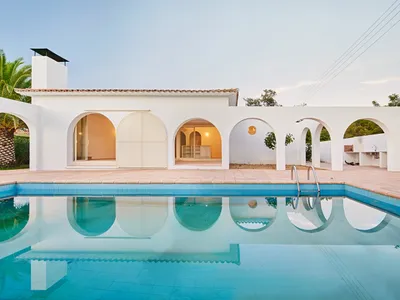
3 Marías House: A Contemporary Mediterranean Courtyard Retreat by Bajet Giramé + Burckhardt
Mediterranean courtyard home blending traditional architecture with modern design, terracotta flooring, flexible interiors, sustainable climate strategies, and garden integration.
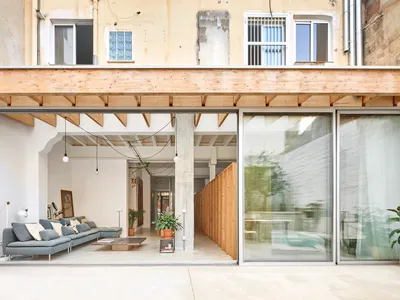
NZ10 Apartment by auba studio: Adaptive Reuse in Palma de Mallorca
Adaptive reuse apartment transforms bakery into light-filled home with patios, privacy layers, and wood interiors enhancing urban living experience.

Explore Cultural Architecture Competitions
Discover active competitions in this discipline


Challenge to reimagine the Iron Throne

Photograph architecture without architects

Illustrate the lost glory of Angkor Wat - Render Challenge

Bring back Drive In's
Comments (0)
Please login or sign up to add comments
No comments yet. Be the first to comment!