Paul Chiang Art Center: A Harmonious Fusion of Art, Architecture, and Nature in Taiwan
The Paul Chiang Art Center in Taiwan merges solitude, nature, and art, offering immersive galleries, Corten steel sculptures, and contemplative experiences.


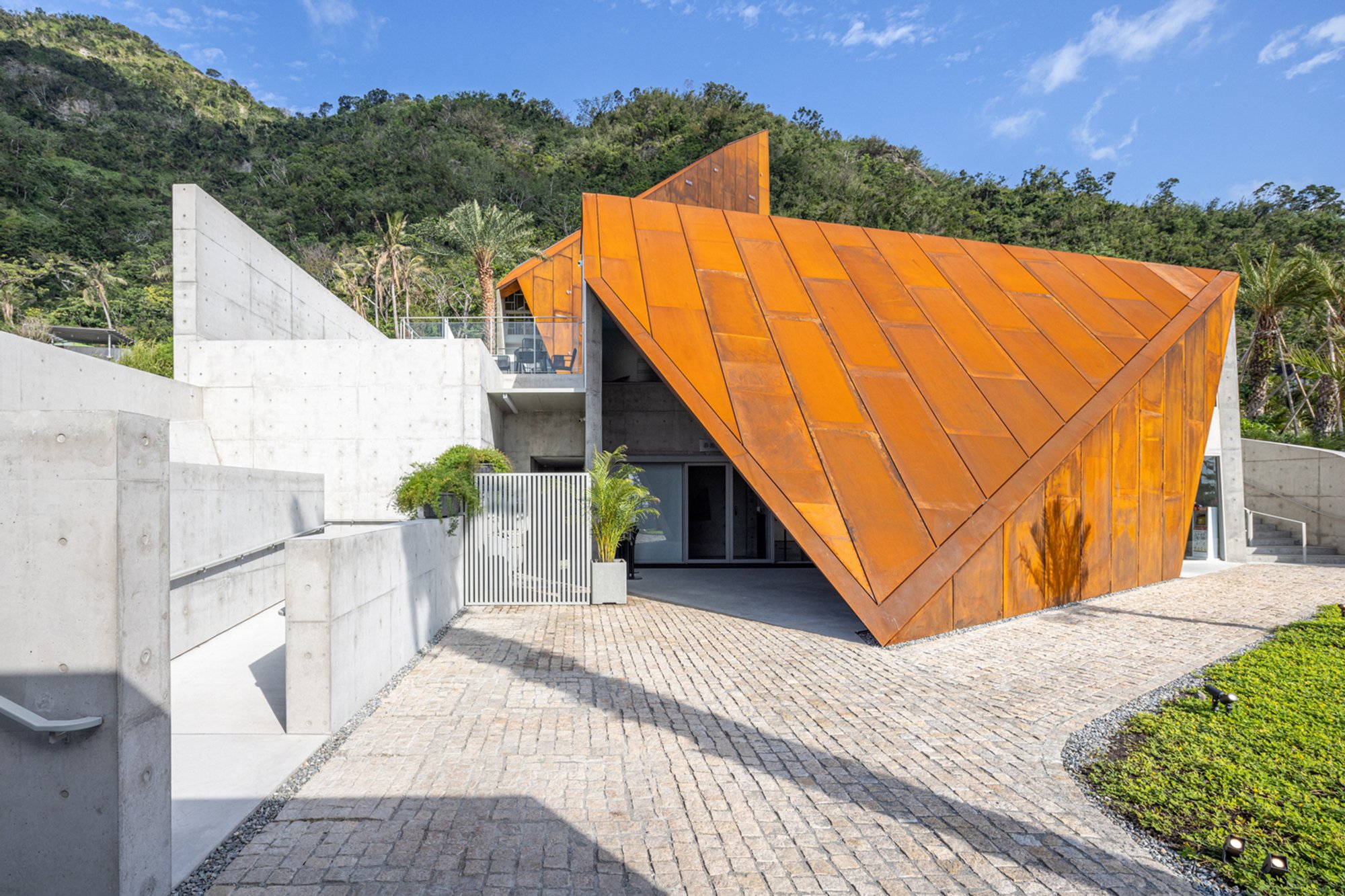
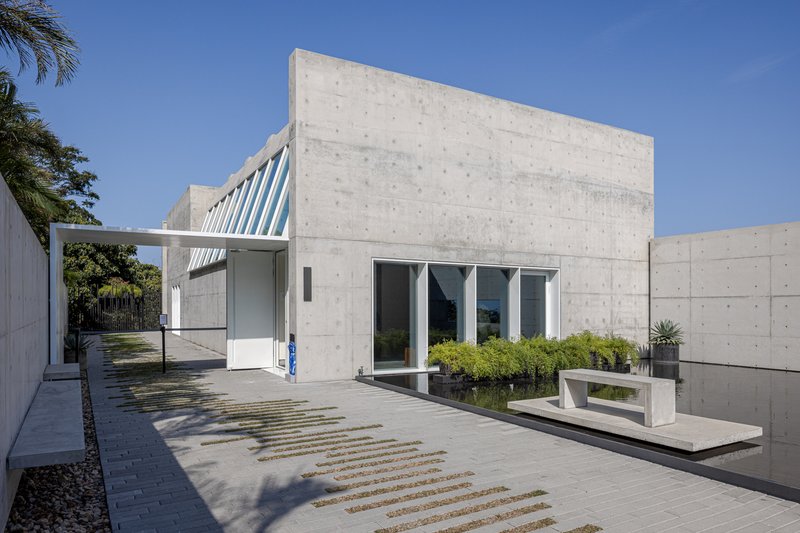
Nestled in the serene coastal town of Jinzun, Taitung County, Taiwan, the Paul Chiang Art Center stands as a testament to the seamless integration of art, architecture, and nature. Officially opened on March 15, 2025, this cultural landmark was co-designed by renowned artist Paul Chiang and architect Yu-Han Michael Lin of Behet Bondzio Lin Architekten. The center serves as both a sanctuary for Chiang's creative process and a space for public engagement with contemporary art.
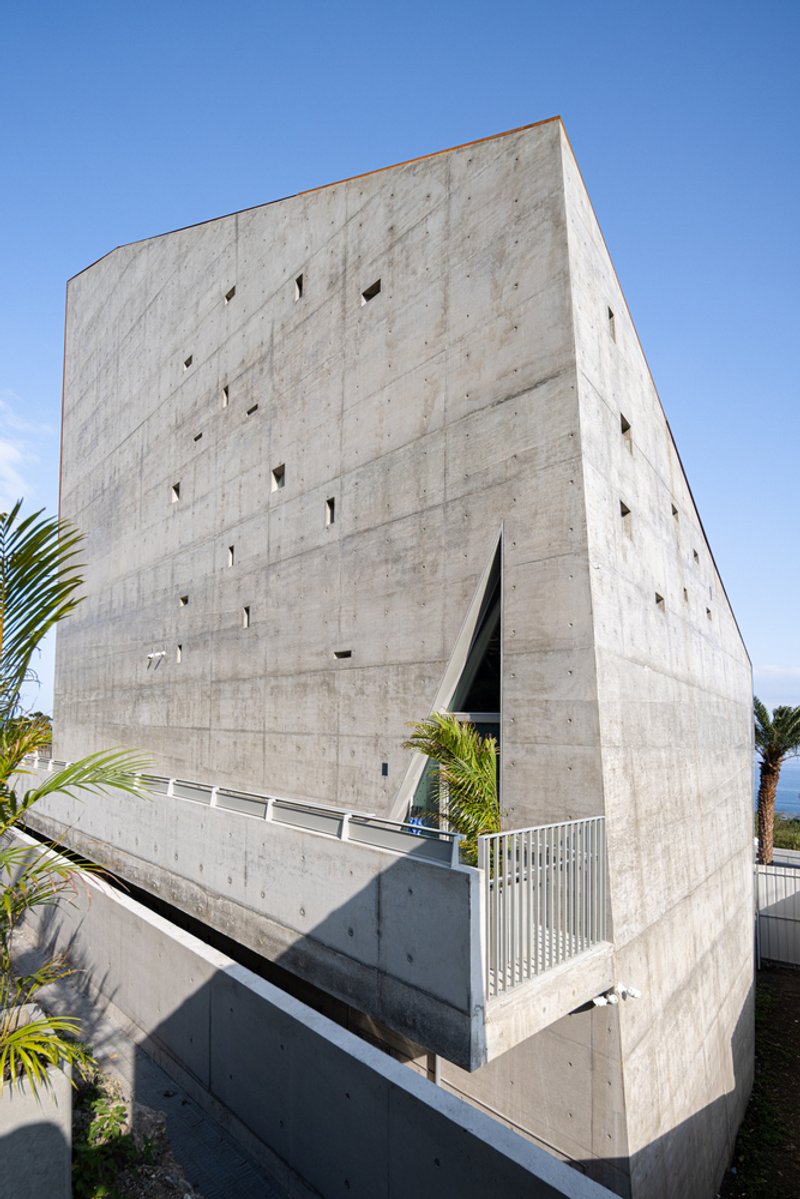
Architectural Design: A Dialogue Between Solitude and Connection
The design philosophy of the Paul Chiang Art Center revolves around the dualities of solitude and connection, distance and resonance, and freedom and belonging. Architect Michael Lin emphasizes that the center must serve as a sanctuary for the artist's creative solitude while fostering a dialogue between his works and their audience. This approach transforms the space into a bridge that connects isolation with resonance, allowing visitors to experience the interplay between the artist's inner world and the external environment.
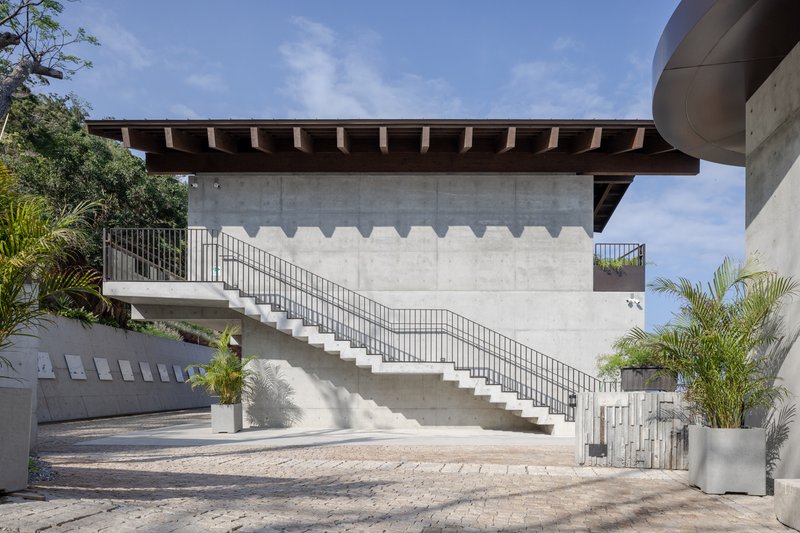
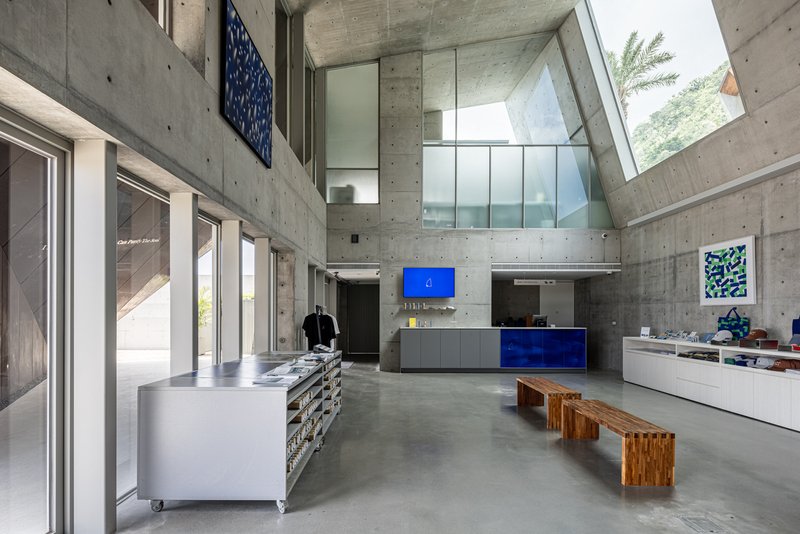
Artistic Vision: From Studio to Sanctuary
The center unfolds around thematic galleries that reflect Chiang's artistic journey:
- First Gallery: Inspired by Chiang's Parisian studio attic, this space introduces visitors to his early works, emphasizing the pursuit of freedom and artistic expression.
- Second Gallery: A space where nature and music converge, featuring installations like "Silver Lake," which embodies Chiang's exploration of sound and visual art.
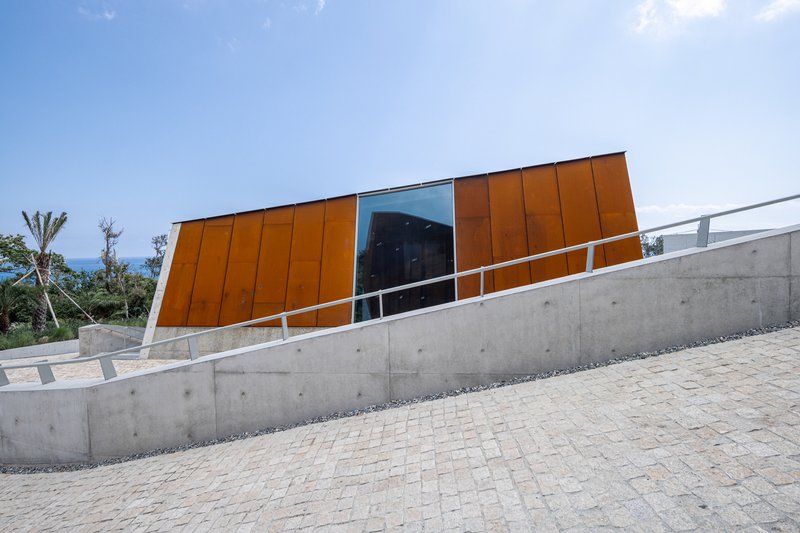
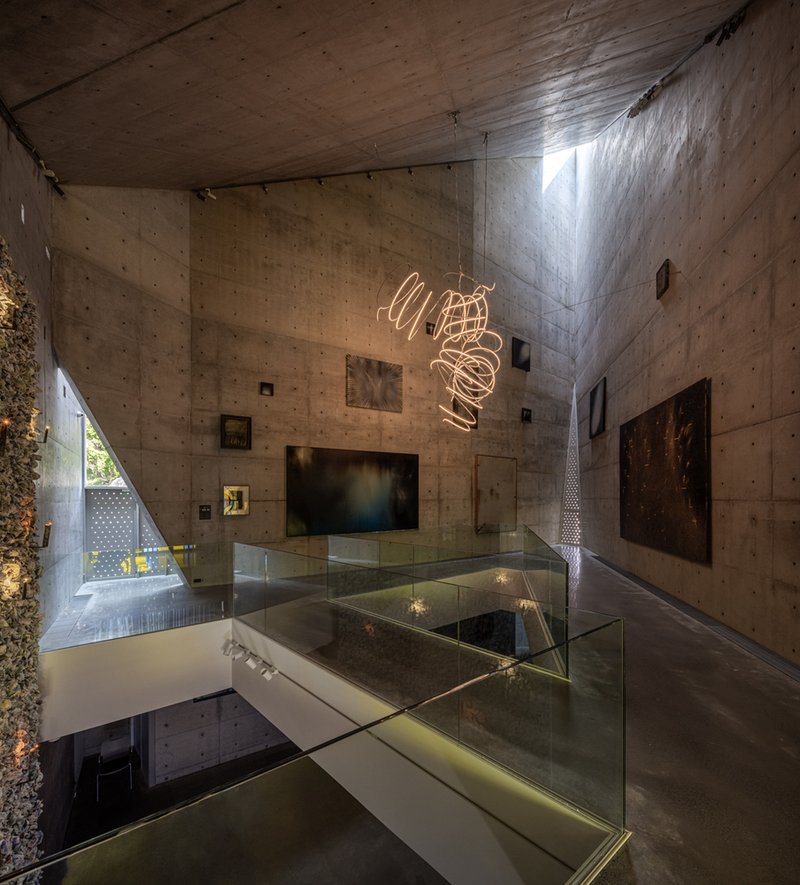
- Third Gallery: Dedicated to themes of spirituality and hope, this gallery is enveloped in rusted Corten steel, symbolizing Chiang's transformation towards light and purity.
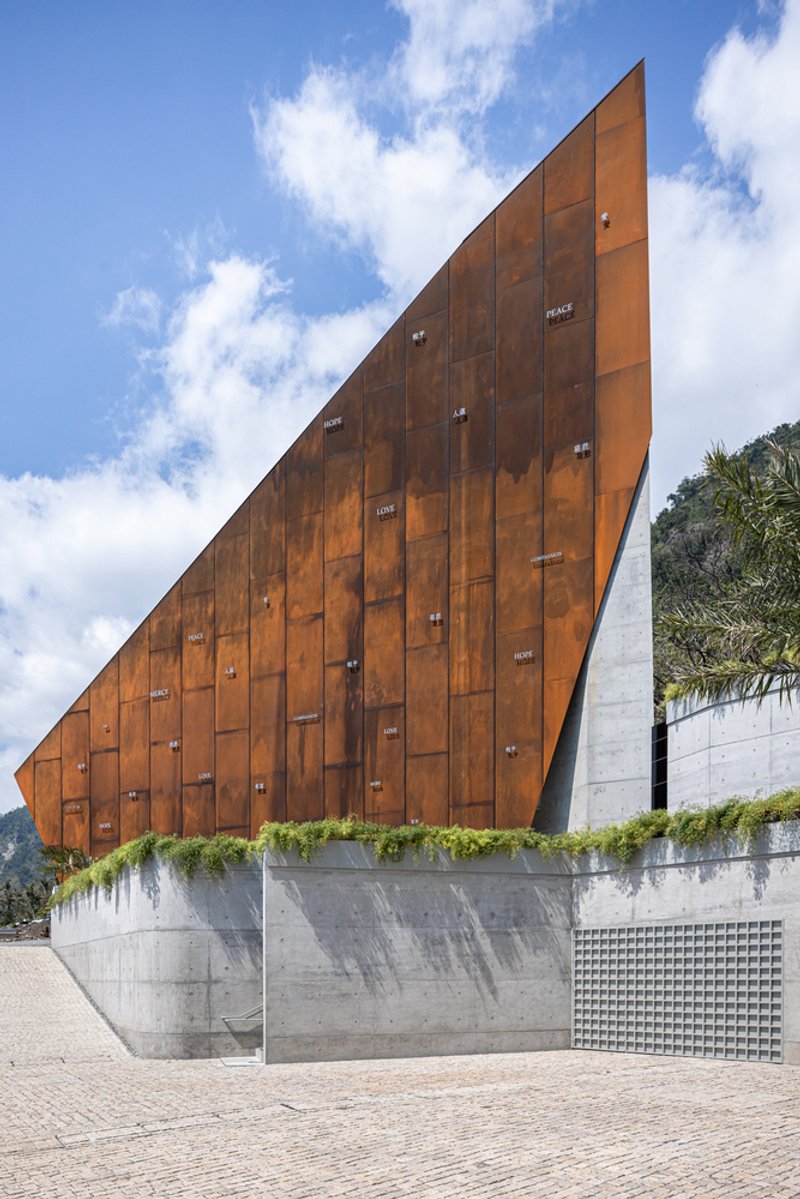
Central to the design are two monumental Corten steel sculptures that serve as inhabitable sanctuaries, radiating a sense of calm and introspection. These structures harmonize with the natural environment, inviting visitors into a state of quiet reflection.
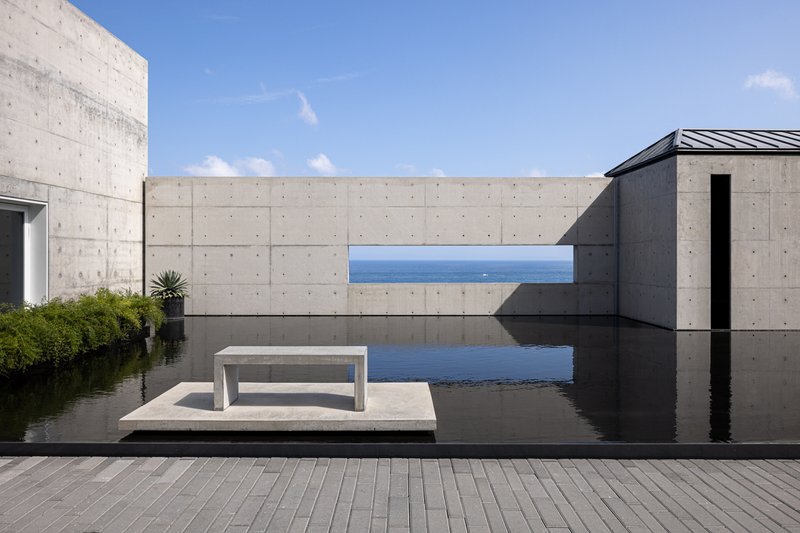
Integration with Nature: A Living Artwork
The Paul Chiang Art Center is not merely a space for exhibiting works; it is a living masterpiece—an immersive, wanderable work of art. The center's design blurs the boundaries between the personal and the public, inviting people to find freedom within solitude and balance within resonance. It integrates art seamlessly into life, reflecting Chiang's pursuit of tranquility and freedom.
Visitors are encouraged to start their journey from the First Gallery, where they encounter installations inspired by Chiang's grandson and his "Afternoon of the Faun" series. The path leads to the Second Gallery, featuring the "Serenity Pond," a window that transforms the seascape into a living landscape painting. The journey culminates in the Third Gallery, where the interplay of light, space, and sound offers a profound experience of spirituality and hope.
Meditation Space: A Sanctuary for Introspection
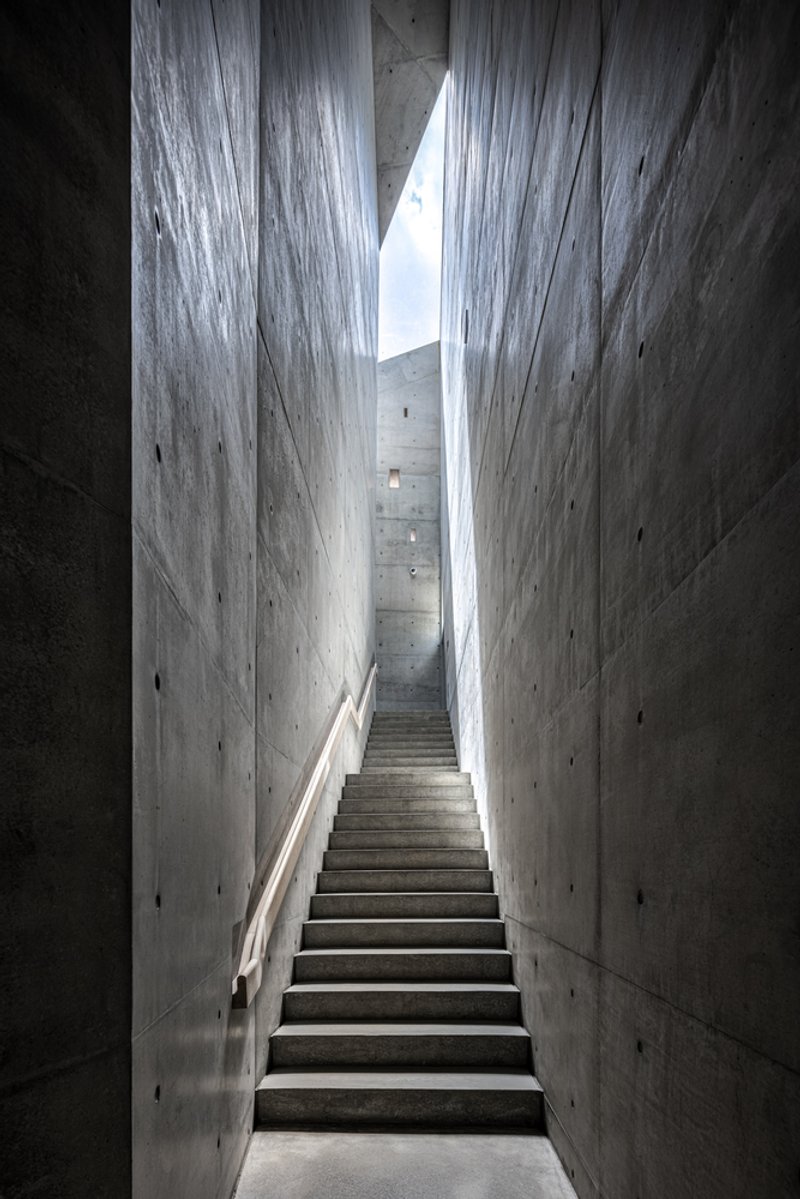
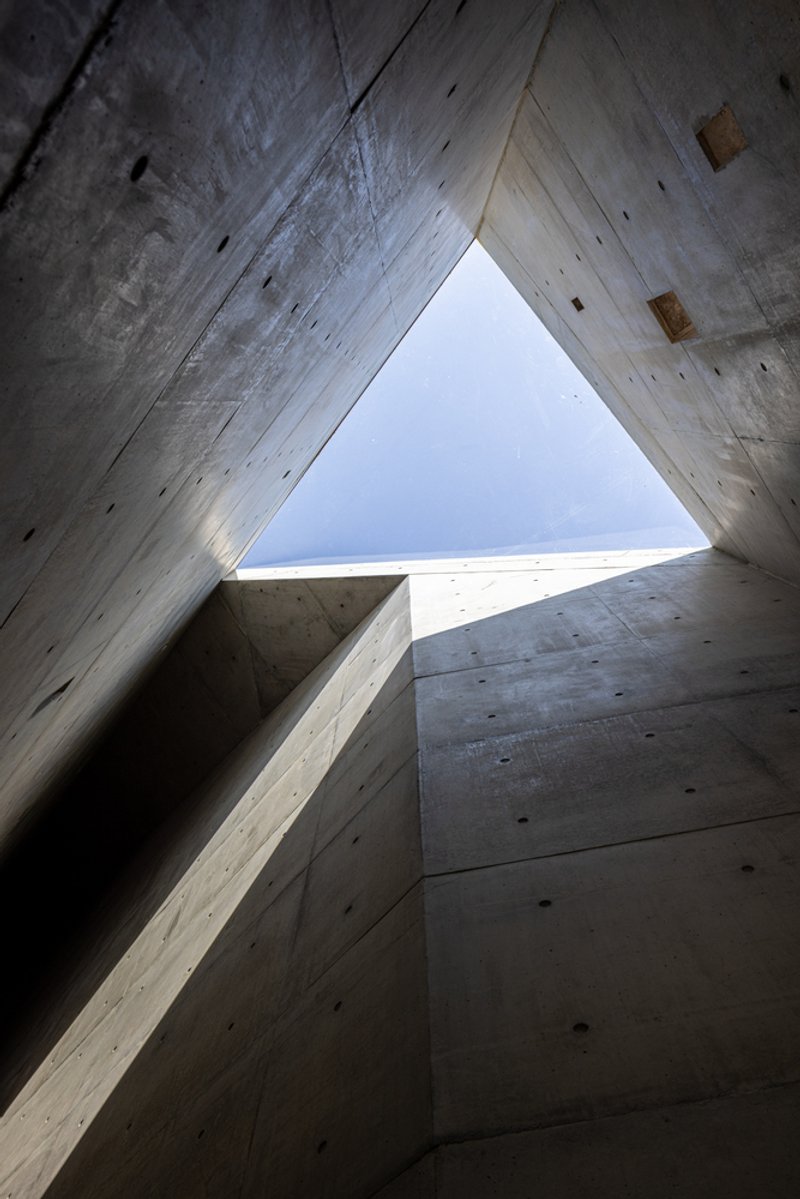
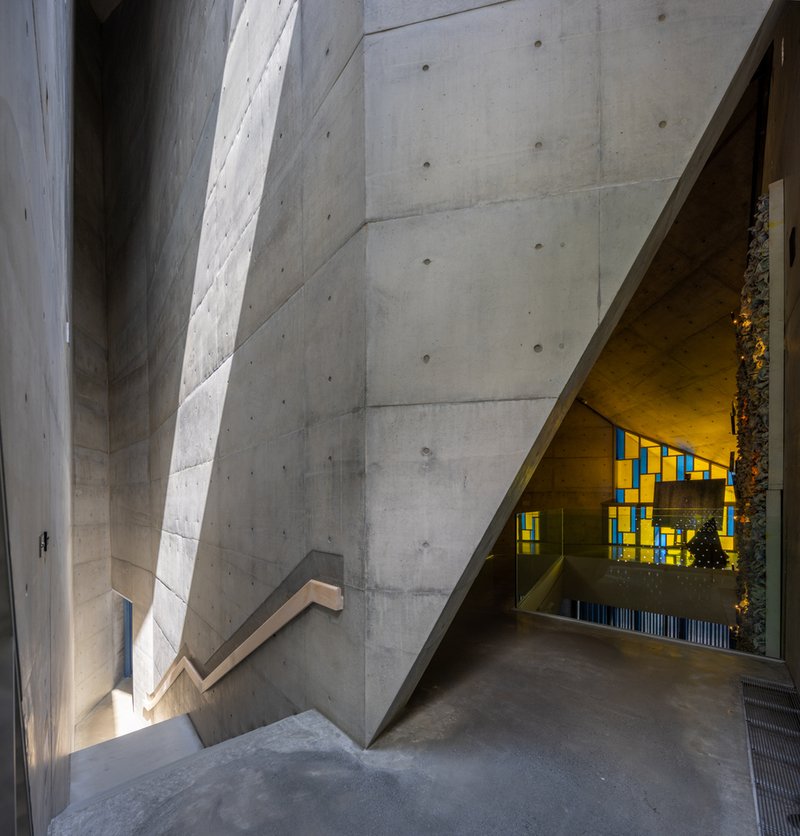
Inside the exhibition hall is a dedicated "meditation space," curated by Paul Chiang himself. Architect Michael Lin explains that he wanted the light to descend very slowly, in a quiet, almost lonely manner, to invite calmness. This space encourages visitors to develop introspection and a sense of distance from themselves, embodying the center's philosophy of solitude and reflection.
Cultural Significance: A Beacon of Art and Culture
The Paul Chiang Art Center is more than just an architectural feat; it is a cultural beacon that reflects Taiwan's rich heritage and contemporary artistic expression. Located in Taitung County, the center is surrounded by the natural beauty of mountains and the Pacific coastline, offering visitors a unique opportunity to engage with art in a tranquil setting. The center's design and exhibitions celebrate the convergence of nature, art, and culture, making it a must-visit destination for art enthusiasts and cultural travelers alike.
All Photographs are works of Yuchen Chao Photography