Pavilion 13: A Landmark Soviet Modernist Architecture Renovation by FORMA Architectural Office
Kyiv’s Pavilion 13 revives Soviet modernist architecture through FORMA’s sensitive renovation, blending heritage preservation with contemporary cultural programming and adaptive reuse.


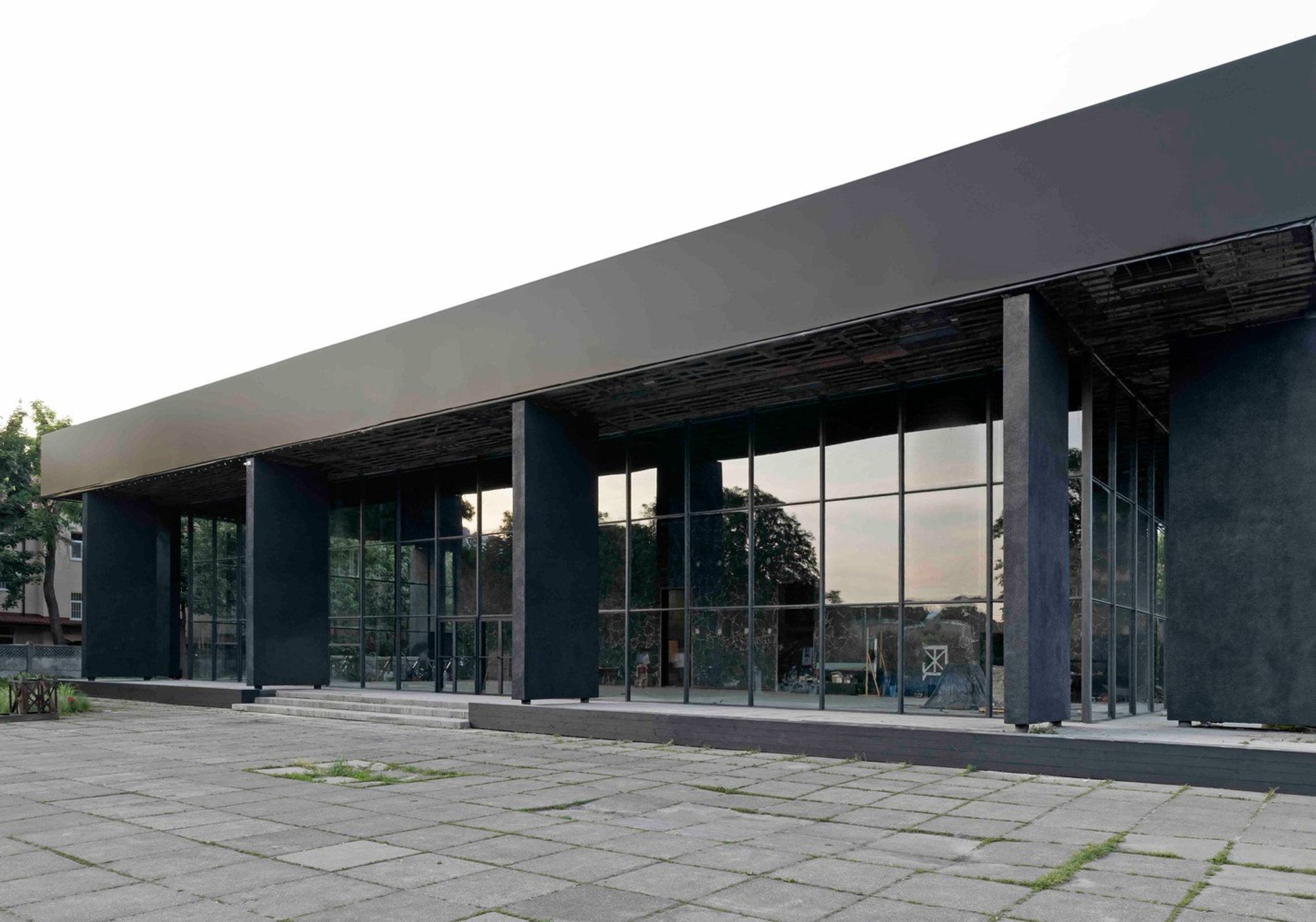
In the heart of Kyiv, Ukraine, Pavilion 13 has re-emerged as a vibrant cultural hub through a thoughtful and historically sensitive Soviet modernist architecture renovation. Led by FORMA Architectural Office in collaboration with RIBBON International and the Pavilion of Culture initiative, this project preserves the essence of a 1967 Soviet exposition hall while transforming it into a contemporary space for exhibitions, installations, and cultural programming.
Historical Context
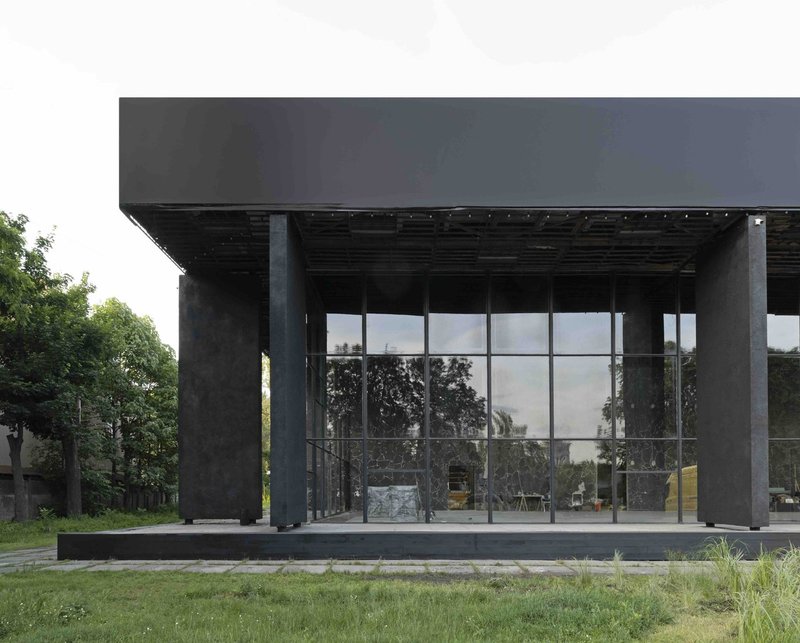
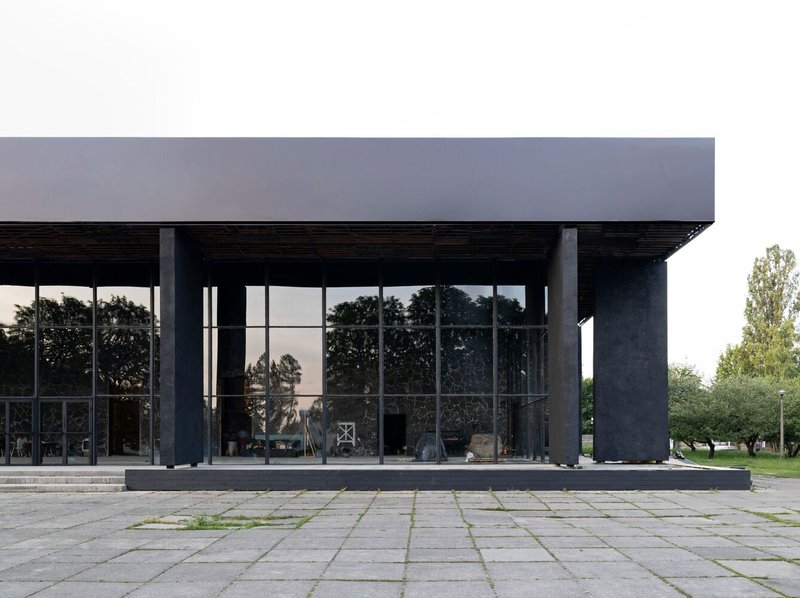
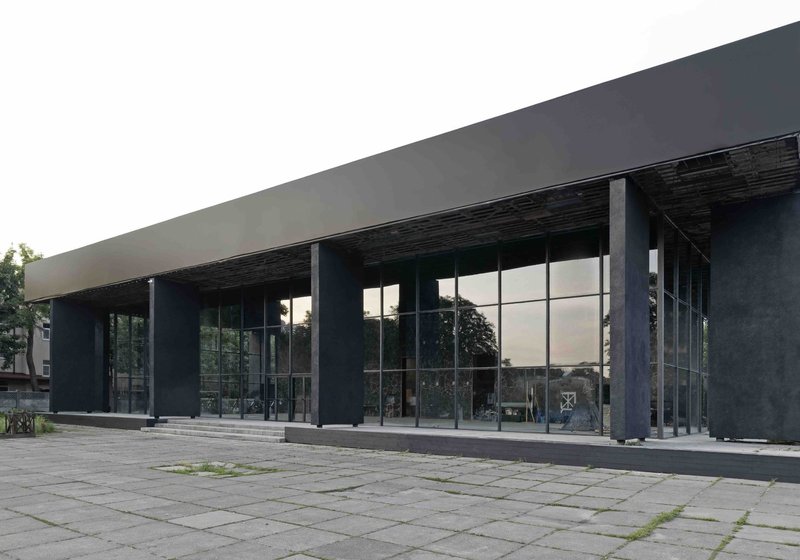
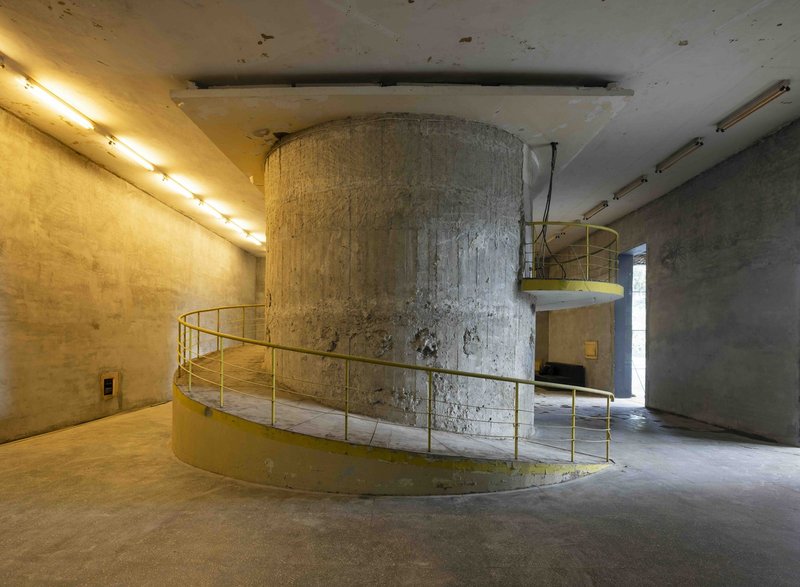
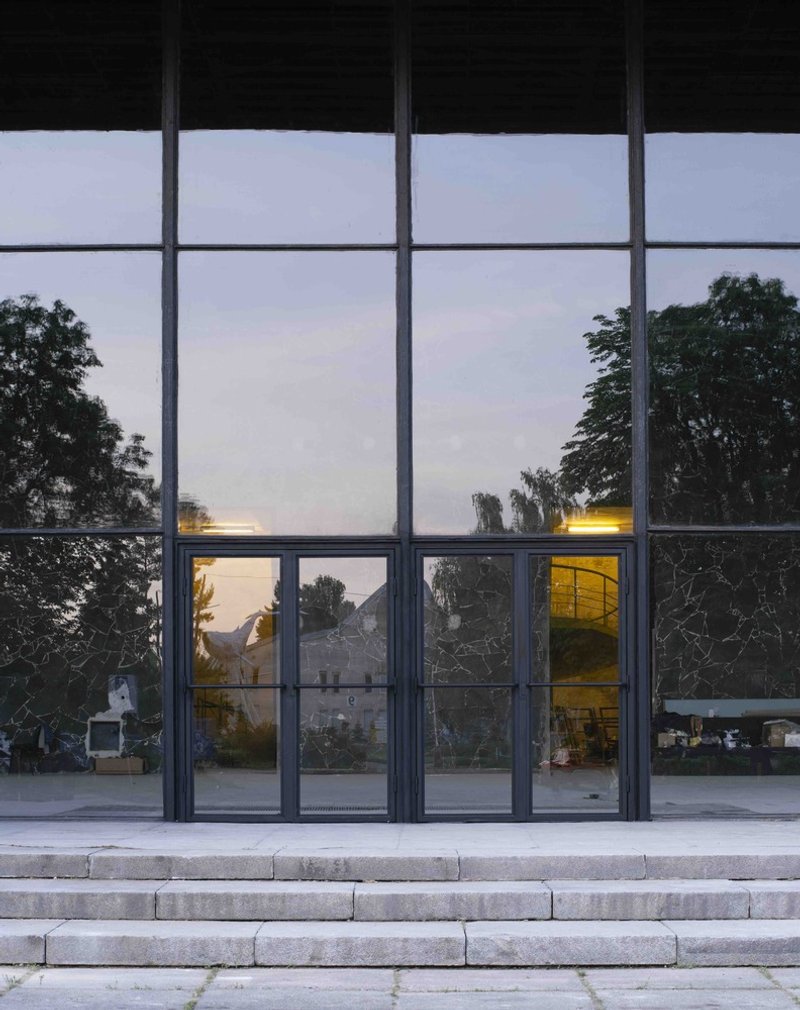
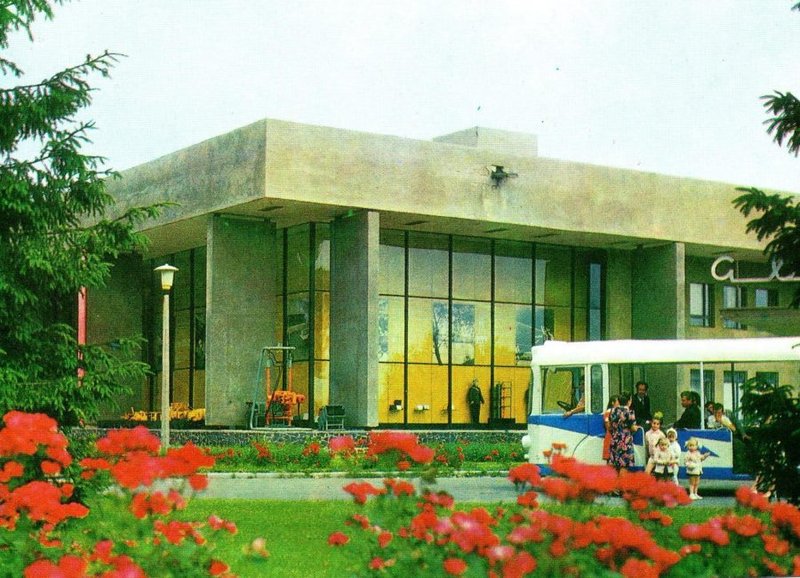
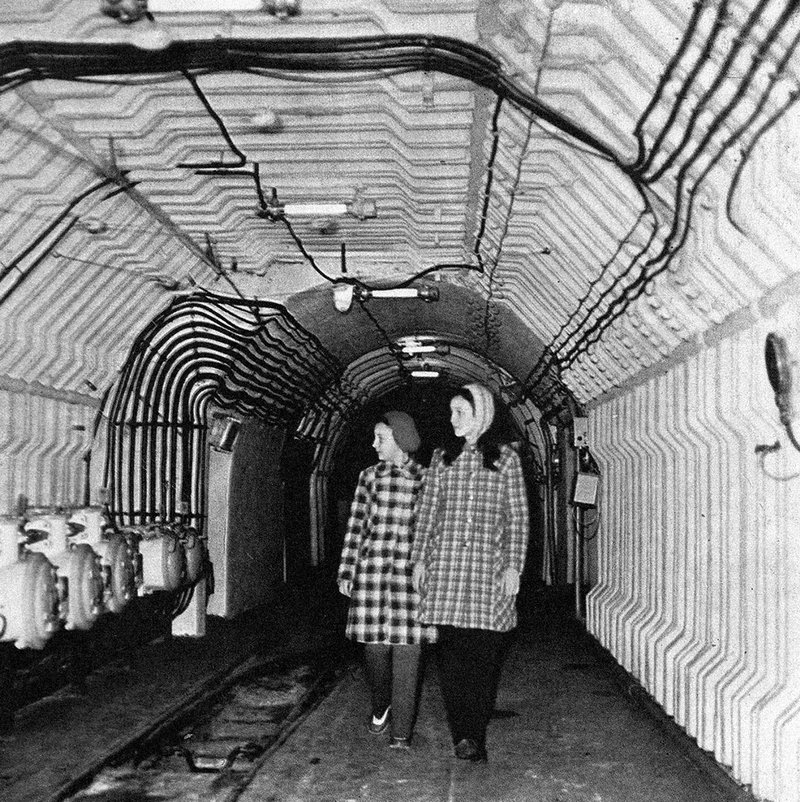
Originally designed by SS Pavlovsky under the Kyivzndiep Zonal Research & Design Institute for Experimental Designing, Pavilion 13 was conceived to showcase advancements in the coal mining industry. Built during the post-Stalinist shift toward rationalized International Style civic architecture, the pavilion reflected the USSR’s departure from decorative eclecticism in favor of functional, modernist forms. Its glass façade, steel-framed glazing system, cylindrical core, and spiral walkway to an underground coal mine model were hallmarks of this era’s architectural ambition.
Decline and Cultural Revival
By the early 2000s, Pavilion 13 had fallen into disuse, echoing the broader decline of Soviet-era cultural infrastructure in post-independence Ukraine. However, in 2020, the Pavilion of Culture was founded within its walls, initiating a new chapter as a venue for art, research, and public engagement. This grassroots revival laid the groundwork for a full-scale restoration, ensuring the pavilion’s architectural and cultural legacy would endure.
Renovation Philosophy
The renovation, spearheaded by Iryna Miroshnykova and Oleksii Petrov of FORMA, approached the project as both an act of preservation and adaptation. The goal was to strip away layers of unsympathetic interventions and return the building to its original spatial logic and modernist clarity. The team believes that working with existing structures is not only possible but essential for sustainable and culturally rooted architecture.
Key Restoration Works
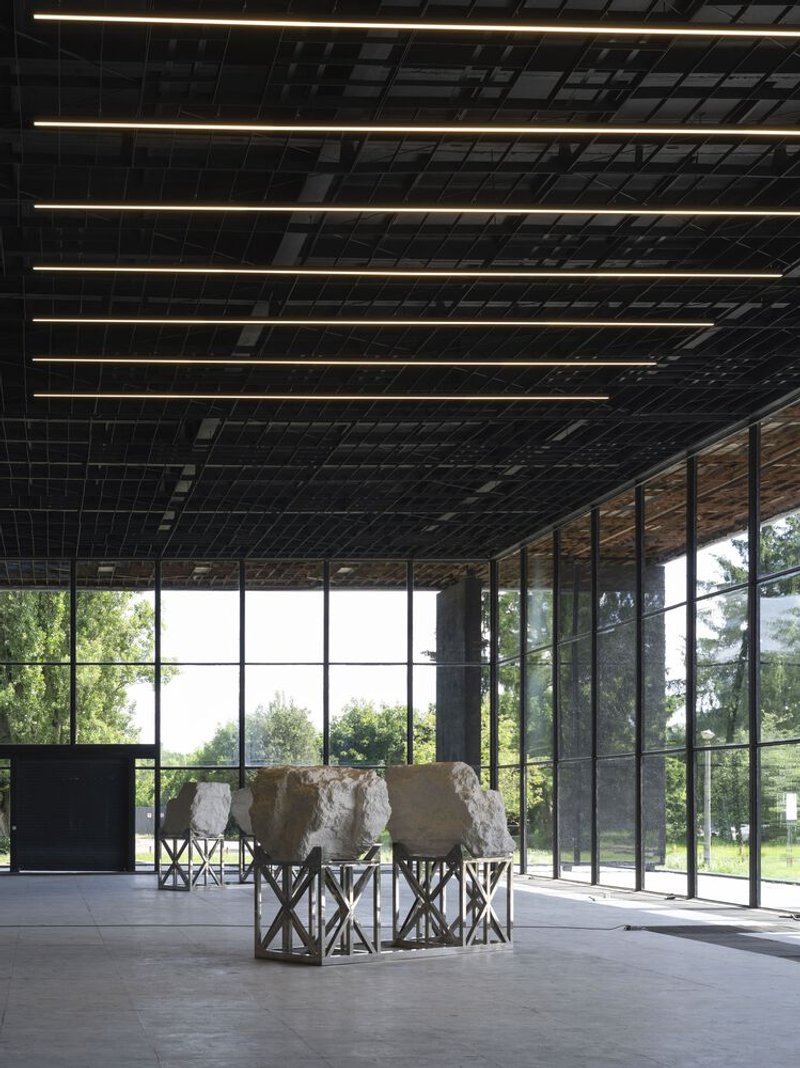
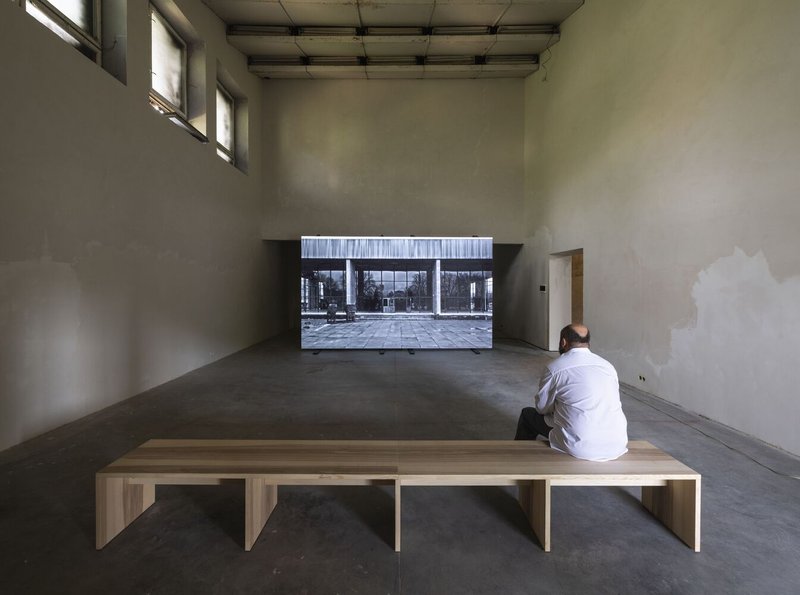
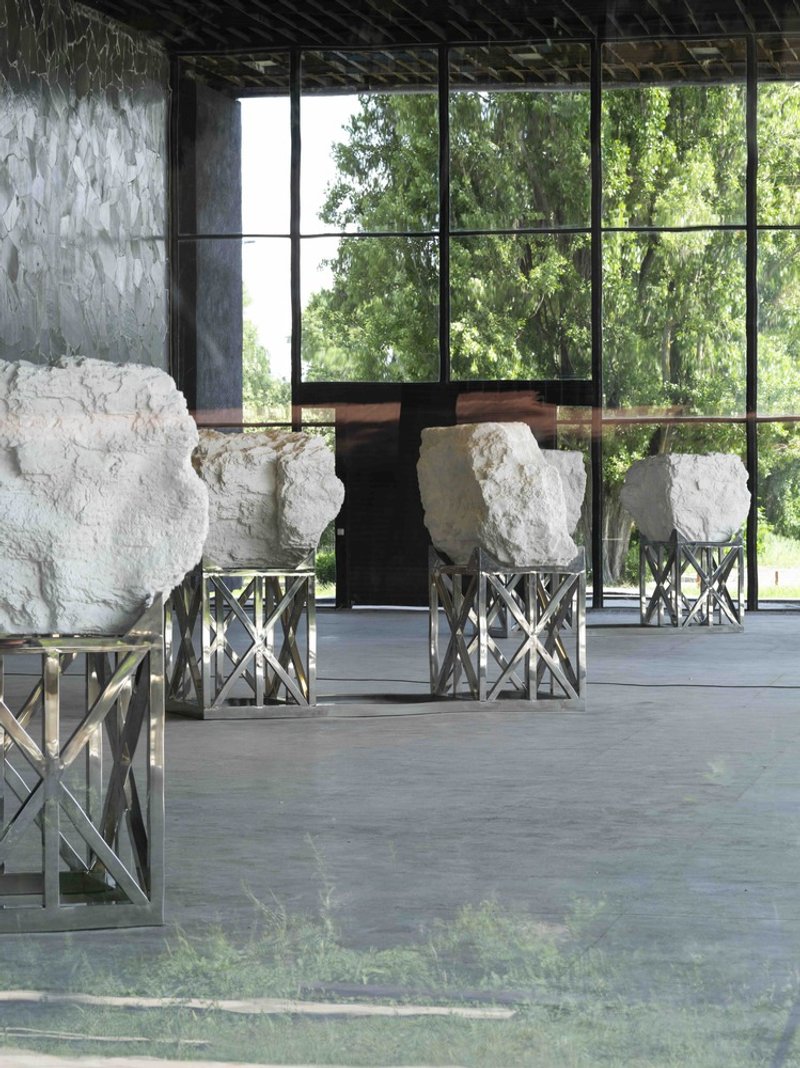
The first phase of renovation included structural repairs, façade restoration, window replacement, lighting and utility upgrades, and landscaping. The building’s interior was cleared, revealing original architectural details that shaped ongoing design decisions. The glass envelope was restored to its transparent glory, allowing the exposed columns and open volumes to once again define the pavilion’s identity.
Artistic Collaboration
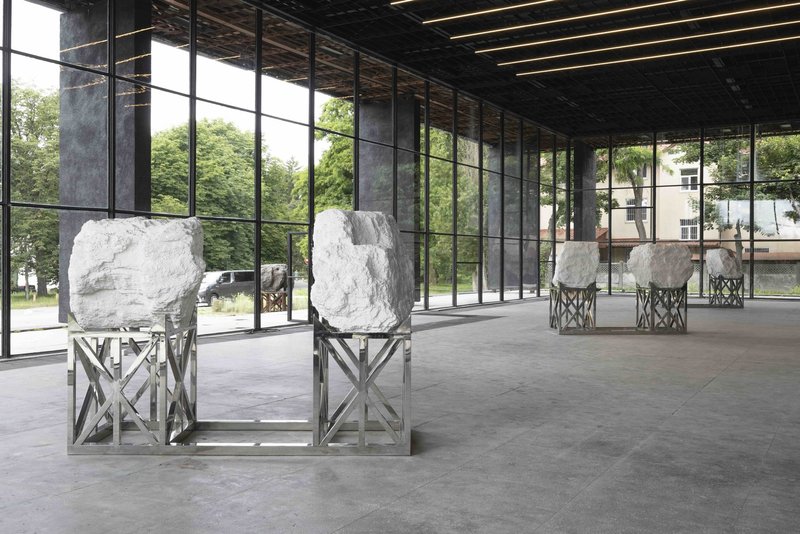
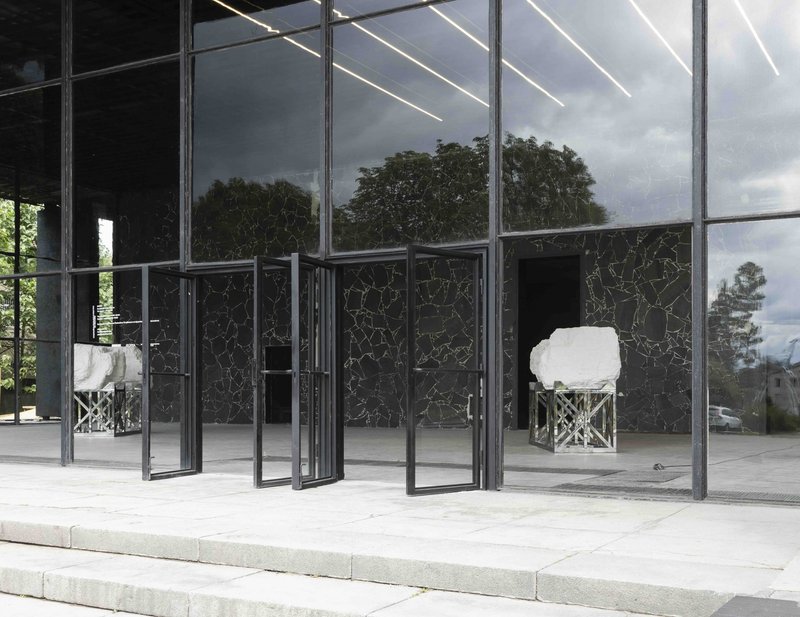
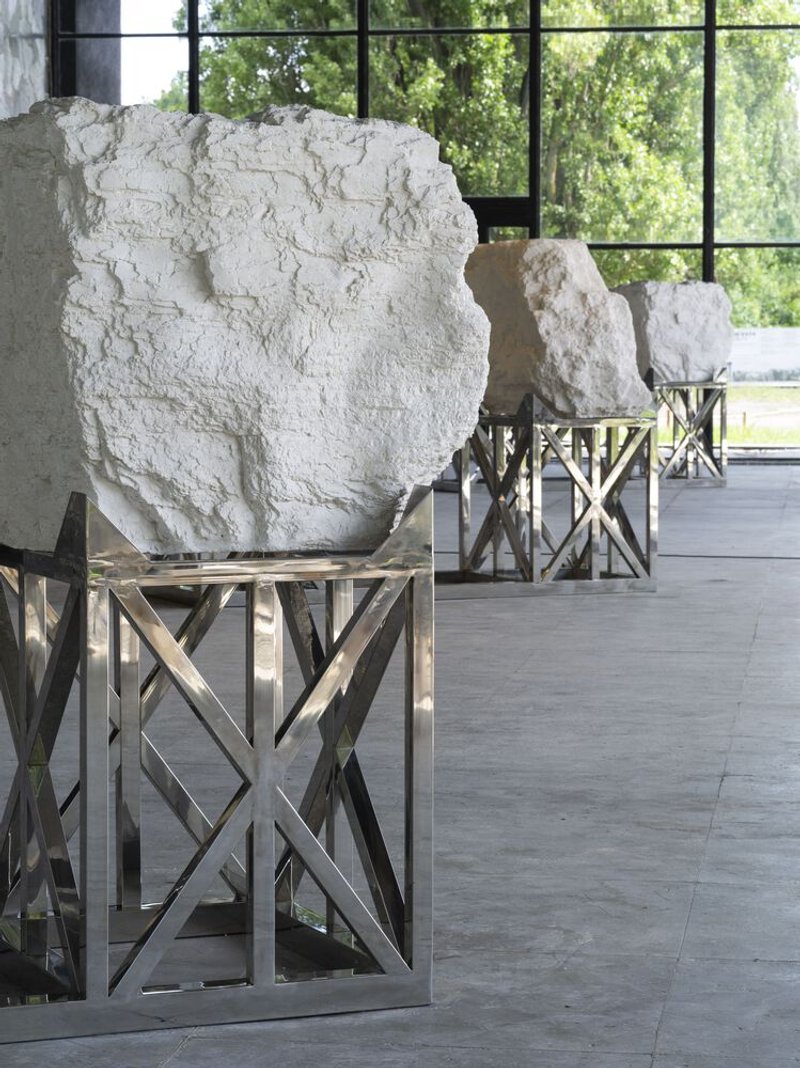
The reopening was marked by Berlin-based artist Sam Lewitt’s intervention, Шубін (SHUBIN)—a site-specific project that engaged with Pavilion 13’s coal mining heritage. Featuring film, neon signage, and reconstructed display furniture, the installation explored the building’s historical symbolism while contributing to its evolving narrative. Alongside the exhibition, a series of public talks deepened the dialogue on heritage, resource economies, and architectural reuse.
Future Vision
The renovation of Pavilion 13 is ongoing, with plans to host exhibitions, events, and festivals that honor its origins while embracing new cultural expressions. As Miroshnykova notes, this process is about “finding relevant ways of working with architecture from the past” and demonstrating that heritage buildings can be reimagined for contemporary needs without erasing their history.
Pavilion 13’s transformation stands as a benchmark for Soviet modernist architecture renovation, offering a model for preserving cultural heritage through adaptive reuse. By respecting its past and reactivating its spaces for today’s cultural life, FORMA has ensured this iconic Kyiv landmark remains both historically significant and dynamically relevant.
All photographs are works of Vitalii Halanzha