
Revitalizing Architecture: Contextual Solutions Combatting the "Epidemic of Boringness"
Can Contextual Solutions Inject Life and Emotion into Architecture to Counter the "Epidemic of Boringness"?


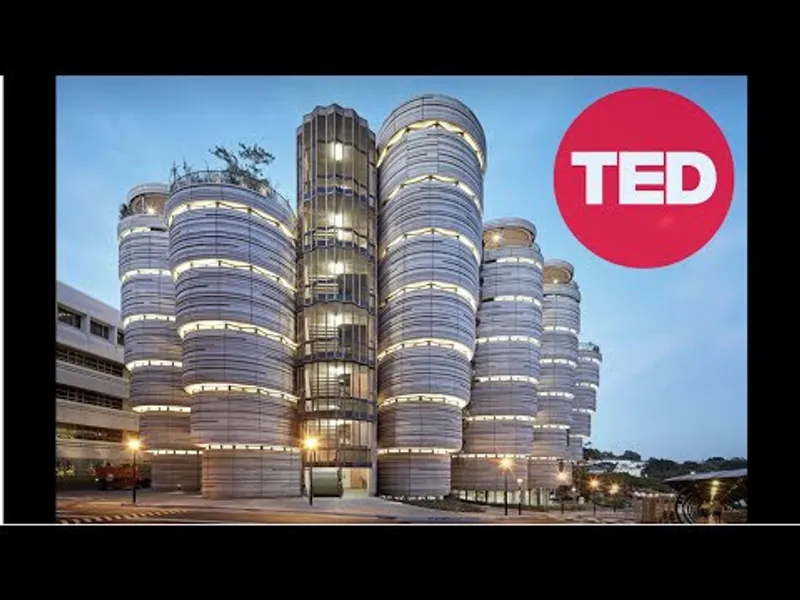
Thomas Heatherwick, in his latest TED Talk, speaks of an "epidemic of boringness" that has taken over many areas of the city. He acknowledges the functionality of these structures but argues that they fail to evoke an emotional response from those who pass by. Heatherwick believes that this emotional connection is essential for architecture to positively contribute to the quality of life and well-being of its residents, promote social cohesion, and create a sense of identity. He poses the question: how can architecture provoke a positive emotional connection and provide an enjoyable backdrop to the communities it serves?
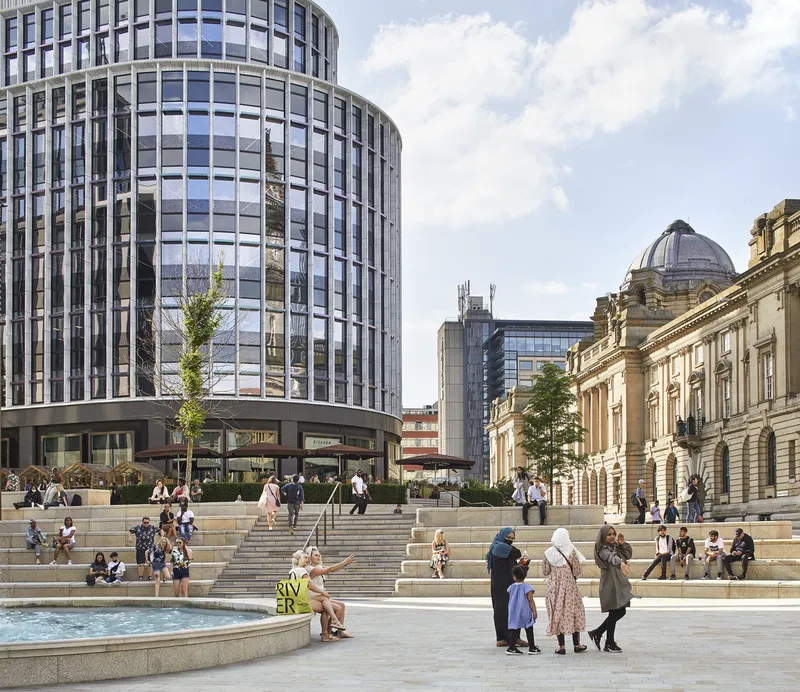
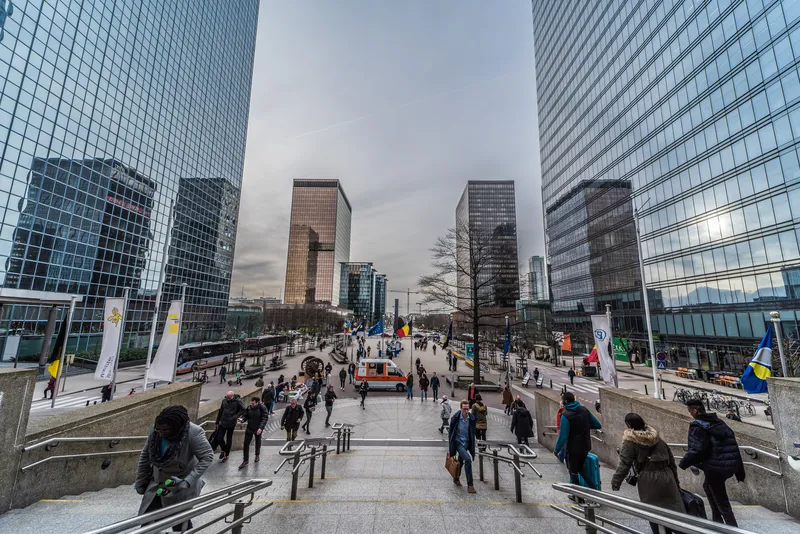
The character of a building or urban development can be hard to define, but when it fails to engage individuals, the consequences can be far-reaching. Studies have shown that these buildings can have physical and psychological effects, such as increased stress levels, mental health problems, crime and anti-social behaviors, and even slower healing times. From a societal point of view, when a building fails to connect to its users, the decision to demolish and replace it becomes easier, leading to increased greenhouse gas emissions.
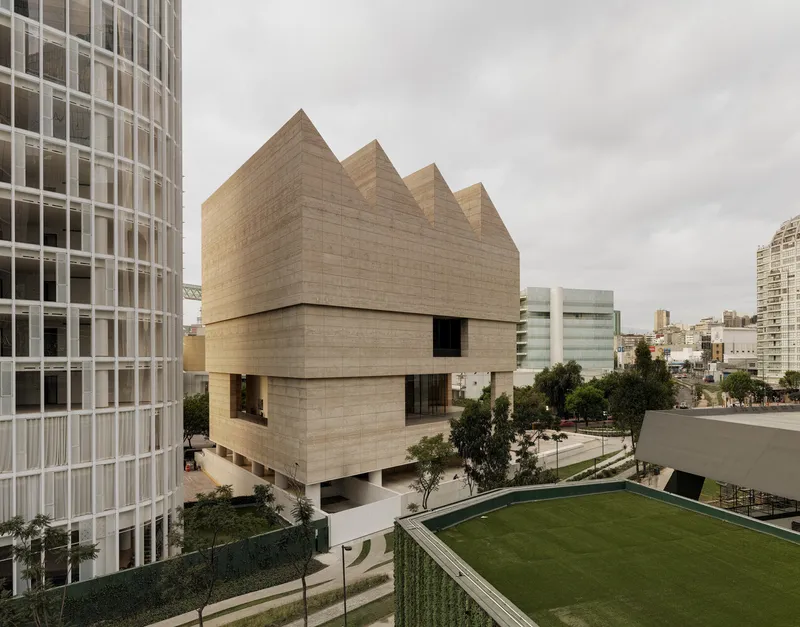
To create an emotional response and to encourage people to relate positively to their built environment, several strategies can be employed. Reusing what is already on site is a sustainable choice that minimizes the environmental impact, while also preserving the memory and history of a place. Utilizing local materials and building techniques further connects architecture to its context, strengthening the cultural identity while also allowing designers to take advantage of the local knowledge and adaptations to site-specific conditions. Additionally, textures and materials add visual richness to the built environment, engaging multiple senses in the perception of space.
Ultimately, architecture is never without context.
When designing architecture, it is important to consider the socio-cultural norms, natural landscape, and character of the area. Adapting the design to these conditions and preserving elements already present on-site can create a layered composition that fosters a sense of continuity and cultural identity. Additionally, the adaptive reuse of existing buildings is a more sustainable choice, reducing construction waste, new material use, and energy expenditure.
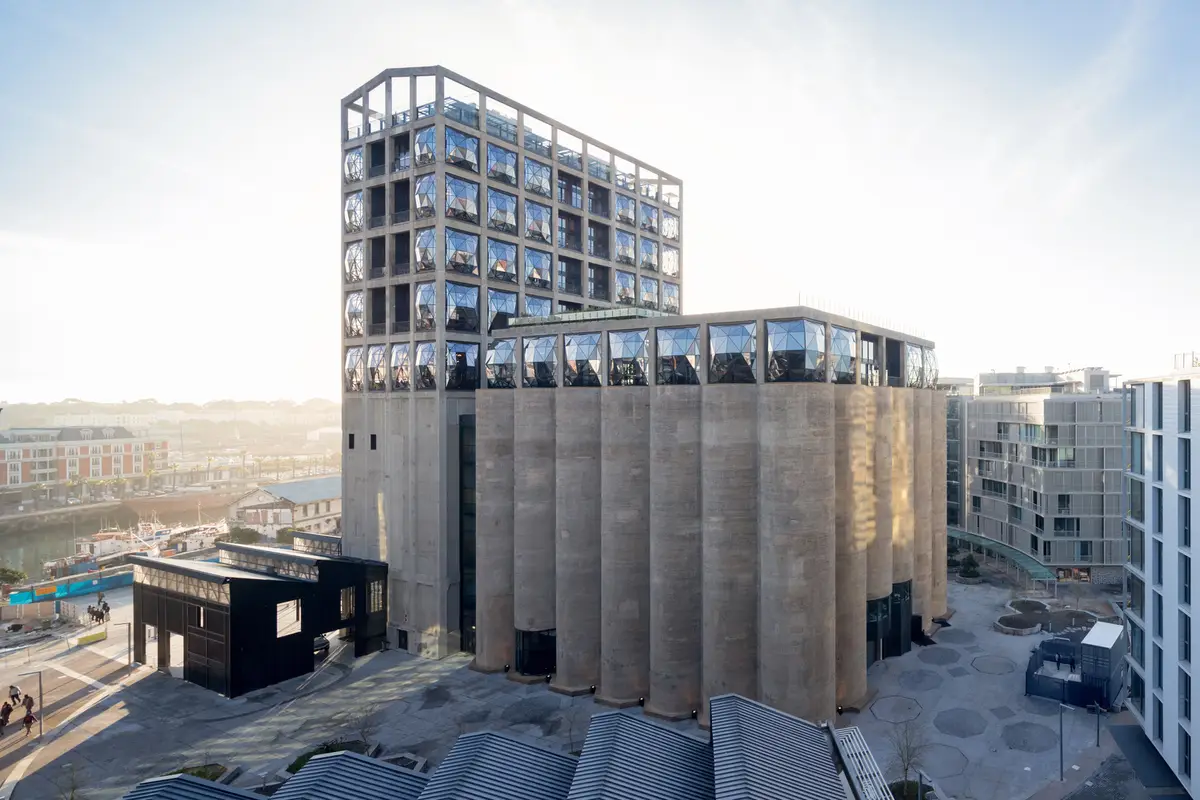
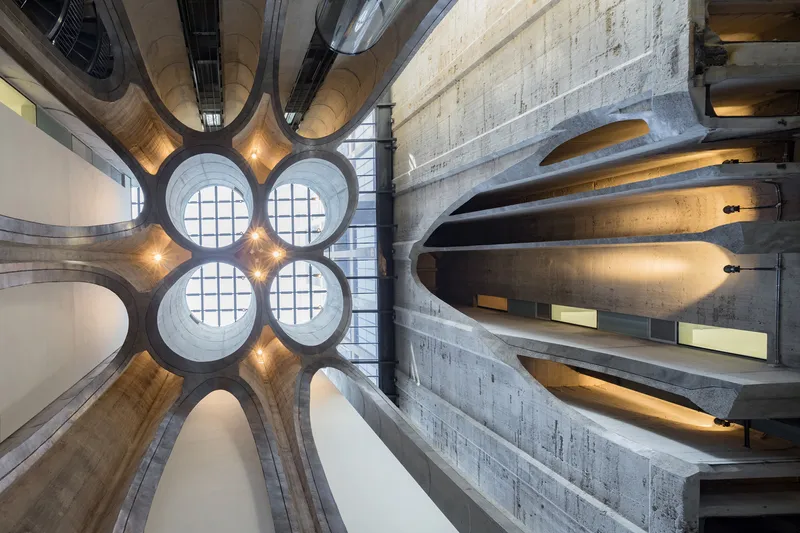
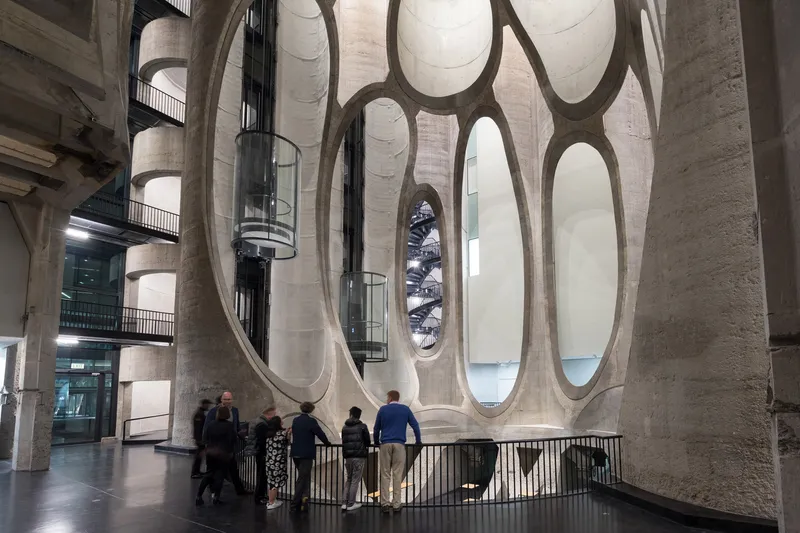
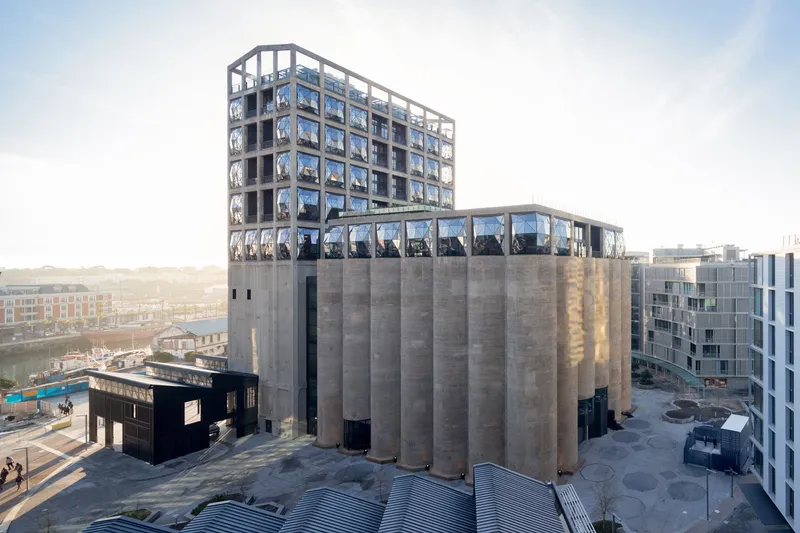
An example of this is the Zeitz Museum of Contemporary Art Africa (Zeitz MOCAA) in Cape Town, which was created from century-old disused silos. The architects took the shape of a grain of corn and cut it into the concrete tubes of the silos, creating a memorable central space surrounded by over 80 galleries. This adaptive reuse of the silos not only preserves the history and memories associated with the place but also serves as a reminder of the importance of sustainability in architecture.
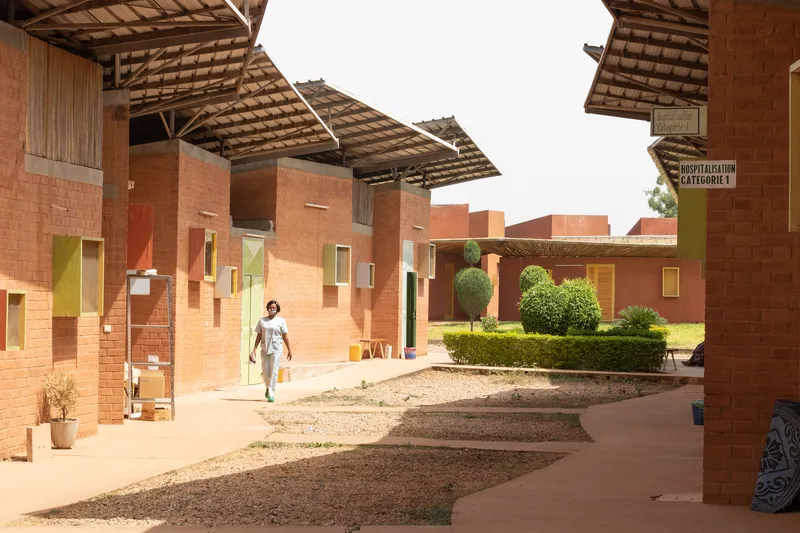
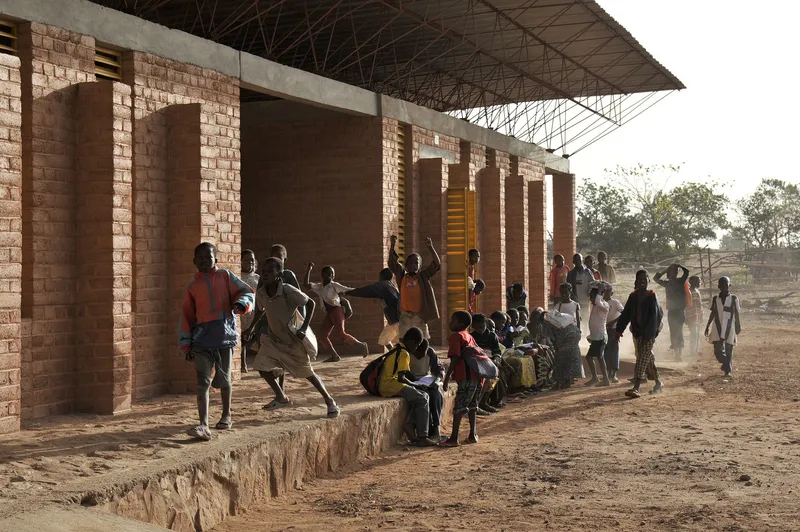
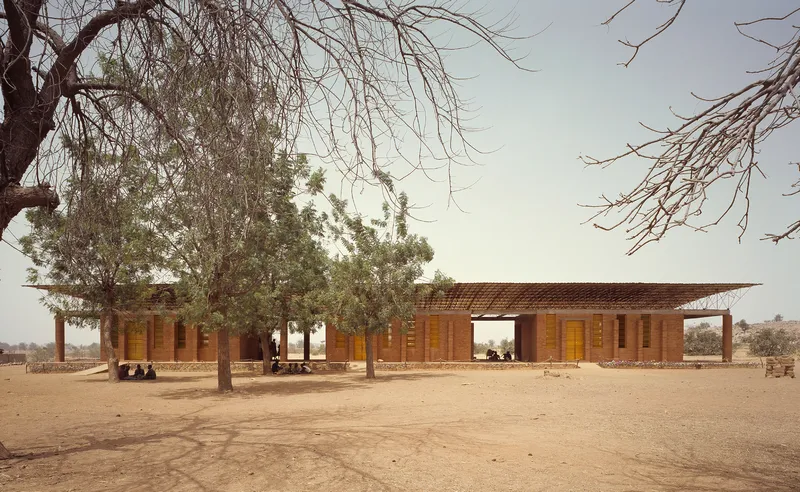
By cutting through the grain hoppers, the gesture exposes the inner workings of the building, creating a new heart of the arts centre that responds to the curiosity of visitors and encourages them to explore the surrounding spaces. Local building techniques, often rooted in generations of knowledge and experience, represent local adaptations to climate, using passive strategies for thermal insulation, natural ventilation, and shading. These techniques are associated with a lower carbon footprint, as transportation needs are reduced, and the local economy is strengthened by creating a demand for local manufacturing facilities. Familiarity, cultural continuity, and authenticity are all evoked by using site-specific solutions, while new ways of employing them allow for innovations and engaging designs. The 2022 Pritzker Architecture Prize winner, Diebedo Francis Kéré, is recognized not as a ‘starchitect’ but as a ‘problem solver,’ working at the intersection of traditional African building techniques and contemporary architecture. His works are rooted in cultural heritage, encouraging community engagement and a strong sense of social responsibility. Through projects like the Health Center or Gando Primary School in Burkina Faso, he demonstrates the efficient use of local materials and building techniques seamlessly integrated into the natural environment and adapted to the specific needs of the community. Distinctive materials, textures, shadows, and three-dimensionality elicit sensory responses, adding additional interest to the volumetric design.
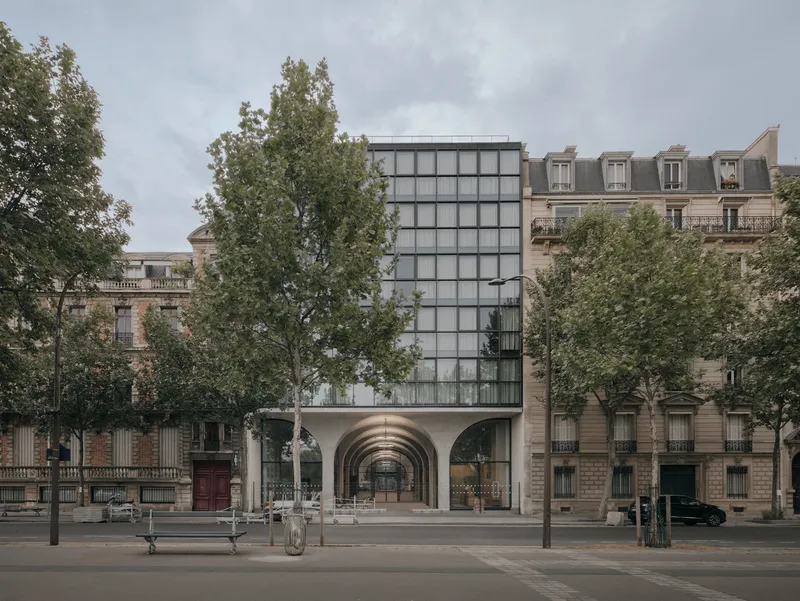
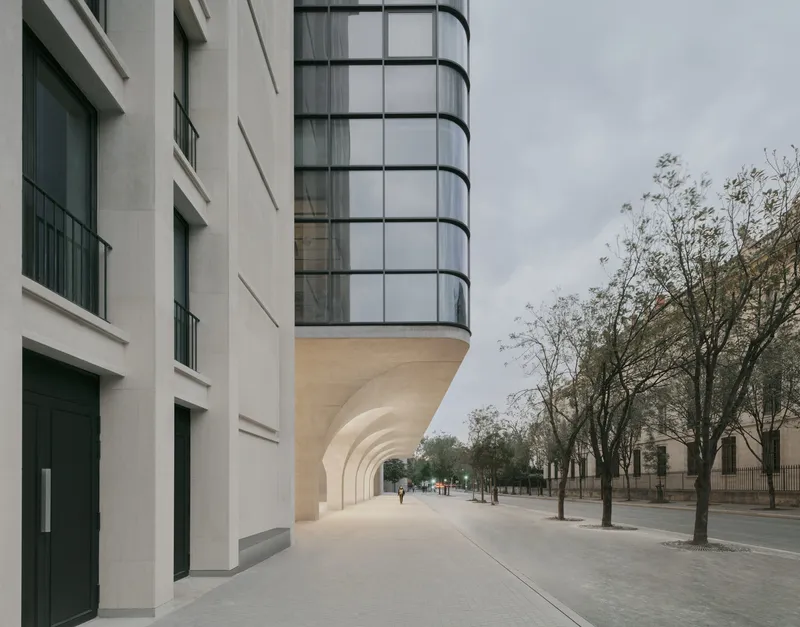
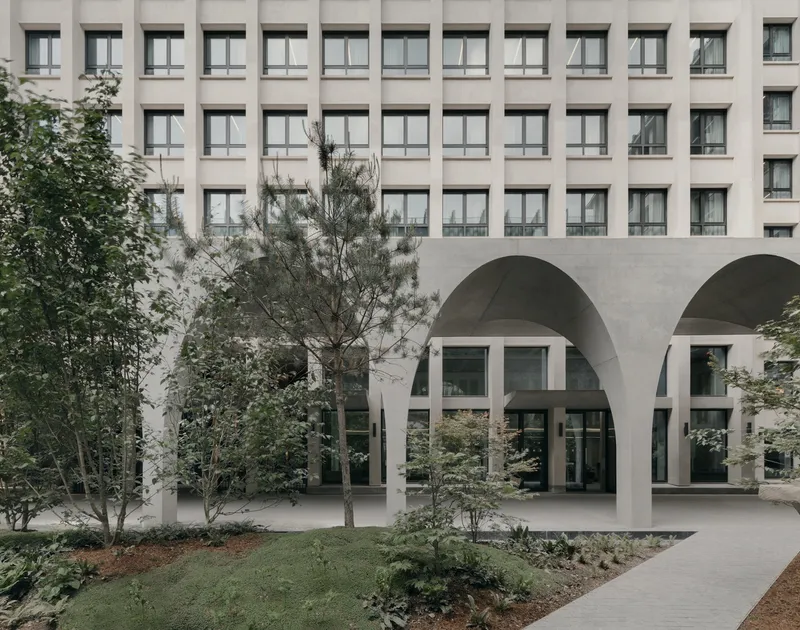
The geometry of the building can be adapted to different scales of perception. From the street, porticos and cantilevers can break up the volume to create an appropriate scale, while tactile materials add interest when viewed up close. Colour, light, and shadows can also contribute to the building's quality, encouraging passers-by to slow down and connect to their environment. Architect David Chipperfield is an exemplar of the importance of texture and material.
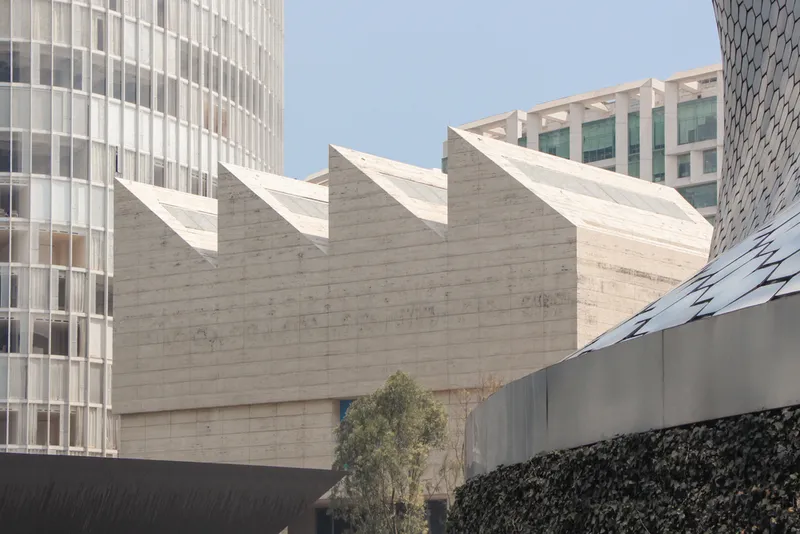
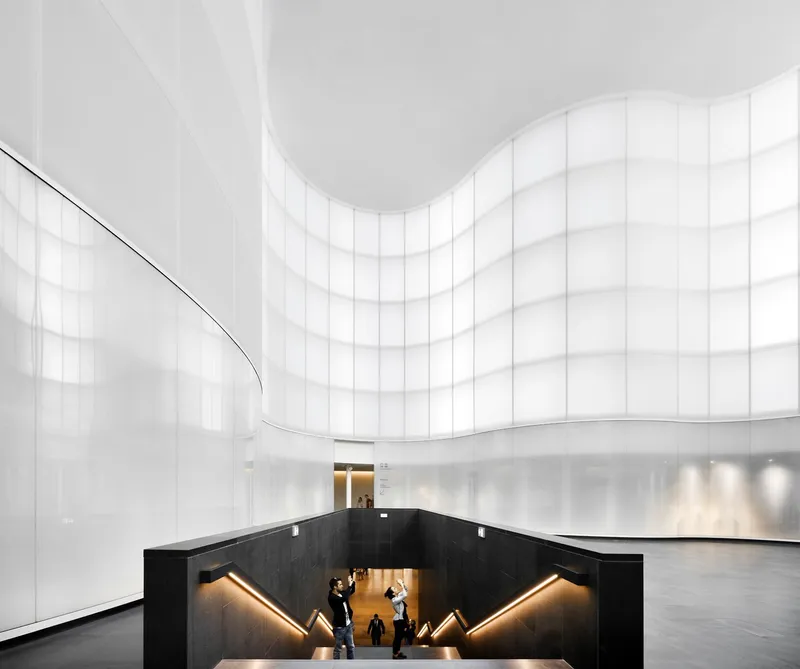
His designs use contrast, cleanliness, and regularity to highlight the unique textures of the materials employed, such as grey titanium zinc, translucent opaline glass, locally sourced travertine marble, and glass panels with various treatments. To add depth and texture, light and heavy materials are balanced. Structural elements like columns or the grid of coffered ceilings are also employed to add texture and rhythm while retaining their functional roles.


Popular Articles
Popular articles from the community


Lunar Spiral: Space Architecture Shaped by the Mathematics of the Universe
Lunar Spiral reimagines space architecture through Fibonacci geometry, lunar regolith, levitating habitats, and self-sustaining Moon living.

Hill & Cross Opera: Sculptural Opera House Architecture Shaped by Tallinn’s Landscape and Identity
Hill & Cross Opera reimagines opera house architecture in Tallinn through its sculptural hill, civic plaza, glass wave and a luminous cross.

The Musturak Paradise: Senior Living Architecture for a Connected Future in Temara, Morocco
The Musturak Paradise reimagines senior living architecture in Temara via private homes, social spaces, culture, community, and shared care.

Co-Life: Senior Housing Design That Reconnects Older Adults With the City
Co-Life reimagines senior housing design through healing gardens, shared streets, workshops, and a sustainable community across generations.

Similar Reads
You might also enjoy these articles
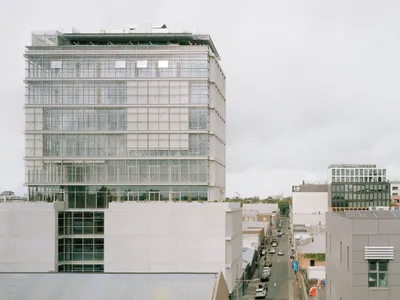
116 Rokeby Building, Collingwood
Sustainable Collingwood office building featuring double-skin façade, natural ventilation, rooftop amenities, and carbon-neutral design focused on wellbeing and longevity.
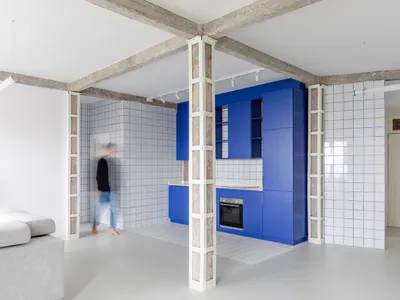
Contemporary Apartment Renovation in Spain: RV House by BIAN Opens Up to the Sea
A minimalist 1930s apartment in Santander is transformed into a flexible, sea-facing home through contemporary Spanish renovation.
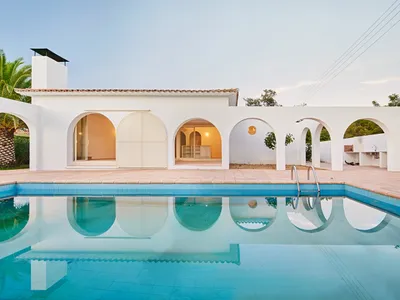
3 Marías House: A Contemporary Mediterranean Courtyard Retreat by Bajet Giramé + Burckhardt
Mediterranean courtyard home blending traditional architecture with modern design, terracotta flooring, flexible interiors, sustainable climate strategies, and garden integration.
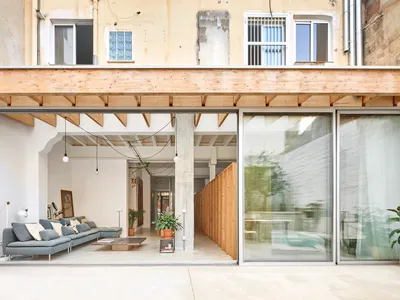
NZ10 Apartment by auba studio: Adaptive Reuse in Palma de Mallorca
Adaptive reuse apartment transforms bakery into light-filled home with patios, privacy layers, and wood interiors enhancing urban living experience.

Explore Architectural Environment Competitions
Discover active competitions in this discipline

Challenge to reimagine the Iron Throne

Photograph architecture without architects

Illustrate the lost glory of Angkor Wat - Render Challenge

Design challenge to reuse E-waste
Comments (0)
Please login or sign up to add comments
No comments yet. Be the first to comment!