Revitalizing Heritage: The Transformation of Buenavista Cultural Centre by Padilla Nicas Arquitectos
How did Padilla Nicas Arquitectos breathe new life into the Buenavista Cultural Centre through refurbishment and extension?


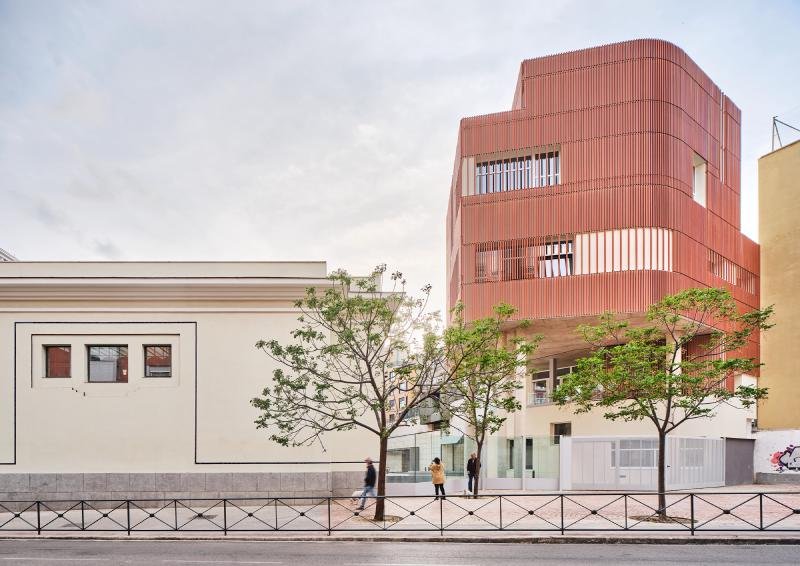
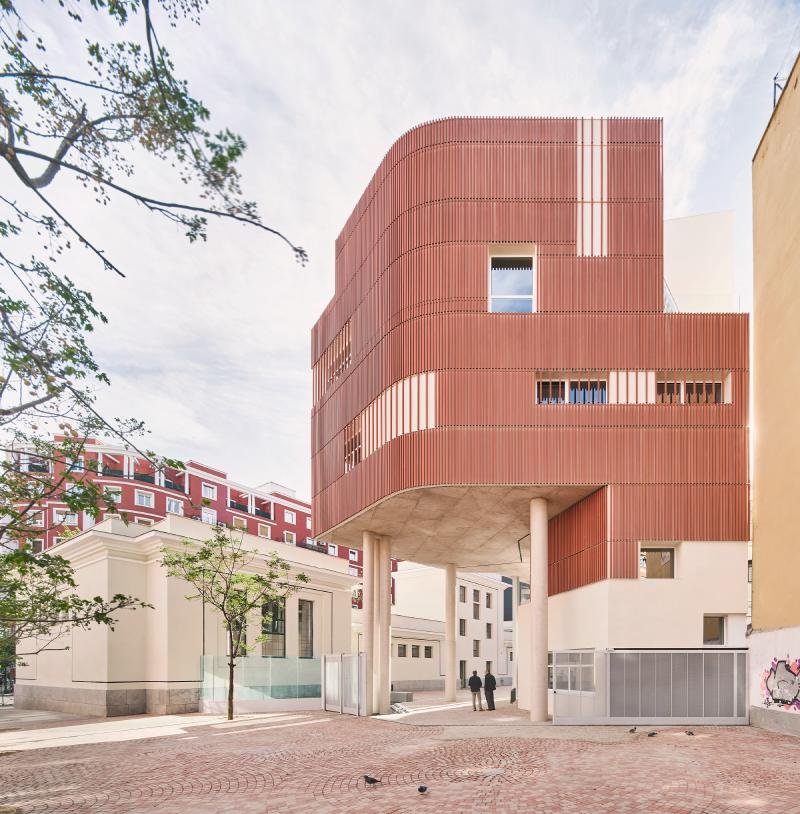
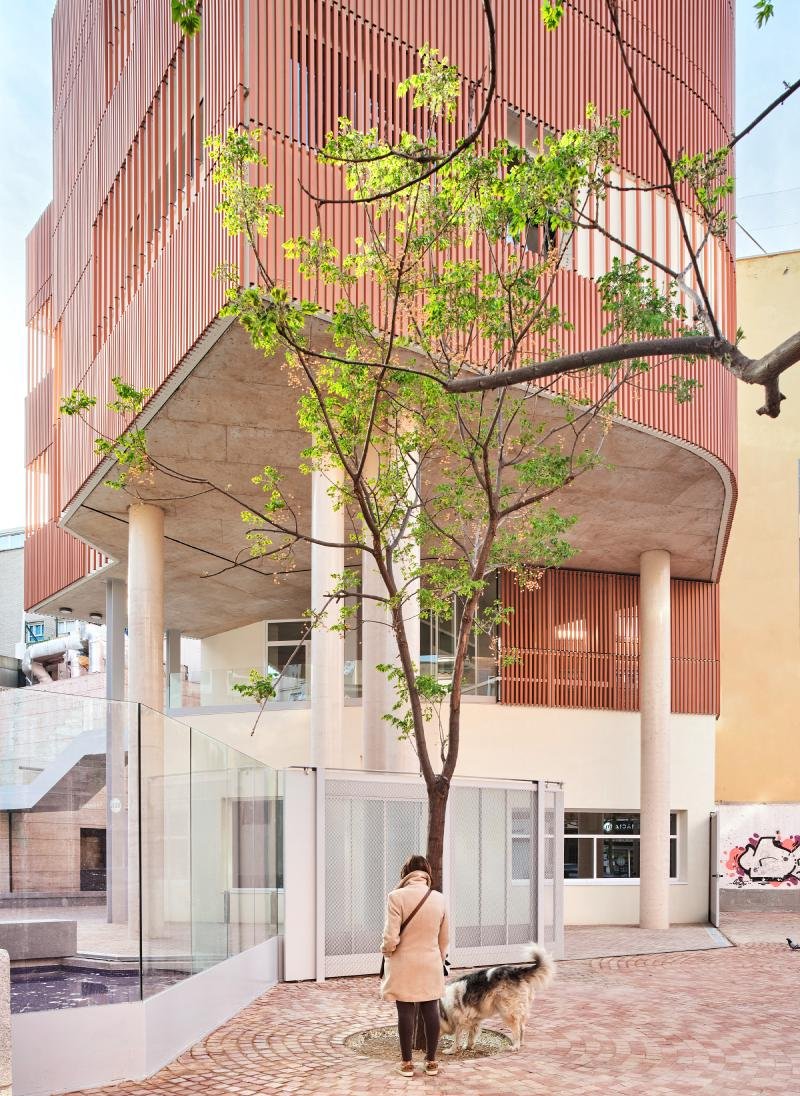
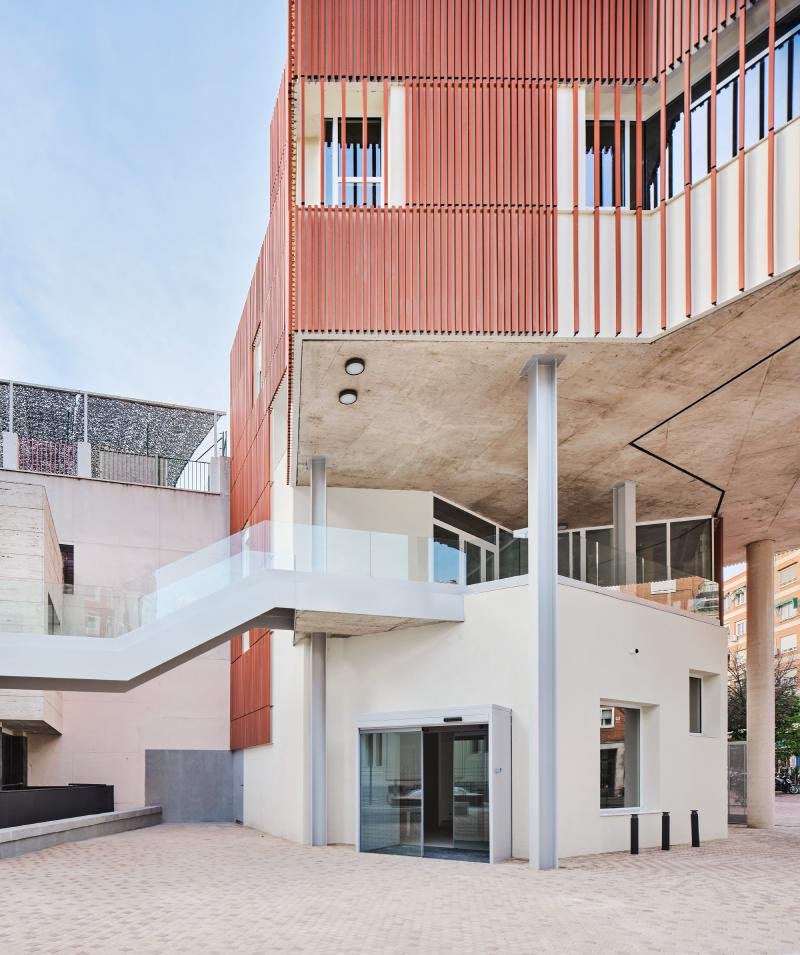
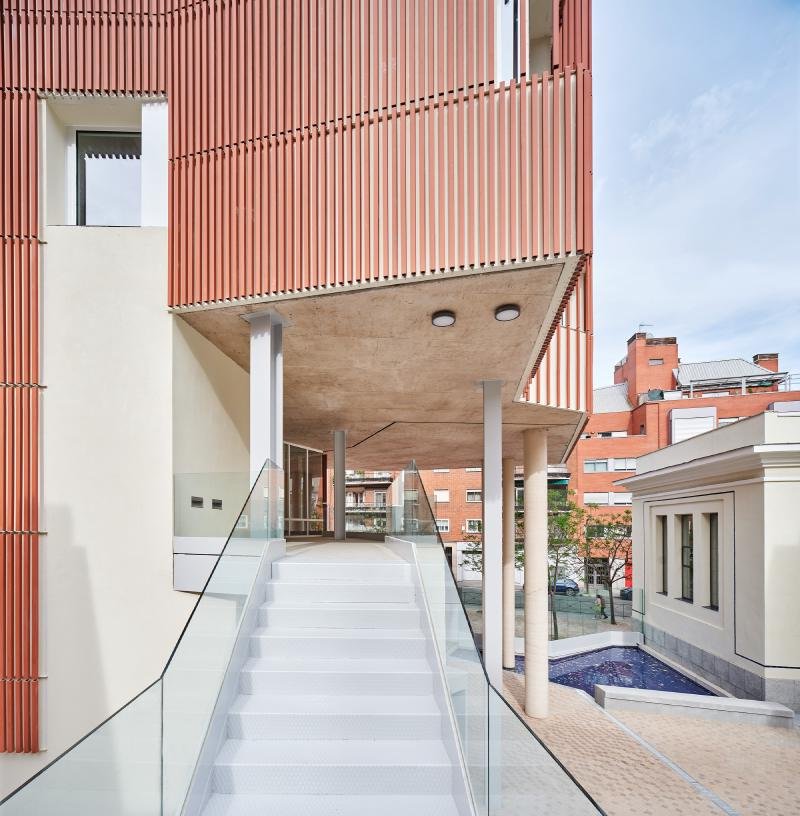
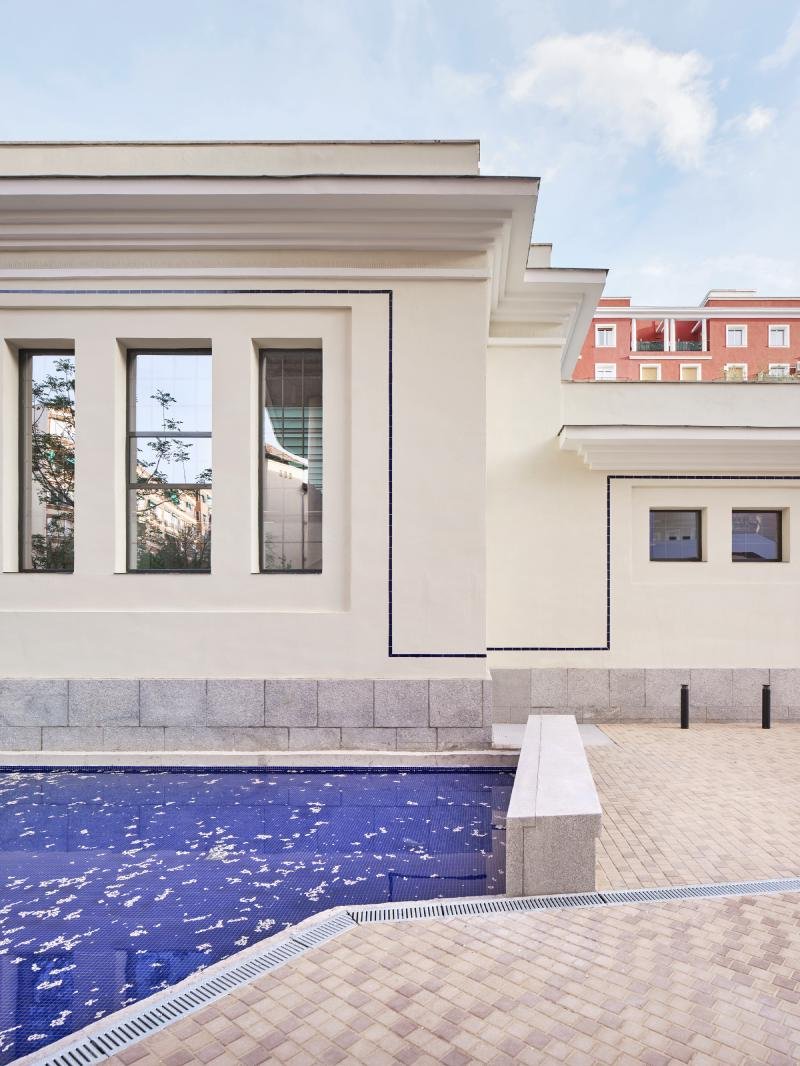
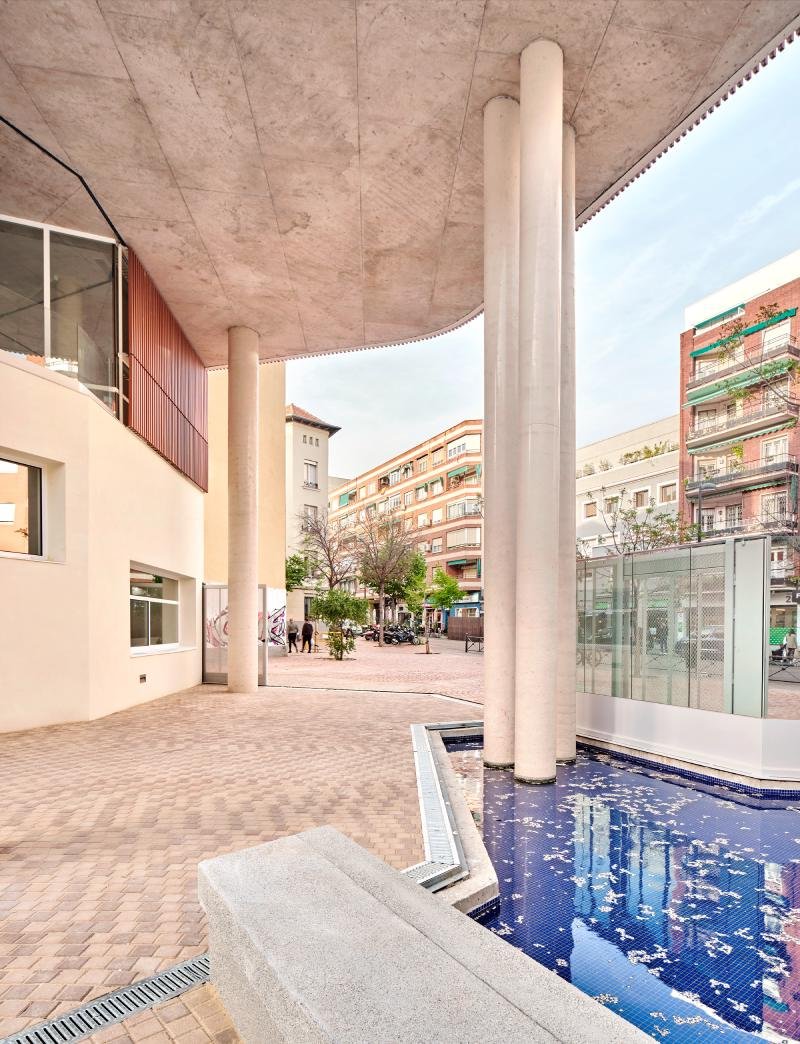
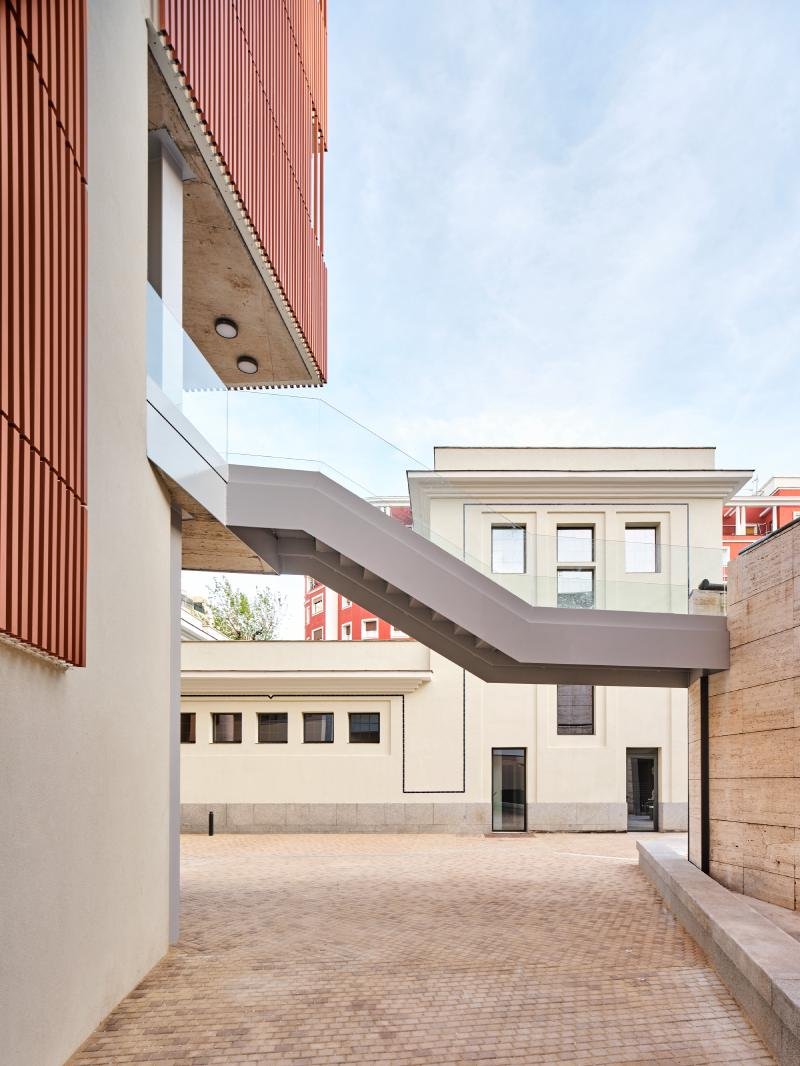
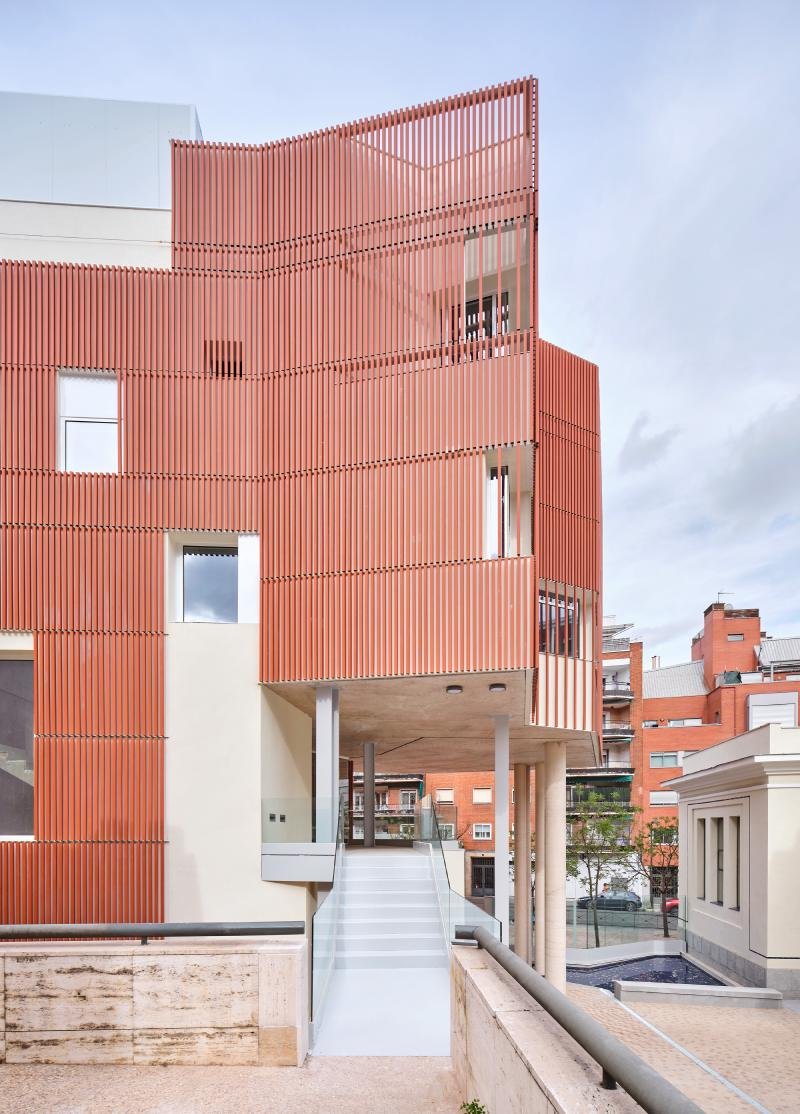
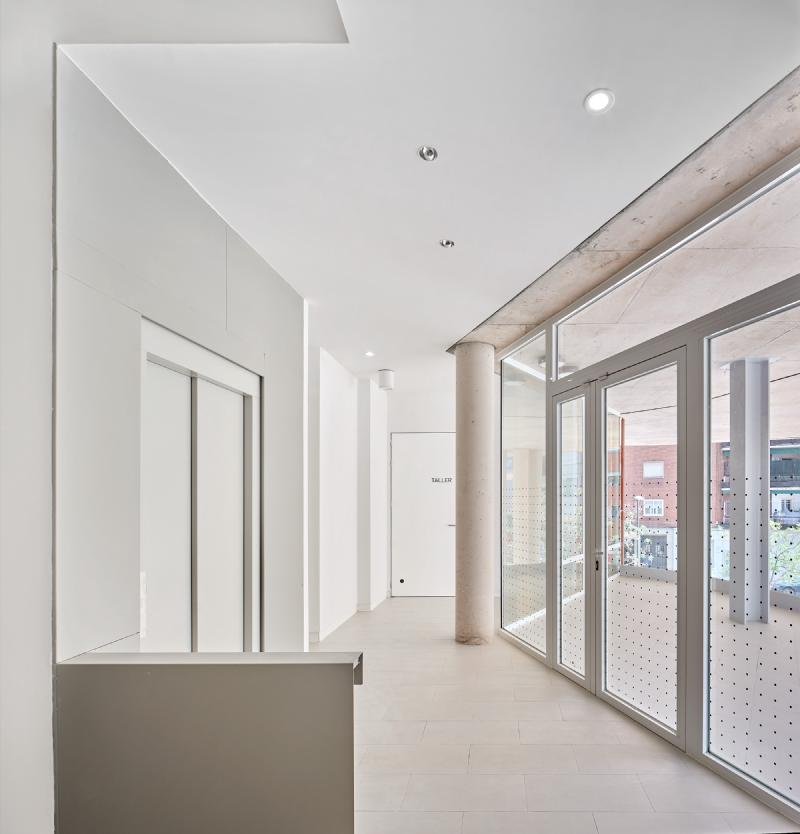
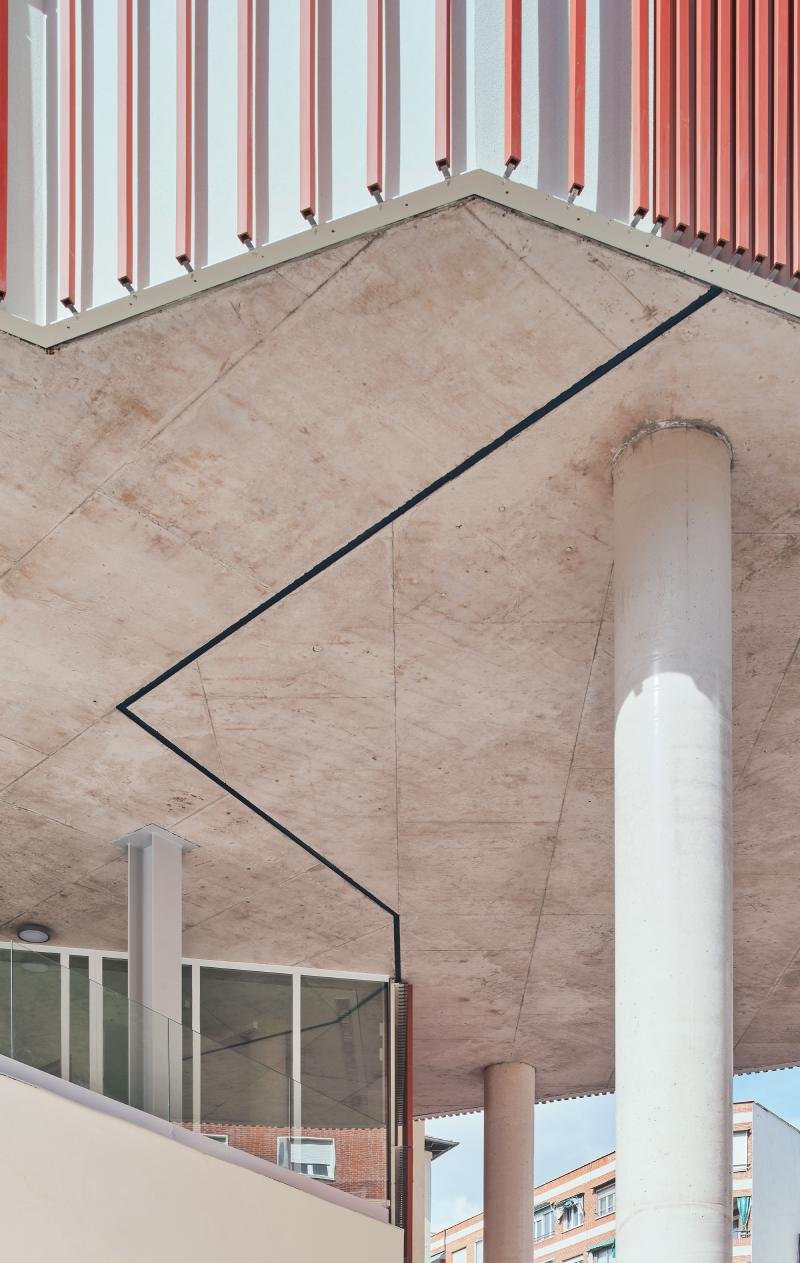
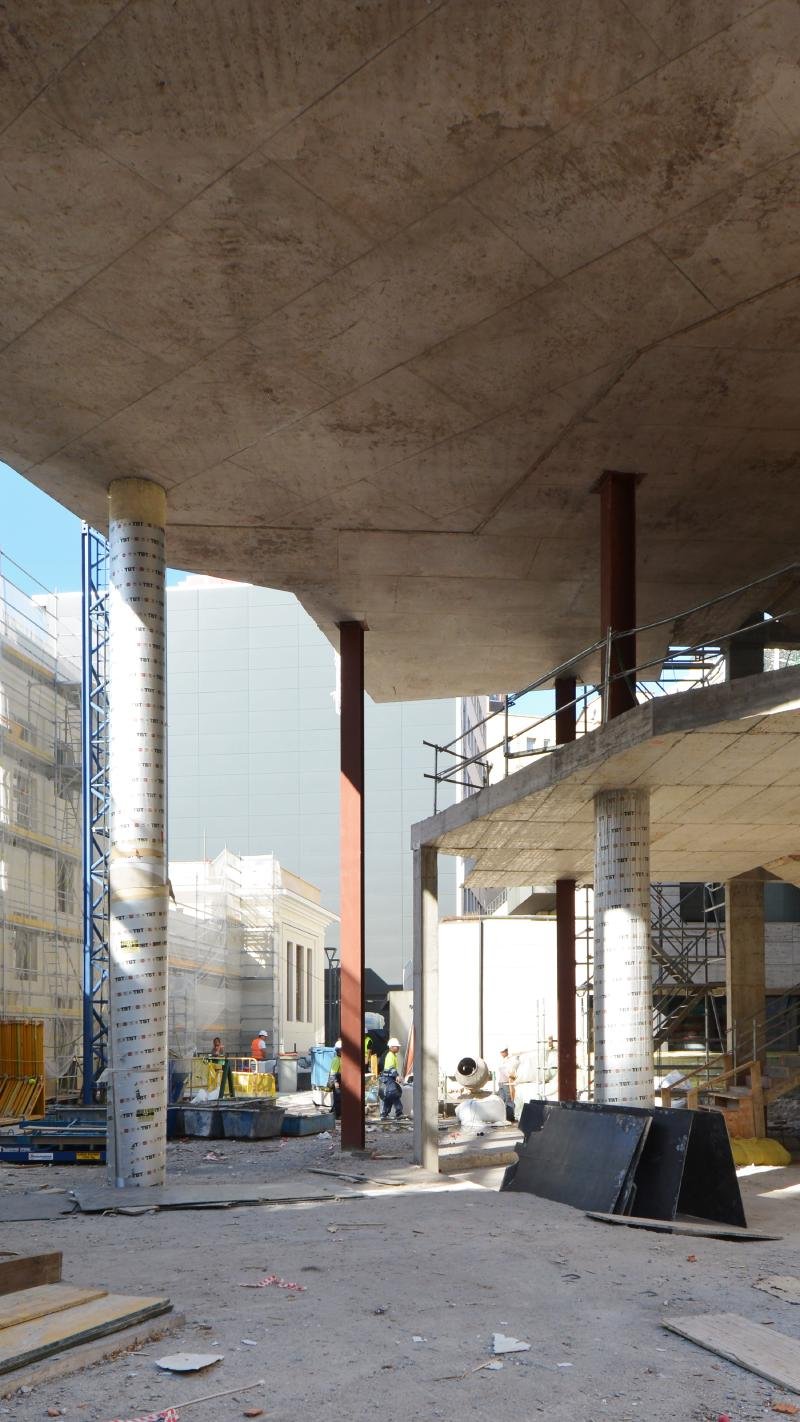
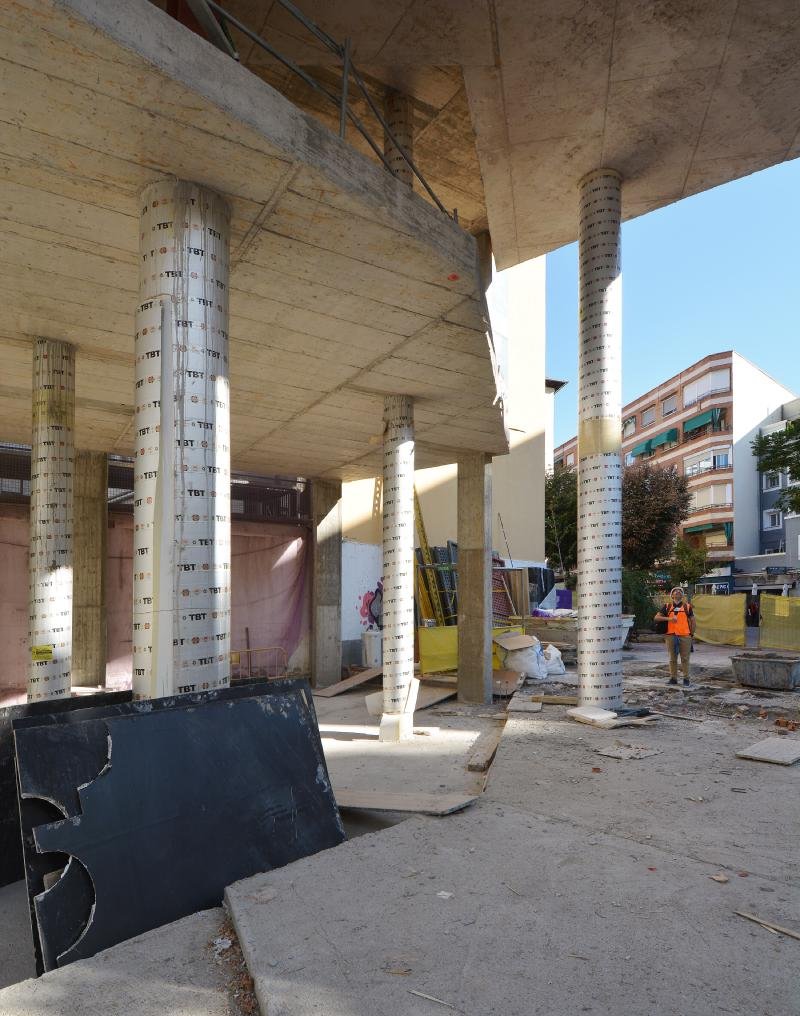
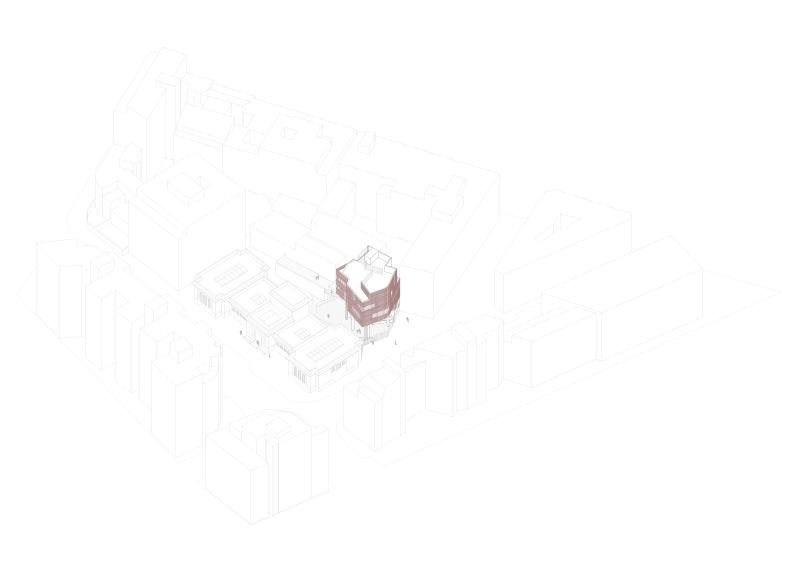
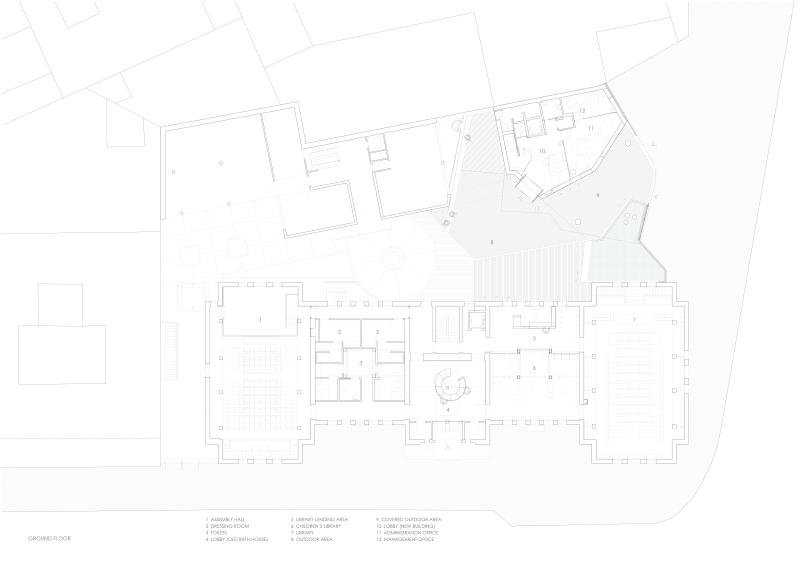
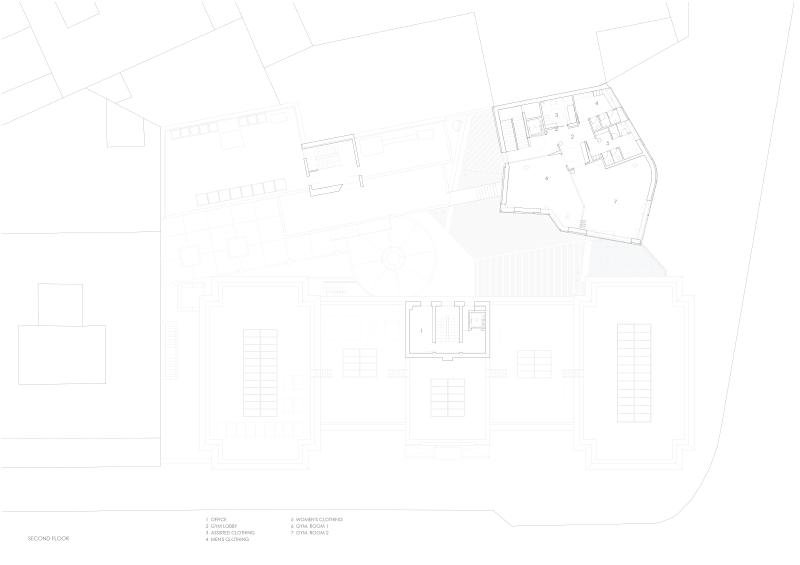
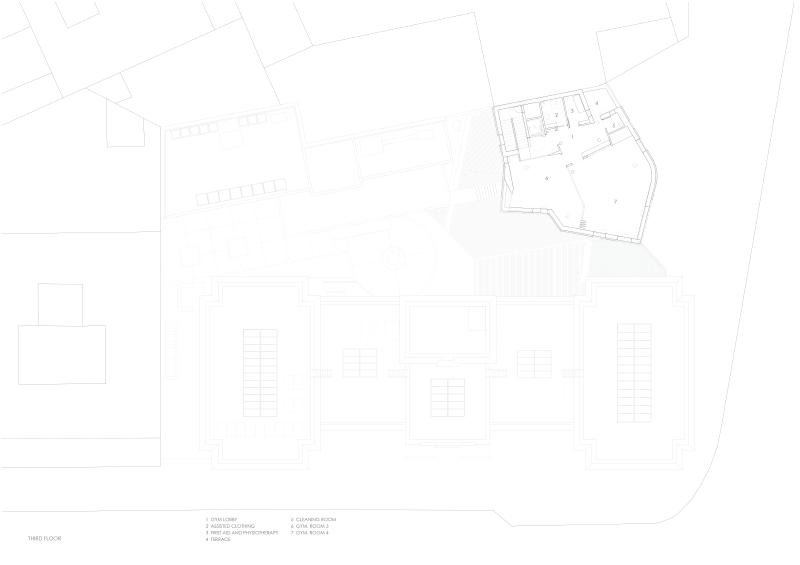
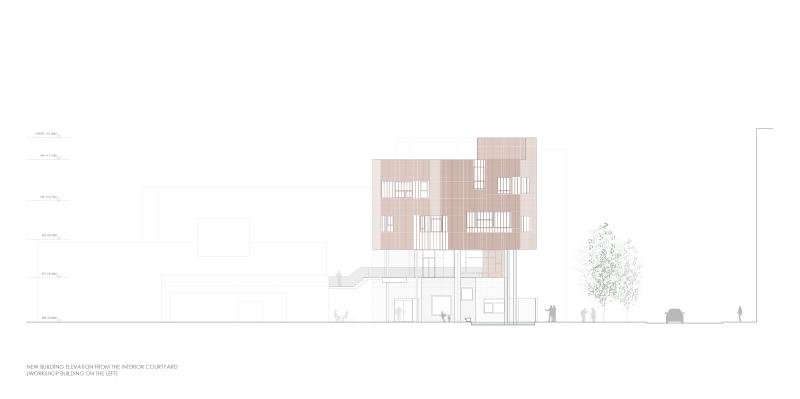
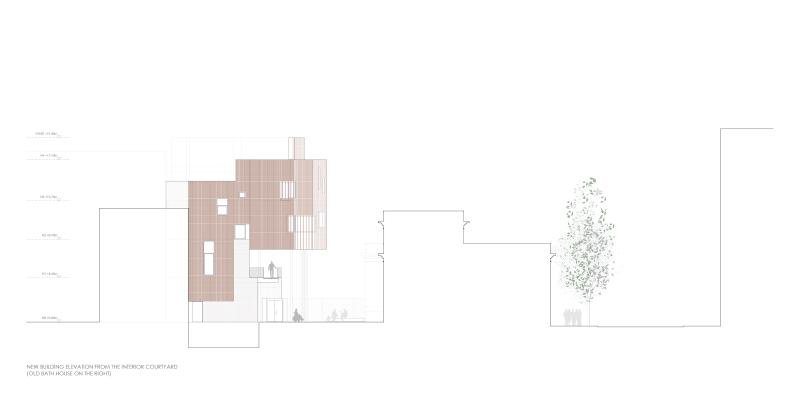
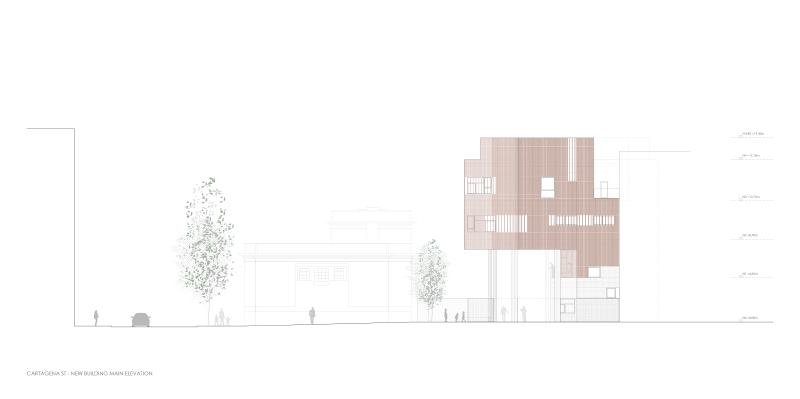
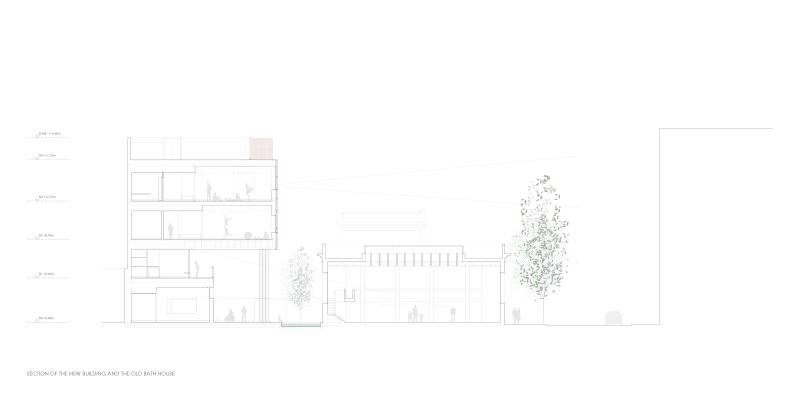
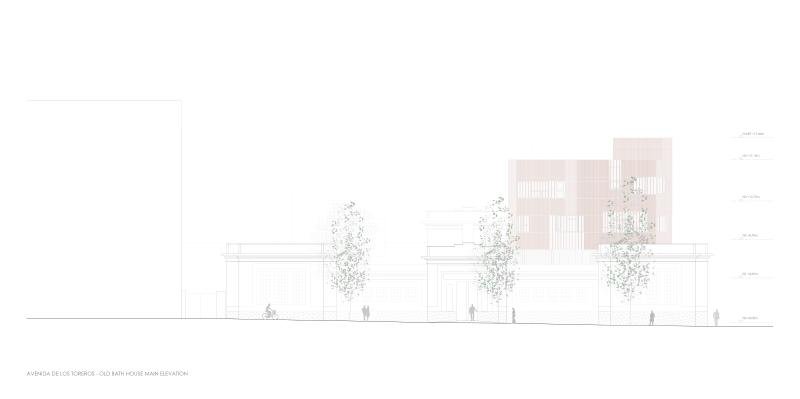
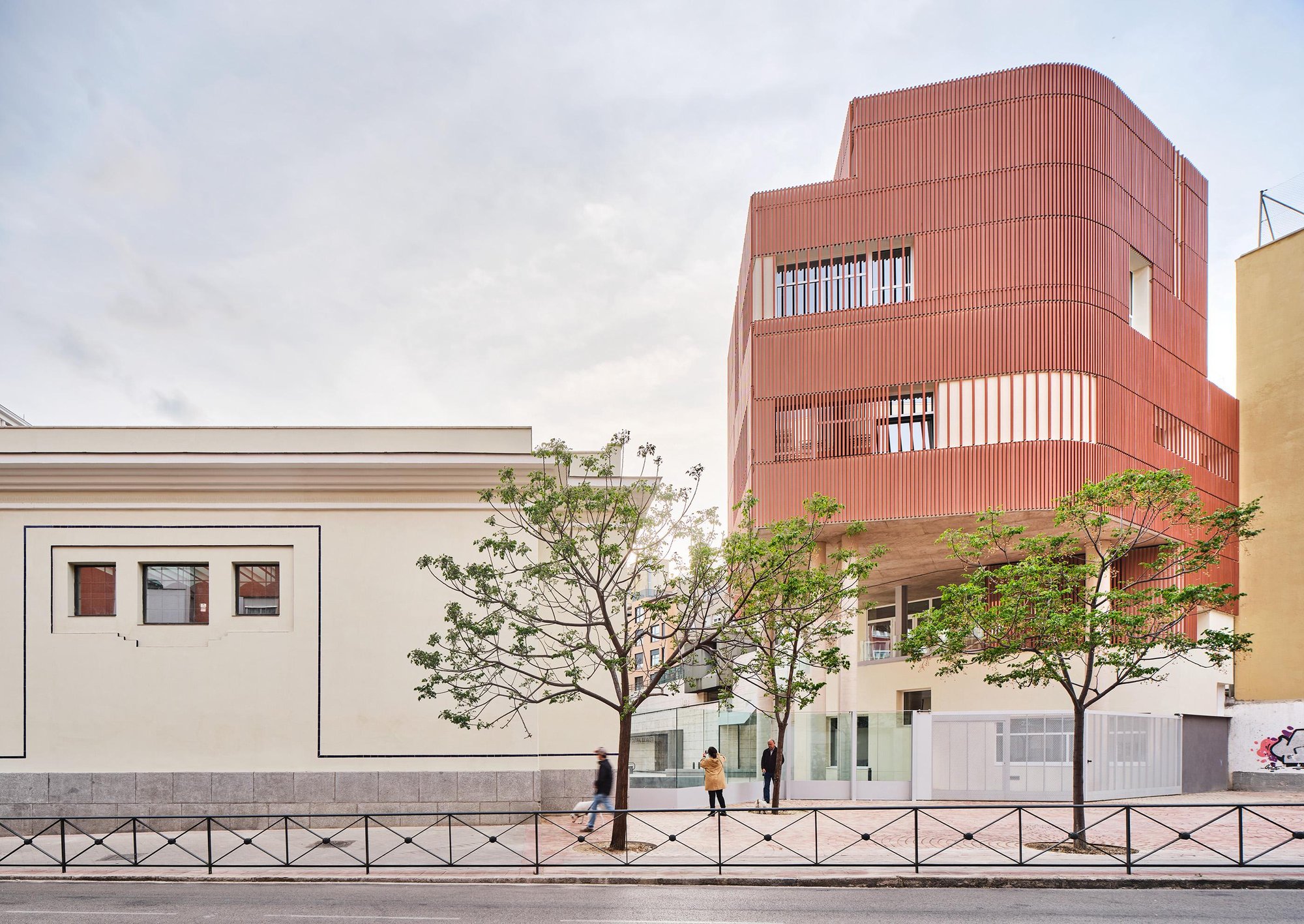
The project was presented to us with the primary goal of creating an urban space that would connect the interior of the courtyard with a small square located in the adjacent Cartagena Street. This new urban space would also allow for the recovery of views of the rear façades of the Casa de Baños de la Guindalera for the city. To ensure that this desire was compatible with the development of the requested programme of uses, the proposed new building was raised off the ground over a large part of its footprint, supported by a system of slender concrete and steel pillars. This created a covered urban space that can be opened or closed depending on the needs of use and timetable. This enabled the completion of the 2,000 m2 trapezoid-shaped block, which already contained two other buildings of different character and date of construction: the Old Bath House (1932) converted in the early 1980s into a Cultural Centre and a building attached to the party wall (2006).
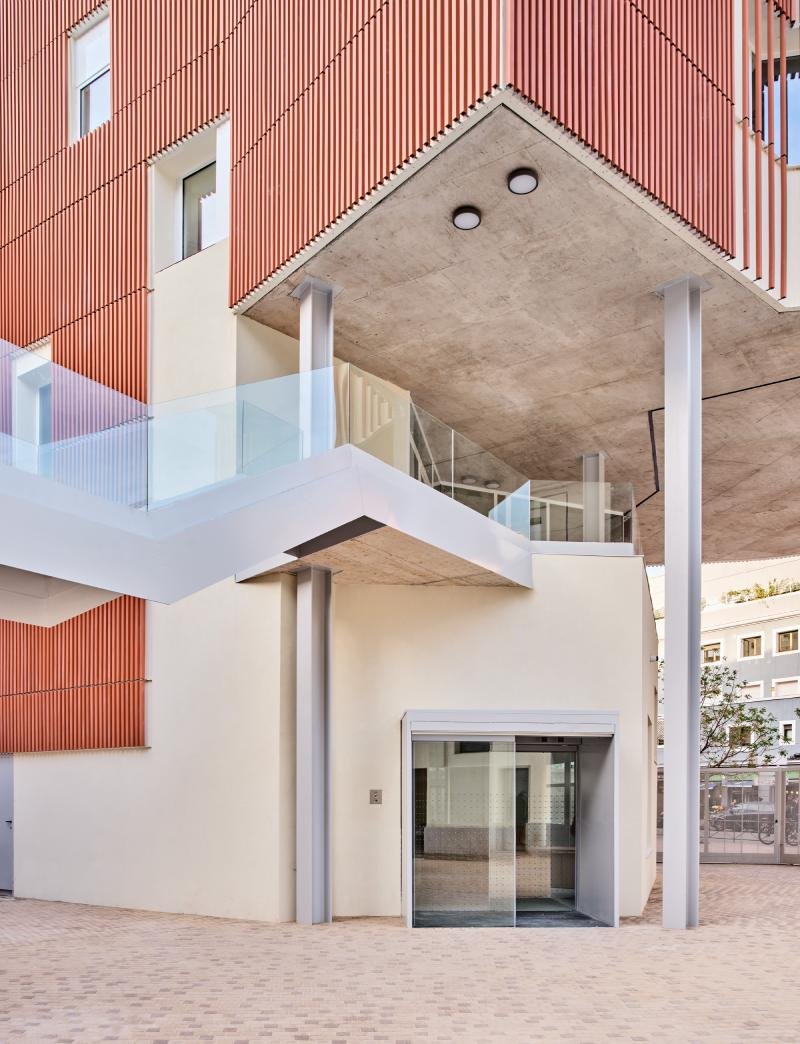
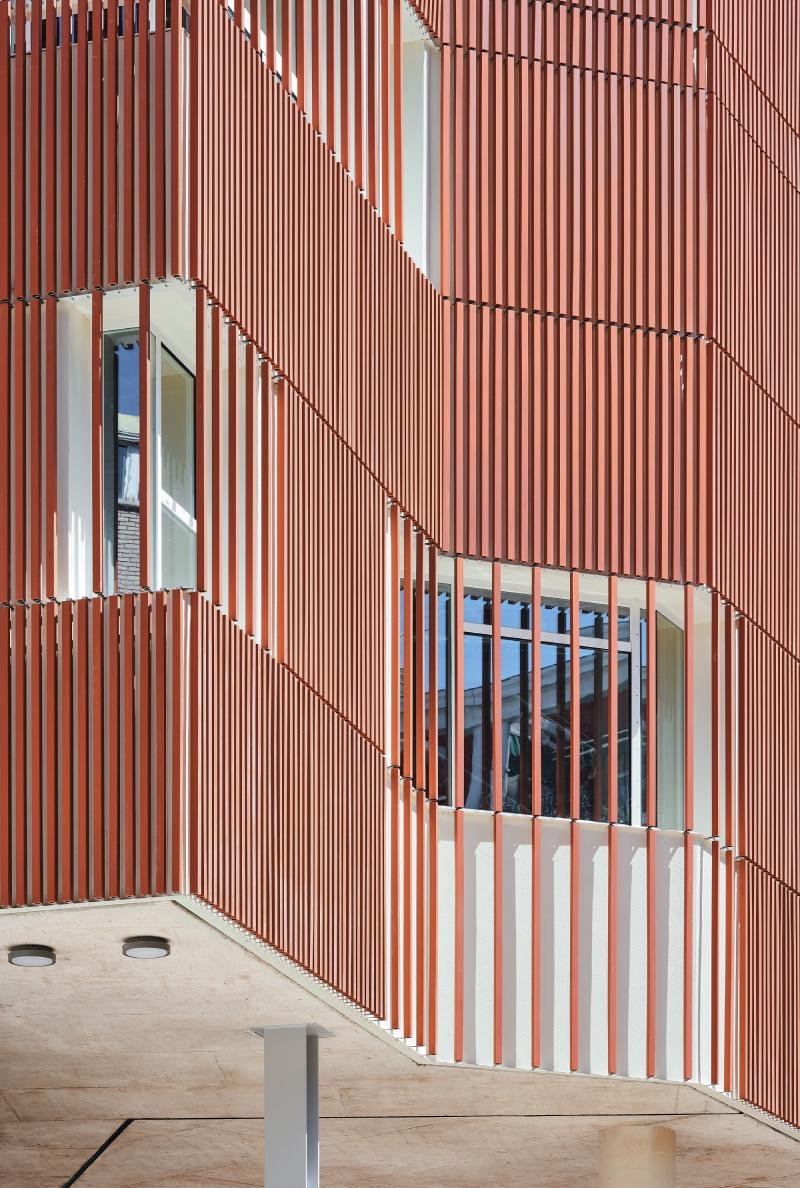
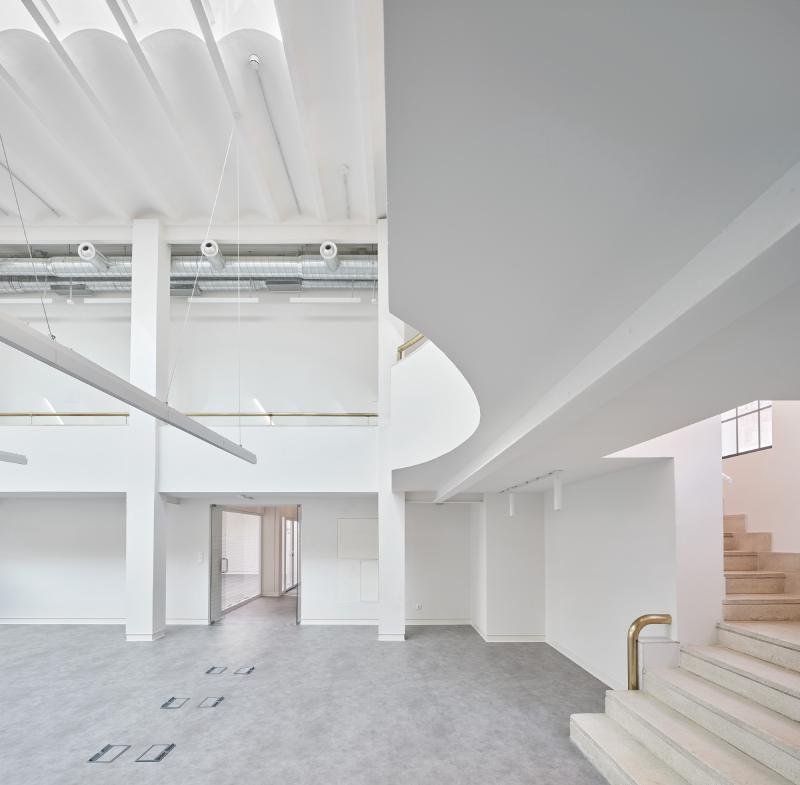
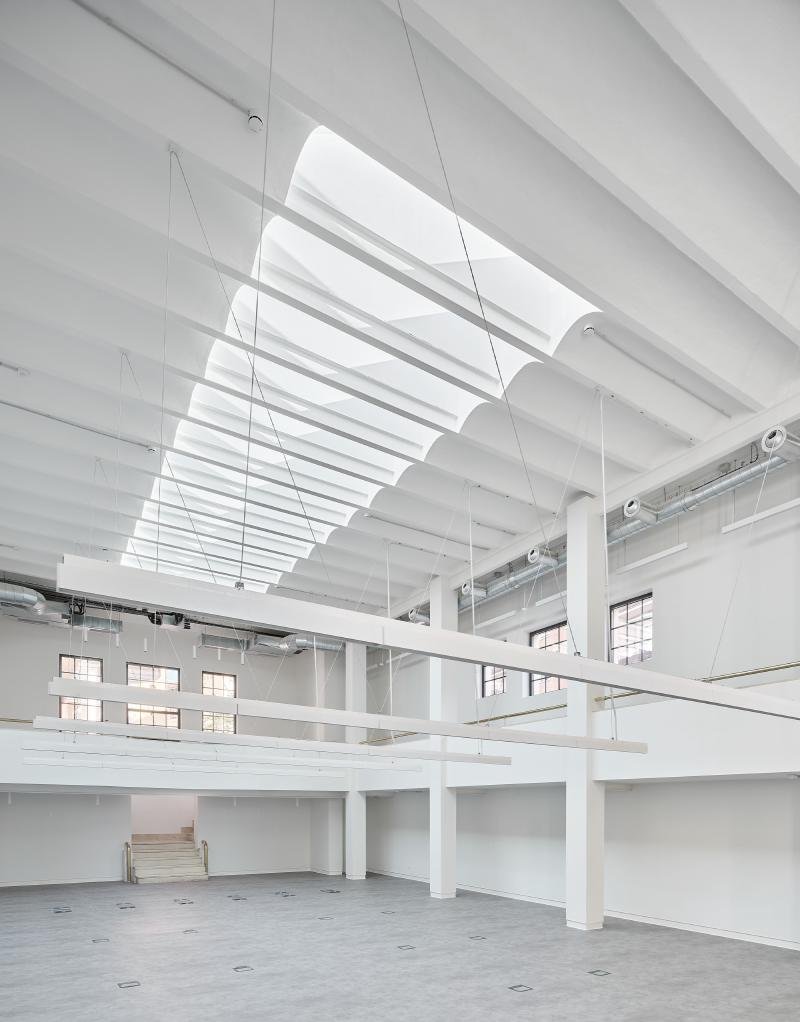
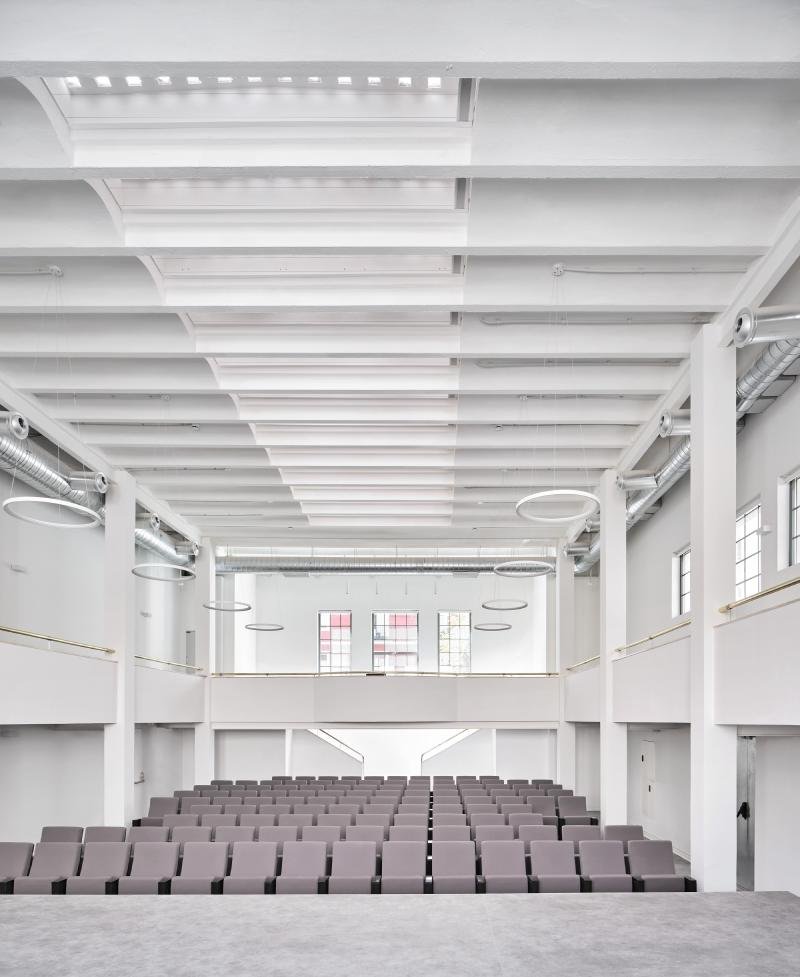
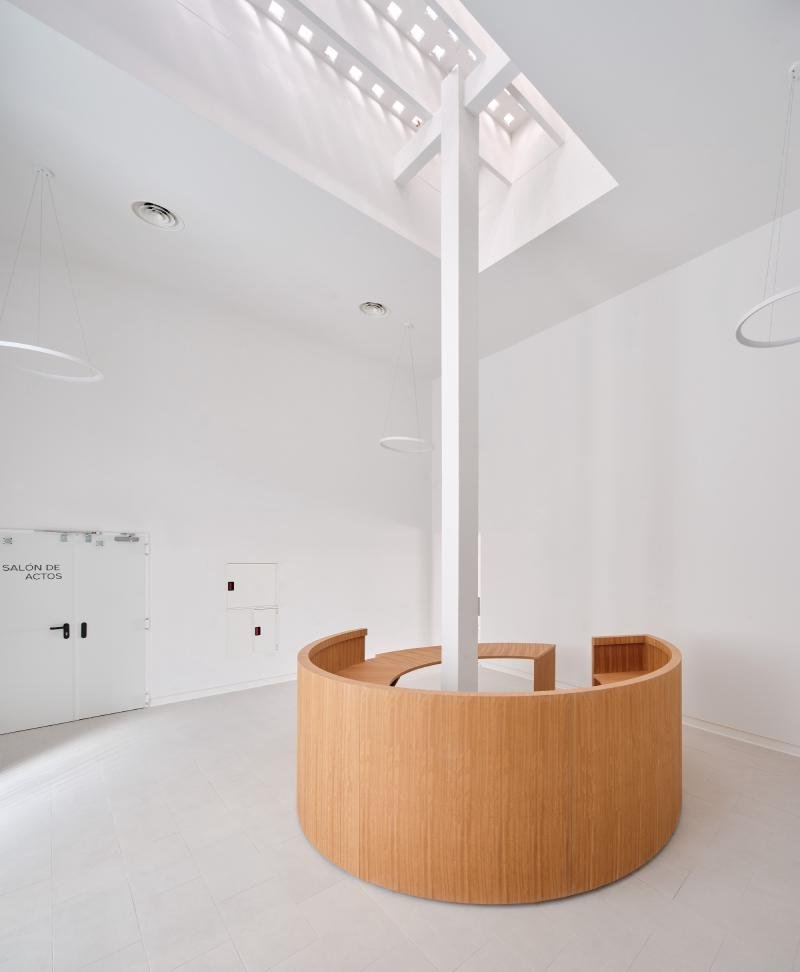
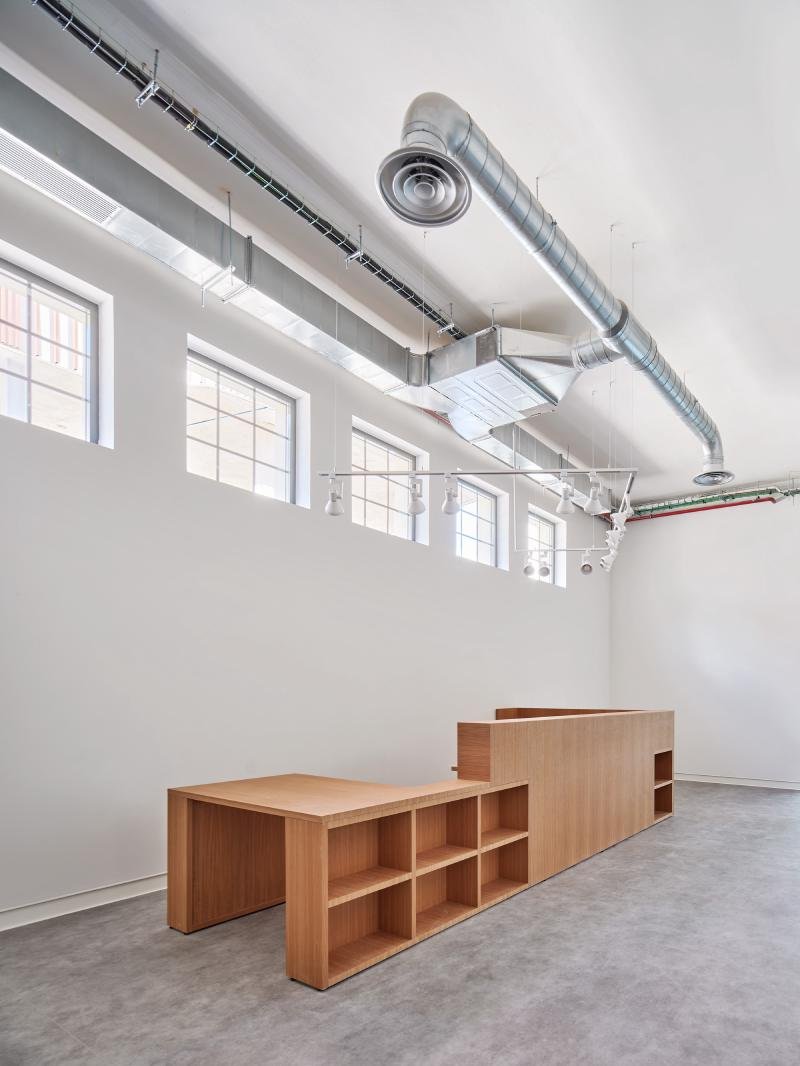
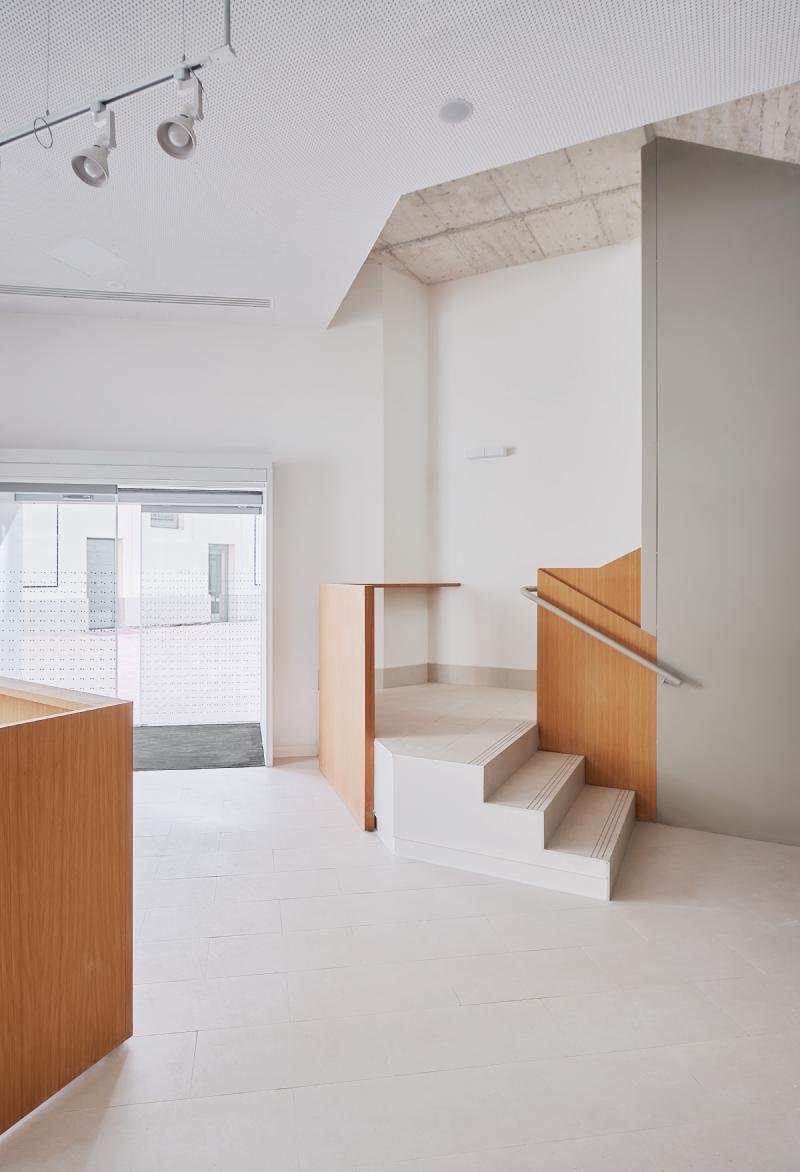
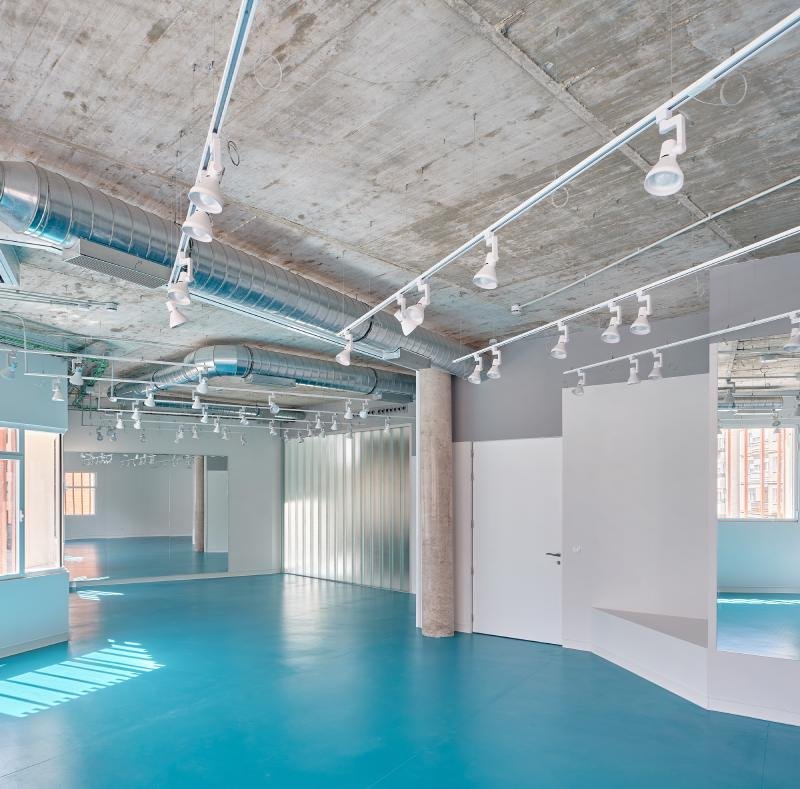
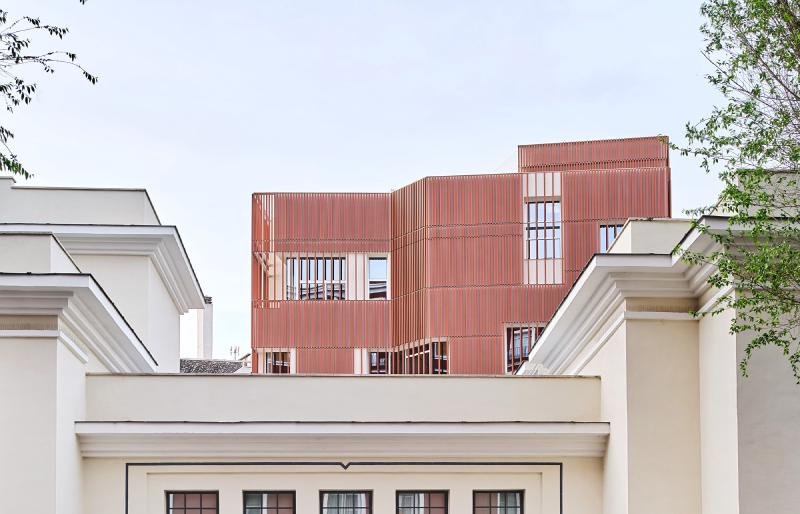
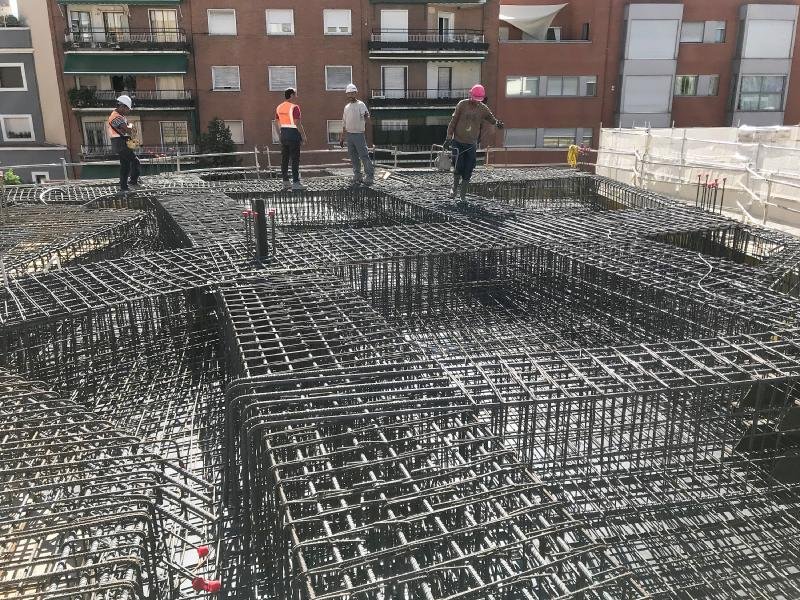
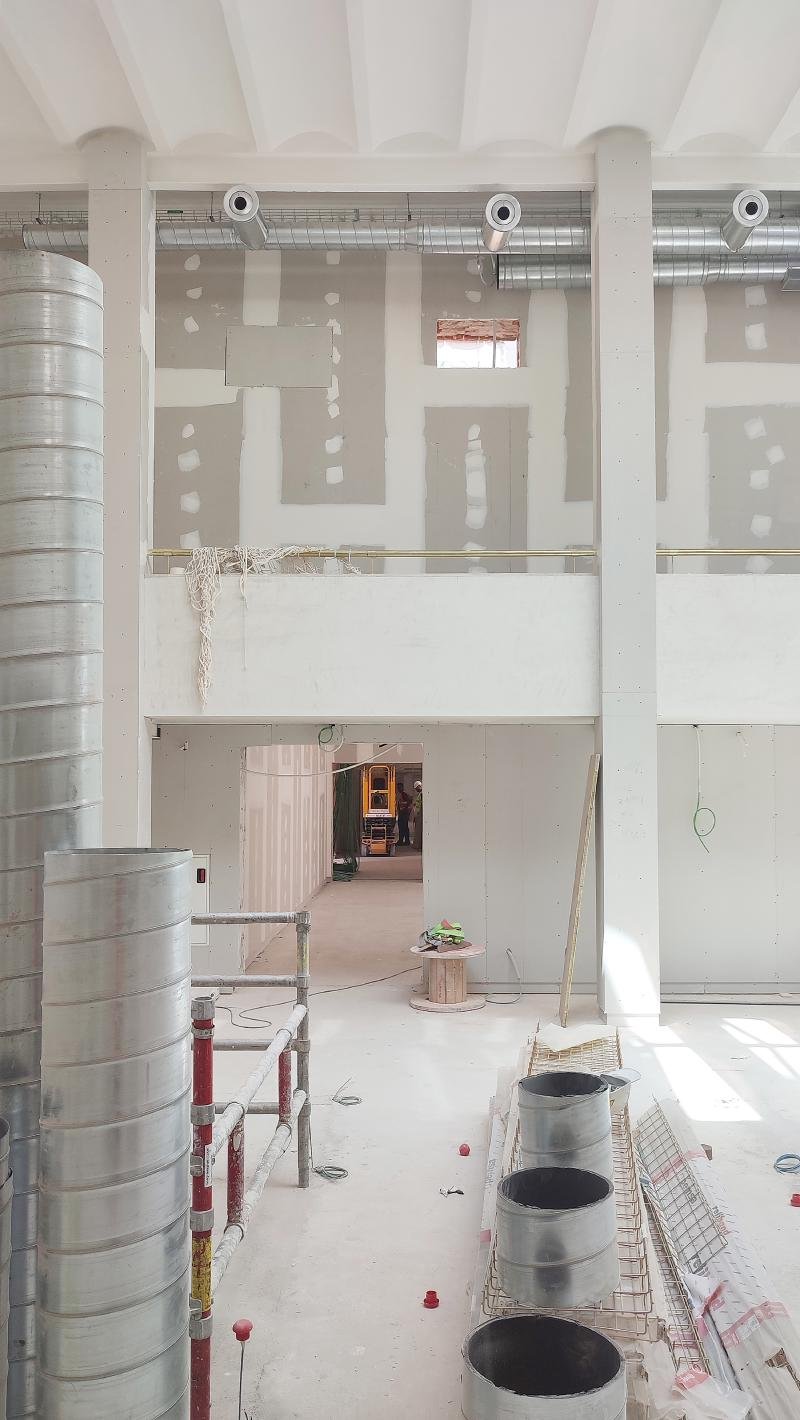
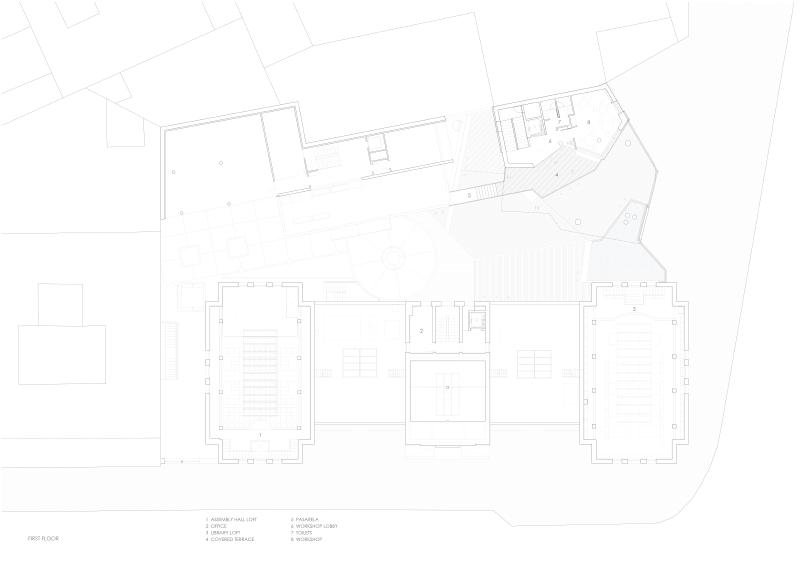
The decision to maintain the existing uses of the Casa de Baños, such as the library, assembly hall and support spaces, was a key factor in respecting the established character of the building. In contrast, the new building was designed to house more recreational uses, such as multi-purpose rooms and workshops, which were adapted to the geometry of the plot and the necessary setbacks to the adjoining buildings. To create the covered urban space, the structure of the new building had to be strong enough to bridge large spans on the lower floors, requiring a slab with 95 cm high ribs. This structural requirement was also applied to the upper floors, as the sports halls had to be able to function as a unit, with most of their surface area free of supports. The restoration of the original mortars of the Casa de Baños gave the exterior a rejuvenated appearance, and this same finish was used on the façades of the new building, creating a dialogue between the two constructions. The lower floors were completely visible, while the upper floors were covered with a system of vertical porcelain pieces. The greatest challenges of the project arose from the multiple starting conditions, such as the historical, formal, material and spatial.
We strive to maintain a balance in all our project decisions, combining respect for the existing elements with a program of uses that take advantage of the pre-existing spatial qualities. We also take advantage of the opportunity to create a new public space, taking into account the needs of the neighbourhood. The result is a new volume with a strong structural and visual presence, yet one that is perceived on a close scale due to its materiality and the size of the resulting spaces. This creates a friendly and respectful image of the environment and its inhabitants.