

Revitalizing Venice: David Chipperfield Architects Transform the Historic Procuratie Vecchie into a Modern Marvel
Can David Chipperfield Architects' Renovation of Procuratie Vecchie Preserve Venice's Rich History While Embracing Contemporary Design?


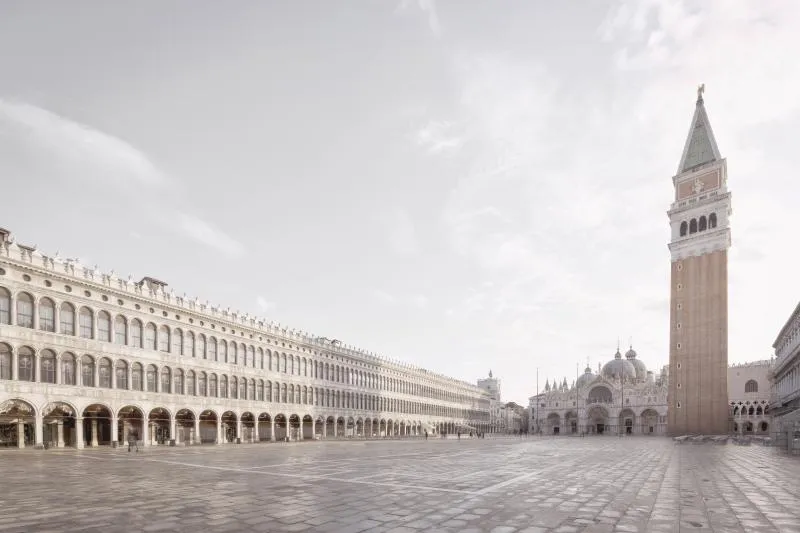
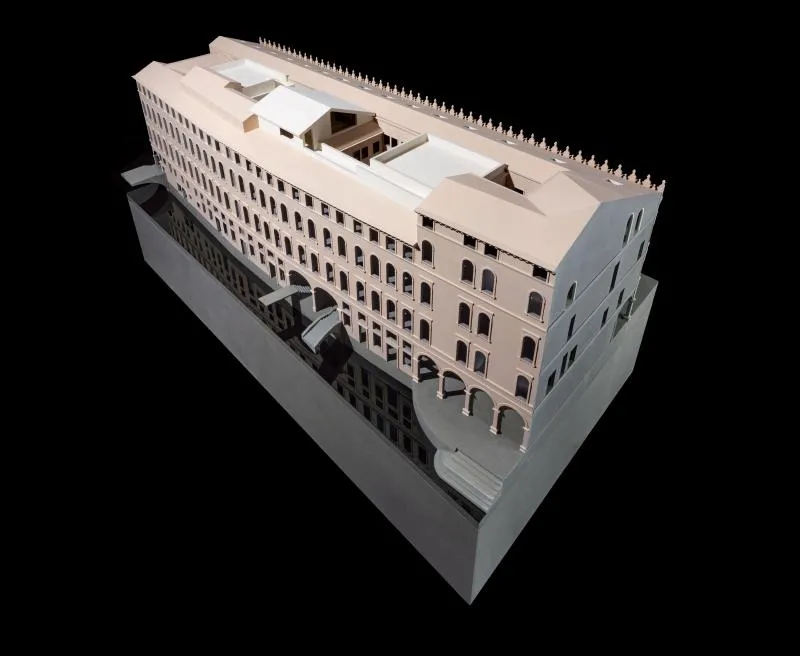
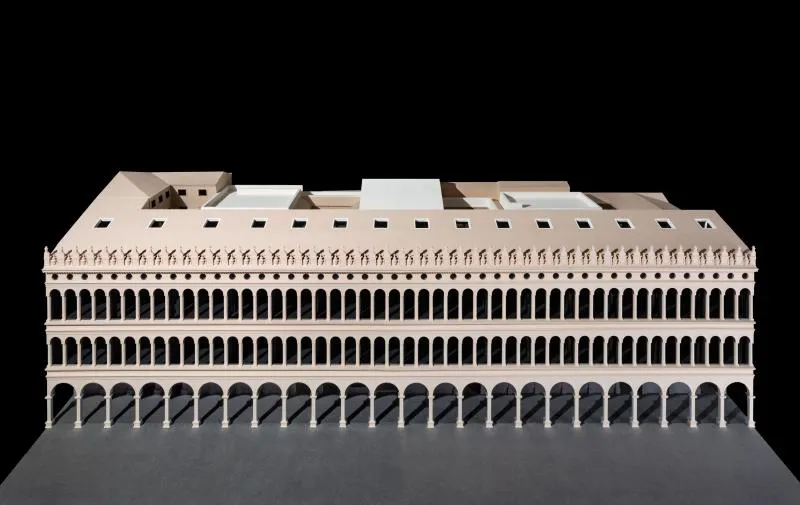
Saint Mark's Square is one of the world's most recognizable squares and an extraordinary example of an ordered public space. It is defined on three of its four sides by the Procuratie Vecchie, Procuratie Nuove, and Procuratie Nuovissime. The Procuratie Vecchie was developed along the North side of the square in the first half of the 16th century, under the renovation urbis programme of the Doge of the Republic of Venice, Andrea Gritti. Three architects, Mauro Codussi, Bartolomeo Bon, and Jacopo Sansovino, established the modern ancient language adopted by the subsequent developments of the other Procuratie on the West and South sides of the square.
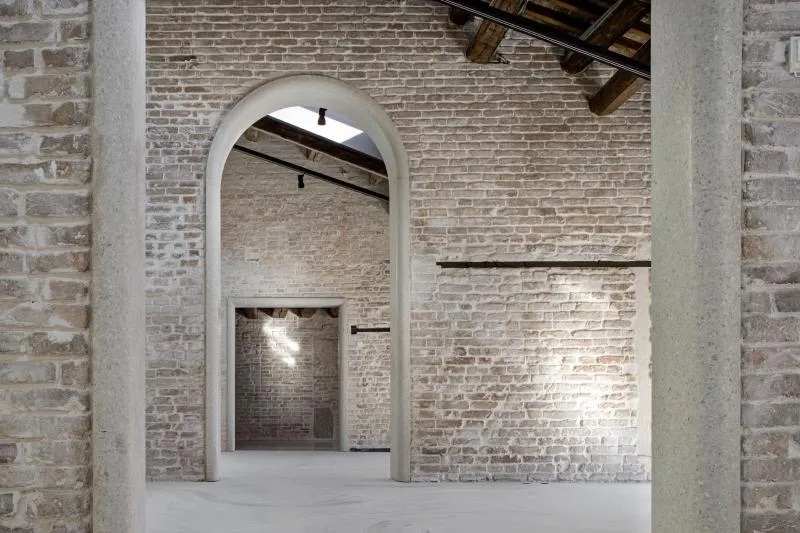
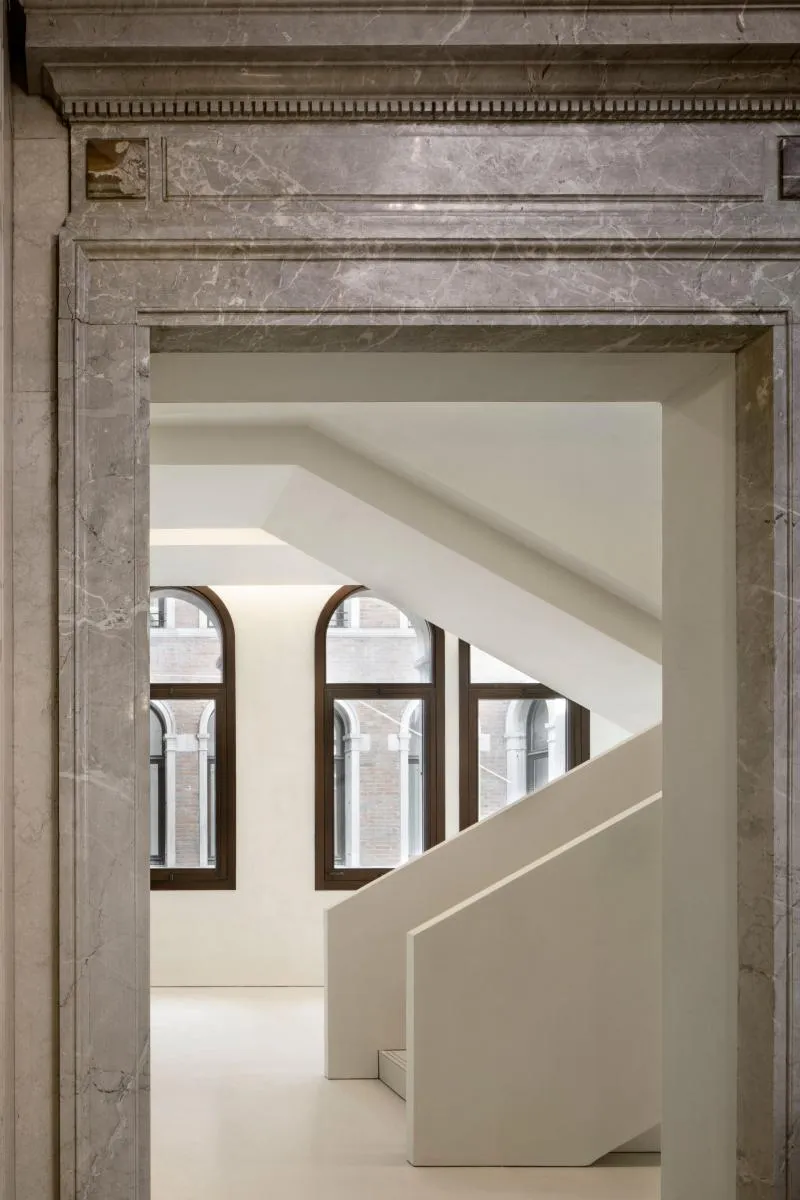
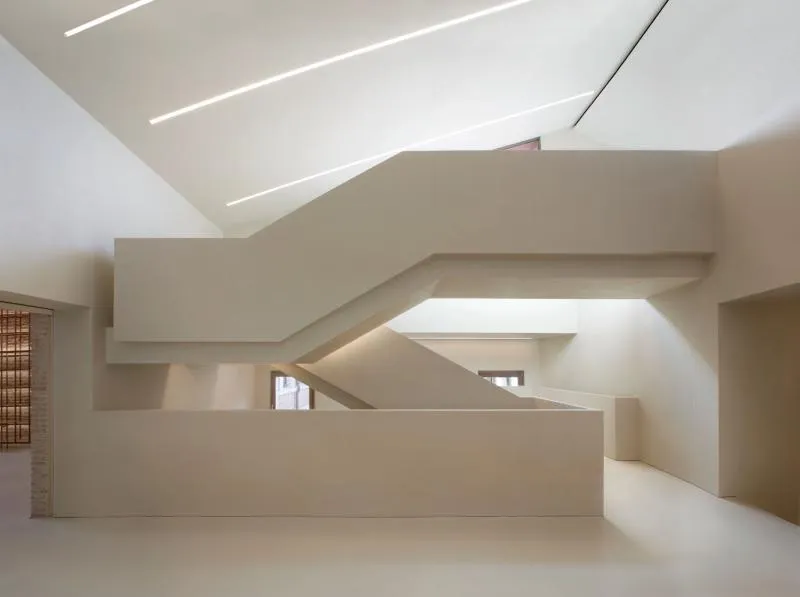
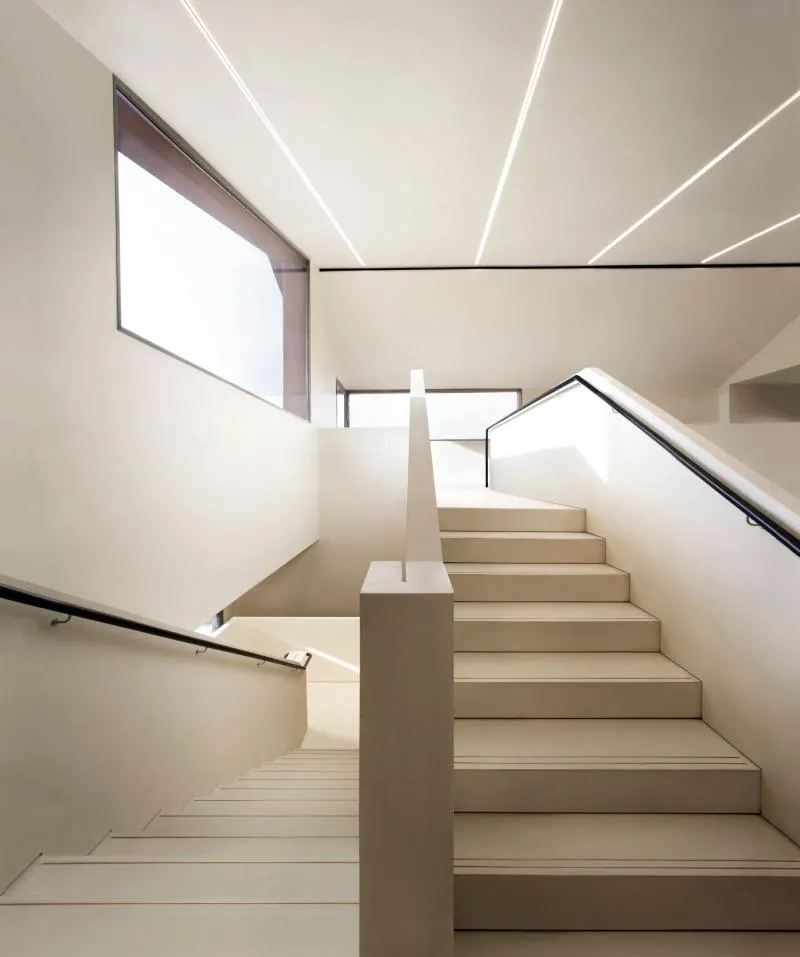
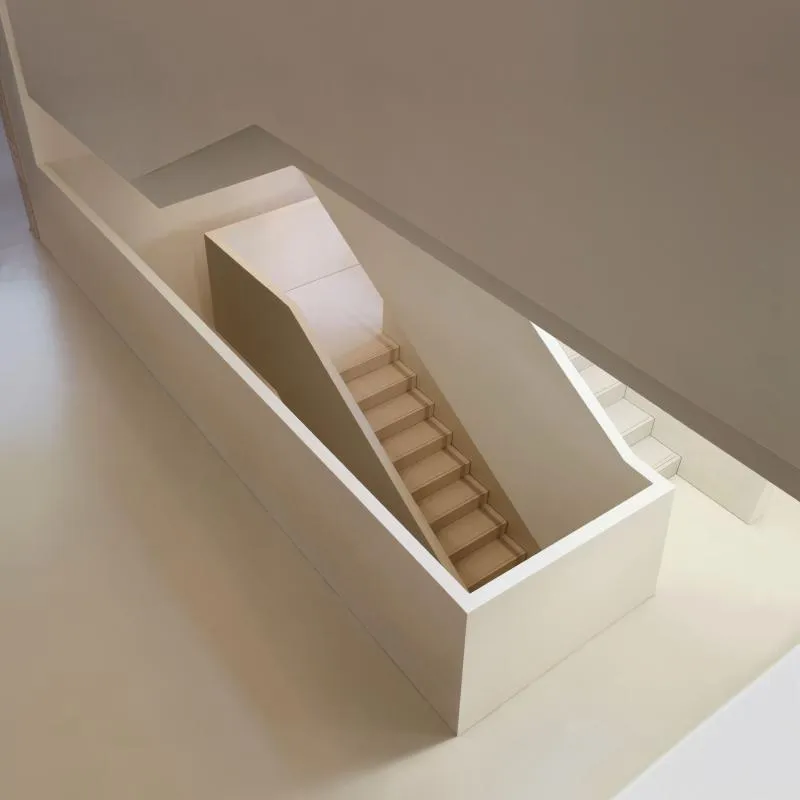
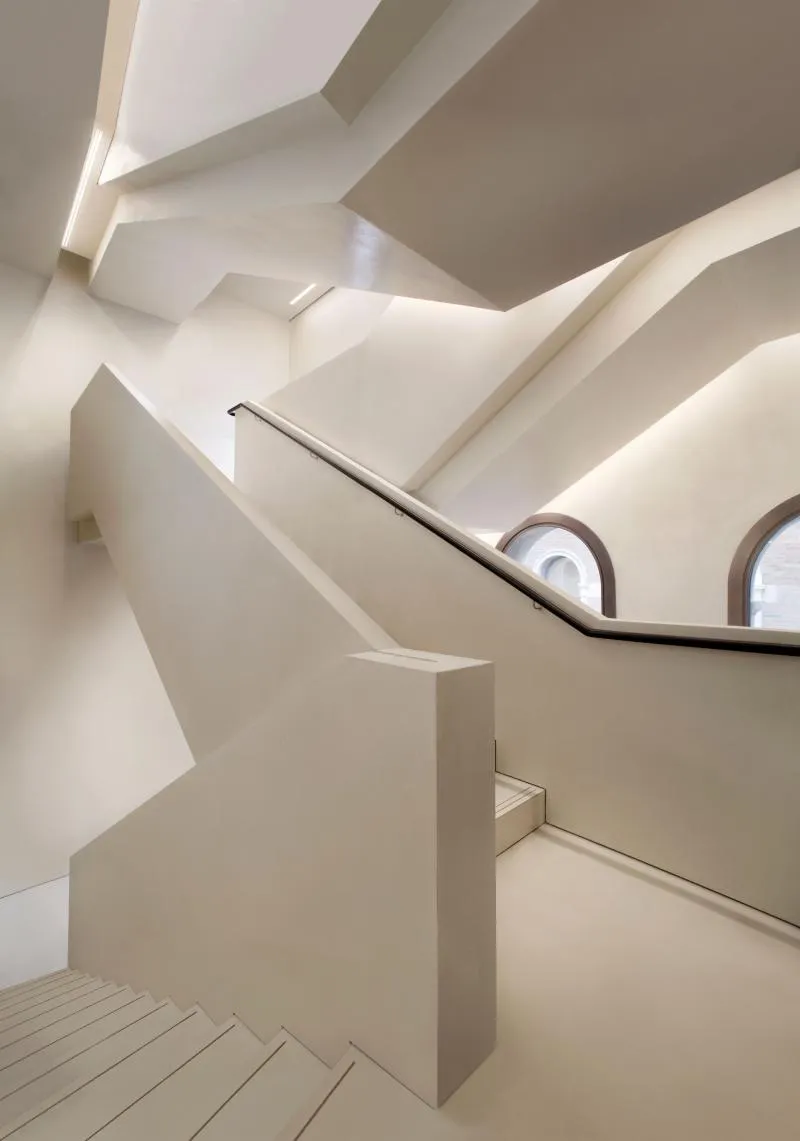
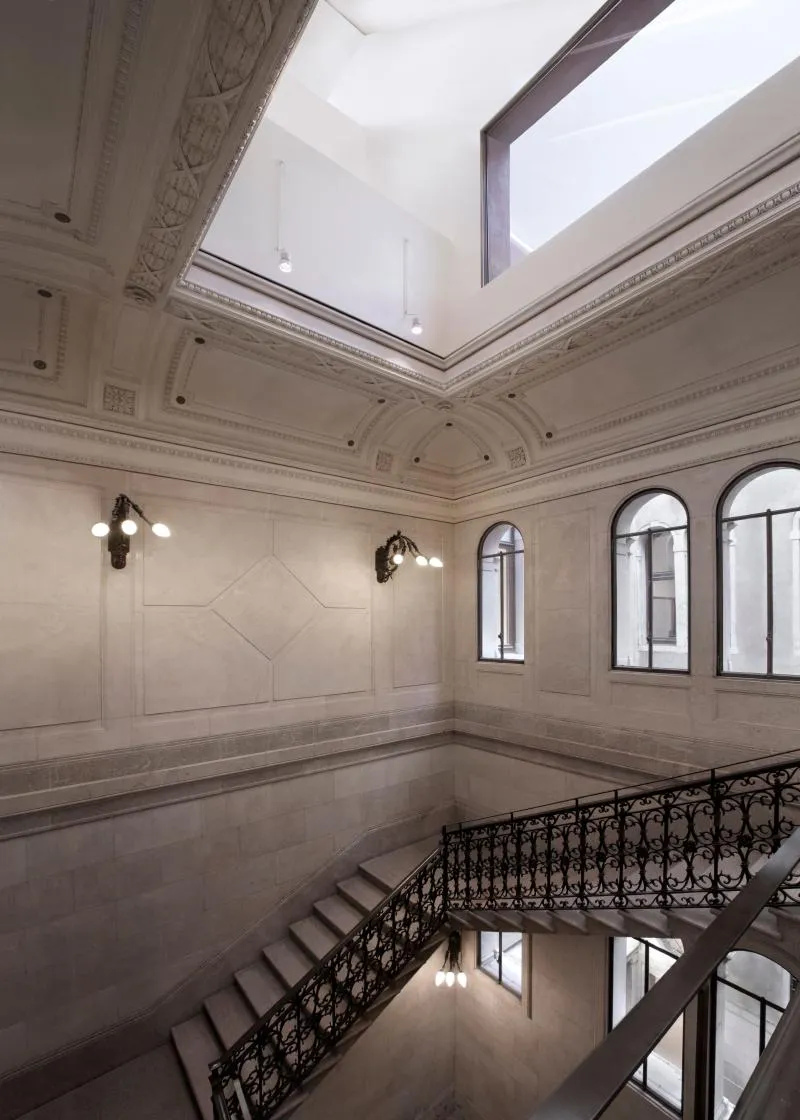
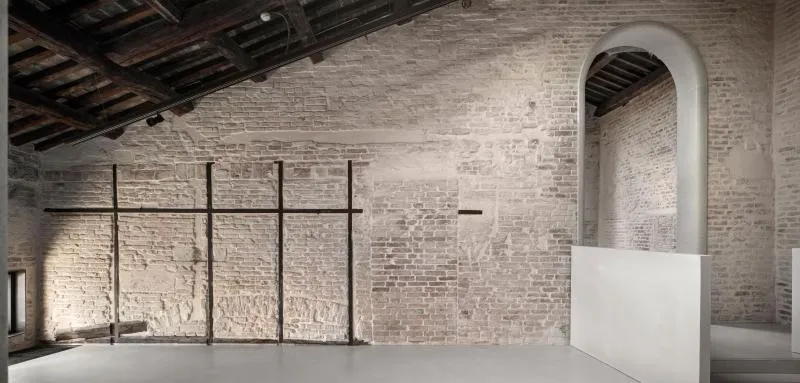
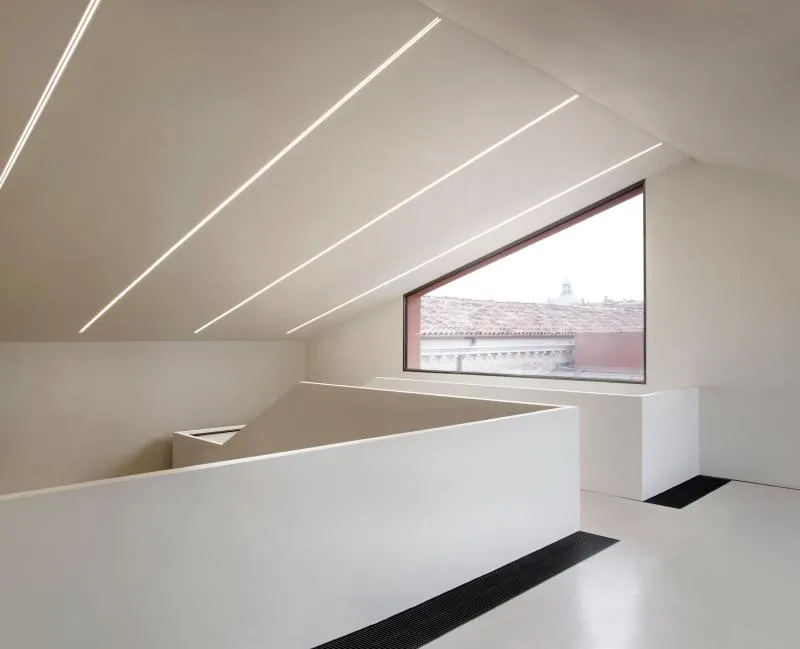
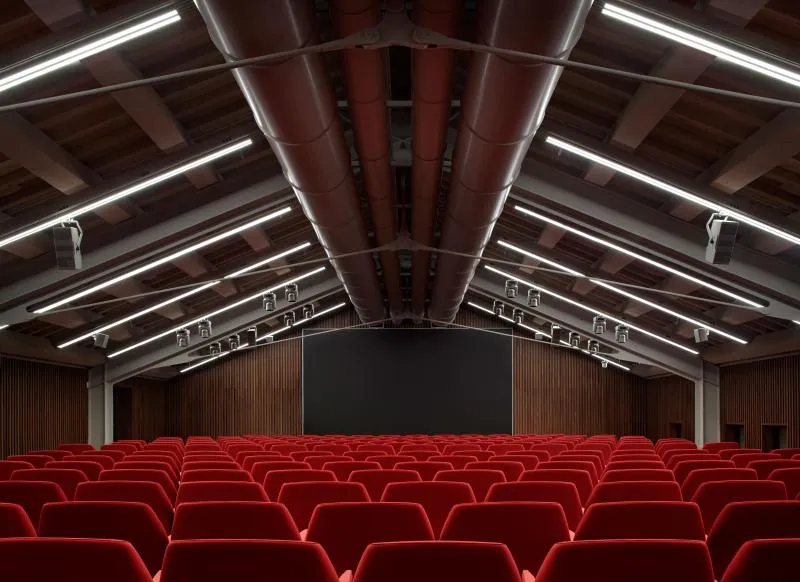
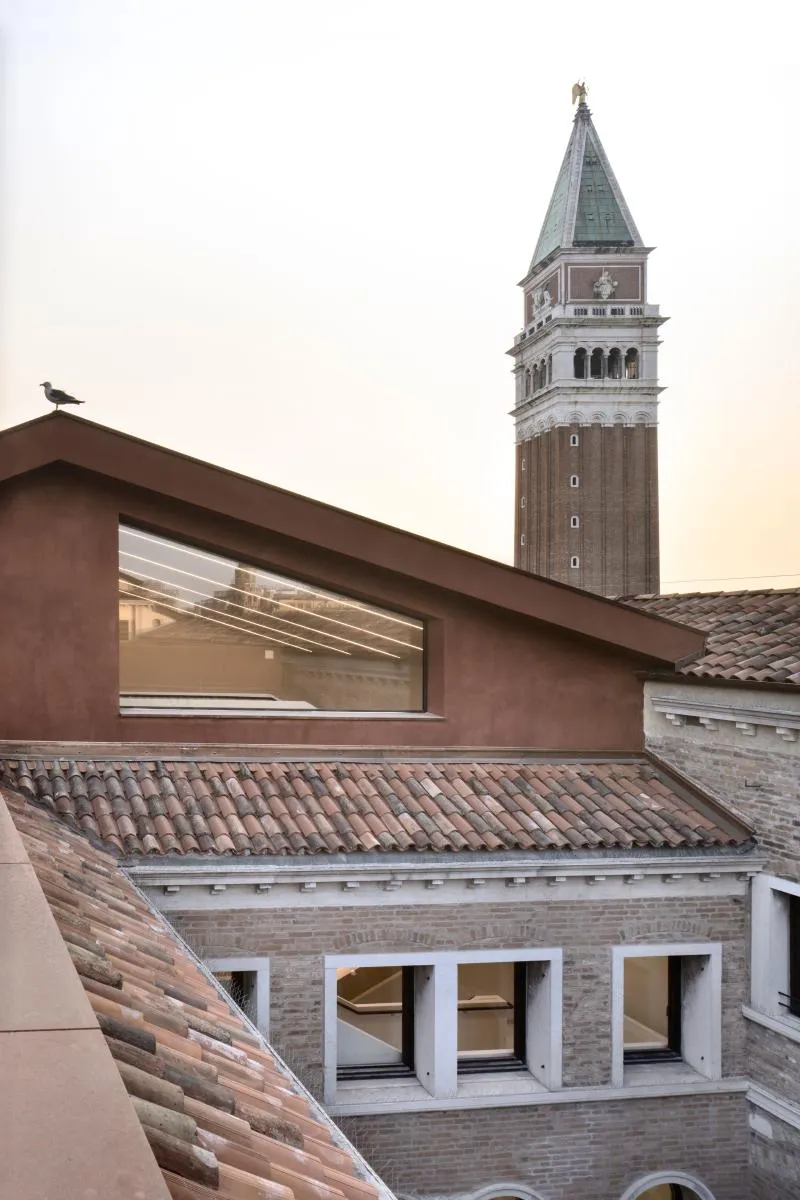
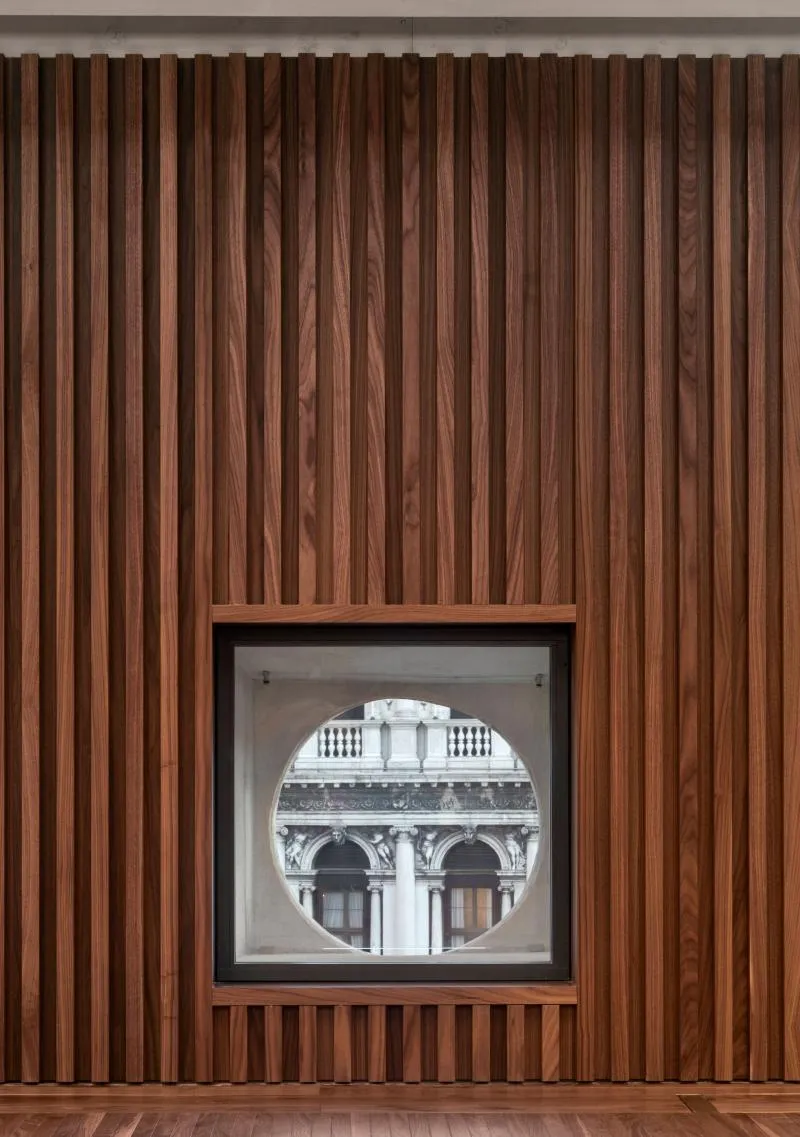
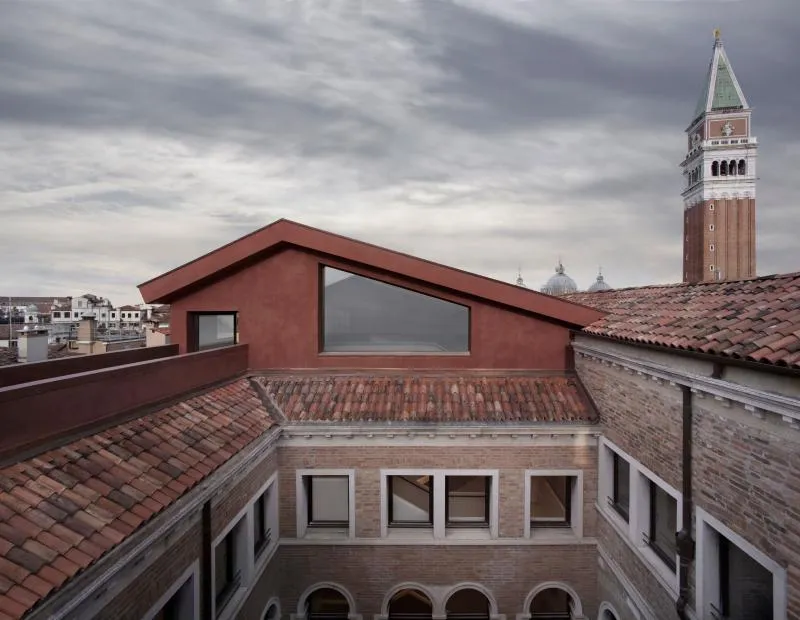
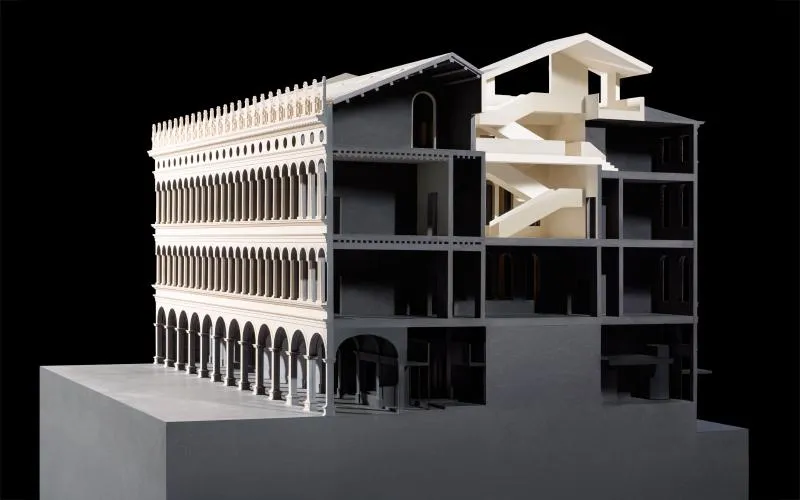
Generali, which has acquired almost the entirety of the Procuratie Vecchie, has set a goal to bring the building into a closer relationship with Venice. To do this, they opened the third attic floor of the Procuratie Vecchie to the public for the first time in half a century. David Chipperfield Architects Milan has developed a project that is not defined by a single architectural gesture, but rather by a series of interventions that address the complexity of the work. These interventions are flexible and interpret both the historical modifications and practical adaptations of the Procuratie Vecchie.
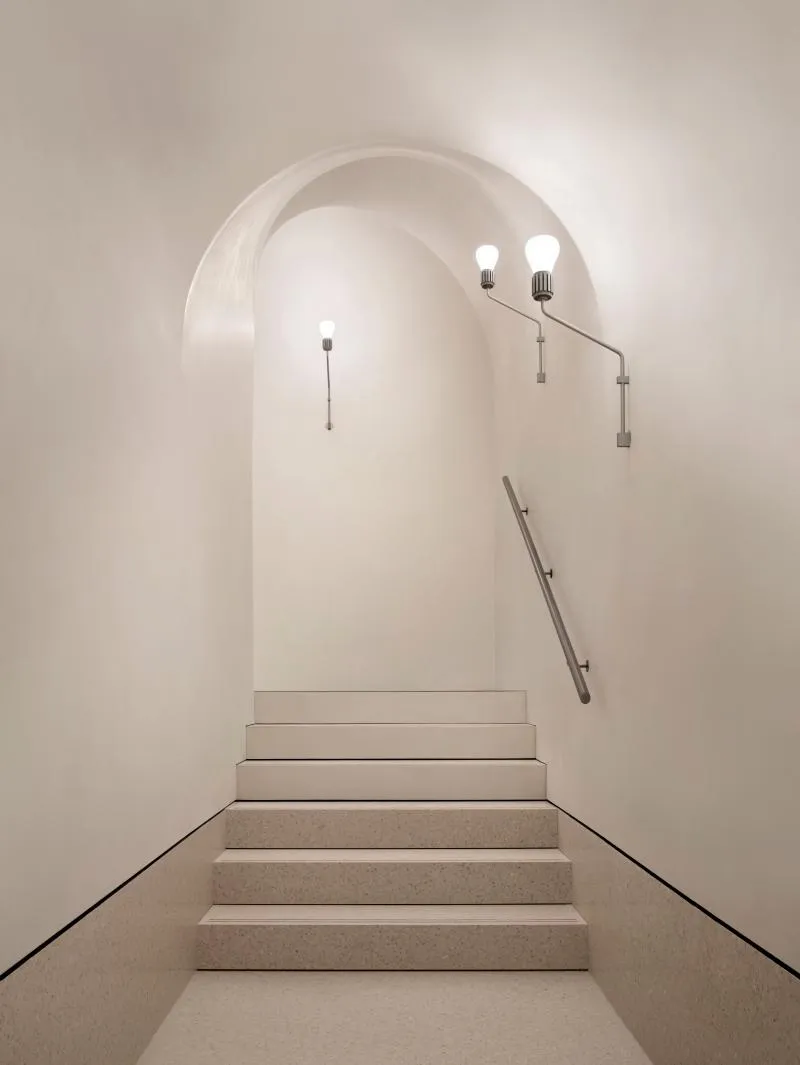
The Interventions undertaken at the Generali insurance company included the Restoration of the first and second floors, the Reorganisation of accessibility and usability through the inclusion of new vertical circulation, and the Renovation of the third floor, with public access to the exhibition spaces, workspaces, event spaces and an auditorium linked to The Human Safety Net. Traditional and local construction techniques were employed, such as pastellone and terrazzo, marmorino and scialbatura, as well as cocciopesto and cotto, in order to reclaim the integrity of the building, which has been present in Venice for hundreds of years.









Popular Articles
Popular articles from the community


Aquadapt: An Underwater Habitat That Rewrites Its Rooms by the Hour
Curved modules ring the seabed while one shell shifts from breakfast room to cinema, farm and football pitch as residents' needs change.


Cube Design Draws an Ecological Corridor Between Two Shenzhen Hills with the Nankai Building
Beside Shenzhen's container docks, the Nankai Building pairs stacked balconies with a climbing green screen to connect two hillsides across its height.

LT2A and OPEN Architectes Thread a Brick and Glass High School Through a Wooded Belgian Campus
In Braine-l'Alleud, a 3,000 m² wing for Collège Cardinal Mercier pairs pale brick with a glazed colonnade, deferring to a small chapel and a dense wood.

Juan García Correa, John González and Claudia Rueda Sink a Circular Amphitheater into a Manizales Engineering Building
On the La Nubia campus in Manizales, Colombia, the S1 Building folds labs and offices into a hillside of ramped lawns that double as a campus route.

Similar Reads
You might also enjoy these articles

Rede Arquitetos Turns Circulation into Civic Space at the Educar II SESC School in Fortaleza
In Fortaleza, Brazil, Educar II SESC-CE trades a signature form for mesh screens, yellow thresholds and courtyard walkways built for equatorial heat.
116 Rokeby Building, Collingwood
Sustainable Collingwood office building featuring double-skin façade, natural ventilation, rooftop amenities, and carbon-neutral design focused on wellbeing and longevity.
Contemporary Apartment Renovation in Spain: RV House by BIAN Opens Up to the Sea
A minimalist 1930s apartment in Santander is transformed into a flexible, sea-facing home through contemporary Spanish renovation.
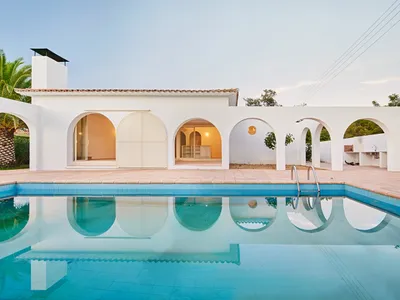
3 Marías House: A Contemporary Mediterranean Courtyard Retreat by Bajet Giramé + Burckhardt
Mediterranean courtyard home blending traditional architecture with modern design, terracotta flooring, flexible interiors, sustainable climate strategies, and garden integration.

Explore Architecture Competitions
Discover active competitions in this discipline

Challenge to reimagine the Iron Throne

Photograph architecture without architects

Illustrate the lost glory of Angkor Wat - Render Challenge

Design challenge to reuse E-waste
Comments (0)
Please login or sign up to add comments
No comments yet. Be the first to comment!