
Revolutionary Rambla Climate-House: Architects Jaque and Del Castillo Redefine Politics and Innovation
Can the Rambla Climate-House by Architects Jaque and Del Castillo Usher in a New Era of Political Innovation?


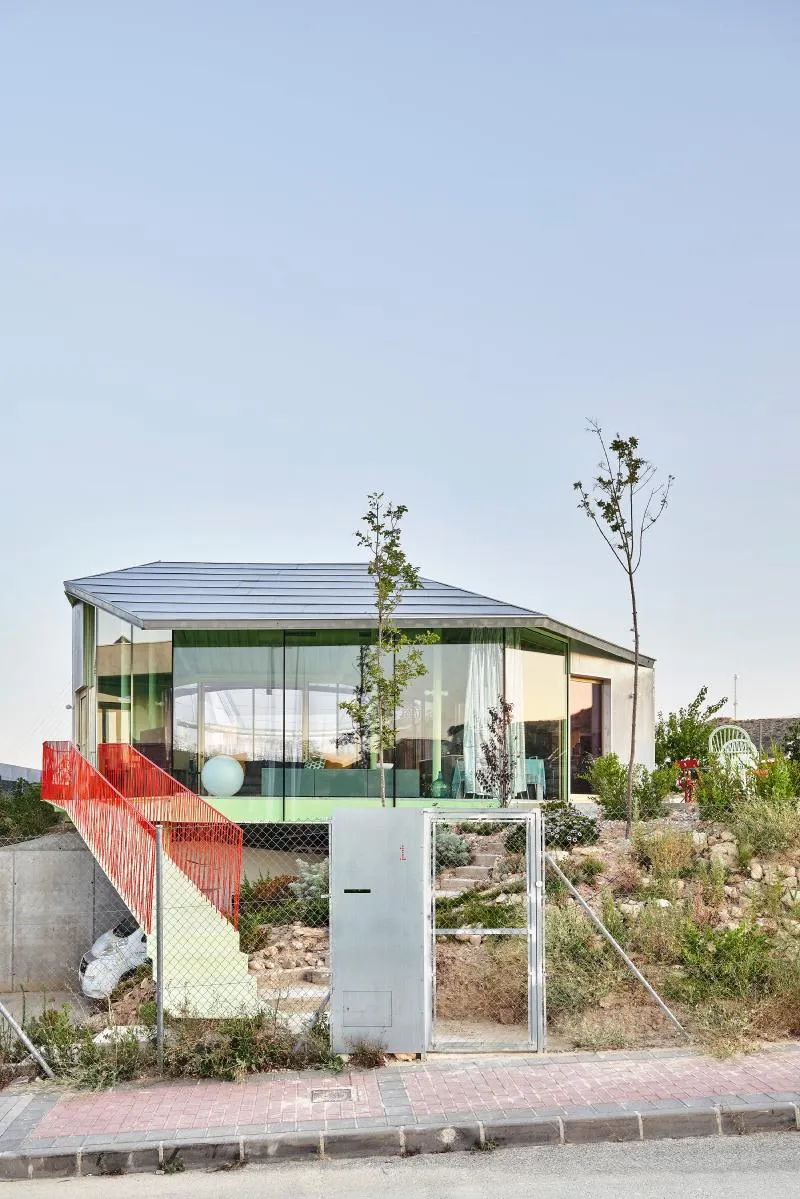
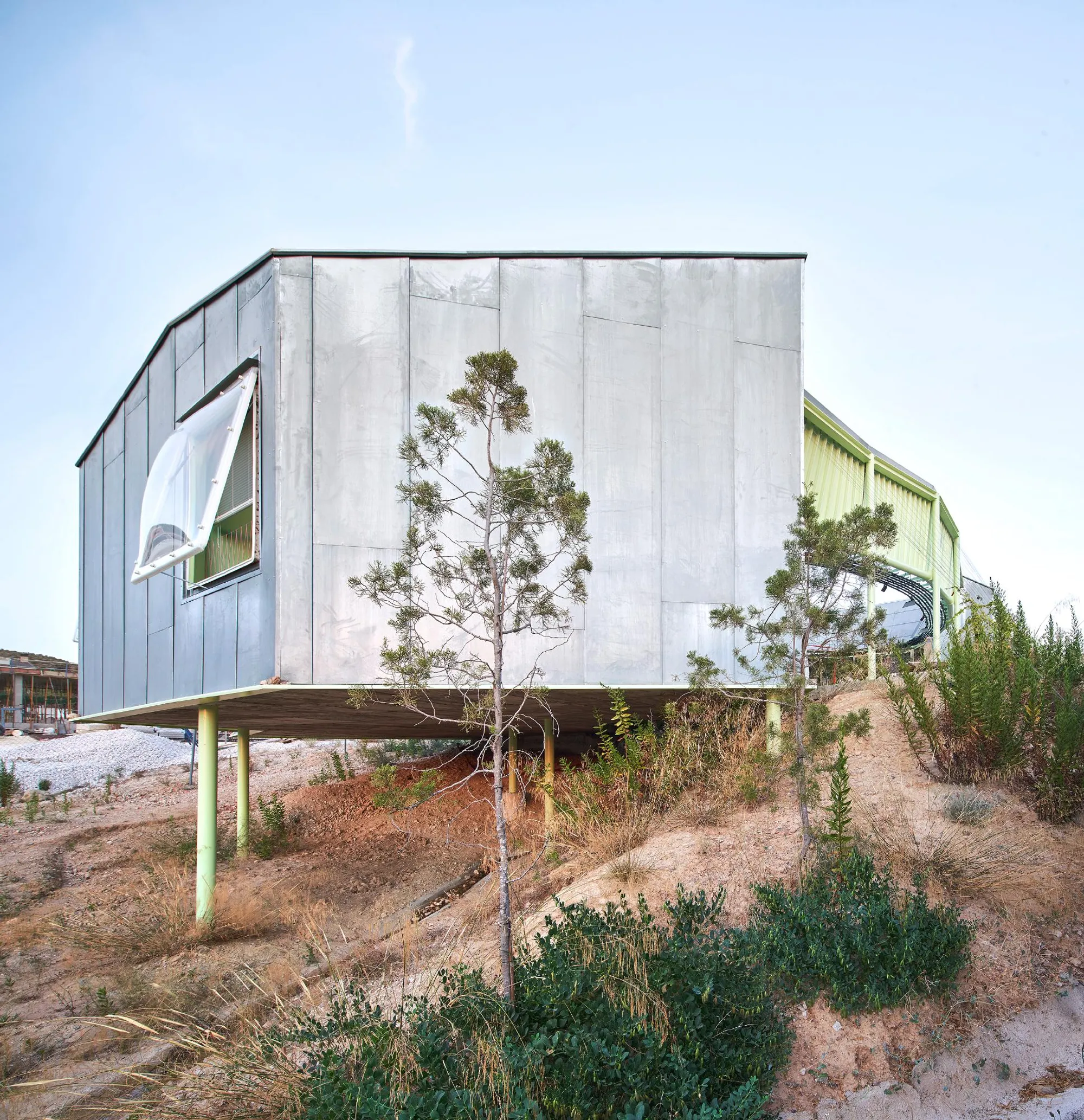
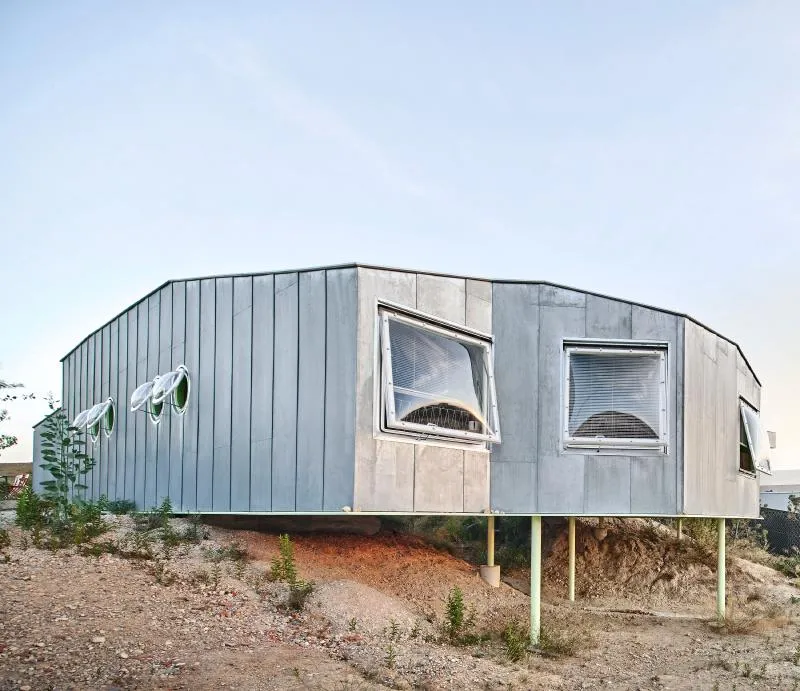
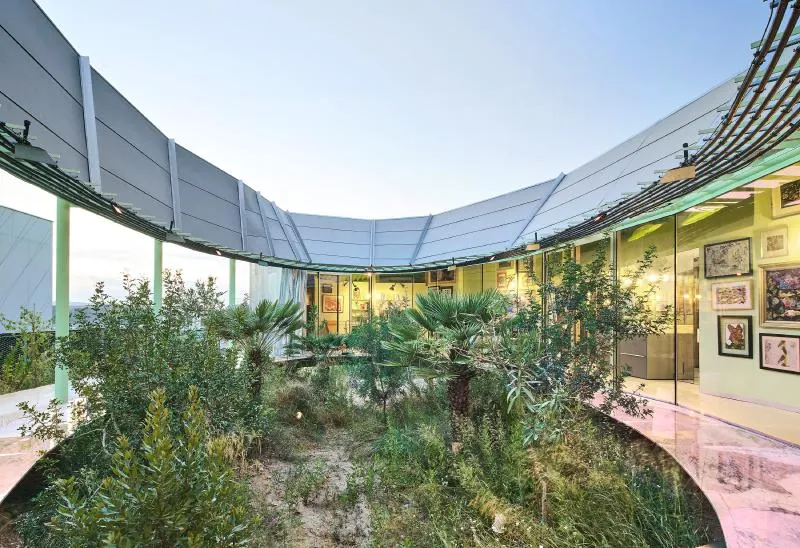
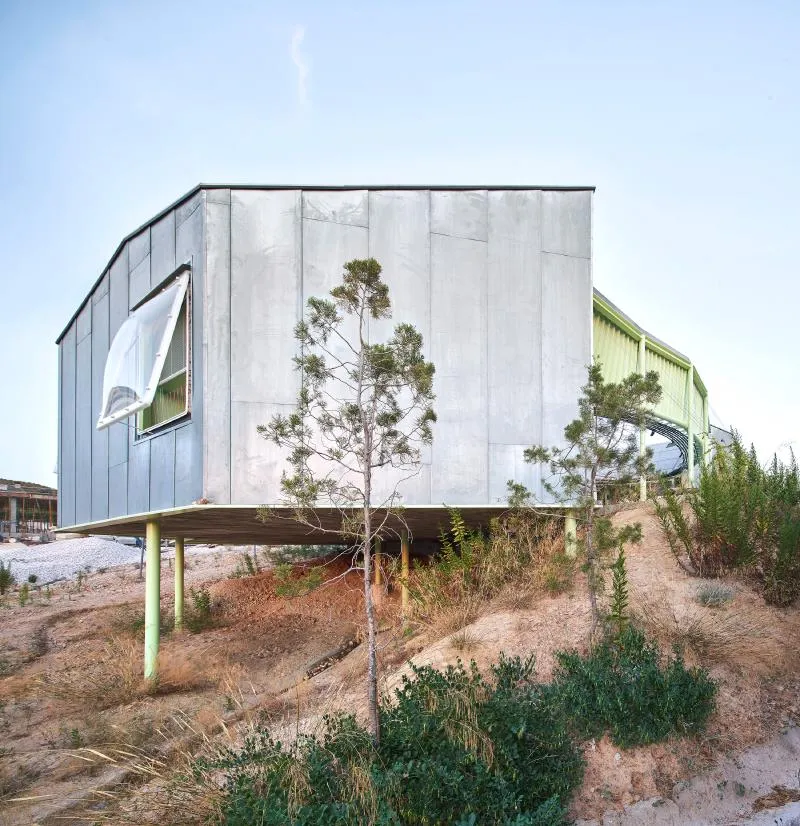
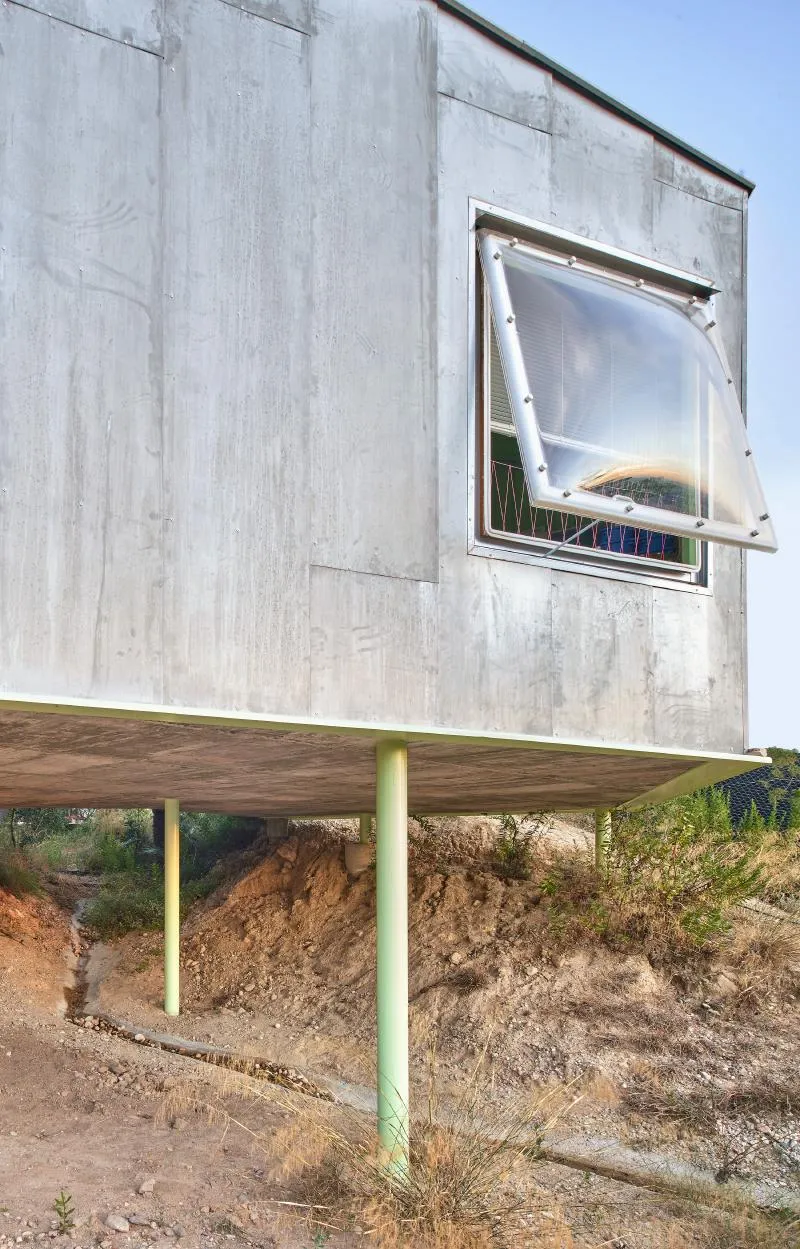
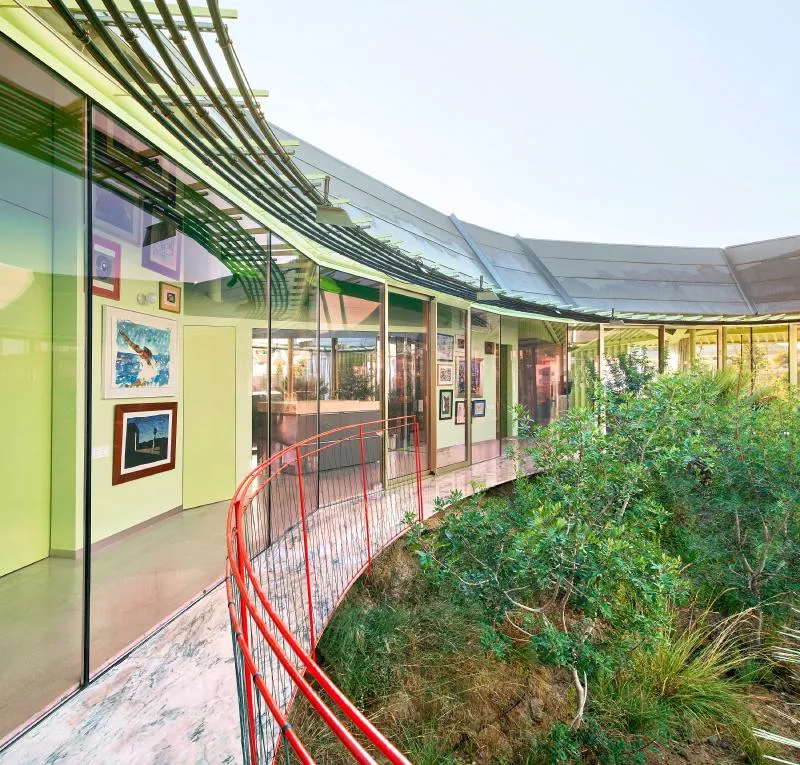
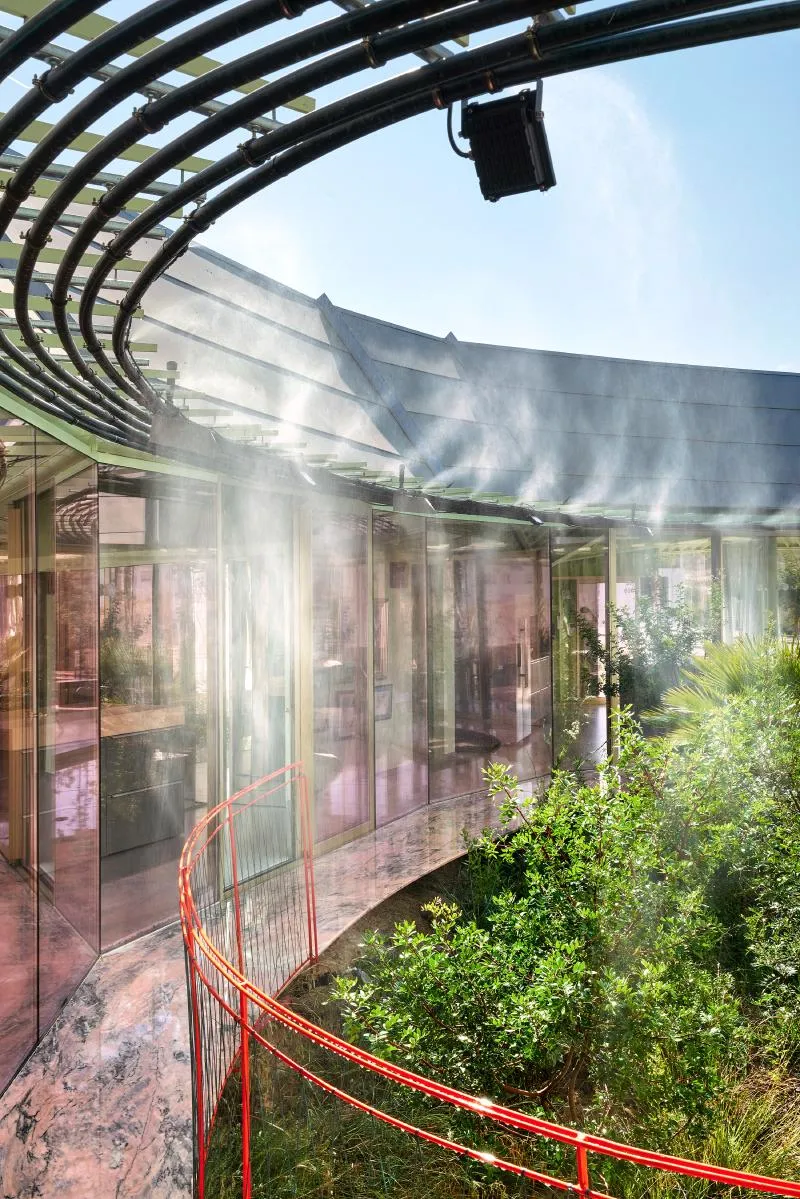
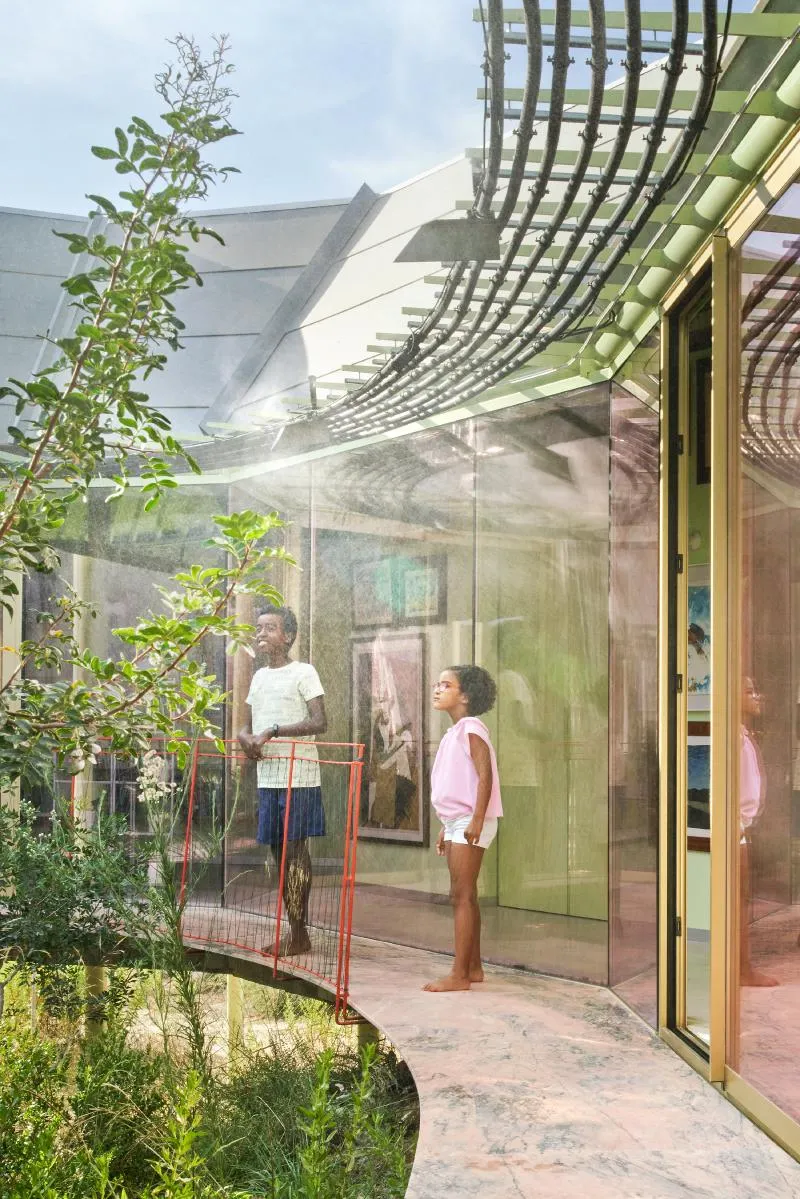
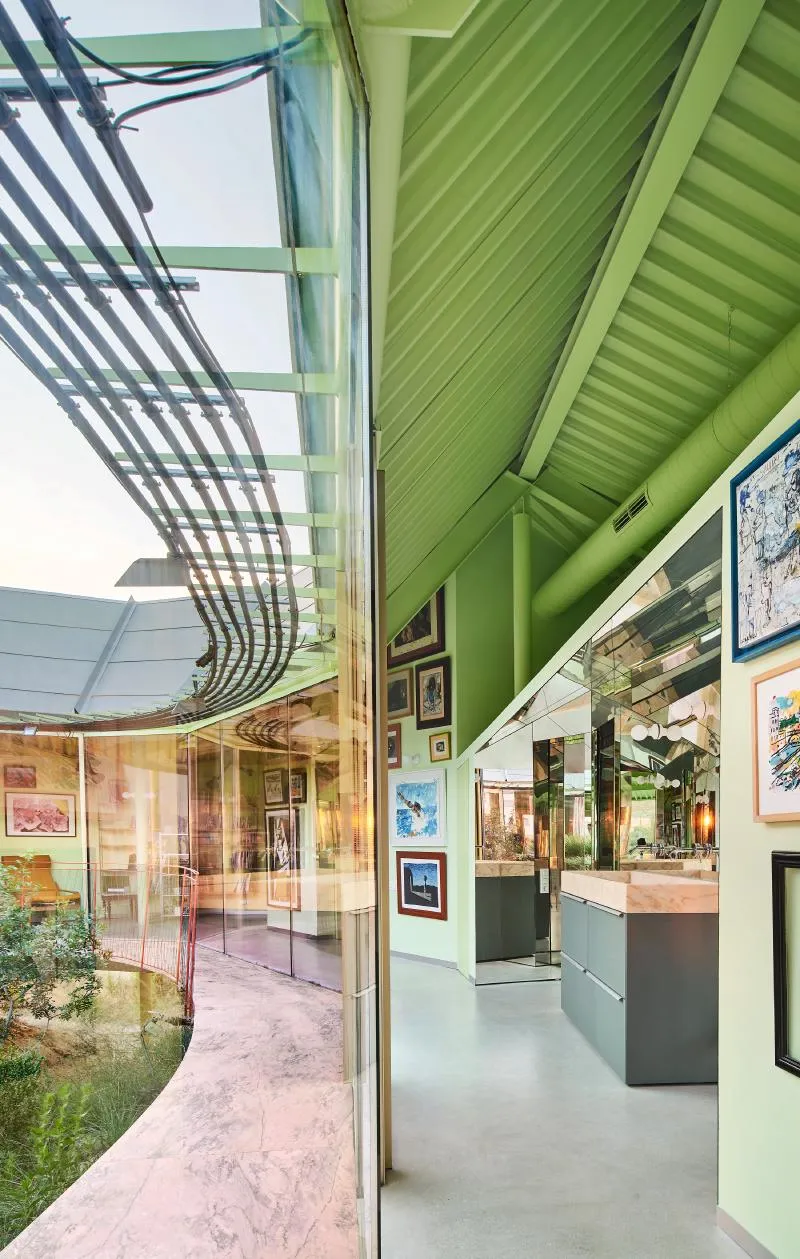
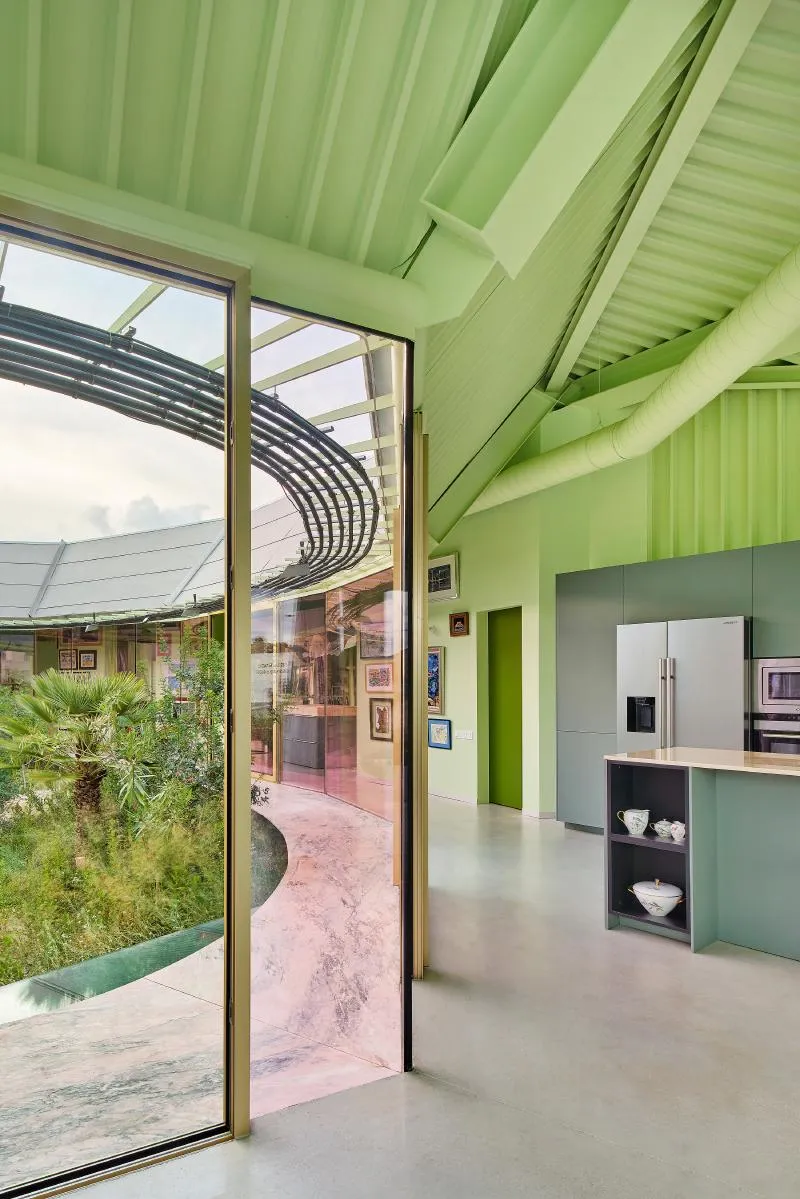
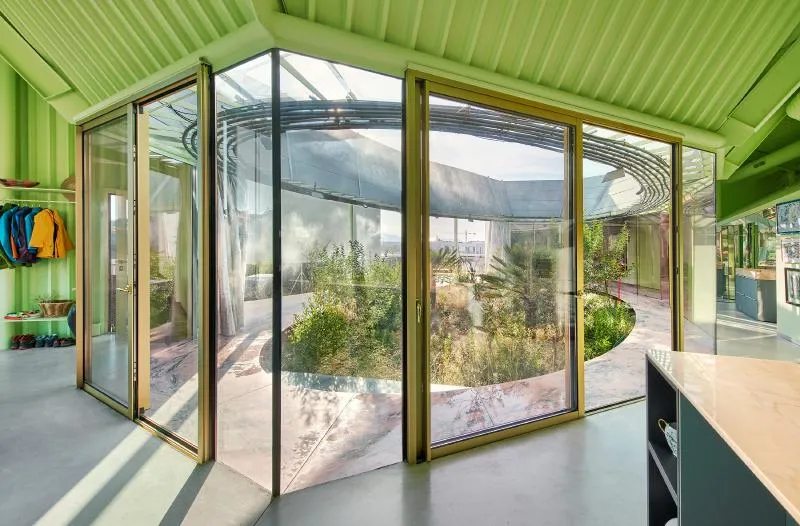
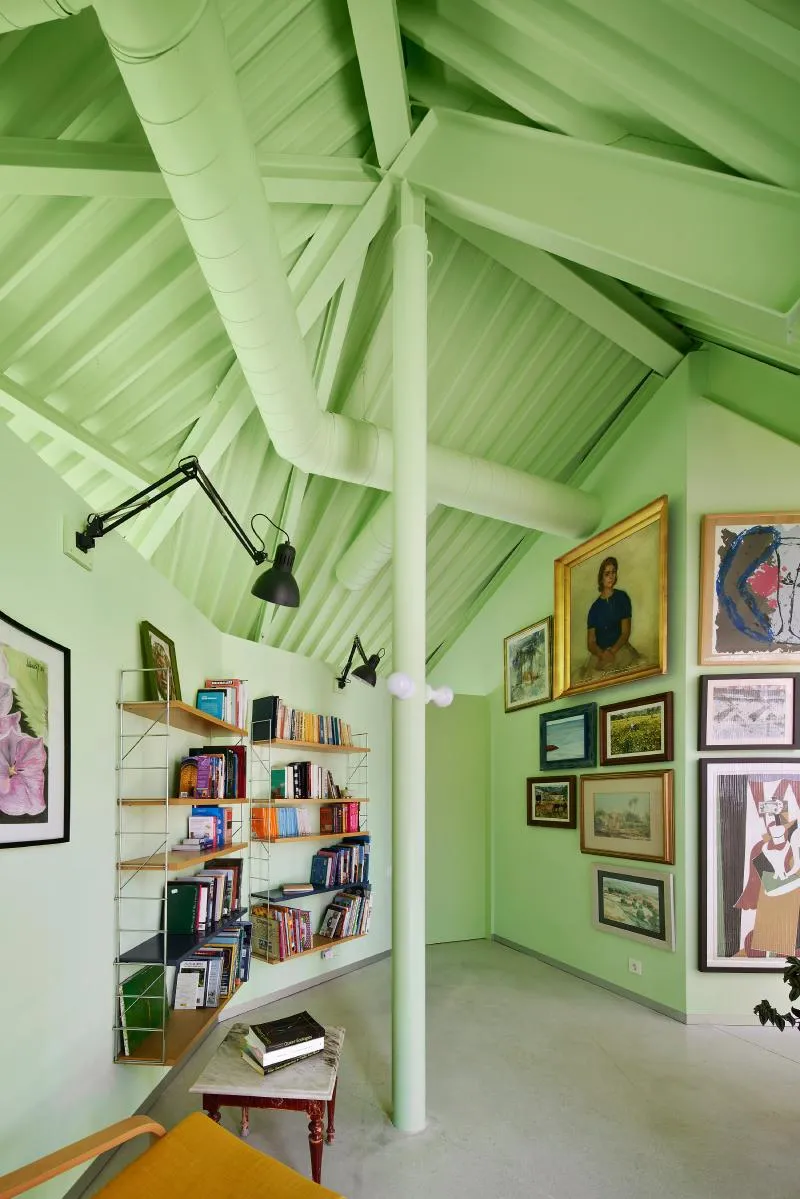
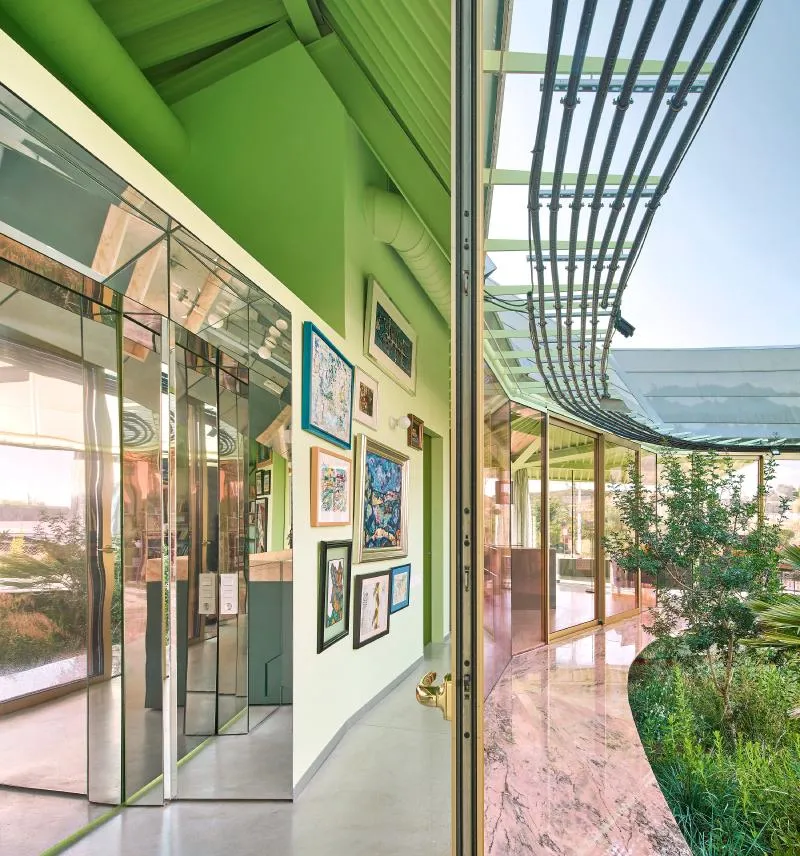
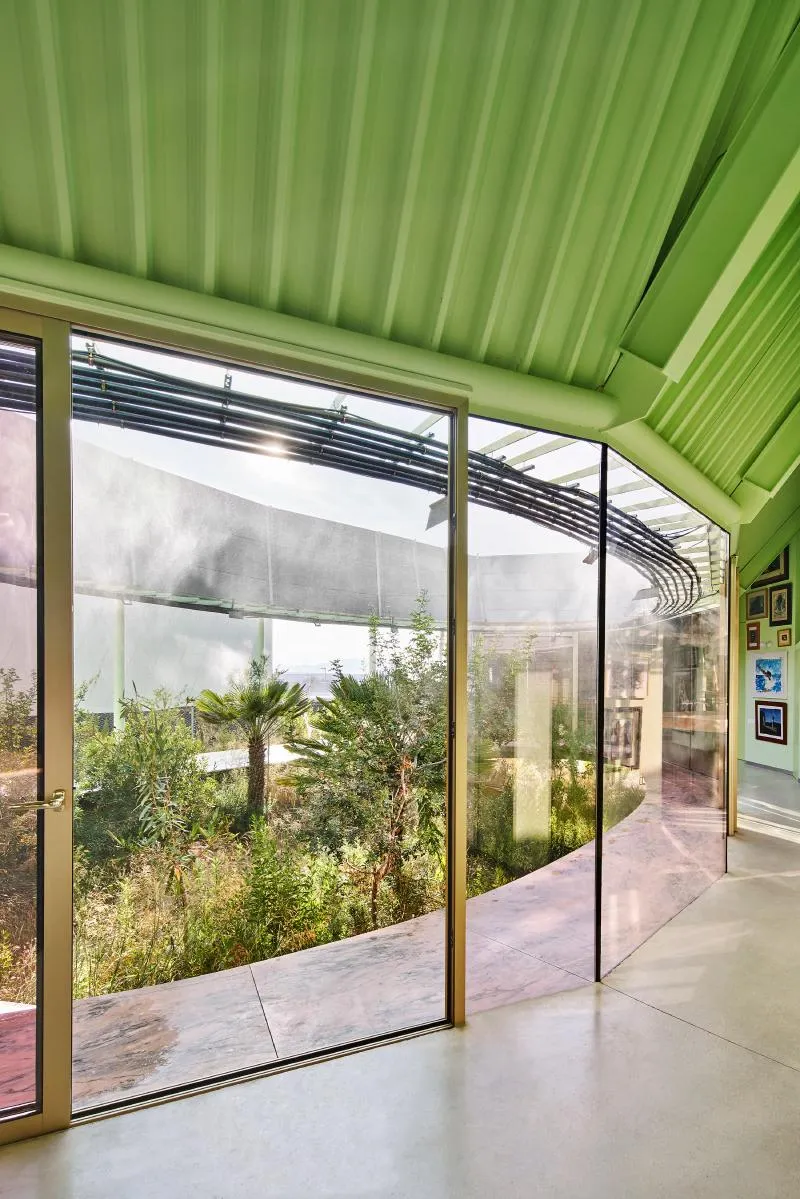
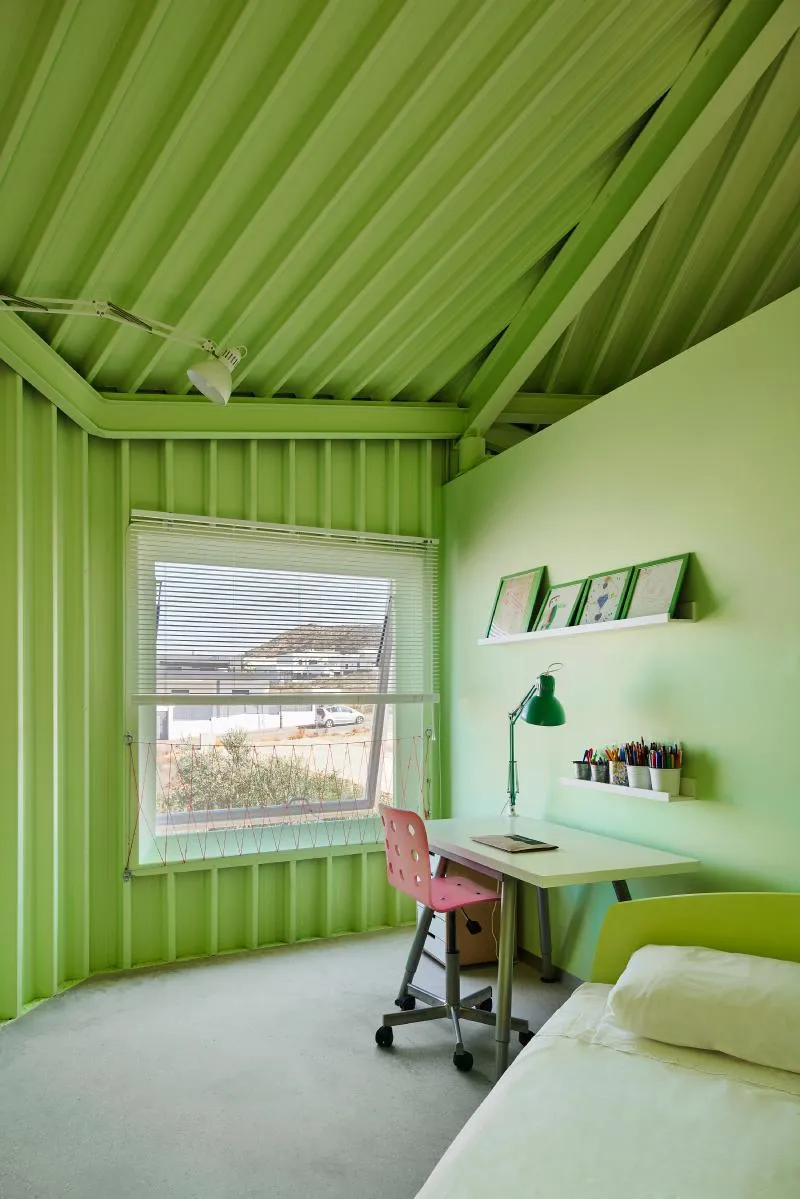
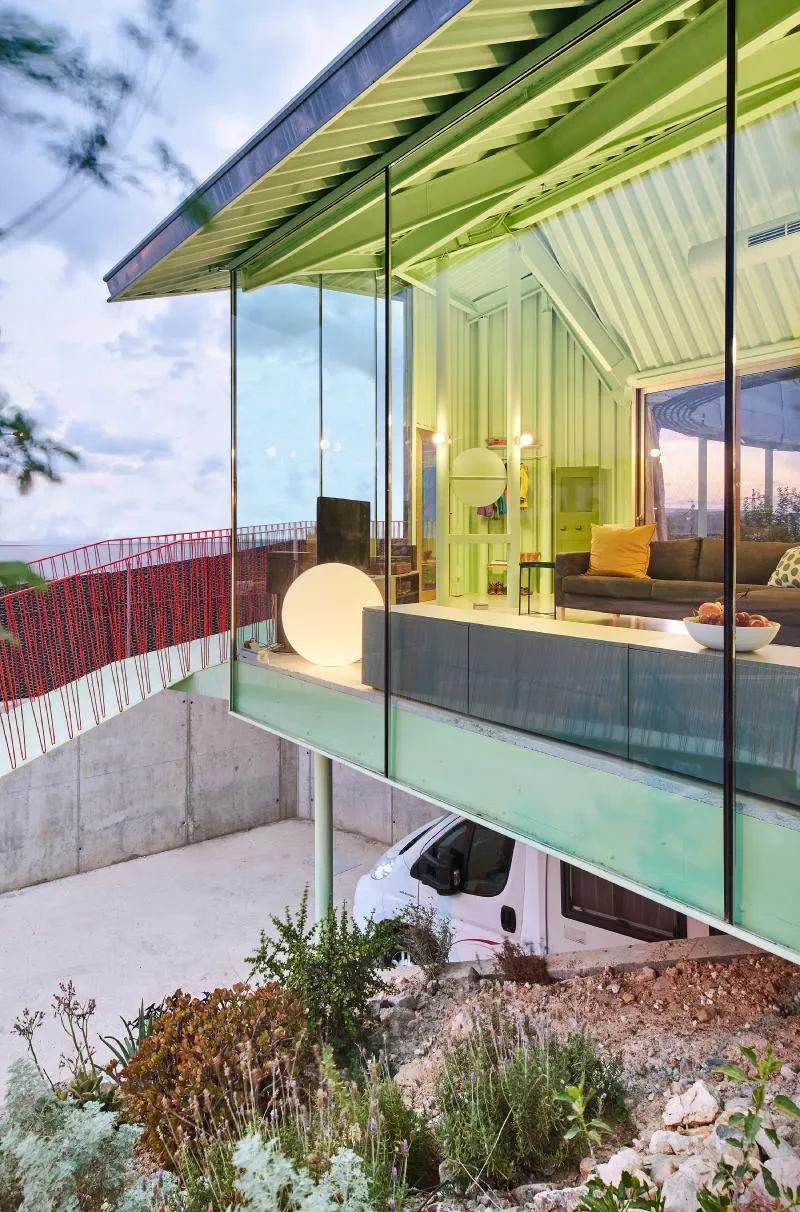
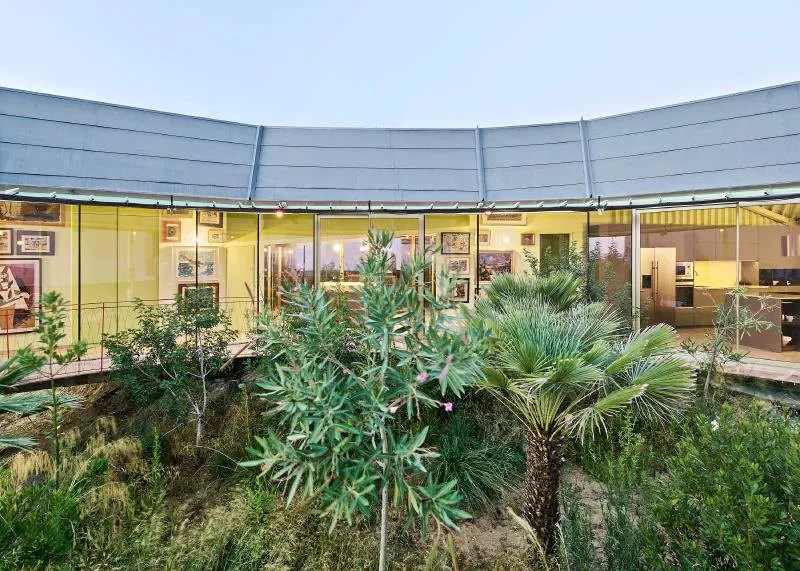
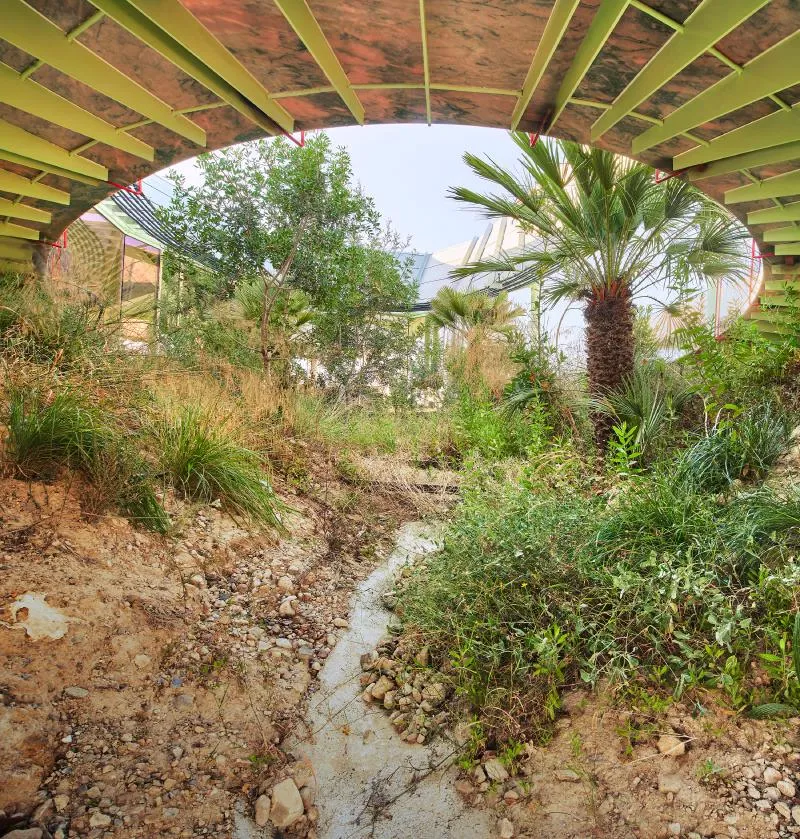
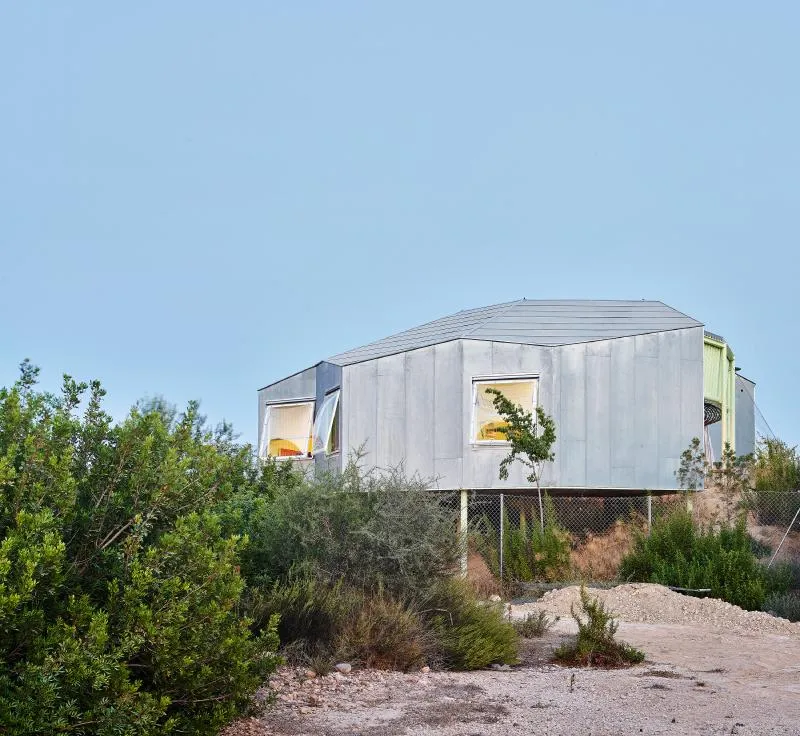
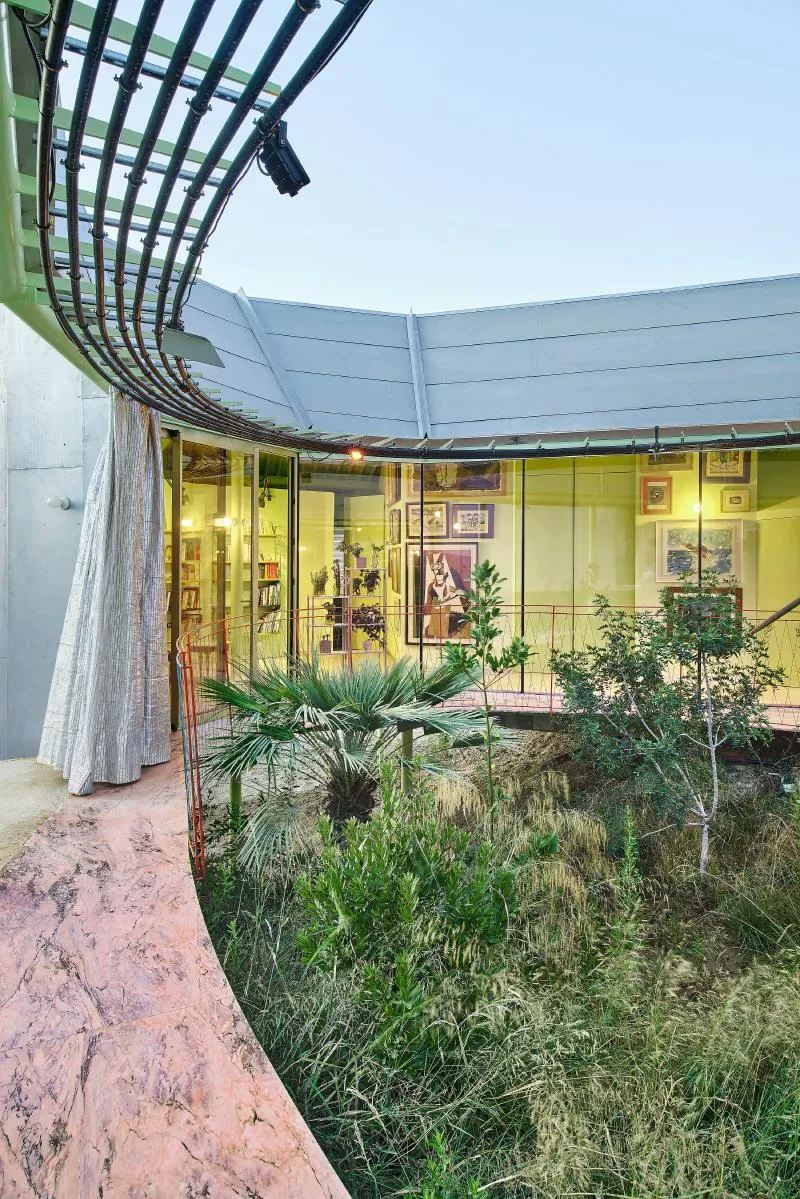
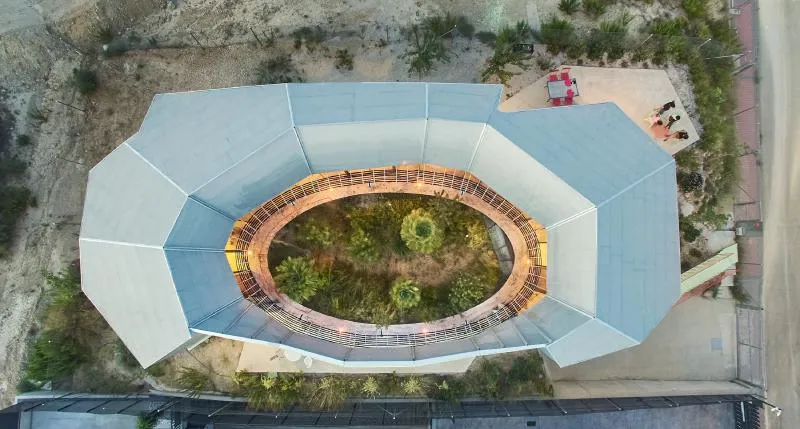
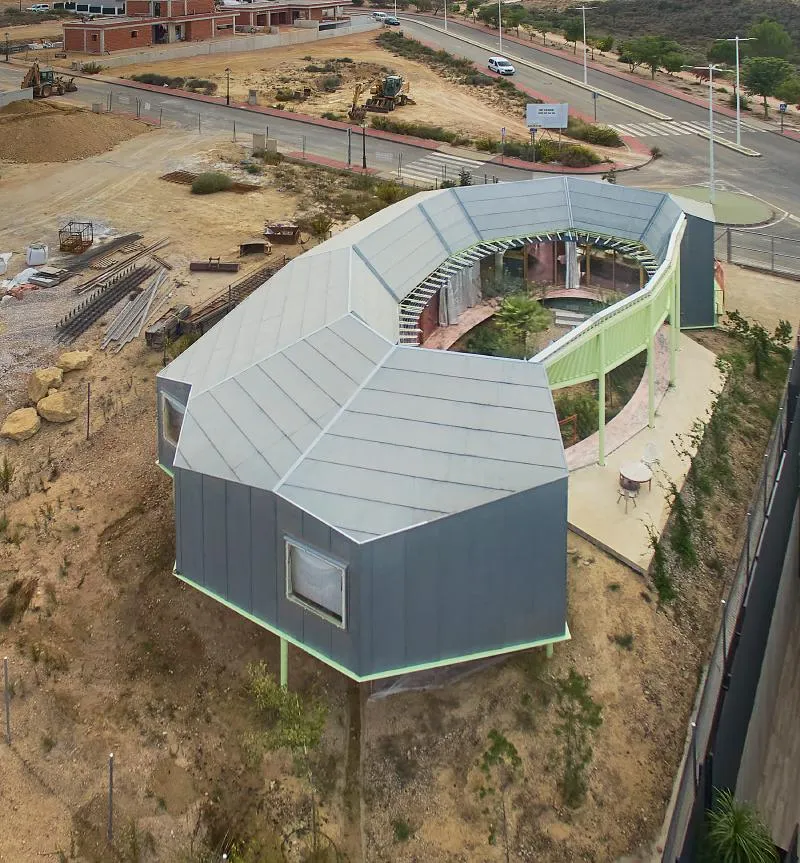
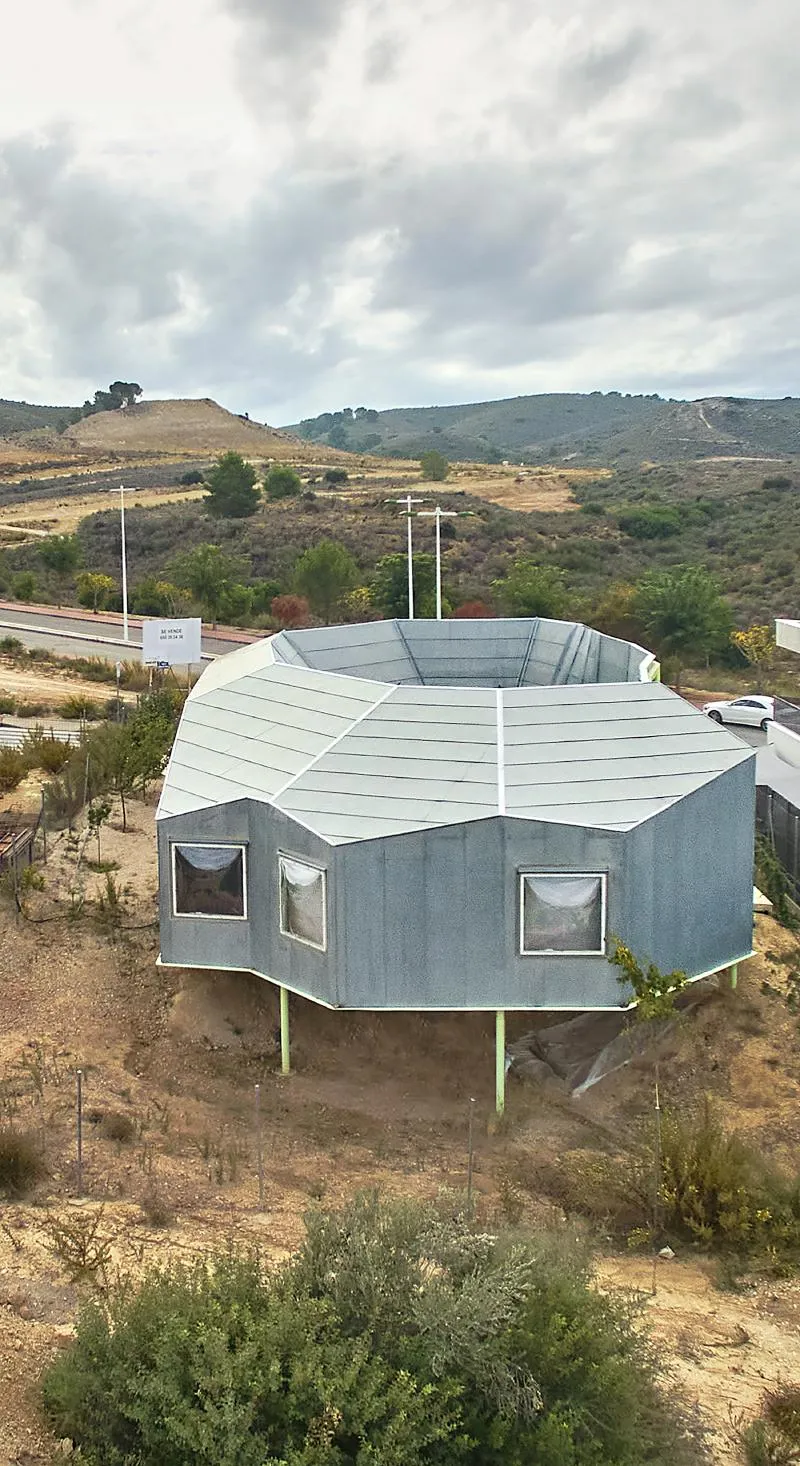
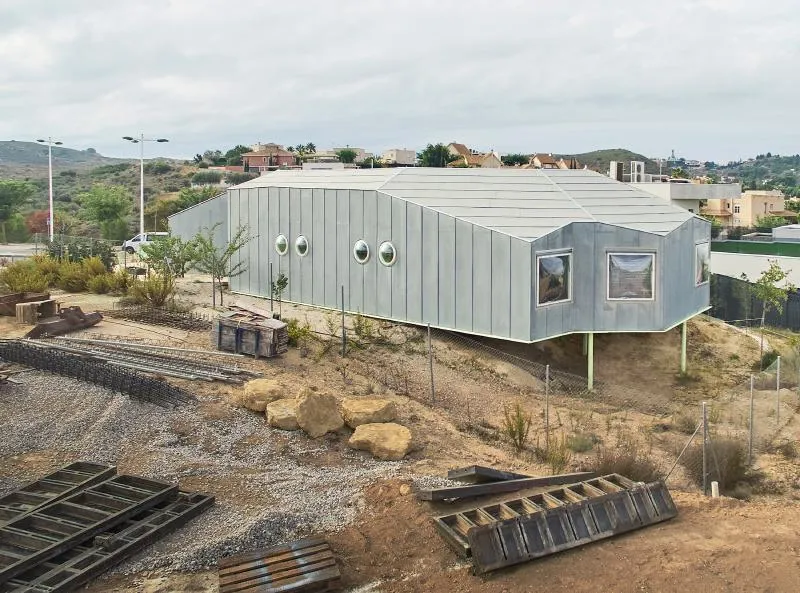
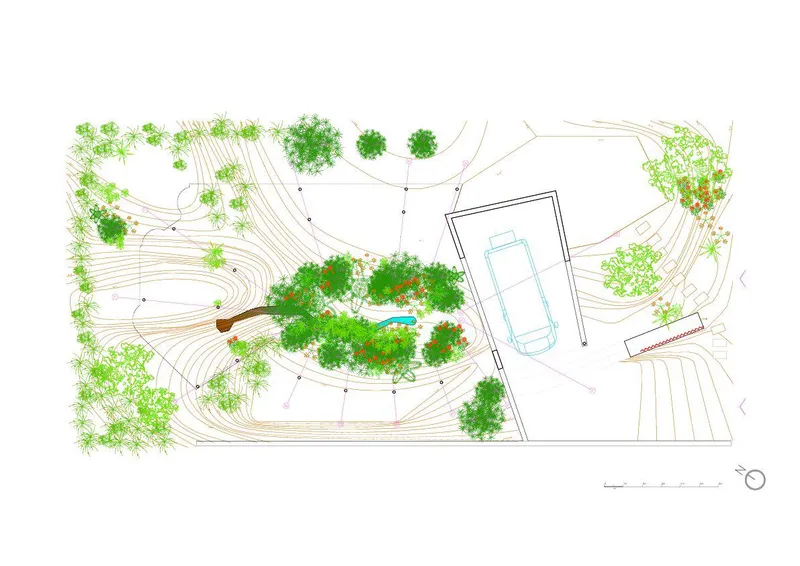
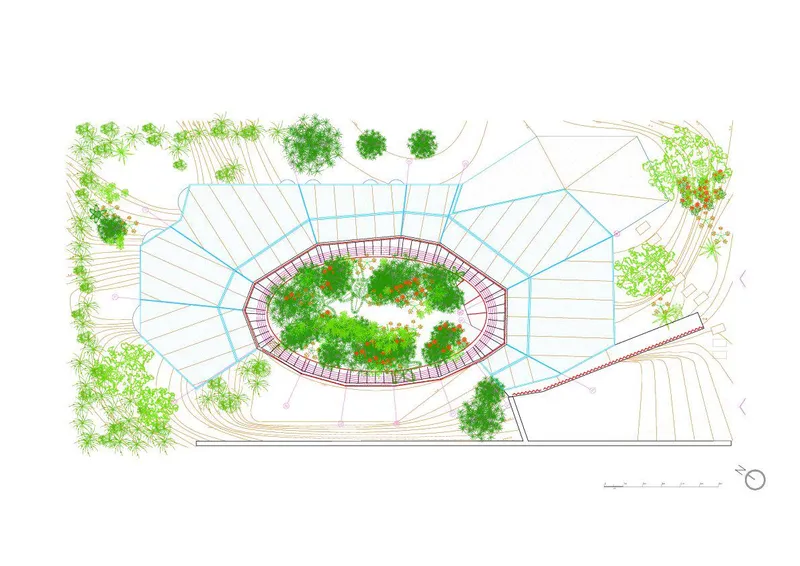
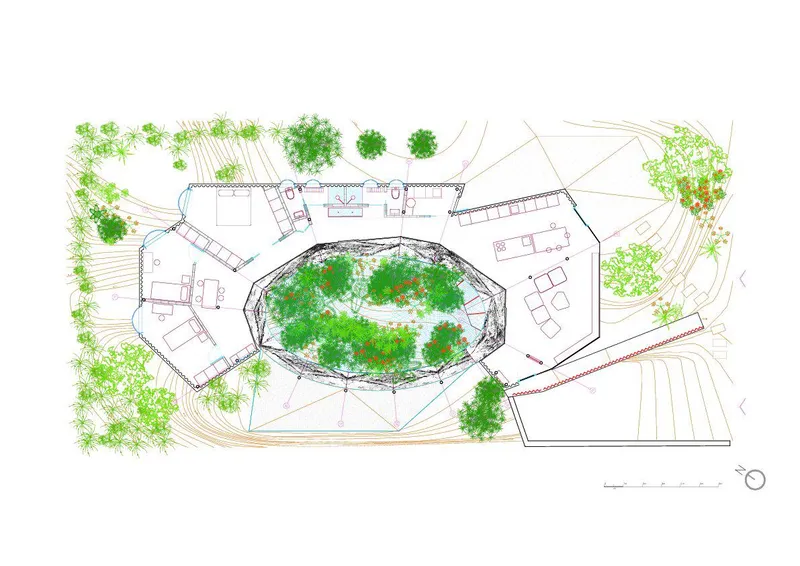
Since the 1980s, extensive areas of land in the formerly rural county of Molina de Segura (Murcia) have been developed to create suburbs. This has resulted in the flattening of the land's topography and the destruction of its system of ravines (Ramblas). Ramblas are a network of channels formed by seasonal rainfall in the dry steppe landscape. They are a source of humidity, carbon fixation, and ecological entanglement, playing a vital role in the climatic and environmental stability of Molina de Segura's ecosystems. The Rambla Climate House functions as a climatic and ecological device, part of a series of initiatives developed by independent citizens to contribute to the repair of environmental and climate damage caused by over-urbanization in Molina de Segura. The Rambla Climate House collects pooled rainfall from its roofs and grey water from its showers and sinks to spray onto the remaining Ramblas and regenerate their former ecological and climatic constitution. Humidity and conductivity sensors activate automated meteorology that is beyond human control to meet the requirements of the repair process. The house is organized around this elliptical section of Rambla, acting as an observatory in alliance with the reconstructed landscape and a sequence of interconnected spaces of varying sizes.
After a year of repairs, the Rambla's hydro-thermal conditions have been restored, and its former more-than-human life has quickly re-emerged. Brachypodiums, myrtles, mastic trees, fan palms, oleanders, and fire trees now grow in the elliptical section, providing shelter for insects, birds, and lagomorphs. The house has been constructed to maximize energy efficiency in unorthodox ways. A marble bench around the elliptical section allows residents to cool off by taking advantage of the house's thermal inertia, while a coil exposed to the sun crowning the elliptic section provides passive hot water throughout the year. The Rambla Climate-House is the result of a collaboration between architects Andrés Jaque/Office for Political Innovation and Miguel Mesa del Castillo; the edaphologist María Martínez Mena; and the ecologists Paz Parrondo Celdránand Rubén Vives. All are committed to contributing to the grassroots movement advocating for climate reparation in Murcia. Since its completion, the house has become a demonstrative device, hosting gatherings with neighbours and members of the extended Molina de Segura community to share insights and experiences on a collective effort to reground Molina de Segura's urbanisms.





Popular Articles
Popular articles from the community


The Ocean Hive: Sustainable Architecture for a Self-Sufficient Civilization at Sea
The Ocean Hive imagines sustainable architecture at sea, where modular habitats, algae, wave power and ocean waste sustain a growing colony.

Co-Life: Senior Housing Design That Reconnects Older Adults With the City
Co-Life reimagines senior housing design through healing gardens, shared streets, workshops, and a sustainable community across generations.

Conexión: Biophilic Design Reimagines High-Rise Living in Hong Kong
Conexión reimagines high-rise living in Hong Kong through biophilic design, green facades, shared spaces, daylight, water and nature within.

Riyadh For All: Intergenerational Urban Design for Active Aging in Rabat
Riyadh For All reimagines urban design in Rabat with intergenerational co-living, adaptive courtyards, and Moroccan cultural exchange today.

Similar Reads
You might also enjoy these articles

Day and Night Park: A Time-Based Urban Newsstand in Beijing
A temporary urban newsstand in Beijing blending travel, light, and reading through poetic colors, compact form, and community-focused design.

Modernist Patio Renovation in El Masnou, Barcelona by Oliver Segura Arquitectura + Cebrià Arquitectura
Modernist patio renovation blending tradition and innovation with a movable pool, leveled floors, and Catalan materials in El Masnou.

Alto Residencial Coop: Cooperative Housing Development in Santiago de Compostela by Carbajo Barrios Arquitectos
A linear cooperative housing complex blending white volumes and perforated metal façades, enhancing community living, natural light, privacy, and urban integration.
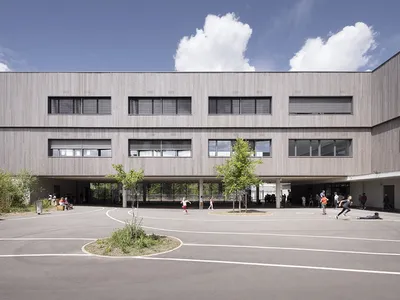
Vil Genis School by BPA ARCHITECTURE – Massy, France
Vil Genis School in Massy, France, features sustainable design, south-facing classrooms, community integration, accessible spaces, and modern educational architecture.
Explore Architecture Competitions
Discover active competitions in this discipline



Challenge to reimagine the Iron Throne


Photograph architecture without architects


Illustrate the lost glory of Angkor Wat - Render Challenge


Design challenge to reuse E-waste
Comments (0)
Please login or sign up to add comments
No comments yet. Be the first to comment!