SHE Block Breastfeeding Centers for Mothers on the Move by Aangan Collaborative LLP
SHE Block creates inclusive, dignified breastfeeding spaces in Surat, promoting gender-sensitive urban design and maternal care through empathetic architecture.


Redefining Public Architecture for Maternal Care in Indian Cities
Located in Surat, India, SHE Block – Breastfeeding Centers for Mothers on the Move by Aangan Collaborative LLP is a landmark project that reimagines the relationship between gender, care, and urban infrastructure. Designed as a series of inclusive, dignified, and accessible public spaces, the project reflects a visionary step toward gender-sensitive urban design and maternal well-being in contemporary India.
A Civic Sanctuary for Mothers in Transit
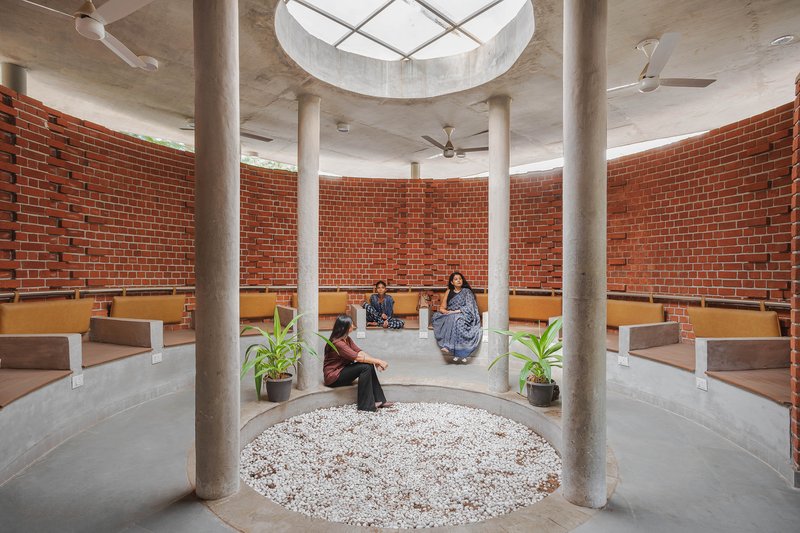
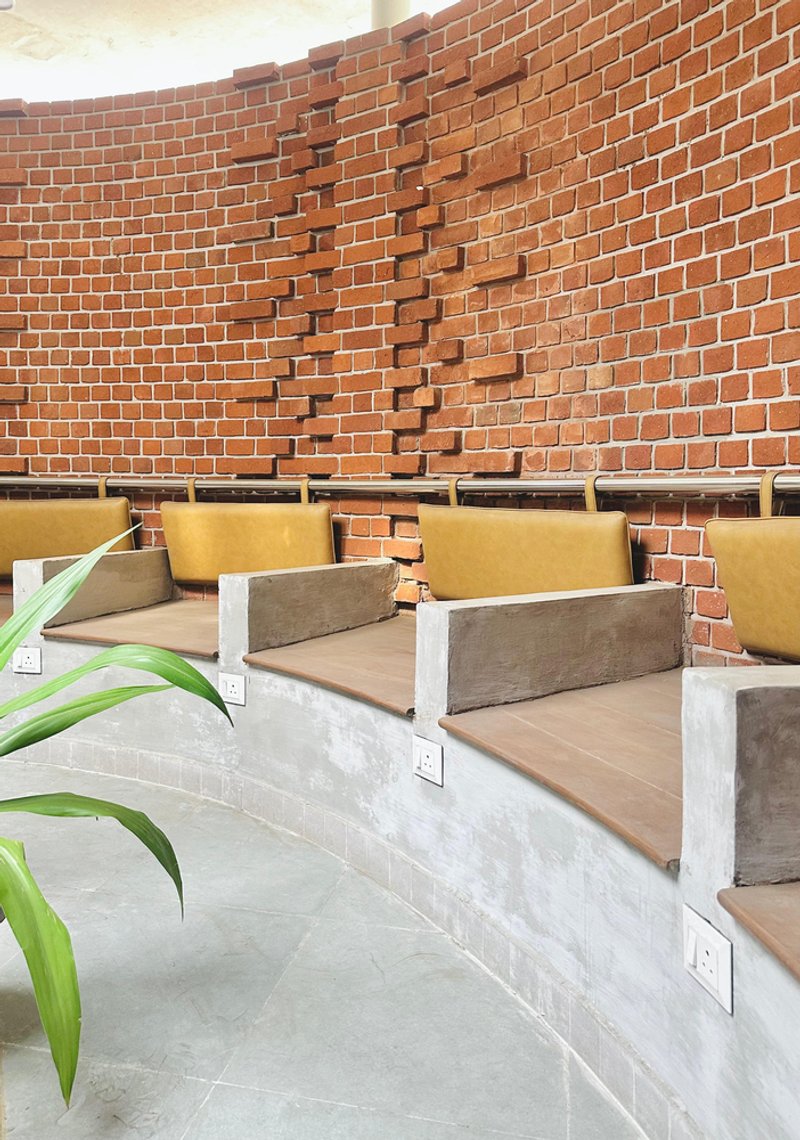
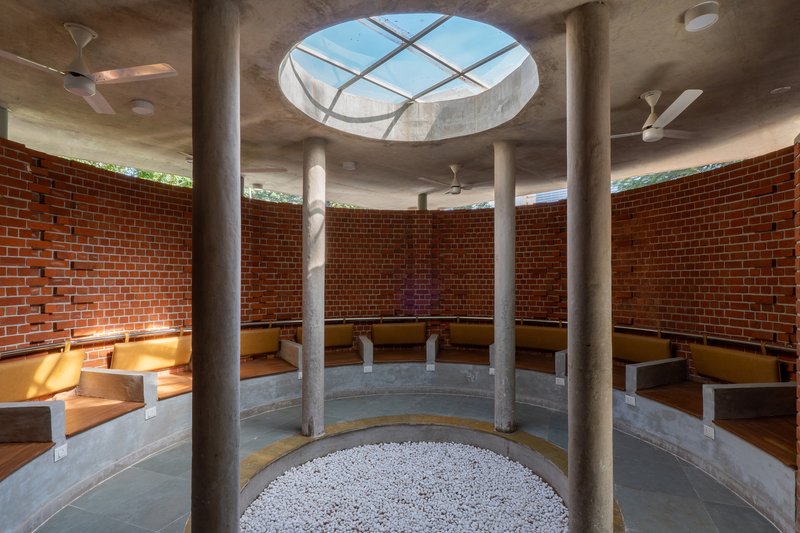
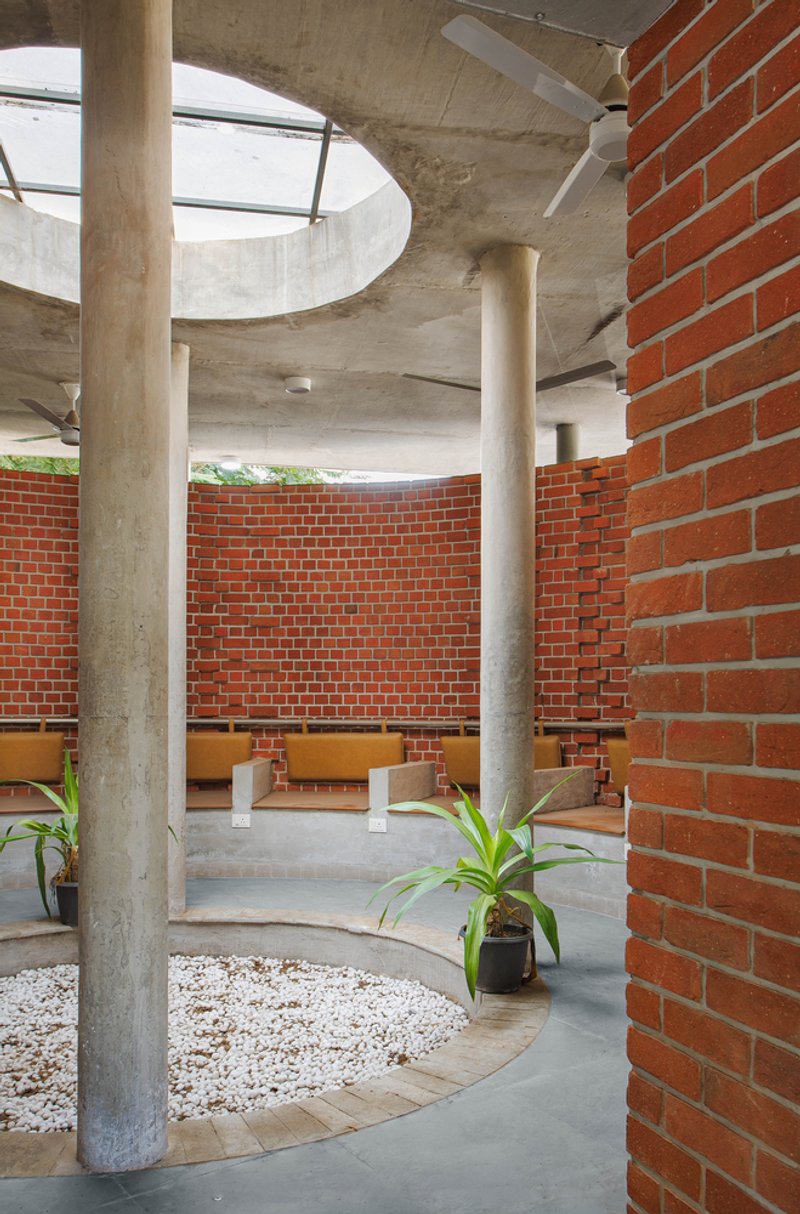
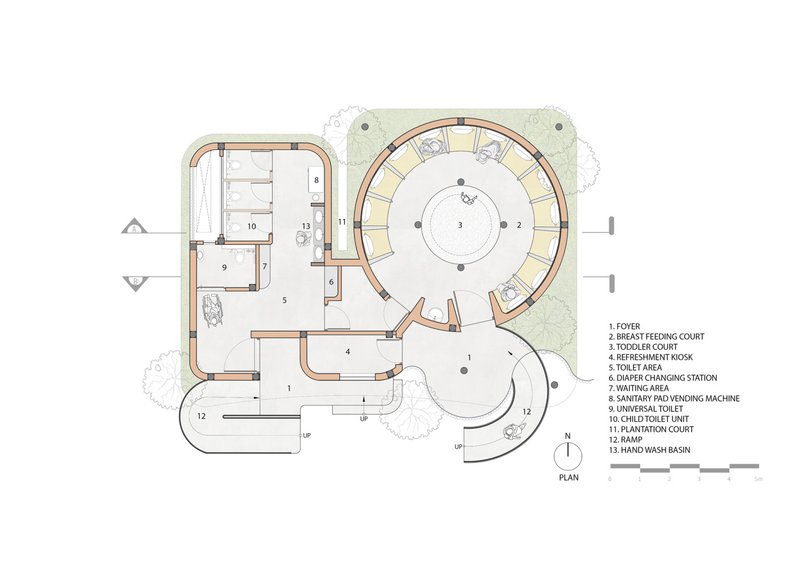
Commissioned as a CSR initiative for the Surat Municipal Corporation, the SHE Block is the first of its kind in the country — a network of public breastfeeding centers offering safe and comfortable environments for mothers navigating the city. Each center is conceived as a naturally lit courtyard, creating a tranquil atmosphere where mothers can nurse, rest, and care for their infants with dignity.
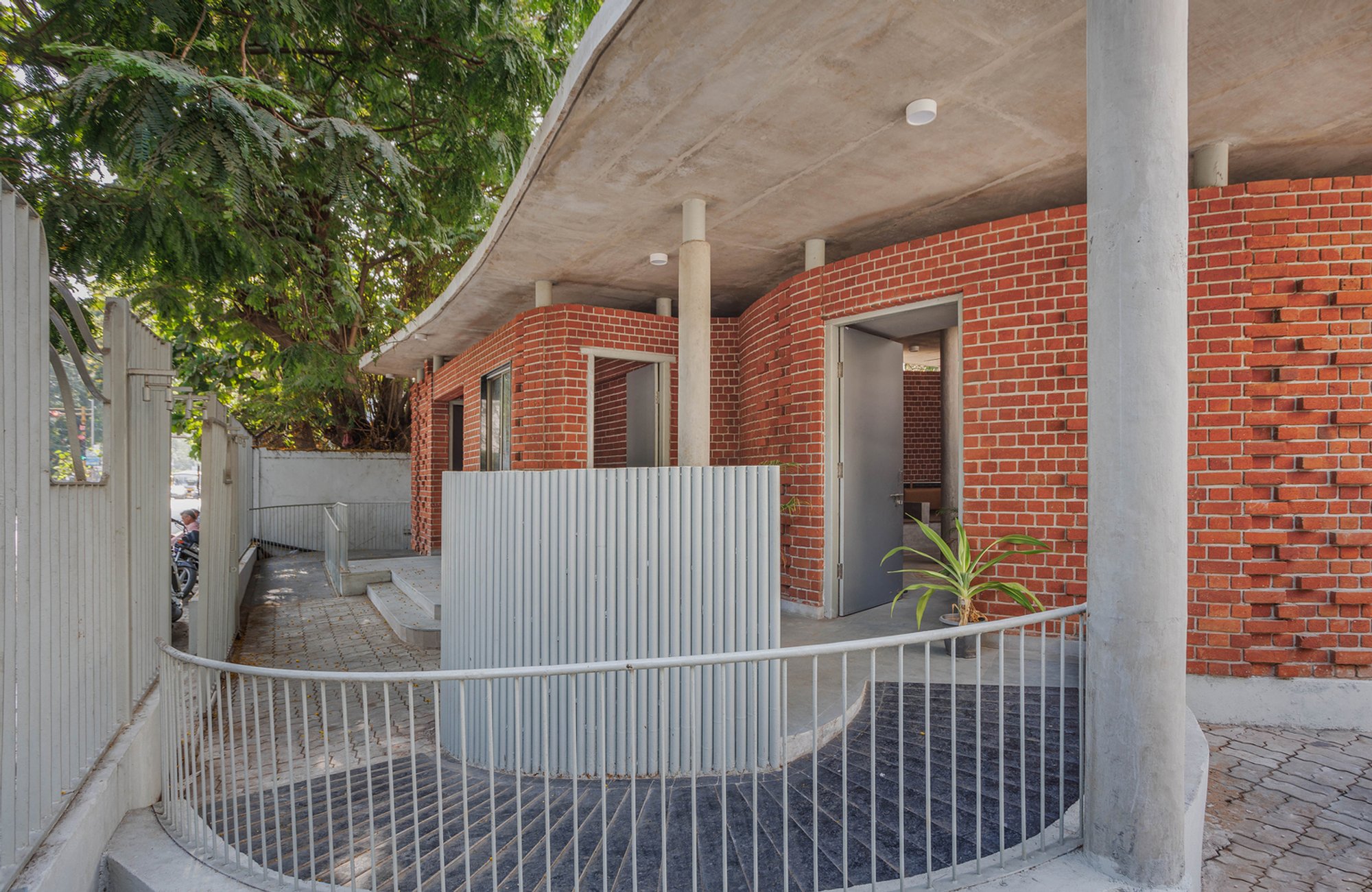
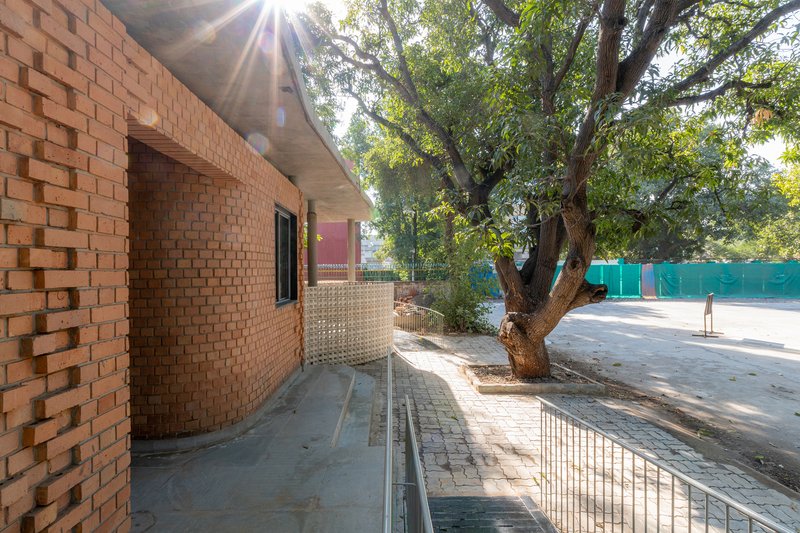
Unlike typical institutional public amenities, these structures are designed with a soft, curvilinear architectural language that feels open, welcoming, and humane. This design approach consciously eliminates the stiffness associated with urban infrastructure, instead promoting empathy through material, form, and space.
Design Philosophy: Architecture of Empathy and Dignity
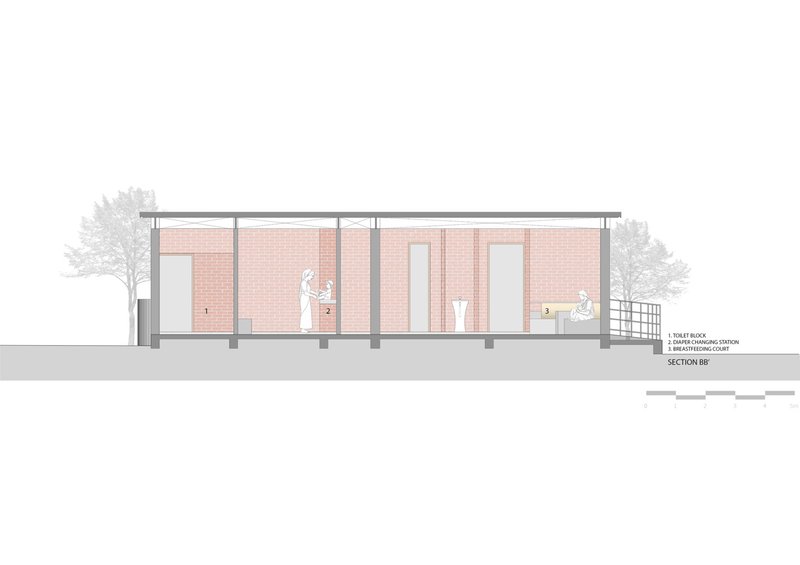
Aangan Collaborative LLP approached the SHE Block with an emphasis on inclusive design — one that considers both emotional and physical comfort. Each 800-square-foot module integrates supportive seating, privacy-oriented layouts, plug points for breast pumps, and child-friendly toilets. The inclusion of a small play area for toddlers ensures that mothers with multiple children can use the facility comfortably and safely.
The material palette further enhances the tactile warmth of the spaces. Each center features a distinct brick hue, ranging from deep terracotta to soft ochre, celebrating the craftsmanship and vernacular identity of the region. This material expression allows each block to retain individuality while uniting them under a coherent visual and civic identity.
Urban Integration: Strategic Placement Across Surat
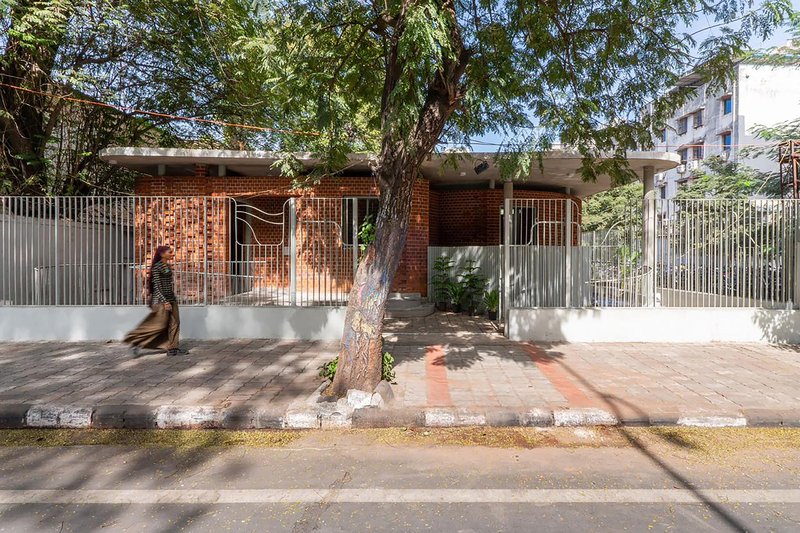
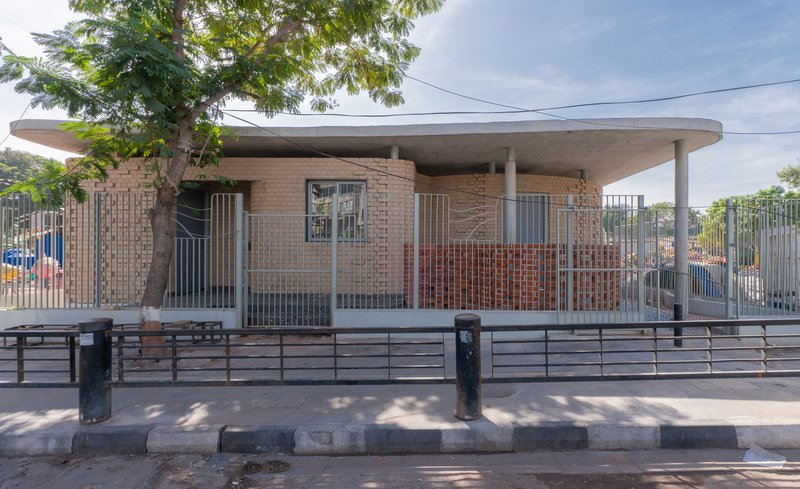
Four SHE Blocks have been strategically positioned across transit hubs, markets, and community zones with high women footfall, ensuring accessibility for all. These modest yet powerful interventions transform how public spaces support women’s daily mobility — offering respite, privacy, and care in areas often dominated by speed and commerce.
By situating the centers in highly visible urban contexts, Aangan Collaborative reclaims public space for maternal care, challenging societal taboos around breastfeeding in public and advocating for urban equity and inclusion.
Beyond Function: A Statement on Urban Justice
The SHE Block project goes beyond utility; it is a political and cultural statement about the right to care in public. It recognizes that care work is civic work, and that public spaces must accommodate diverse needs — especially those of women, mothers, and caregivers.
Rather than resembling public toilets or health kiosks, the structures are conceived as architectural sanctuaries — dignified, warm, and beautifully crafted. This intentional design choice confronts the invisibility of caregiving in public life and asserts that beauty and design excellence belong in every corner of the city, not just in monuments or commercial landmarks.
The Future of Gender-Sensitive Urban Design
At its heart, the SHE Block embodies urban justice through design. It raises vital questions: Can cities be truly equitable if they ignore maternal and caregiving needs? Can design serve as a tool for social transformation?
Aangan Collaborative’s answer is an emphatic yes. The SHE Block sets a precedent for inclusive urban infrastructure, inspiring municipalities and architects across India to reimagine civic spaces through the lens of care, equity, and human dignity.