Solid Wood Office Architecture: Küng Office Building by Seilerlinhart in Switzerland
A Swiss office building built entirely from moon wood, demonstrating innovation, sustainability, and tradition in solid wood architecture.


A Showcase of Timber Innovation Rooted in Swiss Tradition
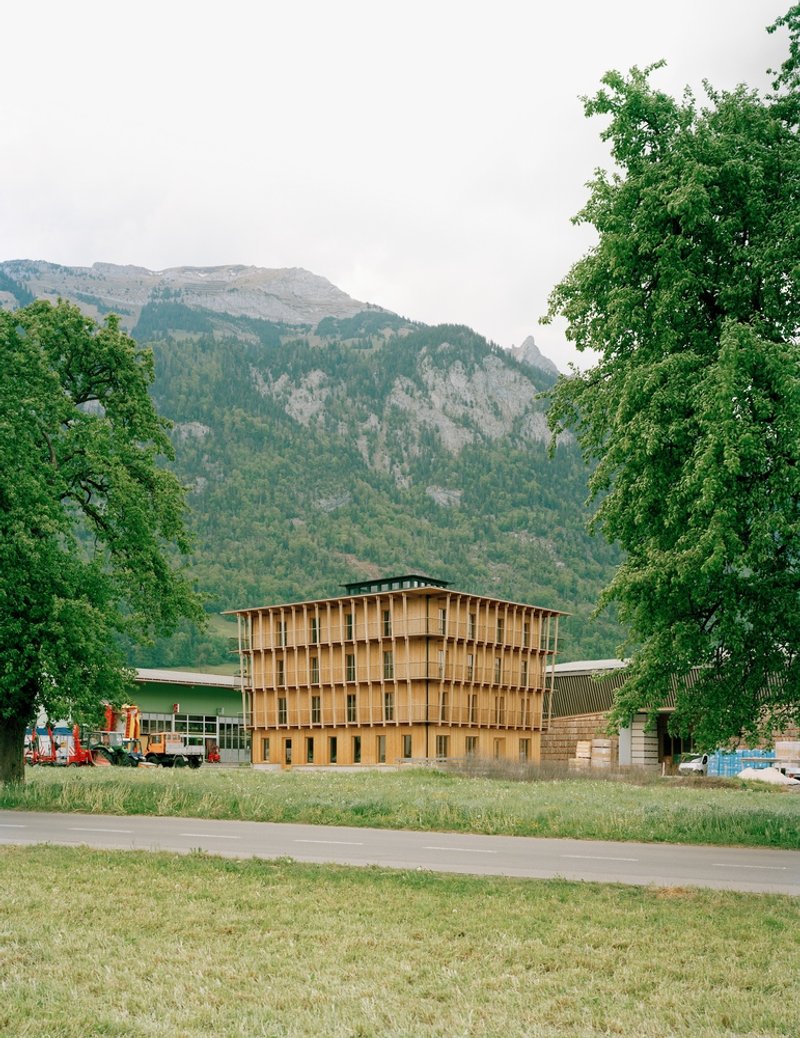
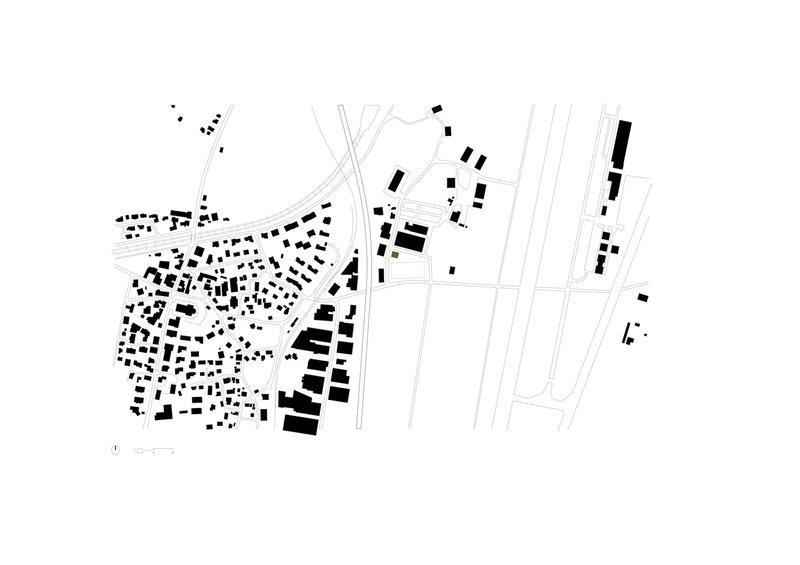
Located in the industrial zone of Alpnach, Switzerland, the Küng Office Building by Seilerlinhart is a standout example of solid wood office architecture, combining centuries-old craftsmanship with forward-thinking construction techniques. Commissioned by Küng Holzbau, a leading timber construction company, the building serves as its new headquarters—a space that operates as much more than an office. It’s a working manifesto, a full-scale demonstration, and a permanent exhibition of the company’s commitment to building entirely with wood.
"Holzpur": Redefining Office Construction with Moon Wood
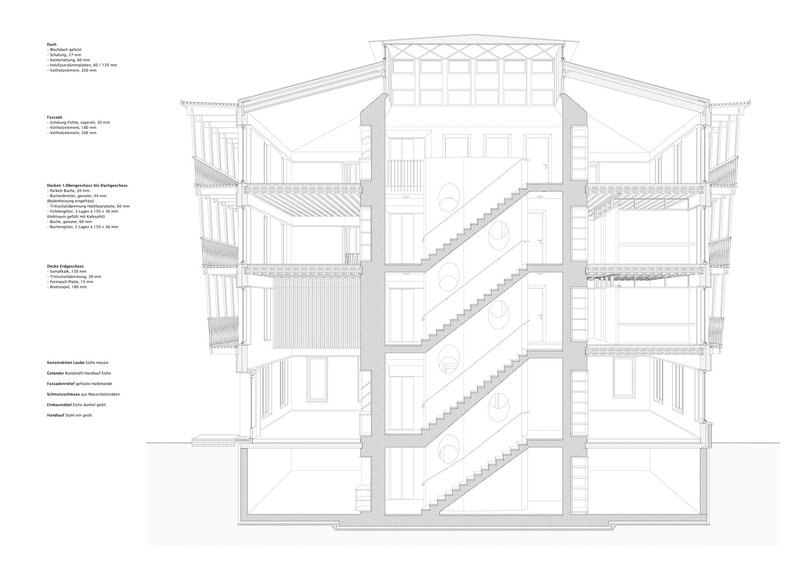
At the heart of the Küng Office Building lies the Holzpur system, an innovative approach to timber construction developed by Stephan Küng. Unlike conventional timber frame systems that rely on adhesives and composite boards, Holzpur employs solid wood walls, each 20 cm thick and made from seven layers of boards. A unique feature of these boards is their origin—they are harvested as "moon wood," timber felled during specific lunar cycles when sap levels are lowest. This technique minimizes shrinkage and deters pest infestation, lending the construction superior longevity and durability.
Architectural Expression with Functional Simplicity
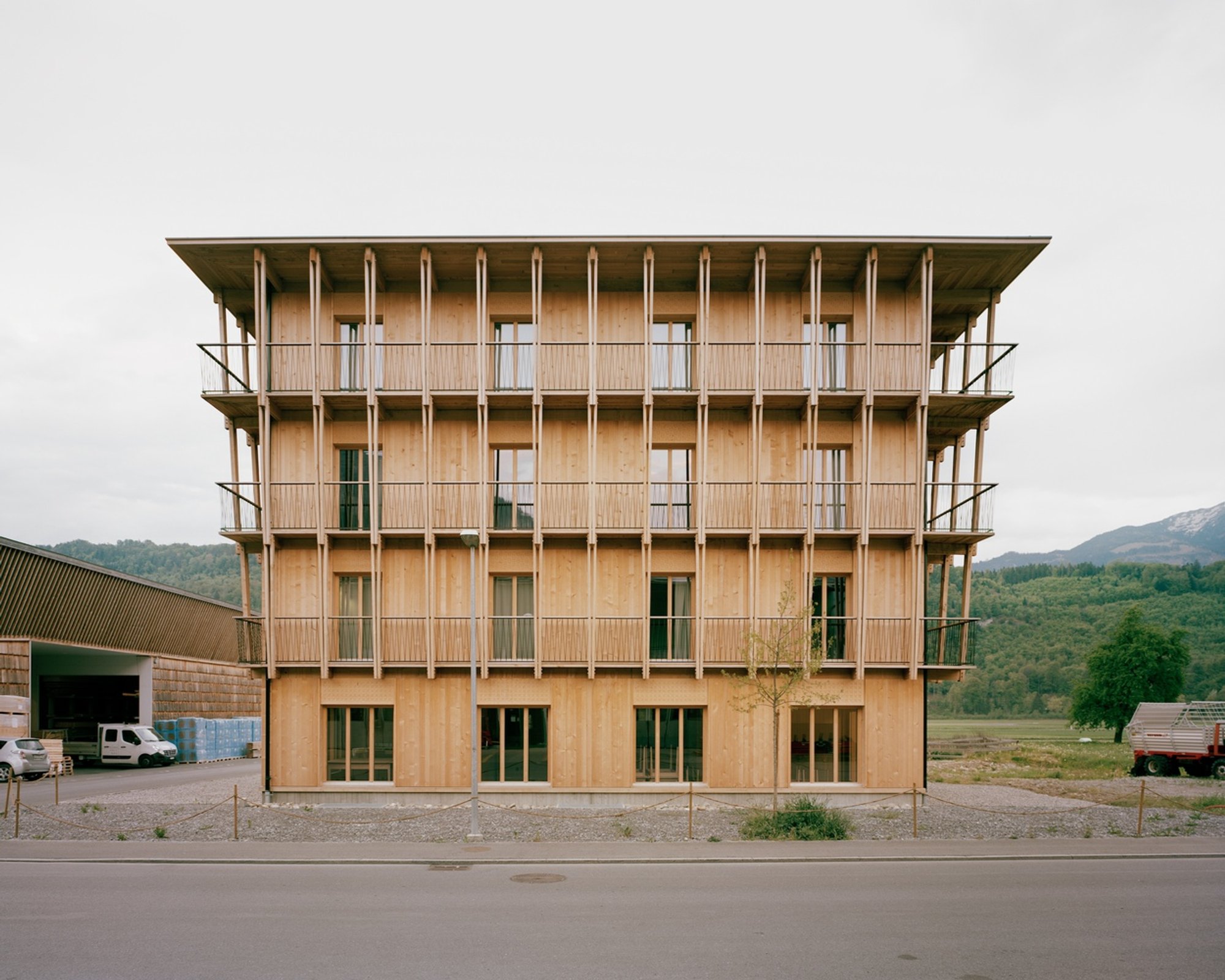
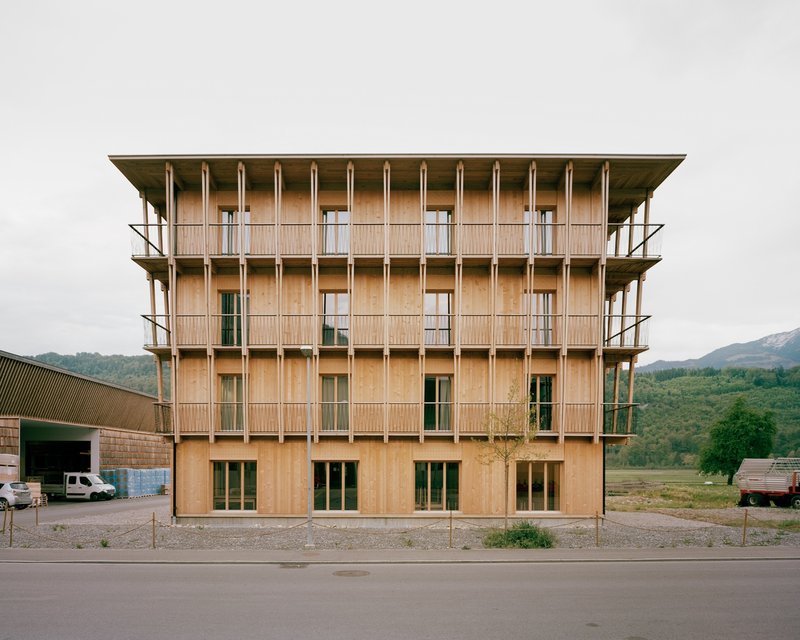
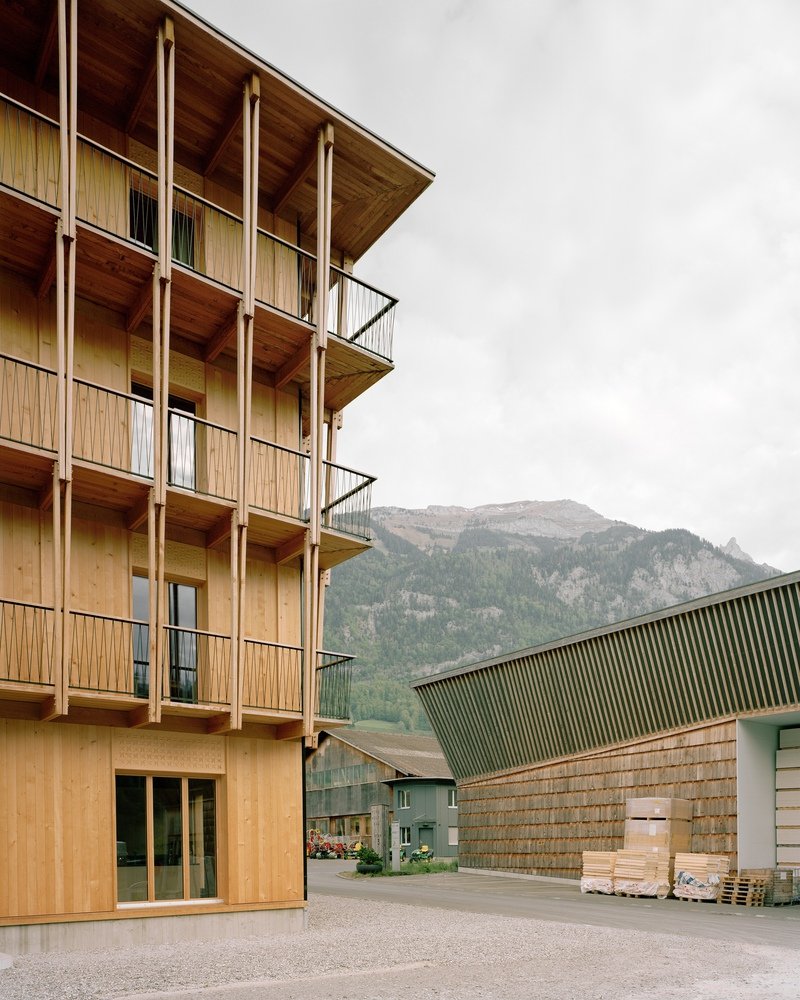
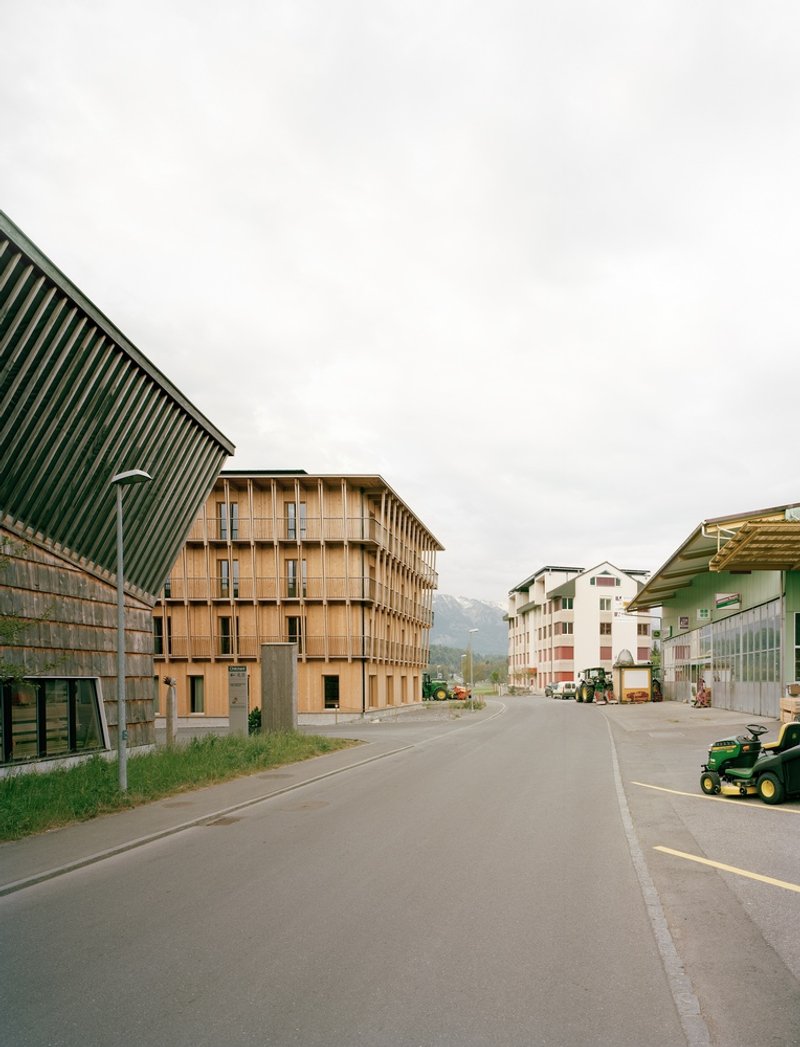
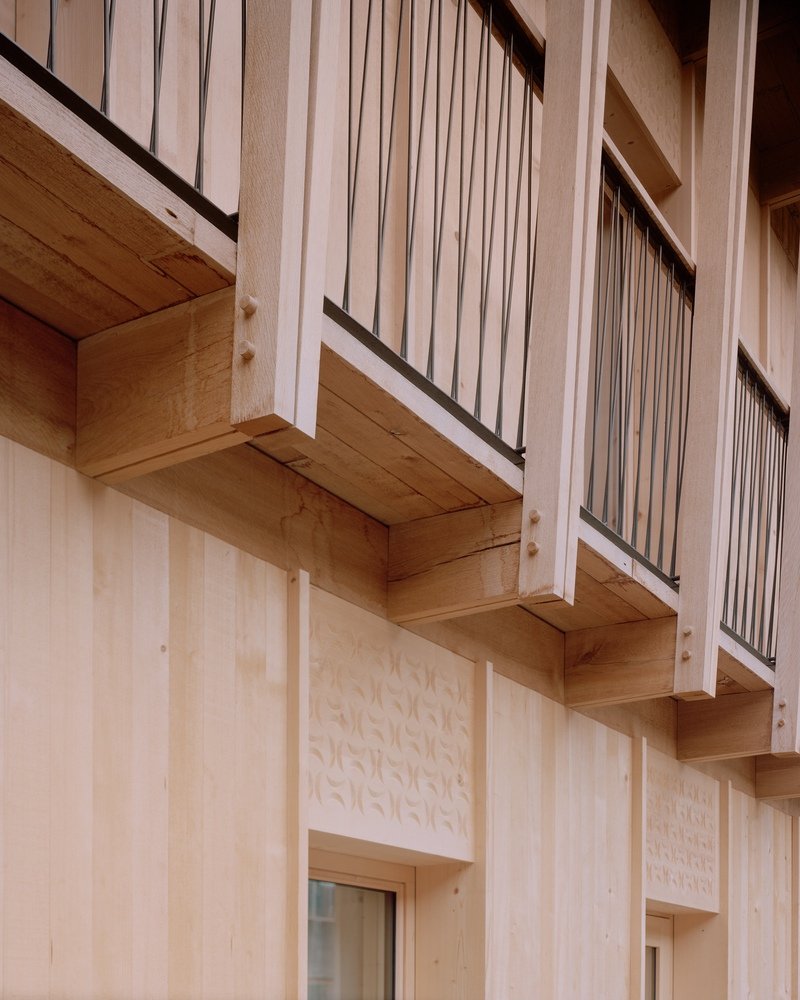
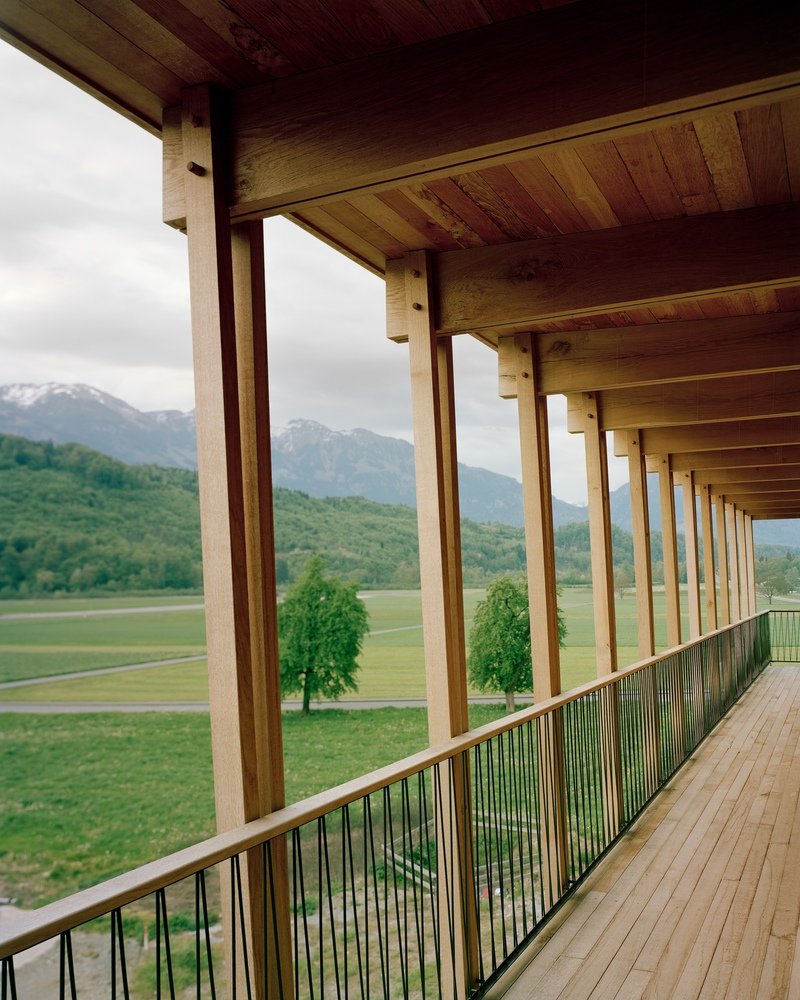
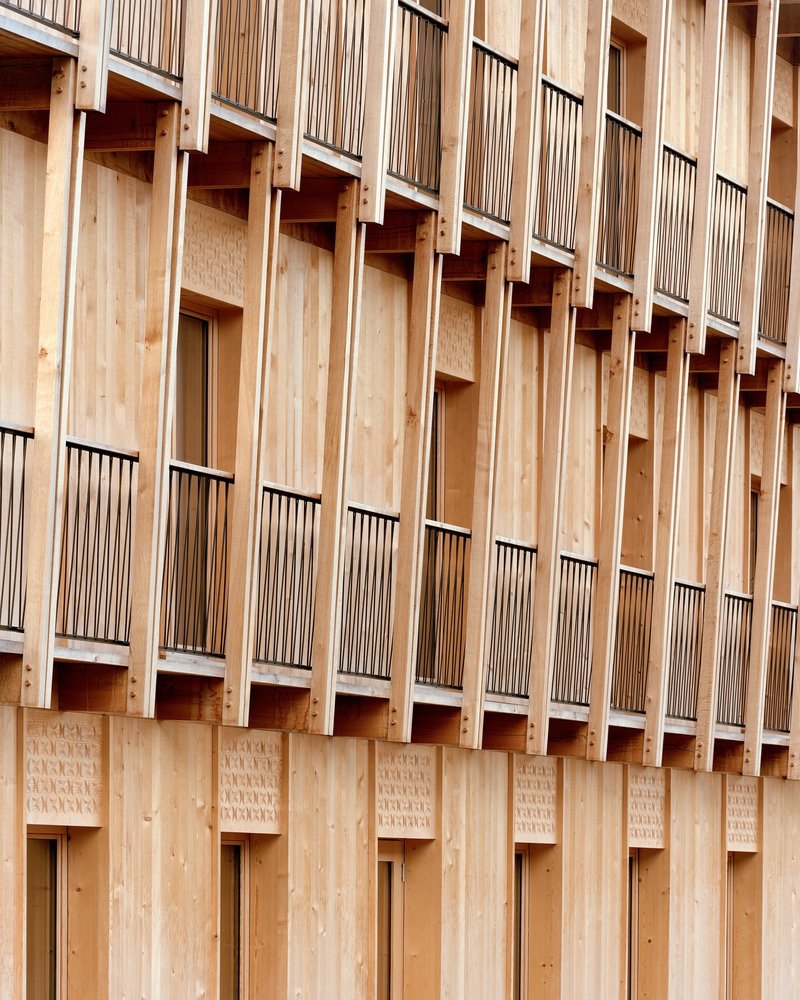
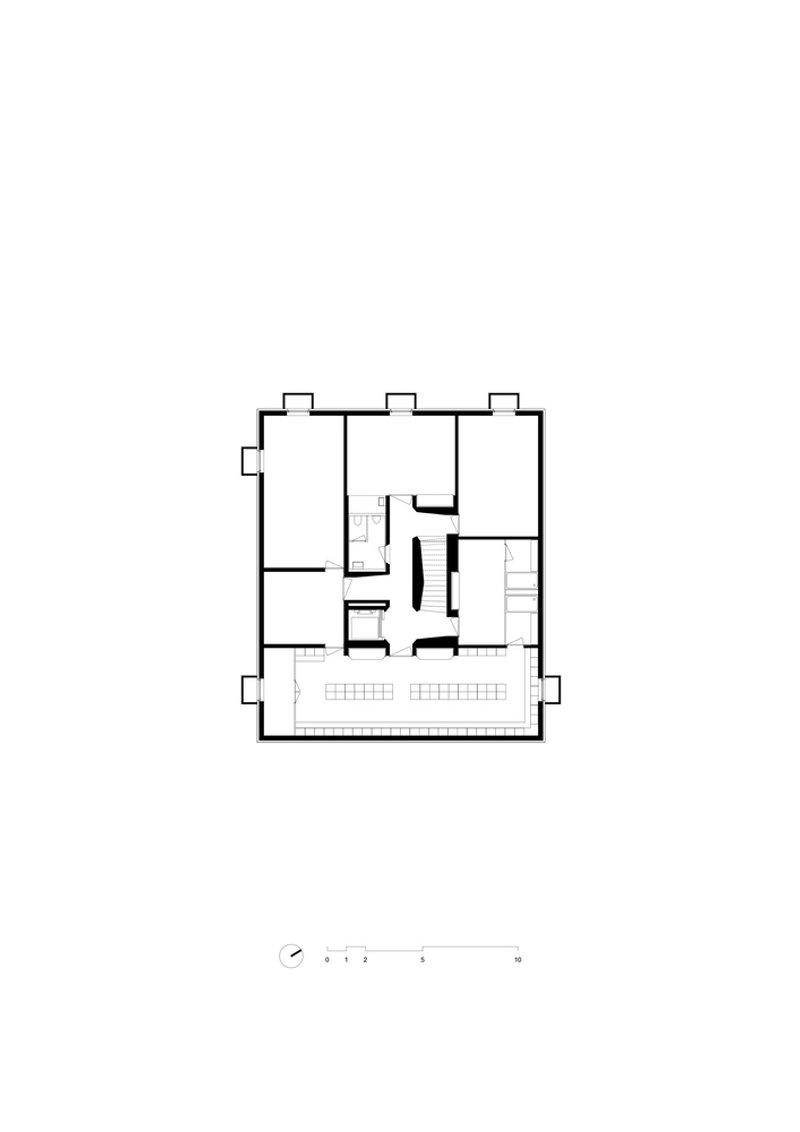
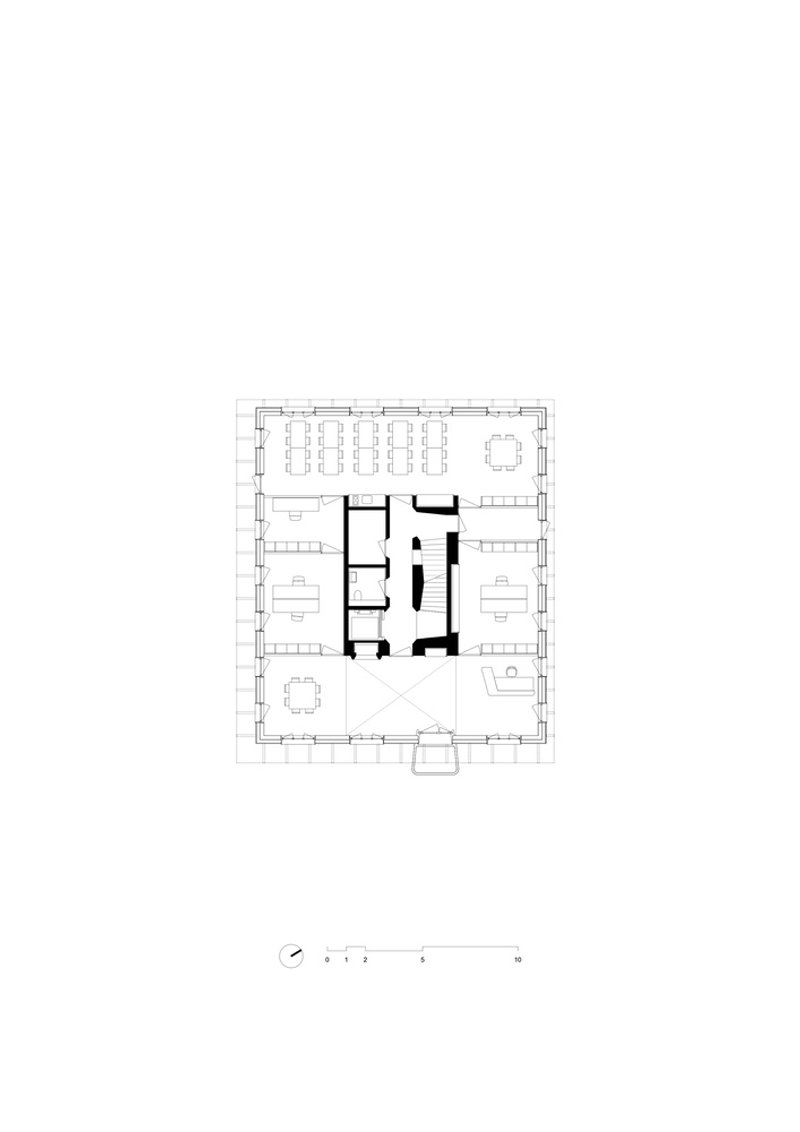
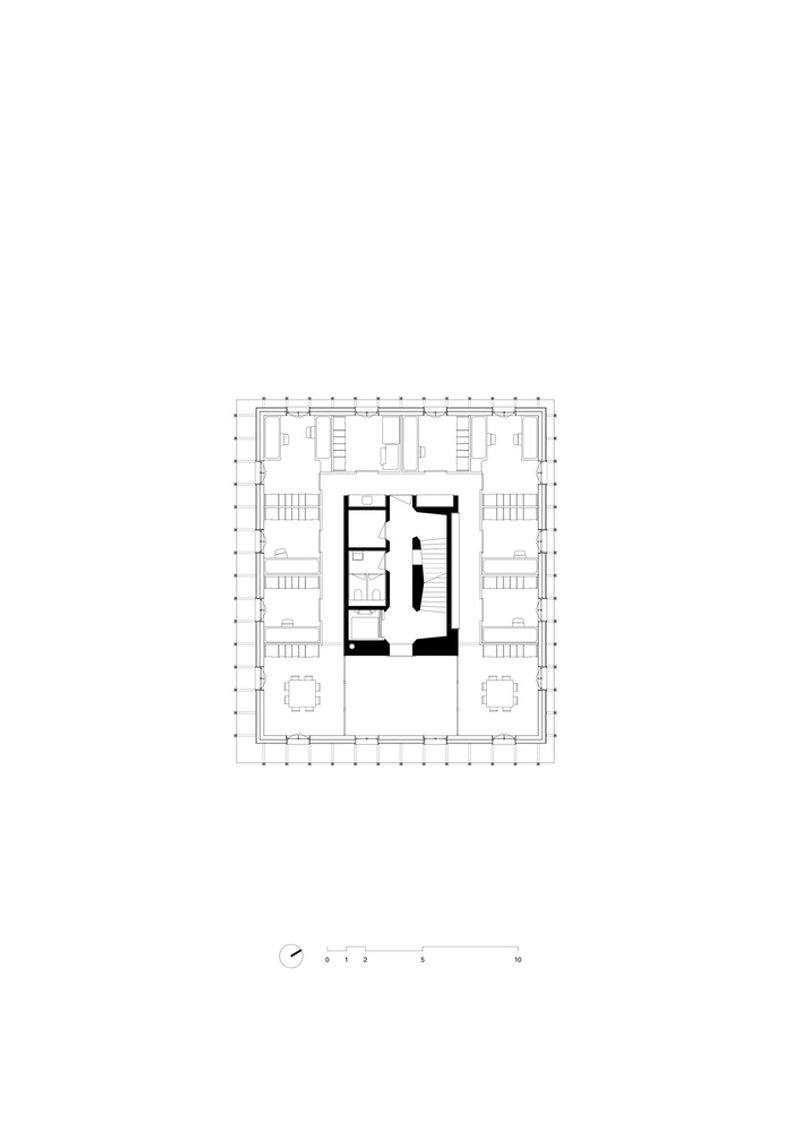
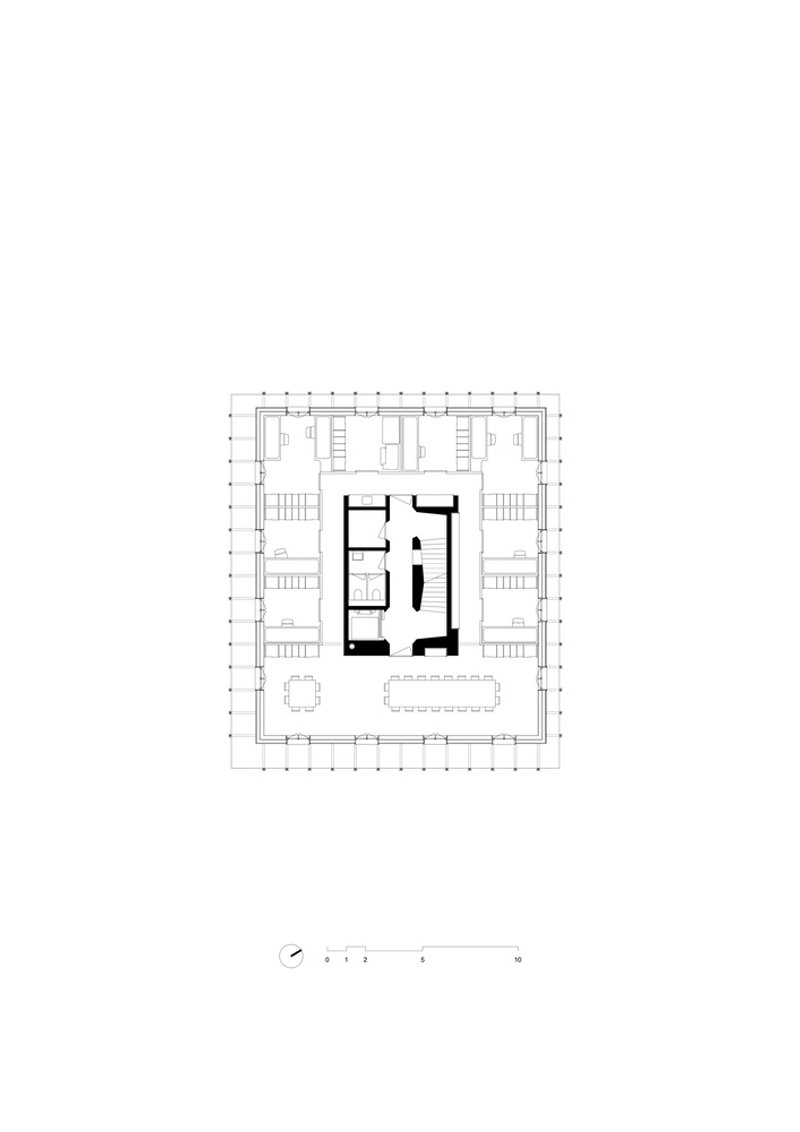
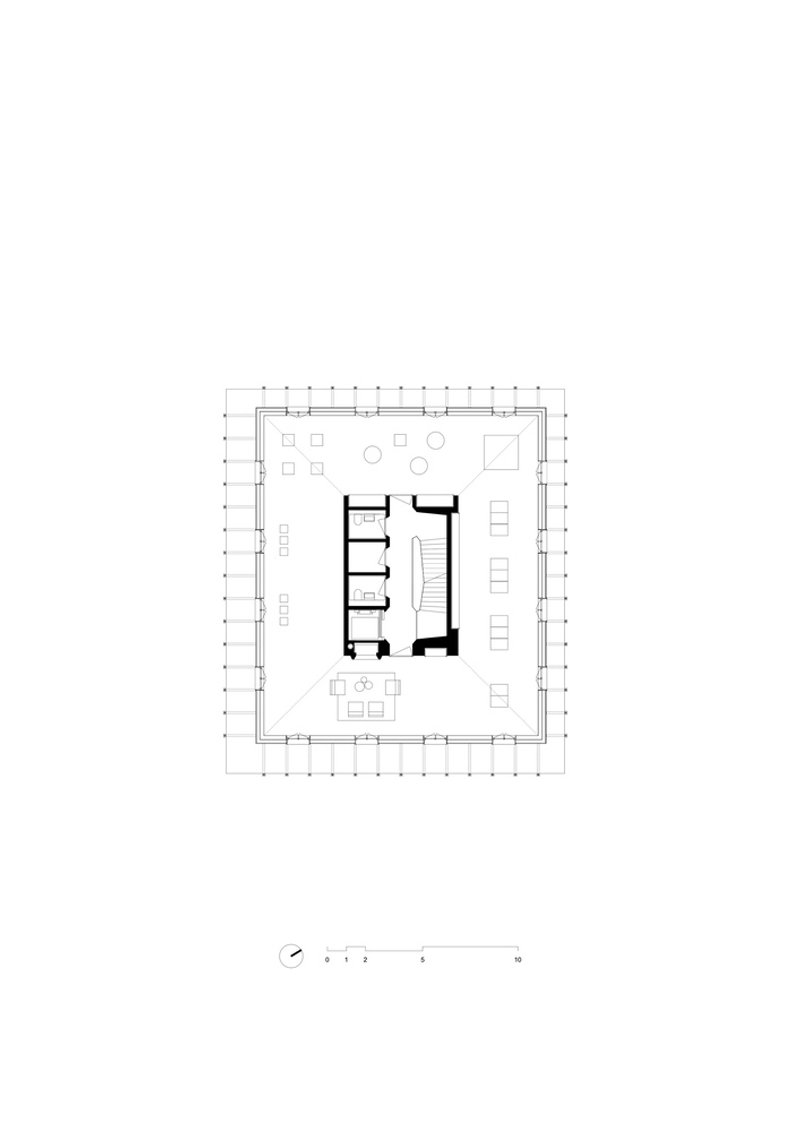
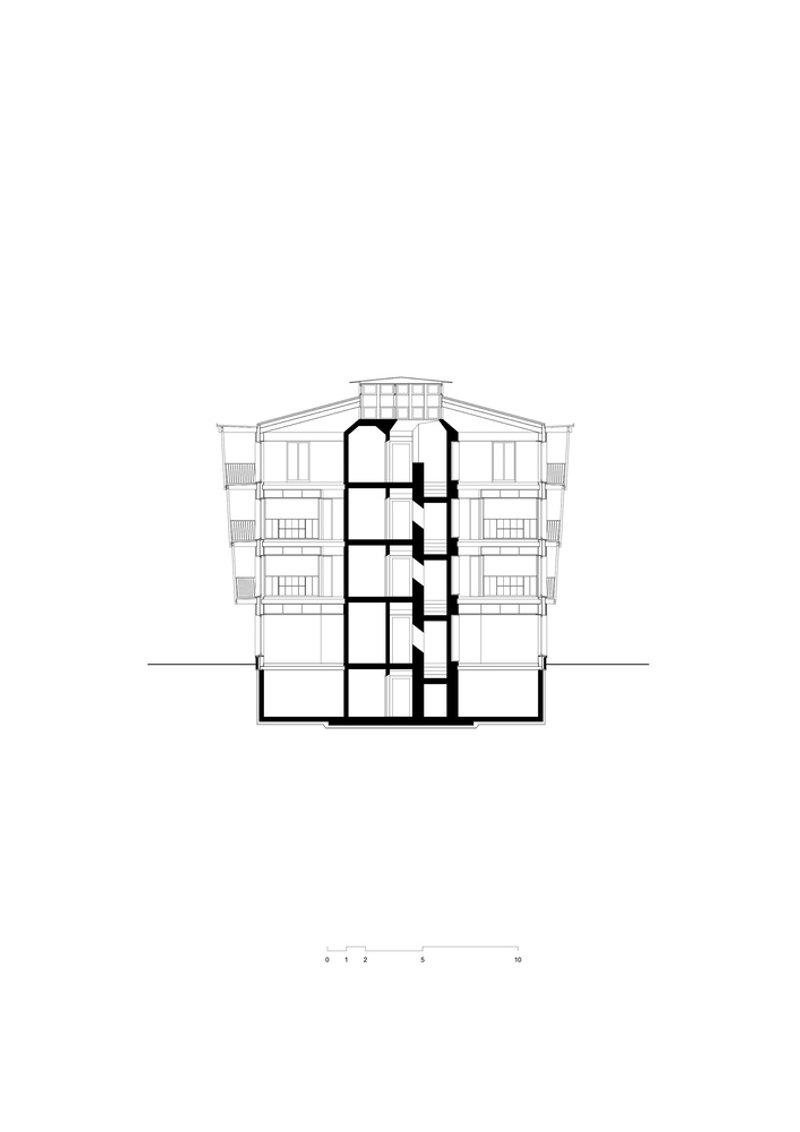
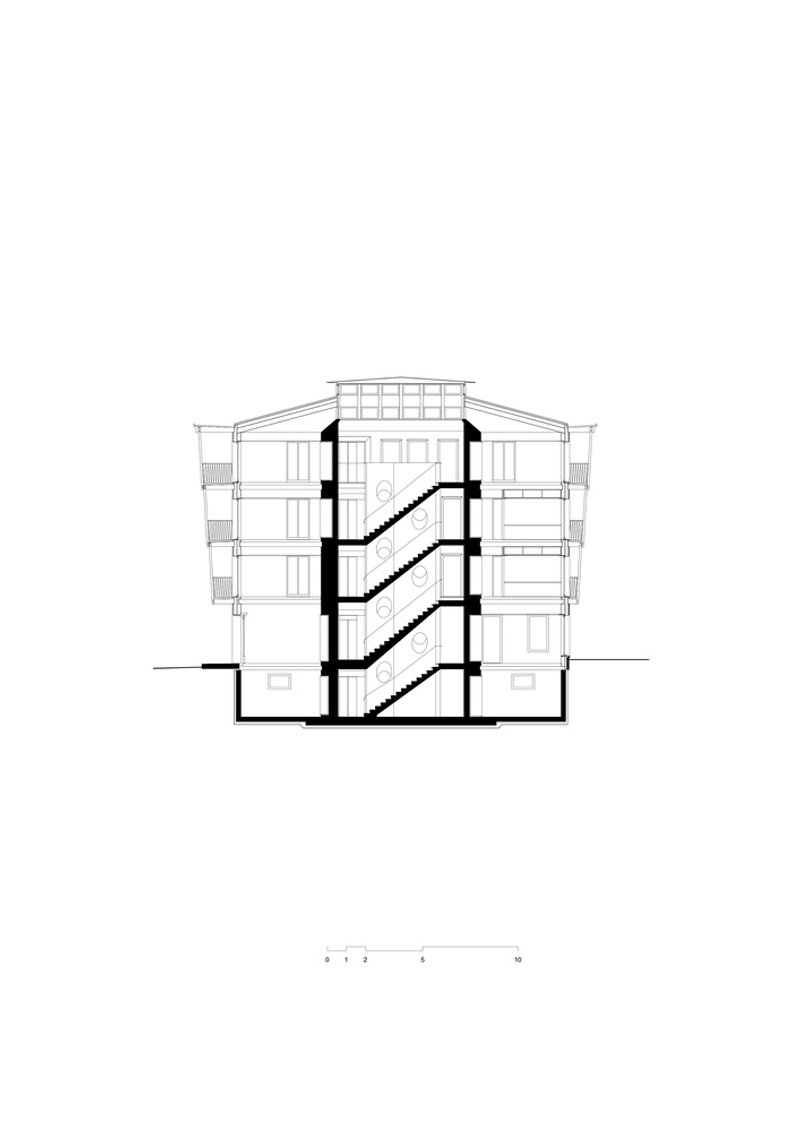
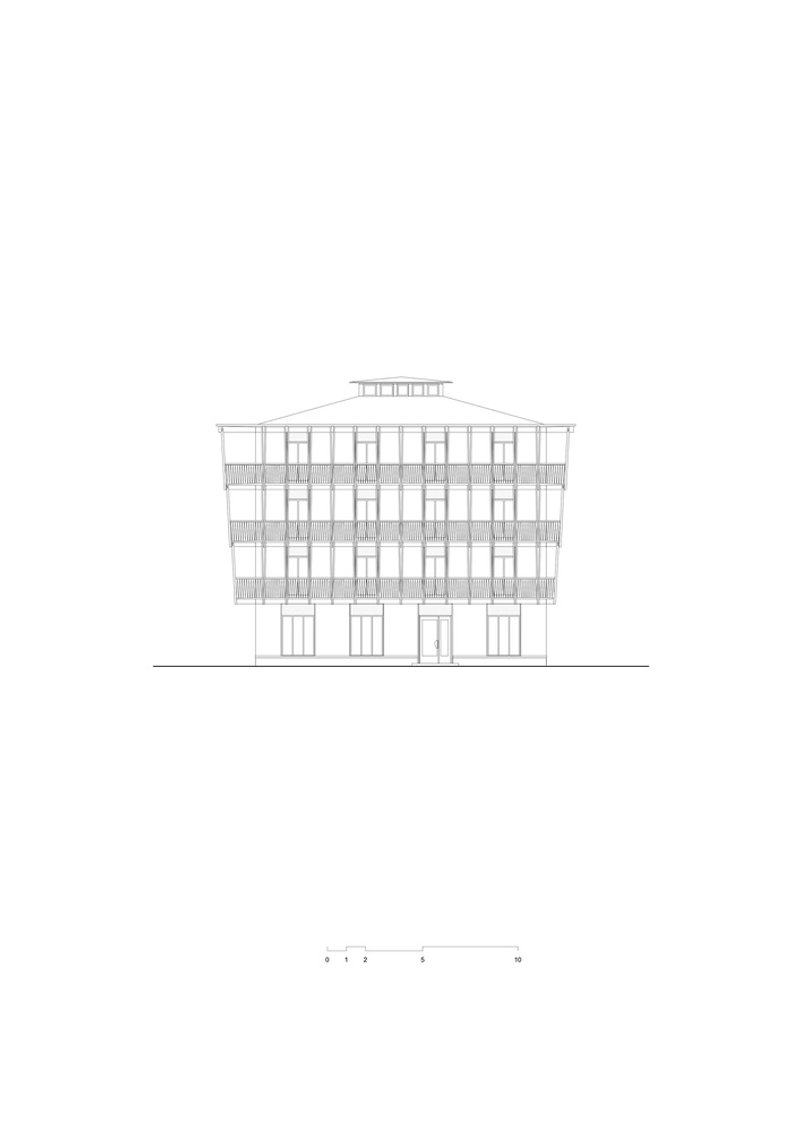
Designed by Lucerne and Sarnen-based Seilerlinhart, the building is a nearly square, four-story volume that houses offices for 20 engineers, meeting rooms, a cafeteria, and a top-floor exhibition area. The external form is both restrained and expressive, featuring overhanging balconies and vertical wooden slats that recall the vernacular balconies found in traditional Swiss architecture. These balconies do not just evoke nostalgia; they serve the practical role of sun shading, eliminating the need for mechanical systems.
Material Logic: When Every Layer Tells a Story
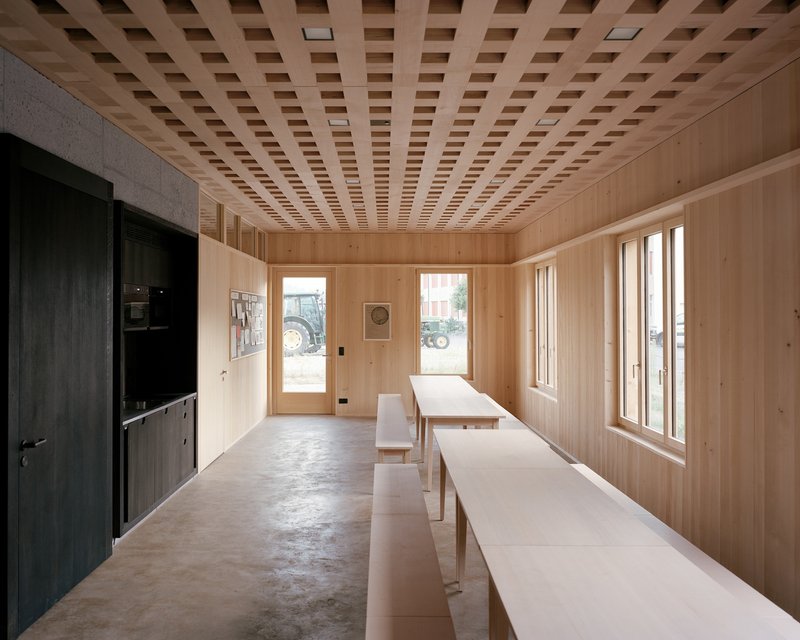
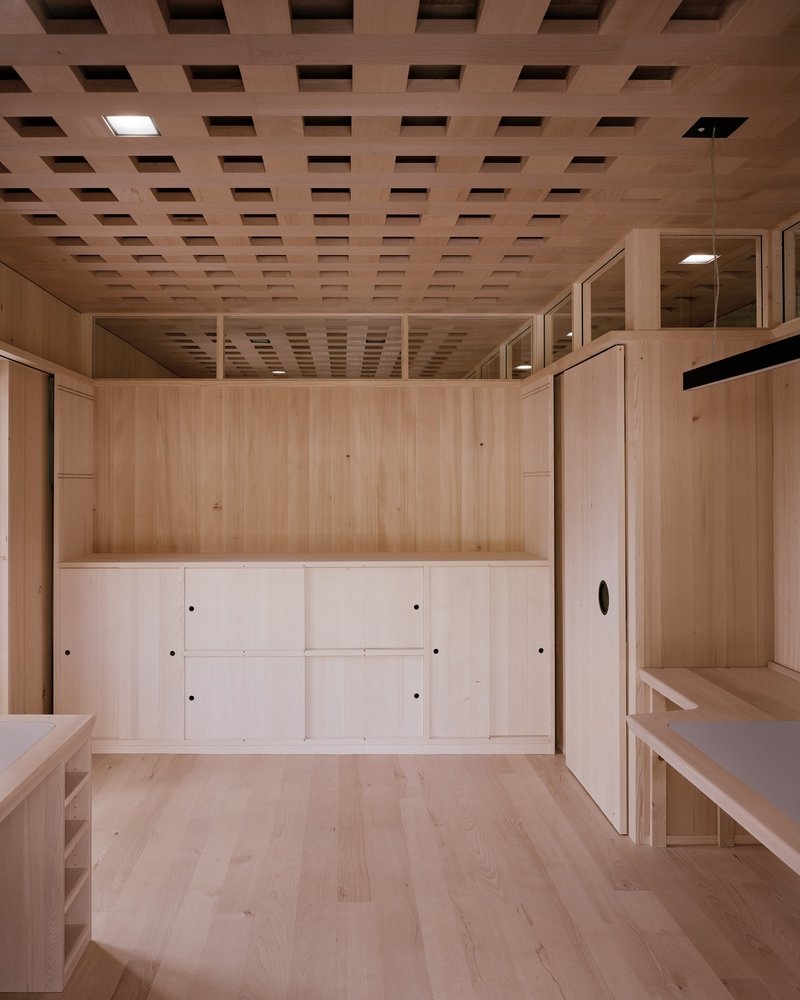
Materiality plays a central role in the architectural identity of the building. Oak is used for the hanging façade elements, while the main façade is finished in rough-sawn spruce. CNC-milled crescent motifs, referencing the moon wood harvesting tradition, ornament the lintels. Walls are made from two Holzpur elements with a layer of wind paper in between, creating a 40 cm thick envelope that combines thermal performance with purity of material. Remarkably, even lower-grade wood, usually destined for fiberboard production, finds a place inside the walls—its imperfections enhancing thermal insulation by trapping air.
A Concrete Core as Sculptural Contrast
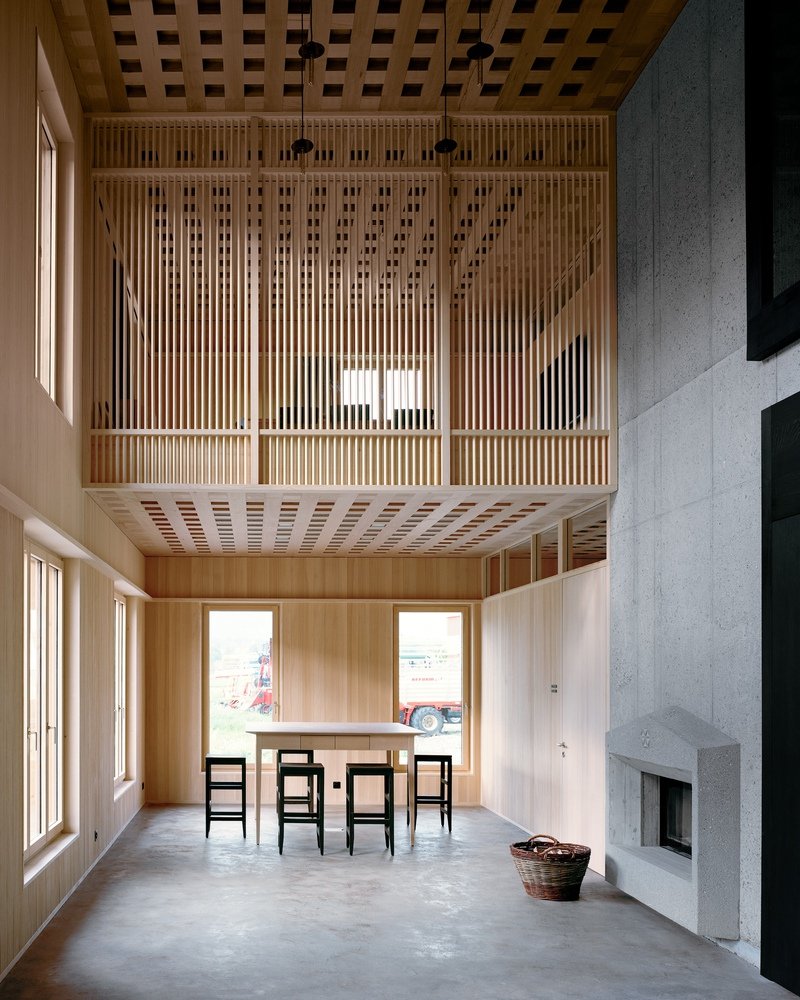
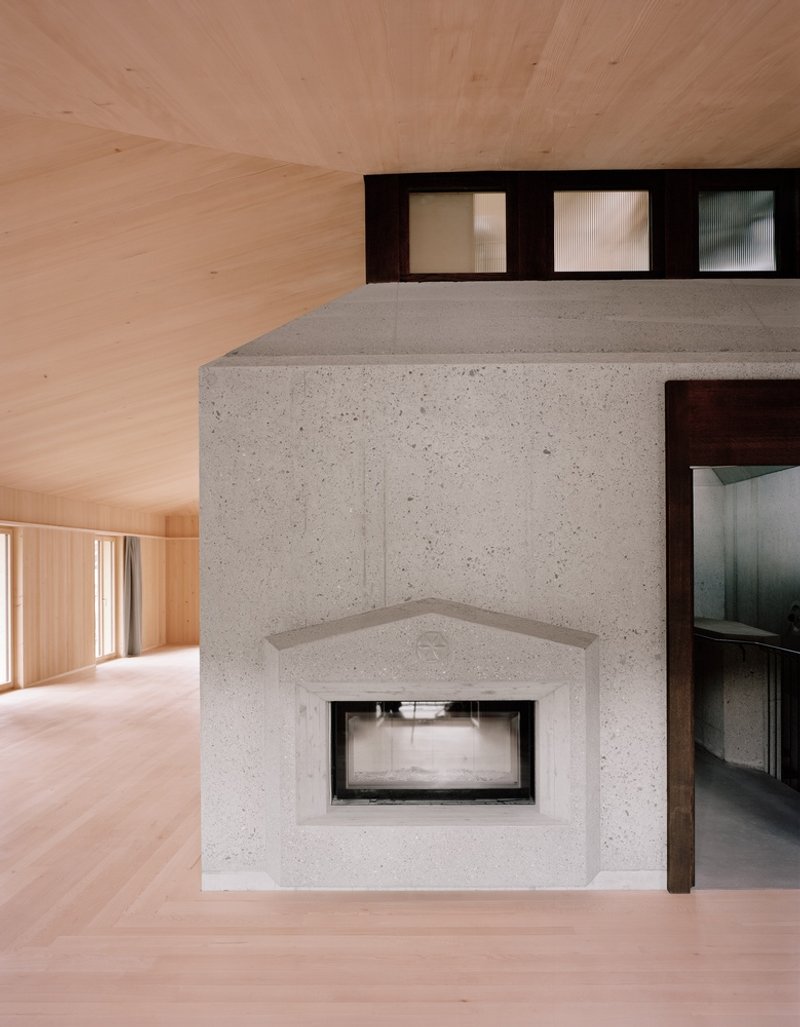
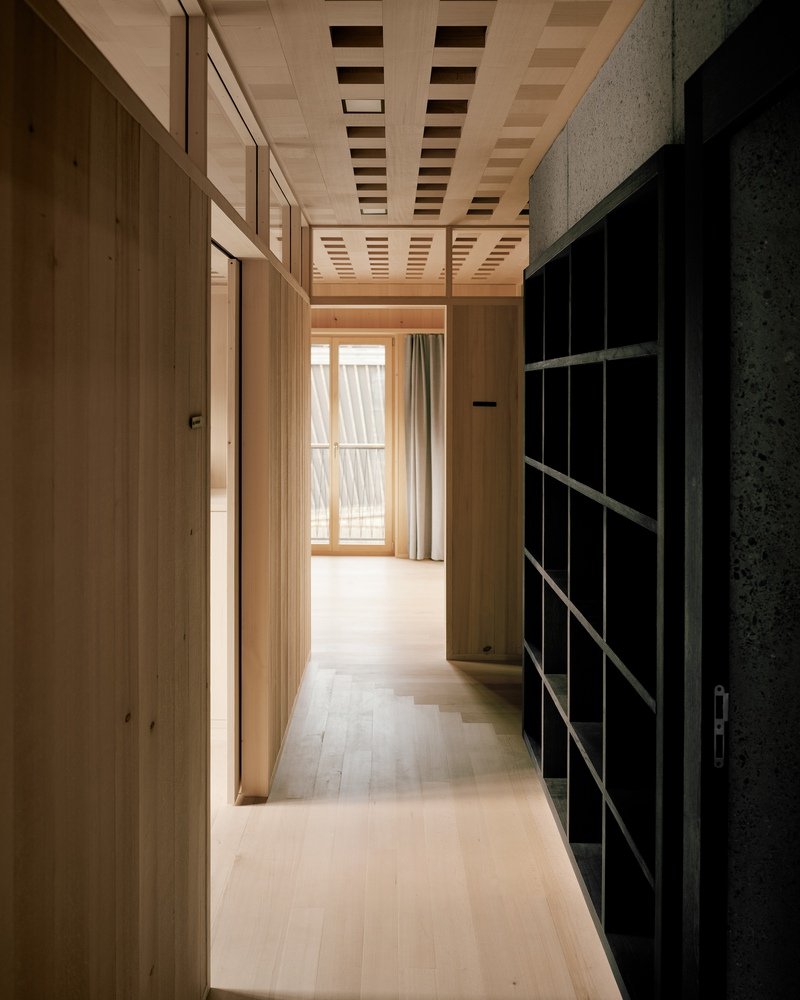
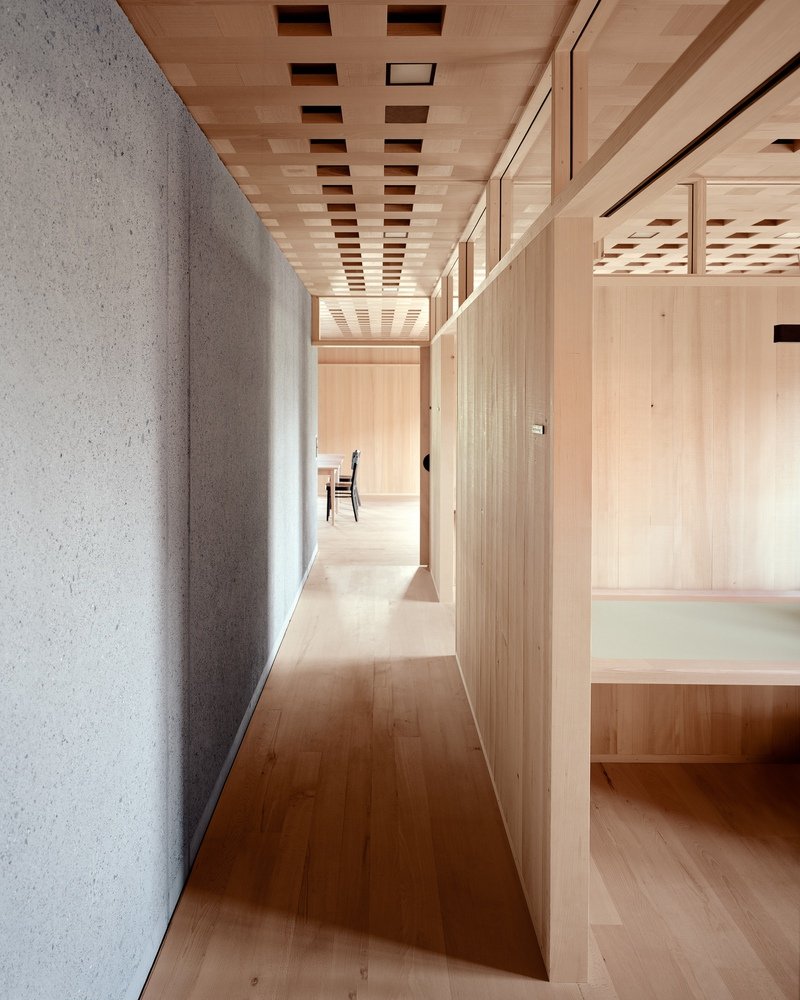
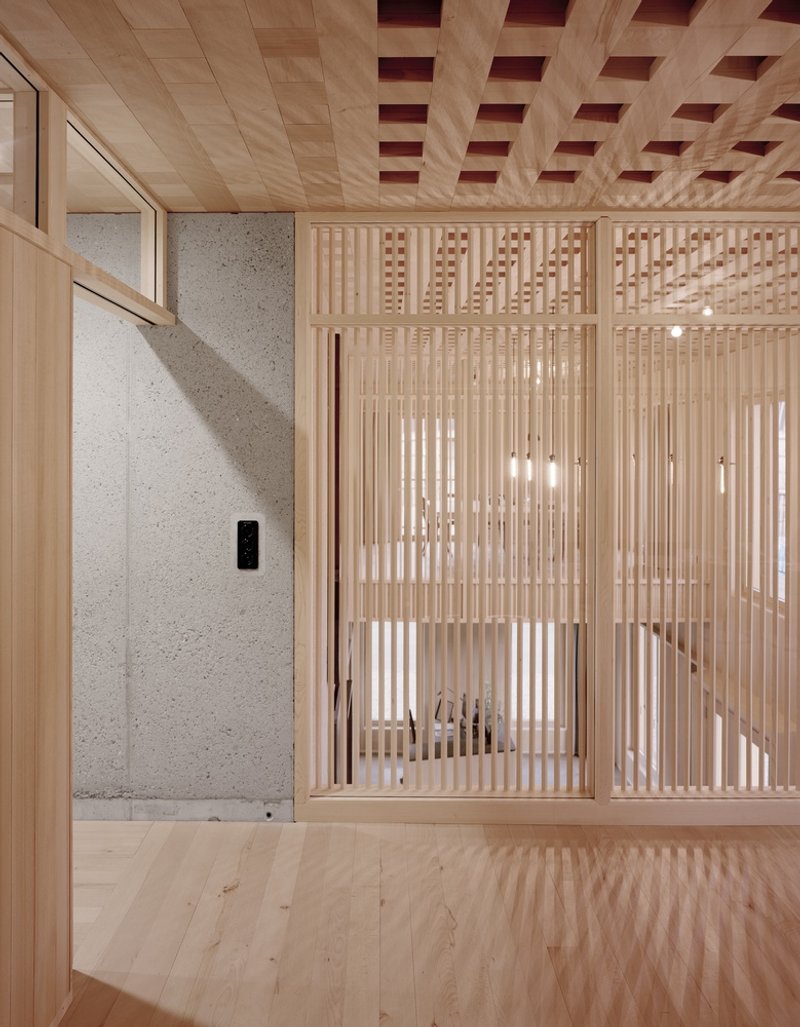
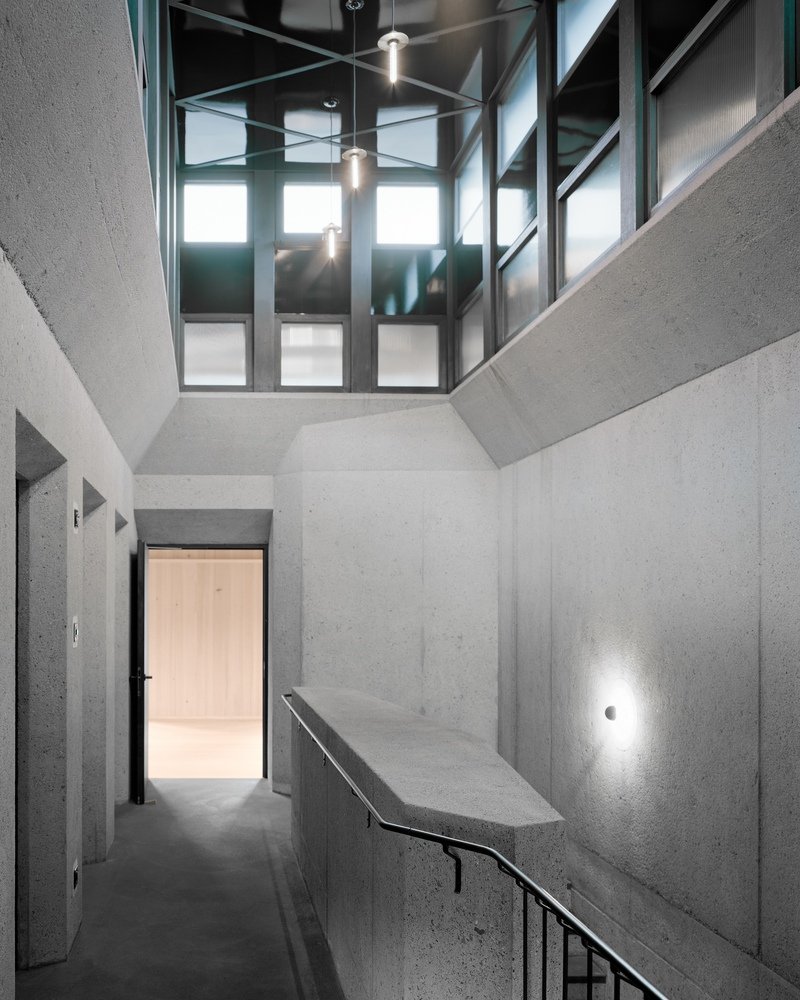
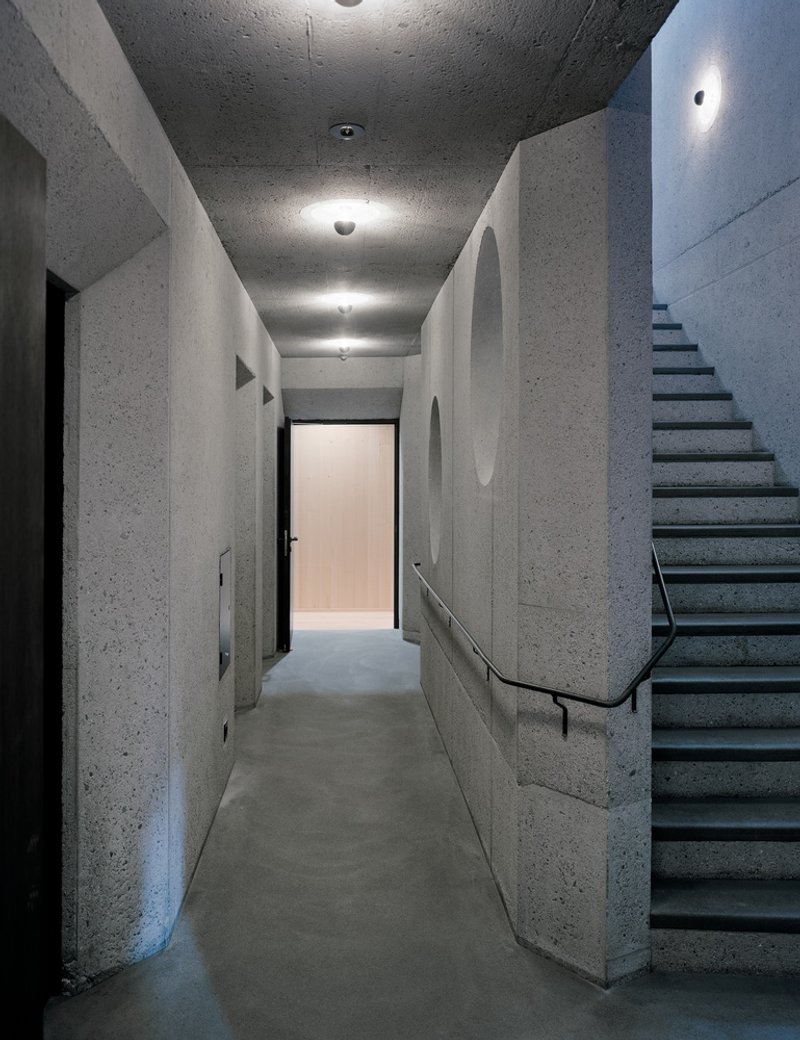
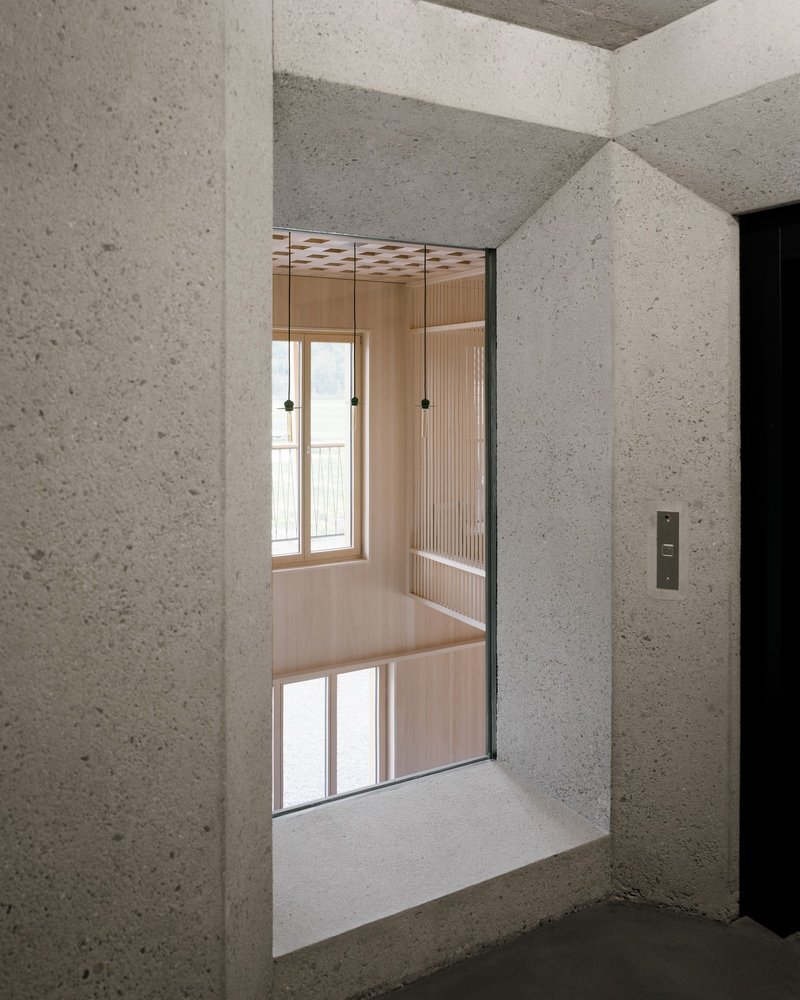
Inside the building, the most striking visual gesture is the sculptural concrete core. Required for seismic stability and vertical circulation, the architects embraced this element rather than hiding it. Rising through a double-height atrium, the core contains the staircase and elevator, but its monolithic presence acts as a counterpoint to the soft texture of timber. This contrast enriches the spatial experience, transforming a technical necessity into a poetic centerpiece.
Human-Centered Interiors: Warmth and Modularity
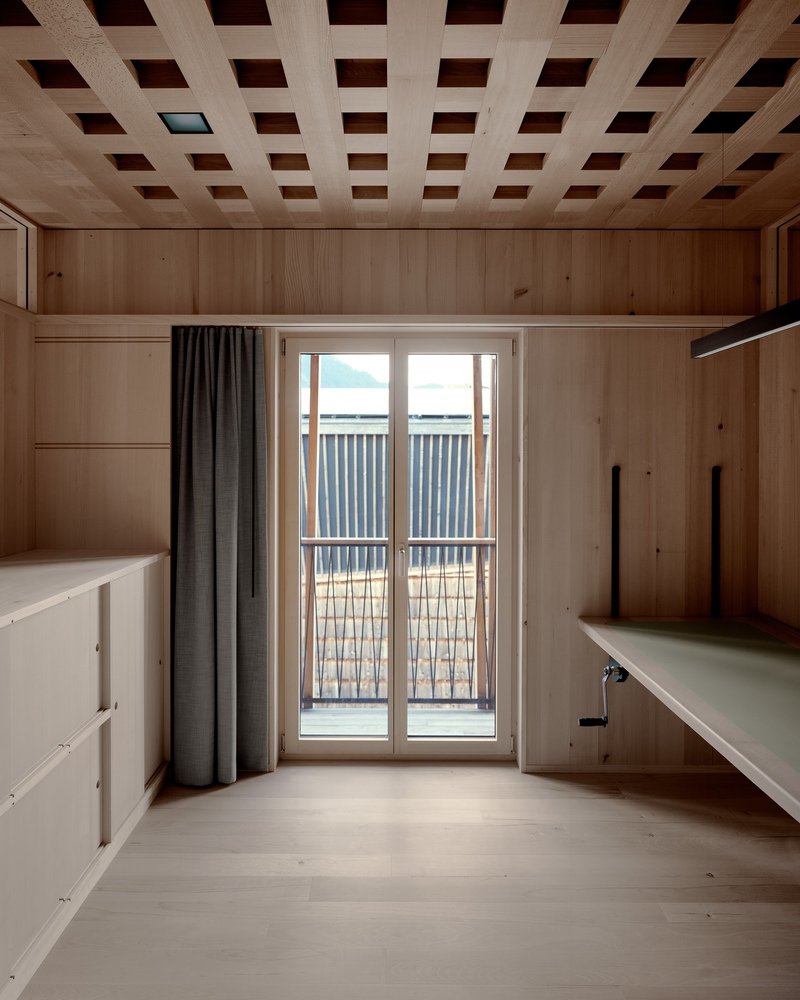
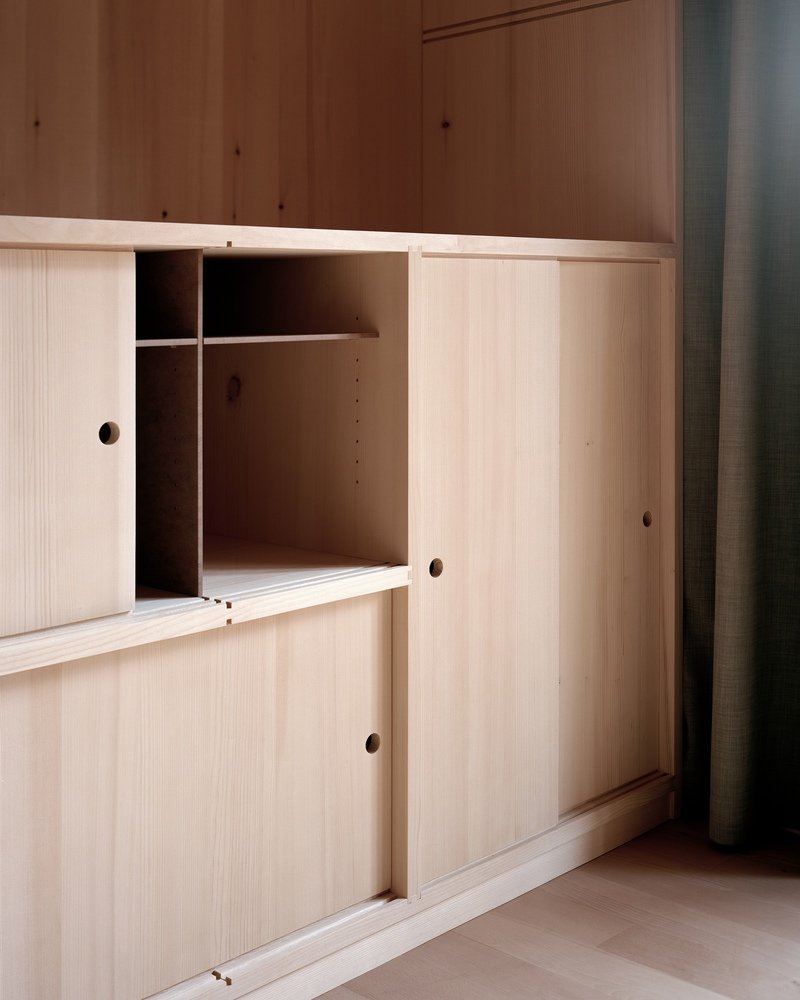
Internally, the building exudes warmth and comfort—qualities seldom associated with administrative environments. Custom wooden furniture, also designed by Seilerlinhart, reinforces the theme of material consistency while offering modular flexibility. The entrance lobby features a reception desk and a fireplace, creating a homely atmosphere that continues through the open-plan meeting areas and up to the exhibition space under the eaves. Another fireplace on the top floor completes the narrative, framing solid wood as not just a structural solution but a lifestyle ethos.
A Living Prototype of Pure Timber Architecture
More than a workplace, the Küng Office Building is a living prototype of what sustainable and sensorial office environments can become through solid wood office architecture. It is a holistic embodiment of values—precision, ecological mindfulness, and cultural continuity—that have guided both the client and architect for over a decade. In a time of ecological urgency and material innovation, this building doesn’t just perform; it teaches, inspires, and invites a rethinking of how we build where we work.
All Photographs are works of Rasmus Norlander