Space4Youth by 23o5Studio: Transforming Industrial Heritage into a Multi-Functional Creative Hub
Space4Youth transforms an old industrial building into a flexible, youth-centered community hub with upgraded structure, cooling design, and adaptable multi-use spaces.


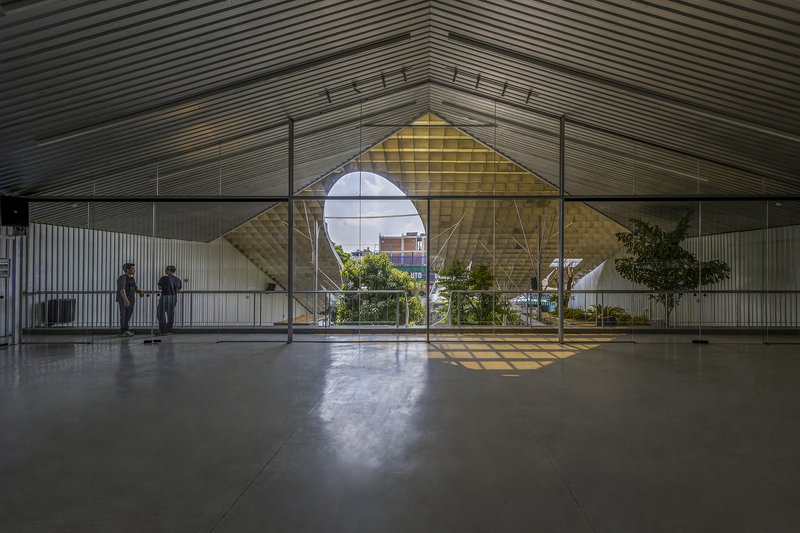
Space4Youth by 23o5Studio in Ho Chi Minh City exemplifies Vietnam’s growing movement of transforming outdated industrial buildings into vibrant community spaces. As new regulations restrict warehouses and factories in residential neighborhoods, many structures face demolition or expensive redevelopment. Instead of replacing the existing building, the architects proposed an adaptive reuse strategy—one that revitalizes the old structure while maximizing investment efficiency, sustainability, and flexibility.
The design team advised the investor to retain the original building frame and introduce strategic upgrades, allowing the project to evolve into a versatile youth-focused venue. This approach reduced both construction costs and project duration, helping the investor achieve faster financial recovery while giving the community an innovative new destination.
Adaptive Reuse for Community and Flexibility
Space4Youth is envisioned as a multi-functional, communal facility capable of accommodating various programs—office work, exhibitions, meetings, workshops, performances, and entertainment. To support this versatility, the architecture needed to be both technically robust and spatially flexible.
However, the existing structural system—columns, beams, and floors—was not designed to hold gatherings of up to 200 people. After in-depth structural analysis, 23o5Studio implemented several reinforcement solutions:
- Enlarging column cross-sections
- Strengthening column ends
- Increasing the size of I-steel cross-beams
- Replacing the old floor system with a high-strength concrete layer
These upgrades ensure long-term safety while allowing the building to support dynamic, high-capacity programming.
Environmental Performance and Passive Cooling
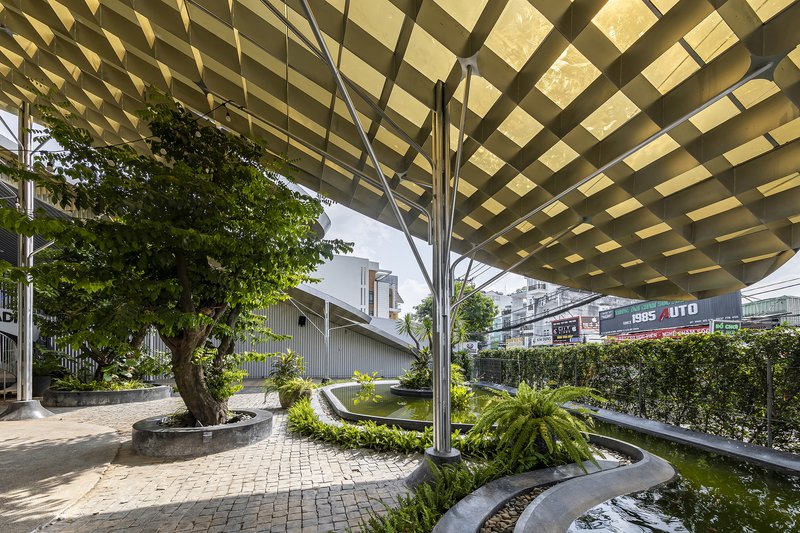
Although the original roof trusses remain, the architects added multiple layers of heat and sound insulation, topped with a PU roofing system. Beneath the roof, a suspended ceiling creates an air cushion that stores technical equipment and helps reduce heat transfer into the interior. This significantly cuts energy use for air conditioning—an important consideration in Vietnam’s tropical climate.
To further enhance thermal comfort, the existing brick walls were reinforced with an insulated panel system separated by a foam layer. These interventions vastly improve the building’s environmental performance without compromising its structural integrity.
Landscape Integration and Urban Cooling
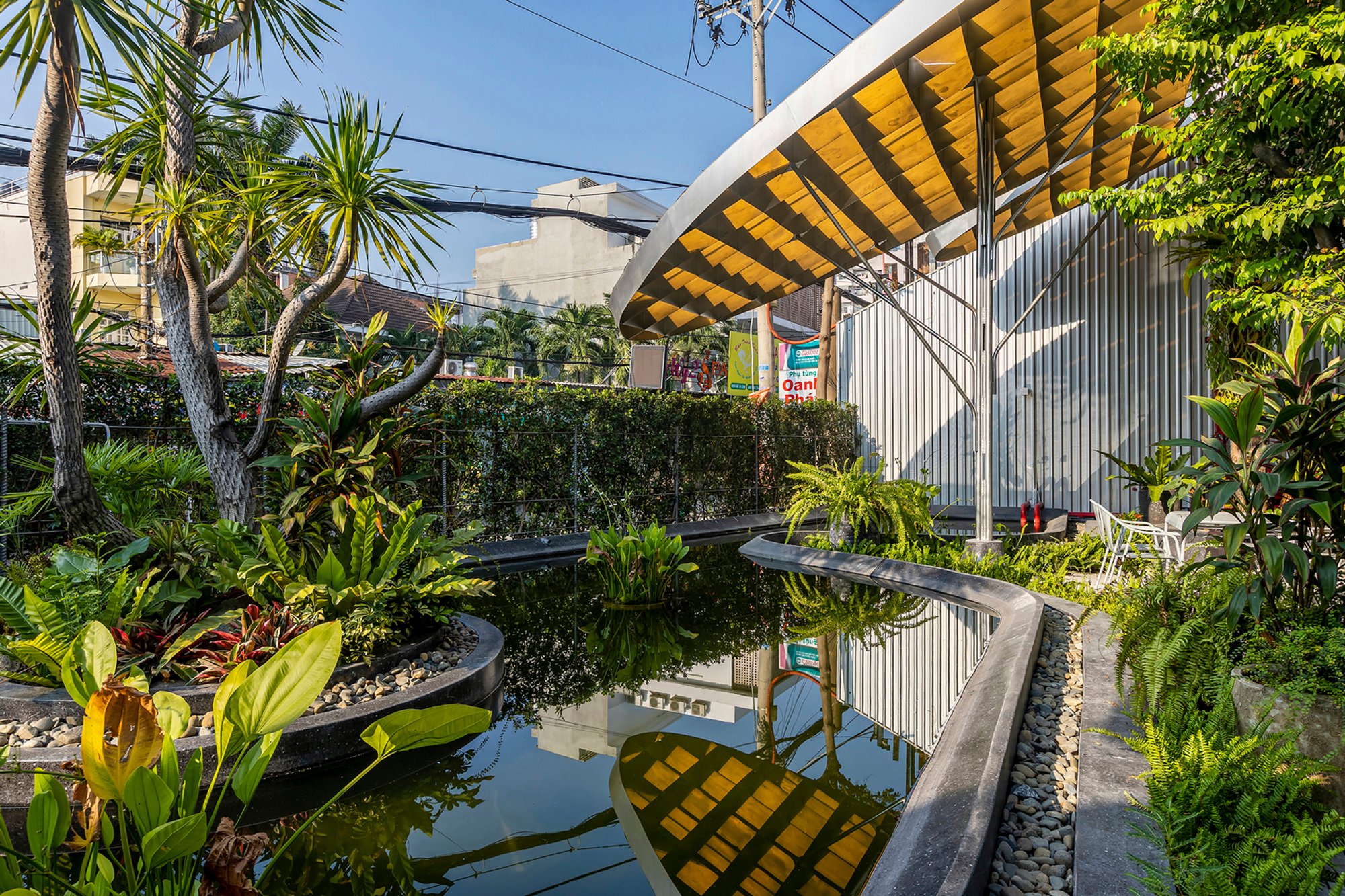
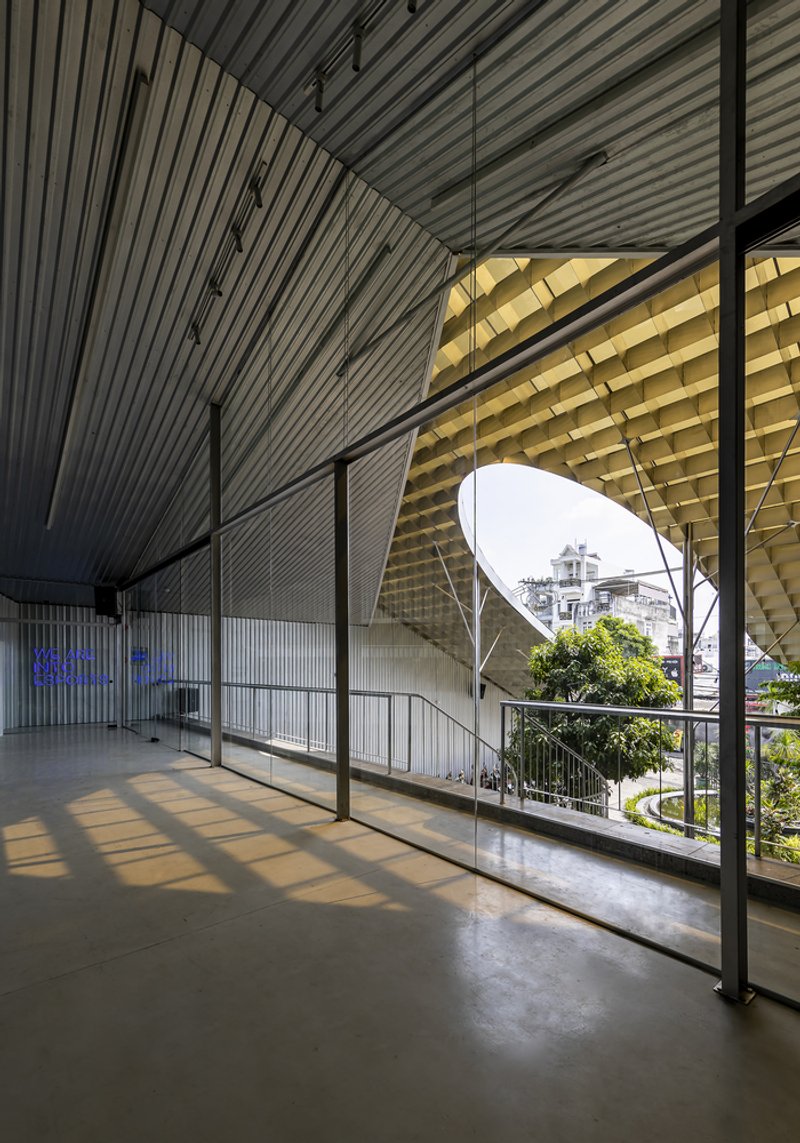
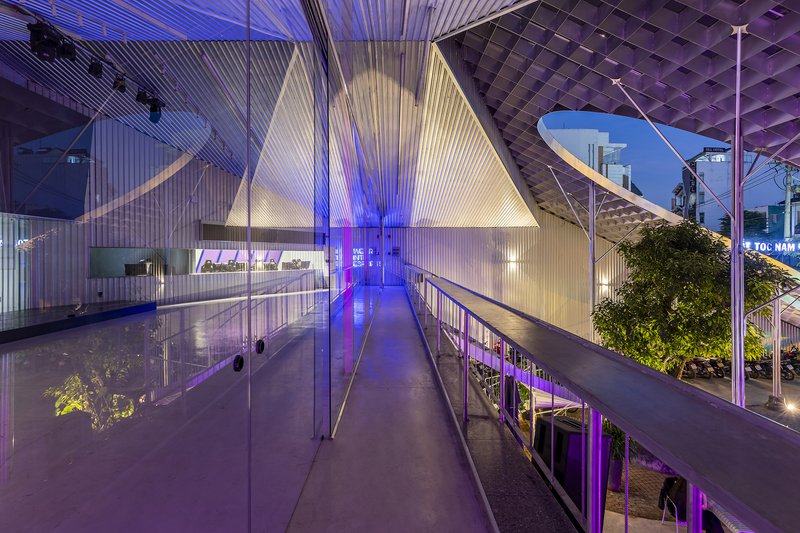
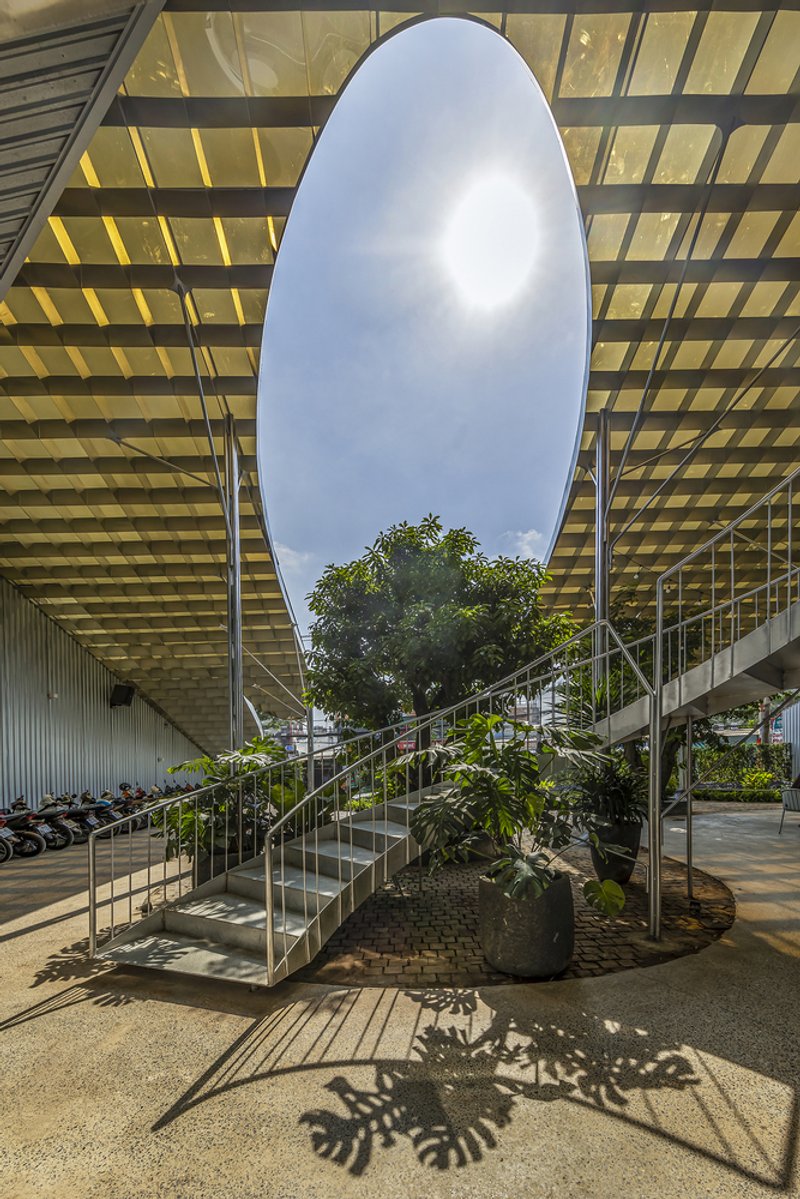
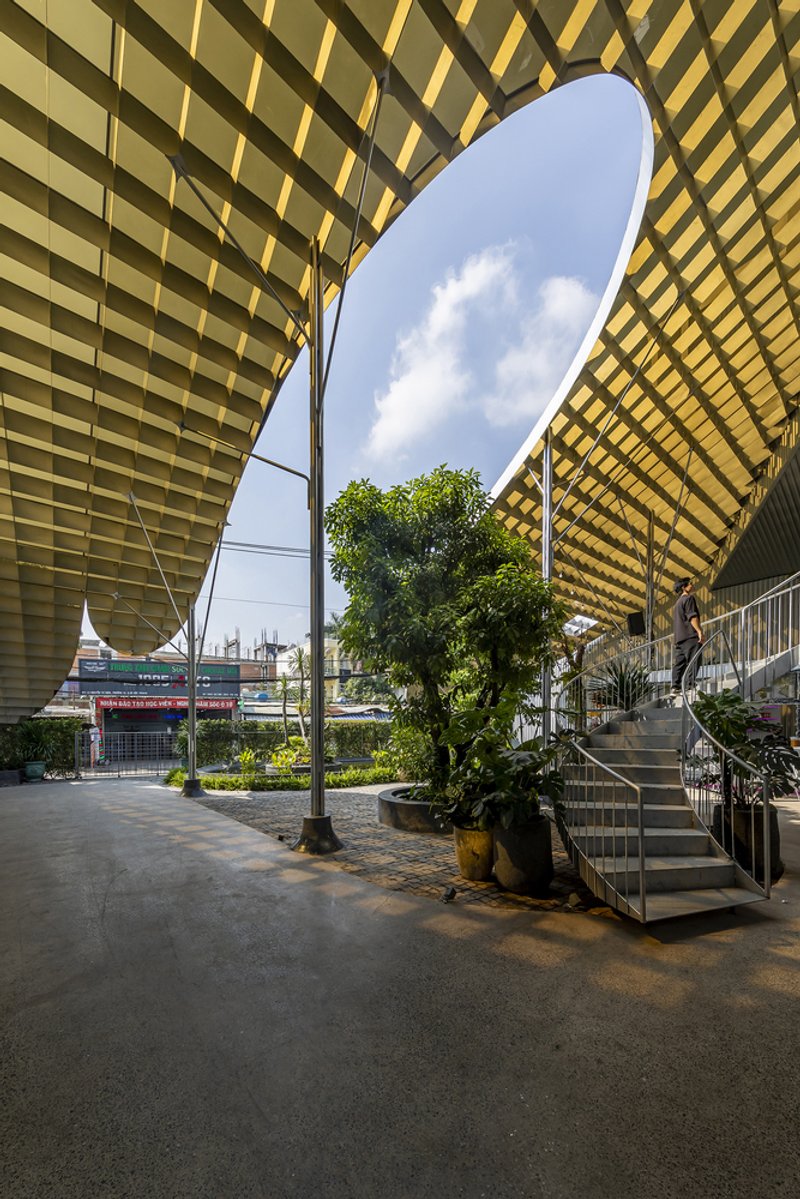
One of the project’s defining moves is the 20-meter setback from the original street edge. This creates a wide buffer zone that softens the transition between city and building. A large cantilevered roof, together with carefully planted trees and a reflective water surface, forms a shaded microclimate that welcomes visitors and reduces urban heat.
The water feature also fulfills an important functional requirement: local fire prevention authorities mandated a lake for emergency access. This dual-purpose design enhances safety while creating natural cooling and a serene public-facing landscape.
To prevent flooding during heavy rain and seasonal high tides, the architects raised the building’s floor level above surrounding ground levels—ensuring long-term resilience.
A Youthful, Light-Filled, Adaptive Interior
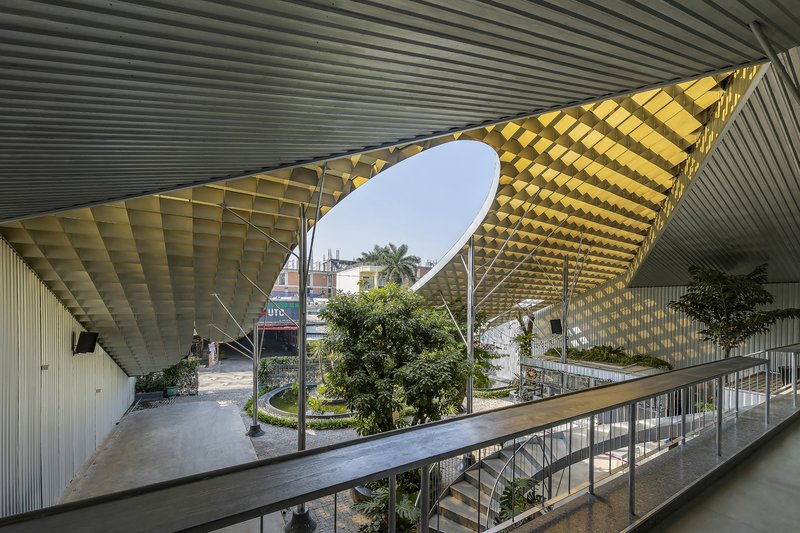
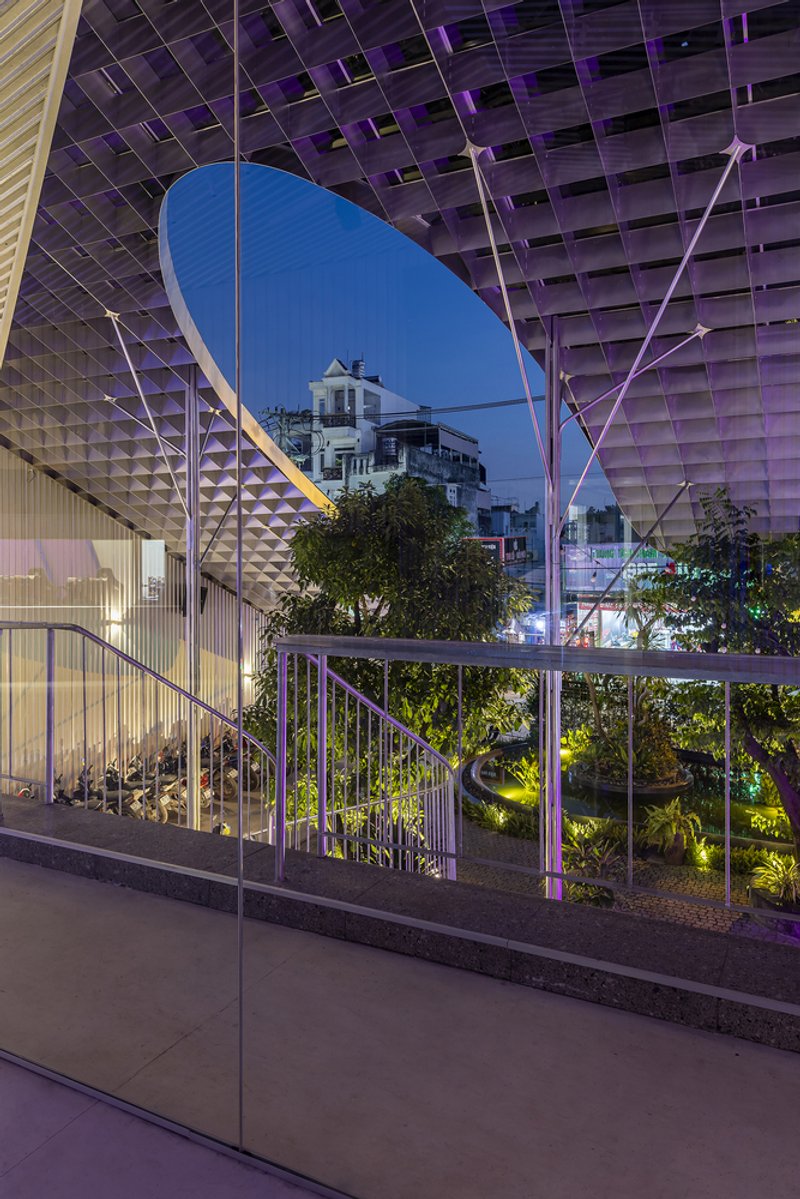
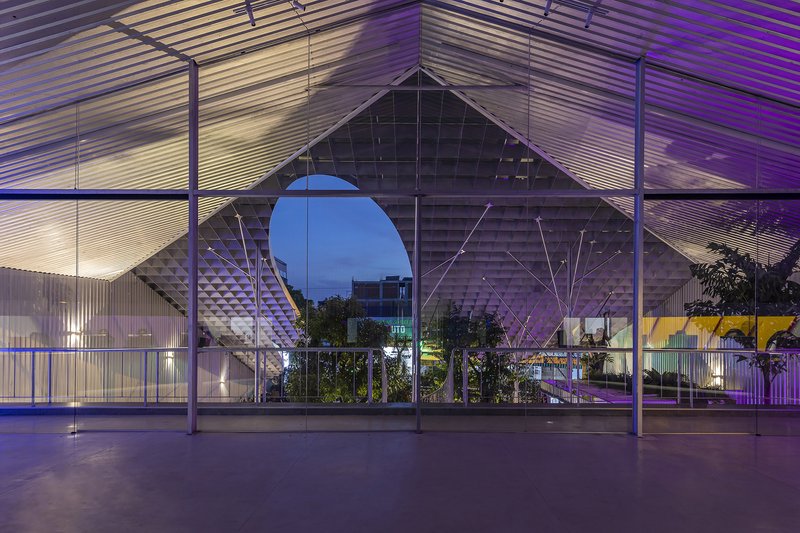
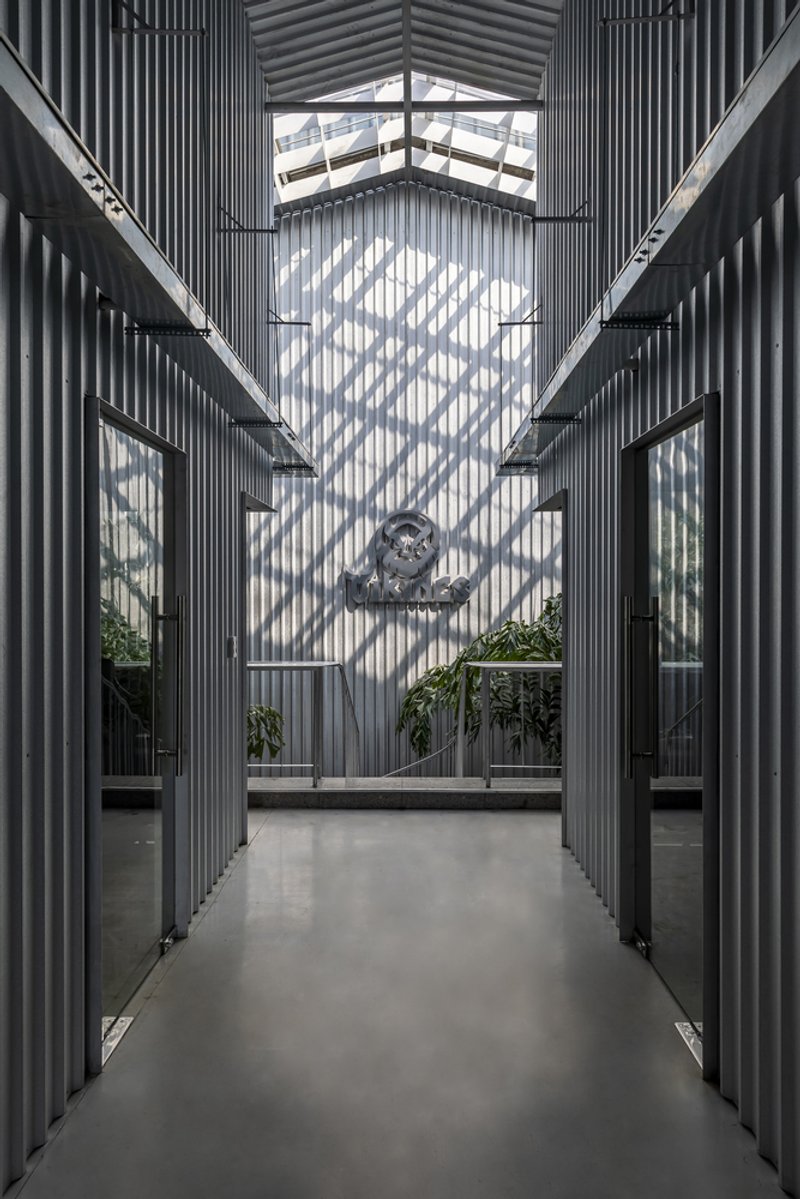
Inside, the program is organized around a bright central activity space. A courtyard separates this main zone from the auxiliary functions, including bathrooms, storage, and technical rooms. This separation introduces natural ventilation and daylight, transforming what was once a dark industrial building into a fresh, energetic environment.
The flexible interior layout allows the space to be rearranged depending on the investor’s needs. With movable furnishings and adaptable infrastructure, Space4Youth can shift seamlessly between work, play, culture, and community engagement.
A New Life for Industrial Heritage
Space4Youth demonstrates how cost-conscious design strategies, environmental intelligence, and adaptive reuse can breathe new life into aging structures. By embracing flexibility, enhancing performance, and creating meaningful public space, 23o5Studio delivers a project that feels youthful, dynamic, and future-ready. The result is not just a building, but a multi-purpose platform for creativity, collaboration, and community.
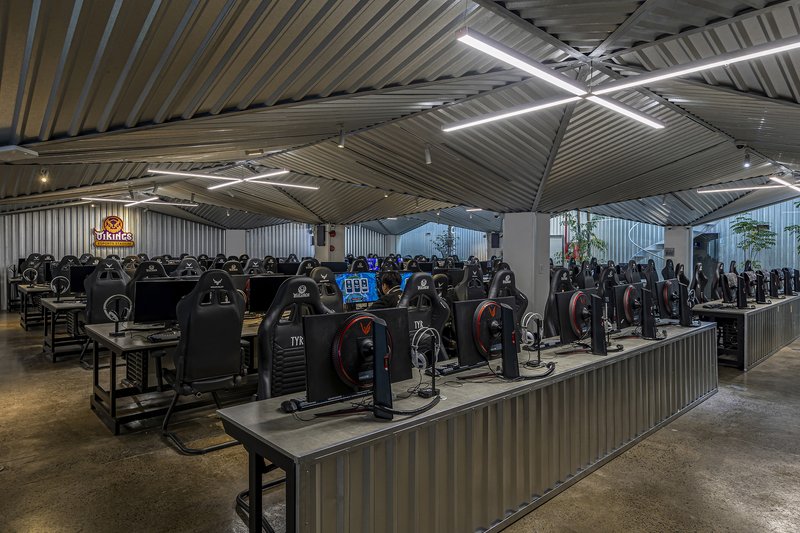
All photographs are works of Paul Phan