STOP-MOTION: Redefining Libraries Through Flow Architecture
A futuristic library concept where urban energy and human thought converge through the language of flow architecture.


In the ever-evolving dialogue of architectural innovation, the project STOP-MOTION stands as a compelling narrative of how libraries can transcend traditional typologies. Designed by Burçin Pelin Kantaş and Oğuz Kağan Erge, this concept was recognized as a Runner-up entry in Libgen 2019, and it explores a bold new vision rooted in the principles of flow architecture.
Rather than viewing the library as a static archive, STOP-MOTION presents it as a space of continuous accumulation—not just of books, but of people, experiences, and urban energy. In this architectural reimagining, flow becomes both medium and message.
Rethinking the Library: From Static Archive to Dynamic Flow
The traditional definition of a library focuses on the storage of knowledge. But in STOP-MOTION, the library is understood as a node in the city’s living network, where physical and intellectual flows intersect and accumulate. This duality—city and library, body and mind, movement and stillness—frames the conceptual heart of the project.
The Fiction of the Void: A Sensory Experience
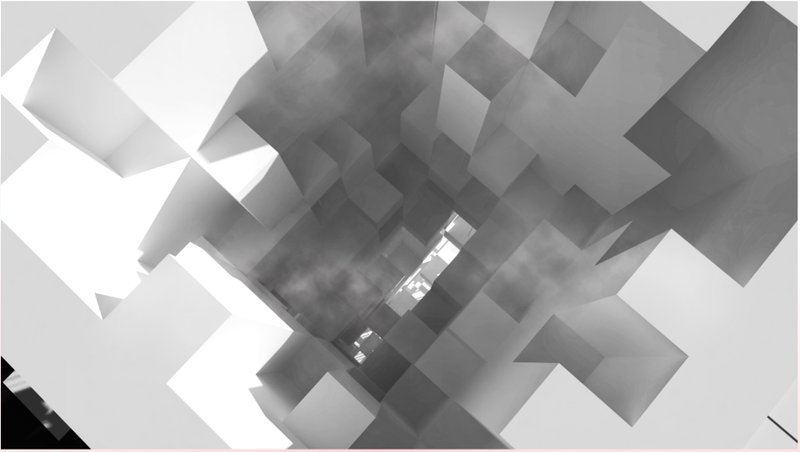
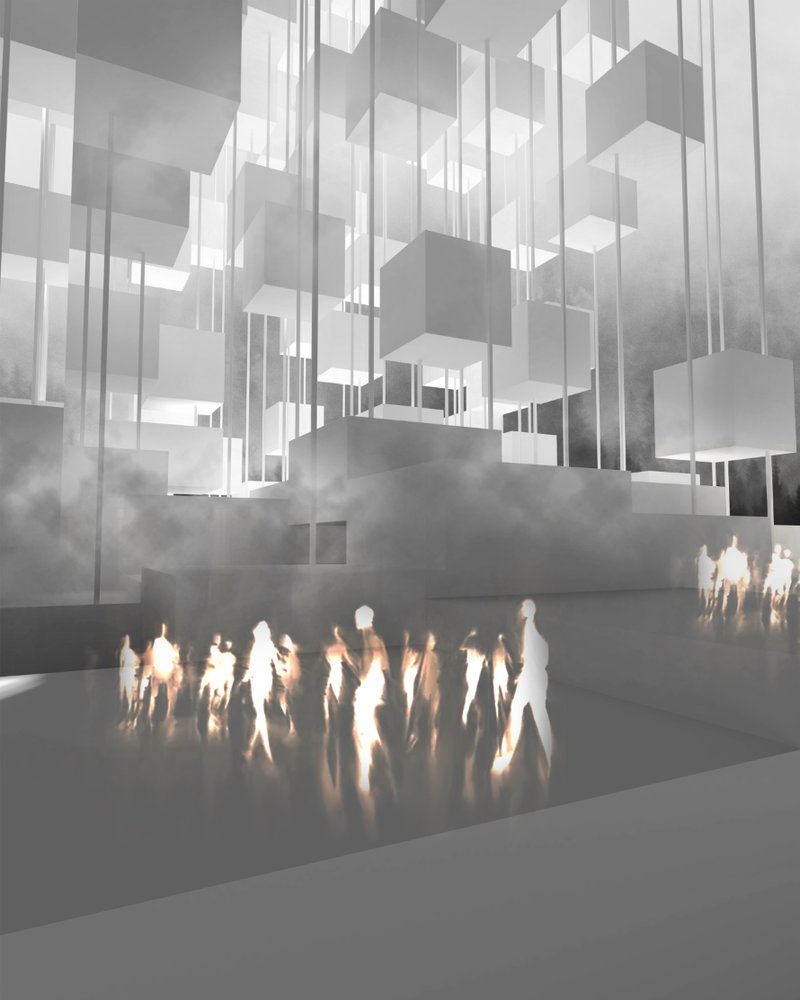
The design explores how humans experience volume. Through the concept of the "fiction of the void," users are encouraged to perceive the emptiness in spaces as sites of intellectual awakening. Fragmented perception—when spaces are divided and motion is constant—encourages physical flow, whereas openness and stillness foster intellectual depth.
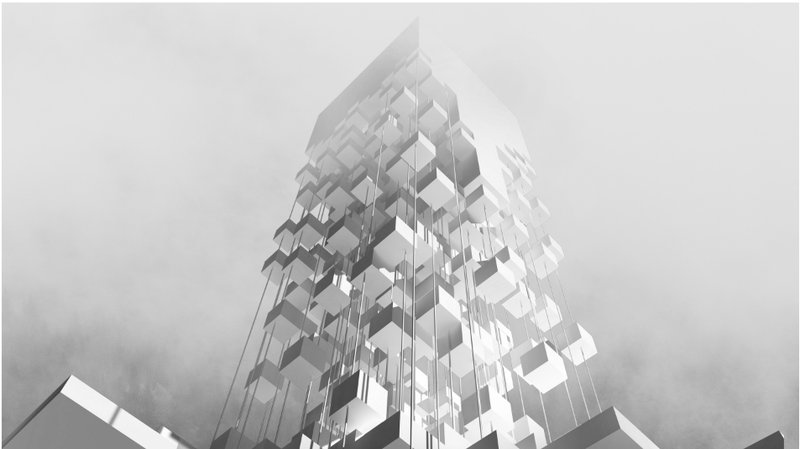
By constructing the library as a tall vertical stack of modular experiences, each fragmented volume becomes an invitation to pause, reflect, and engage, mirroring how the city operates in pulses and nodes.
Components of Design: A Modular Landscape of Thought and Action
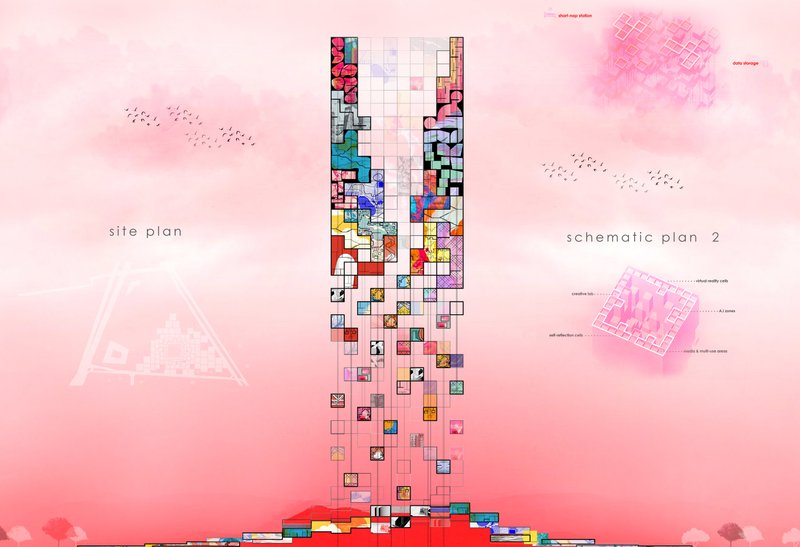
The library is not organized as a single-use space but as a collage of diversified zones—from VR rooms and creative labs to collaborative hubs and short-nap stations. These modules interface with each other across a vertical grid, representing how intellectual activities can coexist with urban dynamics. The design effectively translates urban movement into architectural structure.
This spatial fiction operates at the threshold between thinking and acting. The physicality of the structure encourages interaction, while the intellectual layout invites contemplation. It’s architecture as choreography—a symphony of flows.
A Library Embedded in Urban DNA
By situating the project as an extension of the city, STOP-MOTION eliminates the traditional boundary between public and institutional space. The lower levels simulate the city floor with interactive, high-traffic zones, while the upper regions transition into quieter, cerebral spaces. This layered verticality emulates the daily rhythm of urban life.
In its architectural language, STOP-MOTION articulates a library not just as a container of knowledge but as a conductor of experience, enabled through the guiding principle of flow architecture.
Project CreditsSTOP-MOTIONDesigners: Burçin Pelin Kantaş, Oğuz Kağan ErgeRunner-up, Libgen 2019