
Sustainable Architectural Design: Daya Bay Nuclear Power Science and Technology Museum
This article explores the Daya Bay Nuclear Power Science and Technology Museum's sustainable architectural design in harmony with its historical and natural context.


In the realm of modern architecture, sustainability has become a paramount concern. The Daya Bay Nuclear Power Science and Technology Museum, crafted by E+UV Architecture and Huayi Design, exemplifies how architectural projects can embrace sustainability while serving educational and community purposes.


The Concept Behind the Museum's Design
Harmonizing with History and Nature
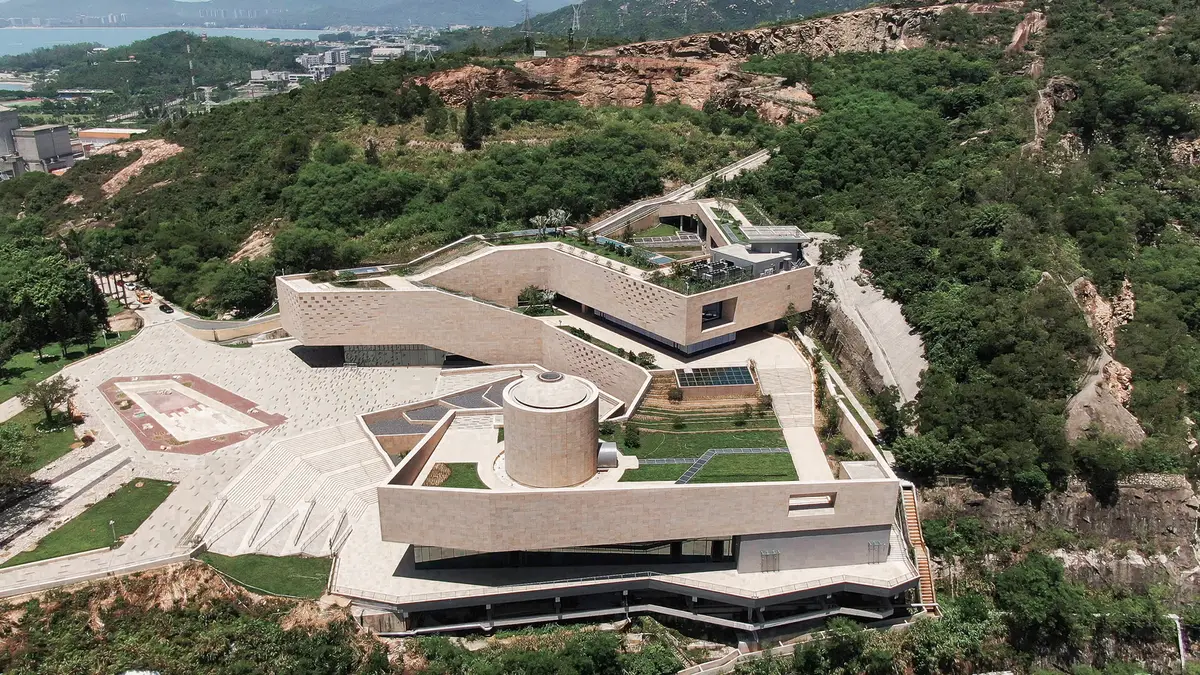
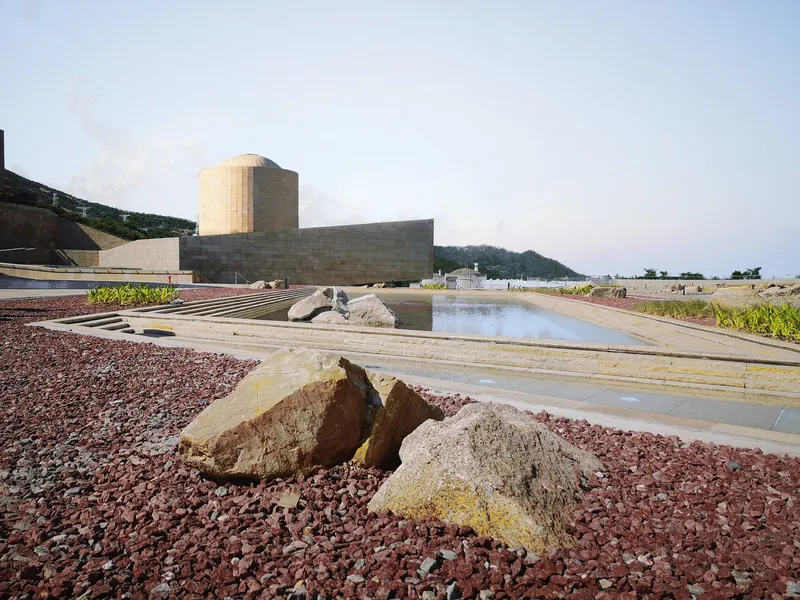
The museum is situated in Shenzhen, China, on a site rich in both historical and geological significance. Its design pays homage to the area's history of nuclear power development and its natural granite bedrock foundation. This approach reflects a deep respect for the site's past and a commitment to sustainable design principles.


Integrating the Building with the Mountain
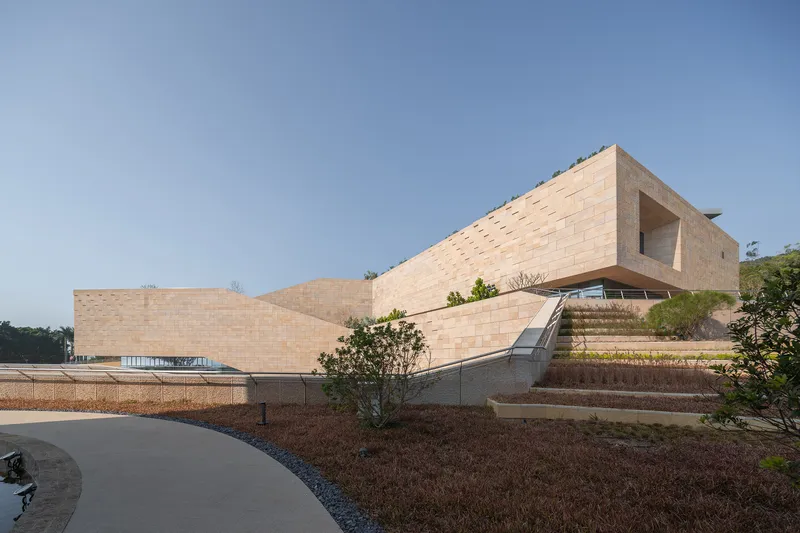
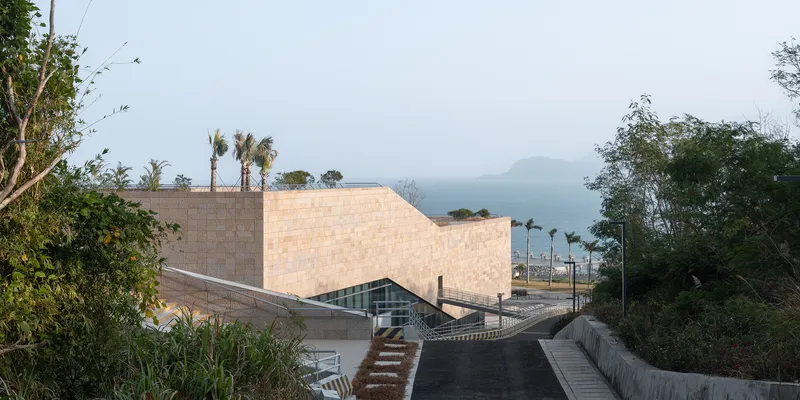
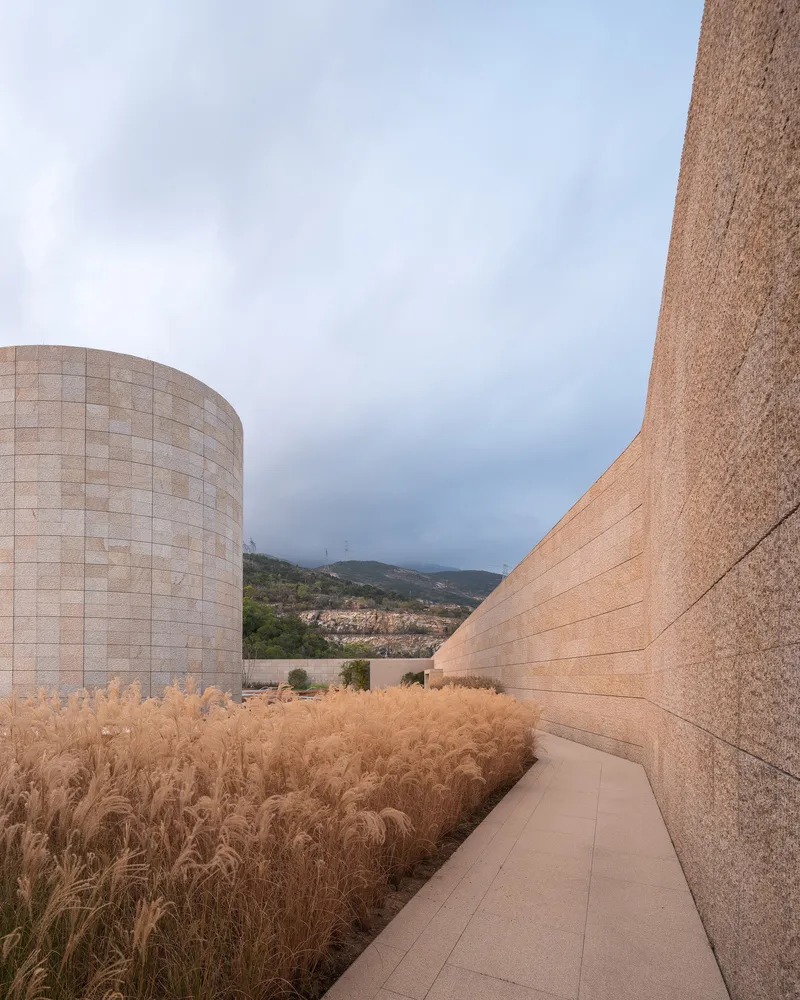
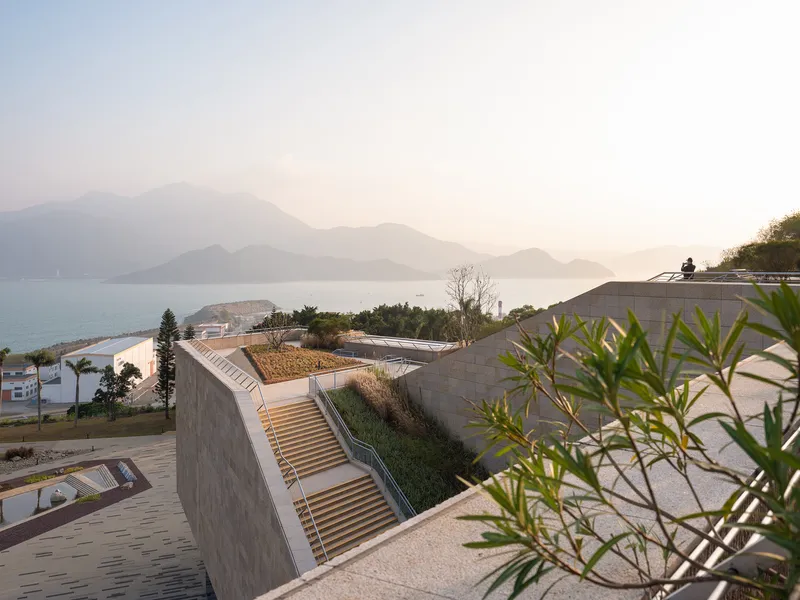
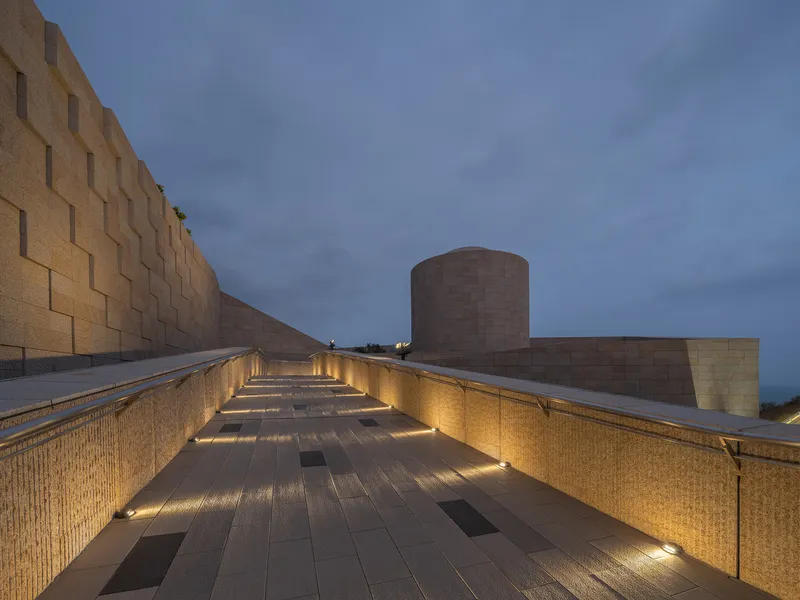
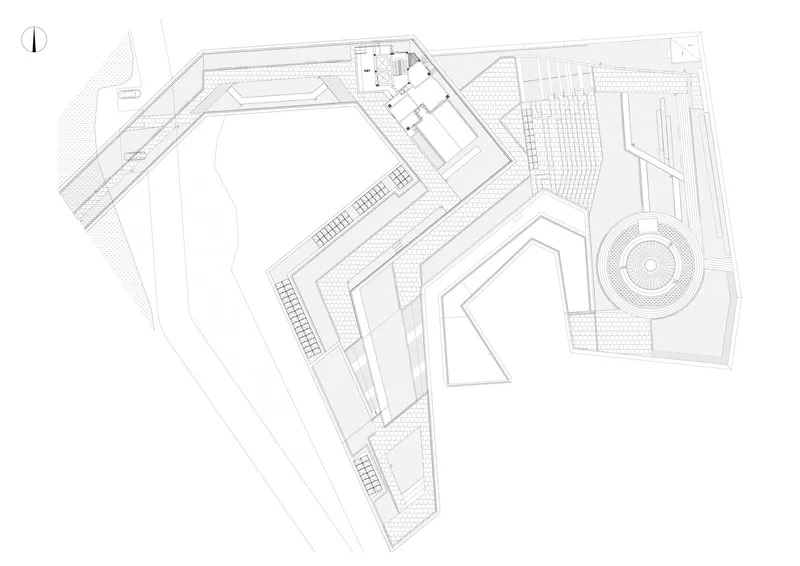
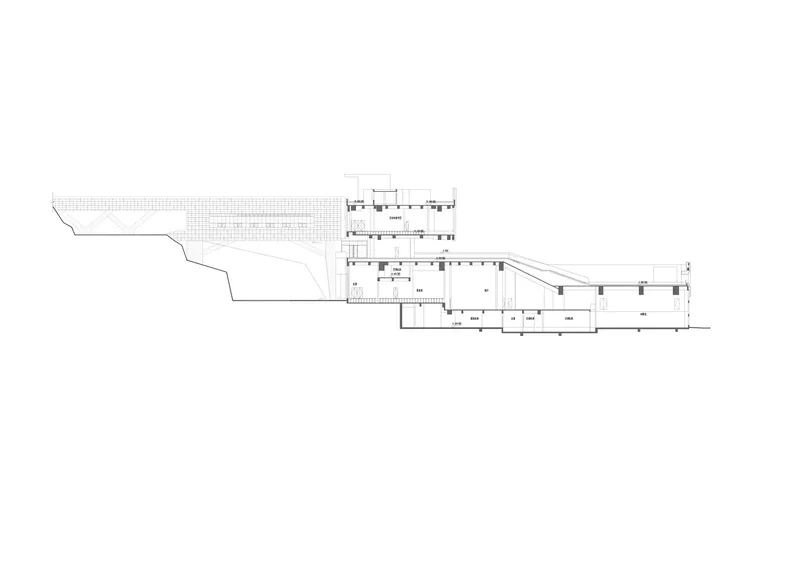
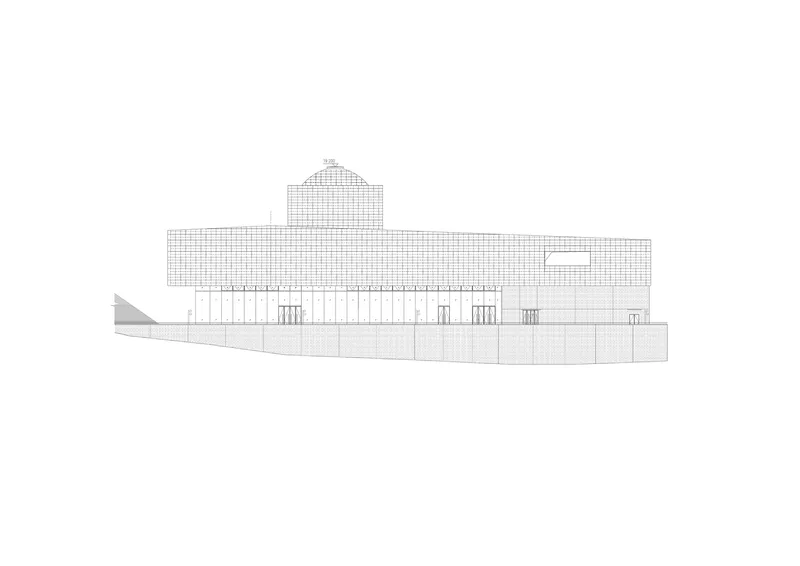
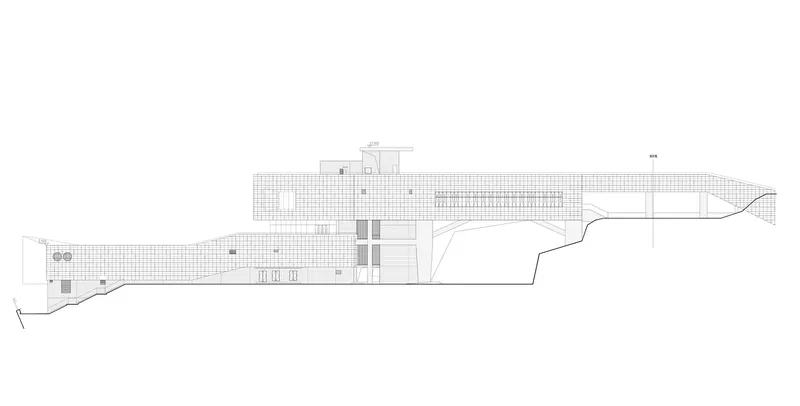
One of the museum's standout features is its integration into the surrounding mountainous landscape. This design choice minimizes the visual impact on the environment and exemplifies sustainable architectural practices by blending the structure with its natural setting, rather than imposing upon it.



Key Features of Sustainable Design
Utilizing Local Materials
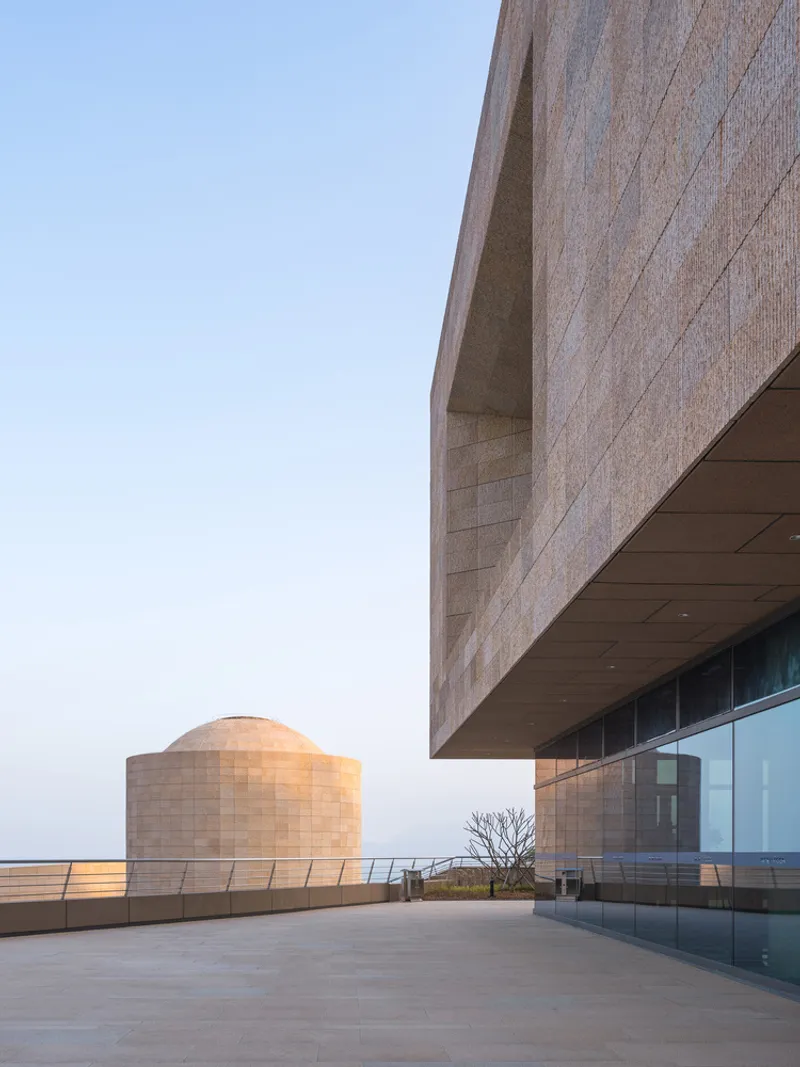
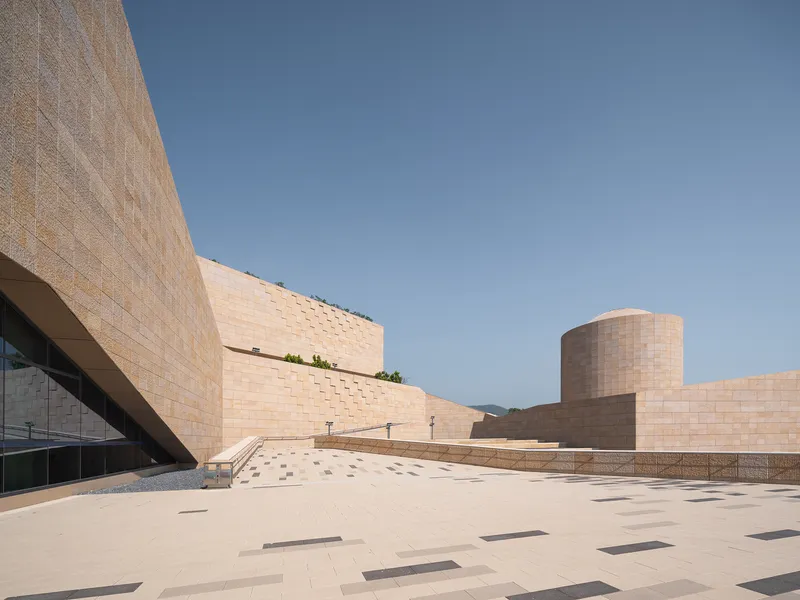
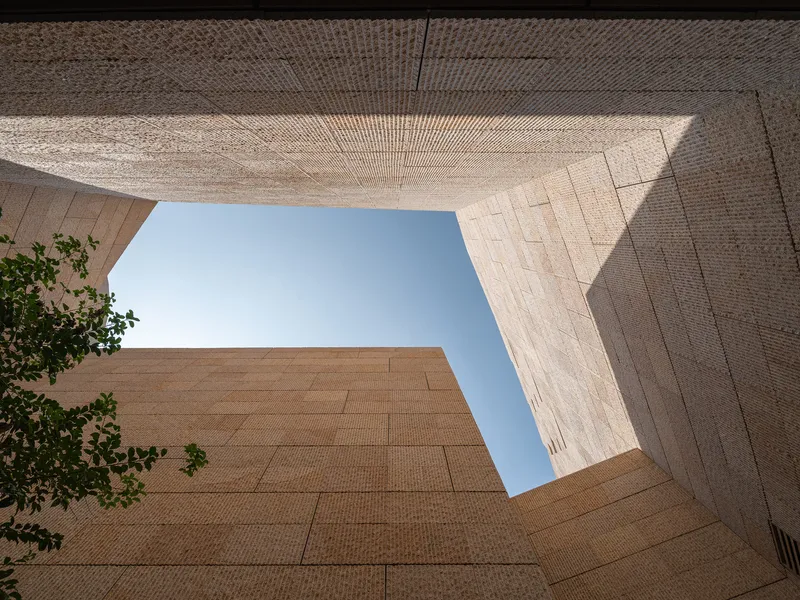
The façade of the museum is constructed from local granite, chosen for its durability and natural appearance. This decision supports local economies and reduces the carbon footprint associated with transporting materials over long distances.


Energy Efficiency and Environmental Harmony
The museum's layout and structure are meticulously planned to optimize natural lighting and ventilation, reducing the need for artificial lighting and air conditioning. The entrance plaza and rooftop garden, featuring indigenous plants and a preserved banyan tree, symbolize the project's commitment to environmental sustainability.


The Role of the Museum in Promoting Nuclear Energy
Education and Transparency
As a hub for science and technology education, the museum plays a crucial role in informing the public about the benefits and safety of nuclear energy. Its design embodies the principles of openness and transparency, inviting visitors to explore and learn about sustainable energy solutions.


A Symbol of Sustainable Progress
The museum not only educates but also serves as a symbol of China's commitment to using nuclear energy as a means to address climate change. Its architectural design reinforces the message that technological advancement and environmental stewardship can go hand in hand.



The Future of Sustainable Architecture
The Daya Bay Nuclear Power Science and Technology Museum stands as a beacon of sustainable architectural design. It demonstrates how buildings can respect and enhance their natural surroundings, support educational goals, and promote sustainability. As we look toward the future, the principles exemplified by this project will undoubtedly influence the next generation of architects to create spaces that honor our planet and its history.


All the photographs are work of Zhengyong Liu, Fu Li, Ye Fan, Chao Zhang


Popular Articles
Popular articles from the community


Little Red Riding Hood: Architectural Design as a Journey Through Fear, Light, and Storytelling
Little Red Riding Hood reimagines the fairy tale through architectural design shaped by fear, light, scale, memory, uncertainty, and choice.

Co-Life: Senior Housing Design That Reconnects Older Adults With the City
Co-Life reimagines senior housing design through healing gardens, shared streets, workshops, and a sustainable community across generations.

The Musturak Paradise: Senior Living Architecture for a Connected Future in Temara, Morocco
The Musturak Paradise reimagines senior living architecture in Temara via private homes, social spaces, culture, community, and shared care.

Hill & Cross Opera: Sculptural Opera House Architecture Shaped by Tallinn’s Landscape and Identity
Hill & Cross Opera reimagines opera house architecture in Tallinn through its sculptural hill, civic plaza, glass wave and a luminous cross.

Similar Reads
You might also enjoy these articles


Hodi-Mandai Geram
Project Function: Preservation and revitalization of the Intangible heritage and socio-spatial identity of the Hodi by Housing, Cultural Memory Center, Sacred Grove, landscape, local tourism economy


Olio Towers: A Mid-Rise for Performers That Fuses Housing, Rehearsal, and Stage
Located blocks from Houston's Theater District, this modular tower stacks living units around a central performance atrium.

Oasis: Modular Green Housing Carved into Dhaka's Urban Fabric
A shortlisted Plugin Housing entry reclaims unauthorized settlements in Dhaka with stepped concrete volumes, green roofs, and ventilation-driven design.

Black Hole: A Floating Megastructure for the Post-Physical Era
Emiliano Mazzarotto envisions a spherical, self-scaling arena where e-sports, digital hotels, and holographic stadiums replace traditional public space.

Explore Architecture Competitions
Discover active competitions in this discipline

Challenge to reimagine the Iron Throne

Photograph architecture without architects

Illustrate the lost glory of Angkor Wat - Render Challenge

Design challenge to reuse E-waste
Comments (0)
Please login or sign up to add comments
No comments yet. Be the first to comment!