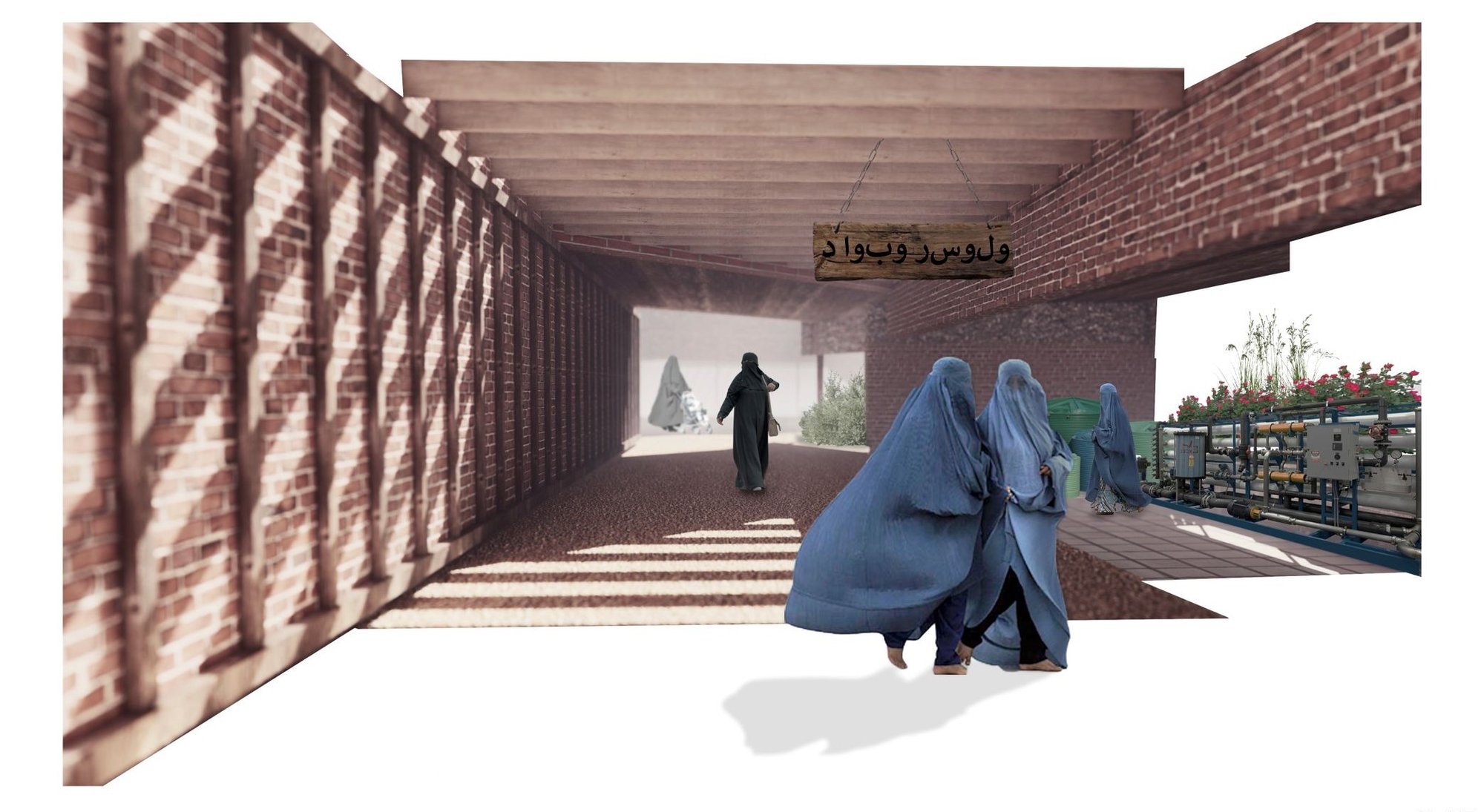
Sustainable Architecture for Communities: Empowering Women and Rebuilding Diaspora
Pioneering Sustainable Communities through Architecture, A Closer Look at the "A Women's World" Project


"A Women's World," an inspiring project by Jacob Darowski, epitomizes the transformative role of architecture in fostering community, education, and empowerment. Shortlisted in the Resile competition, this project transcends the traditional scope of architecture, serving as a beacon of hope and a new living paradigm for families recovering from displacement. Drawing inspiration from Maslow's hierarchy of needs, it charts a journey from survival to self-actualization through innovative design. With a focus on women's empowerment and education, the project's narrative unfolds through a series of images—from early concepts to detailed site plans—each highlighting the growth and resilience of the community, and culminating in serene green spaces that nurture both the heart and mind.
TL;DR
Project Type: Houses, Empowerment, Community
Location: Kandahar, Afghanistan
Architect: Jacob Darowski
Site Area: 23,508 sq. m.
Site Coordinates: 31°37'16.8"N 65°49'58.6"E.
FAR (Floor Area Ratio): 1.
Ground Coverage: 30%.
Height Restriction: 10m.
Competition Year: 2020.
Visuals and Renderings: A series of images detailing the project from conceptualization to detailed site plans..
Key Features:
- Sustainability: Use of local materials and Afghan traditional building techniques, emphasis on ecological consciousness and sustainable living.
- Empowerment and Education: Design focused on women's empowerment and educational facilities, fostering a community of learning and growth.
- Community Design: Creation of communal spaces like libraries and gardens to encourage social interaction and community bonding.
- Cultural Sensitivity: Integration of cultural heritage in modern architectural design.
- Green Space Integration: Inclusion of natural elements and green spaces within the urban design for mental well-being and environmental harmony.
- Psychological Rehabilitation: Architectural design aiding in the psychological healing process, especially important in post-conflict contexts.
Embracing Cultural Roots and Forward-Thinking Design
The project transcends traditional architectural projects, presenting itself as a visionary blueprint where women are at the forefront of shaping their communities. This project seamlessly weaves sustainable community design with the rich tapestry of Afghan traditional building techniques, paying homage to cultural heritage while laying foundations for a brighter future. Central to its philosophy is the focus on psychological healing, where architectural design plays a pivotal role in guiding the community from the shadows of conflict to the light of peace. At the heart of this endeavor lies the empowerment through education, with spaces dedicated to learning and growth, ensuring that women's empowerment is not just a concept but a lived reality, pivotal for their long-term independence and strength.
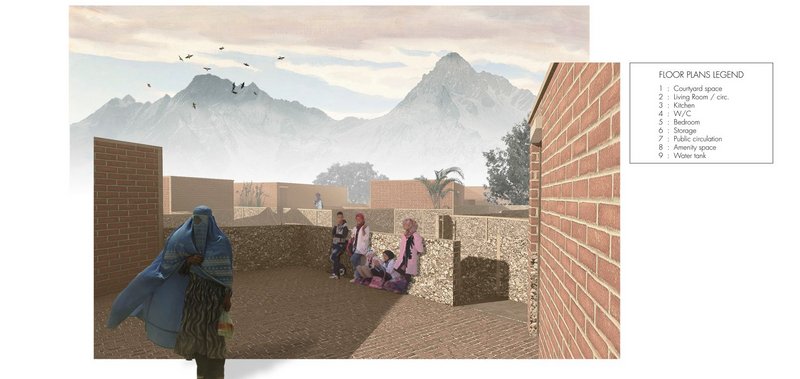
The Harmony of Function and Aesthetics in Community Settlements
The architecture of "A Women's World" is a symphony of space, sustainability, and social synergy, where every corner is crafted with intention:
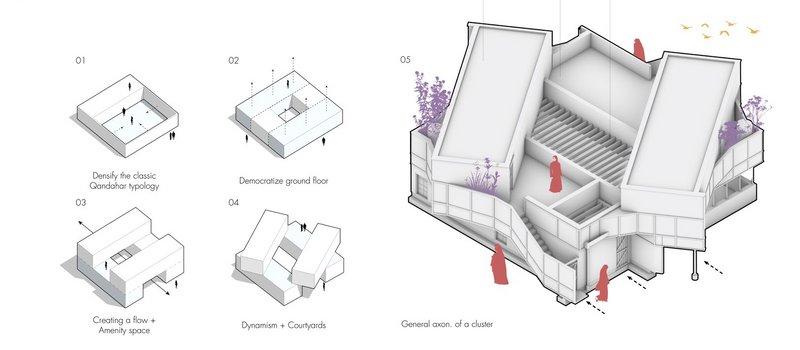
- Living Quarters: Homes are designed not just for shelter but as sanctuaries that foster community bonding and individual privacy, reinforcing the dignity of every resident.
- The Heart: The Library: A central hub for learning and interaction, the library is a dynamic space that facilitates the sharing of knowledge and cultural exchange.
- Green Integration: The project beautifully weaves green spaces into its urban fabric, creating pockets of nature that serve as both communal gardens and personal retreats.
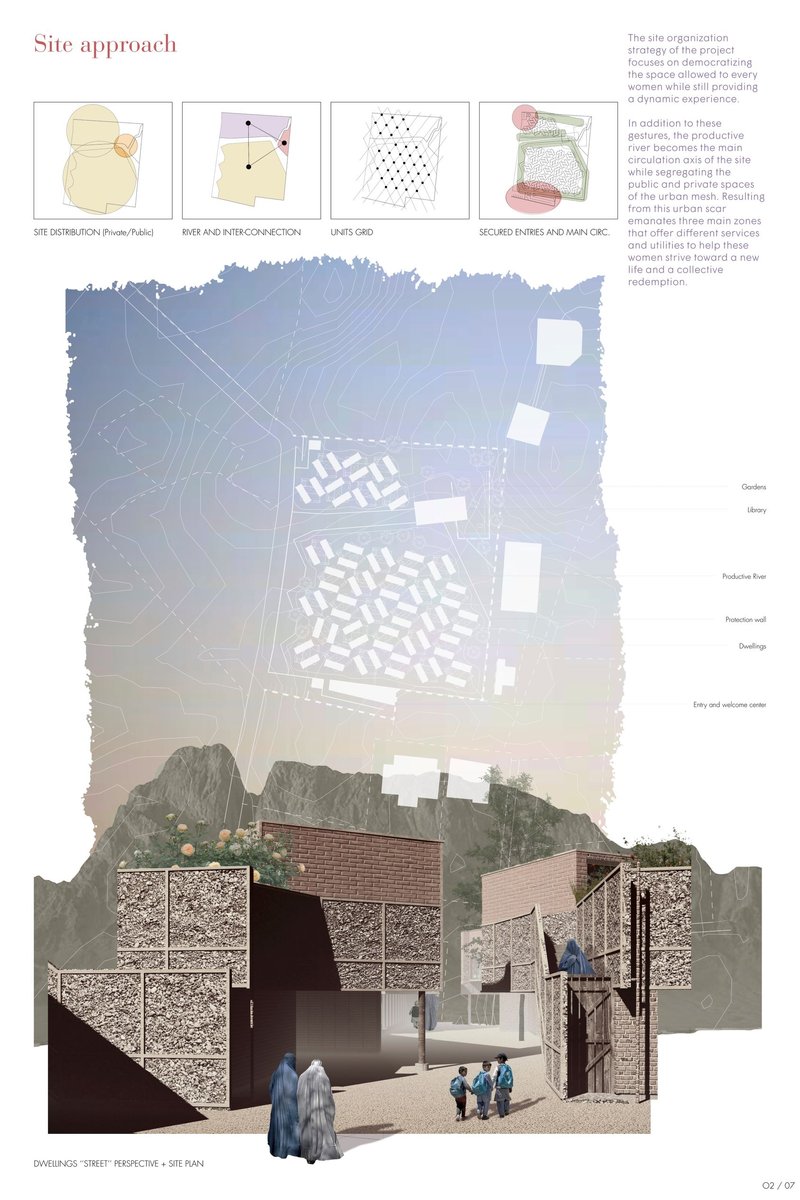
Building Resilience: The Fabric of the Community
The resilience of "A Women's World" is woven into its very structure, embodying sustainable architecture for communities at every level. Using local materials and construction methods not only minimizes the ecological footprint but also builds self-reliance within the community. The design strategically includes educational facilities, ensuring that women and children have the resources to shape their future. Carefully planned communal areas foster a sense of belonging, essential for the psychological well-being and collective strength of the residents.
Enabling Independence through Design
The project empowers its residents by providing more than just housing; it offers tools for self-sustenance and autonomy. The settlement is designed to encourage the learning of new skills, promoting economic independence and community resilience. Spaces for reflection and community support are integral to the design, facilitating healing from trauma and fostering social bonds. From water management to energy efficiency, the project's infrastructure is built to ensure long-term sustainability and growth.
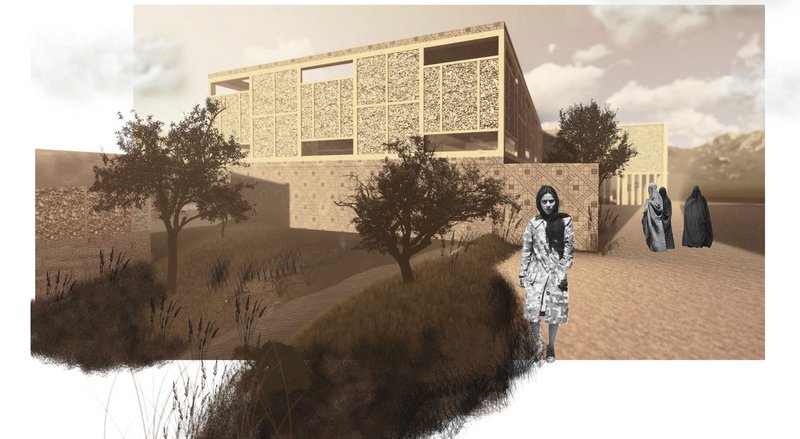
Spaces That Connect and Heal
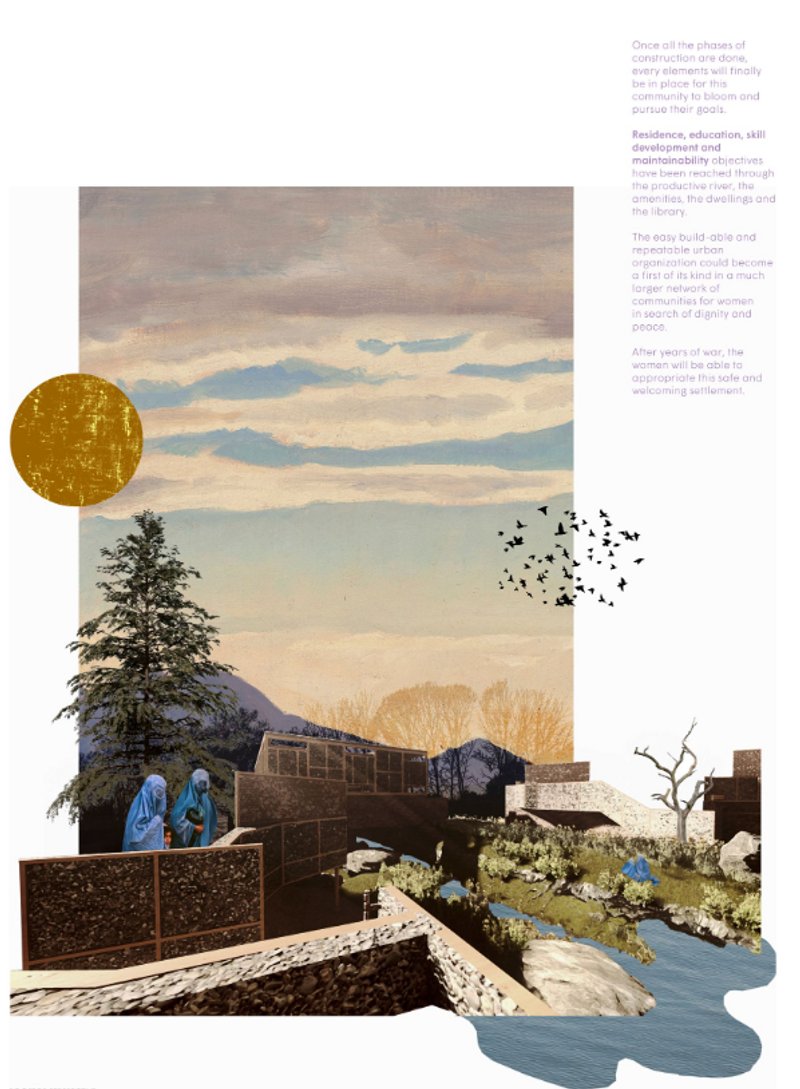
At the heart of "A Women's World" project lies a deep understanding of the power of spaces in healing and uniting communities. Every aspect of the settlement respects and reflects the cultural heritage of its inhabitants. Integrating green spaces and natural elements promotes mental well-being and connects residents with their environment. From communal kitchens to shared gardens, the design facilitates social interactions, fostering a supportive and interconnected community.
A New Paradigm in Architectural Design
This project represents a new paradigm in designing spaces that heal, empower, and elevate. This project transcends traditional architectural boundaries, serving as a model for how design can actively contribute to social change and community healing. The settlement stands as a beacon of hope for women, offering a blueprint for similar initiatives worldwide, fostering peace and empowerment in post-conflict societies. It sets a precedent for future projects, demonstrating how sustainable, culturally sensitive, and empowering architecture can shape the future of communities.
We invite our readers to explore more about "A Women's World," the Resile competition, and the role of sustainable architecture in community development. Share your thoughts and join the conversation about how architecture can be a force for positive change in our societies.
References (4)