

Sustainable Community Architecture in India: A Case Study of Nokha Village Community Centre
Exploring the Nokha Village Community Centre by Sanjay Puri Architects, a model of sustainable community architecture in India's Rajasthan.


In the heart of Rajasthan, India, a pioneering example of sustainable community architecture unfolds through the Nokha Village Community Centre, designed by the renowned Sanjay Puri Architects. This project exemplifies how architectural innovation can meet community needs while embracing sustainability and local heritage. This case study highlights the remarkable features of the Nokha Village Community Centre, offering insights into the future of sustainable architecture in India.

The Vision Behind Nokha Village Community Centre
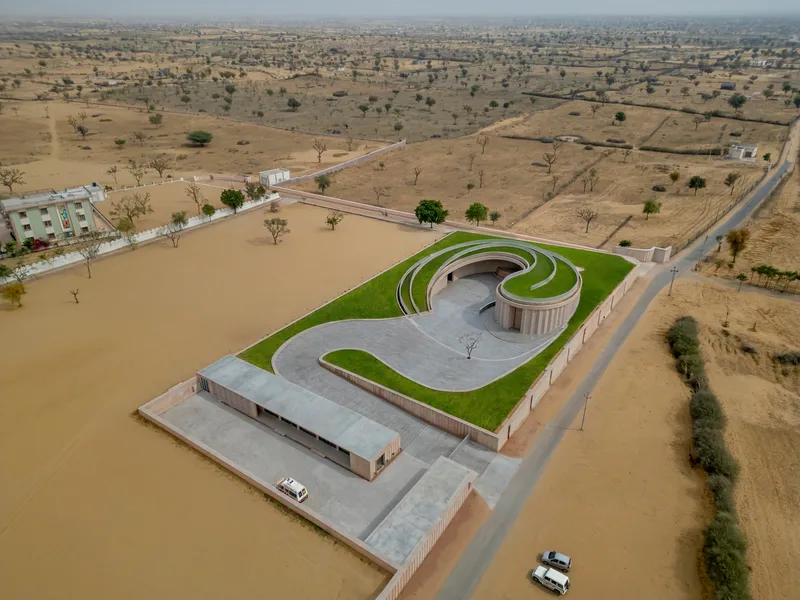
The Nokha Village Community Centre was conceived as a memorial by the clients to honor their father, Padmaramji Kularia. Situated in the desert region of Nokha, which comprises 144 small villages, this project addresses the critical need for communal spaces that cater to all age groups. The architects were tasked with creating a space that not only serves the community's immediate needs but also stands as a testament to sustainable and climate-responsive design.

Architectural Design and Sustainability Features
The Innovative Spiral Design
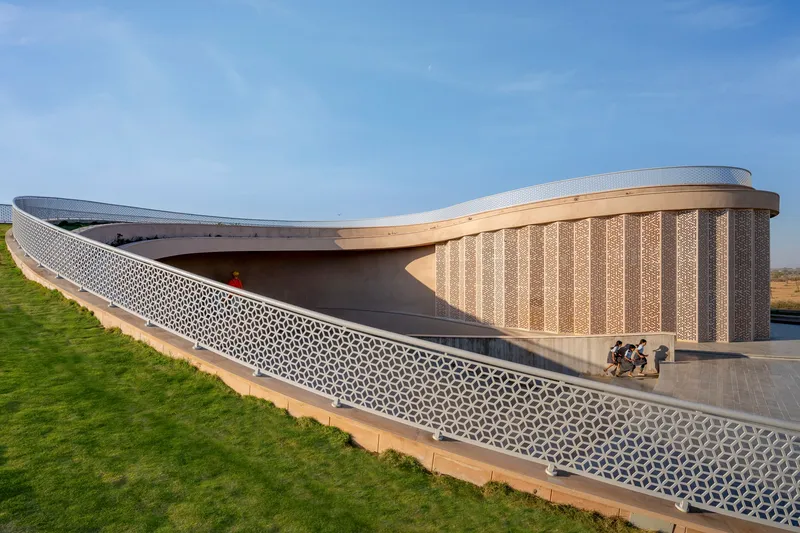
At the core of the Centre's design is a 9,000 square foot spiral structure that majestically rises to form an inclined garden. This unique design facilitates recreational activities and gatherings, offering panoramic views of the desert landscape. The spiral's two varying slopes make the rooftop garden an accessible and vibrant space for the community.


Embracing Local Climate and Materials
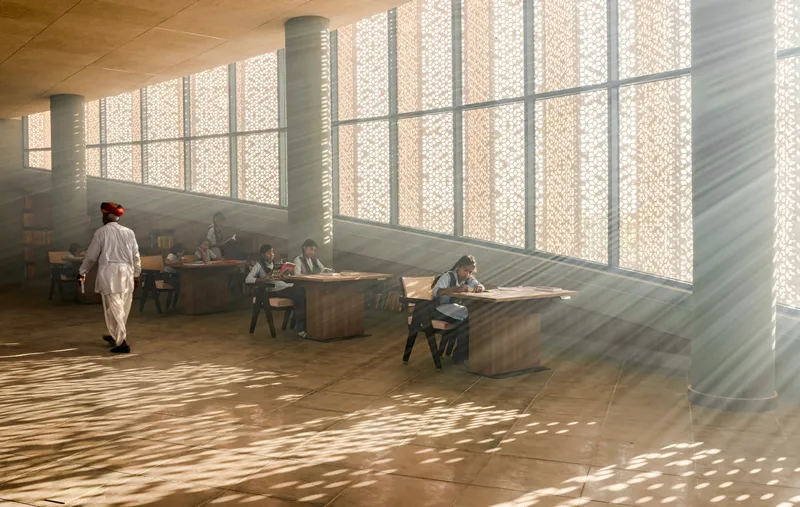
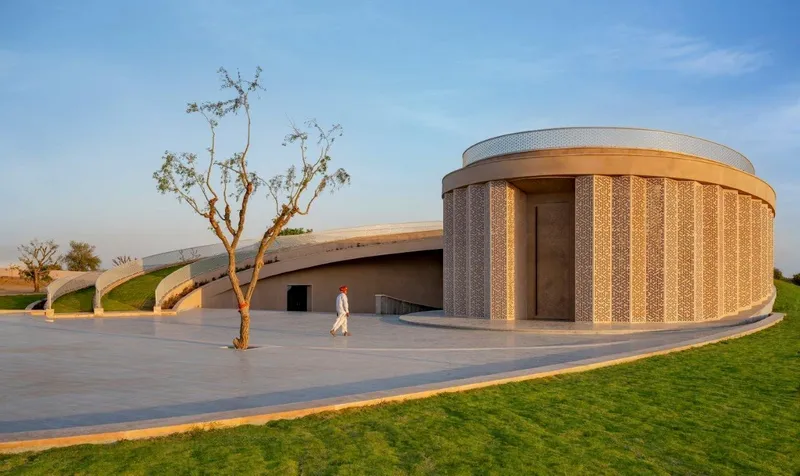
One of the Centre's hallmark sustainability features is its grass-covered earth berm on the southern side, designed to mitigate heat gain typical of the desert climate where temperatures soar between 35 to 40°C for most of the year. Additionally, the building incorporates natural sandstone screens, a nod to Rajasthan's traditional architecture. These screens are not only aesthetically pleasing but also functional, reducing heat gain and creating dynamic shadow patterns throughout the day.


Community Impact and Spaces
Library and Museum: Hubs of Learning and Culture
Beneath the innovative rooftop garden lies a dual-purpose space housing a small museum and a children's digital library. The library, in particular, stands as a beacon of education for the region, serving schools that lack their own library facilities. The museum and library are ingeniously lit through scooped recesses in the garden berms, ensuring a connection with the natural surroundings.


Open Courtyard and Amphitheater: Spaces for Social Interaction
The design strategically includes an open north-facing courtyard and an amphitheater, fostering an environment for music performances, talks, and community gatherings. This outdoor space enhances the Centre's role as a communal hub, inviting engagement and interaction among villagers.


Sustainability Practices and Construction
The Nokha Village Community Centre is a model of sustainable construction, employing rainwater harvesting and water recycling to minimize its environmental footprint. The project's commitment to using local craftsmen and materials underscores the importance of community involvement and sustainability in architecture. The Centre's energy-efficient design, from the rooftop gardens to the stone screens and grass berm, sets a benchmark for sustainable community architecture in India.


A Model for Future Projects
The Nokha Village Community Centre by Sanjay Puri Architects is more than just a building; it is a living example of how sustainable community architecture can transform lives and landscapes. It showcases the potential of combining traditional materials and modern design to create spaces that are both beautiful and beneficial to the community. As India moves towards a more sustainable future, projects like the Nokha Village Community Centre will undoubtedly play a pivotal role in shaping the direction of architectural practices across the country.
This case study serves as a testament to the power of sustainable community architecture in India, demonstrating that innovative design can coexist harmoniously with traditional values and environmental stewardship.
All the photographs are work of Vinay Panjwani



Popular Articles
Popular articles from the community


The Musturak Paradise: Senior Living Architecture for a Connected Future in Temara, Morocco
The Musturak Paradise reimagines senior living architecture in Temara via private homes, social spaces, culture, community, and shared care.
EW PARK: Sustainable Architecture Reimagines the Future of Urban Parking
EW PARK reimagines city parking as a modular wooden tower combining automation, solar energy, electric mobility, and adaptable urban design.

The Earth Pod: 3D Printed Homes for Resilient Refugee Communities
The Earth Pod reimagines refugee housing through 3D printed homes made from clay, combining resilience, self-sufficiency, and rapid shelter.

Co-life: Sustainable Architecture for Age-Friendly Community Living
Co-life reimagines sustainable architecture for seniors through courtyards, rammed earth, shared gardens, and spaces designed for belonging.

Similar Reads
You might also enjoy these articles

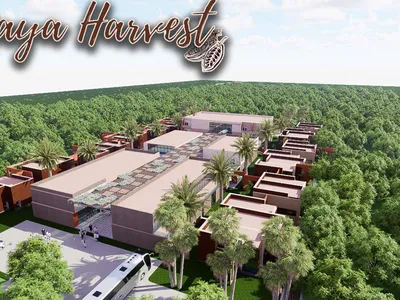
Maya Harvest: A Cacao Resort Village Rooted in Mayan Tradition and Local Craft
Situated within a Tabasco cacao plantation, this shortlisted resort proposal merges vernacular materials with hands-on cultural immersion.
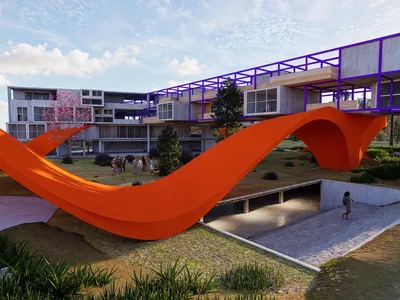
Harmonia: A River-Shaped Community That Grows Over Decades in Boa Vista
Curved pathways and modular grid structures along the Branco River create a phased settlement designed to evolve from 2030 to 2050.
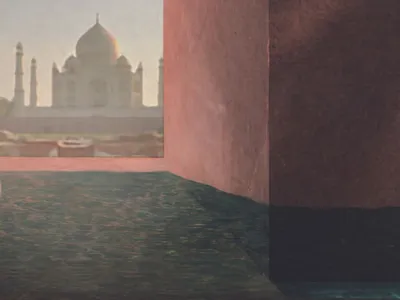
The Architecture of Bathing: A Mughal Hammam Reimagined Across the Yamuna
Charlotte May's honorable mention entry for The Black Taj reinterprets Agra's bathing rituals through red sandstone, water, and framed views of the Taj Mah
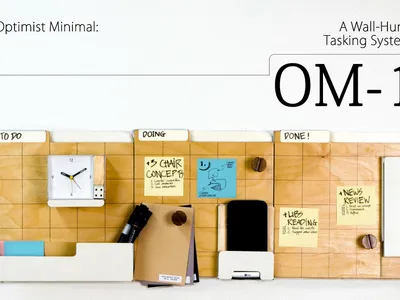
Om-1: A Wall-Hung System That Moves Your Workspace Off the Desk
Modular plywood boards, magnetic pegs, and utility elements migrate clutter from the horizontal surface to the vertical plane.


Explore Cultural Architecture Competitions
Discover active competitions in this discipline



Challenge to reimagine the Iron Throne


Photograph architecture without architects


Illustrate the lost glory of Angkor Wat - Render Challenge


Bring back Drive In's
Comments (0)
Please login or sign up to add comments
No comments yet. Be the first to comment!