Sustainable Marina Landscape Architecture: The Astir Marina by Neiheiser Argyros
Astir Marina showcases sustainable marina design, blending historic topography, green infrastructure, and modern functionality on Vouliagmeni Peninsula.


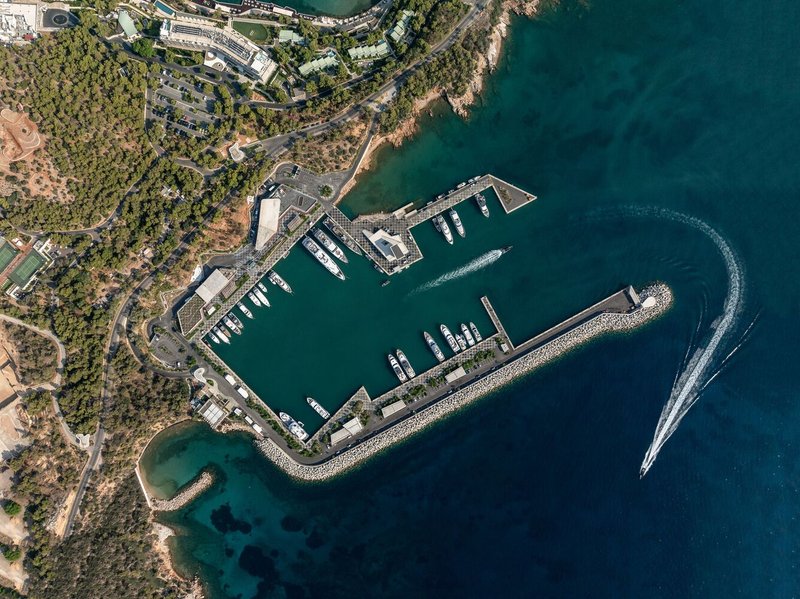
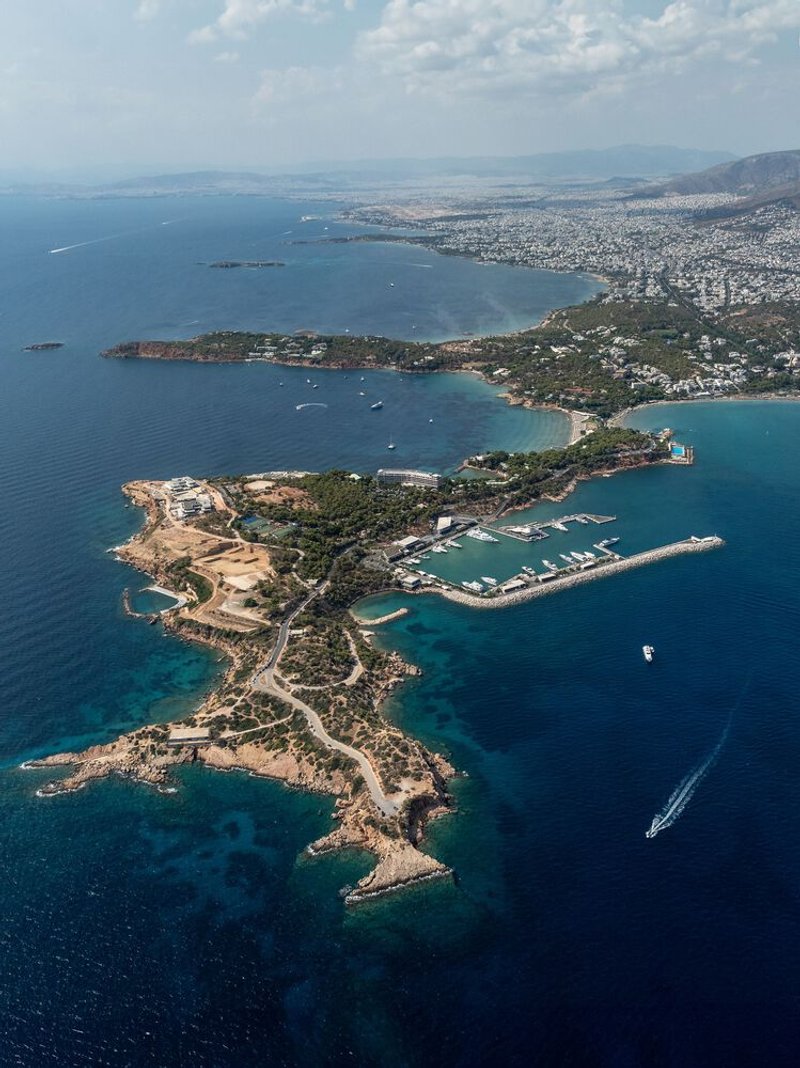
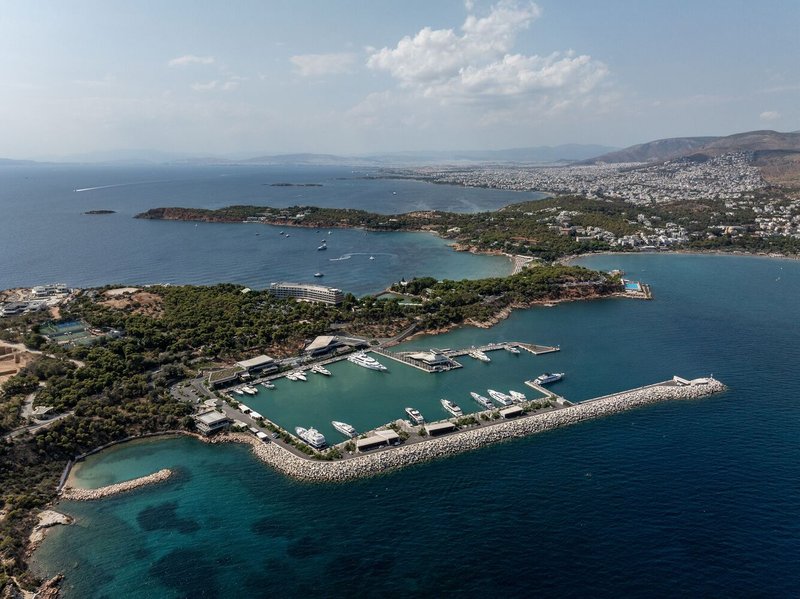
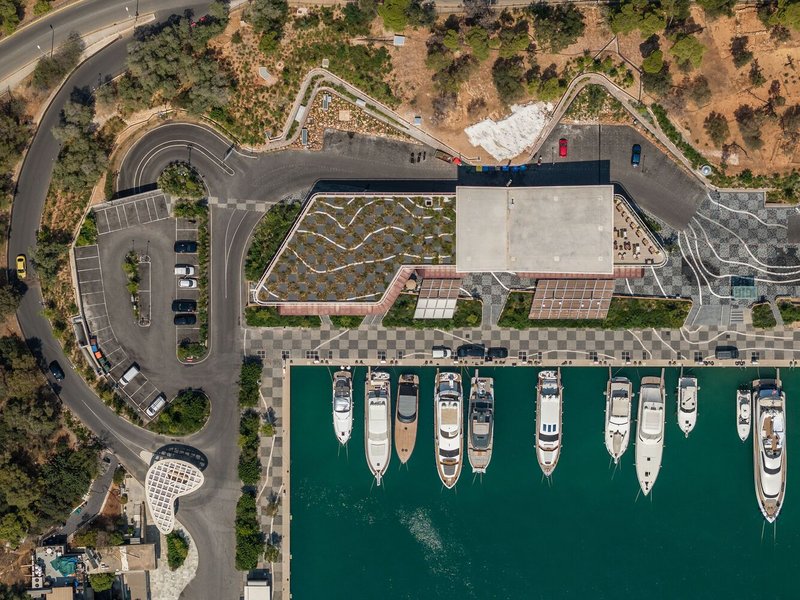
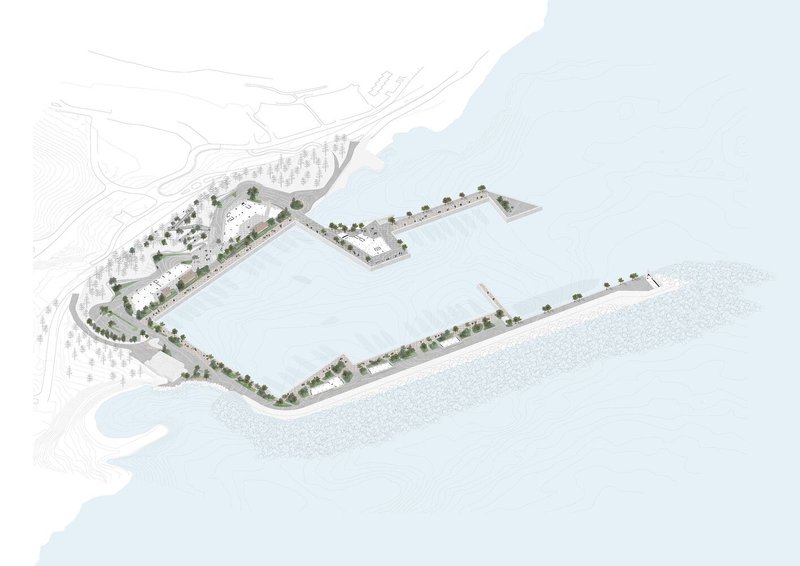
The Astir Marina, designed by Neiheiser Argyros, is a groundbreaking project that reimagines marina landscape architecture through sustainability, innovation, and respect for the environment. Situated on the Vouliagmeni Peninsula along the southern coast of Athens, Greece, the 60,000-square-meter site harmonizes natural and artificial elements. Completed in 2024, the design celebrates the intersection of historic topography, modern functionality, and ecological balance, making it a global destination for luxury, leisure, and environmental consciousness.
Design Concept: From Sea to Land
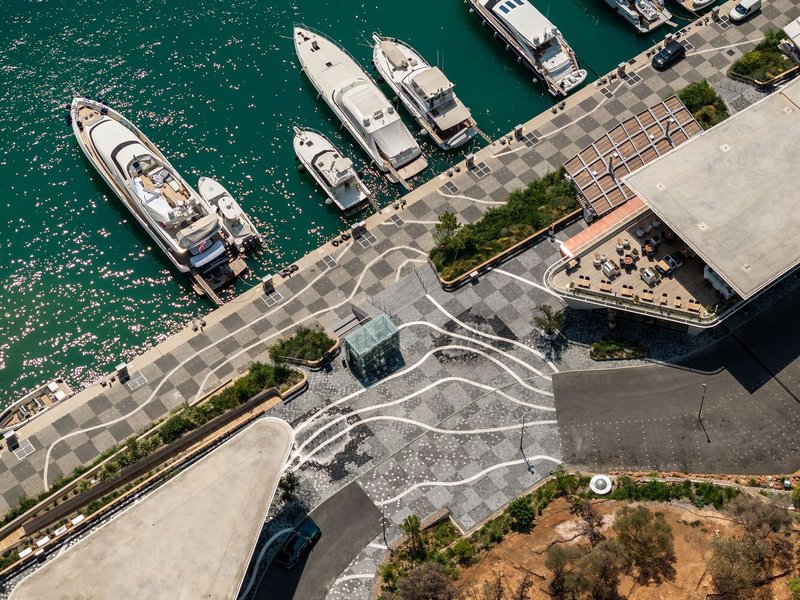
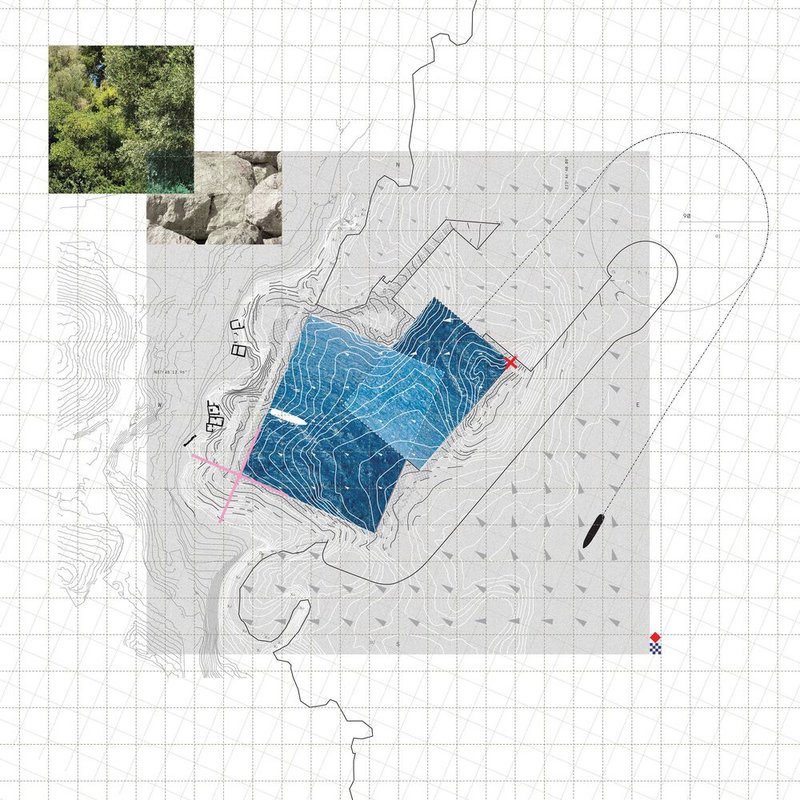
Astir Marina occupies a site that is as much sea as it is land. The project began with the challenge of designing a landscape on engineered ground, extending into the sea. The design draws inspiration from nautical charts and topographic contours, reinterpreting the site’s geography both above and below the waterline. These elements are reflected in the marina’s layout, where elevation marks, wind vectors, and gradients inform the hardscape and softscape design.
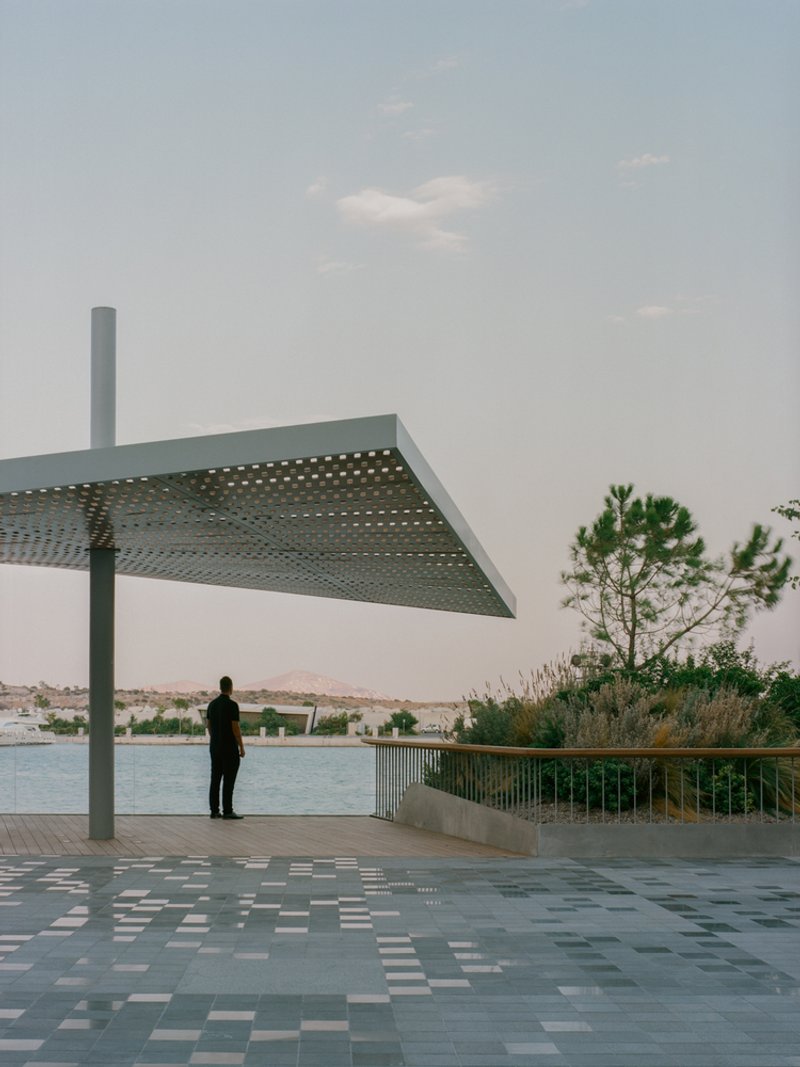
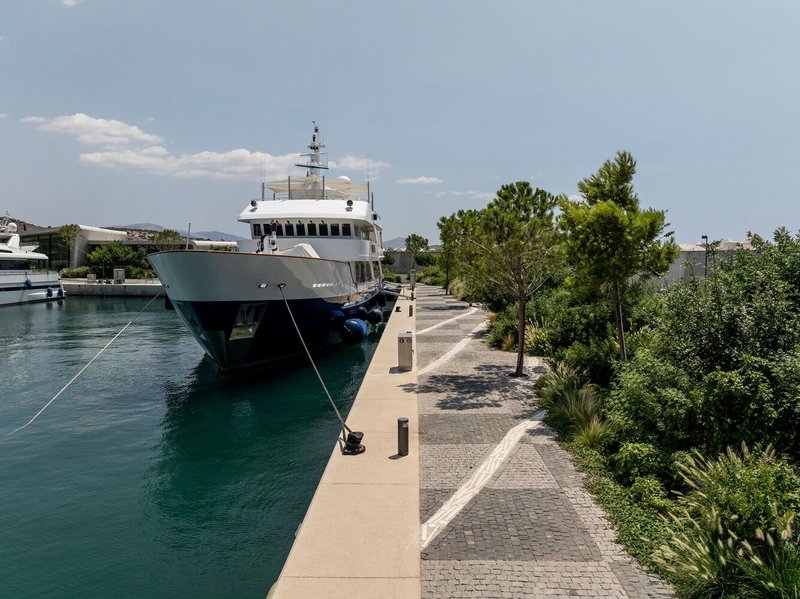
The architects also studied the geographic history of the site, using old aerial scans from World War II to uncover its original form—beaches, coves, and islands. By overlaying historic contours onto the marina's engineered outline, the project bridges the past and present, narrating the geological and ecological story of Vouliagmeni.
The Orienting Grid
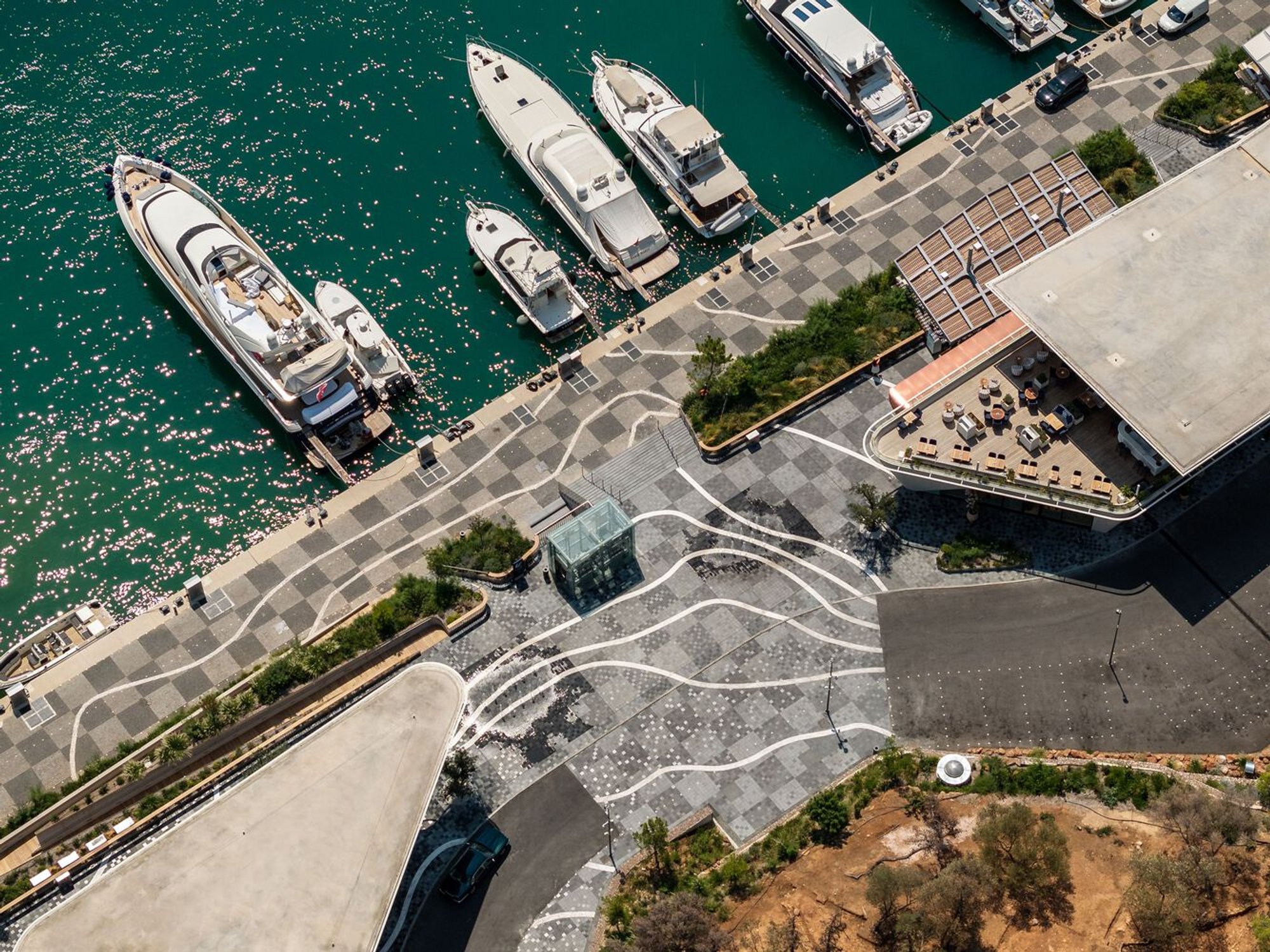
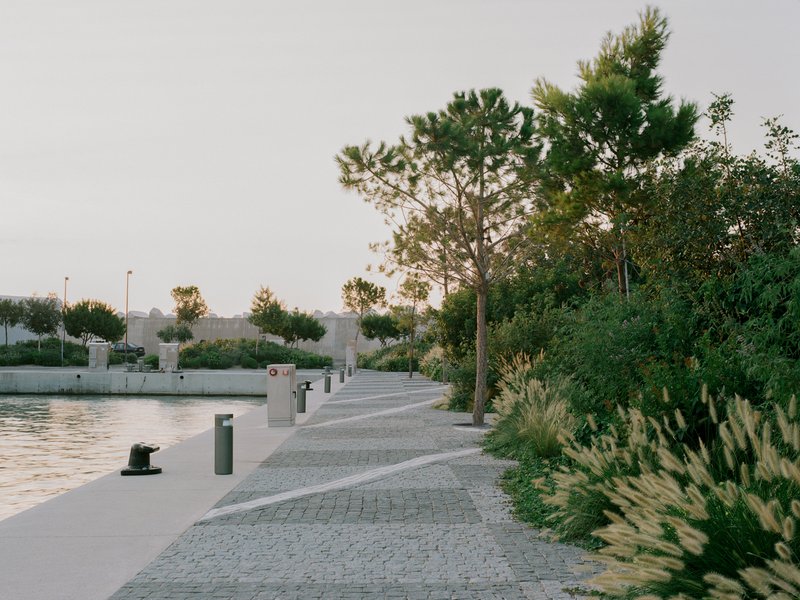
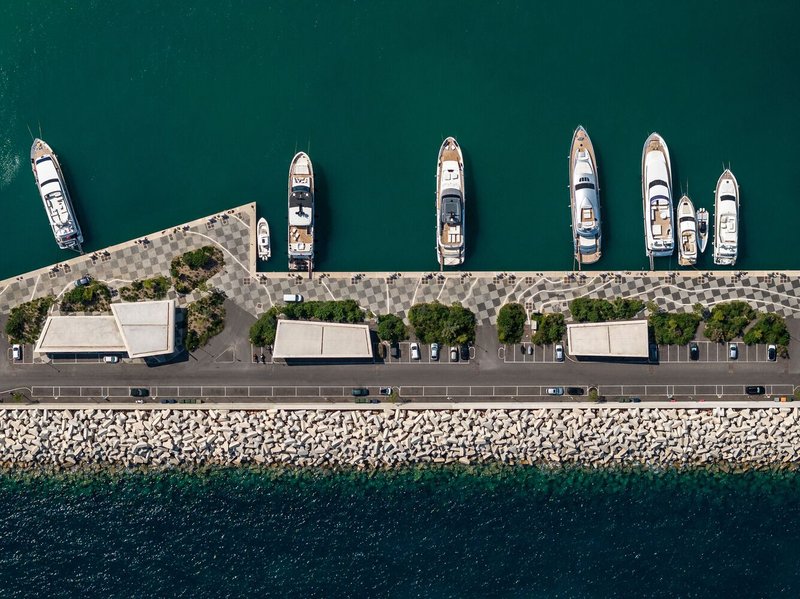
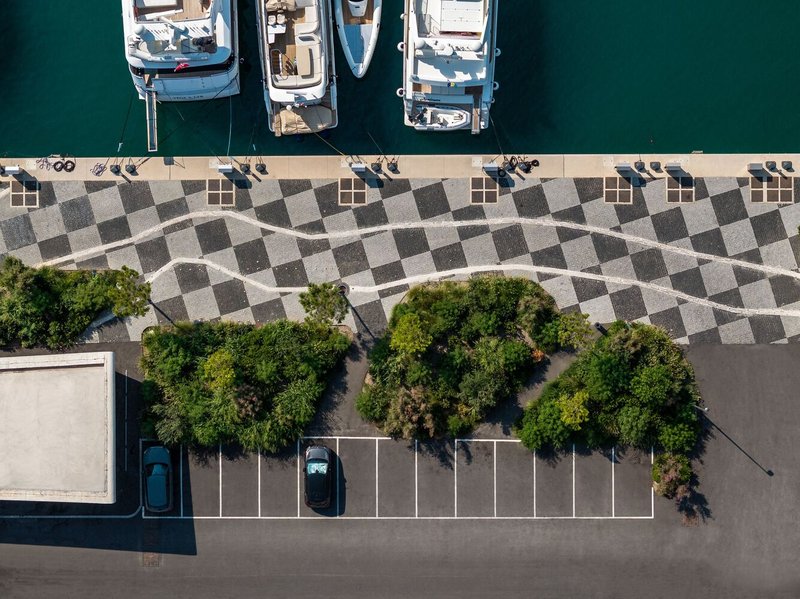
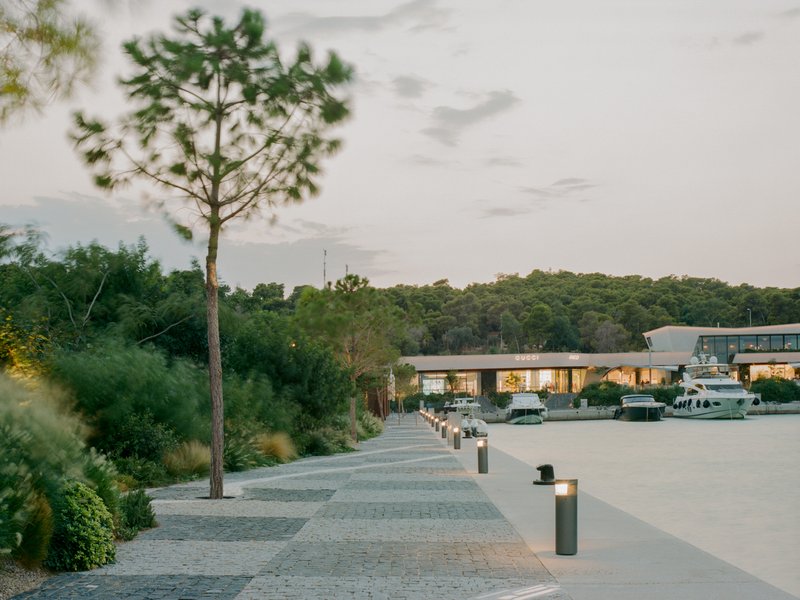
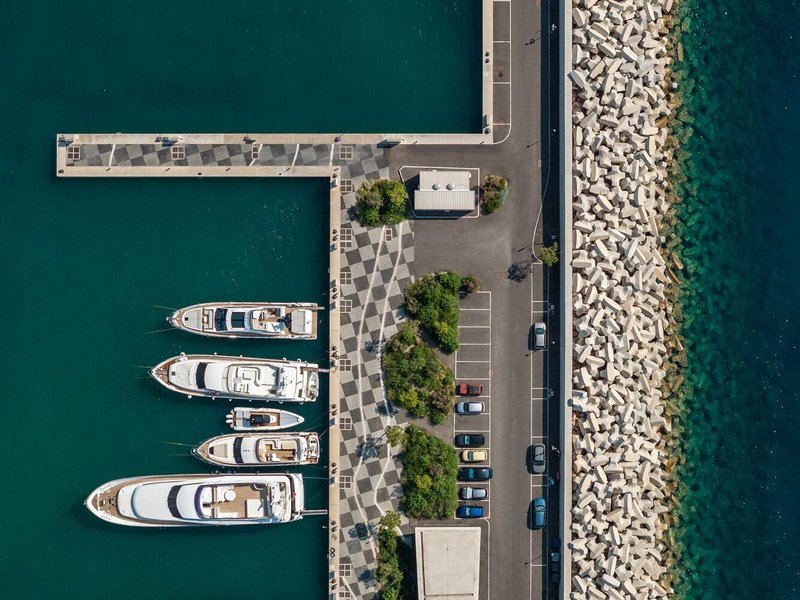
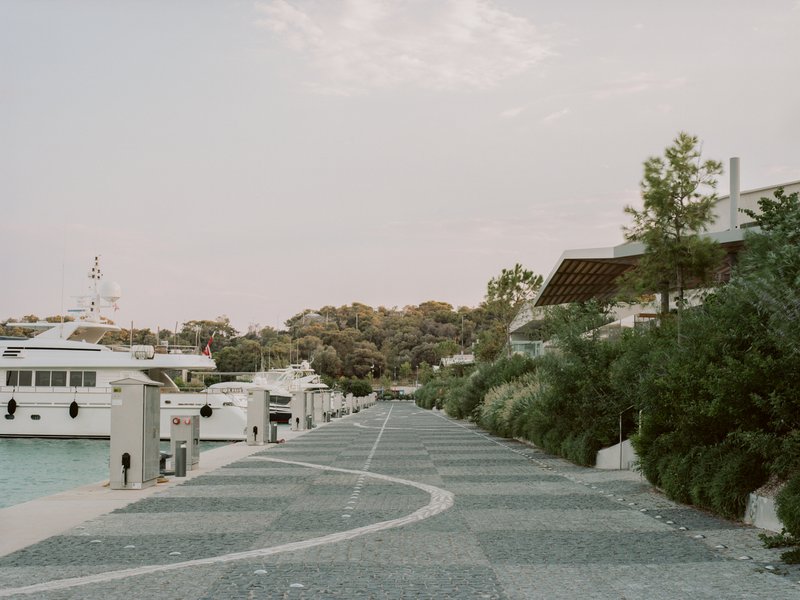
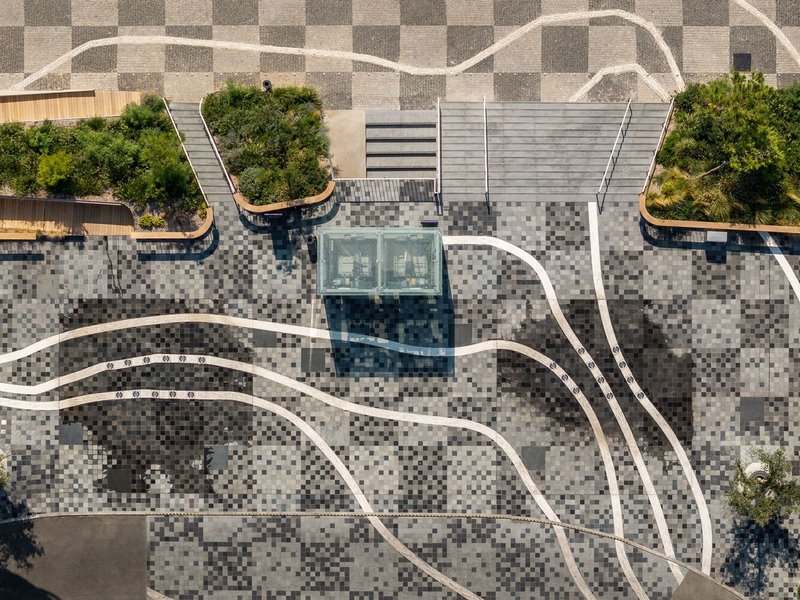
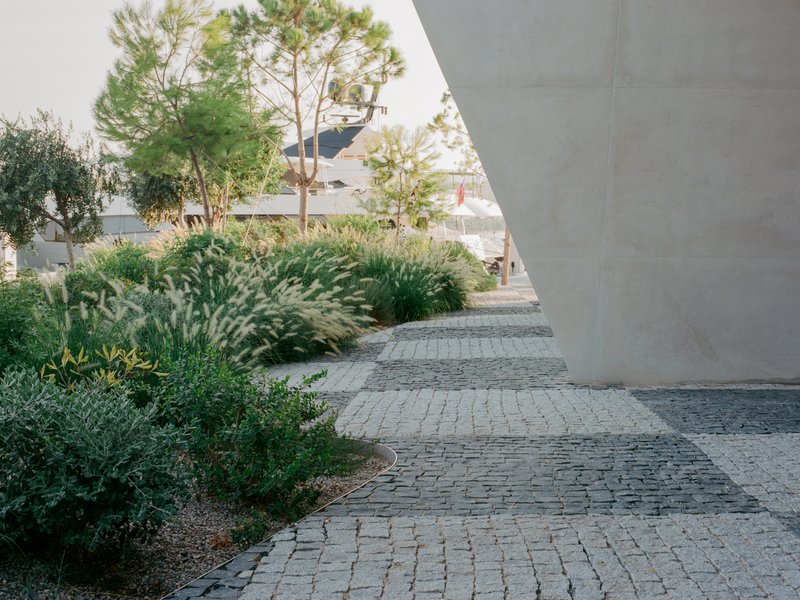
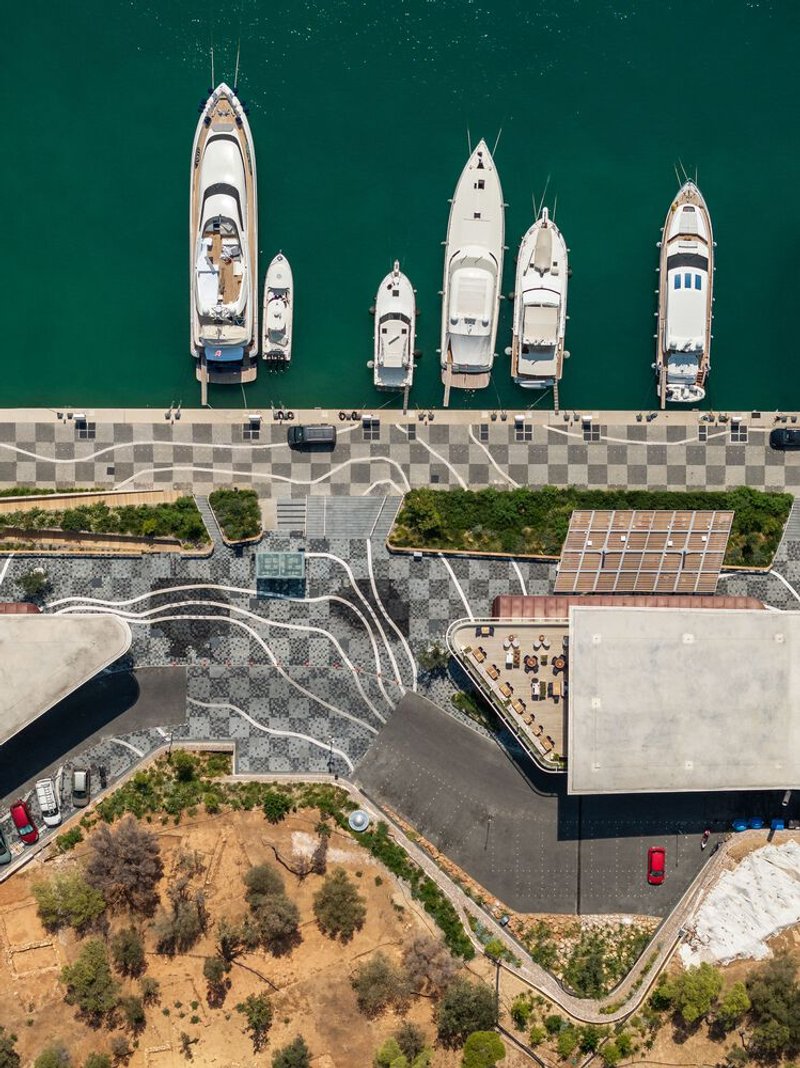
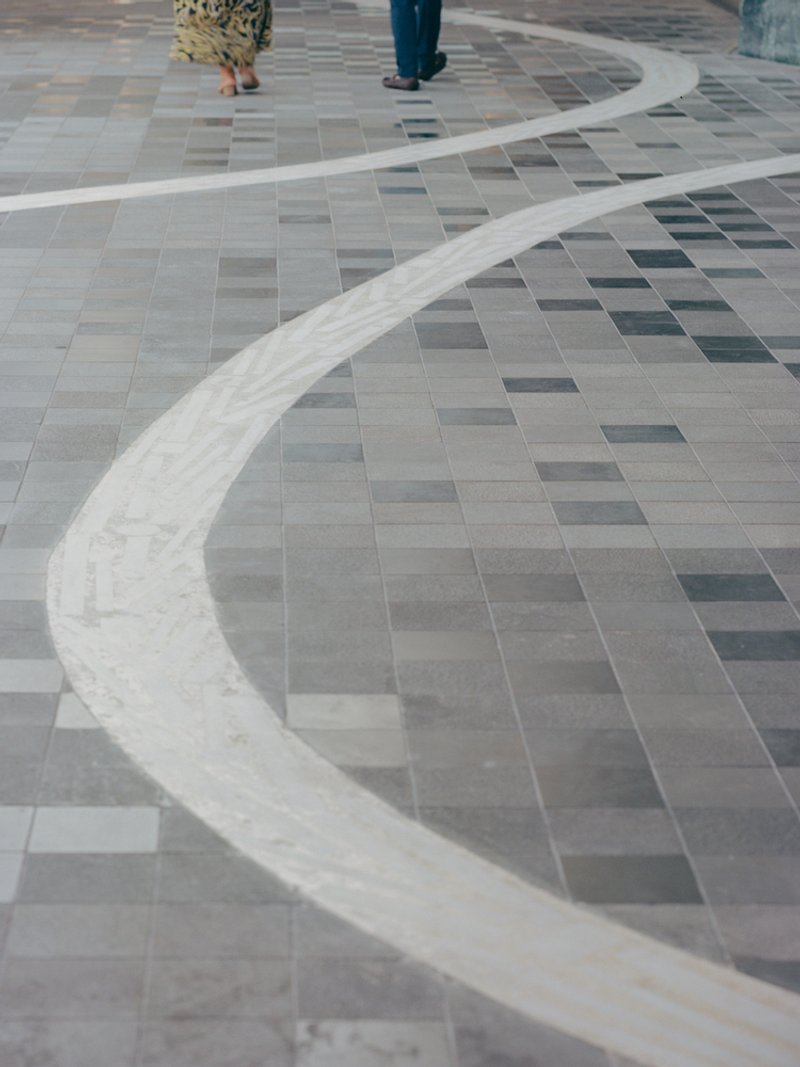
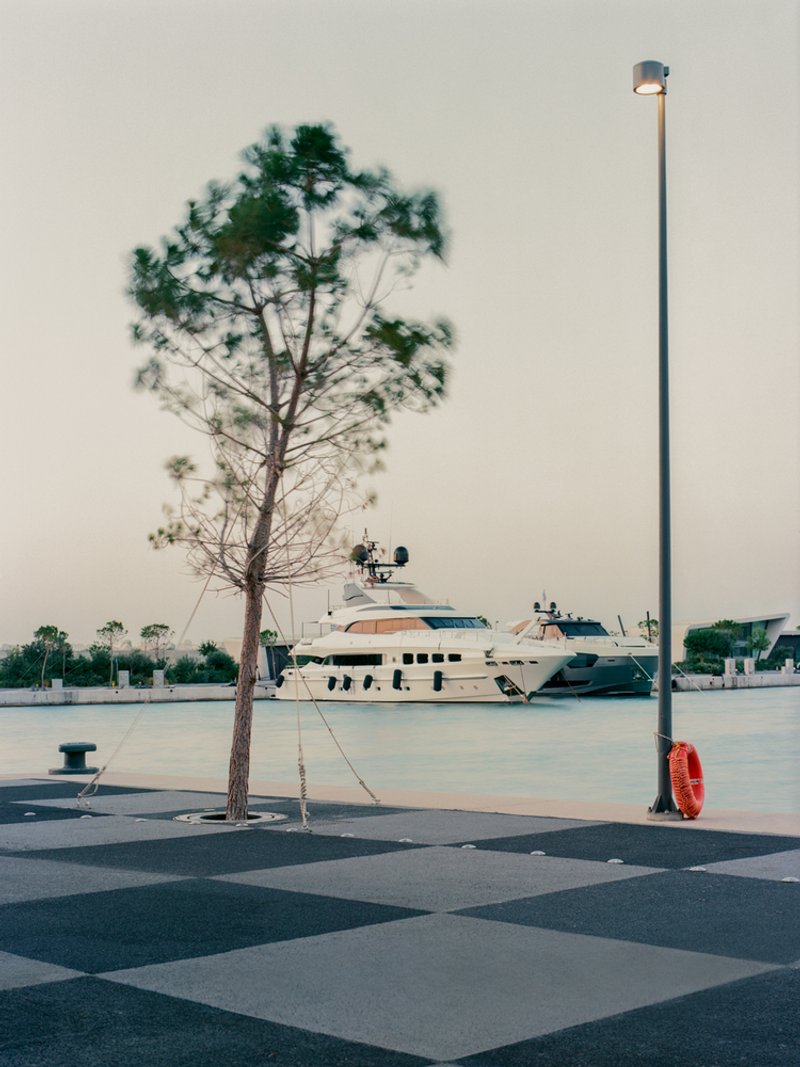
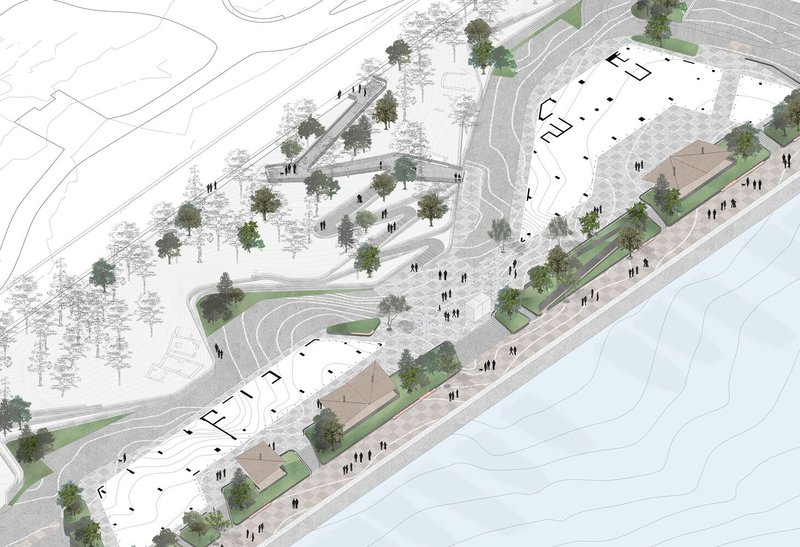
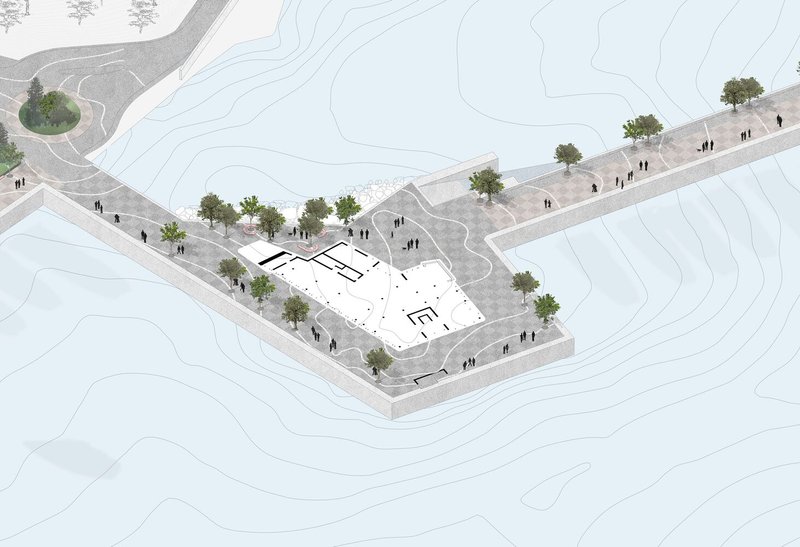
A defining feature of the Astir Marina design is the orienting grid, rotated 23 degrees off the global north but aligned with the central marina basin. This grid extends across the entire site, organizing the landscape and creating a sense of spatial orientation. The grid’s materiality varies throughout the marina, incorporating honed, flamed, and sandblasted basalt stones around retail and restaurant areas, Portuguese pavers along the waterfront promenade, and two-colored asphalt for vehicular pathways.
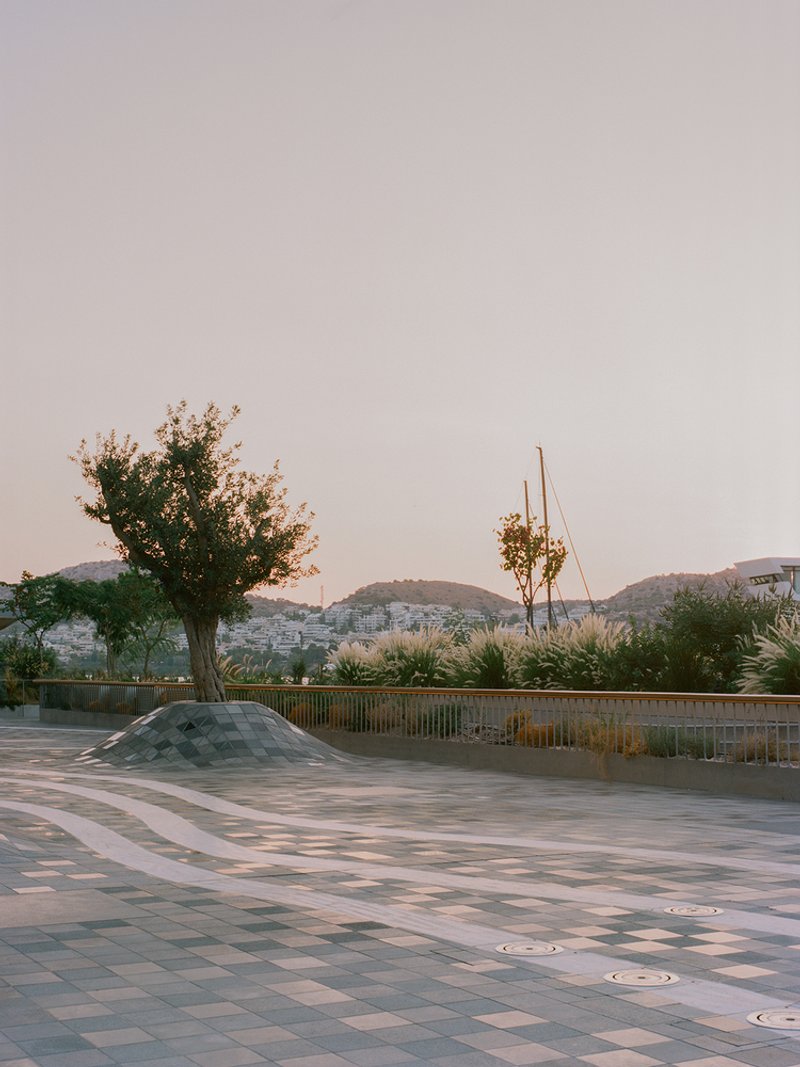
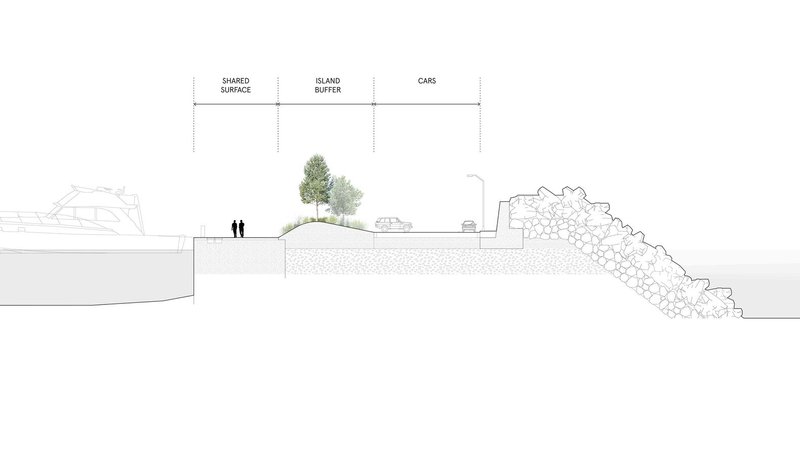
Shared surfaces for cars and pedestrians minimize barriers like curbs, fostering pedestrian-friendly spaces. This thoughtful hierarchy of materials ensures a seamless interaction between visitors, vehicles, and the marina's natural surroundings.
Historic Topographic Contours
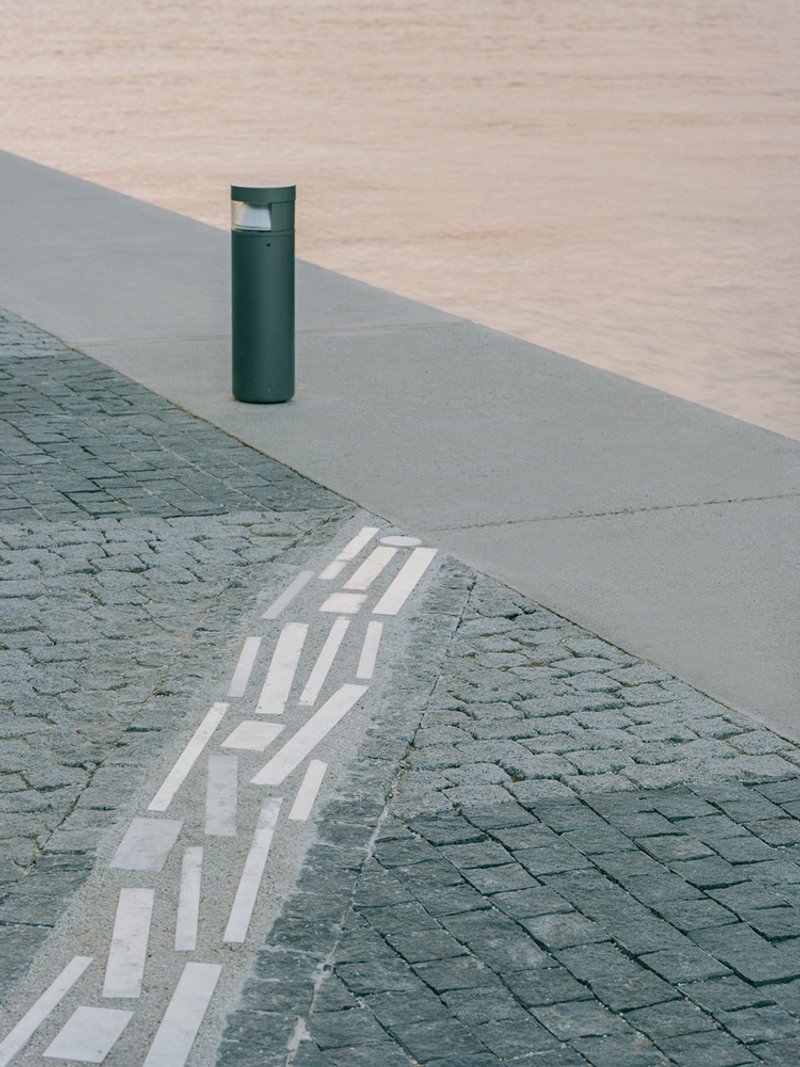
The marina’s topographic contours trace the historic seabed that once existed before the land reclamation. These lines, which correspond to elevations of the original ground, are inlaid into the hardscape using marble offcuts from local quarries. This creative reuse of materials not only reduces waste but also establishes a visual dialogue between the organic forms of the contours and the structured grid of the marina.
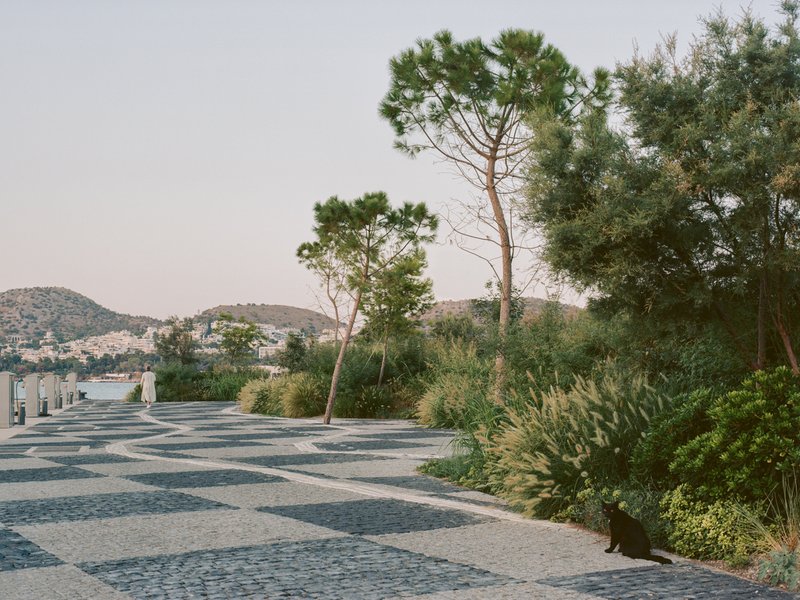
In the main plaza, the contours are polished to create a smooth terrazzo-like finish, while in other areas, the marble is left rough, casting subtle shadows that emphasize the landscape’s depth. These contours act as a physical and visual reminder of the site’s ecological and geological heritage.
Green Islands: A Sustainable Approach
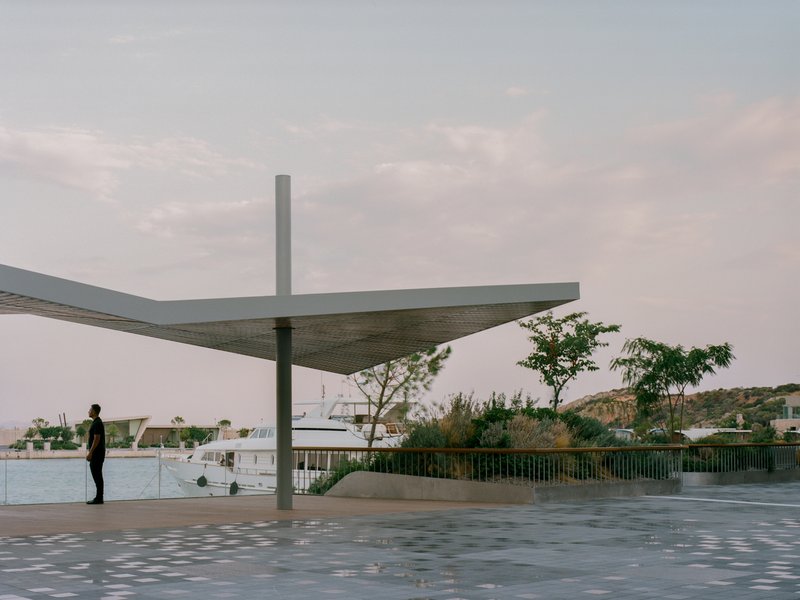
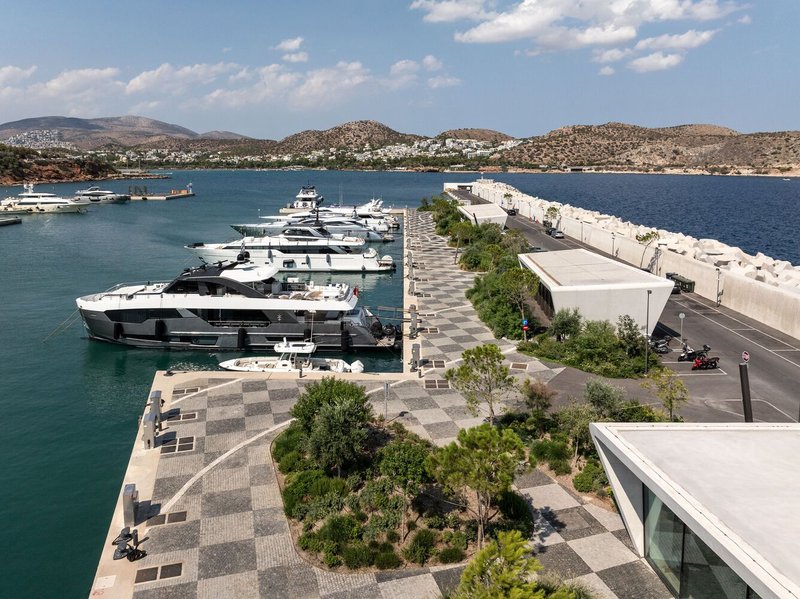
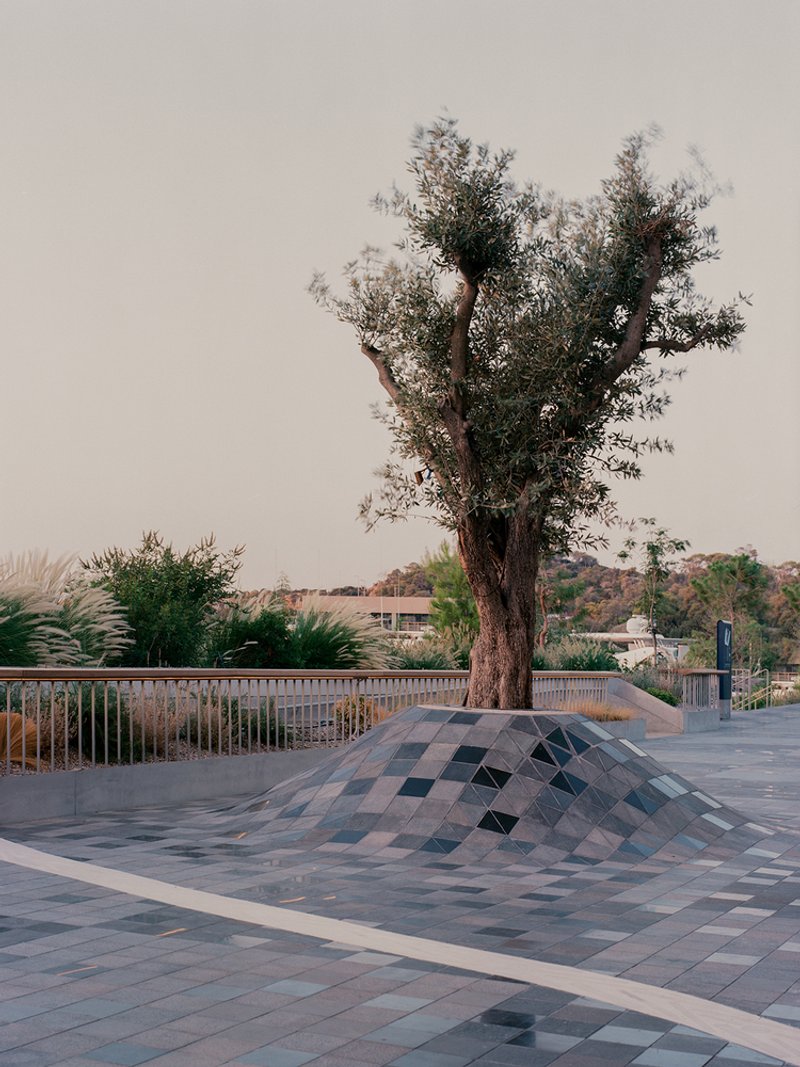
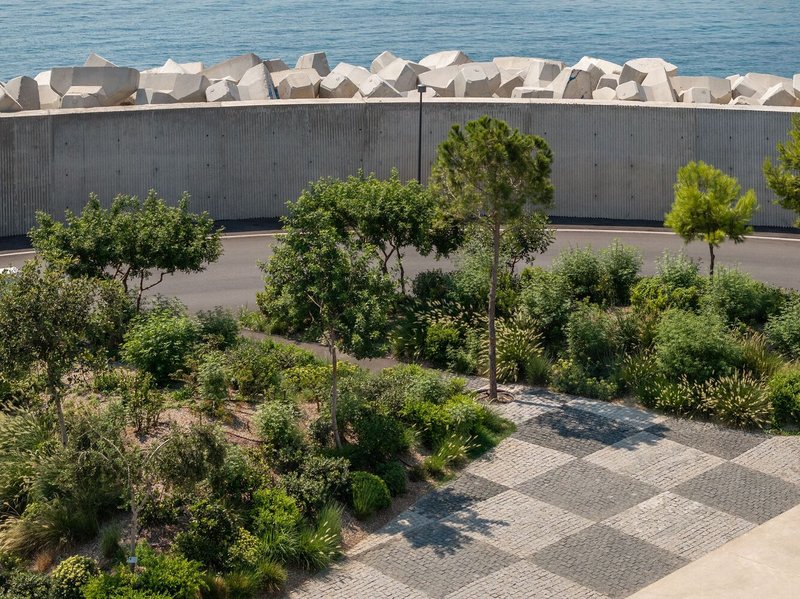
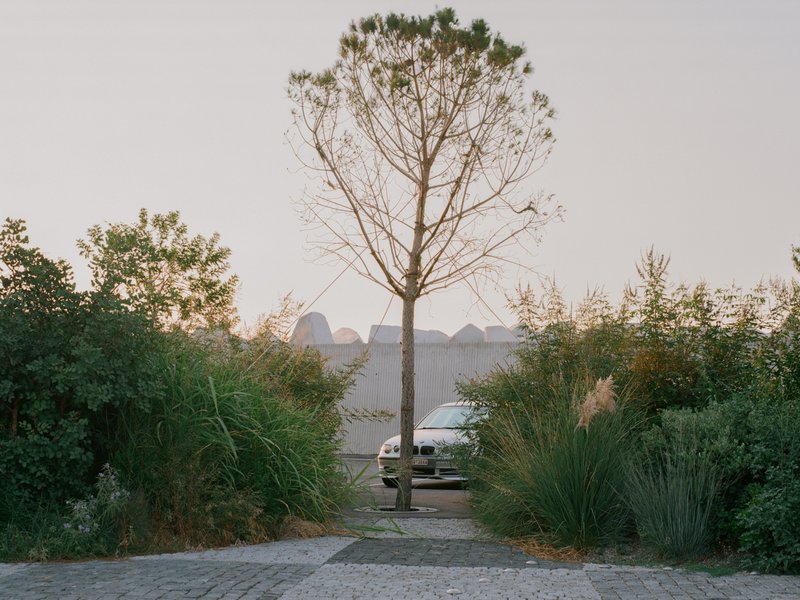
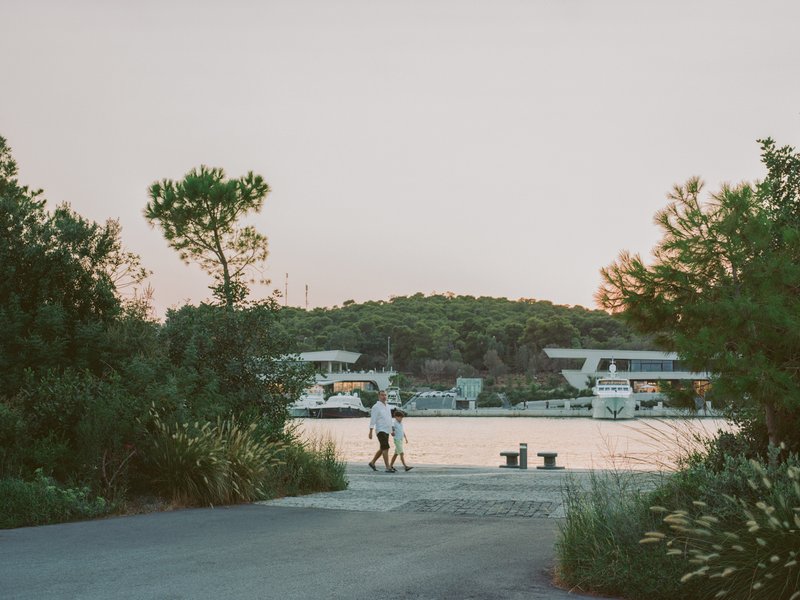
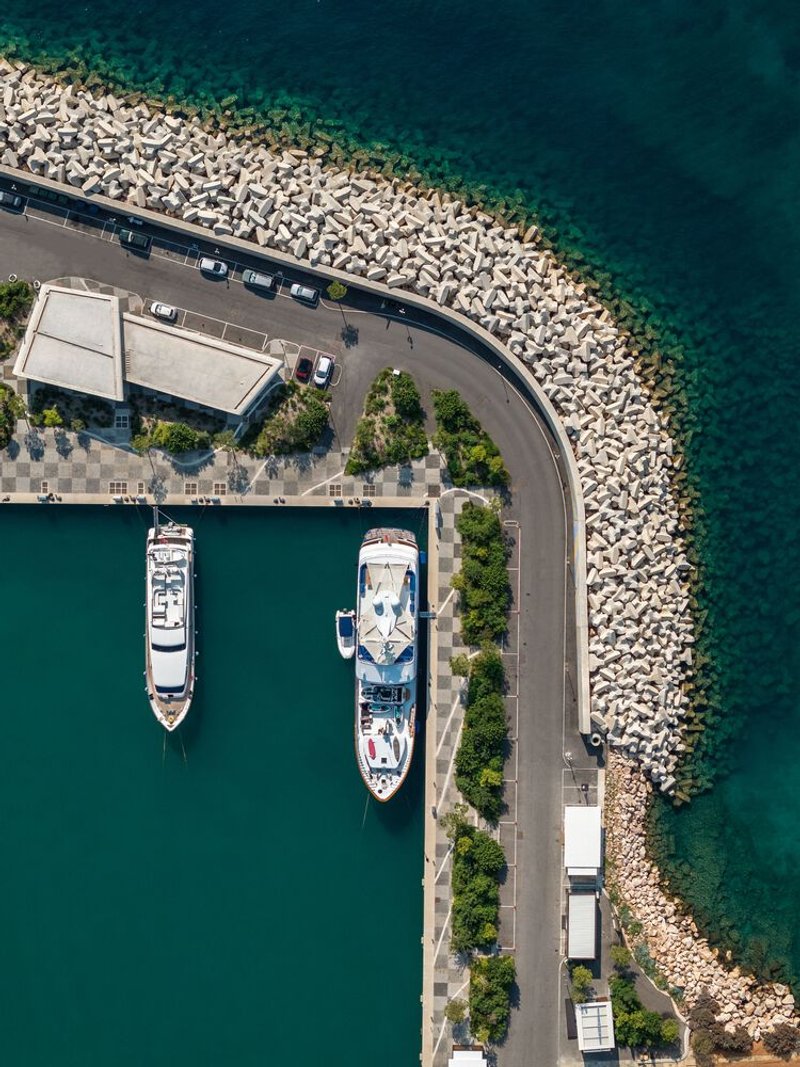
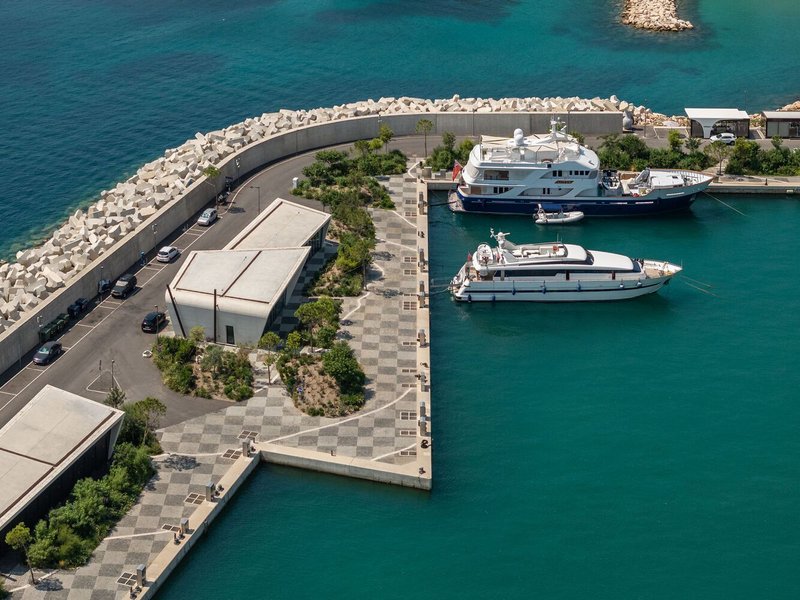
Astir Marina redefines marina design by prioritizing green spaces over concrete expanses. Instead of dedicating the area directly behind the yachts to cars and utilities, the design introduces planted mounds or “green islands.” These islands act as buffers between the waterfront and the parking areas, providing shade, acoustic barriers, and opportunities for social interaction.
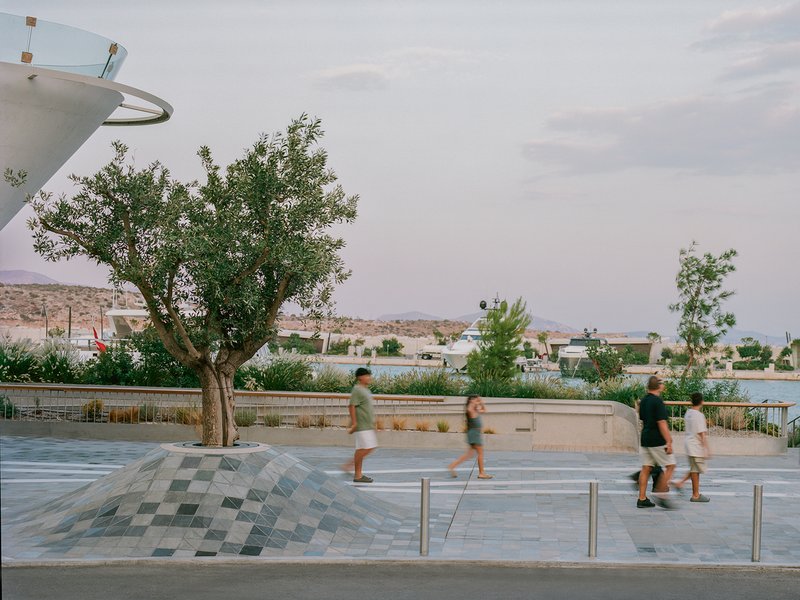
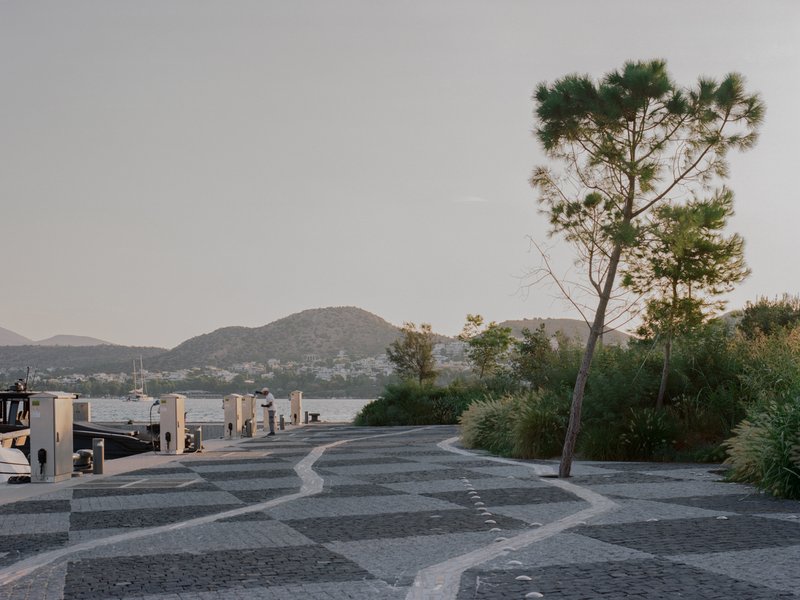
Each green island features a unique geometry and identity, creating a dynamic and engaging public realm. Designed to appear as though they emerge from the ground, the mounds introduce a new topography that integrates nature into the engineered environment. This approach not only enhances aesthetics but also contributes to biodiversity, supporting local flora and fauna.
The Retaining Wall and Archaeological Path
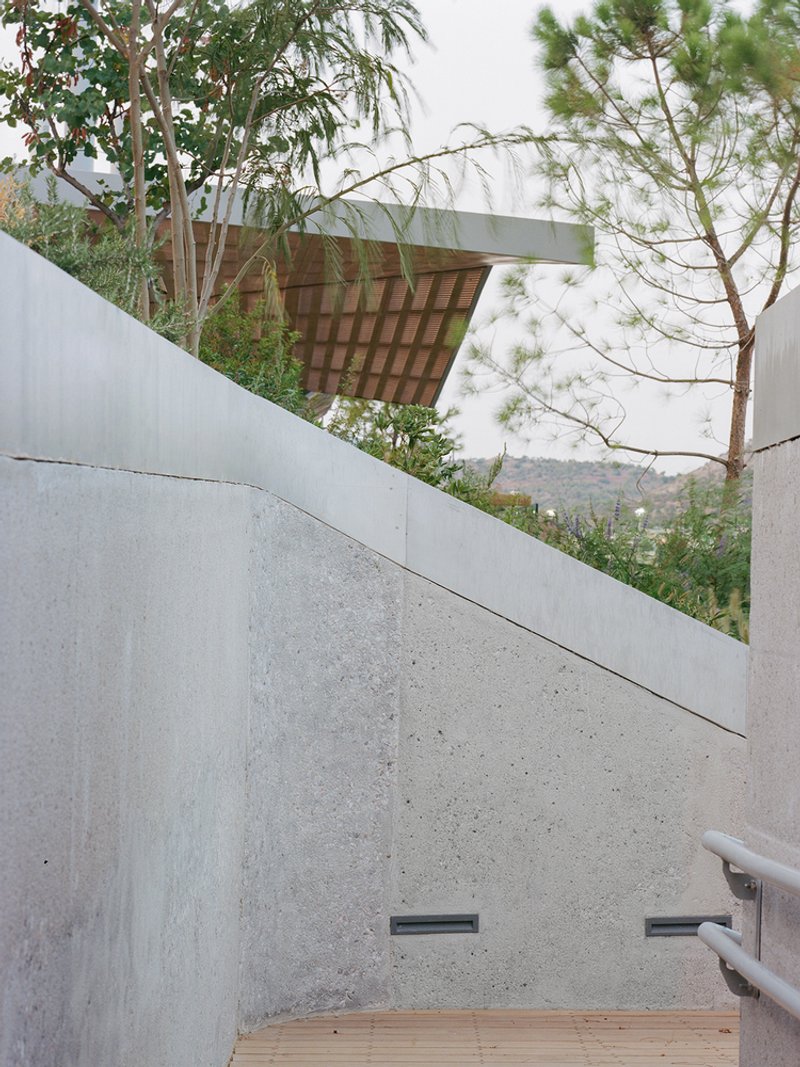
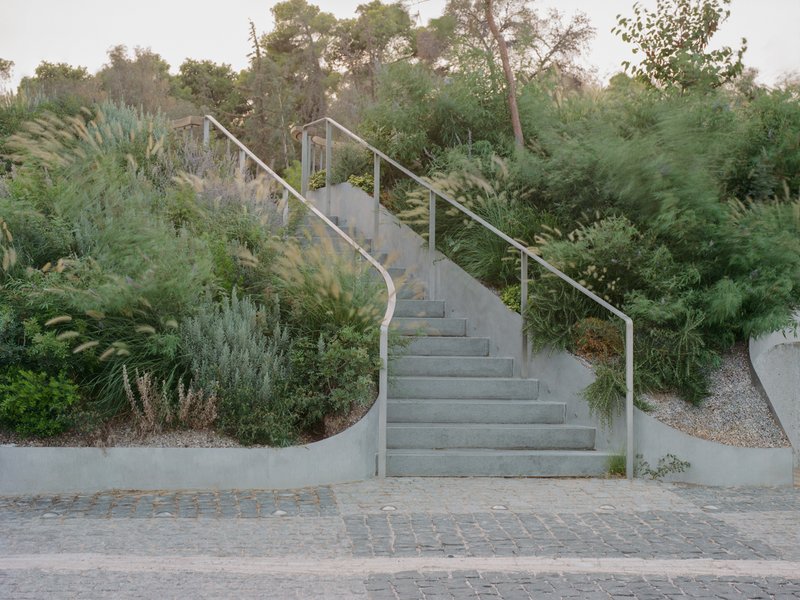
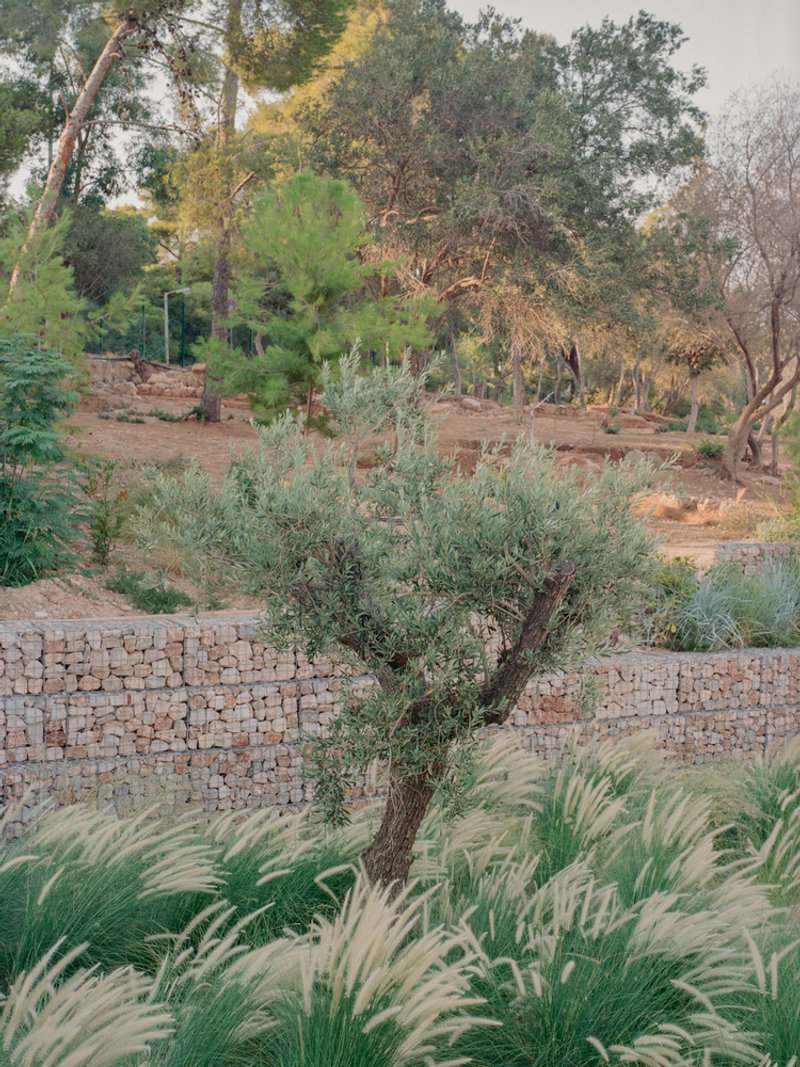
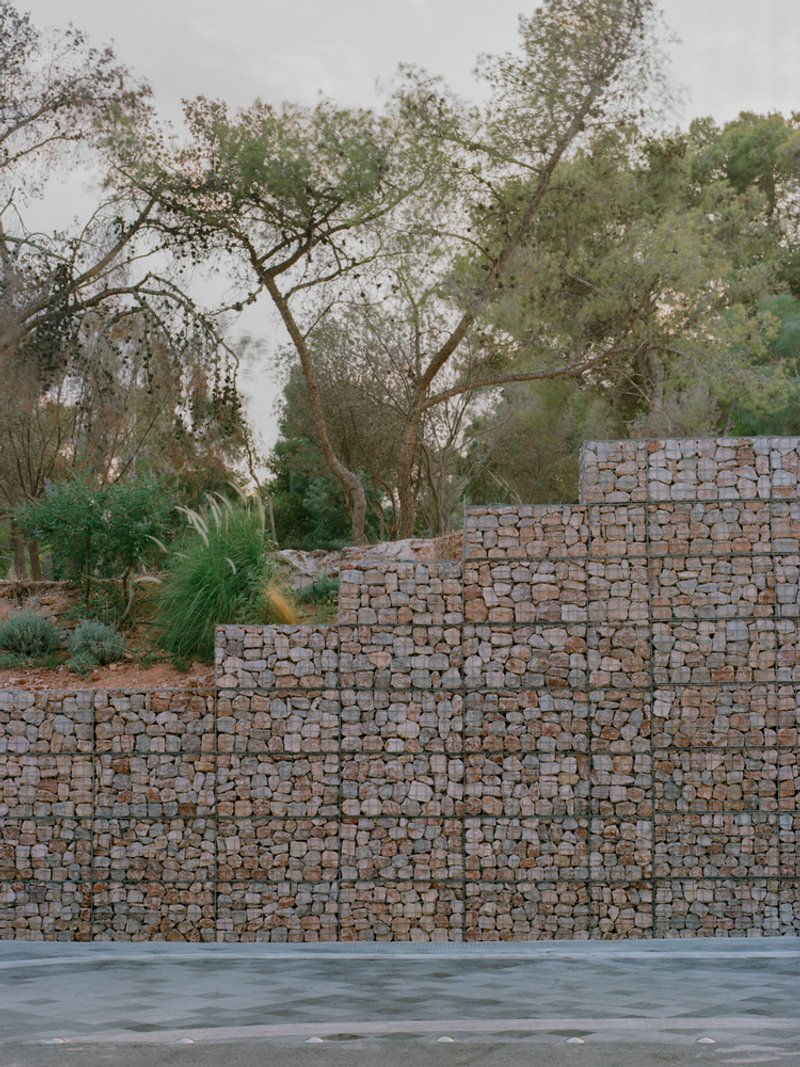
On the landward side, the natural slope from the road down to the marina required innovative retaining solutions. Inspired by the historic agricultural stone walls of Greek islands, the design incorporates gabion walls filled with locally sourced stones. These walls are stratified with varying rock sizes, creating microenvironments for insects and small animals while eliminating the need for concrete.
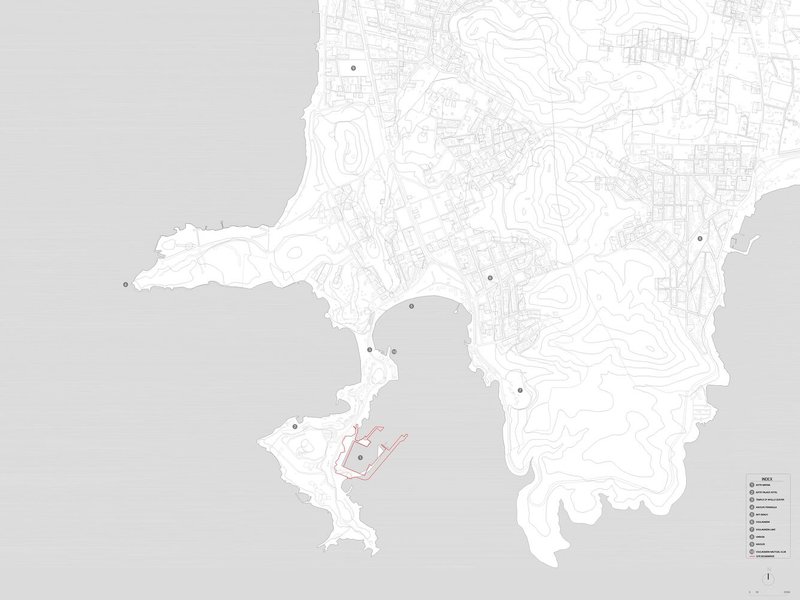
The retaining wall also supports a pedestrian path that connects the nearby Four Seasons hotels to the marina. This path weaves through the forested slope, blending into the natural landscape and enhancing accessibility for visitors.
Global Ambitions with Local Sensitivity
While the Astir Marina serves as a world-class destination for luxury yachts, retail, and dining, its design remains deeply rooted in local culture and history. The project balances global aspirations with local environmental and architectural traditions, creating a space that is both cutting-edge and contextually sensitive.
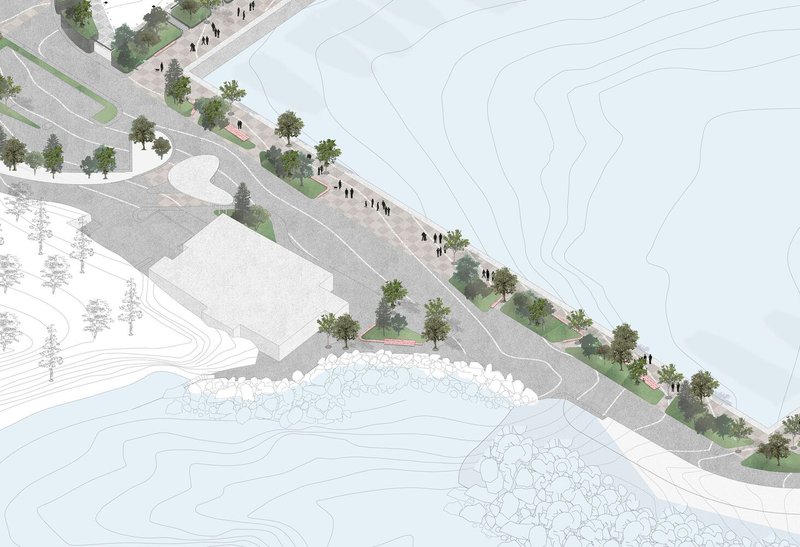
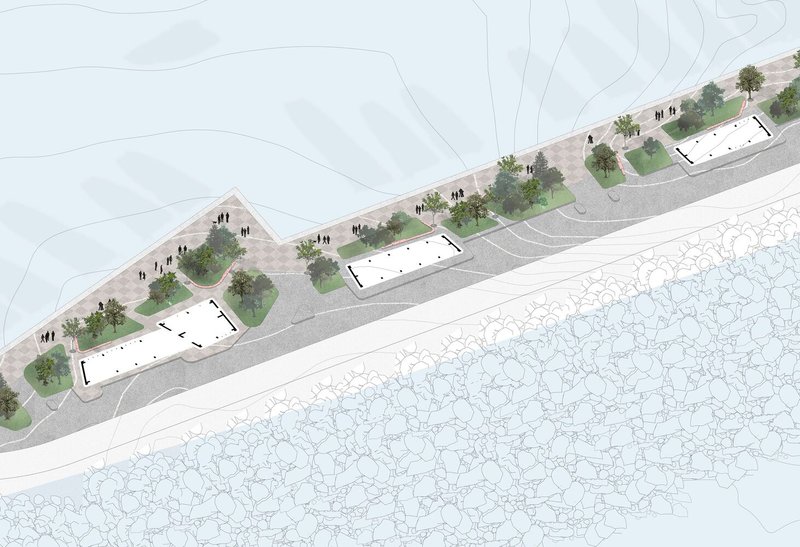
By overlaying systems of history, ecology, and modernity, the marina becomes more than a functional space—it transforms into a living map of the Vouliagmeni Peninsula. This synthesis of design elements results in a marina that celebrates its past, embraces its present, and looks toward a sustainable future.
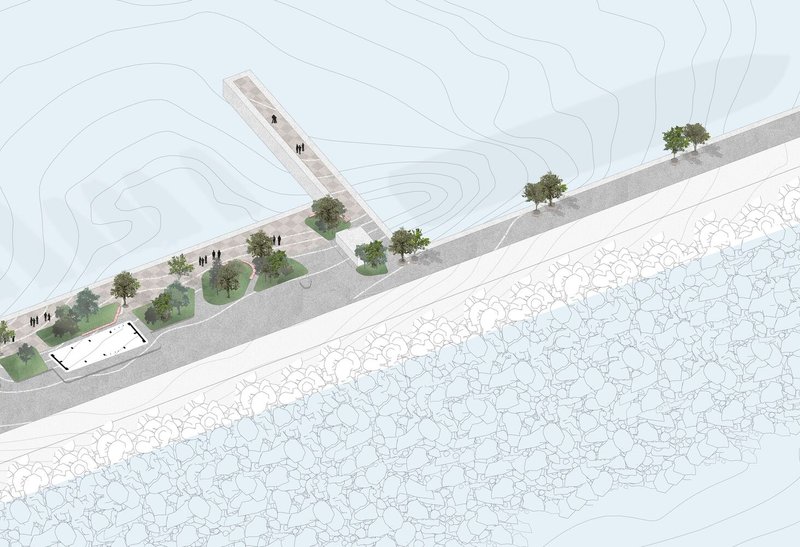
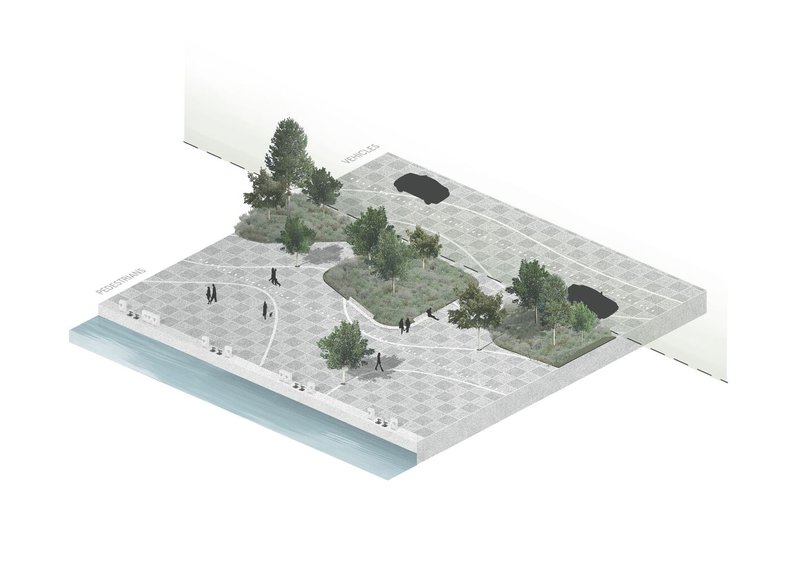
The Astir Marina by Neiheiser Argyros exemplifies the potential of sustainable marina landscape architecture. By integrating historic topography, green infrastructure, and innovative design, the project redefines the relationship between land, sea, and human activity. The marina’s thoughtful approach to environmental, cultural, and functional challenges positions it as a model for future waterfront developments worldwide.
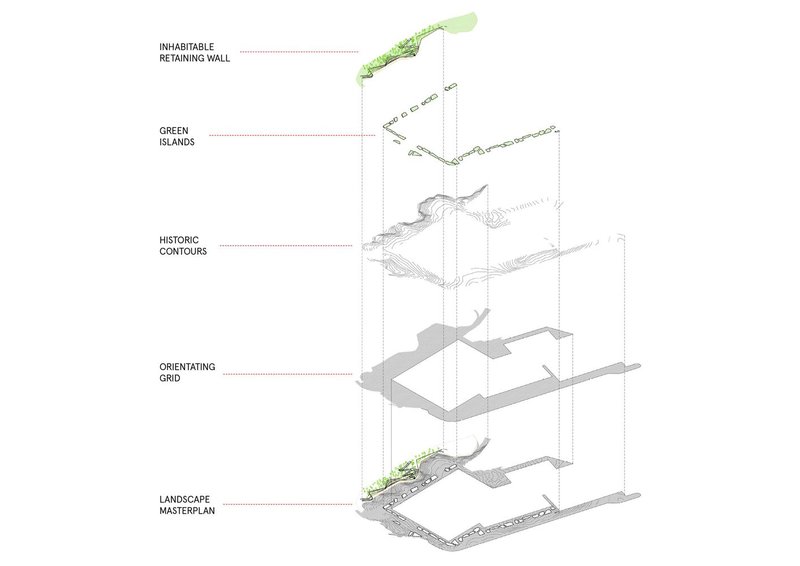
All Photographs are work of Giorgos Sfakianakis, Lorenzo Zandri