
Sustainable Visitor Center Architecture: Đalovića Pećina’s Harmonious Design
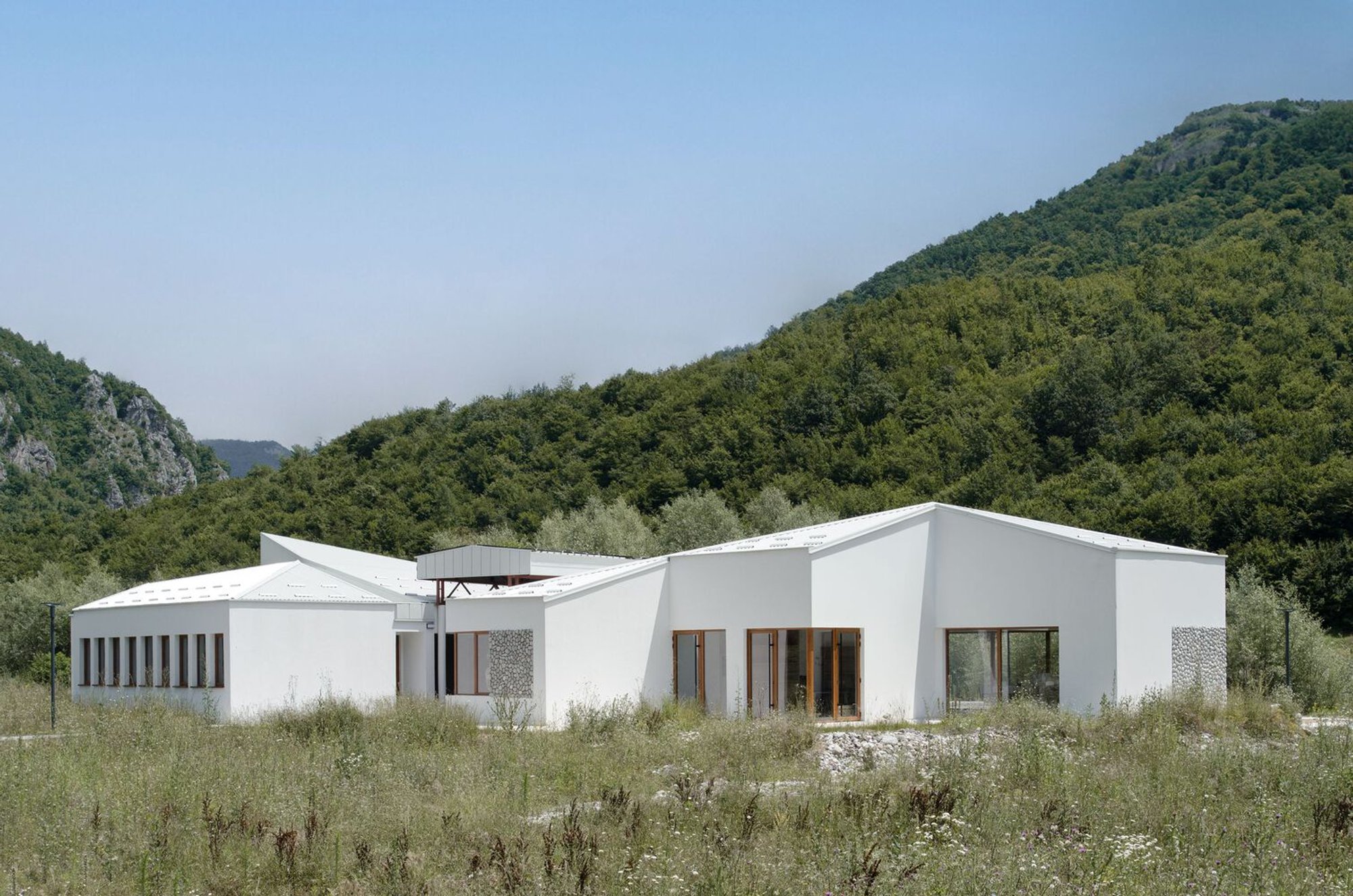
Đalovića Pećina Visitor Center in Montenegro exemplifies sustainable visitor center architecture, integrating nature, energy efficiency, and modern design for an immersive tourism experience.

A New Architectural Landmark in Montenegro
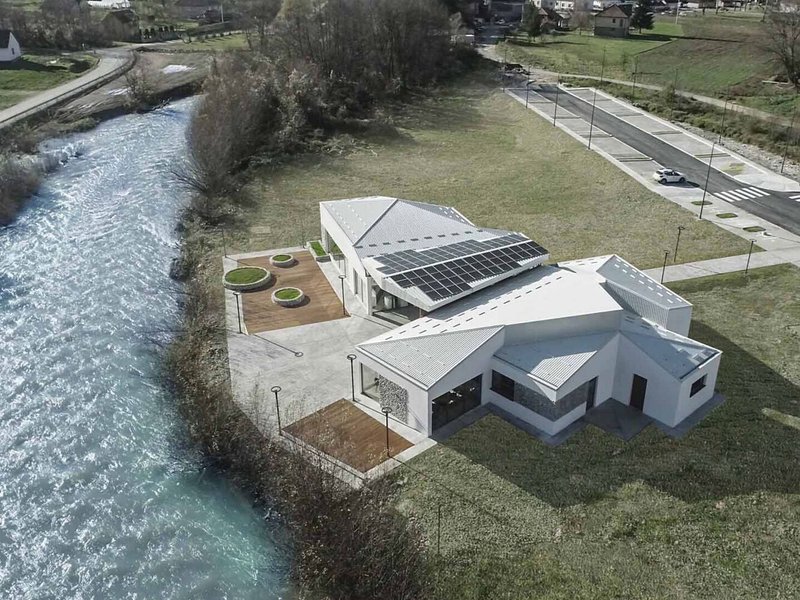
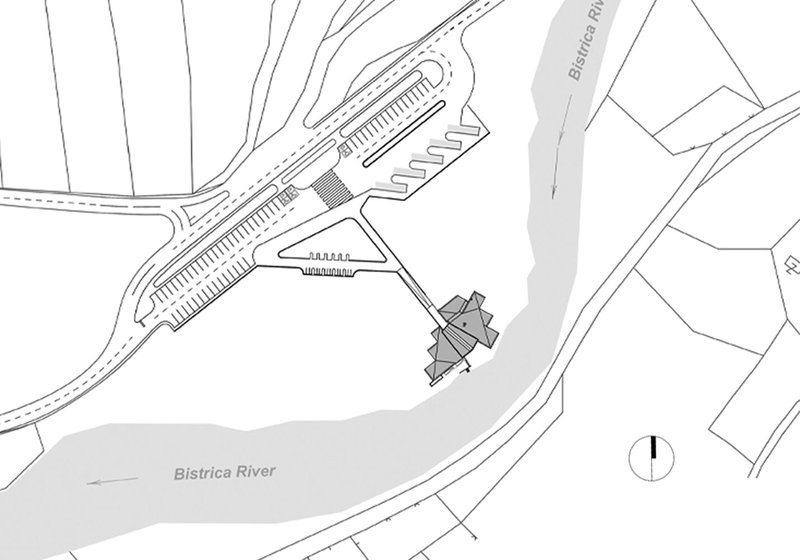
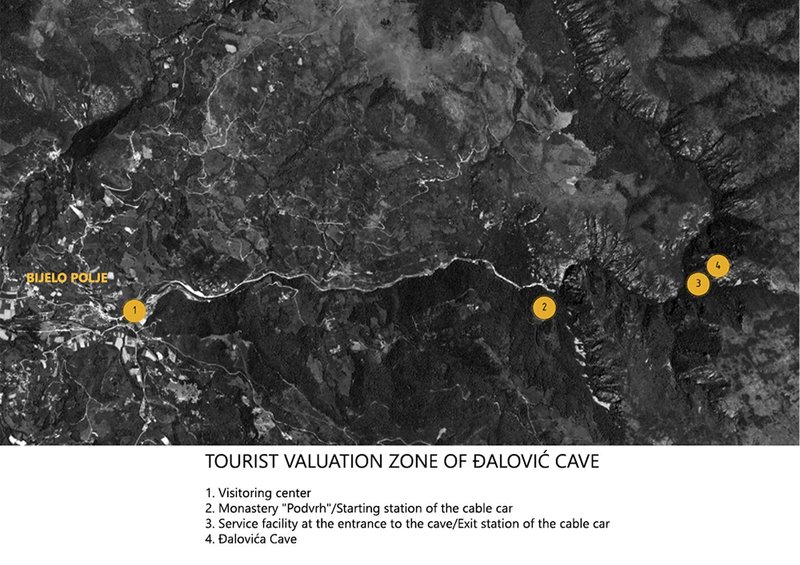
The Đalovića Pećina Visitor Center, designed by ARHINGinženjering, is a striking example of sustainable visitor center architecture, seamlessly blending into the rugged natural landscape of Montenegro. Located along the Bistrica River, the center serves as the main access point for visitors exploring Đalovića Cave, offering a space that merges tourism, sustainability, and contemporary design.
A Site-Responsive Design Strategy
Integrating Architecture with Nature
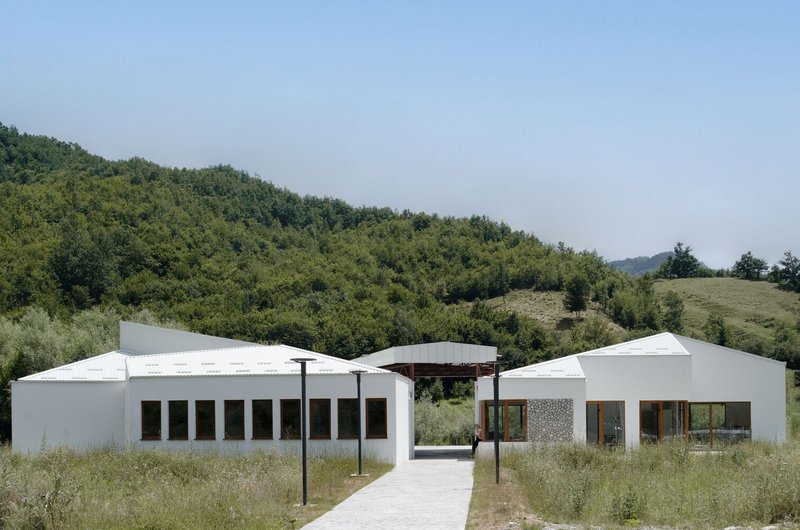
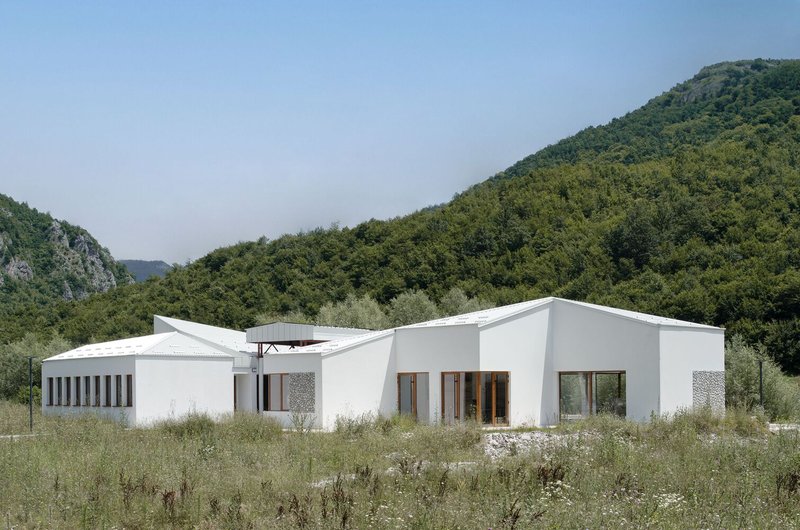
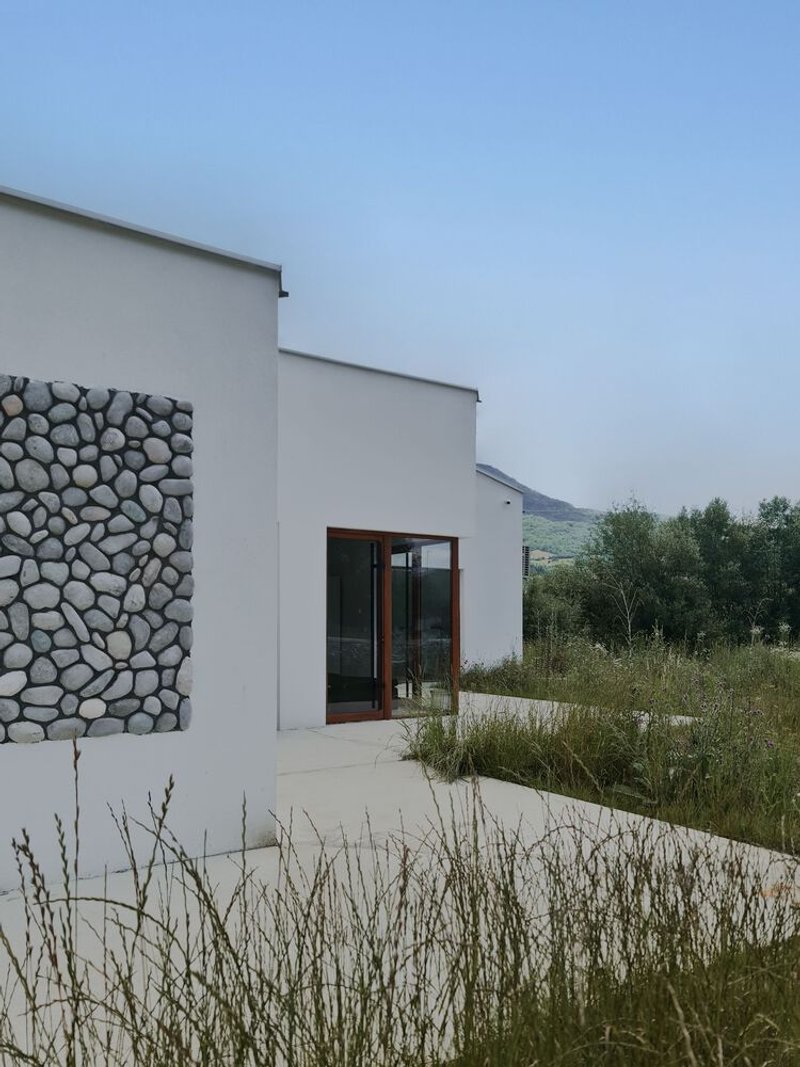
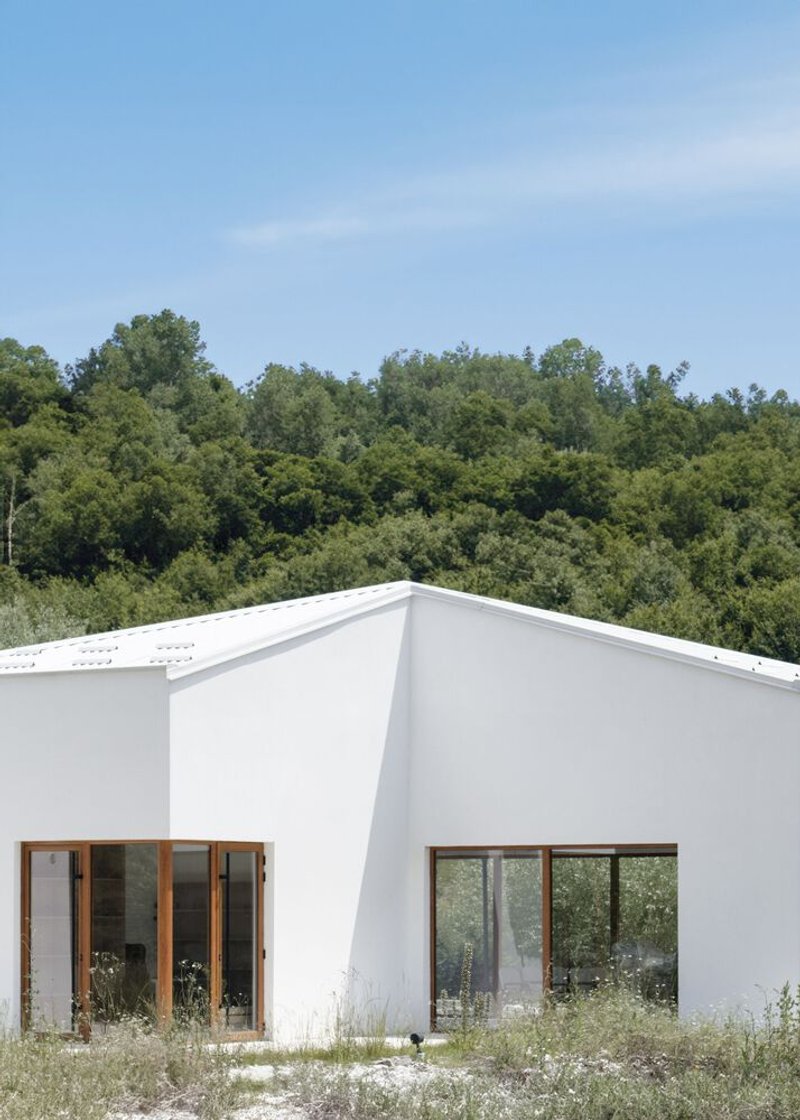
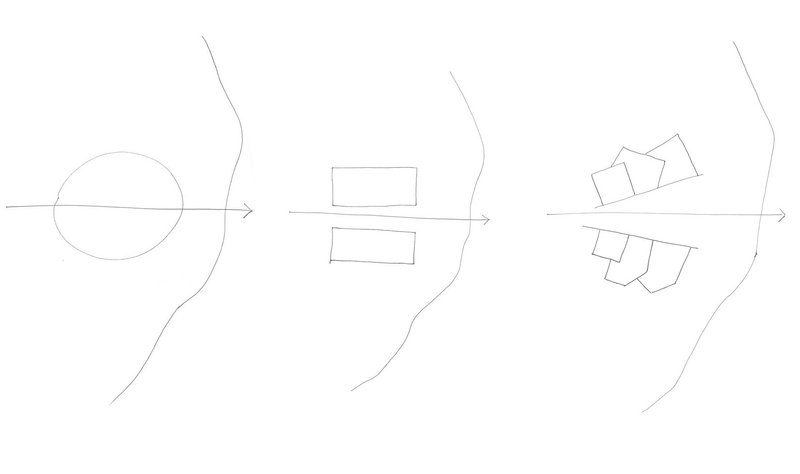
Positioned in an environment defined by riverbanks, mountains, and historic landmarks, the visitor center’s design is deeply influenced by its surroundings. The architectural form responds to the natural setting by utilizing a "group form" approach, where multiple interconnected structures create a cohesive yet flexible spatial composition.
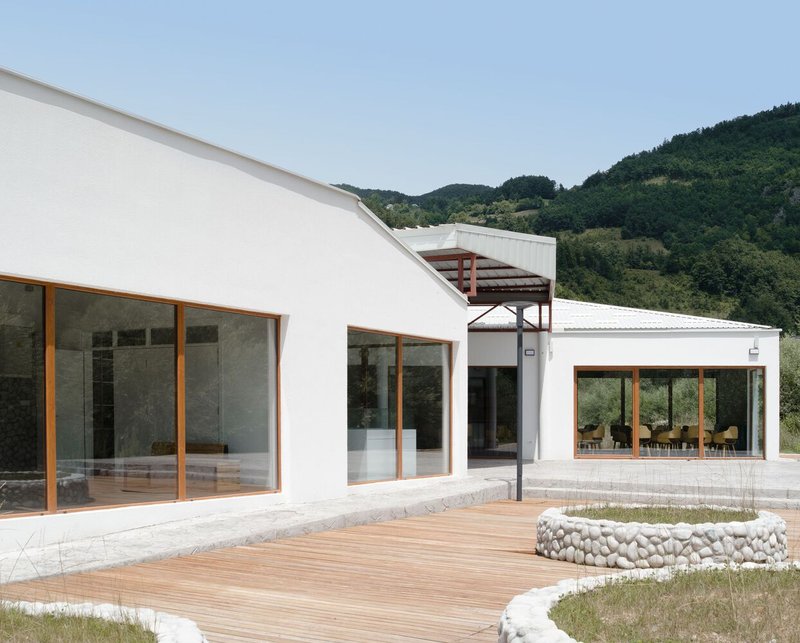
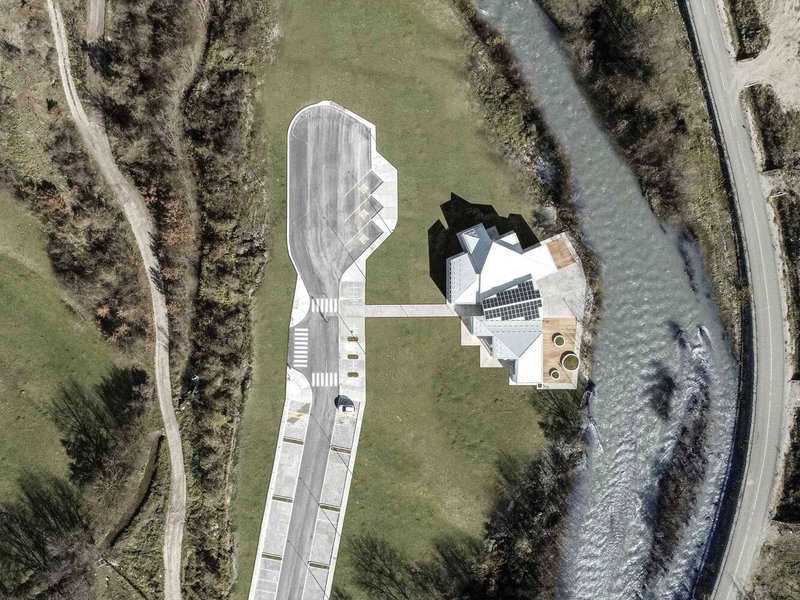
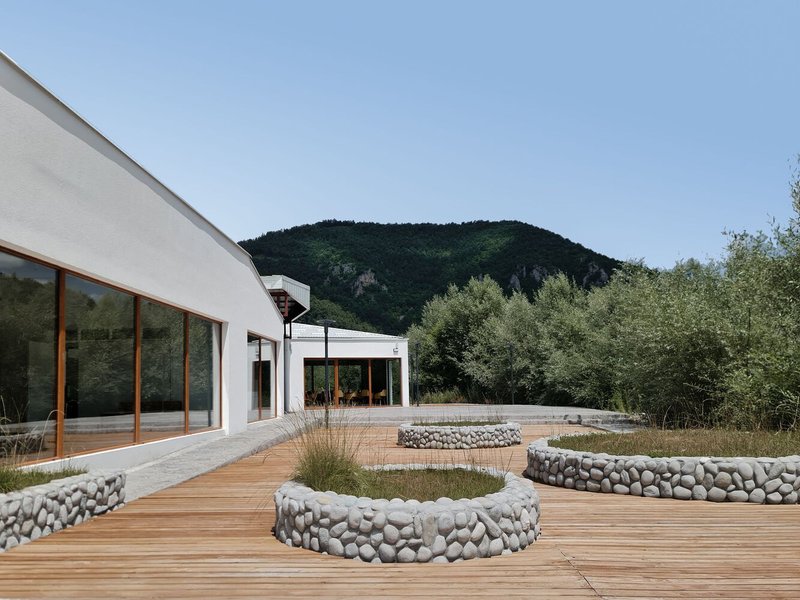
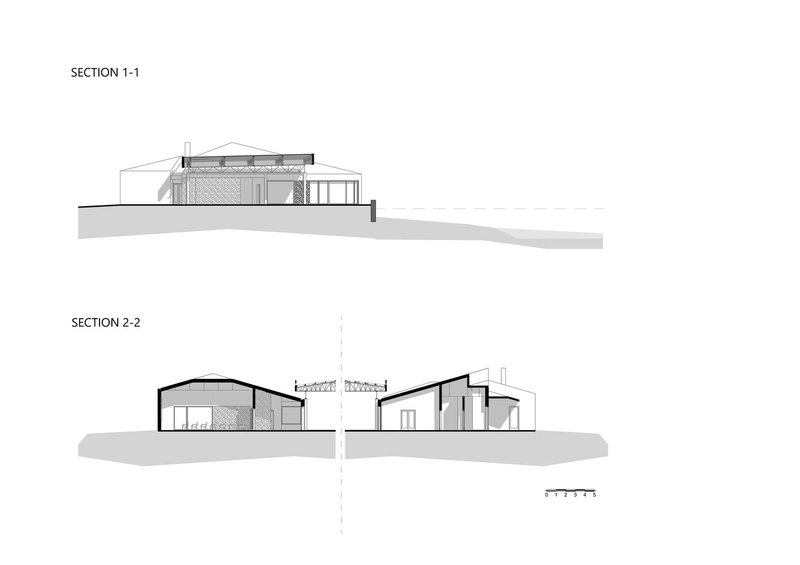
The building is divided into two sections, ensuring that visitors immediately engage with the landscape upon arrival. The open terrace and hall spaces provide unobstructed views of the river, reinforcing the project's core idea—establishing a strong physical and visual connection with nature.
Blurring the Boundaries Between Indoors and Outdoors
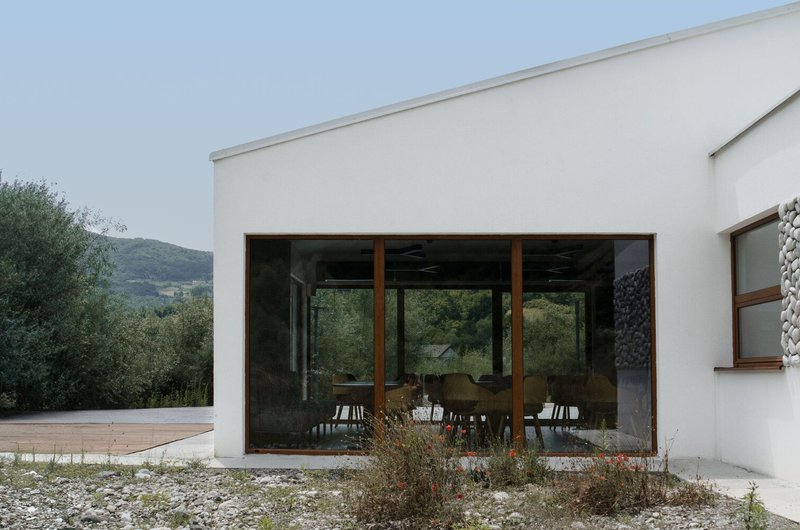
The layout of the Đalovića Pećina Visitor Center promotes spatial fluidity, with the structure designed to be visible from all angles. The covered hall space, supported by a steel framework, serves as the central meeting point, connecting functional zones while allowing natural light and airflow to define the atmosphere.
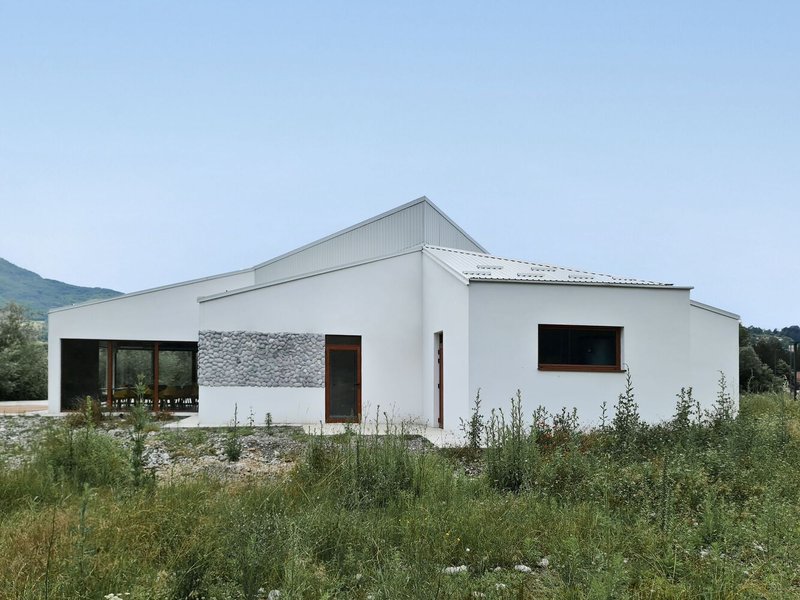
This semi-open design strategy enhances energy efficiency, reducing the need for artificial lighting and ventilation. The visitor experience is enriched by a sense of openness, where architecture and landscape coexist in perfect harmony.
Functional Zoning for an Engaging Experience
A Multi-Faceted Tourist Hub
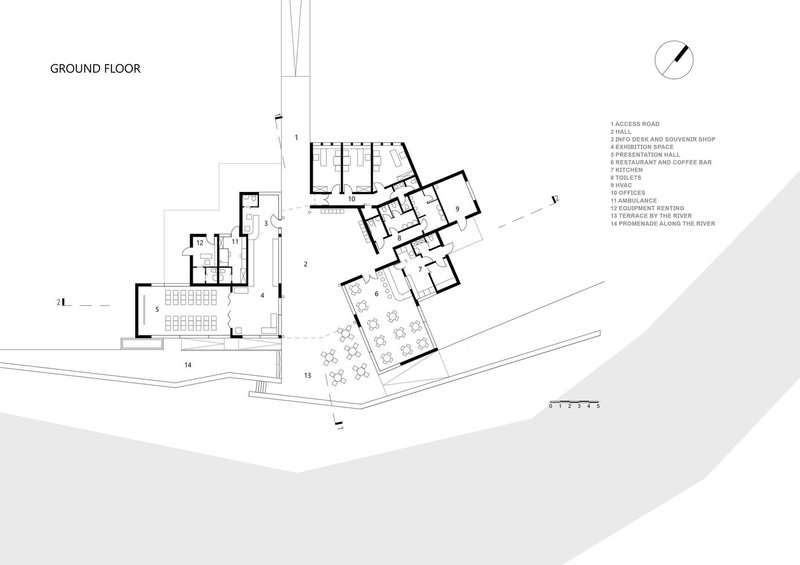
The visitor center is more than just a gateway to Đalovića Cave—it is an integrated tourism and cultural hub. The right wing features a restaurant and café, providing a relaxed space for visitors to enjoy the natural surroundings. The left wing houses a museum exhibition area, presentation hall, souvenir shop, infirmary, and administrative offices, ensuring a comprehensive visitor experience.
Accessibility and Connectivity
Designed with visitor convenience in mind, the center includes a dedicated parking area and direct access to the cable car station, which transports guests to the cave entrance. This seamless transition between different spaces creates an efficient and enjoyable flow for tourists.
Sustainable Design Elements
Material Selection and Environmental Harmony
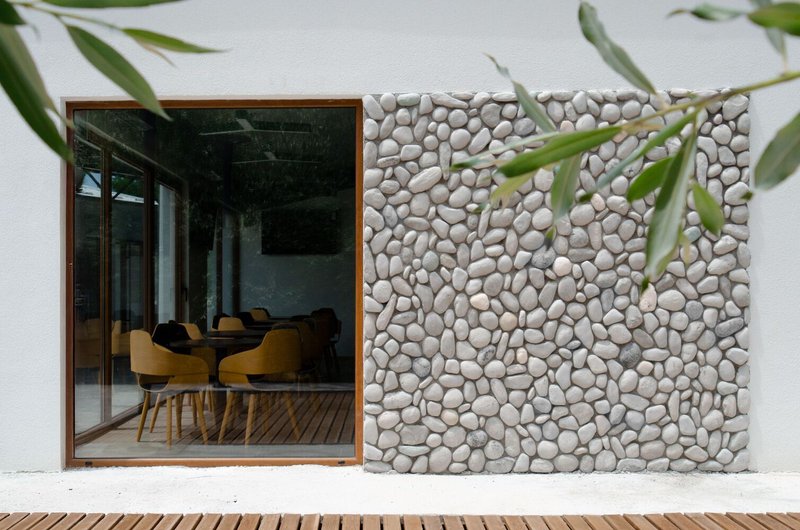
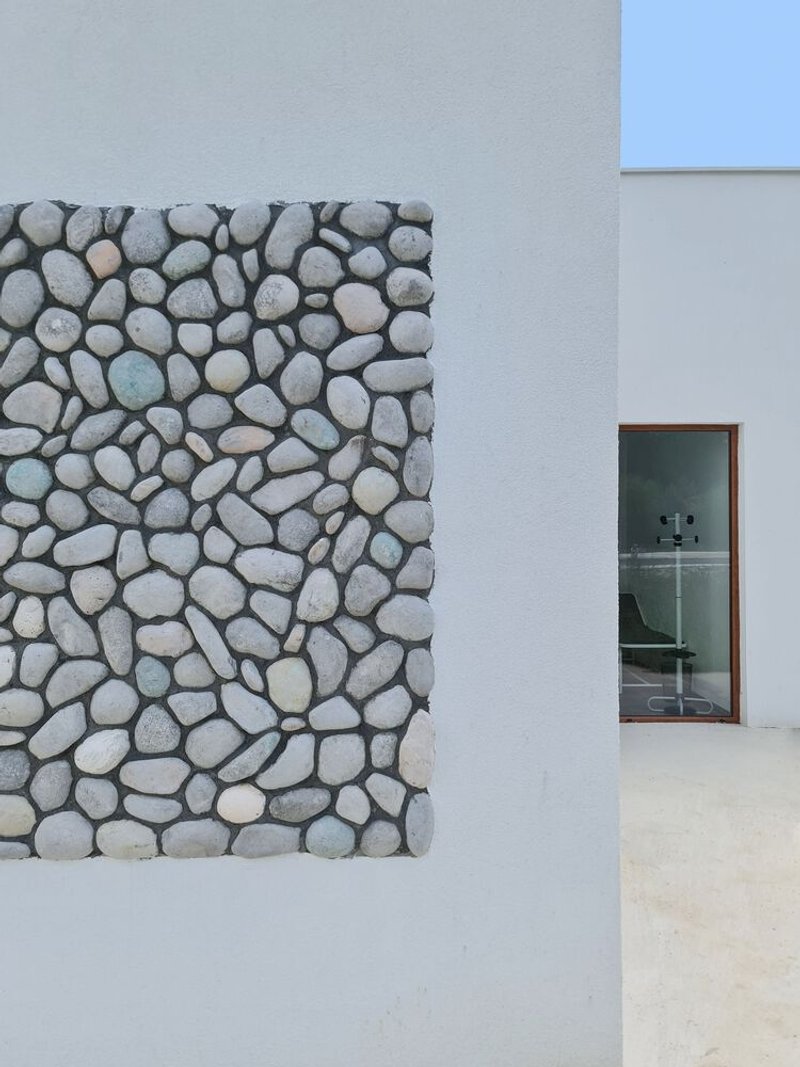
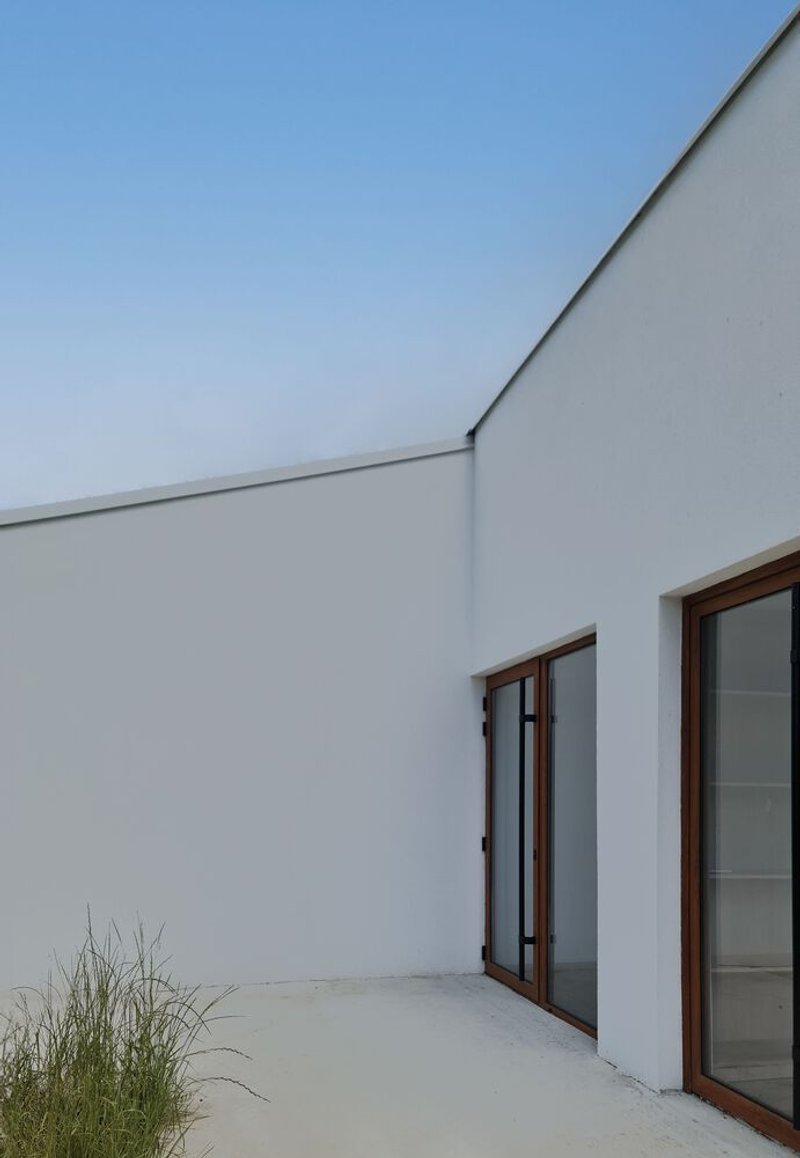
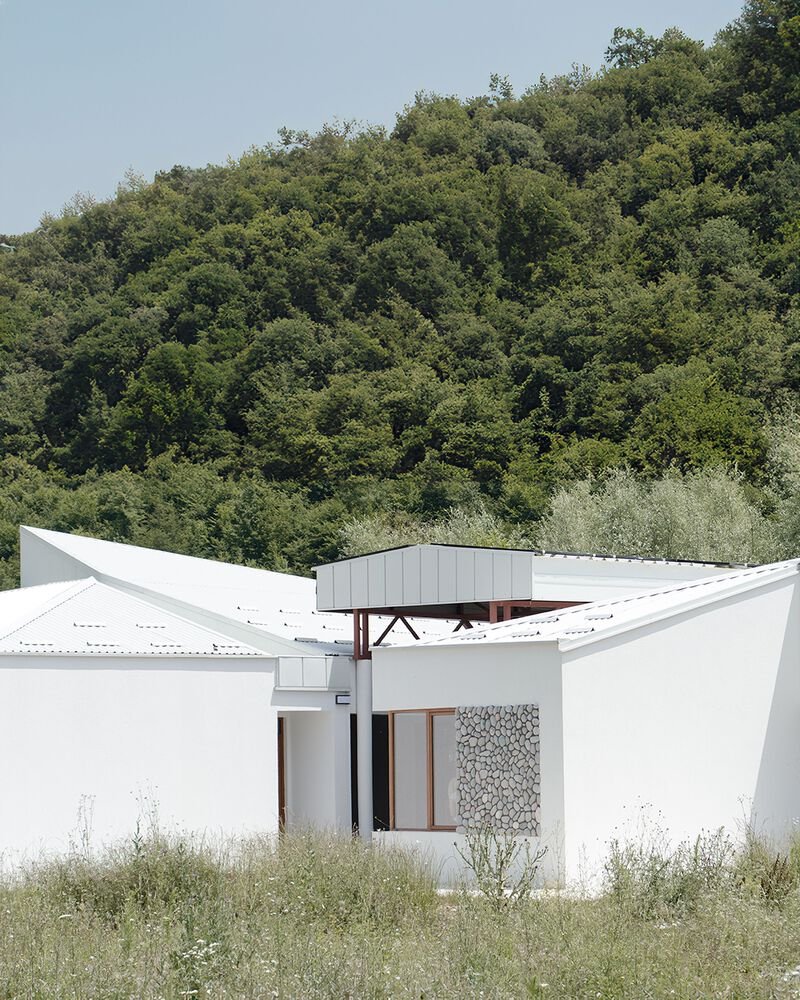
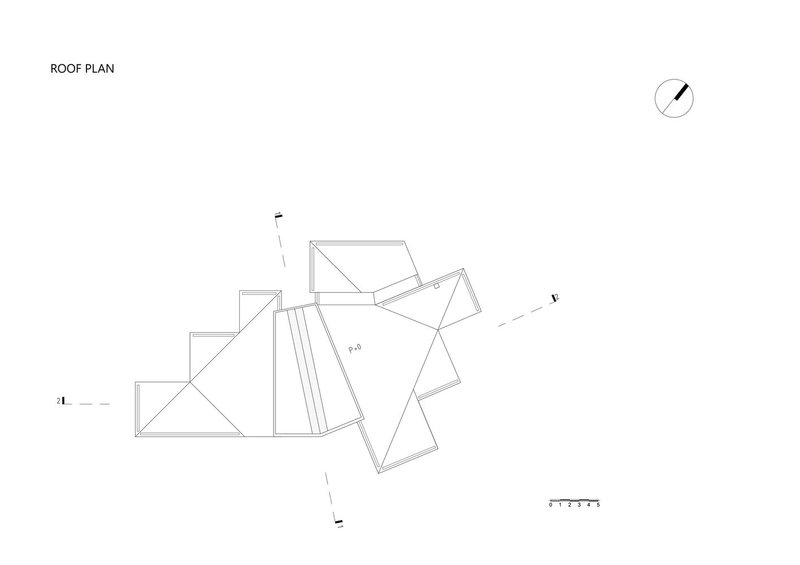
A defining aspect of sustainable visitor center architecture is the thoughtful selection of materials. The Đalovića Pećina Visitor Center incorporates natural materials such as stone, wood, and concrete, ensuring a visual and textural connection with the local environment. The architecture is influenced by regional building traditions, with multi-pitched roofs reflecting traditional forms while maintaining modern functionality.
Renewable Energy Integration
Sustainability is further reinforced through the installation of a solar power plant, featuring 46 solar panels on the building’s canopy. This renewable energy system reduces the facility’s carbon footprint, aligning with global efforts to promote eco-friendly architectural solutions.
Redefining Visitor Center Architecture
A Balance of Aesthetics and Function
The Đalovića Pećina Visitor Center is an outstanding example of how architecture can enhance visitor experiences while maintaining environmental integrity. By carefully integrating sustainable strategies, functional efficiency, and aesthetic sensibility, the project demonstrates a new approach to visitor center design—one that prioritizes both cultural heritage and ecological responsibility.
A Model for Future Visitor Centers
As a benchmark for sustainable visitor center architecture, this project highlights the importance of site-sensitive design, energy efficiency, and a seamless indoor-outdoor experience. The Đalovića Pećina Visitor Center not only supports tourism in Montenegro but also sets a precedent for how modern visitor facilities can harmonize with the natural world.
All Photographs are works of Lejla Nurković



Popular Articles
Popular articles from the community

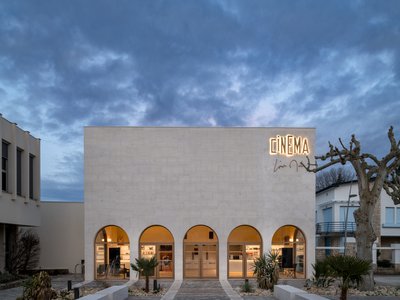
Louis Malle Cinema: A Limestone Cultural Landmark Revitalizing Community Life in Prayssac
Limestone cinema extension with public forecourt, blending heritage and modern design to create flexible cultural spaces and strengthen community interaction.
Atelier Macri Concept Store Interior Design by CASE-REAL
Atelier Macri store features a "ko" counter, walnut wood details, cork displays, blending retail, gallery, and seamless customer experiences.
On the Brooks House by Monsoon Collective – A Contemporary Kerala Home Rooted in Tradition
Kerala home blending tradition and modernity with water-inspired design, brick architecture, courtyard planning, and sustainable rainwater harvesting strategies.
Flamboyant House by Juliana Camargo + Prumo Projetos
Modern Brazilian house integrating existing tree, pool, and volumes with glass, wood, and transitional spaces blending interior, exterior, and landscape seamlessly.

Similar Reads
You might also enjoy these articles


The Ken Roberts Memorial Delineation Competition (Krob)
As the most senior architectural drawing competition currently in operation anywhere in the world, it draws hundreds of entries each year, awarding the very best submissions in a series of medium-based categories.


Waterfront Redevelopment and Urban Revitalization in Mumbai: Forging a New Dawn for Darukhana
A transformative waterfront redevelopment project reimagining Darukhana’s shipbreaking heritage into an inclusive urban future.

OUT-OF-MAP: A Call for Postcards on Feminist Narratives of Public Space
Rhizoma Design and Research Lab invites artists, designers, architects, researchers, and students to reflect on how feminist perspectives can reshape public space. Selected works will be exhibited in Barcelona, October 2026. Submissions open until 15 April 2026.


Documentation Work on Buddhist Wooden Temple
Architectural syncretism and cultural hybridity: A comparative study of the Buddhist temples in Chattogram Hill tracks

Explore Architecture Competitions
Discover active competitions in this discipline




The International Standard for Design Portfolios


The Global Benchmark for Architecture Dissertation Awards


The Global Benchmark for Graduation Excellence


Challenge to reimagine the Iron Throne
Comments (0)
Please login or sign up to add comments
No comments yet. Be the first to comment!