Taymeet at CPI by Devolution: A Serene Modern Teahouse Design Inspired by Minnan Courtyards
Taymeet at CPI redefines modern teahouse design with reclaimed materials, lake views, and an open courtyard inspired by Minnan traditions.


A Contemporary Teahouse Rooted in Tradition
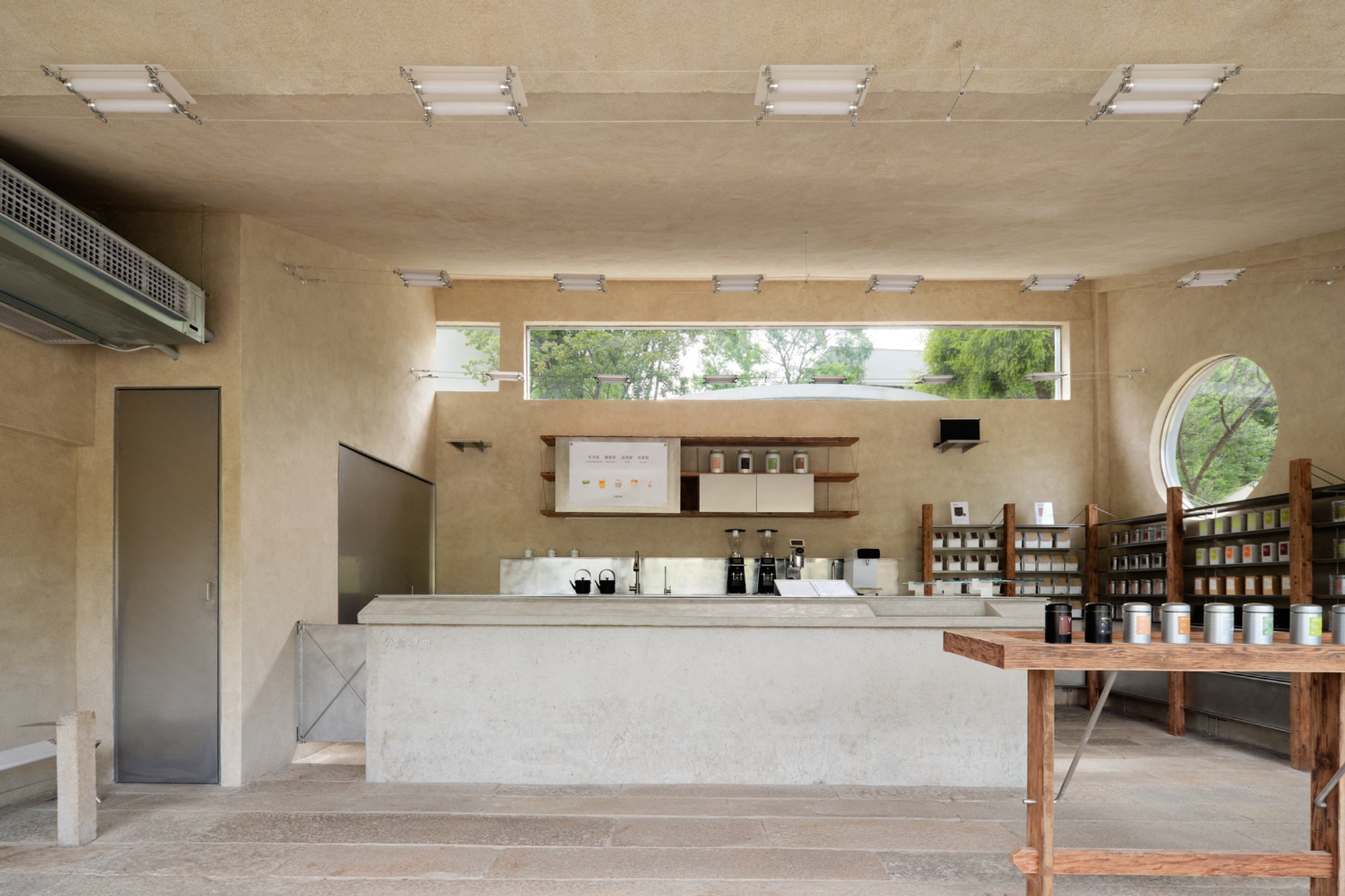
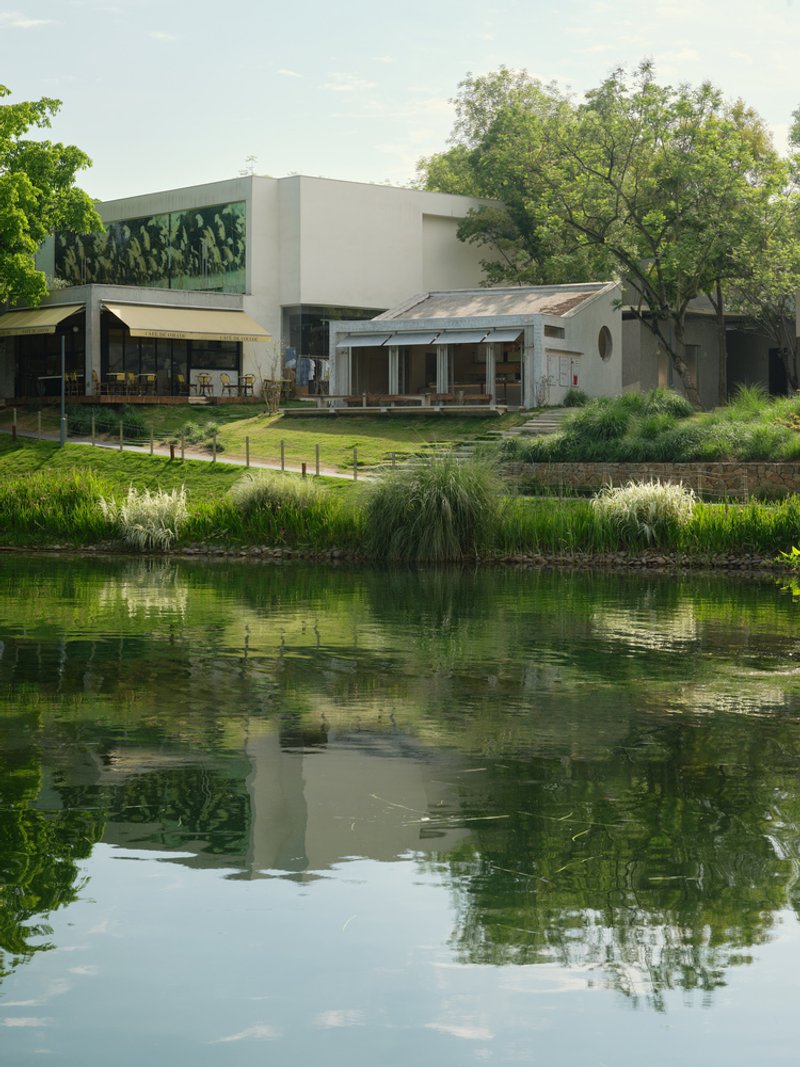
Nestled along the lakeside terrain of Chengdu’s CPI Luhu site, Taymeet at CPI by Devolution is a compelling example of modern teahouse design that blends architectural minimalism with local cultural roots. Occupying just 80 m², this compact project transforms a modest footprint into an open and reflective social space. Inspired by traditional Minnan courtyards, the design reimagines the tea experience as informal, accessible, and deeply connected to nature.
Minnan Courtyard Reimagined for a Contemporary Setting
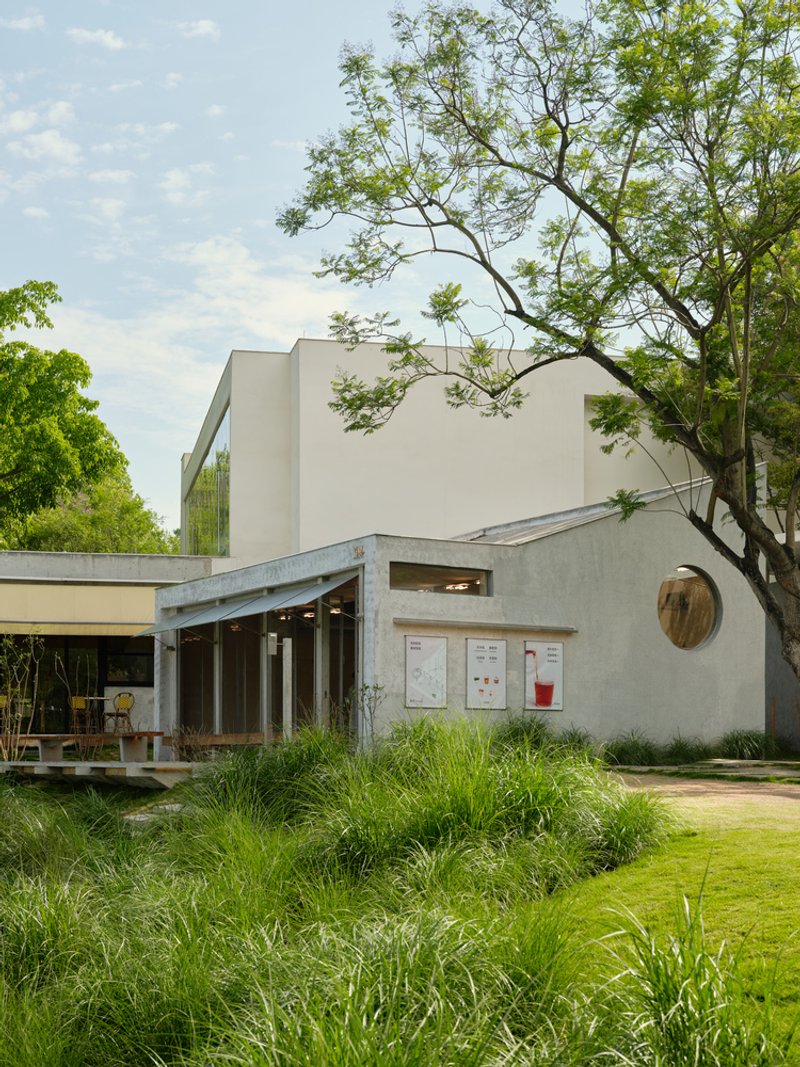
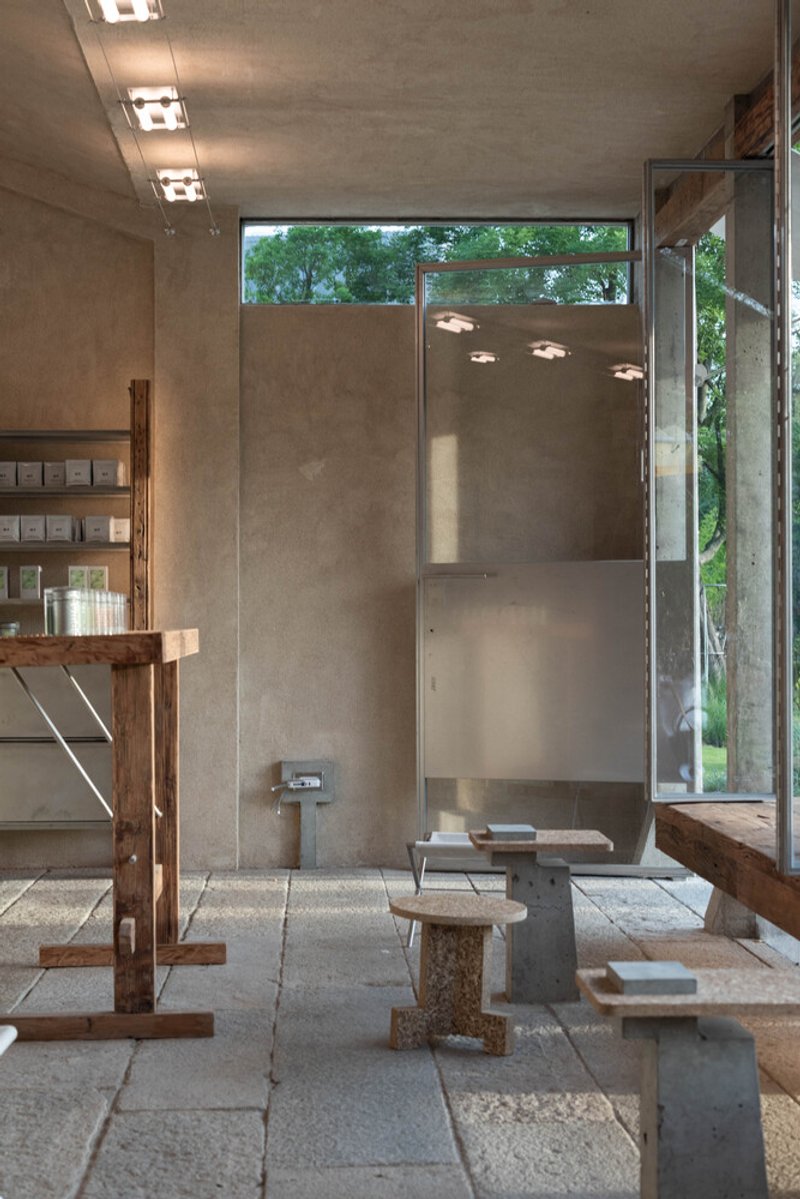
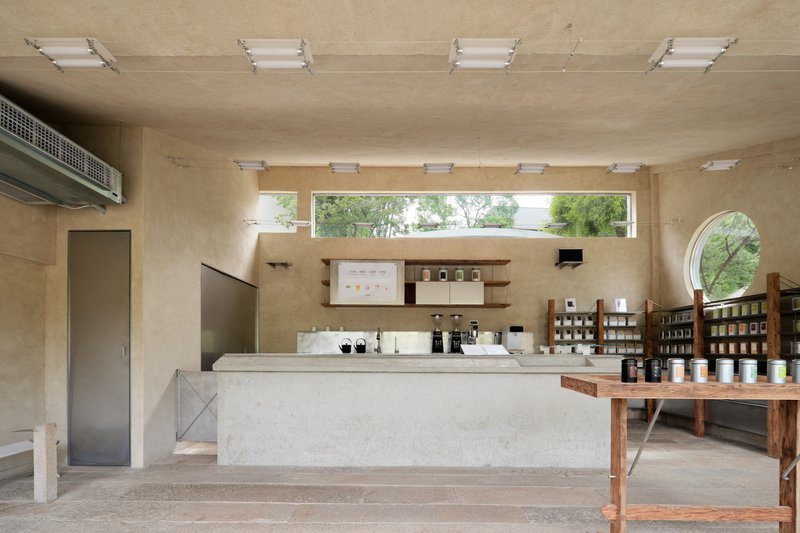
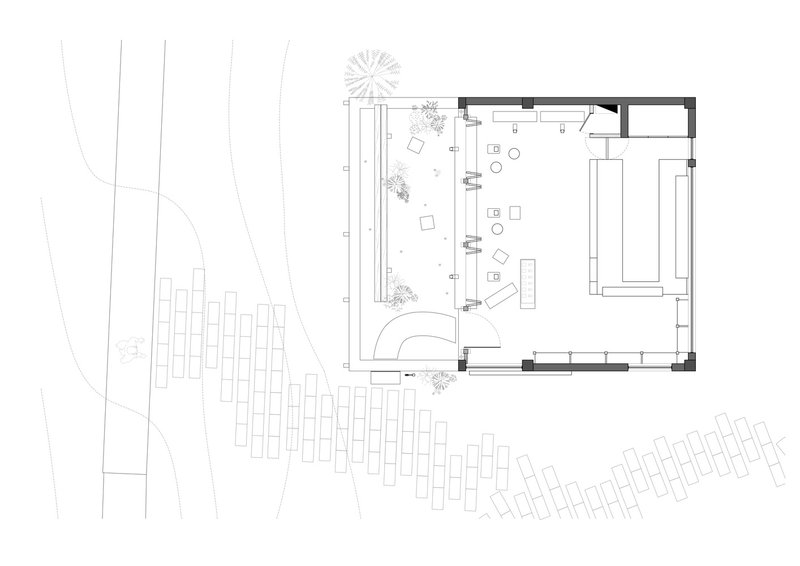
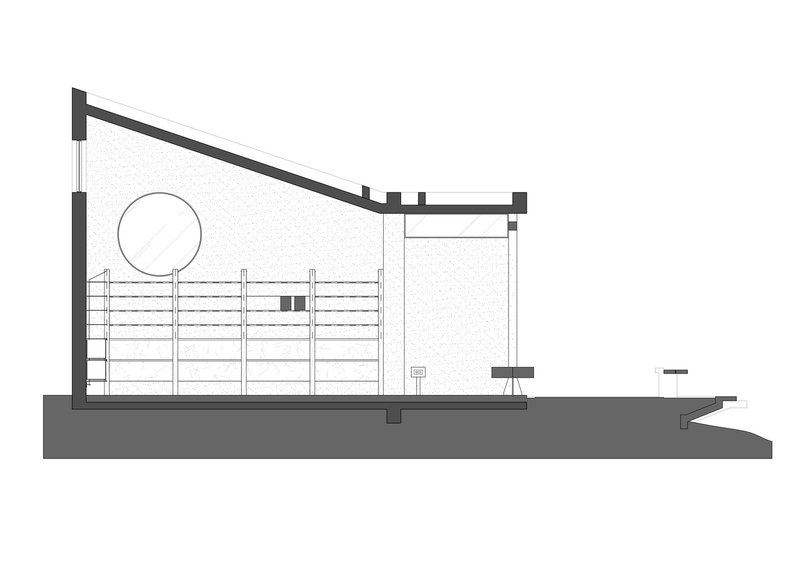
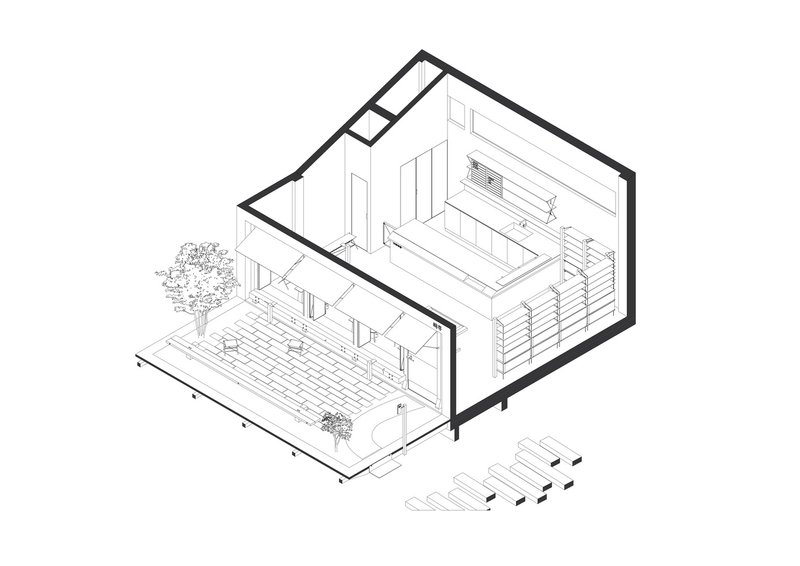
The spatial layout is heavily influenced by the small, sunlit courtyards of southern Fujian (Minnan) villages. Here, the courtyard isn’t simply decorative—it functions as the spatial heart of the teahouse. The design makes full use of the site's natural slope by positioning the courtyard and platform to harmonize with the lakeside topography. This strategy not only grounds the architecture within its context but also creates natural transitions between indoor and outdoor spaces.
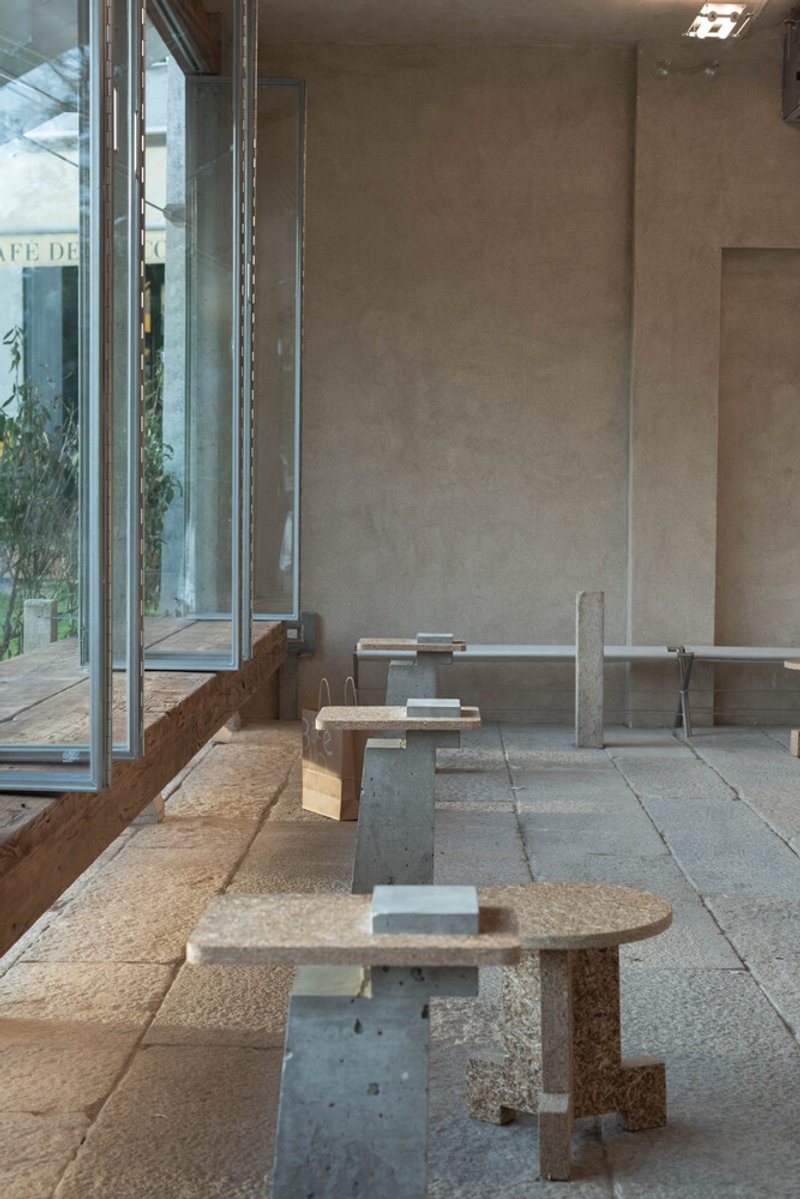
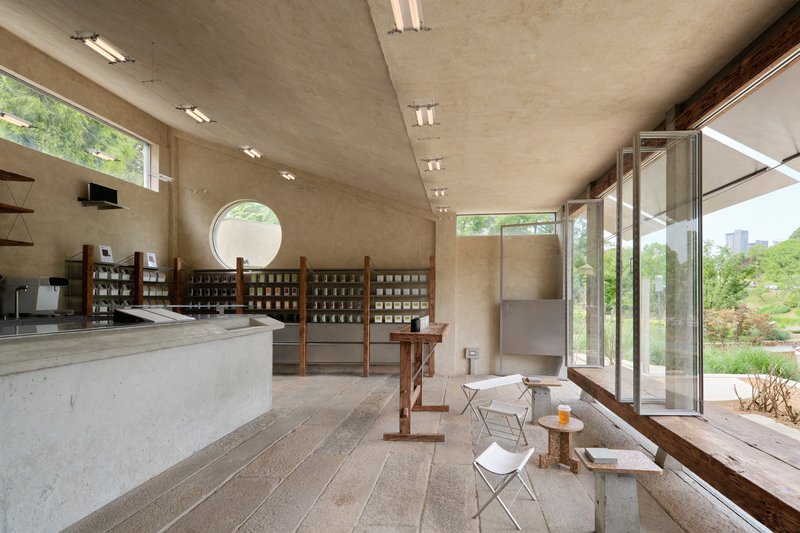
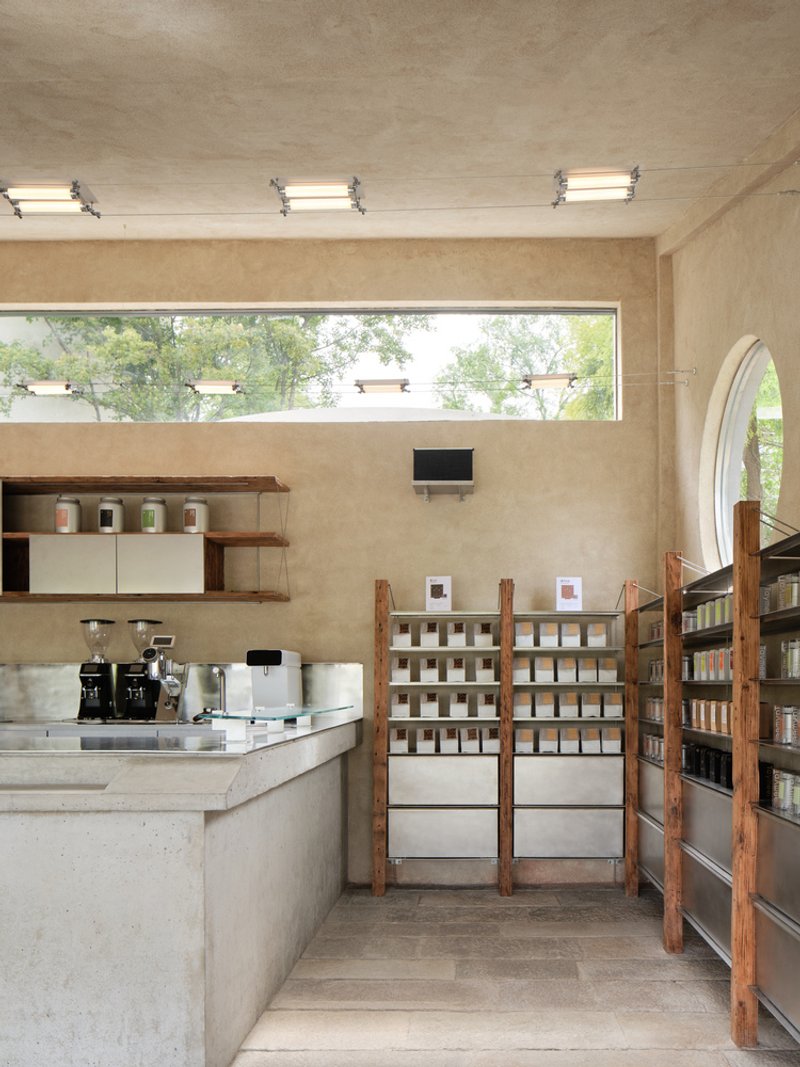
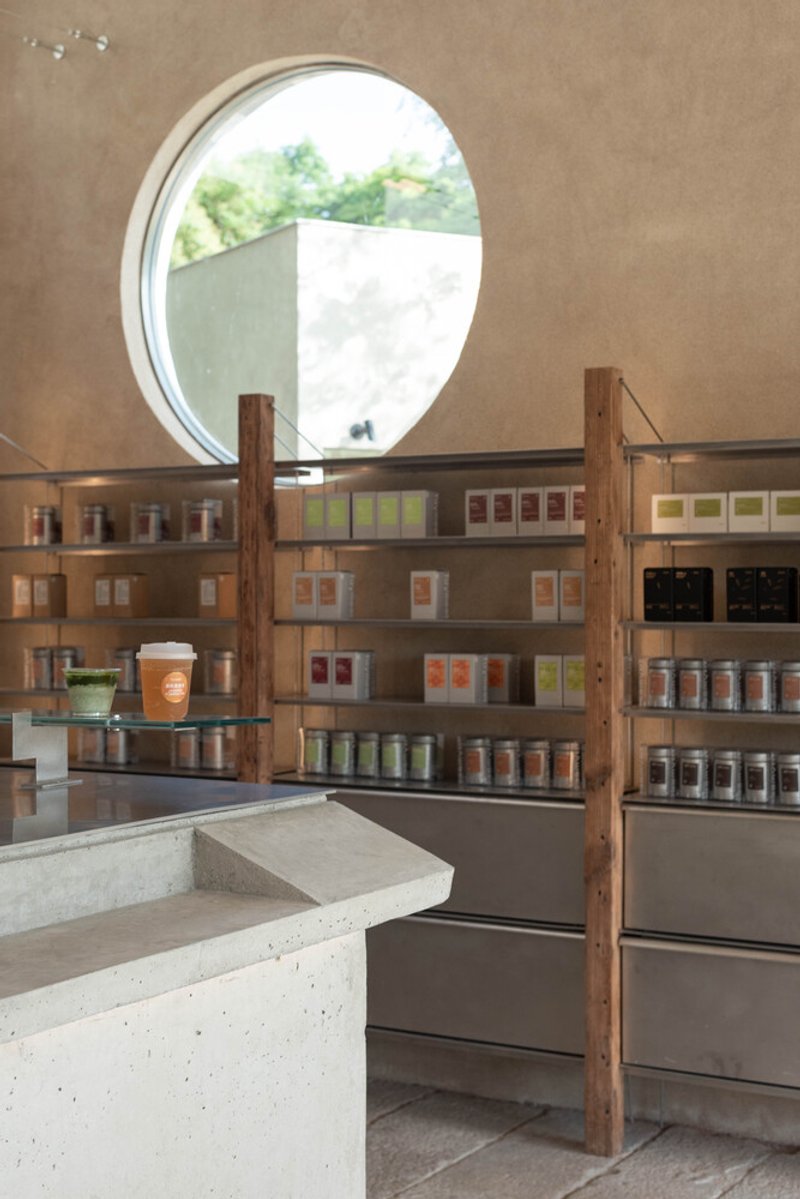
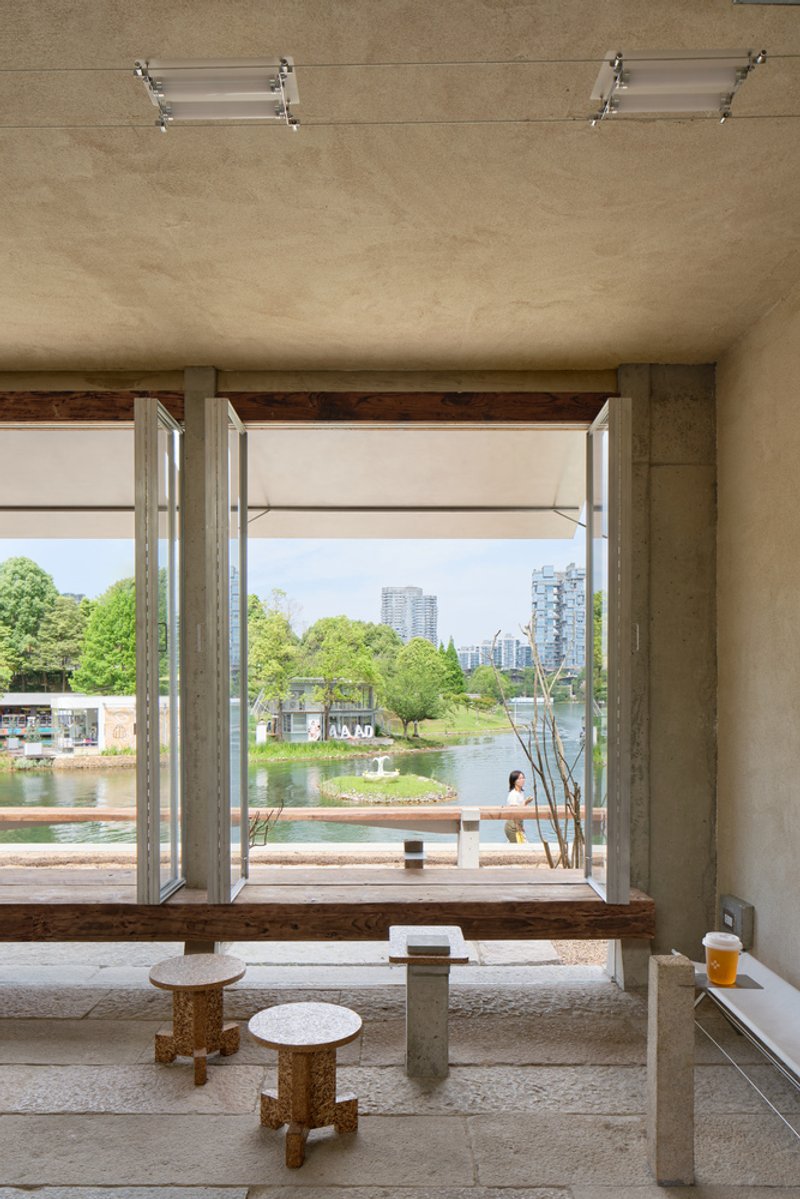
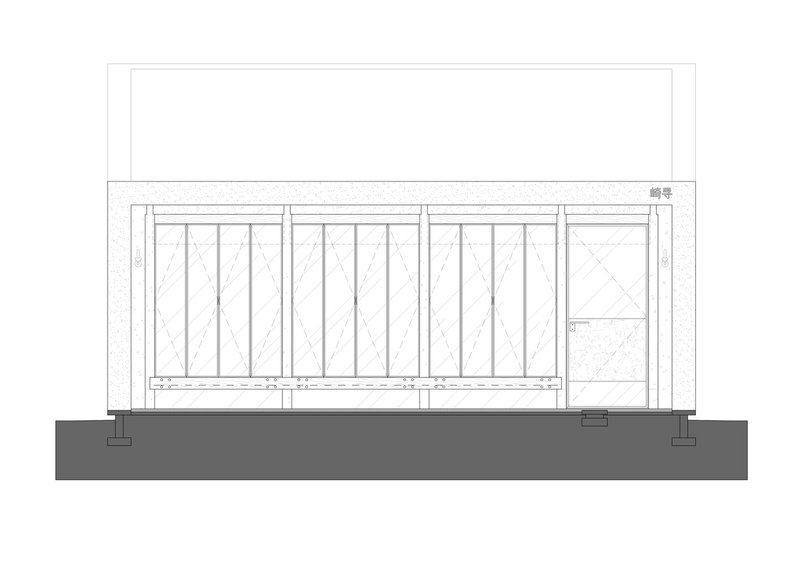
The building structure is kept deliberately transparent and porous. Floor-to-ceiling windows open the interior to the tea garden and lake, seamlessly extending the landscape into the space and enhancing the sense of calm and openness. Light filters through at every hour of the day, transforming the interior into a quiet observatory for nature.
Sustainability Through Reclaimed Materials and Tea Residue Boards
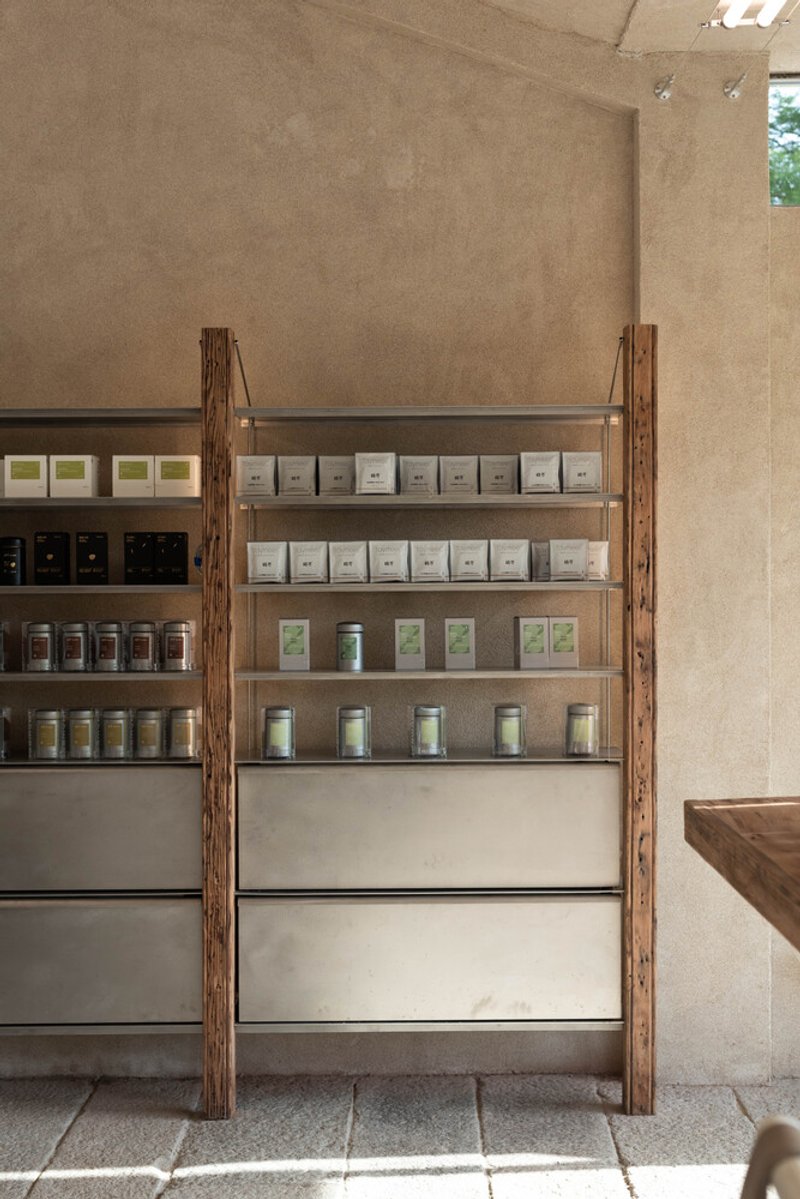
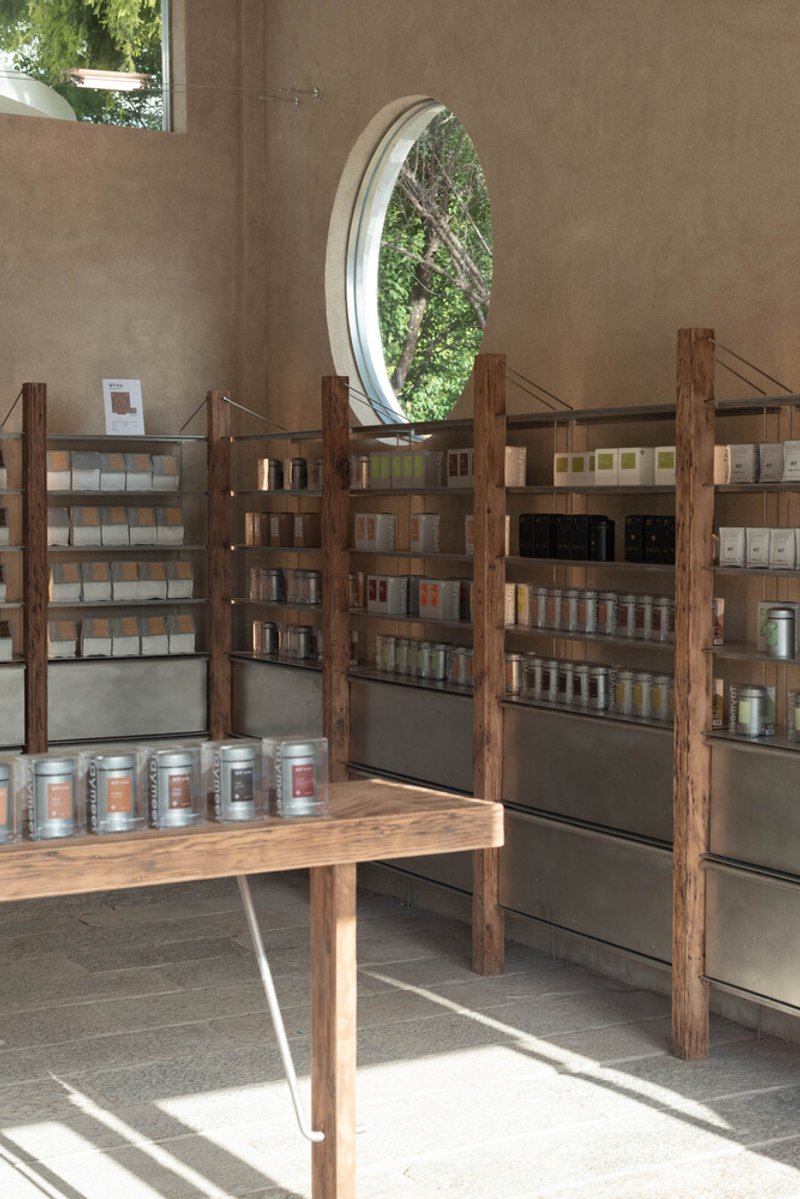
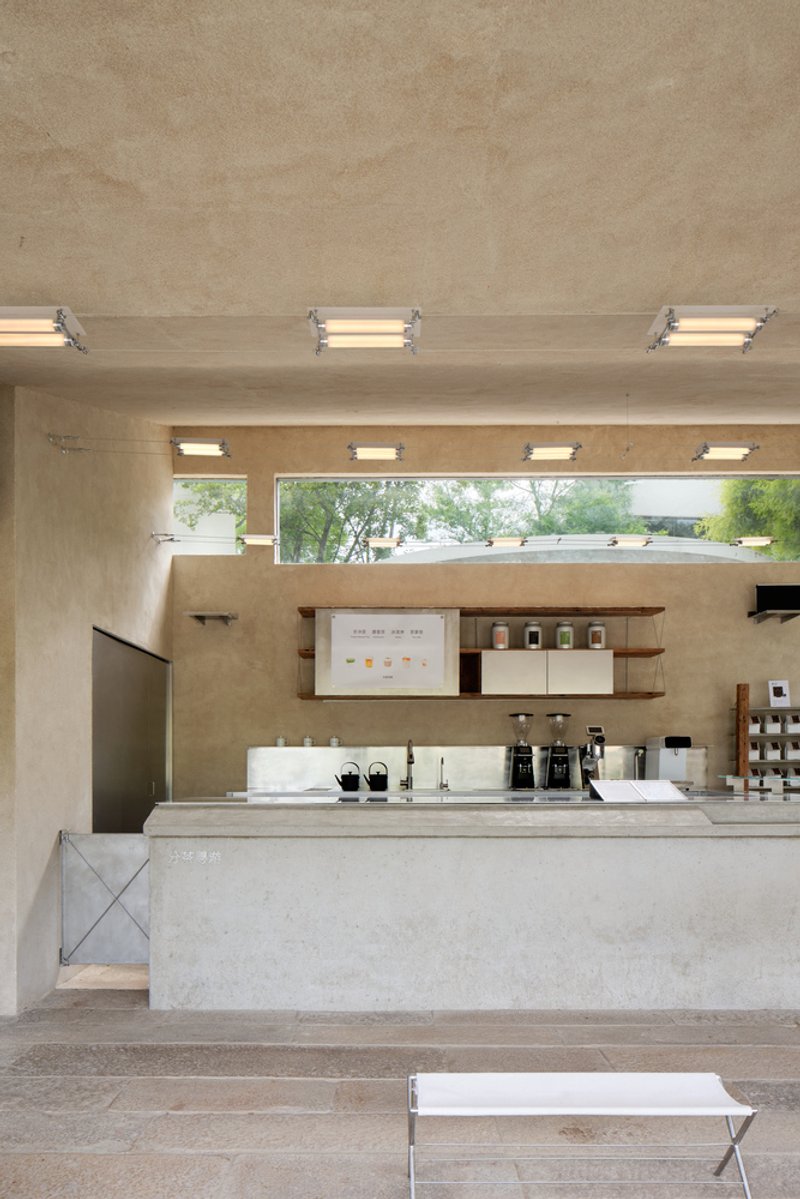
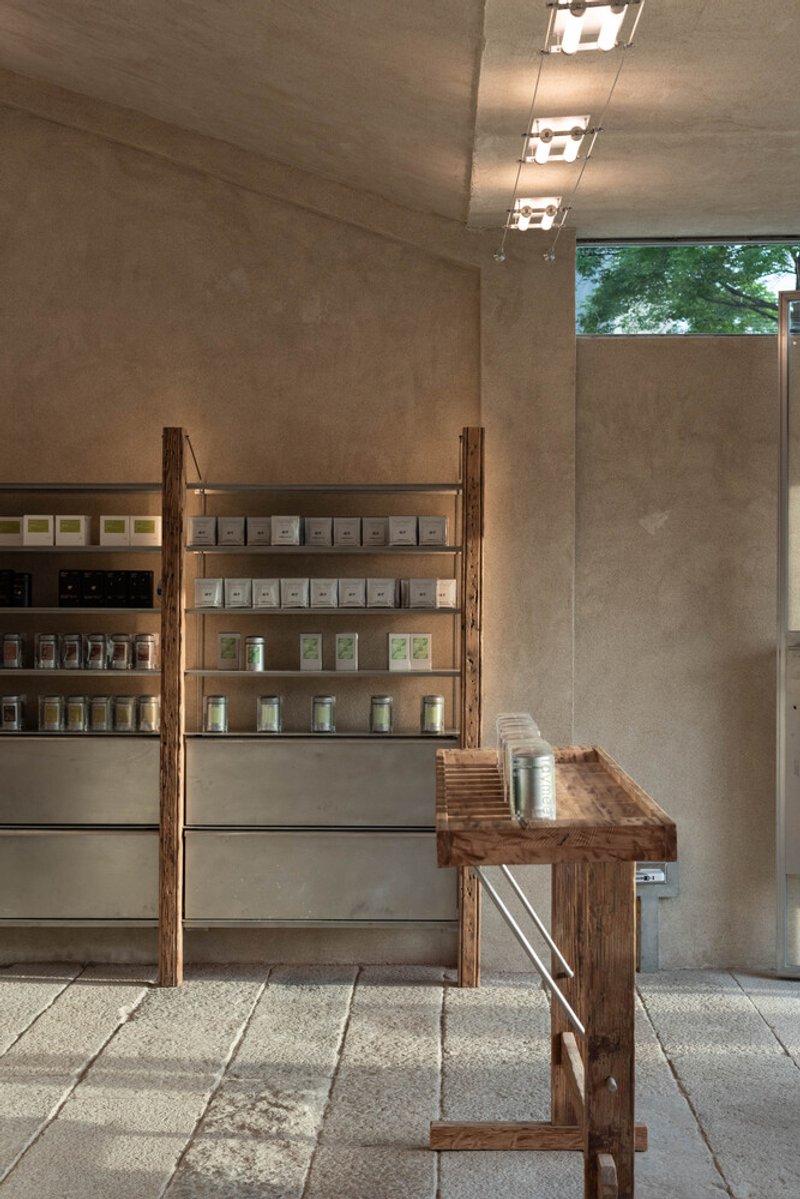
Sustainability lies at the core of the project’s material choices. Most of the construction employs reclaimed timber and stone sourced from Fujian. These materials retain their natural textures—aged wood grains, stone patina, and organic imperfections—imparting warmth and authenticity to the space.
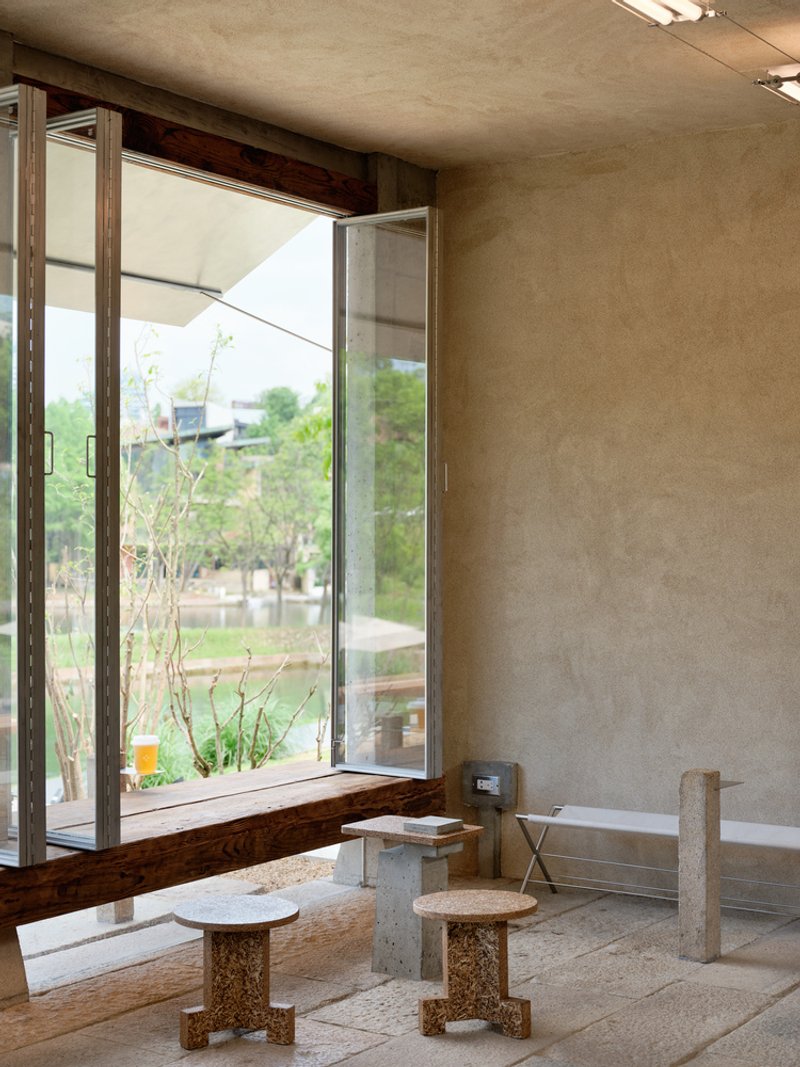
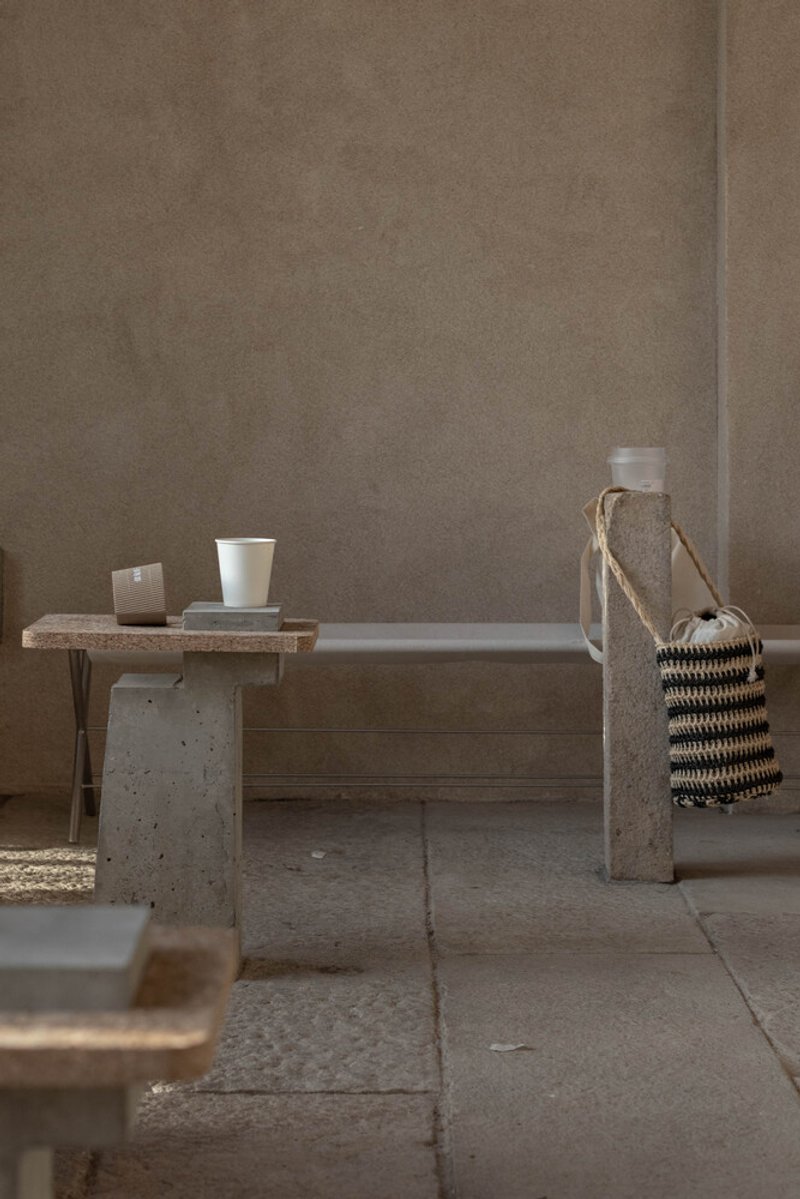
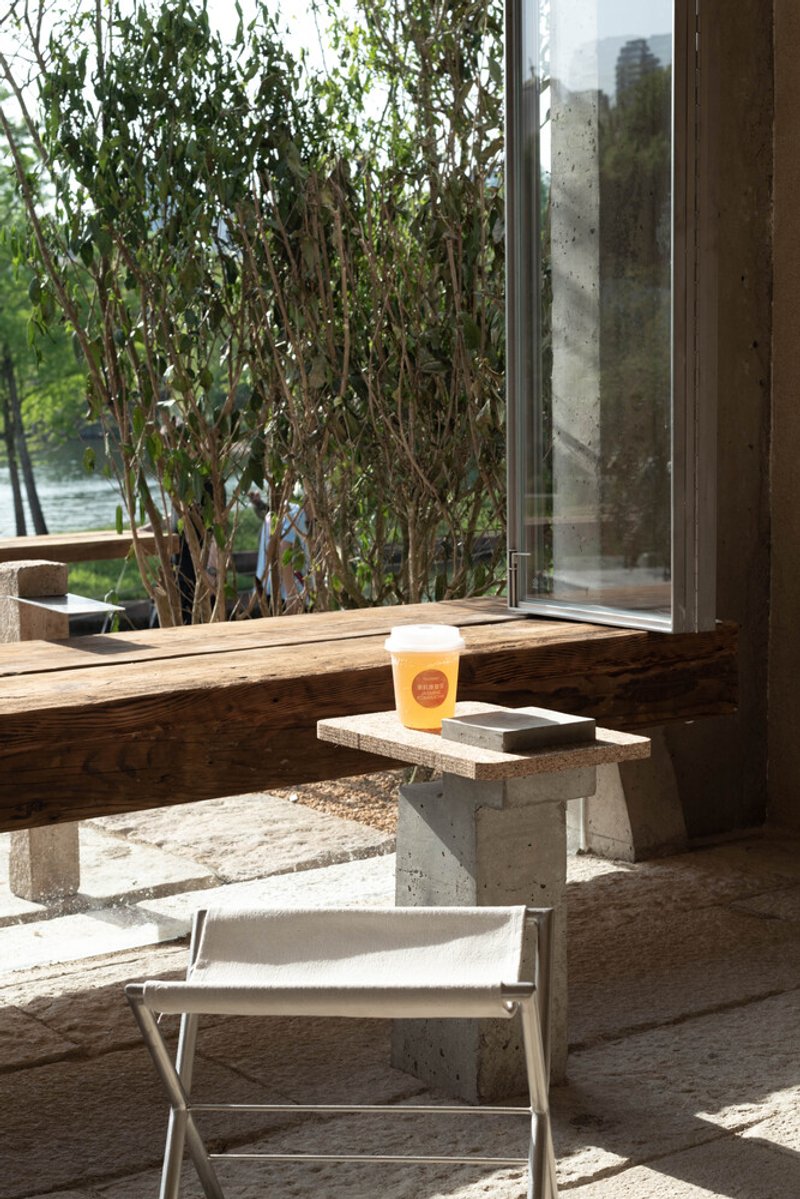
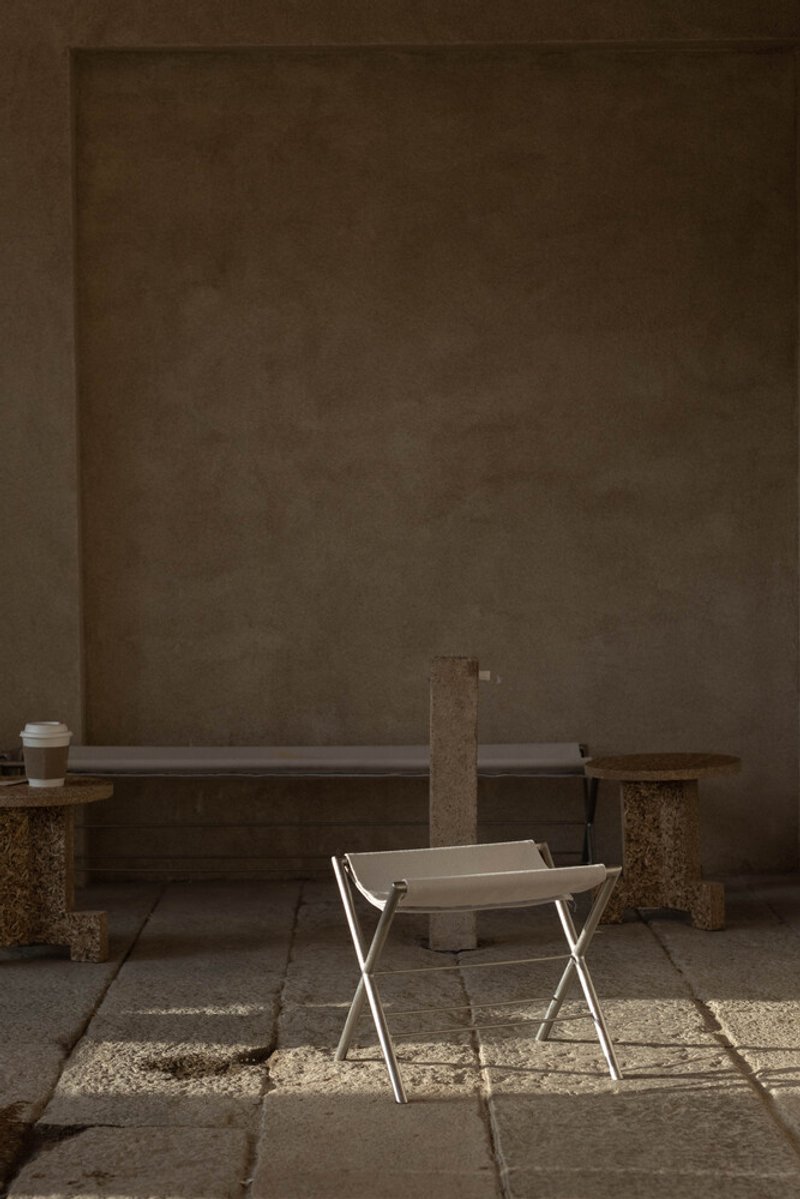
More innovatively, the project reuses tea residue—specifically discarded stems and leaves—to create tea boards used in tabletops and seating. These subtly aromatic surfaces embed the memory of tea into the spatial experience, blurring the line between consumption and environment. It’s a poetic gesture that deepens the connection between the ritual of tea and the architectural setting.
A Space for Everyday Calm and Casual Encounters
Unlike formal tea rooms that center on elaborate ceremonies, Taymeet promotes an unhurried, spontaneous experience. It is a place for “sharing tea and wandering,” where one can pause, reflect, and enjoy a drink at any time. This casual approach encourages repeated visits and supports a more democratic view of tea culture—accessible, daily, and comforting.
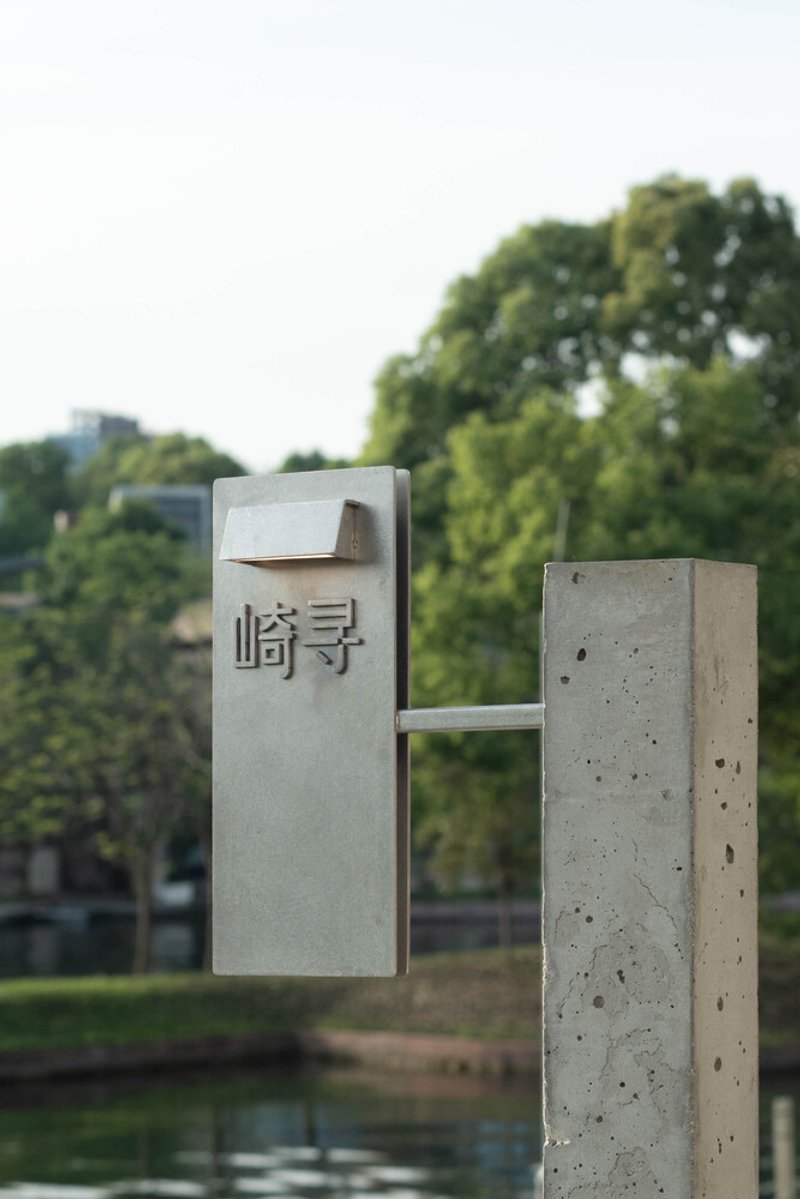

The furniture and spatial configuration support this relaxed ethos. Seating arrangements are dispersed and flexible, offering varied perspectives of the lake, courtyard, and interior. Whether seated beside a concrete column or under a timber beam, each guest enjoys a unique atmosphere of solitude or soft conversation.
Architecture as Framing Device for Nature
The architects at Devolution have skillfully used architecture as a framing device—directing views, curating light, and inviting breeze. Every component, from the large glass panes to the narrow wooden ledges, is designed to heighten sensory awareness. The design is not an imposition but a lens through which nature becomes more vivid.
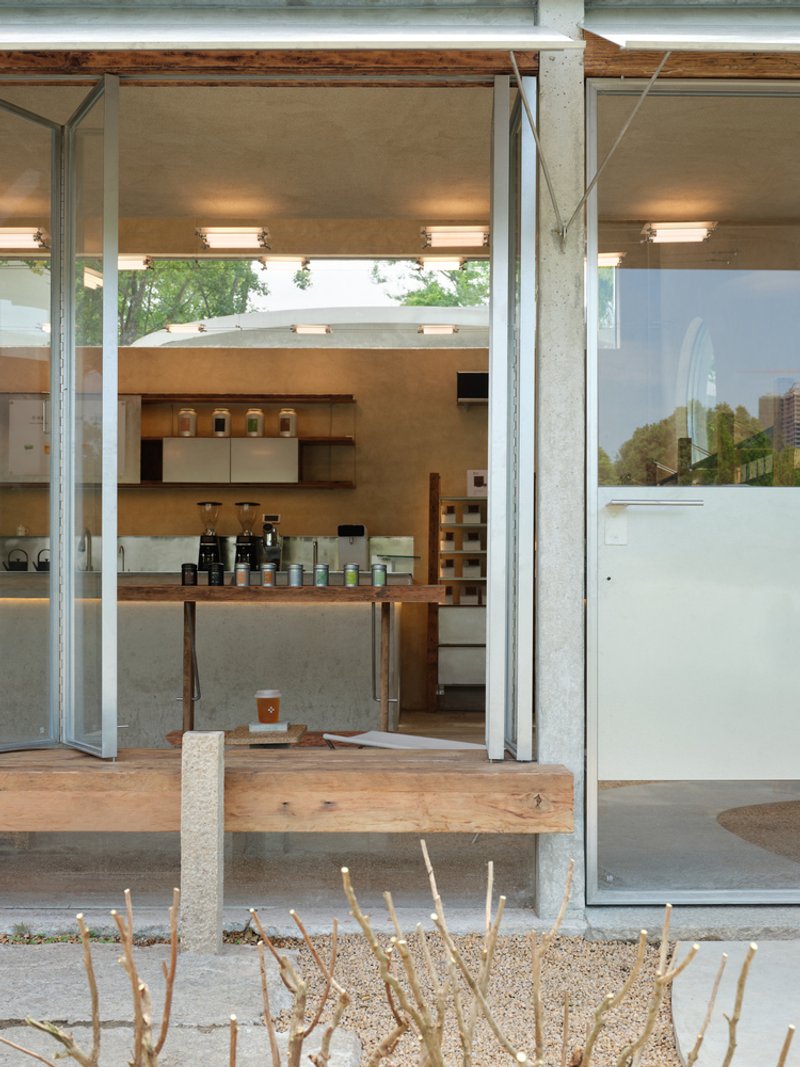
Instead of dominating its surroundings, the structure sits lightly on the land. It’s a space meant for lingering—where movement slows, conversations deepen, and time seems to stretch with the rhythm of tea brewing.
Conclusion: Minimalist Architecture Meets Cultural Warmth
Taymeet at CPI stands as a beautiful case study in modern teahouse design—fusing traditional Chinese courtyard concepts with contemporary architectural language and sustainable practices. It’s not just a teahouse; it’s a cultural gesture, a sensory space, and a quiet revolution in the way public tea spaces can be designed.
All Photographs are works of Xinxin Guo