Under The Skin: Interactive Architectural Experience
Where Sound, Movement, and Architecture Converge – Experience Interactive Architecture Like Never Before.


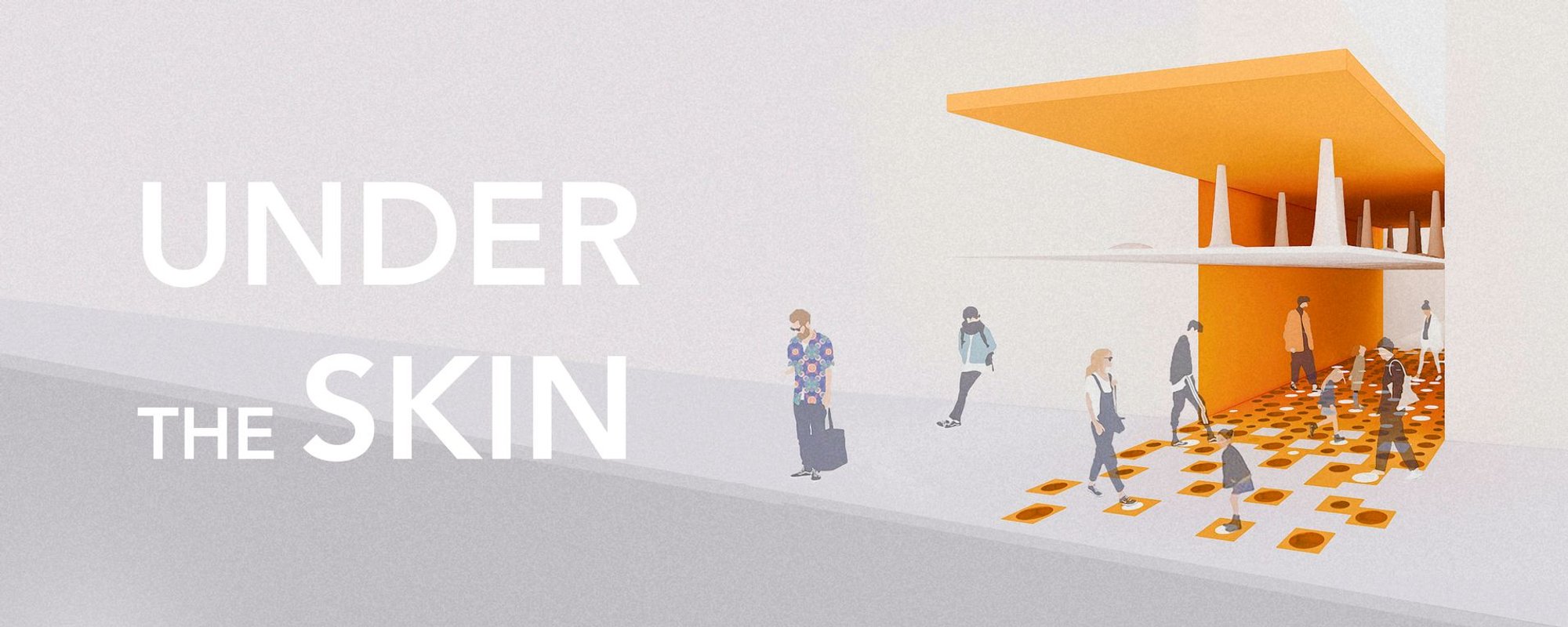
Under The Skin is an interactive musical installation designed to foster a connection between individuals and their surroundings. By stepping into the installation, participants take a break from the digital realm, engaging physically with sound and movement while rediscovering the joy of play. This immersive experience encourages a heightened awareness of space, allowing users to awaken their inner child and interact collaboratively with others.
Project by Rachel Sau
Winner of Elevate 2019
Concept & Experience
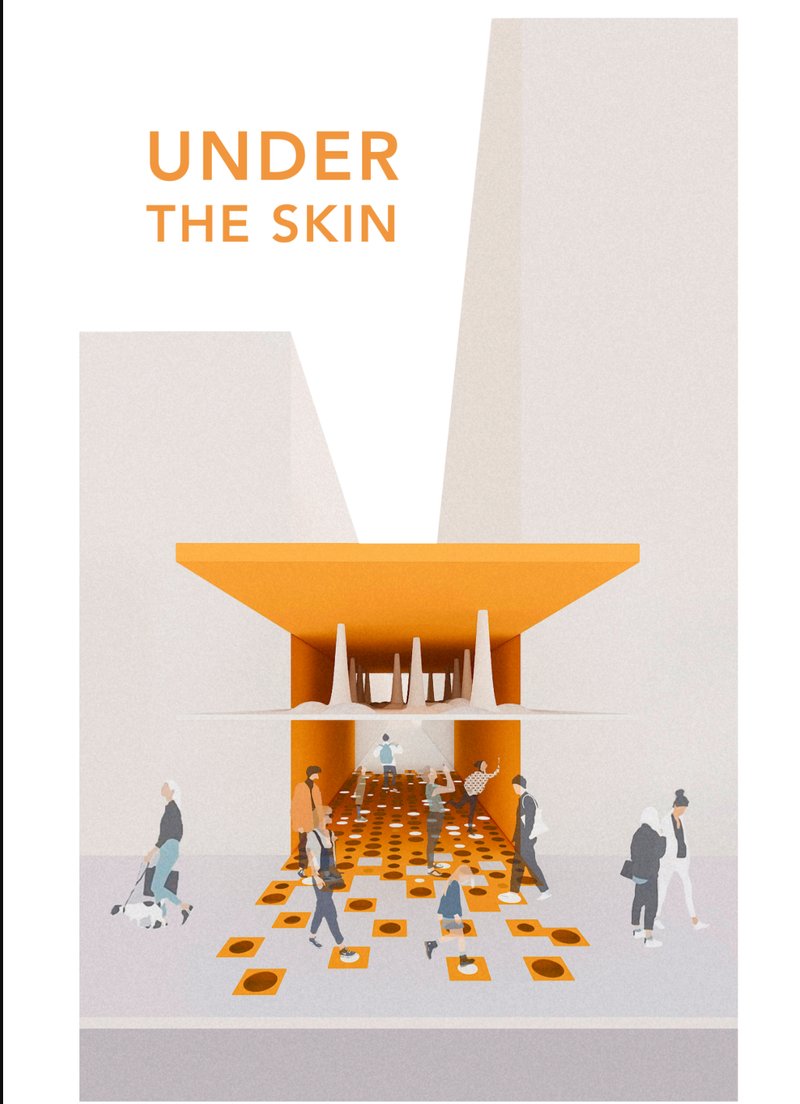
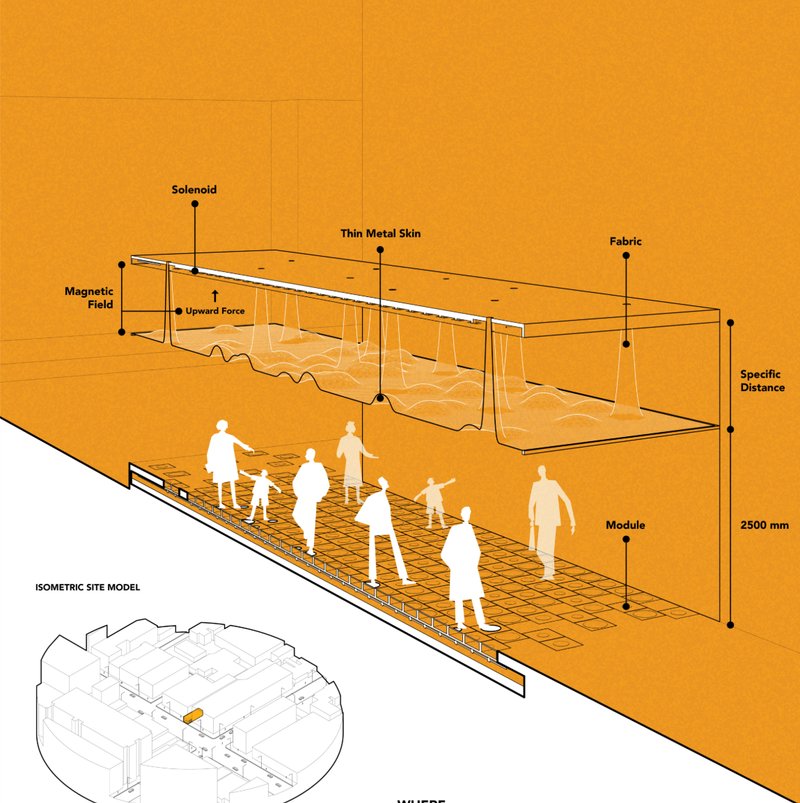
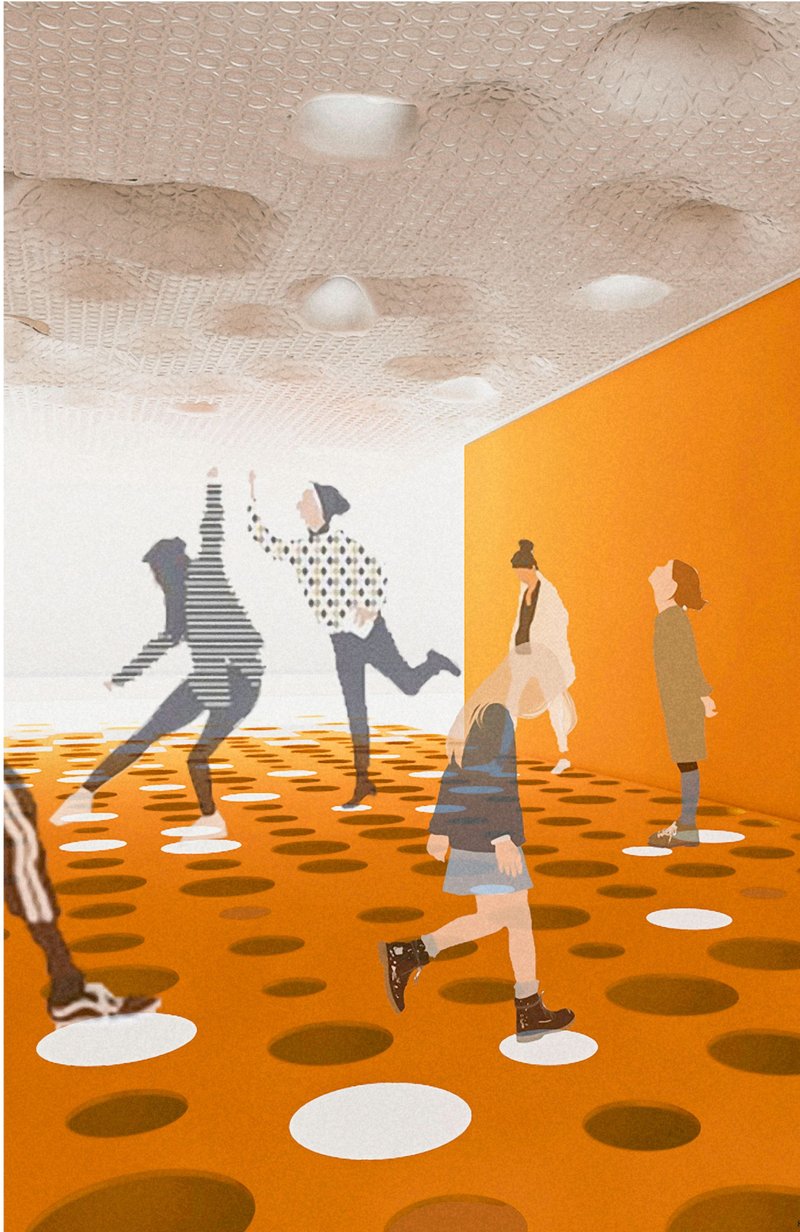
The installation is envisioned as a dynamic space placed in urban environments, offering an opportunity for pedestrians to engage with an architectural structure that reacts to their movements. The design incorporates a responsive musical floor, where individual steps trigger sounds, lights, and structural transformations above. This interaction creates a harmonious blend of architecture and soundscape, offering a unique auditory and visual experience.
Location & Urban Integration
Under The Skin is proposed for various cities, with its first installation planned for Toronto, Ontario, Canada, at the intersection of King Street and Portland Street. This location features three distinct areas:
- Entry/Exit Zone: Acts as an inviting threshold where visitors are drawn in.
- Main Play Area: The central interactive space where participants trigger musical and structural responses.
- Alleyway Extension: A semi-enclosed zone enhancing the immersive experience.
Technological & Architectural Design
The installation leverages a combination of LED-integrated modular flooring, weight sensors, and computational software that dictates the real-time response of the structure. Each step sends signals to:
- Sound Controllers: Producing musical notes linked to an a cappella system.
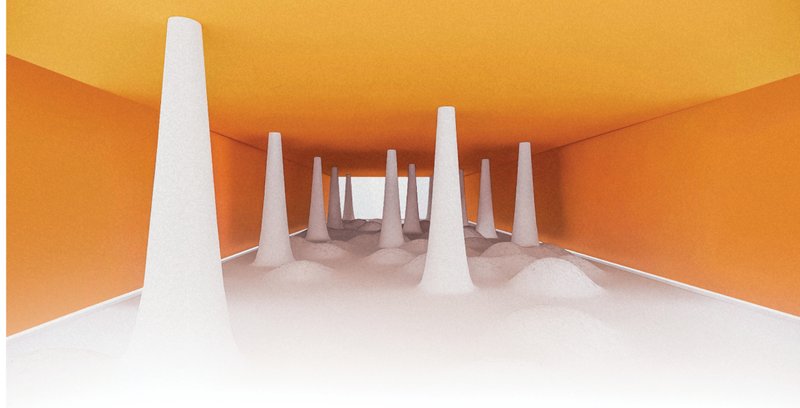
- Solenoid Mechanisms: Generating magnetic fields that elevate sections of the ceiling, creating a fluid and dynamic architectural environment.
The ceiling structure consists of two layers:
- A thin metal skin manipulated through magnetic force.
- A fabric layer that reacts to movement, forming organic deformations.
Musical Integration
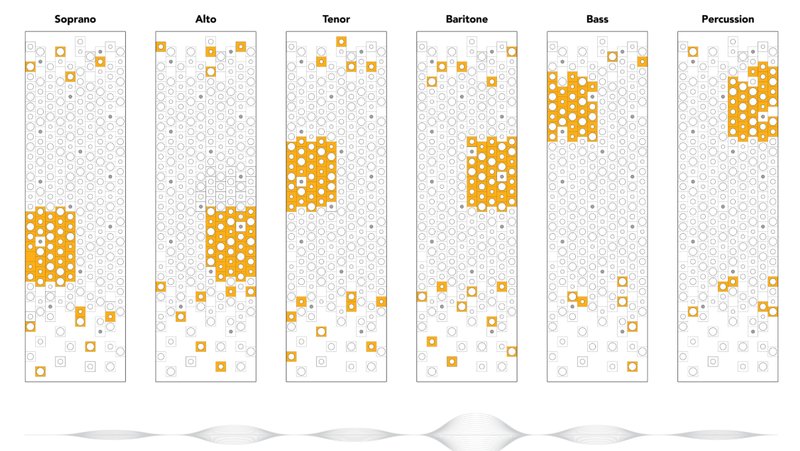
The musical floor is programmed to play six distinct a cappella vocal parts:
- Soprano
- Alto
- Tenor
- Baritone
- Bass
- Percussion
Participants can either play individually or collaboratively, generating unique sound compositions as they move through the space. The modules in the street-facing area remain fully illuminated to attract pedestrians, while those within the alleyway respond to real-time foot traffic.
Installation Breakdown
The structural composition includes:
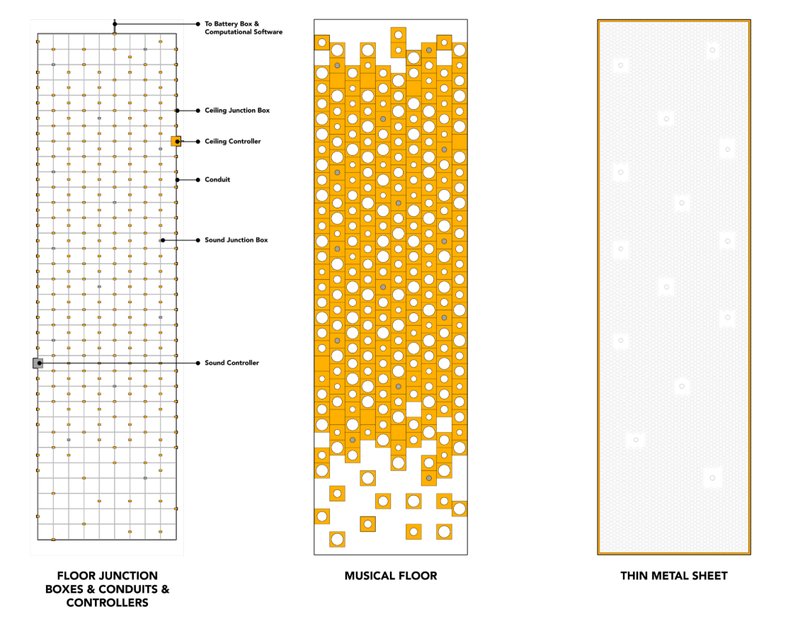
- Musical Floor Modules: Containing LED lights, weight sensors, and translucent glass tiles.
- Solenoid-Controlled Ceiling Modules: Responding dynamically to user movements.
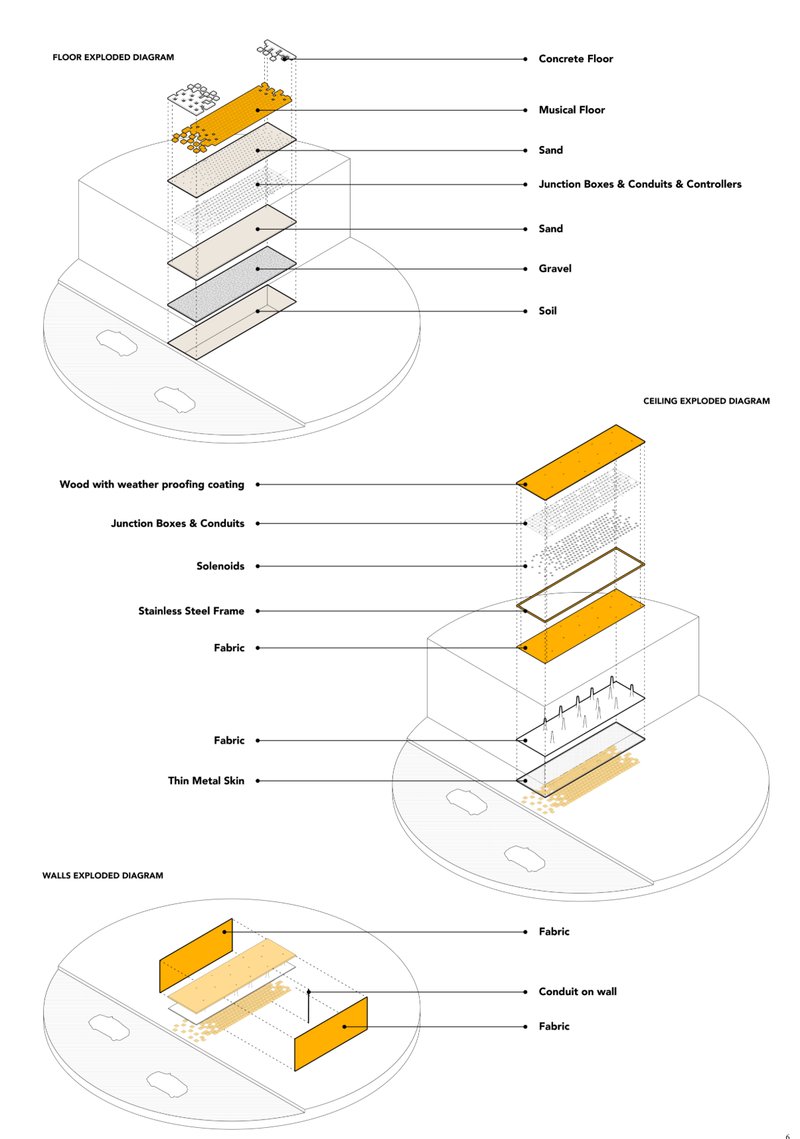
- Exploded Diagrams & Architectural Plans: Showcasing the layers of construction, including concrete flooring, sand insulation, recycled tile bases, and junction boxes controlling electrical connections.
Under The Skin merges interactive architecture with urban engagement, transforming everyday public spaces into immersive musical landscapes. This installation challenges the boundaries between sound, movement, and architecture, offering an innovative and sensory-rich urban experience.