Underground Architecture Design: The Blue Insight Cave Space by 3andwich Design
This article explores the Blue Insight Cave Space, an underground architecture design that merges sustainability, cultural integration, and natural inspiration.


A Hidden Architectural Gem on Donghai No.1 Road
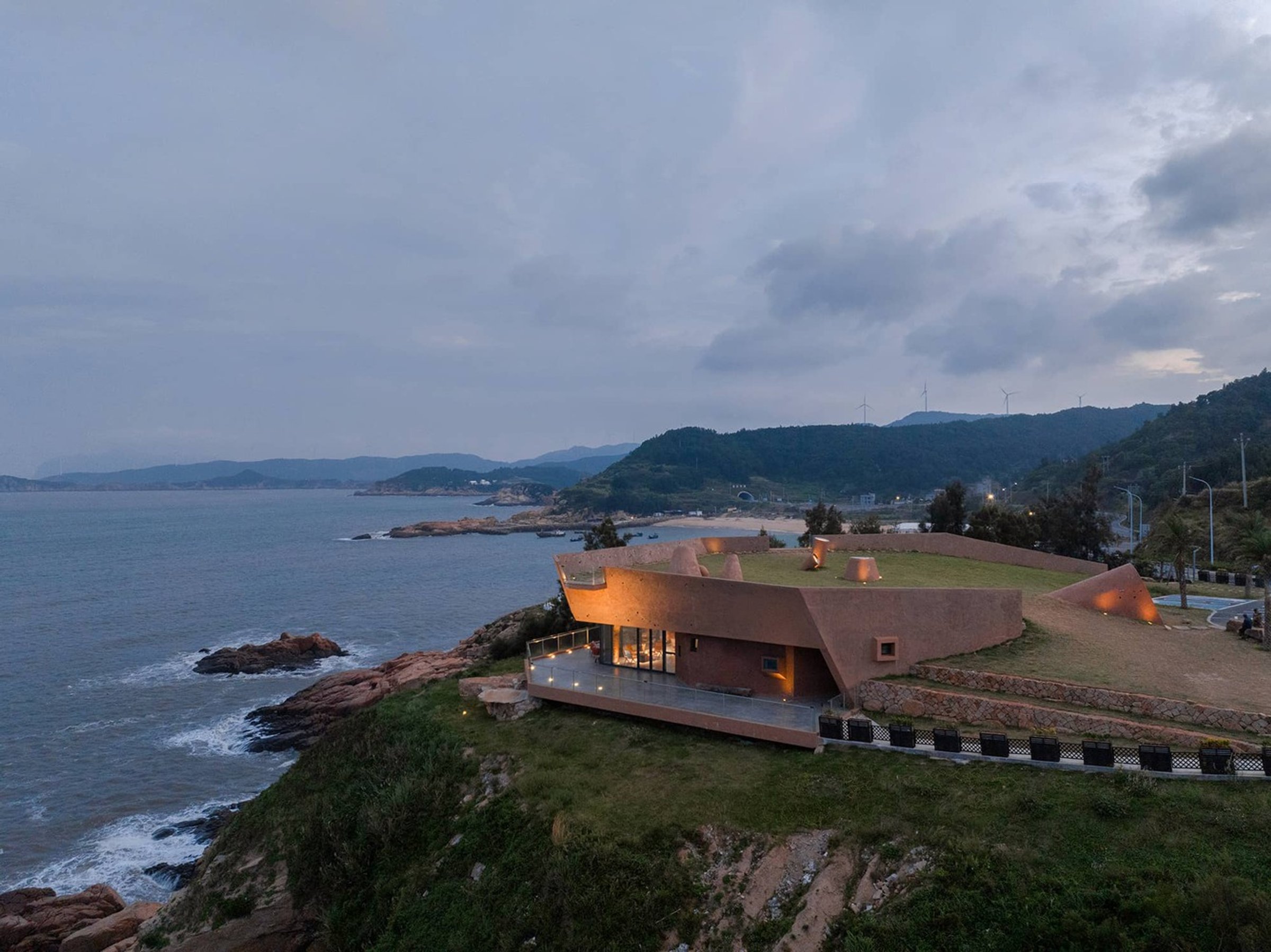
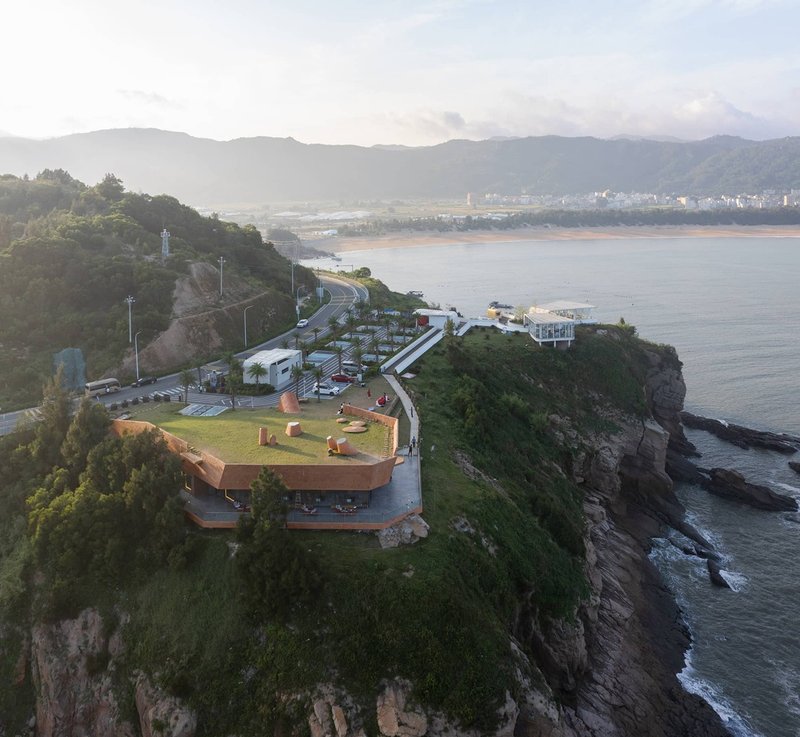
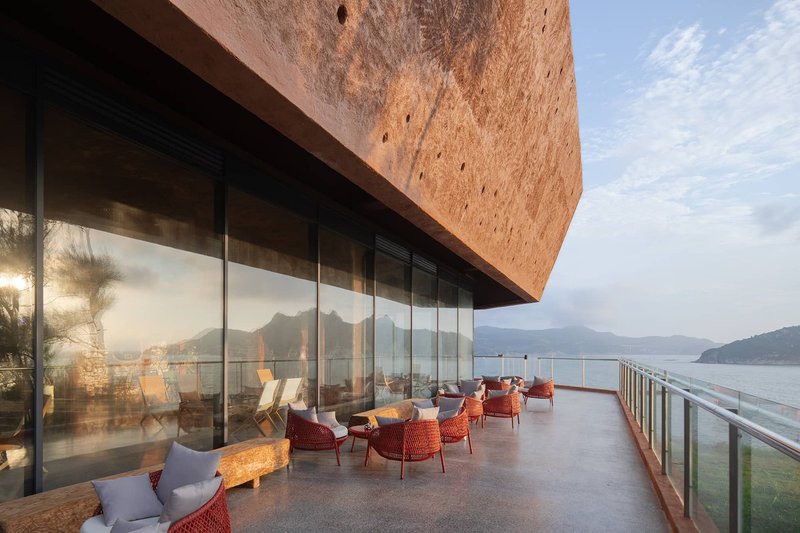
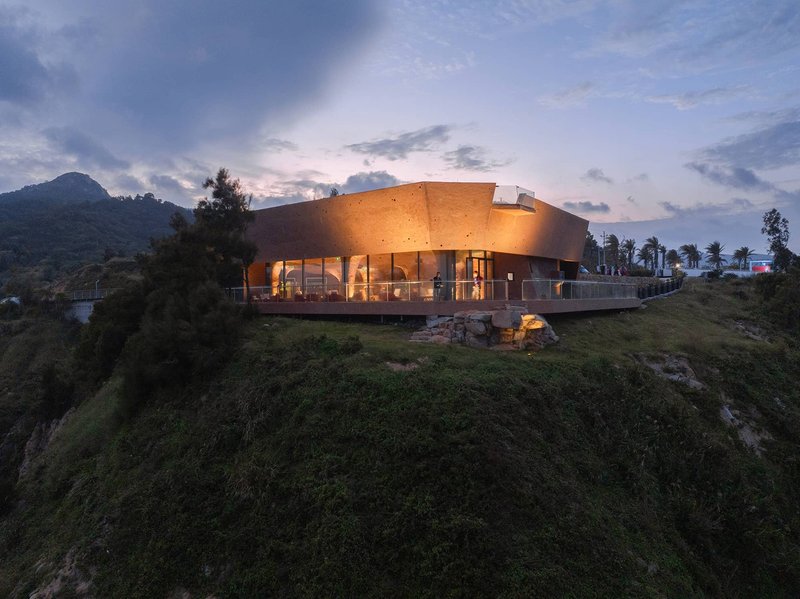
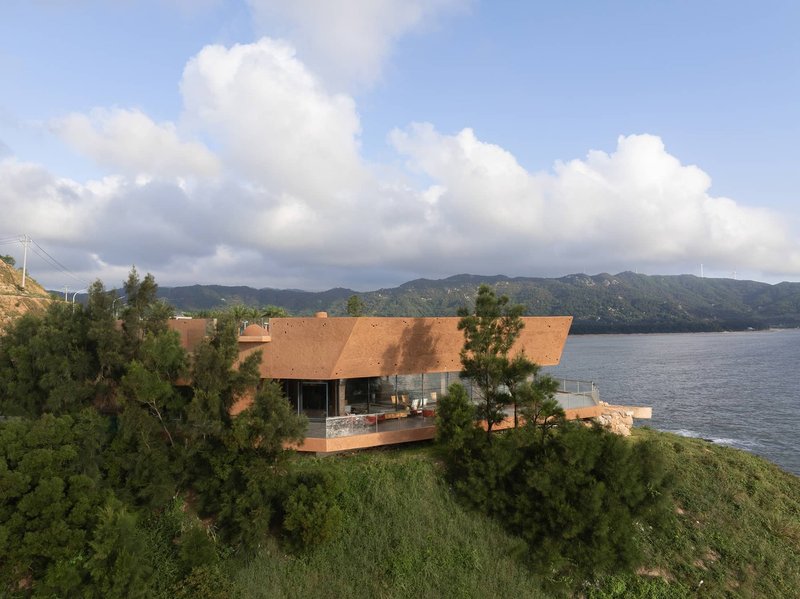
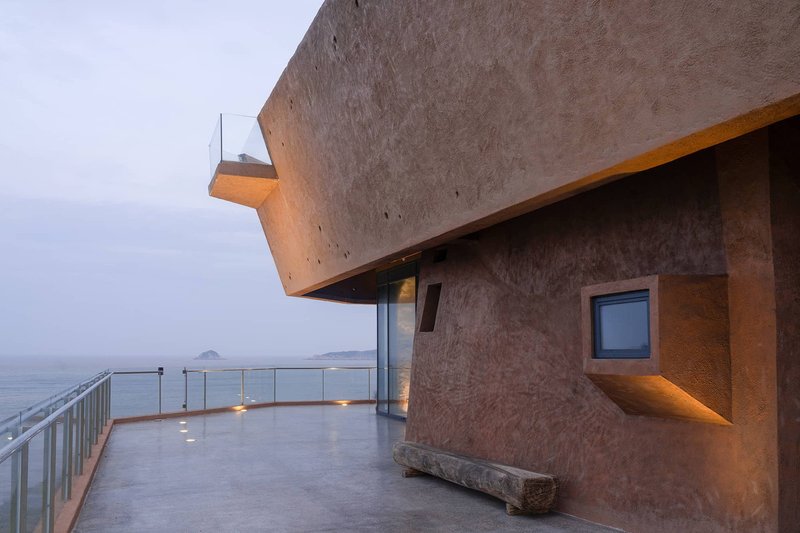
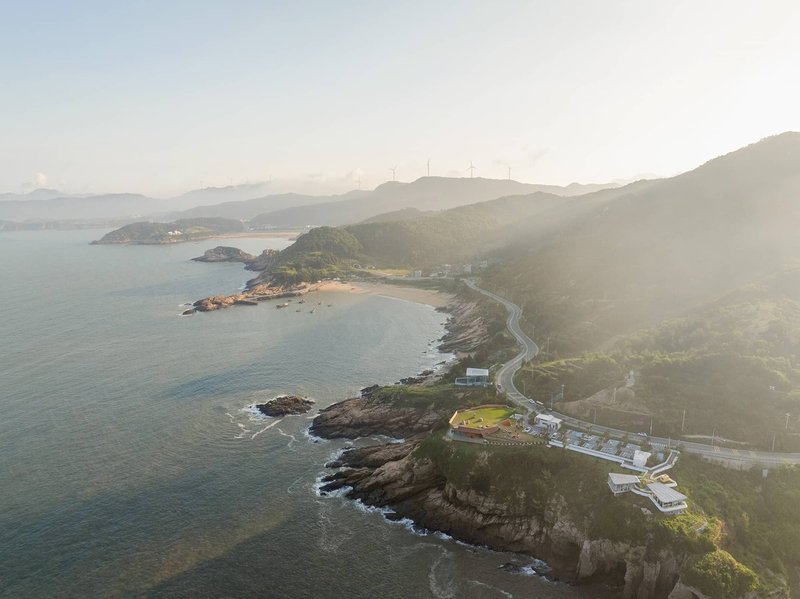
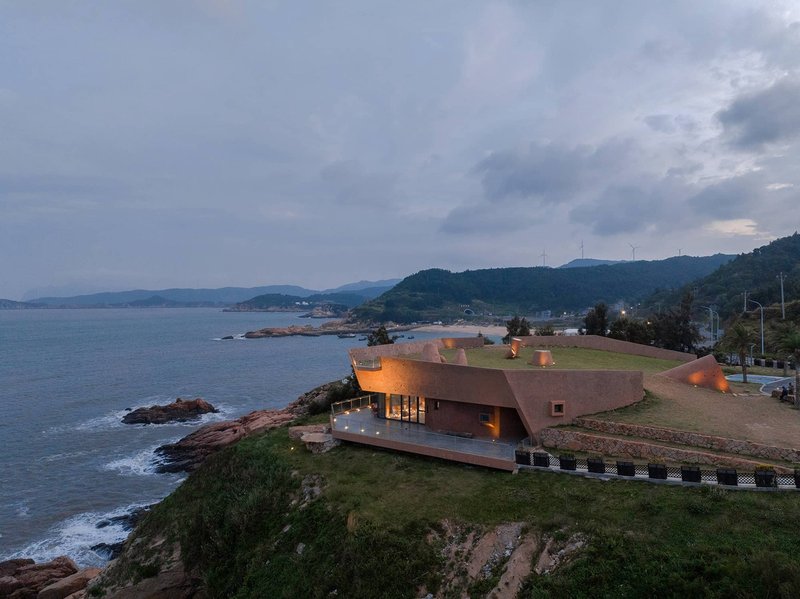
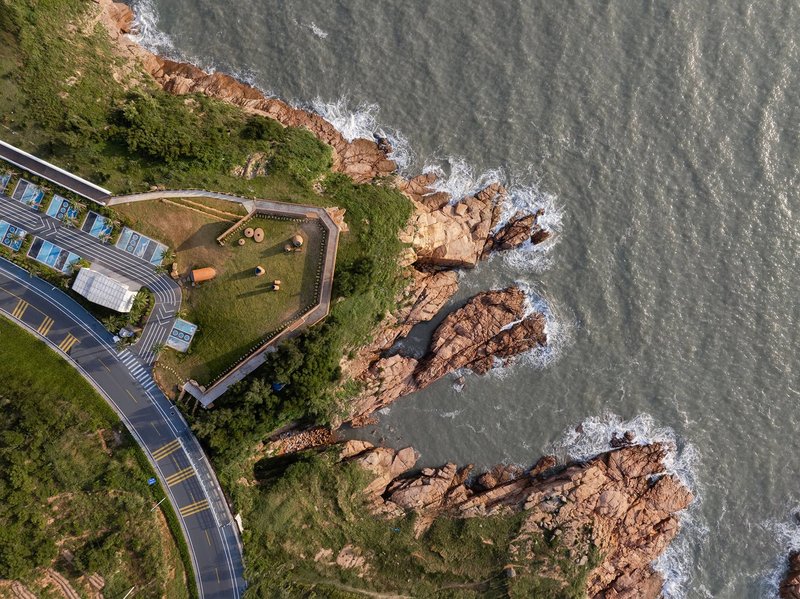
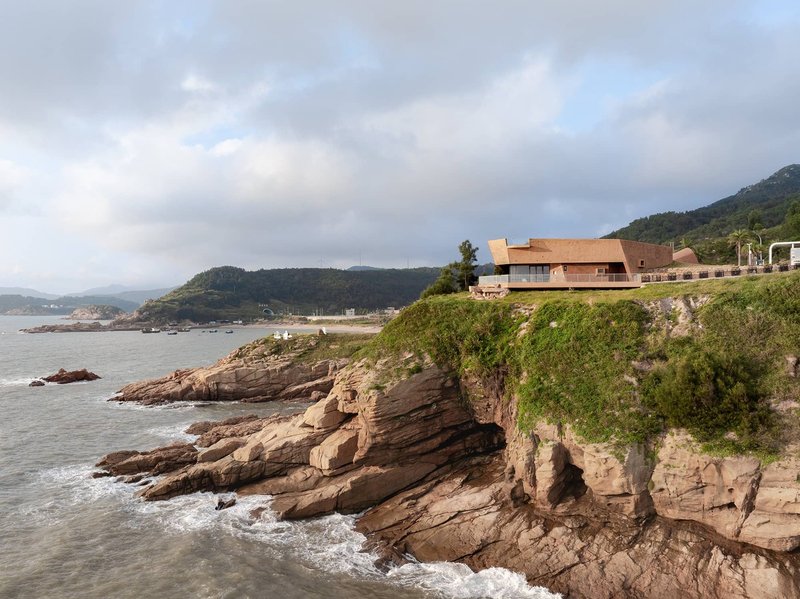
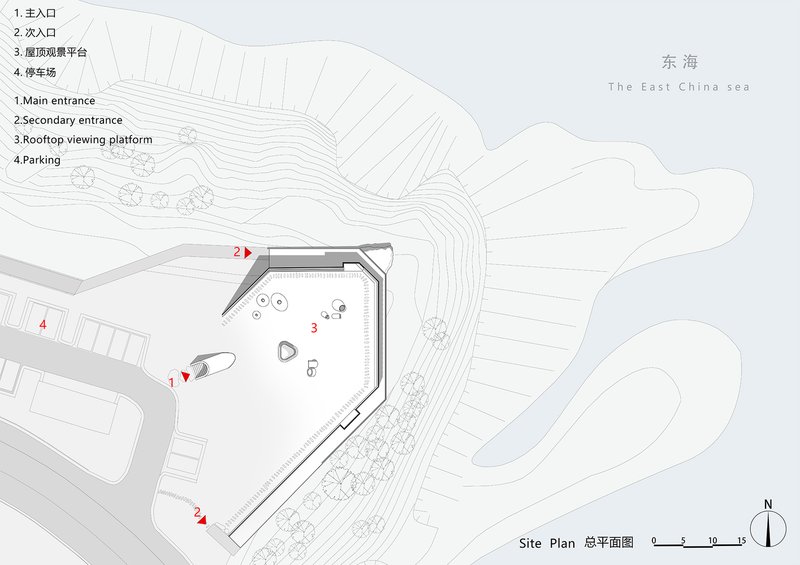
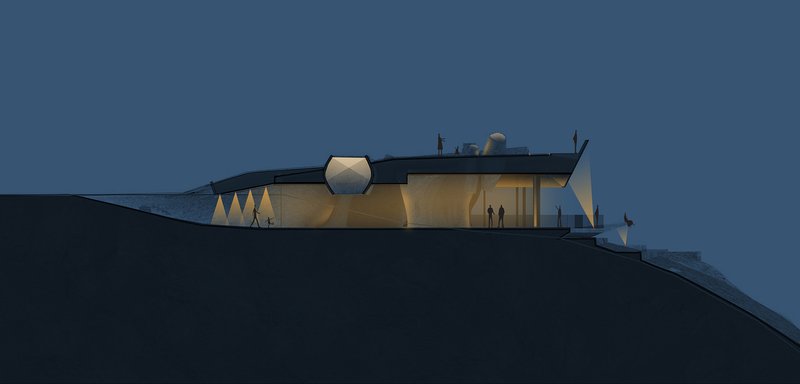
The Blue Insight Cave Space, designed by 3andwich Design/He Wei Studio, is a remarkable example of underground architecture design that seamlessly integrates with its coastal surroundings. Situated along Donghai No.1 Road in Xiapu, Fujian Province, this project plays a significant role in Ningde's "Zero Carbon Island" initiative. Built on a site that originally housed a viewing platform and parking lot, the structure offers breathtaking views of the East China Sea while maintaining a deep respect for the natural landscape.
A Philosophy of Precipitousness, Concealment, and Integration
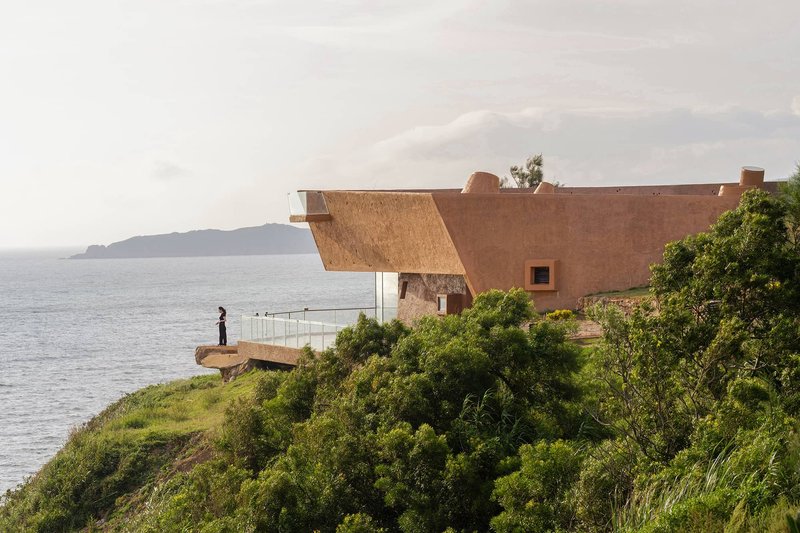
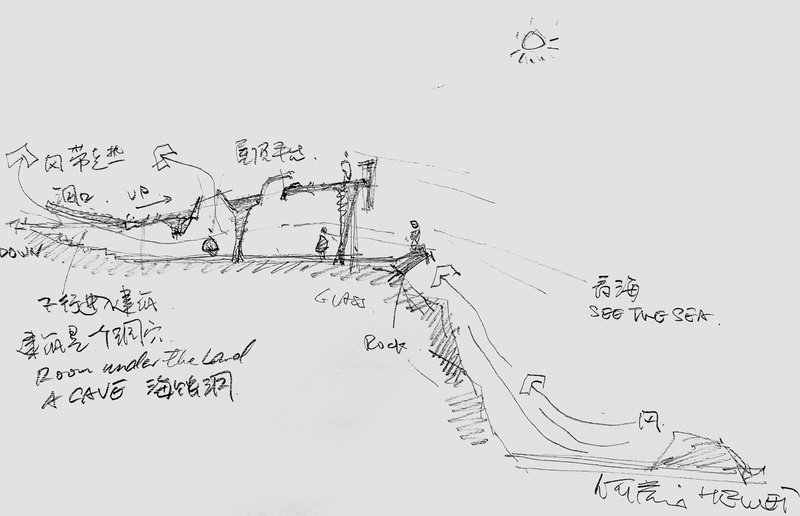
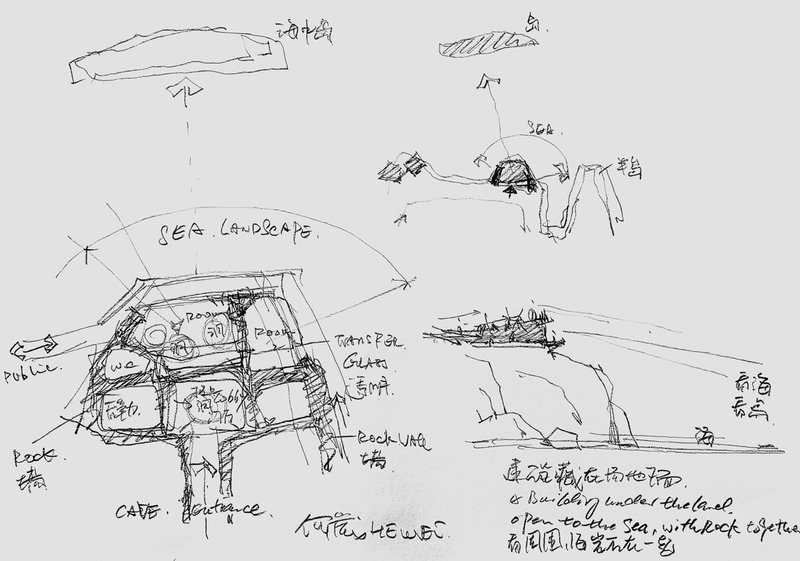
The architectural concept is guided by three principles: precipitousness, concealment, and integration. The structure faces the sea without overpowering it, creating a sense of suspension and immersion in the environment. Concealment ensures that the building harmonizes with the land, remaining hidden rather than dominating the landscape. Integration blends the design with the rugged coastal topography and local culture, reinforcing a natural connection between architecture and place.
Organic Form Inspired by Natural Landforms
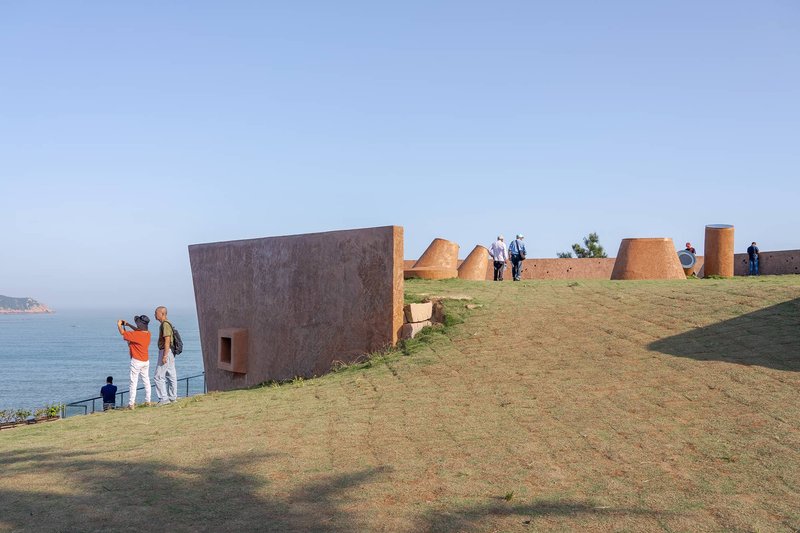
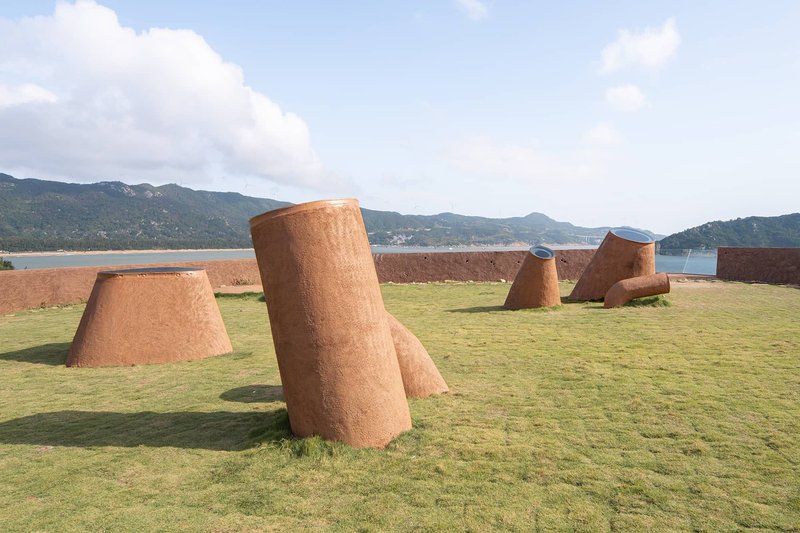
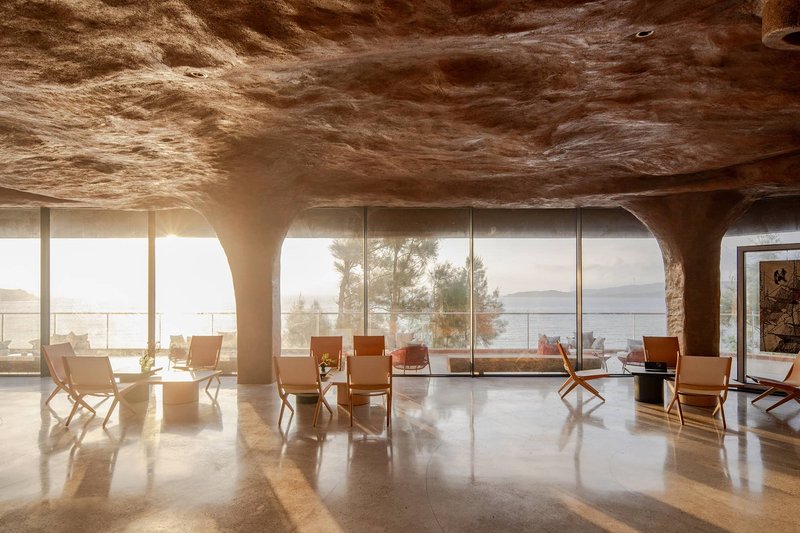
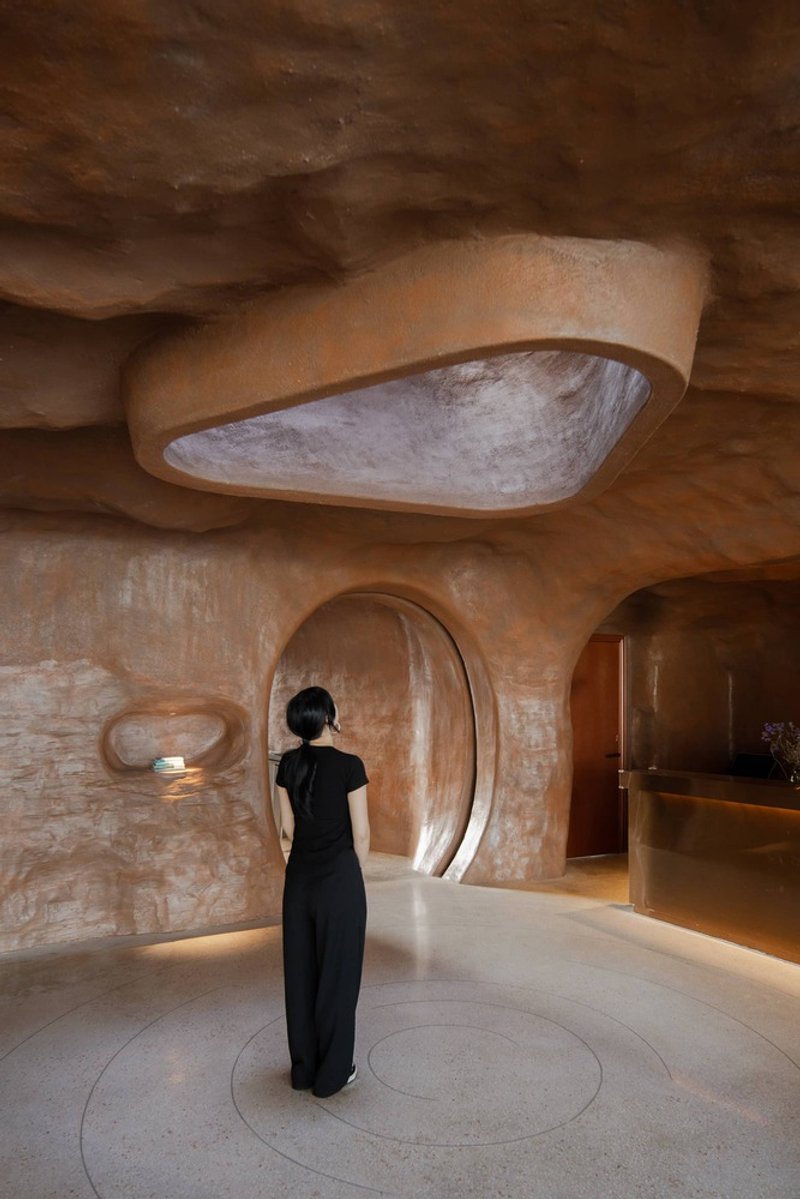
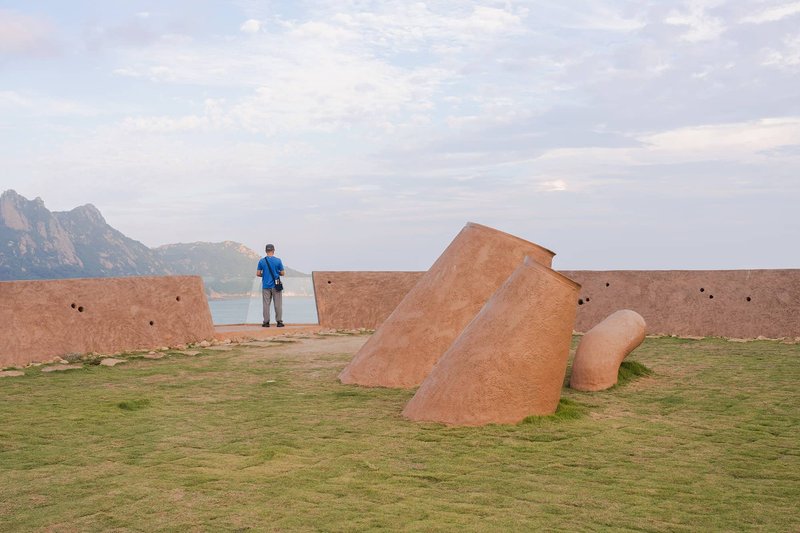
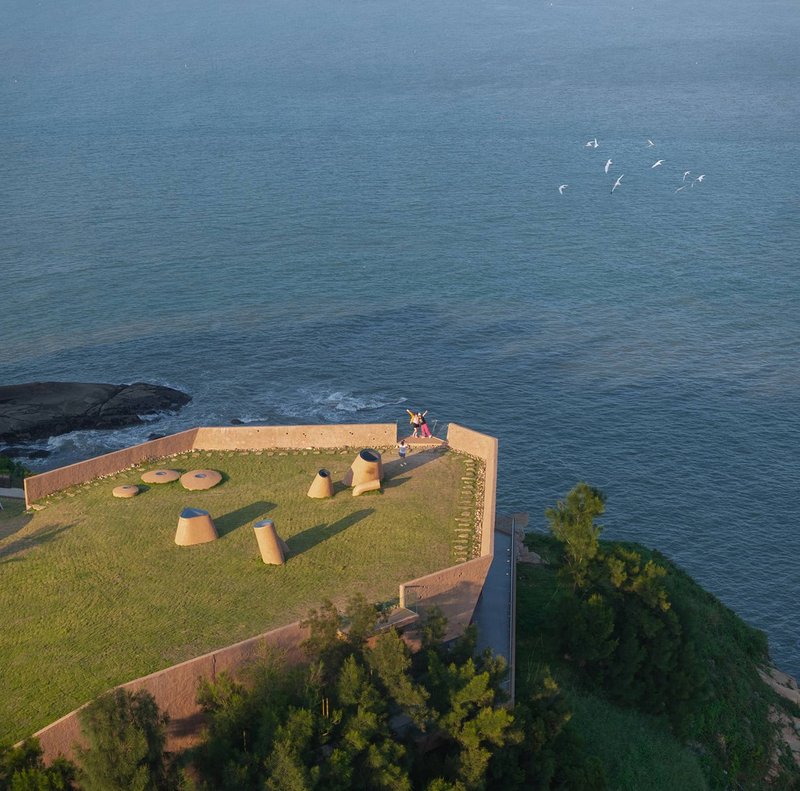
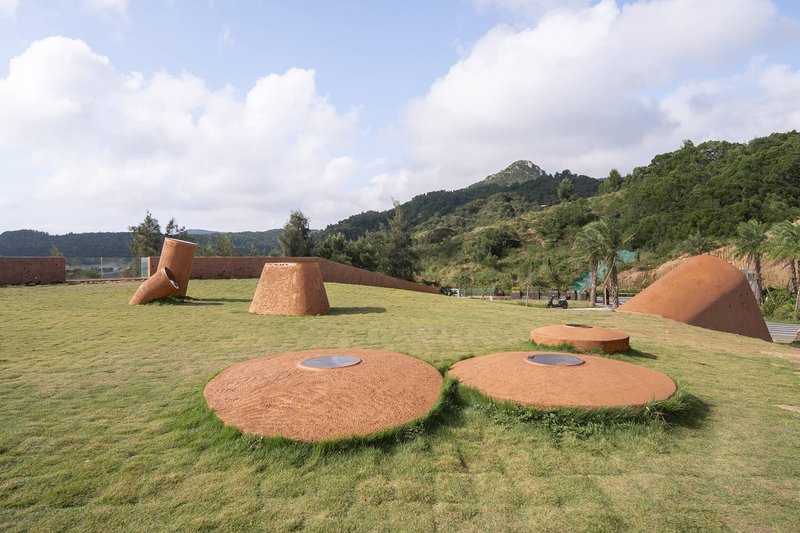
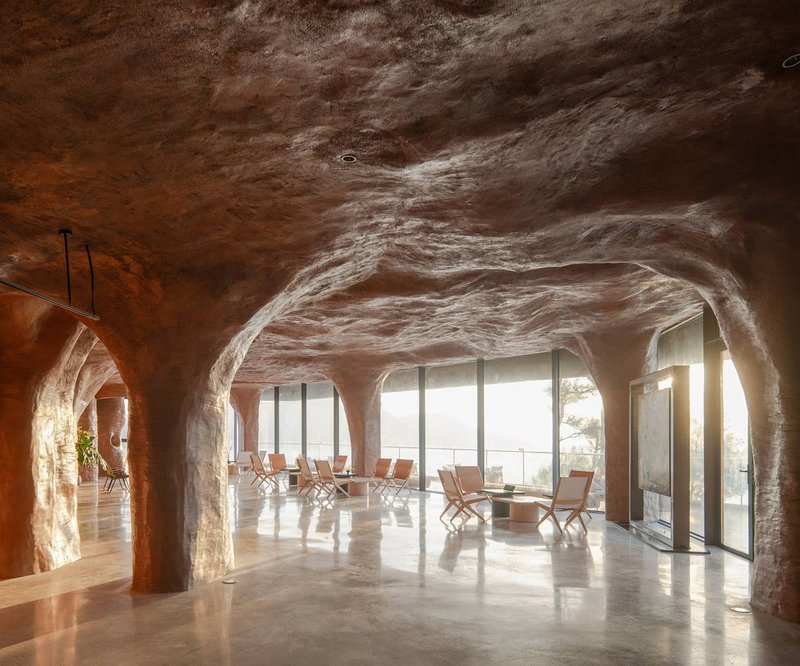
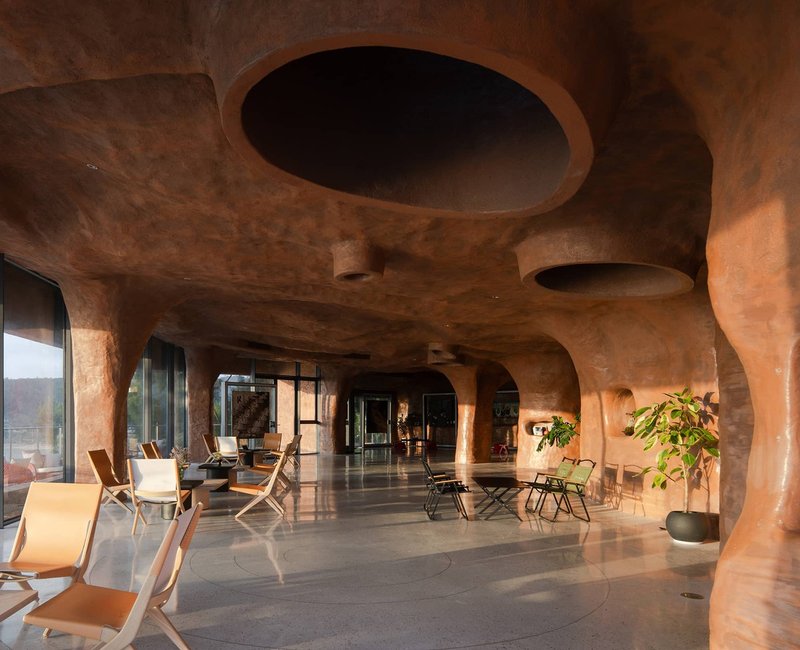
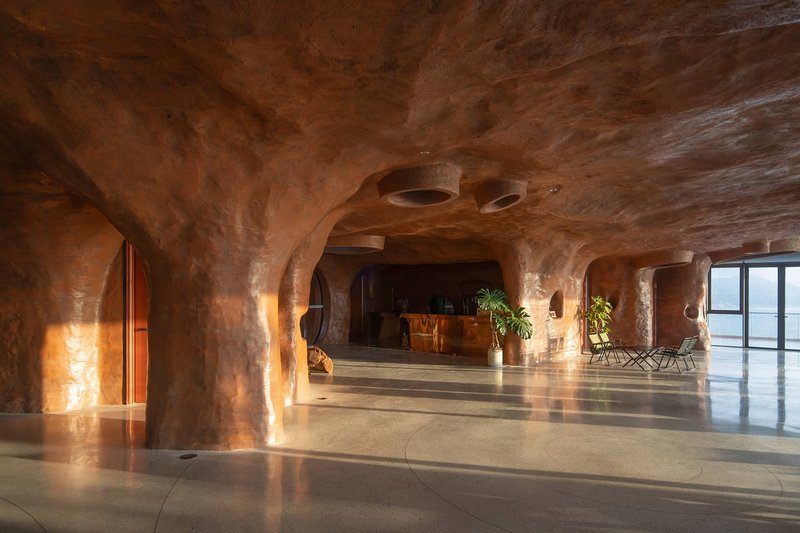
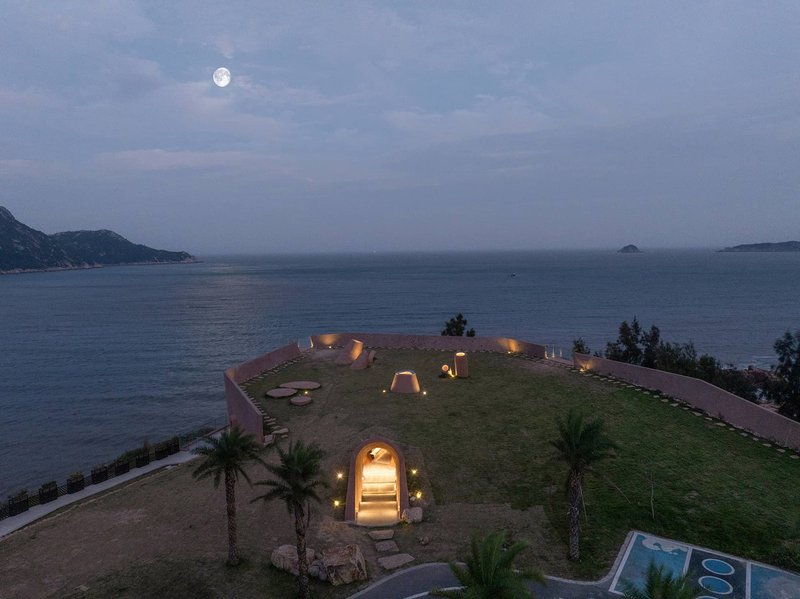
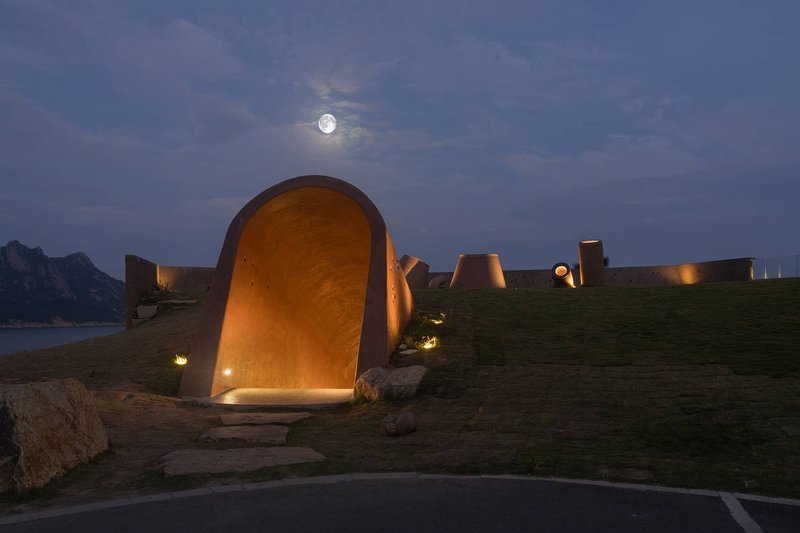
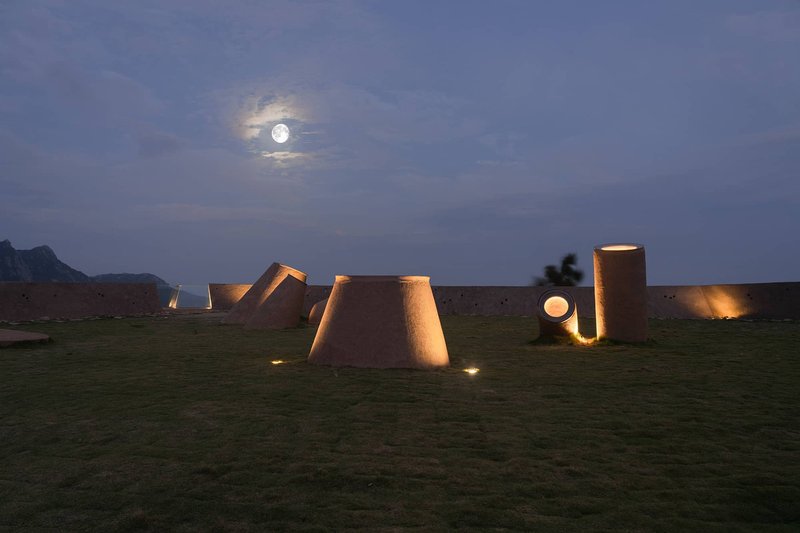
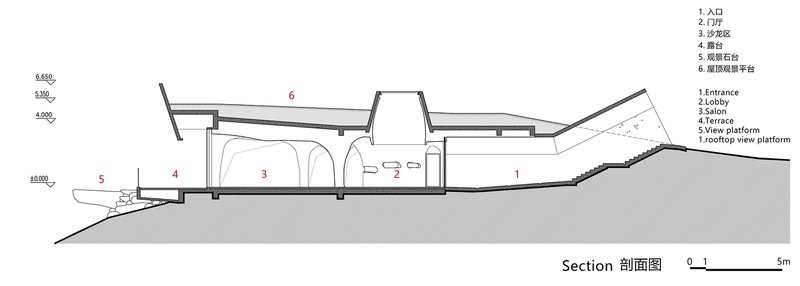
Drawing inspiration from the surrounding reefs and sea caves, the building takes on an irregular form that mimics the rugged terrain. The absence of right angles enhances its organic character, resembling naturally eroded rock formations. The structure is covered with soil, minimizing land usage while providing insulation to maintain a stable indoor climate. By situating most of the building underground, energy consumption for cooling is significantly reduced, reinforcing the project's commitment to sustainability.
An Immersive Spatial Experience
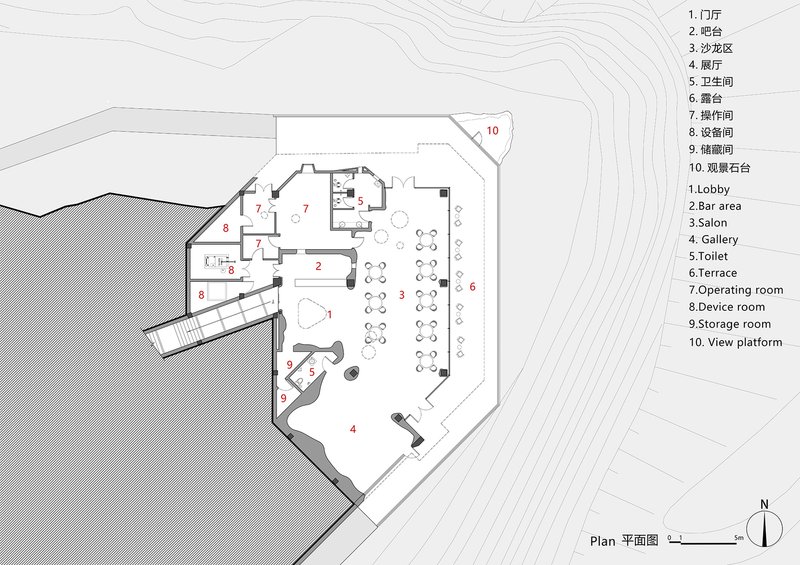
Visitors enter the building from a semi-circular entrance on the west side of the roof. A descending passage leads into a network of interconnected "cave" spaces, designed to replicate the fluidity of natural sea caves. The dramatic interior, with its sculpted walls and varying heights, creates an immersive experience that feels both intimate and expansive. This unique spatial arrangement enhances the sensory connection between visitors and the surrounding environment.
A Cultural Landmark for the Community
Beyond its striking design, the Blue Insight Cave Space serves as an important cultural and tourism hub. It provides a new public venue for exhibitions, gatherings, and dining, addressing the long-standing need for high-quality cultural spaces in the region. Its distinctive design has also transformed it into a landmark attraction, drawing visitors and strengthening the cultural identity of Donghai No.1 Road.
Redefining Underground Architecture Design
The Blue Insight Cave Space exemplifies how underground architecture design can merge innovation with environmental consciousness. By embedding itself within the landscape rather than imposing upon it, the structure highlights a forward-thinking approach to sustainable and site-sensitive architecture. As an architectural and cultural statement, it redefines how built environments can interact with nature while fostering a unique visitor experience.
All Photographs are works of DONG Image