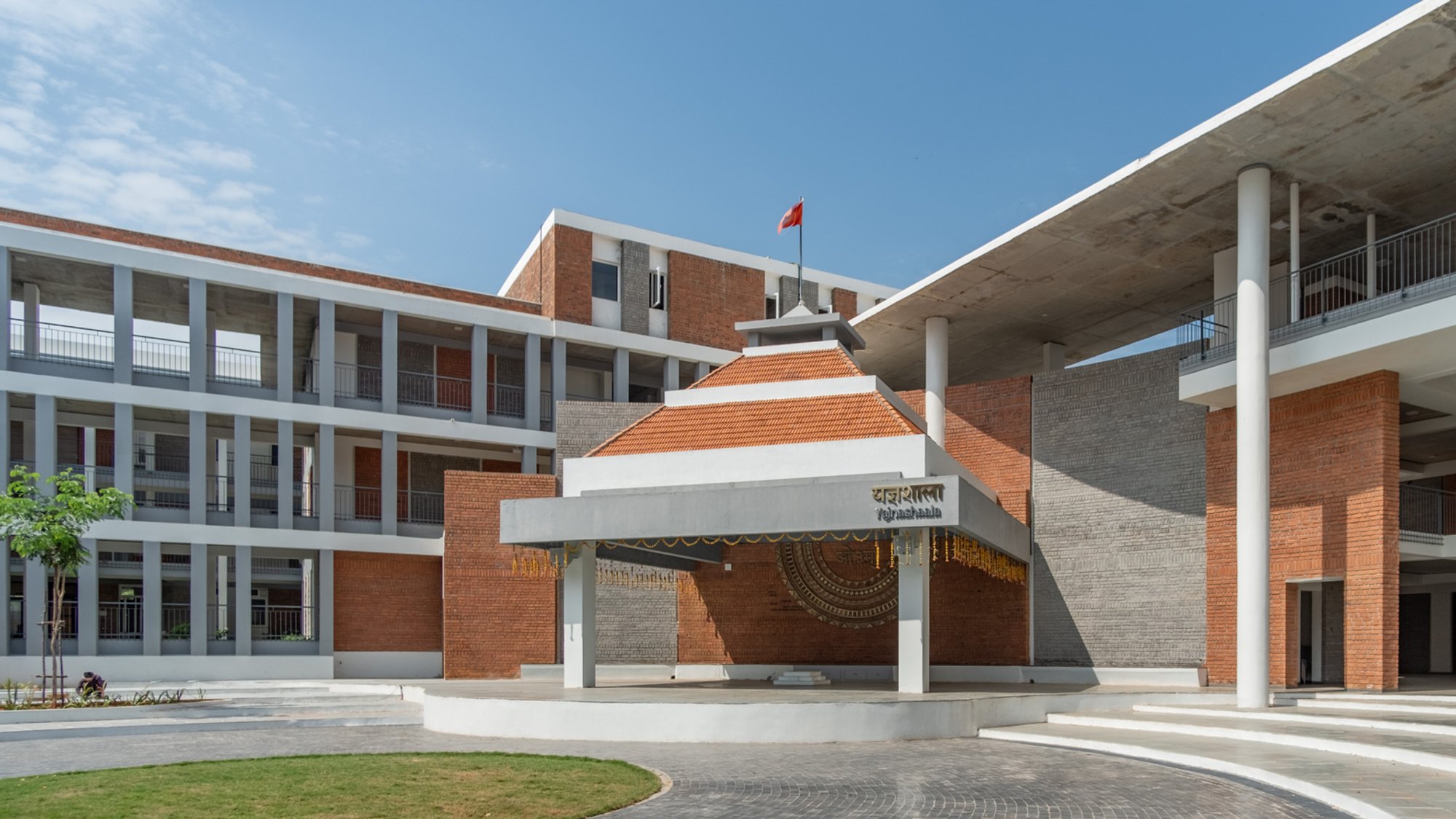
Vedic Vidya Kendra Architecture: A Harmonious Blend of Spirituality and Traditional Indian Design
Vedic Vidya Kendra architecture in Puducherry blends Vedic spirituality with earthy design, fostering self-discovery, meditation, and community well-being.


Introduction to Vedic Vidya Kendra Architecture
Vedic Vidya Kendra architecture represents a profound confluence of spirituality and vernacular design principles. Situated in Puducherry, India, this expansive 175,000-square-foot retreat center stands as an architectural embodiment of Vedic philosophy, reflecting the teachings of Swami Dayanand Saraswati and the Arya Samaj Society. Designed by Shanmugam Associates, the Vedic Vidya Kendra is not merely a structural entity but a transformative spiritual environment that fosters self-discovery, meditation, and holistic well-being.
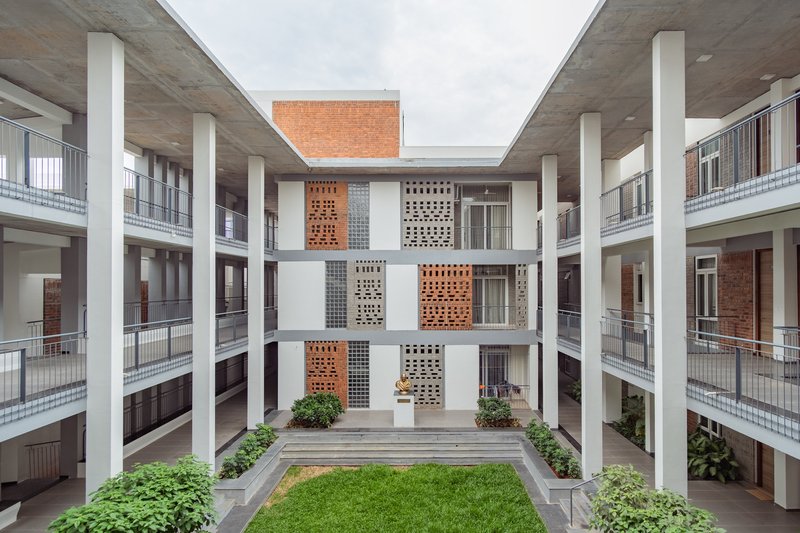
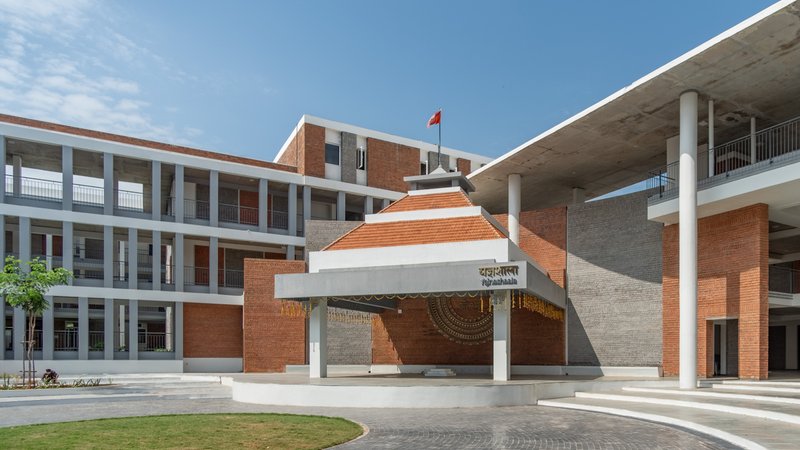
Through the use of raw materials, earthy tones, and traditional Indian spatial configurations, the retreat center immerses visitors in a serene atmosphere, invoking a deep sense of calmness while preserving architectural elements deeply rooted in Indian culture.
The Vision Behind the Vedic Vidya Kendra Architecture
The Vedic Vidya Kendra was conceptualized as a sanctuary that aligns physical spaces with the spiritual journey. The Arya Samaj Society in Chennai envisioned a center dedicated to Vedic learning and inner reflection, aiming to provide an environment where individuals could reconnect with ancient wisdom and personal growth.
The design of the retreat center integrates the fundamental principles of Vedic philosophy, emphasizing harmony between architecture and nature. Every structure within the campus serves a distinct spiritual and communal purpose, ensuring that the built environment becomes a catalyst for self-discovery and enlightenment.
Architectural Philosophy: Merging Earthy Aesthetics with Meditative Spaces
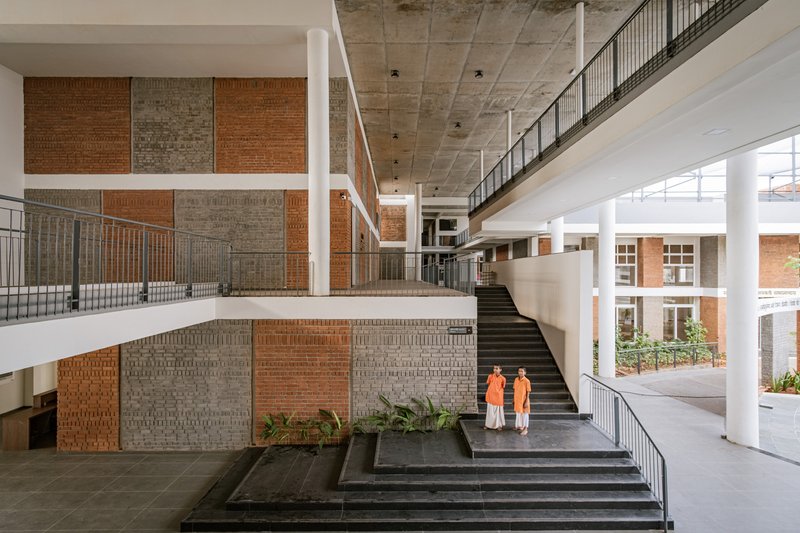
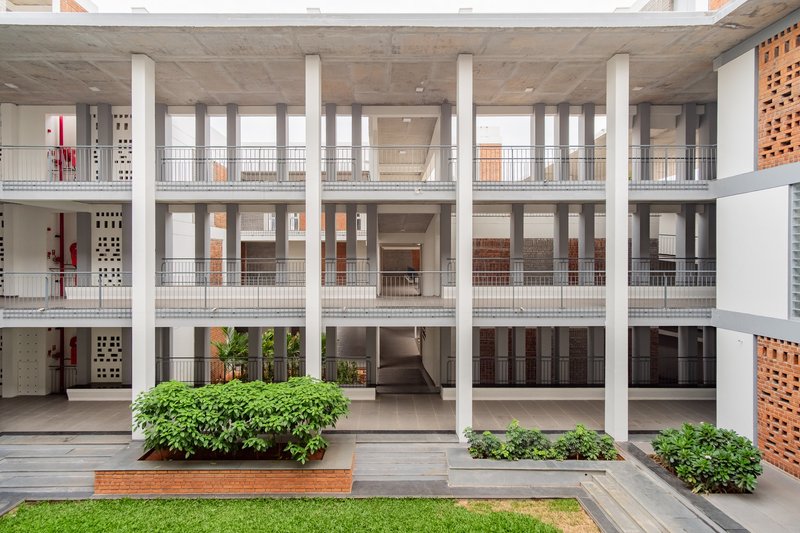
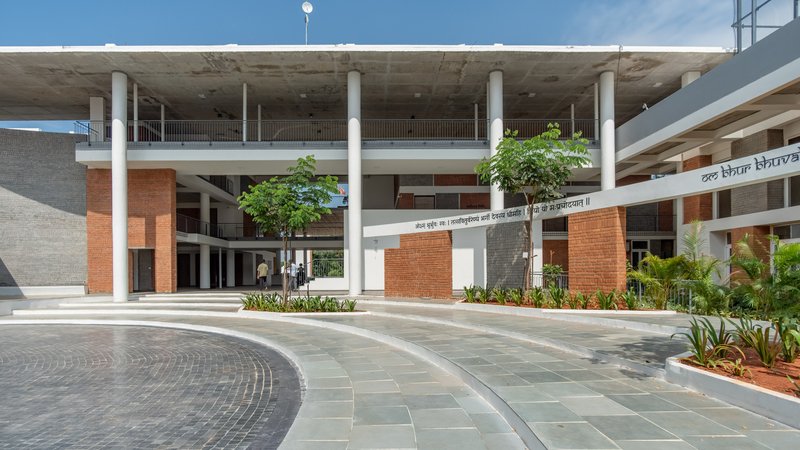
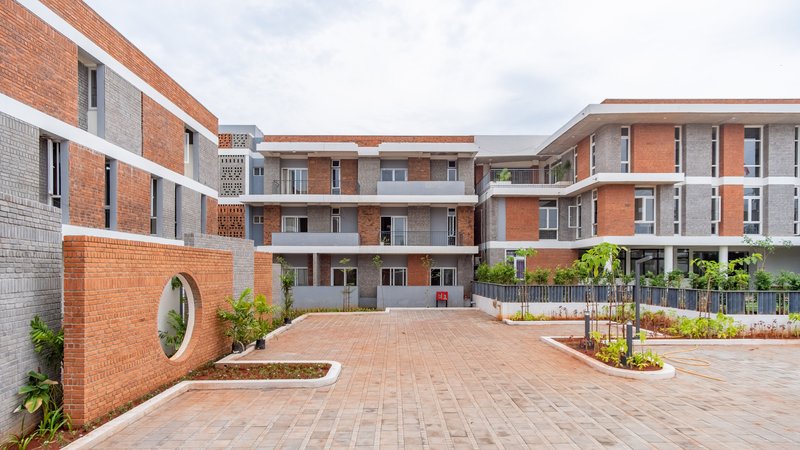
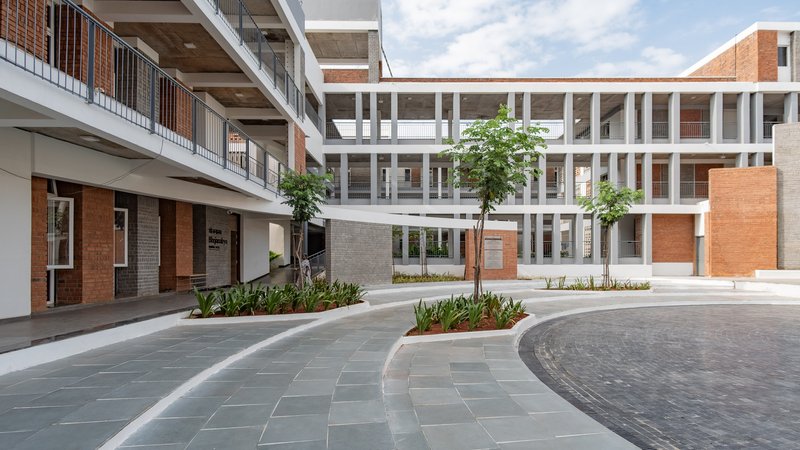
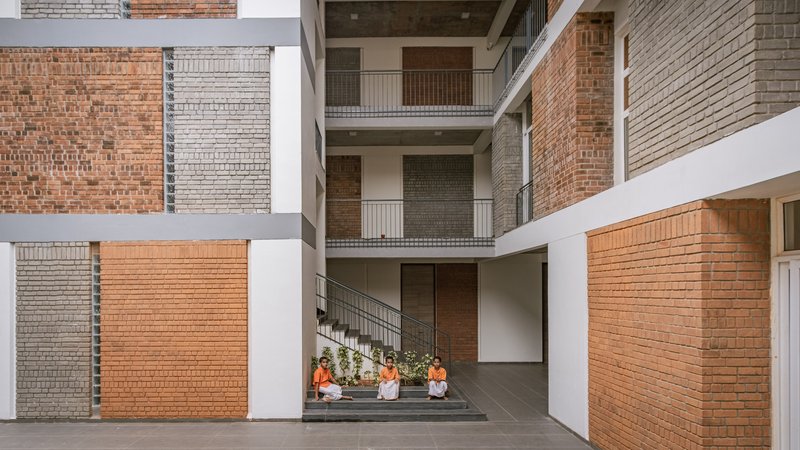
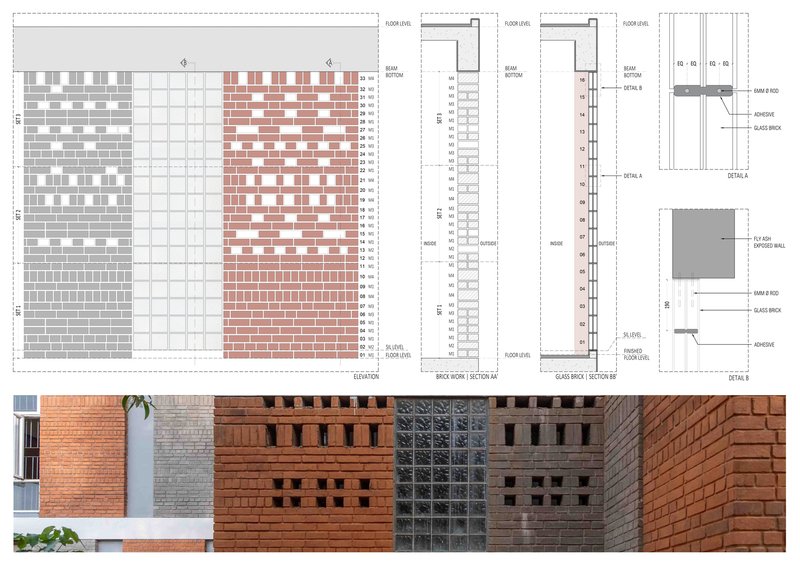
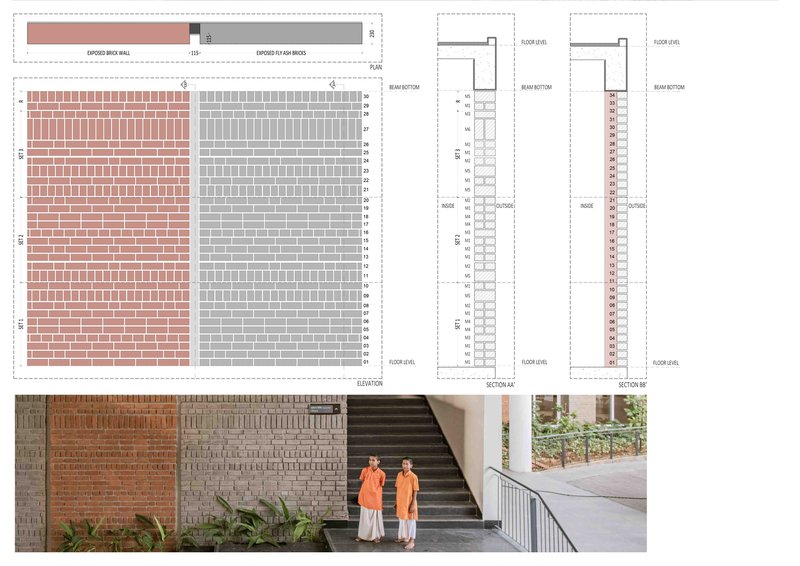
Vedic Vidya Kendra architecture is characterized by its earthy aesthetic, natural materials, and seamless blending of indoor and outdoor environments. The buildings are constructed using exposed brick and indigenous materials, creating a raw yet refined visual language. The open courtyards, shaded walkways, and lush green surroundings foster a meditative ambiance, allowing residents to experience a deep connection with nature.
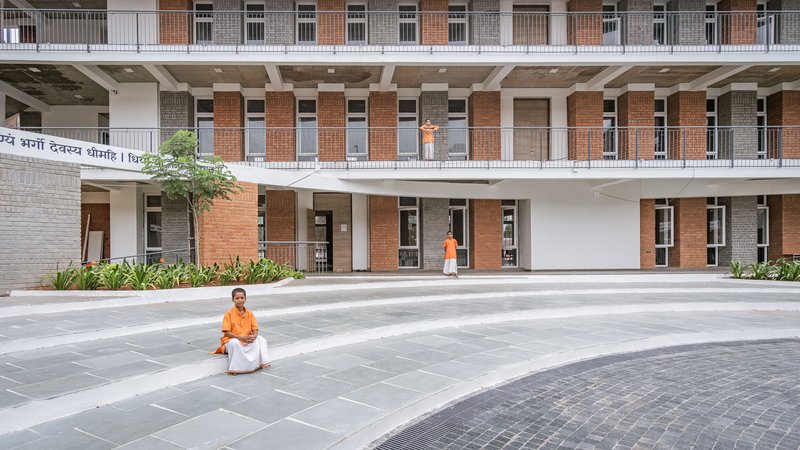
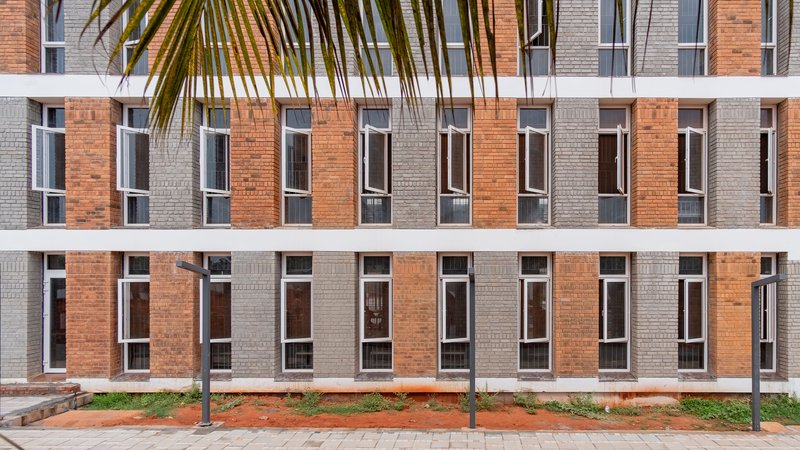
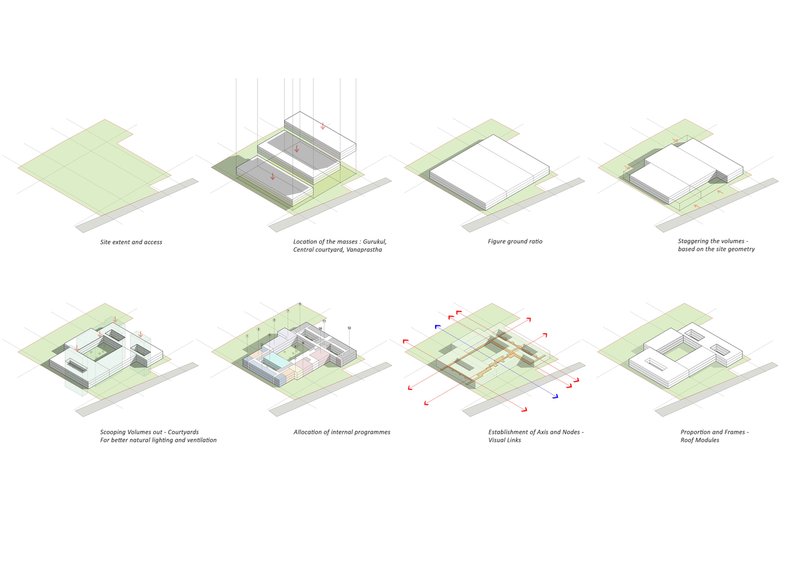
The spatial arrangement of the campus is designed to evoke stillness and introspection. Each zone is carefully planned to reflect specific aspects of Vedic teachings, from education and meditation to communal harmony and physical well-being.
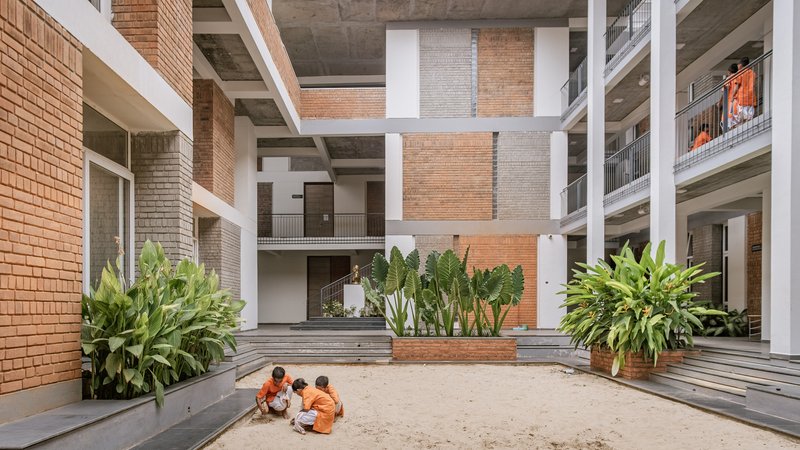
Gurukul: A Space for Intellectual and Spiritual Growth
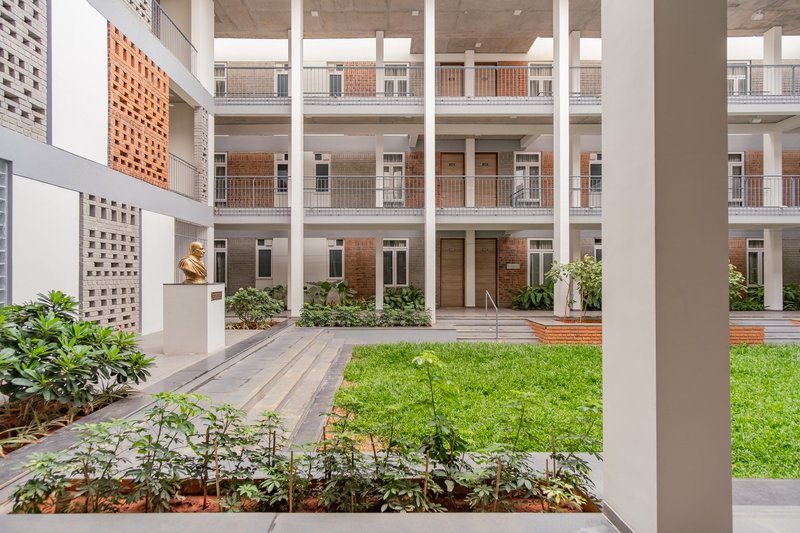
The Gurukul is an integral component of the Vedic Vidya Kendra architecture, reviving the traditional Indian system of teacher-student education. This residential learning center is designed as a cluster of semi-open spaces that dissolve boundaries between indoors and outdoors. The architecture encourages free-flowing interactions while nurturing both intellectual and spiritual development.
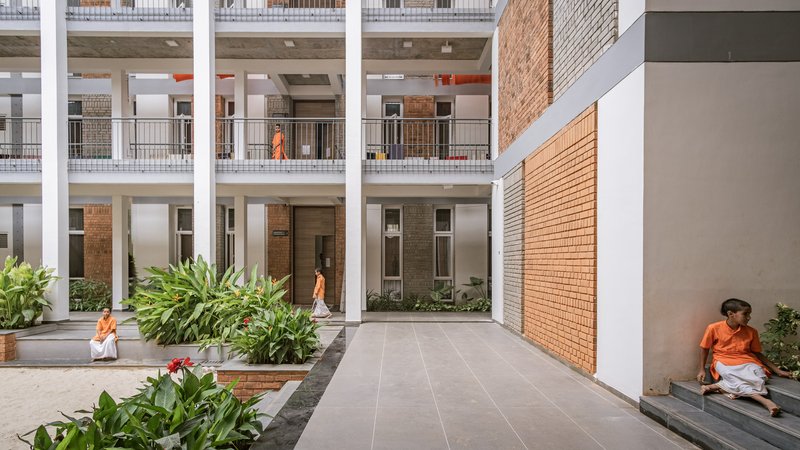
The layout promotes communal learning while ensuring privacy for introspection. The transition from shaded verandas to sunlit courtyards creates a rhythmic spatial experience, fostering a sense of unity between the environment and the learning process.
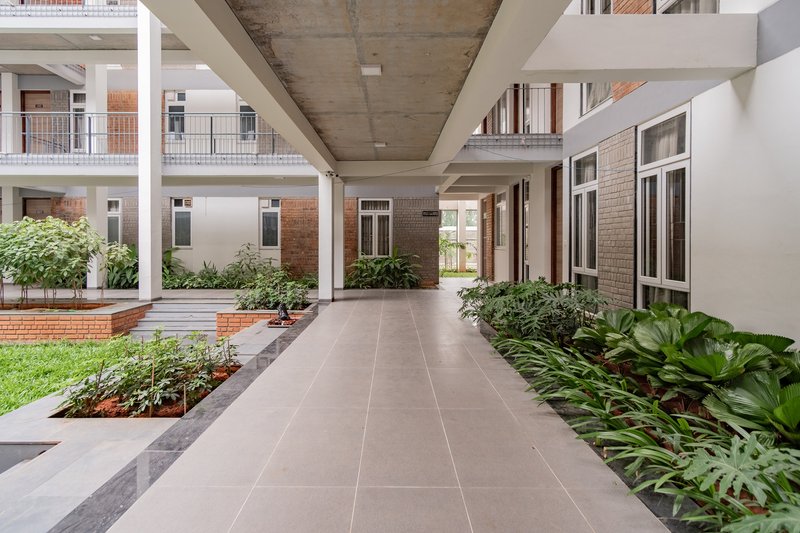
Vanaprastha: A Sanctuary for Elderly Retreat and Contemplation
Vanaprastha, a dedicated area within the Vedic Vidya Kendra, serves as a sanctuary for individuals aged 50 to 75 seeking spiritual retreat. This residential cluster consists of 52 individual kutirs (cottages), each designed to align with the occupant’s journey of self-reflection. The architecture emphasizes solitude and tranquility, with private courtyards and windows oriented to capture natural light.
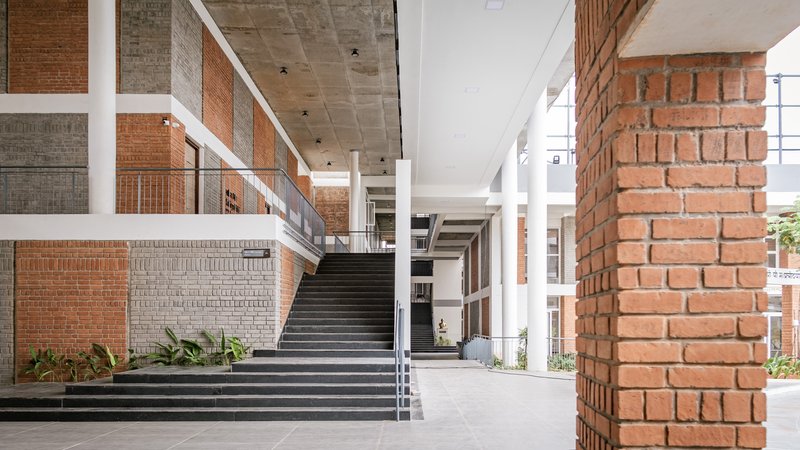
The interplay of light and shadow is meticulously curated to guide residents towards inner peace. The material palette remains consistent with the rest of the campus, ensuring a seamless connection between individual cottages and the broader retreat environment.
Bhojanalaya and Yagnashala: Sacred Spaces for Nourishment and Rituals
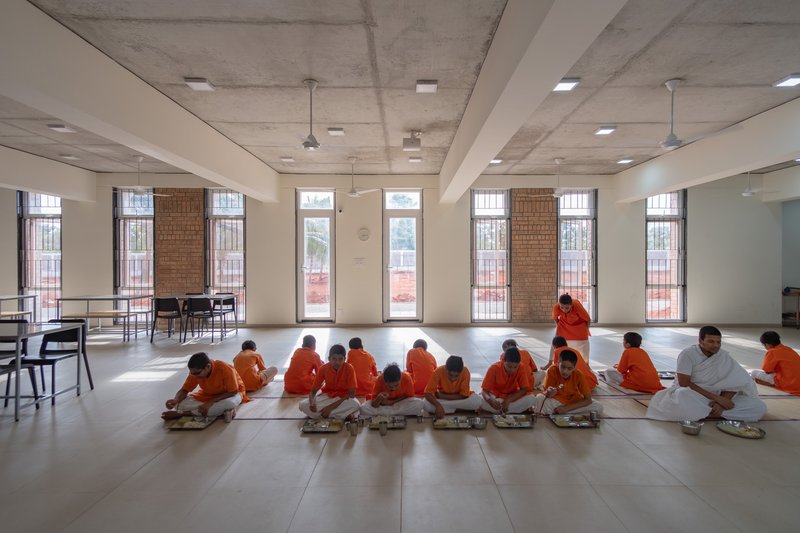
The Bhojanalaya, the central dining hall, is a pivotal feature within the Vedic Vidya Kendra architecture. Residents gather here for saatvik meals, seated on the floor in alignment with traditional Indian dining practices. The spatial design accommodates communal eating while ensuring efficient circulation for food preparation, washing, and disposal.
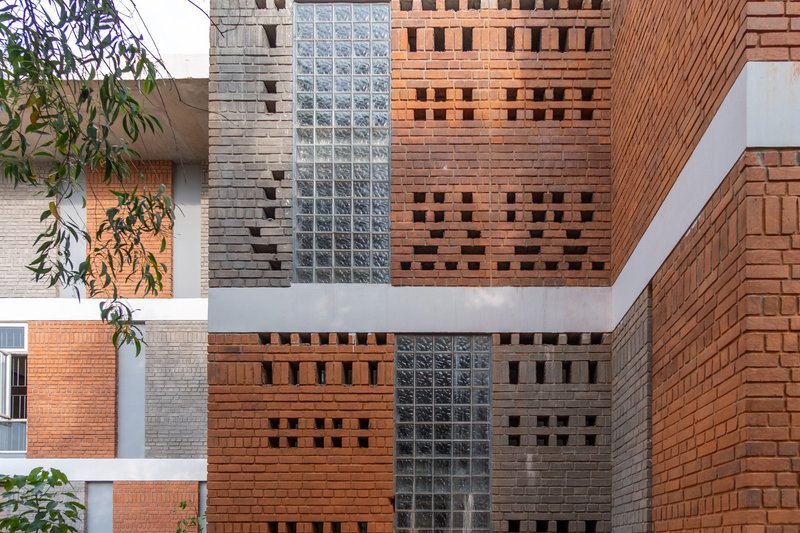
Adjacent to this dining area is the Yagnashala, considered the spiritual heart of the campus. This open pavilion is designed along a sacred east-facing axis, where daily yagnas (fire rituals) are conducted amidst the resonance of Vedic chants. The Yagnashala’s open courtyard setting not only encourages communal unity but also allows natural ventilation, aligning with traditional Indian planning principles.
Supporting Facilities: Integrating Functionality into Spiritual Design
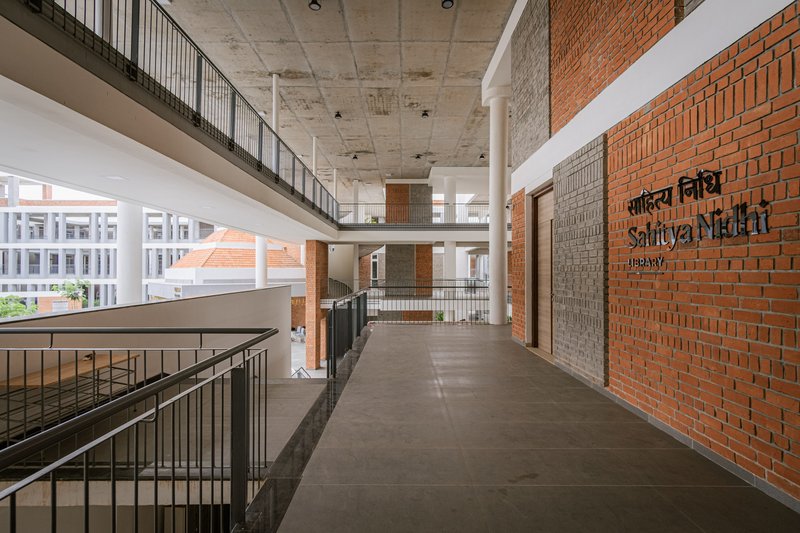
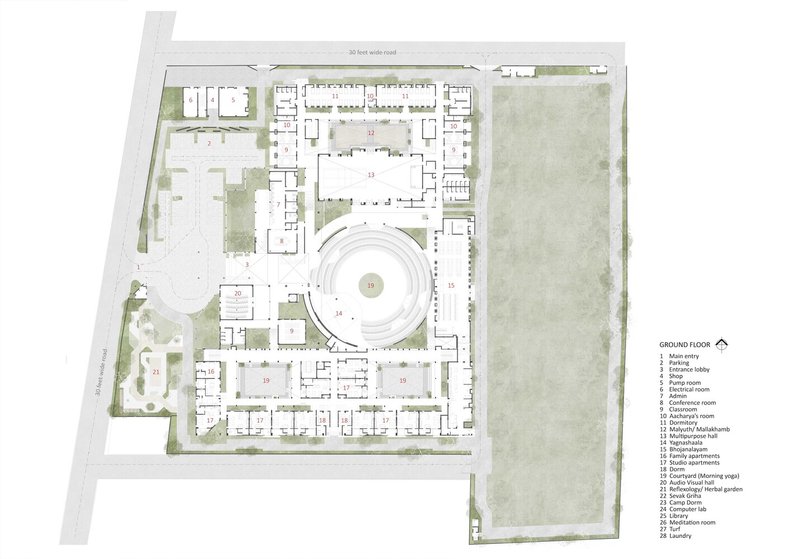
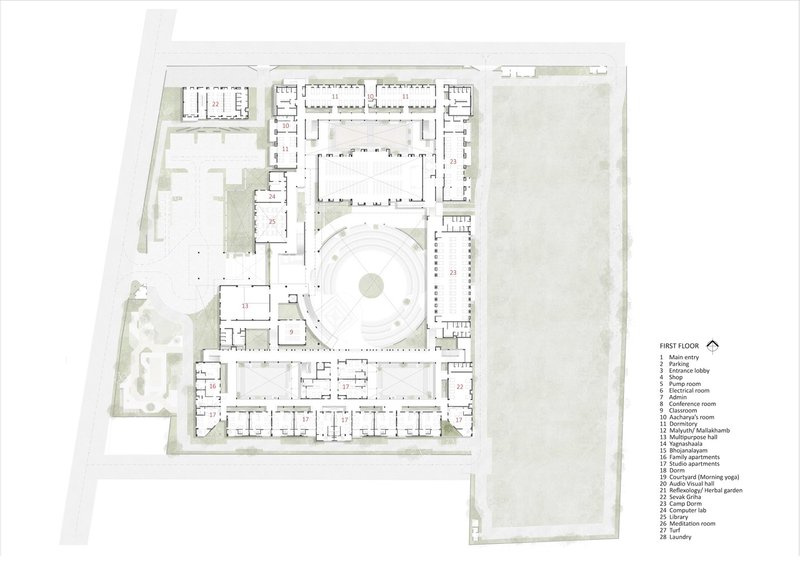
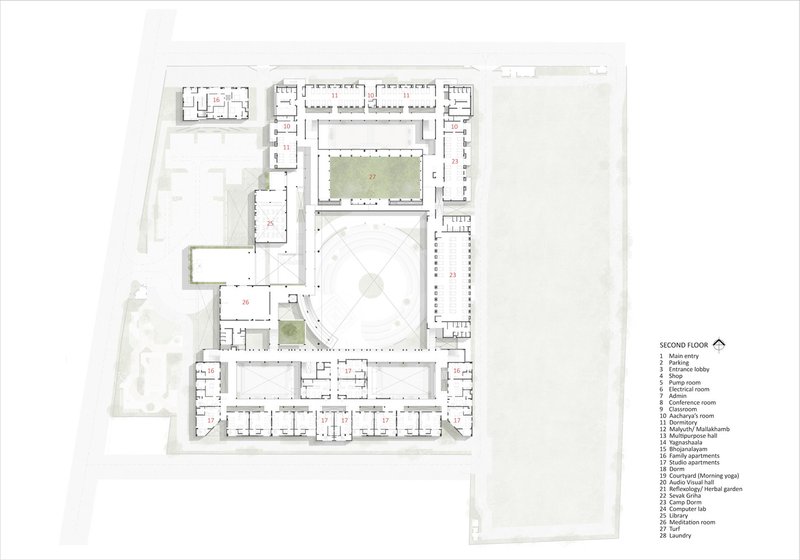
The administrative block is located near the entrance, housing the reception, Sahitya Nidhi library, and Vidya Niketan learning centers. Each of these structures is paired with private gardens, enhancing the sense of calmness while supporting intellectual activities. The Sabha Mandap, a multi-purpose hall, serves as a venue for cultural gatherings, spiritual discourses, and community celebrations.
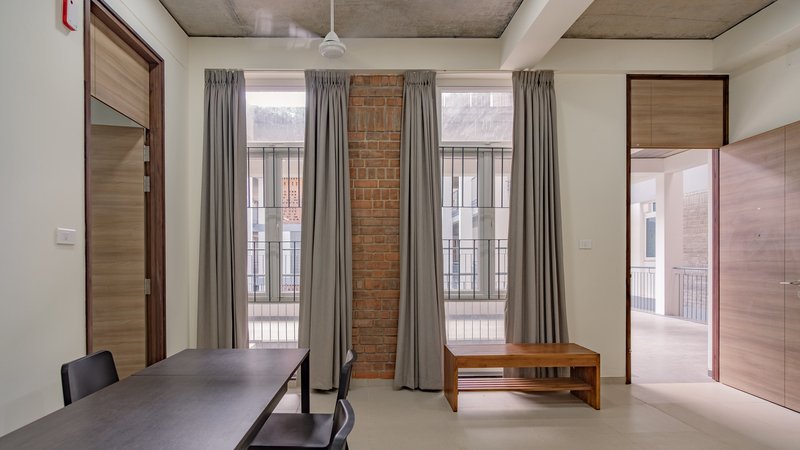
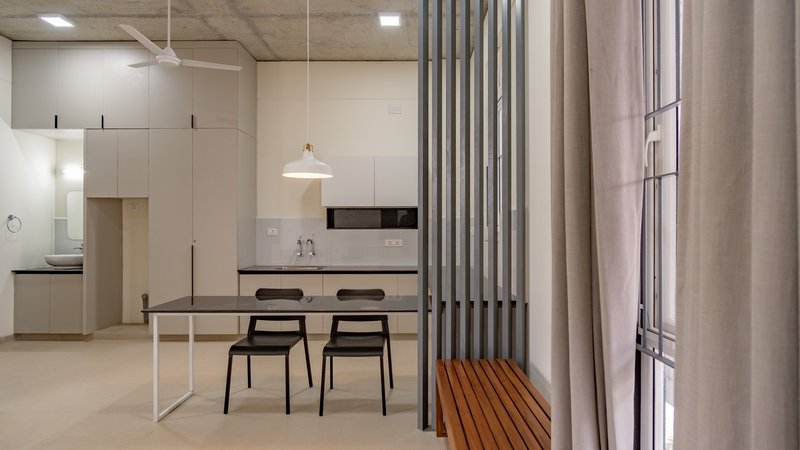
Additional facilities such as the Jal Neti cleansing area, Dhyana Gruha meditation hall, dormitories for guests, and residential quarters for support staff have been seamlessly integrated into the campus. These functional spaces remain understated yet pivotal, enabling the retreat’s core areas to thrive as hubs of spiritual and communal growth.
Landscape Integration: Elevating Spiritual Well-being Through Nature
The landscape design plays a crucial role in shaping the Vedic Vidya Kendra architecture. Meditative gardens are interspersed across the campus, providing spaces for silent reflection. A herbal garden along the western pathway connects residents to Ayurveda and indigenous plant species, emphasizing holistic healing.
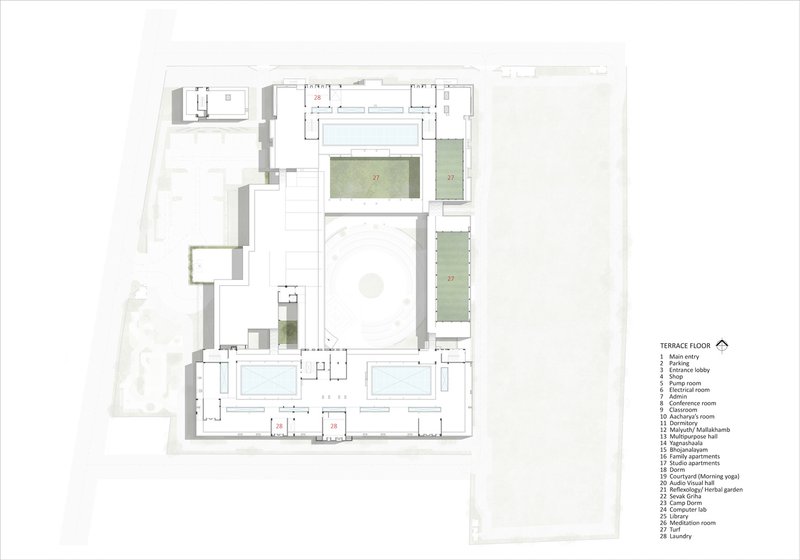
Traditional sports areas dedicated to mallyudh and mallakhamb promote physical fitness, while reflexology pathways stimulate sensory well-being. An outdoor gym and a rooftop multi-sport arena cater to recreational activities, balancing spiritual pursuits with physical development. A 750-meter landscaped walkway encircles the retreat, inviting residents to embark on meditative walks.
Design Impact: Creating a Timeless Architectural Legacy
Vedic Vidya Kendra architecture transcends conventional design by creating an ecosystem that nurtures the mind, body, and spirit. It offers a rare synthesis of Vedic teachings and modern design sensibilities, ensuring that every structural element serves a higher purpose. The earthy materiality, open spaces, and seamless transitions between built and natural environments reflect a deep understanding of human well-being and spiritual growth.
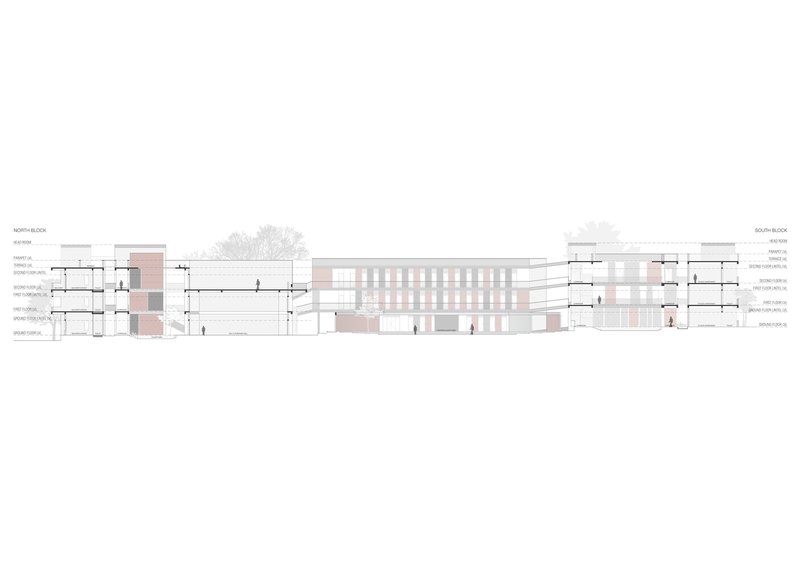
This retreat center stands as a timeless architectural legacy, inspiring future developments to prioritize cultural heritage, environmental harmony, and personal transformation.
The Enduring Significance of Vedic Vidya Kendra Architecture
The Vedic Vidya Kendra architecture designed by Shanmugam Associates is a living embodiment of India’s spiritual and architectural heritage. It bridges ancient wisdom with contemporary spatial design, creating an environment that fosters self-discovery, community engagement, and holistic well-being. Through its carefully curated spaces, the retreat center serves as a beacon of architectural excellence, reminding society of the timeless connection between design, nature, and the human spirit.
All Photographs are works of Denis Amirtharaj