
Vertical Farming Architecture: The Future of Urban Agriculture
The article discusses the innovative Vertical Farm Beijing project, integrating sustainable urban agriculture with modern architectural design for food security.


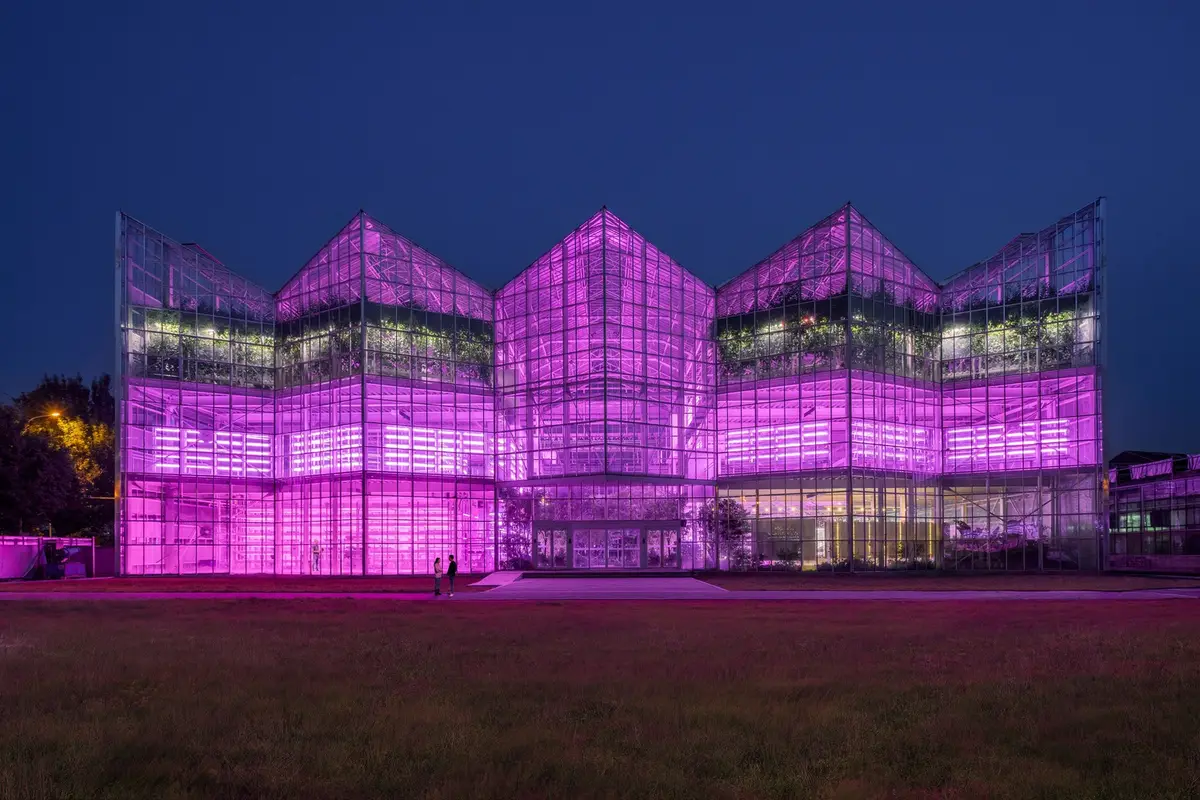
Vertical Farming Architecture is rapidly becoming a significant part of urban development strategies across the globe. The Vertical Farm Beijing, designed by van Bergen Kolpa Architects, is a prime example of this innovative approach, offering a new paradigm for city-based food production. This revolutionary building, located on the campus of the Chinese Academy of Agricultural Science, showcases the potential for integrating agriculture seamlessly into urban environments.

The Concept of Vertical Farm Beijing
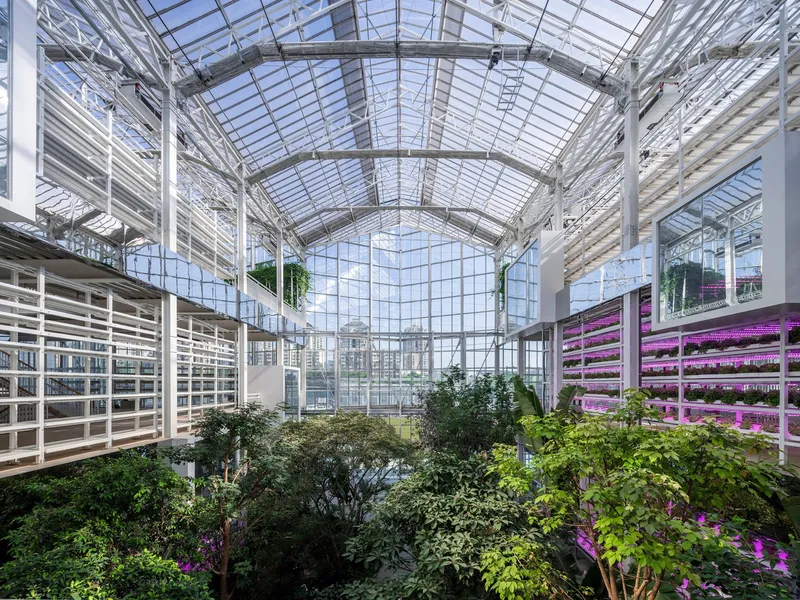
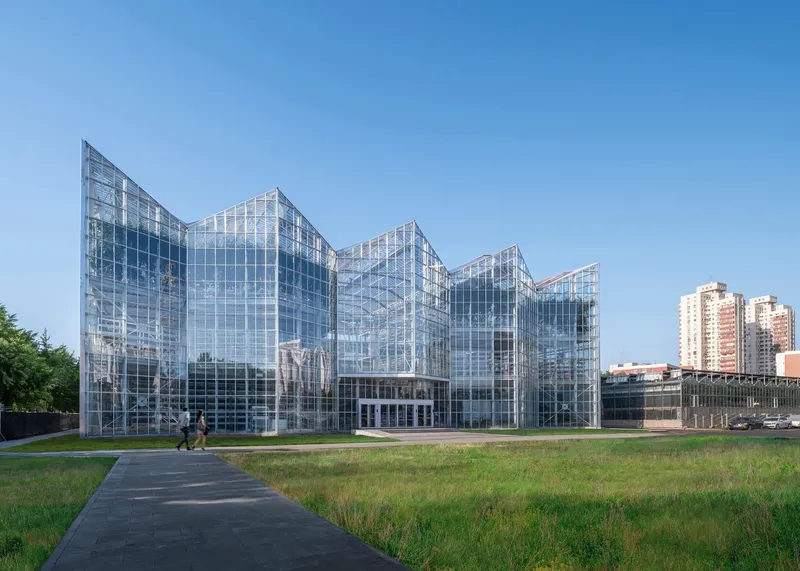
The Vertical Farm Beijing stands as a testament to China's commitment to sustainable and self-sufficient urban food production. Covering an area of 3,500 square meters and spreading over three floors, this transparent structure symbolizes the marriage between agriculture and architecture. It is specifically designed to cater to the demands of China's vast urban populations, providing a scalable solution to food production within city limits.


Innovative Design and Sustainability
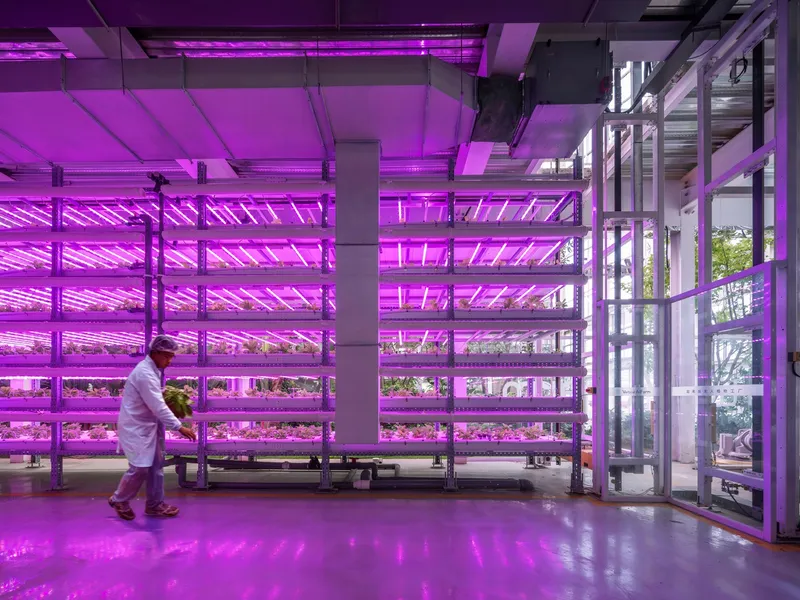
The building's design emphasizes sustainability and innovation. The architecture facilitates various vertical cultivation techniques, including automated vertical lettuce growing and fruit cultivation under LED lights. The use of transparent bay windows not only contributes to the building's aesthetic appeal but also ensures ample sunlight for the plants. Moreover, the building employs advanced water recycling systems and natural ventilation methods to minimize environmental impact.

Educational and Public Engagement
One of the key features of the Vertical Farm Beijing is its focus on education and public engagement. Visitors are invited to explore the facility through an educational route, which highlights different aspects of modern urban agriculture, from soil-based fruit trees to hydroponic vegetable cultivation. This approach not only promotes awareness of vertical farming practices but also underscores the role of food in urban communities.


The Role of Vertical Horticulture in Urban Areas
The project illustrates the concept of vertical horticulture's potential to revolutionize urban landscapes. By stacking cultivation spaces, the Vertical Farm Beijing presents a compact yet efficient solution to the challenge of limited urban space. This model not only addresses the issue of food security in metropolitan areas but also contributes to the city's ecological and aesthetic value.


Embracing the Future of Urban Farming
The Vertical Farm Beijing by van Bergen Kolpa Architects is more than just a building; it is a forward-thinking approach to urban design and sustainability. As vertical farming architecture continues to evolve, it promises to play a crucial role in shaping the future of our cities, making them greener, more self-sufficient, and healthier places to live. The project not only provides a blueprint for future developments but also inspires communities and architects worldwide to embrace the integration of agriculture into urban life.

All photographs are work of Weiqi Jin


Popular Articles
Popular articles from the community


Jaramillo Van Sluys Arquitectura and Urbanismo Turn a Demolished Registry Lot in Quito into an Orchard Plaza
In Quito's Centro Histórico, a 2,800 m² plaza exposes the San Agustín convent wall and redraws its lost Augustinian orchard in volcanic stone.

longwave studio Reorganizes a 112 m² Tainan Apartment Around the Daily Routines of a Family and Two Cats
In Tainan, Taiwan, birch plywood, rust-red furniture and a freestanding plaster wall link arrival, storage, work and family life in one apartment.

LT2A and OPEN Architectes Thread a Brick and Glass High School Through a Wooded Belgian Campus
In Braine-l'Alleud, a 3,000 m² wing for Collège Cardinal Mercier pairs pale brick with a glazed colonnade, deferring to a small chapel and a dense wood.

Architekt Andreas Gruber Scatters 23 Dark Timber Chalets Across a South Tyrolean Forest Edge
In Molini di Tures, Amonti Chalets breaks a resort into a hamlet of gabled timber houses, with parking, storage and services pushed into the slope.

Similar Reads
You might also enjoy these articles

Gil Mello Arquitetura Tilts a Single Roof Toward the Waterfalls on a Plateau Above Aiuruoca, Brazil
In Aiuruoca, Minas Gerais, a 200 m² house of local labor and reclaimed poles pairs a low valley veranda with a tall mountain one.

U.GA Architects Wraps an Oval Rooftop Pool in Curved Board-Formed Concrete on Busan's Jeollidan-gil
In Busan's Jeonpo-dong, a 454 m² mixed-use block stacks a neighborhood facility, guest rooms and an oval rooftop pool inside spiraling concrete walls.

Felipe Hess Arquitetos Turns a Blind Stone Wall to the Street and Opens a Brazilian House onto a Courtyard and Canal
A canal-front house in Brazil hides behind painted stone and planting, then opens to an olive-tree courtyard, a reed-ceilinged porch and a curving pool.

David Macias Steps a Doorless Stone and Plaster House Down a Tropical Colombian Hillside
In the humid hills of Colombia, Threshold House replaces the front door with an open void and terraces its 850 m² down the slope instead of fighting it.

Explore Vertical Farming Competitions
Discover active competitions in this discipline

Challenge to reimagine the Iron Throne

Photograph architecture without architects

Illustrate the lost glory of Angkor Wat - Render Challenge

Design challenge to reuse E-waste
Comments (0)
Please login or sign up to add comments
No comments yet. Be the first to comment!