

Waste to Energy Architecture: A Sustainable Solution by INI Design Studio
This article explores the innovative Waste To Energy Campus by INI Design Studio, highlighting its sustainable architecture and community impact


Waste management is a global issue with significant local impacts. Reducing waste generation through prevention, reduction, recycling, and reuse is a core concern addressed by international agreements such as the Paris Accord and local initiatives like India's Swachh Bharat (Clean India) Mission. A shining example of addressing this challenge through innovative architecture is the Waste To Energy (WTE) Campus in Jamnagar, India, designed by INI Design Studio.
Project Overview
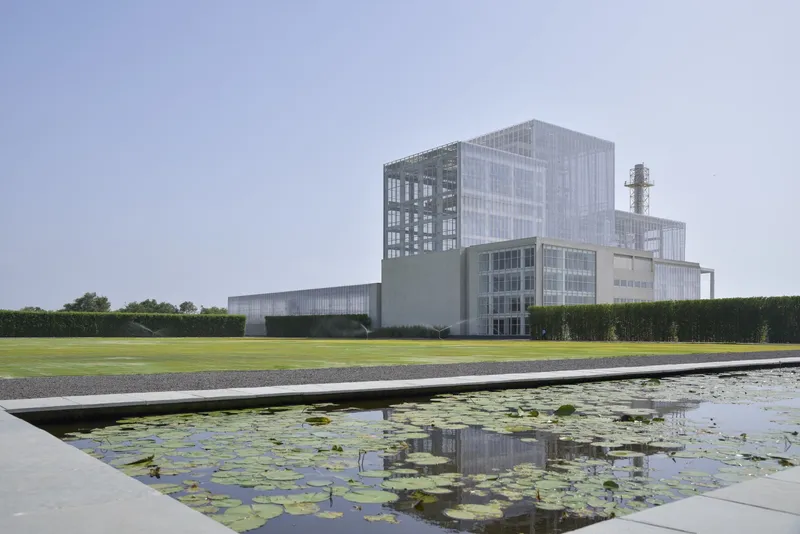
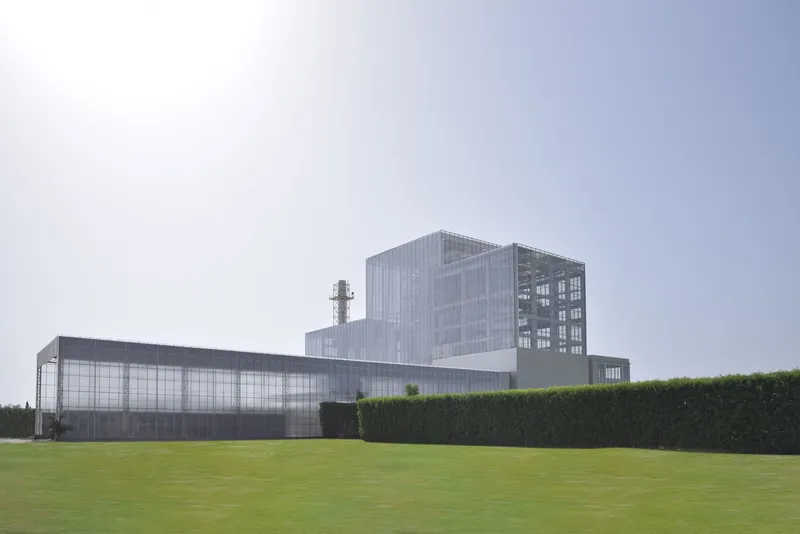
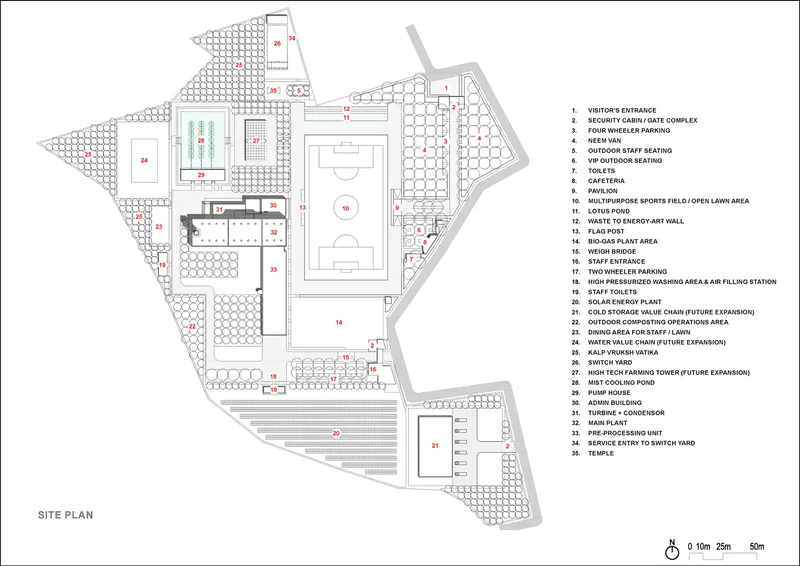
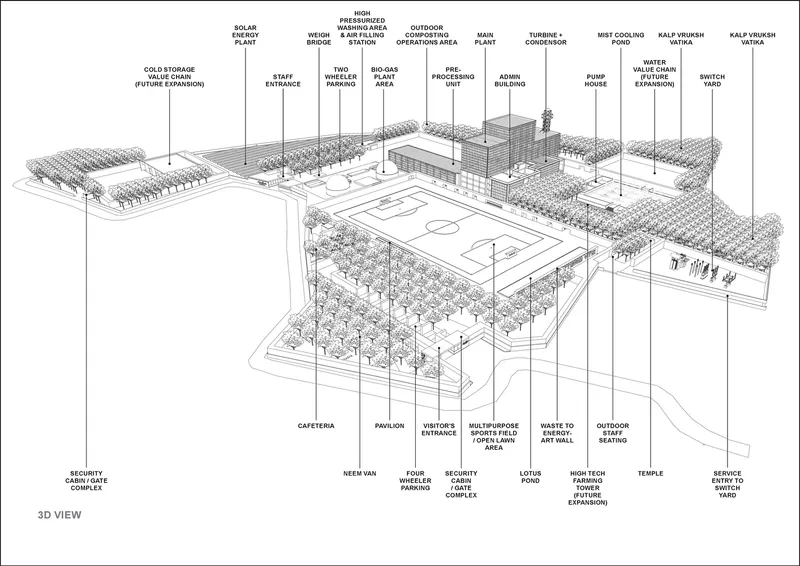
The WTE Campus, covering an area of 7825 square meters, was completed in 2021. It converts 2,20,000 tons of municipal solid waste (MSW) annually into 7.5 MW of clean energy, sufficient to power 15,000 homes. The project not only aims at energy generation but also transforms a 17-acre barren land into a greenbelt with social infrastructure, promoting a sustainable community lifestyle.
Architectural Design and Functionality
Form Follows Function
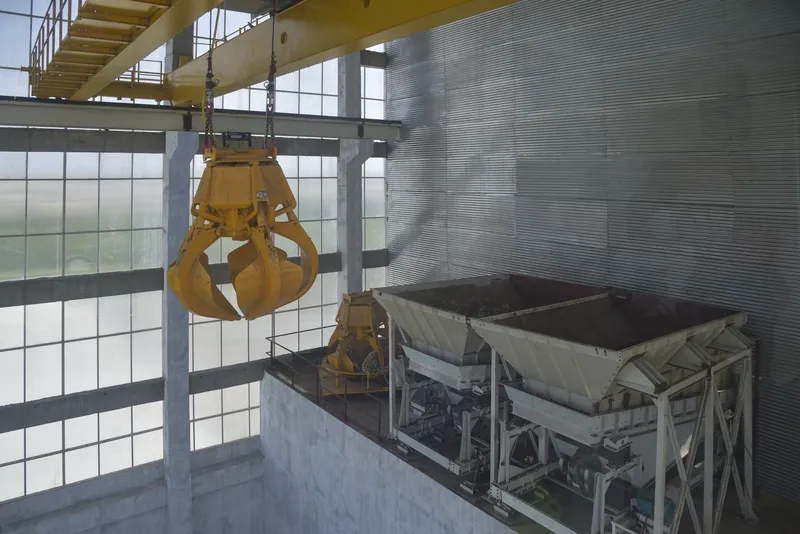
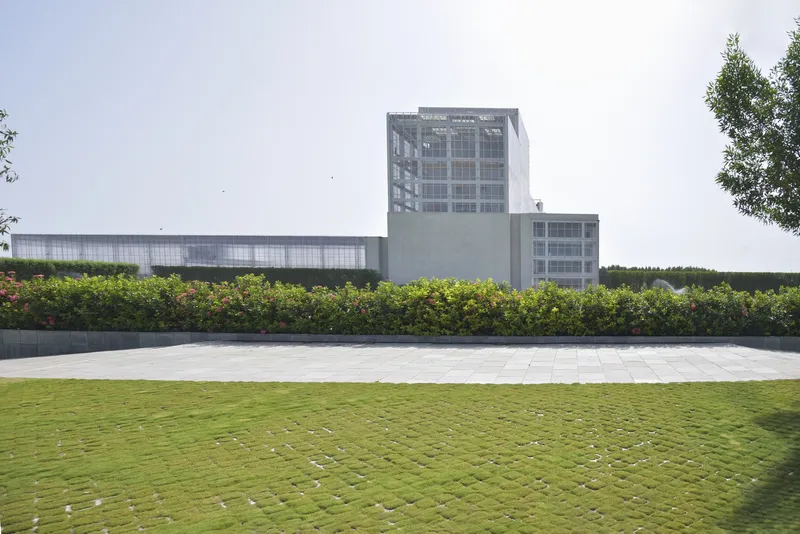
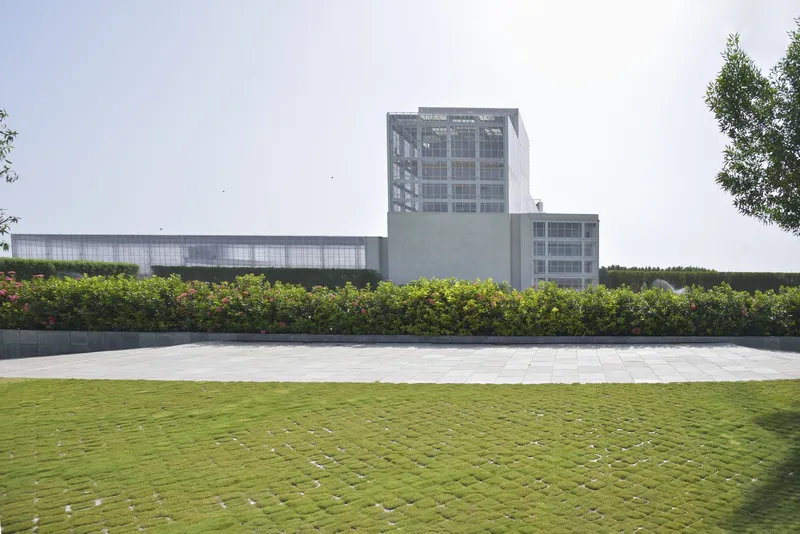
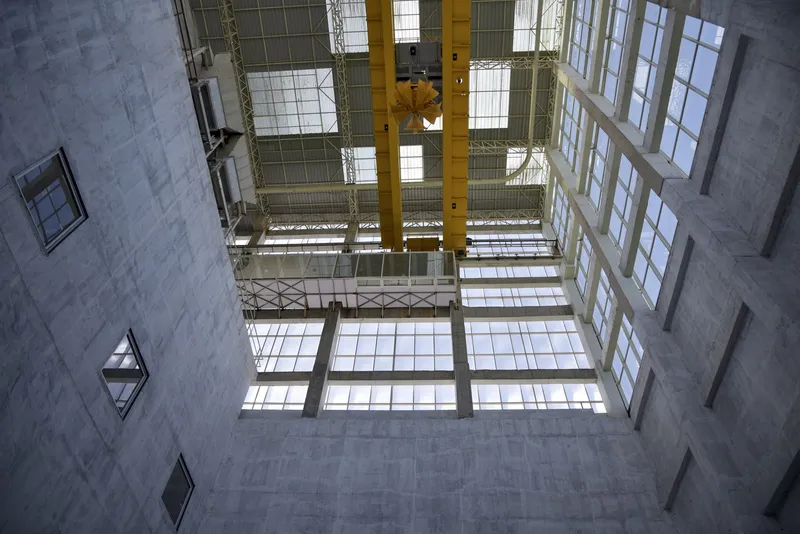
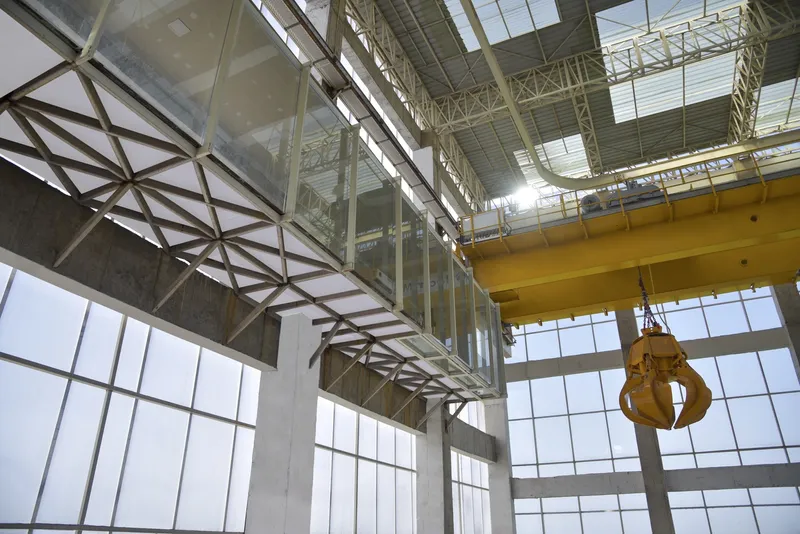
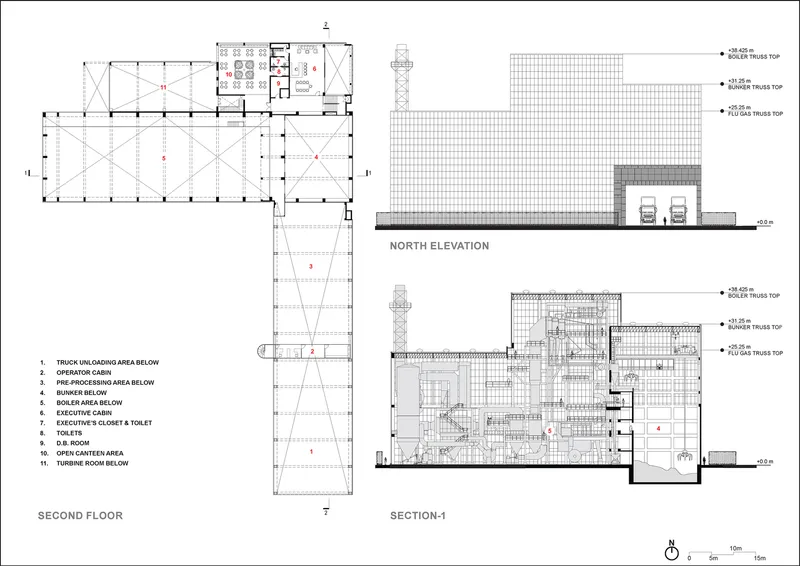
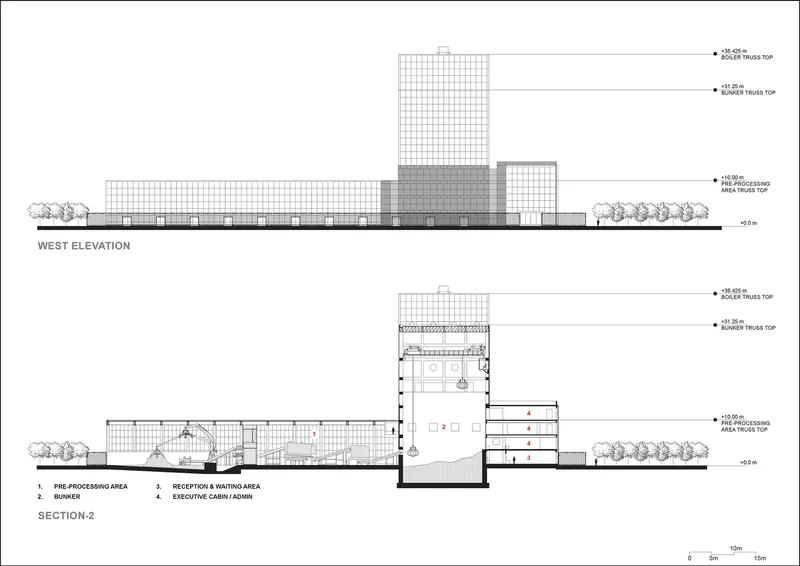
The design of the WTE Campus follows the principle of "form follows function." The structure is a simple, open-span, lightweight prefabricated steel building that optimizes process flow through vertical stacking and appropriate equipment sizing. This design choice ensures efficient waste processing with minimal human intervention.
Sustainable Materials and Construction
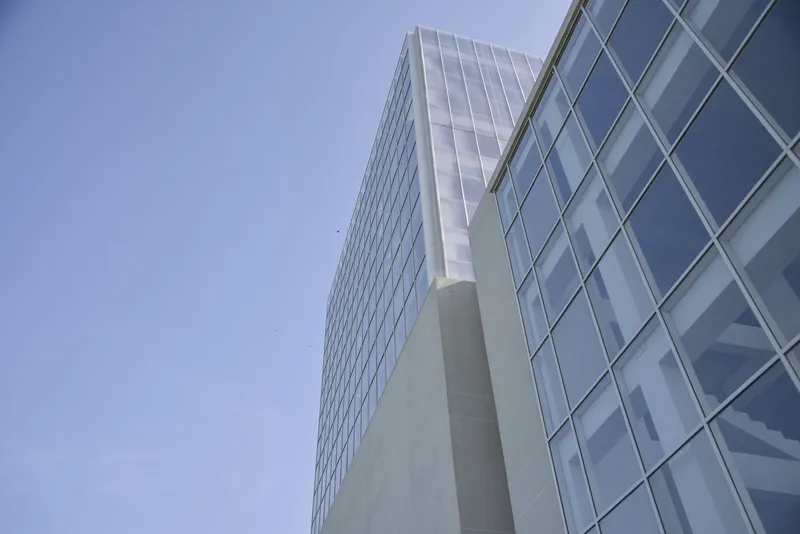
The campus features a translucent, recyclable multilayered polycarbonate façade system. This material selection enhances thermal performance, reduces operational costs, and minimizes energy consumption. The lightweight nature of the façade allows for easy installation and reconfiguration, while its high strength provides resistance to impact and fracture.
Environmental and Social Impact
Water Conservation and Landscaping
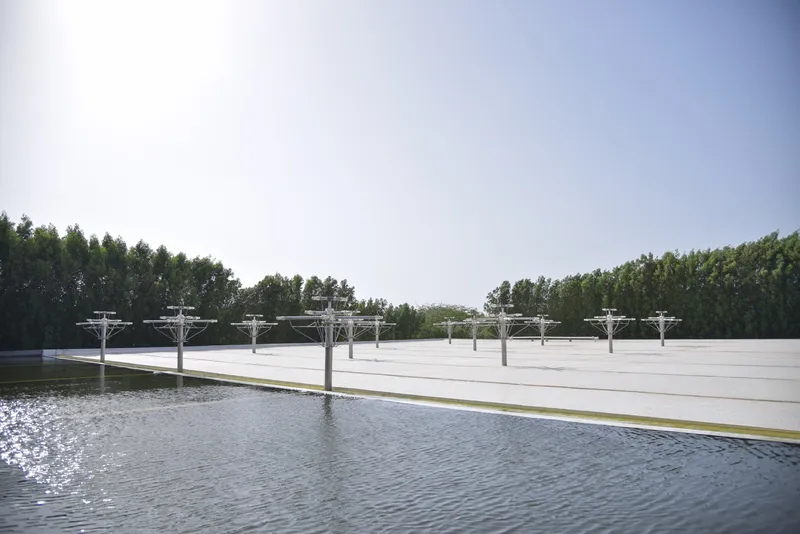
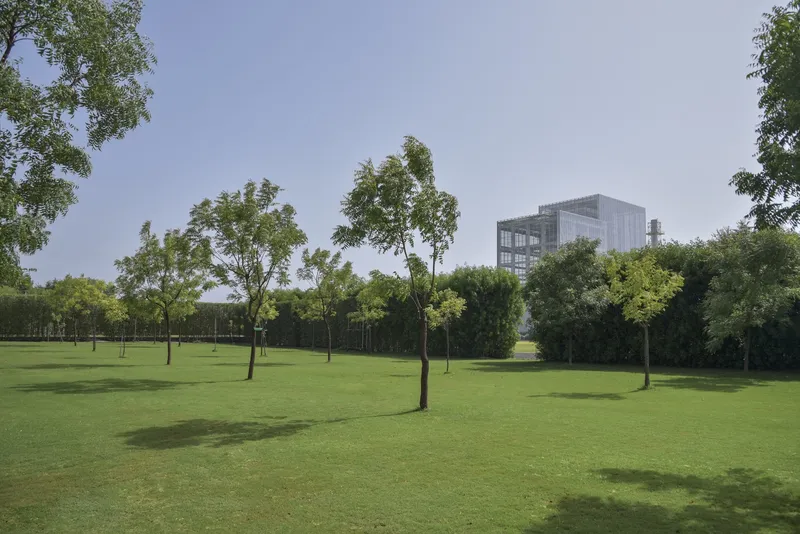
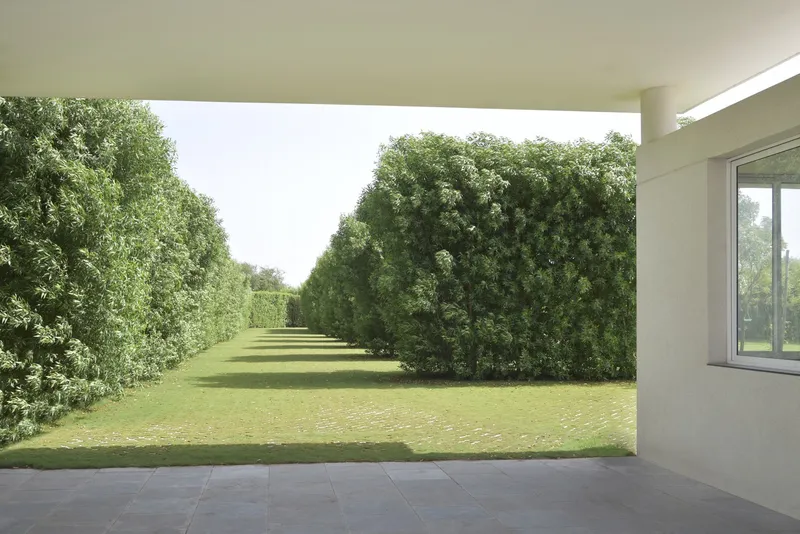
Water conservation is a key focus of the WTE Campus. Unlike traditional landfills, the campus provides a green social landscape, including orchards, green hedge walls, and water bodies that improve the microclimate. Over 40% of the landscaping consists of drought-tolerant species, and the campus utilizes treated municipal wastewater for irrigation.
Renewable Energy and Emission Control
The WTE Campus employs controlled combustion technology to process waste without spreading odor, pathogens, or harmful emissions. It complies with the Municipal Solid Waste (MSW) Rule 2016 and European Emission Norms. The project also explores additional value chains, such as producing BioCNG, recovering recyclable plastics, and converting fly ash into green construction materials.
Community and Educational Initiatives
The design of the WTE Campus includes spaces for community activities and educational purposes. It hosts research platforms and educational trips, contributing to social upliftment and increasing awareness about sustainable waste management practices.
Awards and Recognition
The WTE Campus has received significant accolades, including being recognized as "India's first platinum-rated net-zero Green Waste-to-Energy Campus" by the Indian Green Building Council. It also won the 2023 Green Good Design Award from The Chicago Athenaeum: Museum of Architecture and Design and The European Centre for Architecture Art Design and Urban Studies.
The Waste To Energy Campus by INI Design Studio is a landmark project in waste to energy architecture. It exemplifies how innovative architectural design can address waste management challenges while promoting sustainability and community well-being. This project stands as a model for future waste management solutions, demonstrating the potential of architecture to transform environmental issues into opportunities for sustainable development.
All photographs are work of INI Design Studio


Popular Articles
Popular articles from the community


The Amber Palace Opera: A Geological Fiction Surfaces on Tallinn's Baltic Waterfront
Pierre Brillard reimagines a Baltic legend as a public landscape, opera house, and waterfront promenade rooted in Tallinn's coastal identity.

Opera on the Sea: Driftwood Logic Shapes a Timber Opera House on Estonia's Coast
Trevor Orgill's opera house translates the entangled drift of floating timber into a civic building where wood, water, and music converge.

Temporary Home for Dogs: A Reversed Zoo Rethinks Animal Shelter Architecture
In Bucharest, a sinuous corridor and freed landscape flip the logic of containment, designing a shelter that works to make itself unnecessary.
Extended Shell: Retrofitting Kolkata's Balconies as Living Urban Thresholds
A modular retrofit system recovers the social and environmental intelligence of Kolkata's historic verandas for contemporary Park Street residents.

Similar Reads
You might also enjoy these articles

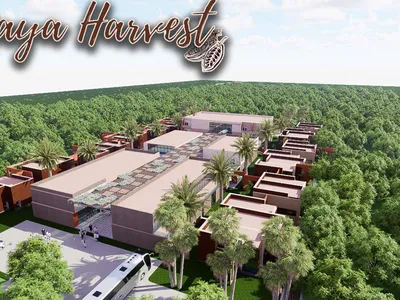
Maya Harvest: A Cacao Resort Village Rooted in Mayan Tradition and Local Craft
Situated within a Tabasco cacao plantation, this shortlisted resort proposal merges vernacular materials with hands-on cultural immersion.
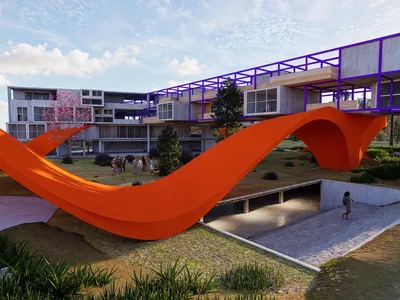
Harmonia: A River-Shaped Community That Grows Over Decades in Boa Vista
Curved pathways and modular grid structures along the Branco River create a phased settlement designed to evolve from 2030 to 2050.
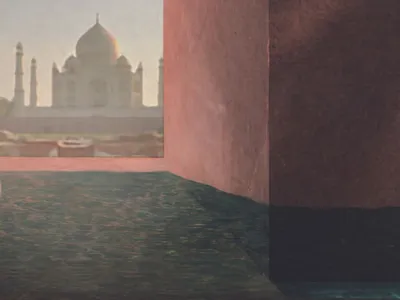
The Architecture of Bathing: A Mughal Hammam Reimagined Across the Yamuna
Charlotte May's honorable mention entry for The Black Taj reinterprets Agra's bathing rituals through red sandstone, water, and framed views of the Taj Mah
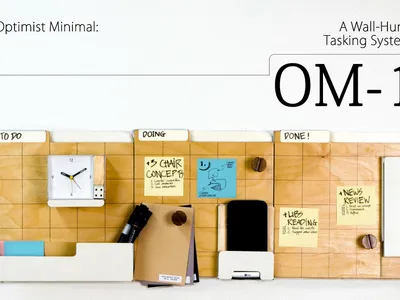
Om-1: A Wall-Hung System That Moves Your Workspace Off the Desk
Modular plywood boards, magnetic pegs, and utility elements migrate clutter from the horizontal surface to the vertical plane.

Explore Waste Management Competitions
Discover active competitions in this discipline

Challenge to reimagine the Iron Throne

Photograph architecture without architects

Illustrate the lost glory of Angkor Wat - Render Challenge

Design challenge to reuse E-waste
Comments (0)
Please login or sign up to add comments
No comments yet. Be the first to comment!