Adaptive Reuse Architecture in Cultural Spaces: The Central Goldfields Art Gallery Transformation
Exploring the transformation of a Victorian fire station into the Central Goldfields Art Gallery through adaptive reuse and cultural integration.


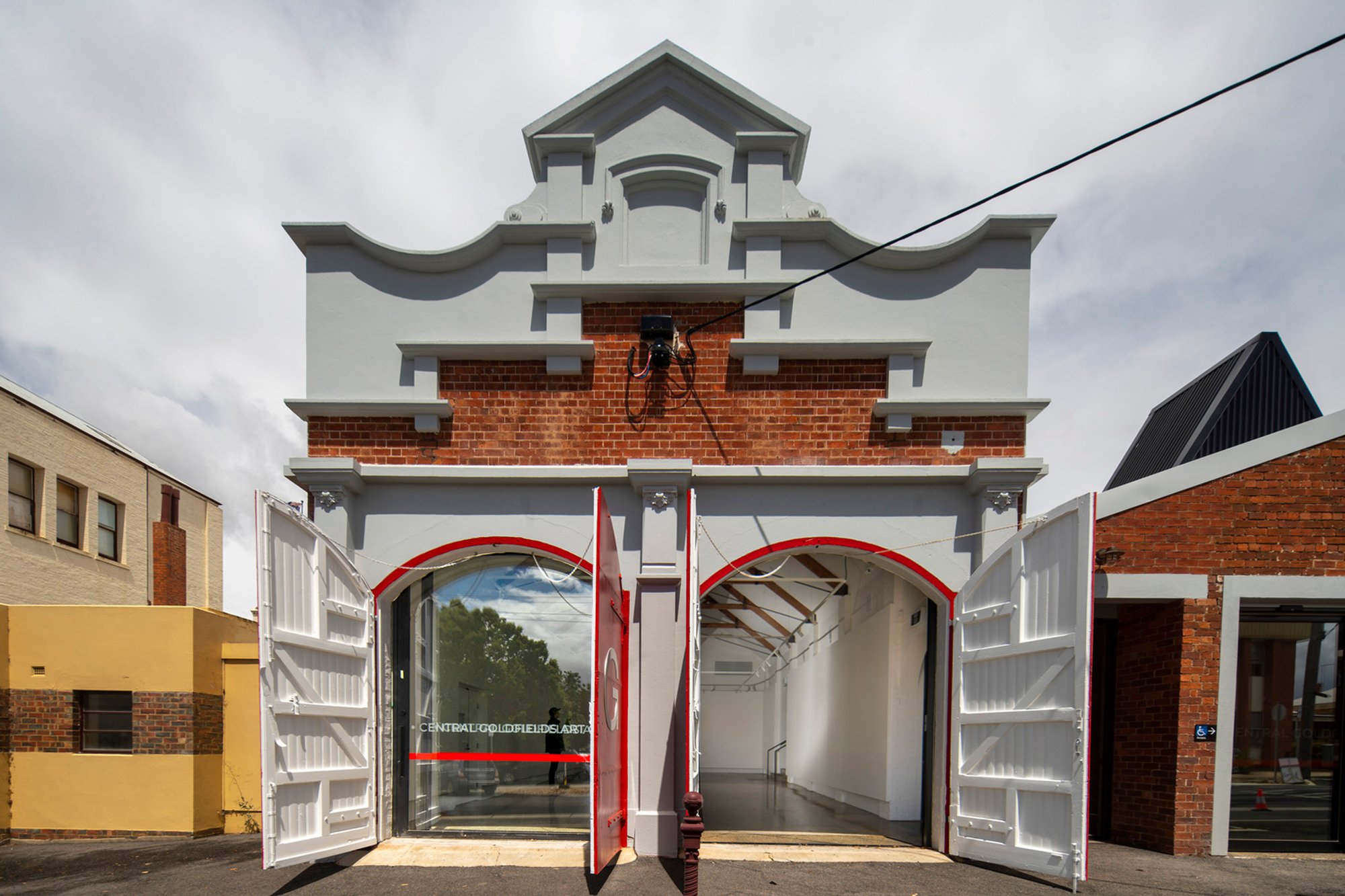
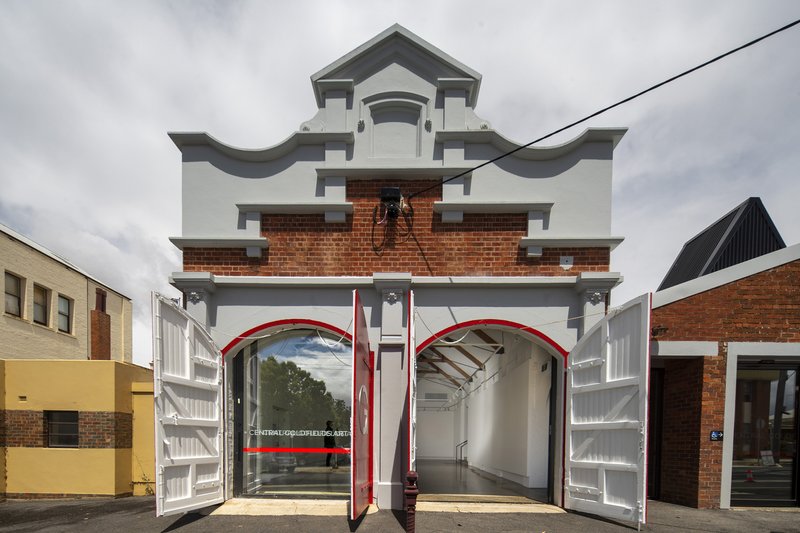
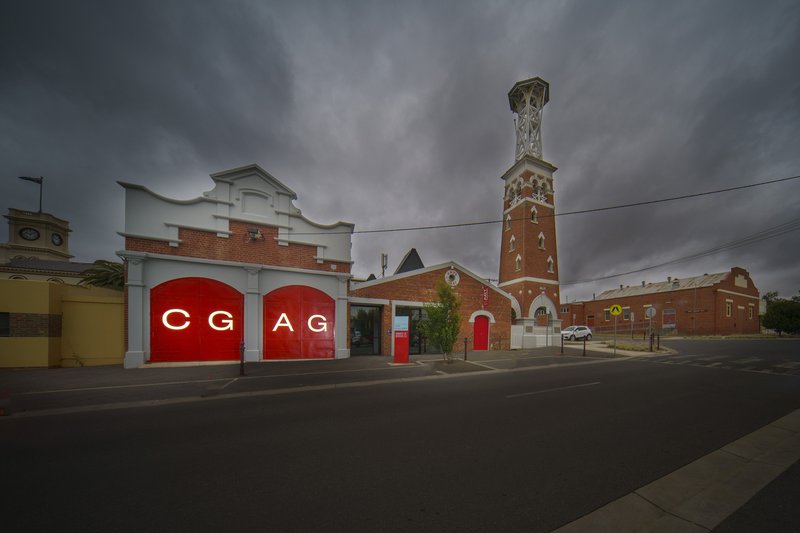
Adaptive reuse architecture is a sustainable approach that involves repurposing old buildings for new uses, rather than constructing new structures from scratch. This methodology not only conserves resources but also preserves historical heritage, integrating it into contemporary life. One striking example of this approach in the realm of cultural architecture is the transformation of an 1861 Victorian fire station into the Central Goldfields Art Gallery in Maryborough, Australia.
The Central Goldfields Art Gallery Project Overview
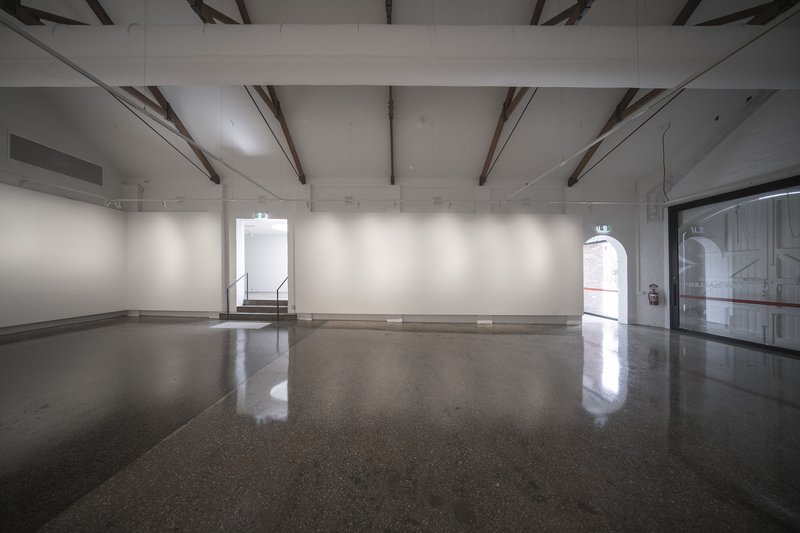
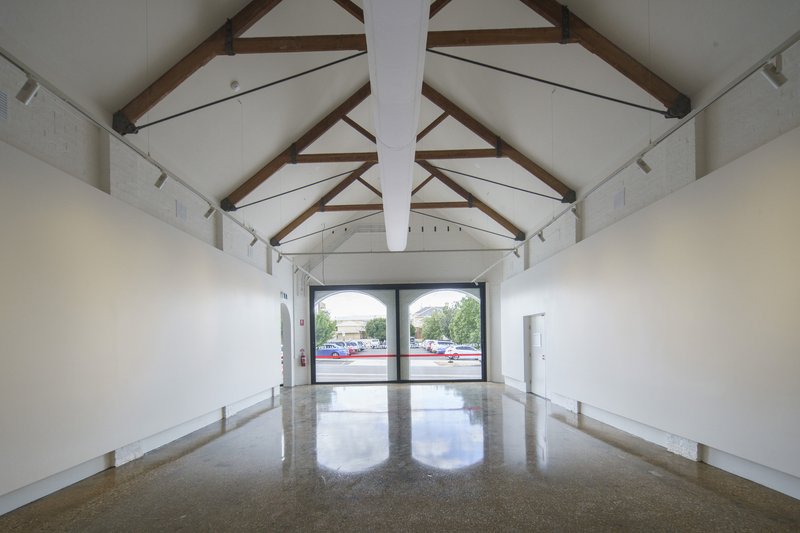
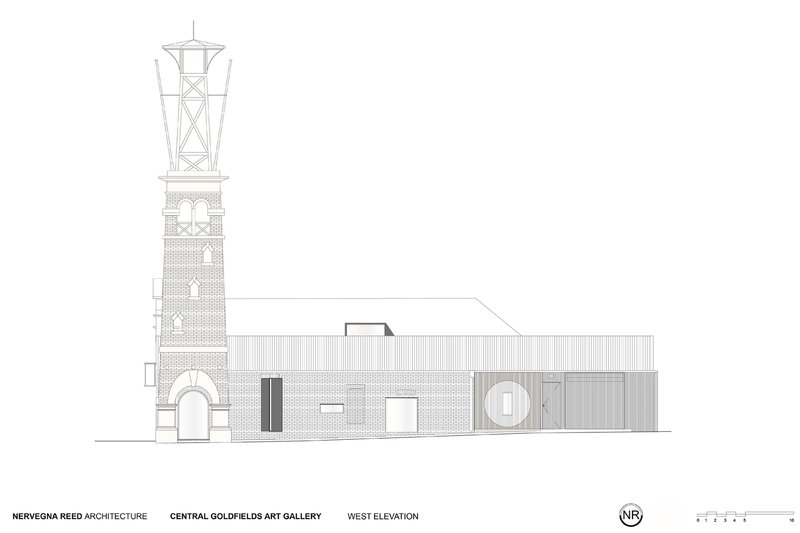
The Central Goldfields Art Gallery, designed by Nervegna Reed Architecture, stands as a testament to the power of adaptive reuse in cultural spaces. Located in Maryborough, Victoria, on Dja Dja Wurrung country, this project spans an area of 500 m² and was completed in 2023. This gallery, alongside an Indigenous Interpretive Sculpture Garden designed by Djandak, aims to indigenize the Maryborough area, integrating Djaara history and culture into the fabric of the town.
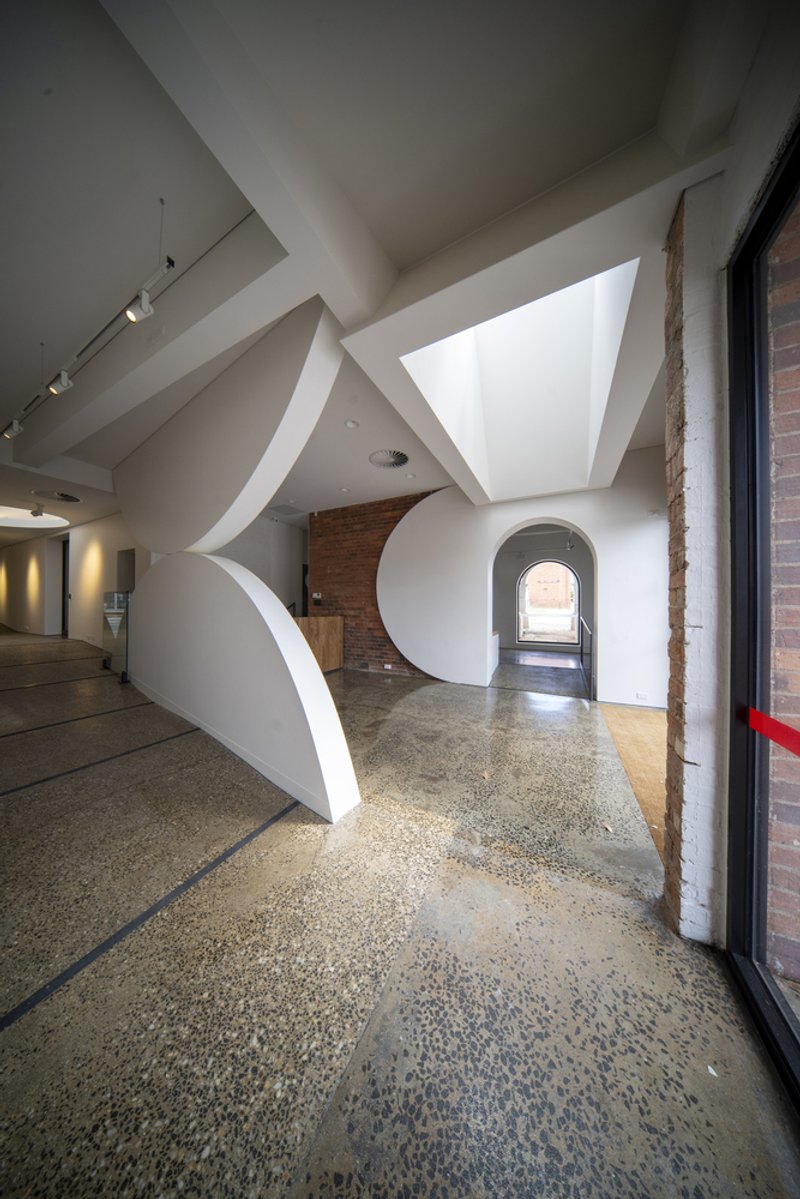
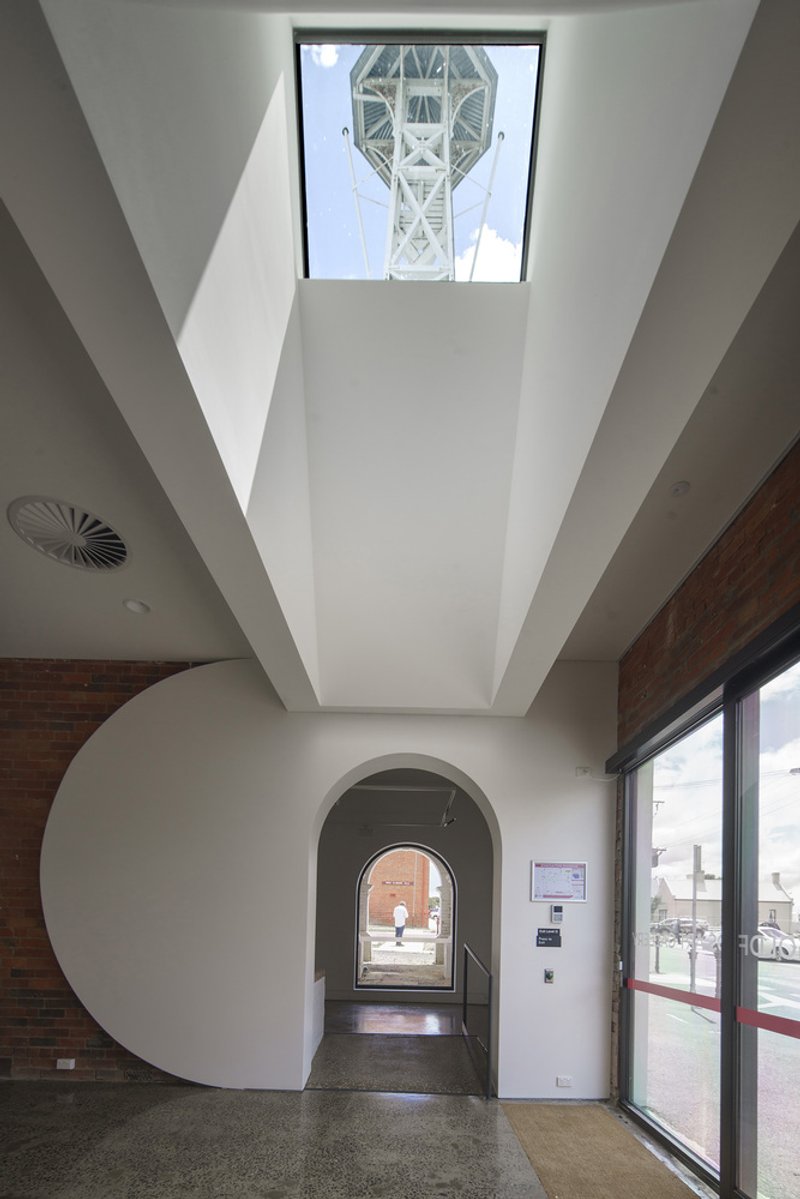
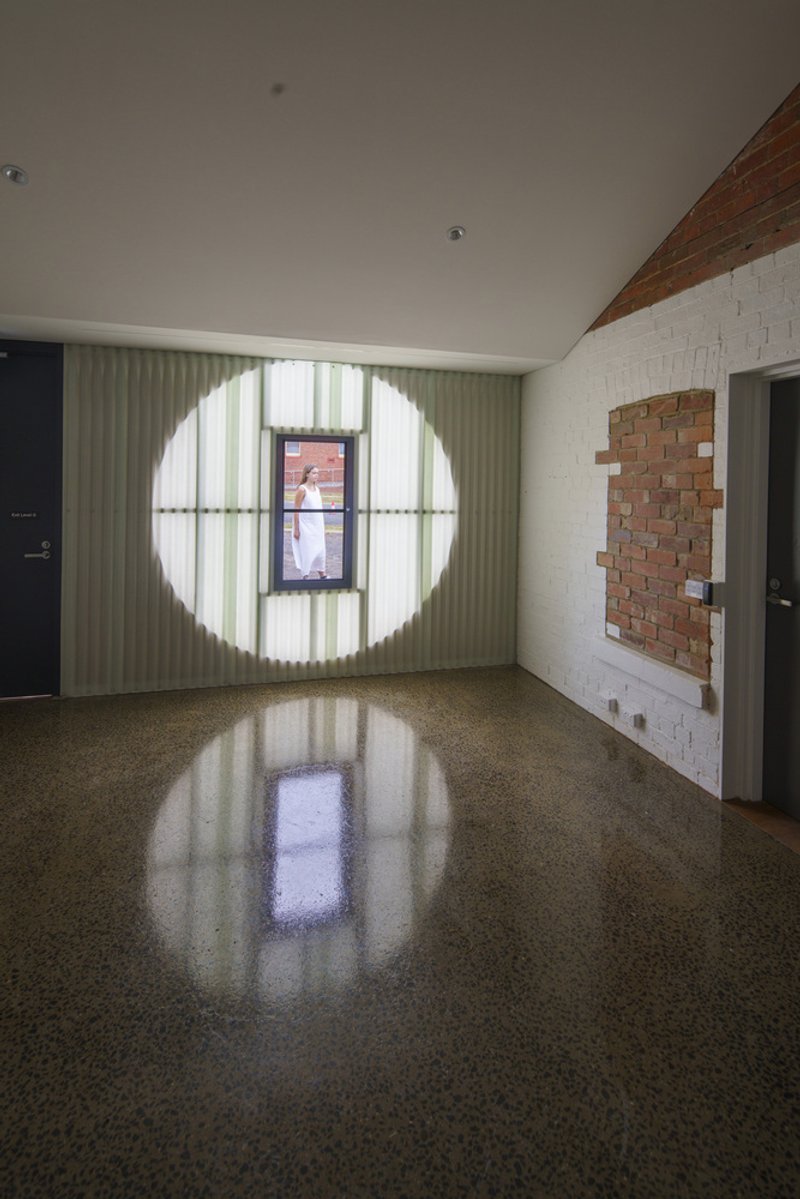
Historical Context and Design Vision
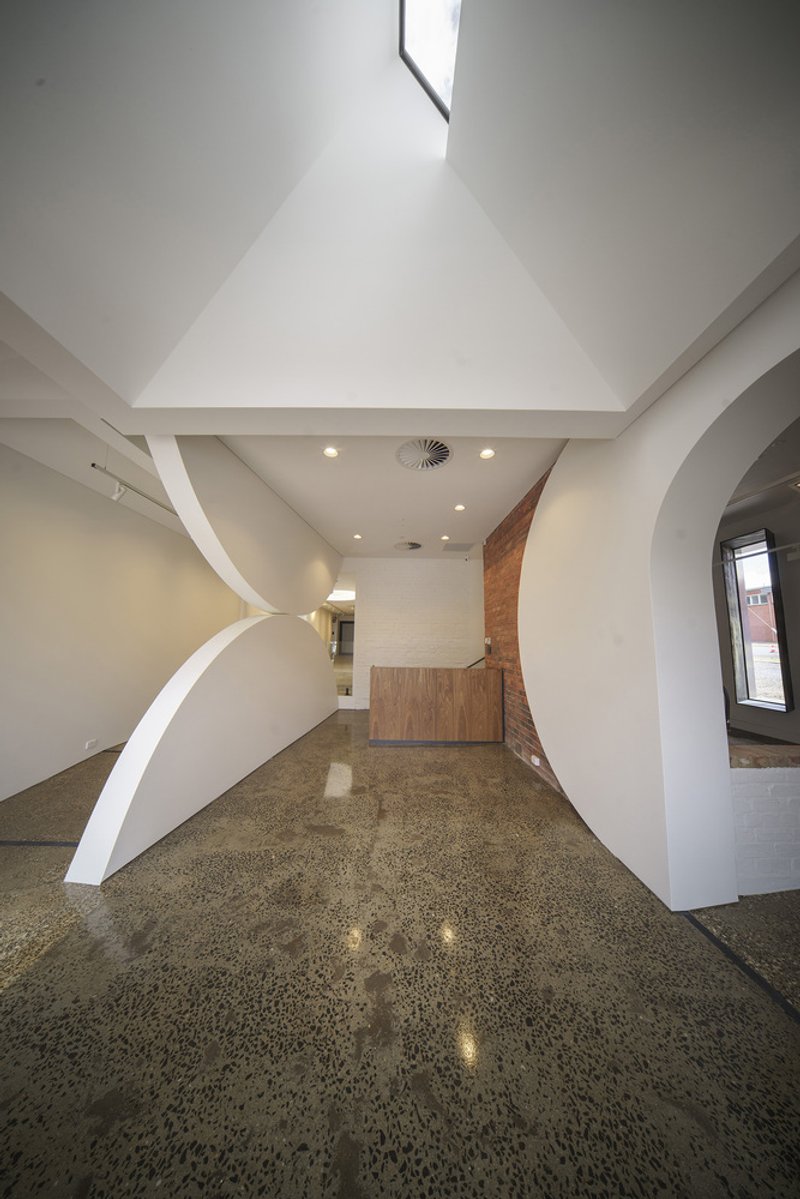
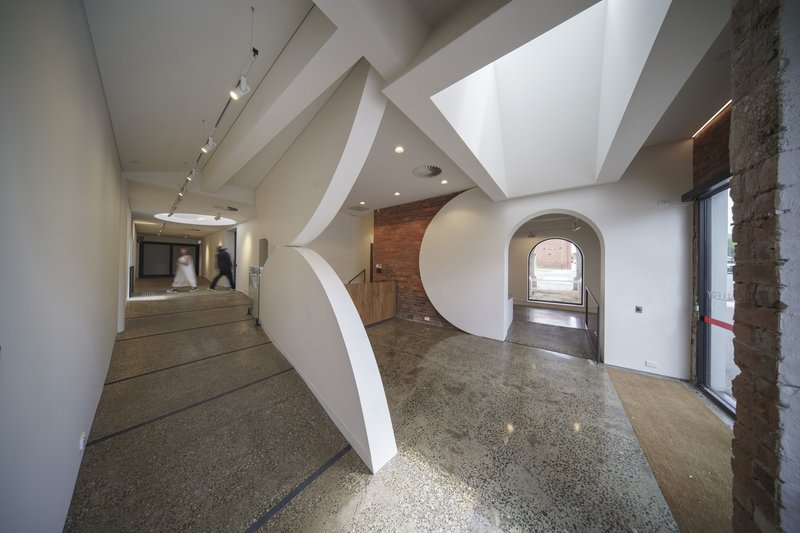
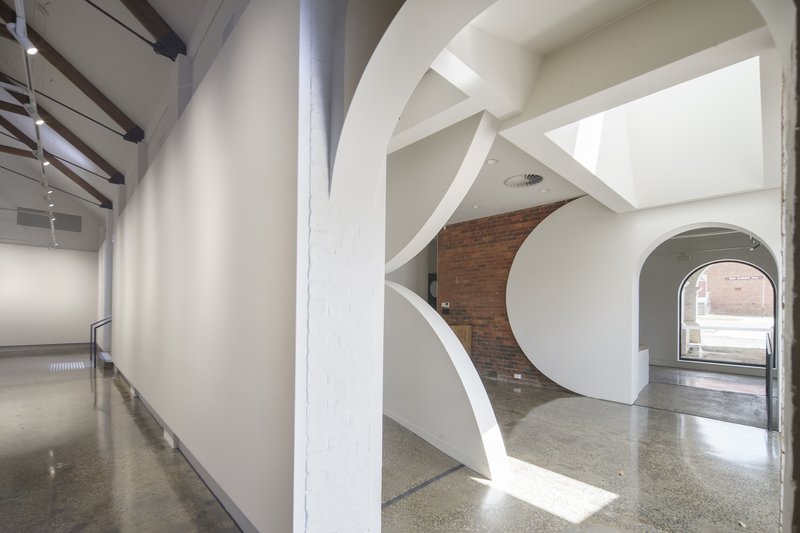
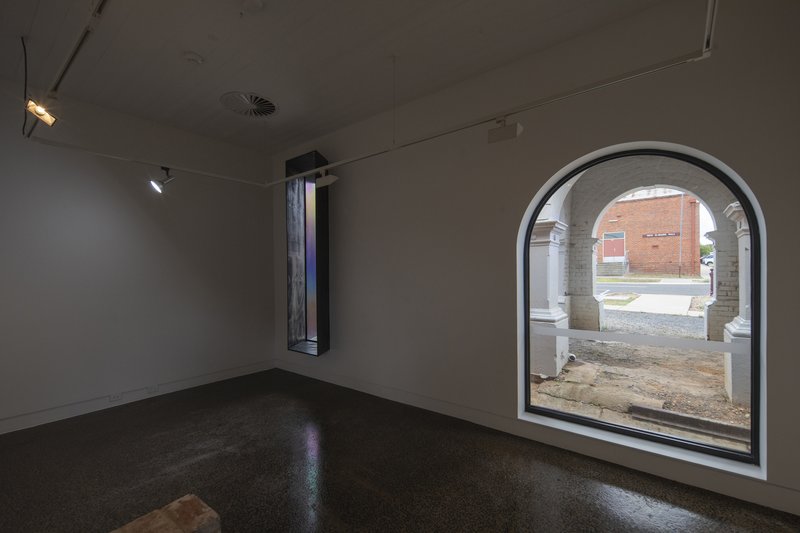
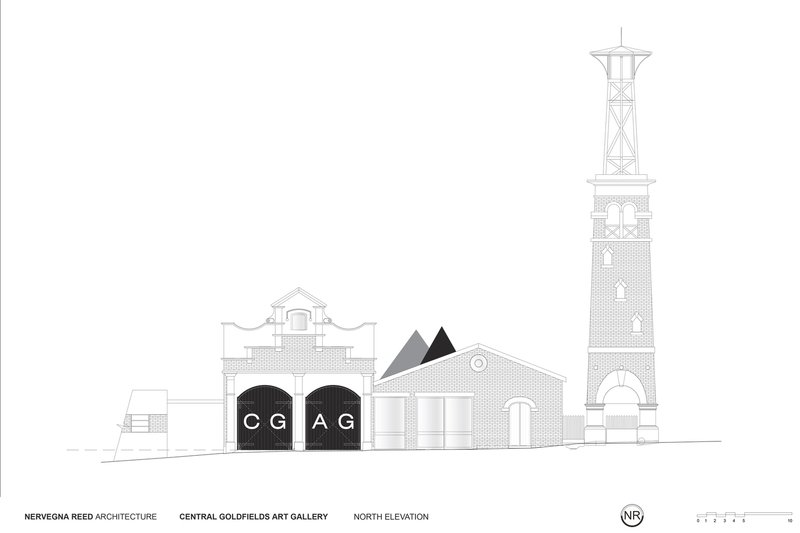
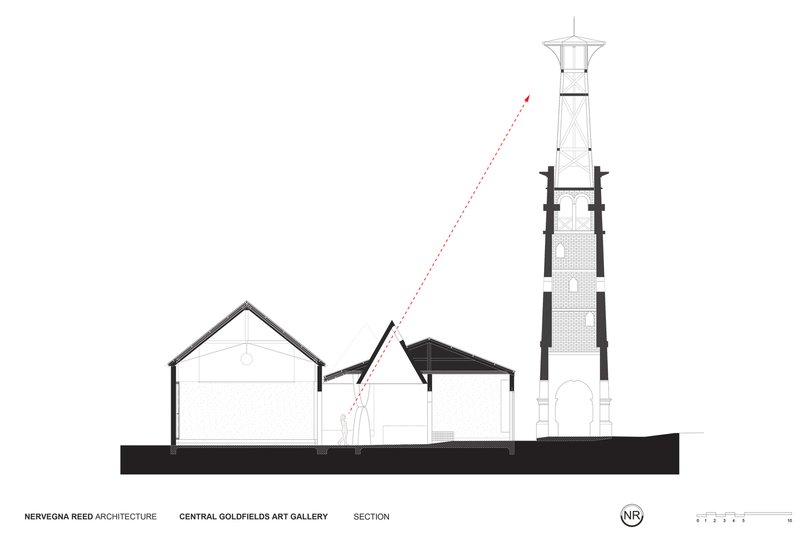
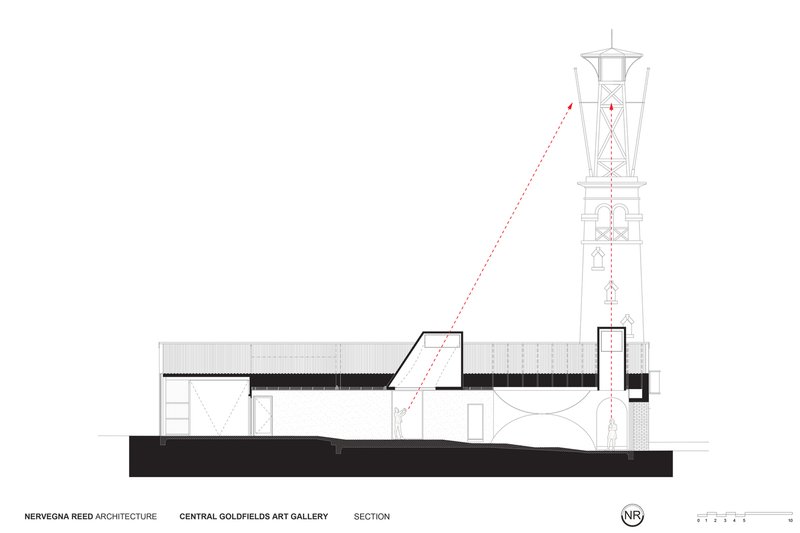
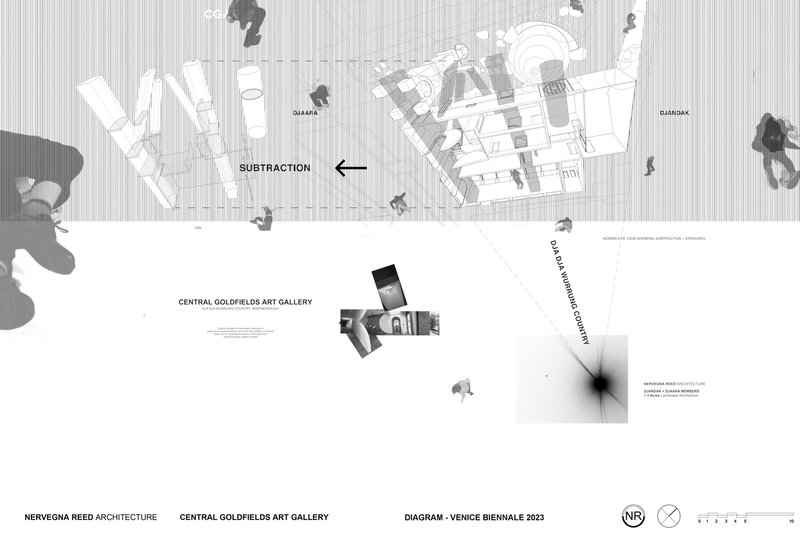
The project aimed to revitalize the historic fire station building while honoring and incorporating the history and culture of the Dja Dja Wurrung people. The challenge was to correct the colonial narrative and introduce multiple viewpoints and narratives into the space. The design did not seek to simply restore the building to its original state but to "slice through" the colonial fabric, revealing and connecting different cultures, beliefs, histories, and stories.
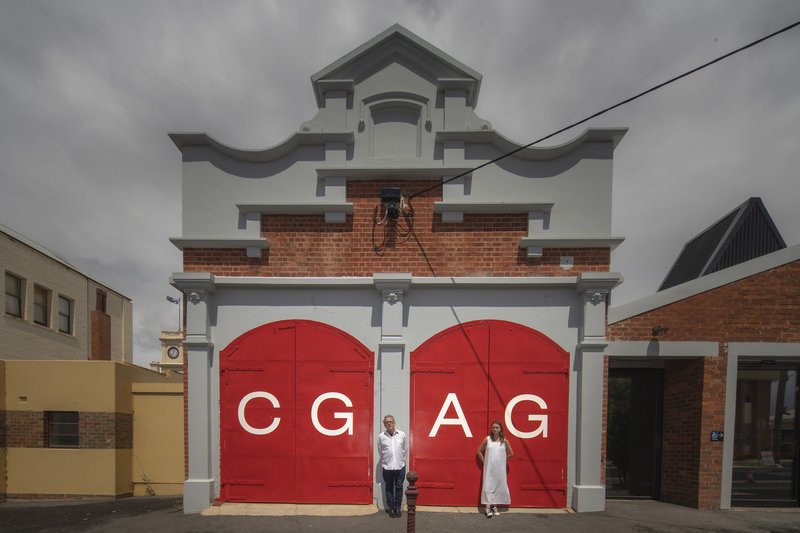
Architectural Strategies and Tactics
Nervegna Reed Architecture employed several innovative design strategies to achieve this vision:
- Subtraction: This involved erasing and cutting through the colonial architecture to reveal other histories and viewpoints.
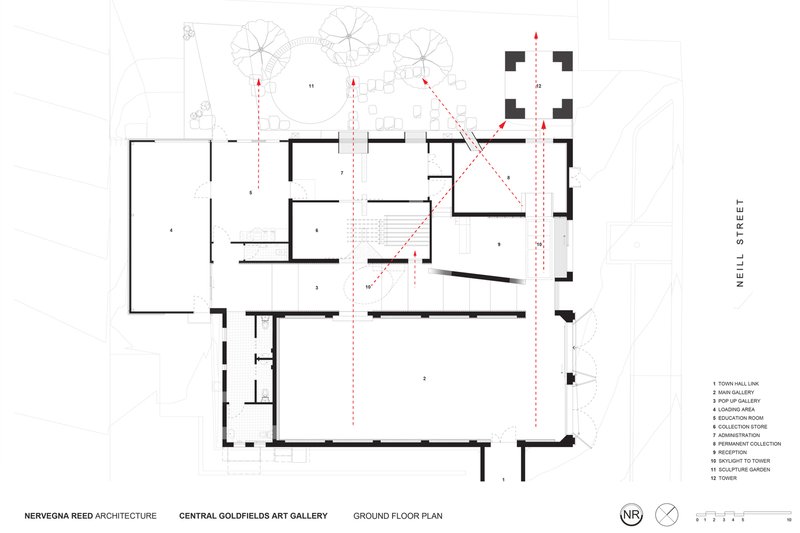
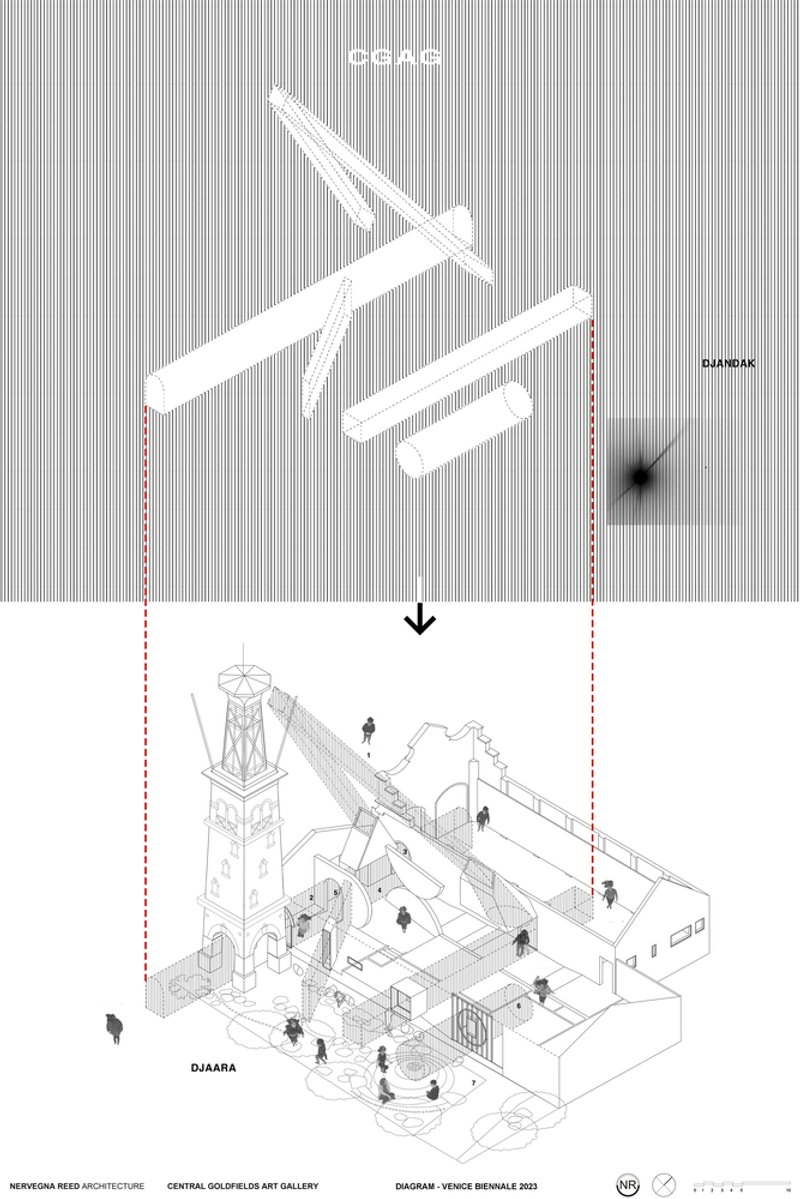
- Spatial Channels: Slicing and eroding the colonial spatial system with the insertion of space objects to connect different ideologies.
- Displaced Geometries: Using geometric reconfigurations to question and reshape our spatial reality.
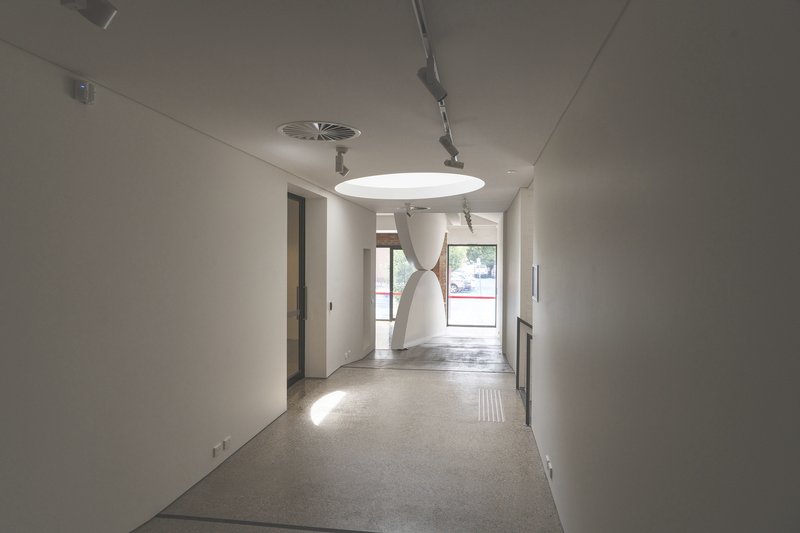
These tactics facilitated the creation of new spaces within the building, offering new perspectives and connecting the interior with the upcoming sculpture garden. The design features, such as a polycarbonate moon and sun wall facing the garden, illuminate the space at dusk, creating a visually stunning connection between the gallery and the garden.
The Role of Landscape Architecture
The collaboration with landscape architects from 3 Acres Landscape Architecture and members of Djandak and Djaara further emphasizes the project's commitment to cultural sensitivity and environmental integration. The landscape design not only complements the architectural vision but also serves as a critical component of the storytelling, connecting the indoor spaces with the natural and cultural landscape outside.
Impact and Significance
The Central Goldfields Art Gallery project exemplifies how adaptive reuse architecture can serve as a powerful tool in cultural preservation and innovation. By intertwining historical architecture with contemporary design and Indigenous narratives, the project stands as a beacon of cultural dialogue and sustainability. It demonstrates how buildings can be transformed to serve new purposes while respecting and honoring their pasts.
The adaptive reuse of the Central Goldfields Art Gallery not only revitalizes a historical structure but also creates a space that bridges cultures, histories, and communities. It showcases the potential of architecture to foster cultural understanding and sustainability, making a significant contribution to the discourse on adaptive reuse in cultural spaces.
All photographs are work of John Gollings