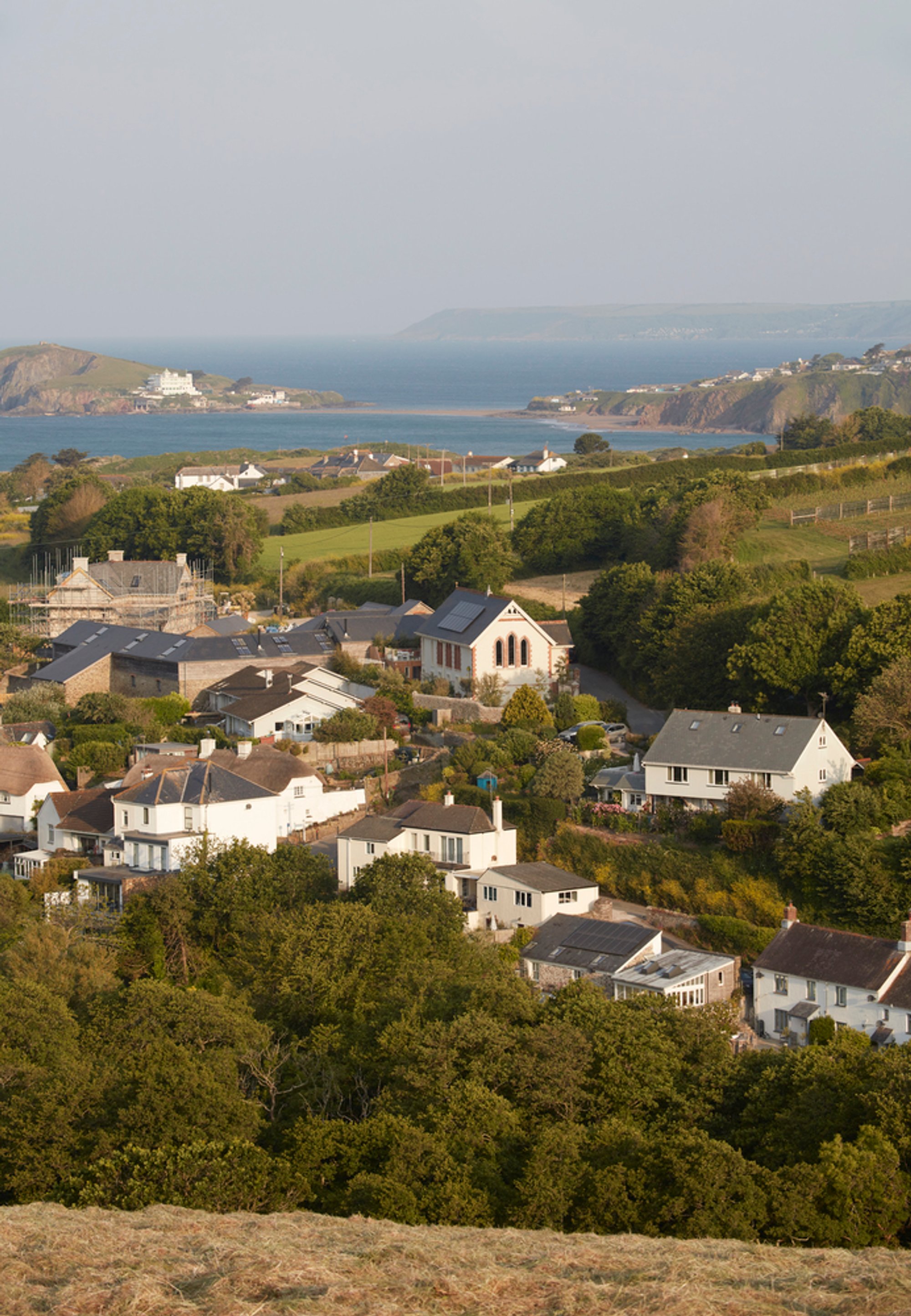
Adaptive Reuse Architecture: Transforming the Old Chapel by Jonathan Tuckey Design
This article explores the adaptive reuse of the Old Chapel in Devon by Jonathan Tuckey Design, highlighting sustainable architectural transformations.


Adaptive reuse architecture is a sustainable approach that involves repurposing old buildings for new uses while preserving their historical significance. This architectural practice not only conserves resources but also breathes new life into neglected structures. A quintessential example of adaptive reuse is the transformation of the Old Chapel in Devon, UK, undertaken by Jonathan Tuckey Design.
Project Overview: The Old Chapel Transformation
Historical Background and Initial Condition
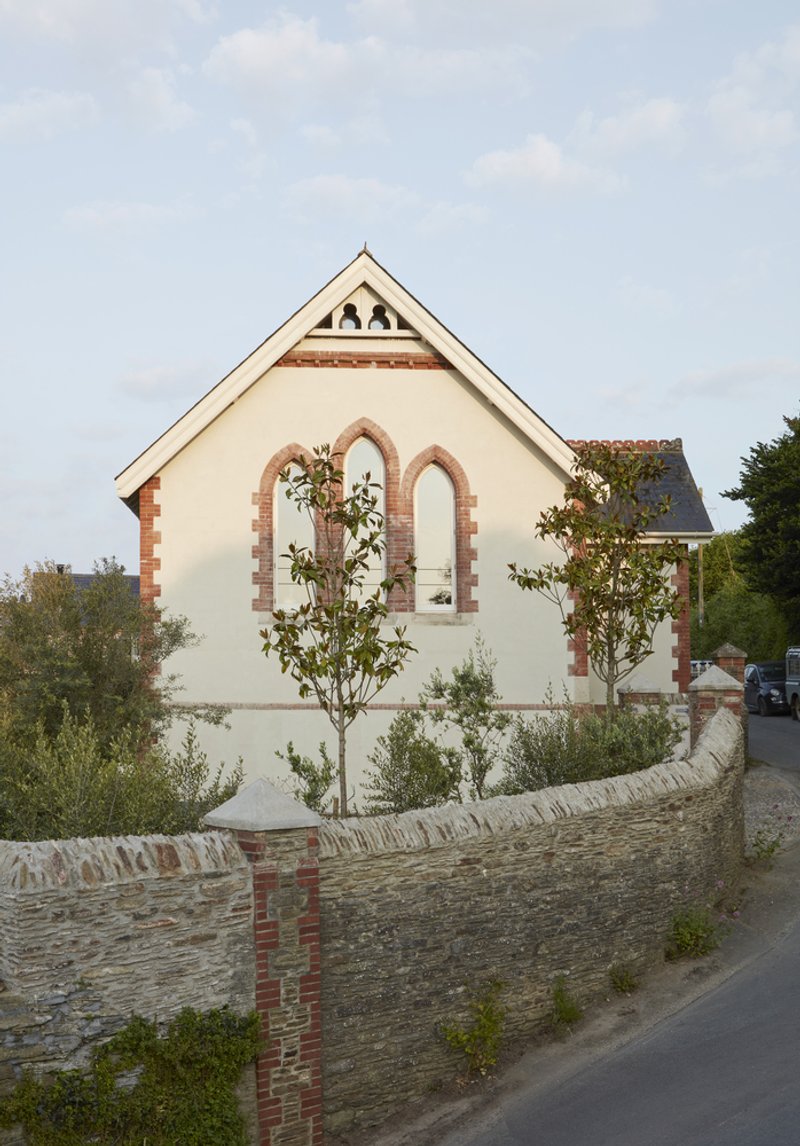
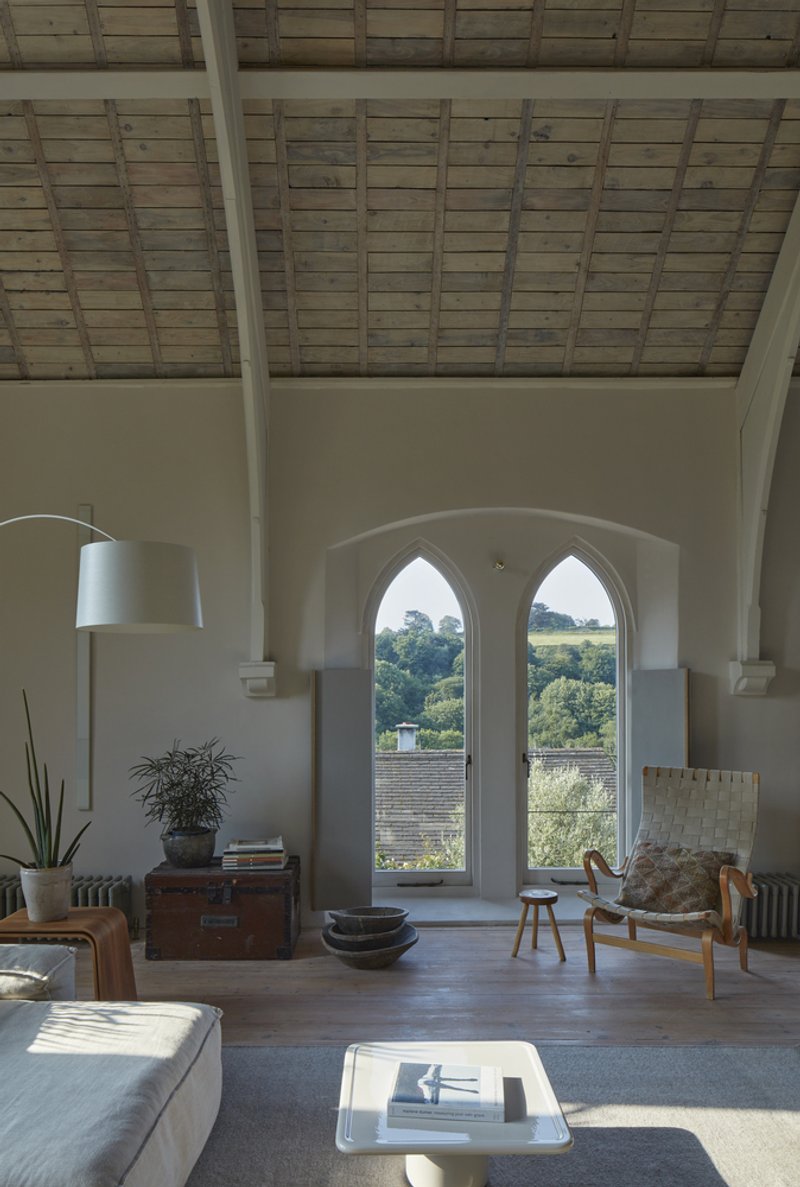
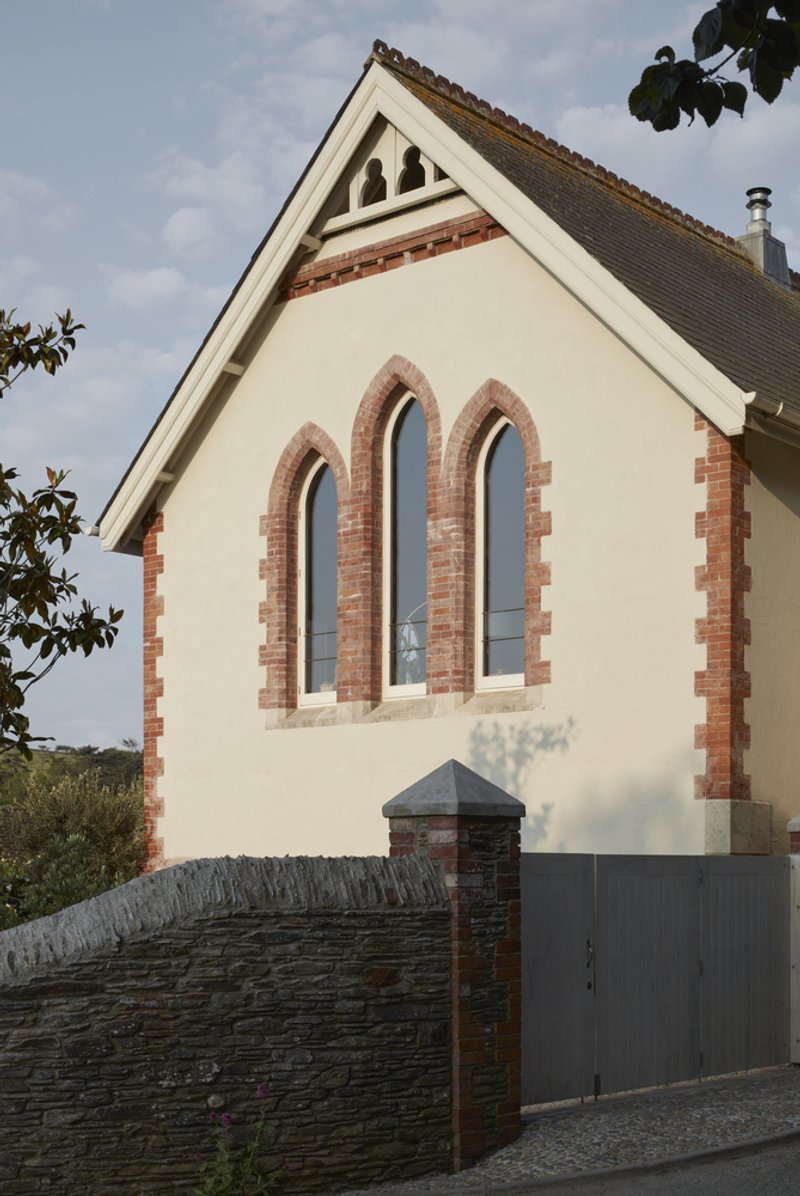
Originally built in the first half of the 20th century, the Old Chapel was converted into a dwelling in the 1970s. Over the decades, various modifications diluted its original charm. By 2022, Tuckey Design Studio was tasked with uncovering and enhancing the building's character to serve as a permanent family home.
Architectural Strategy and Design Goals
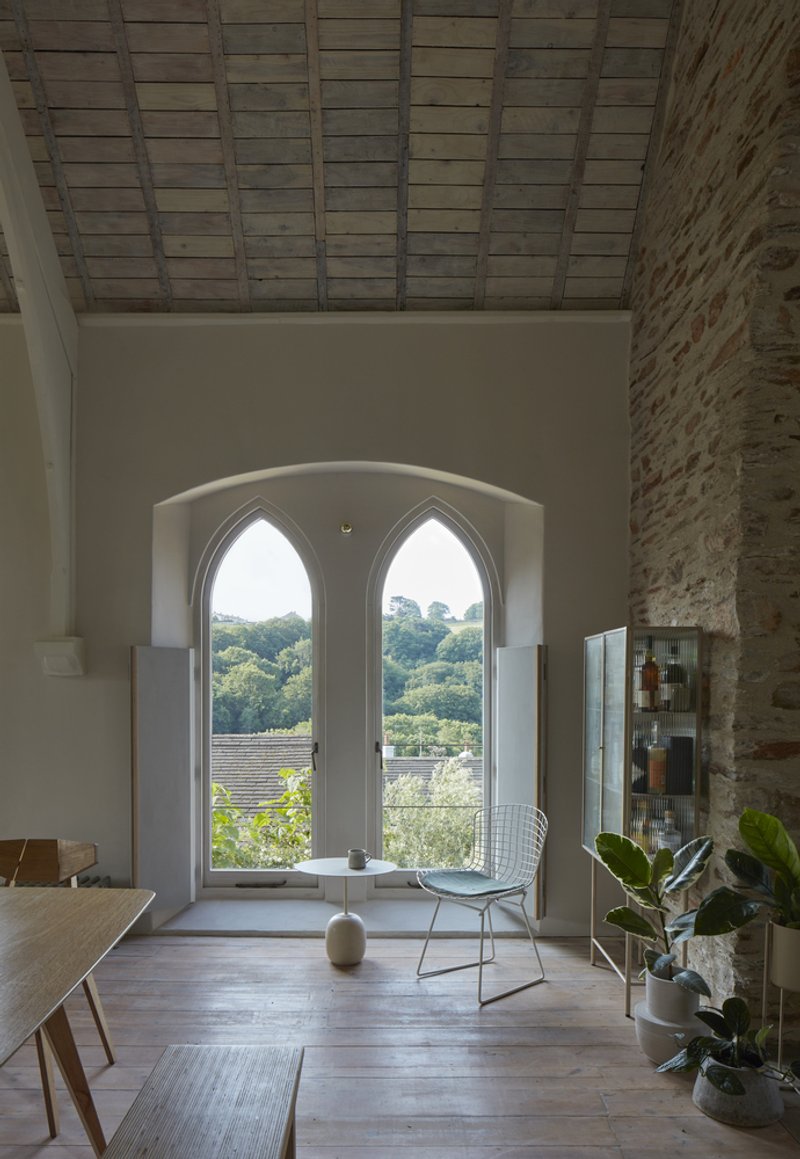
The key to the project was a respectful approach to adaptive reuse. The architects aimed to strip away non-valuable additions from the 1990s, restoring architectural elements that highlighted the chapel’s inherent beauty.
Detailed Design Process and Execution
Removing Incongruous Additions
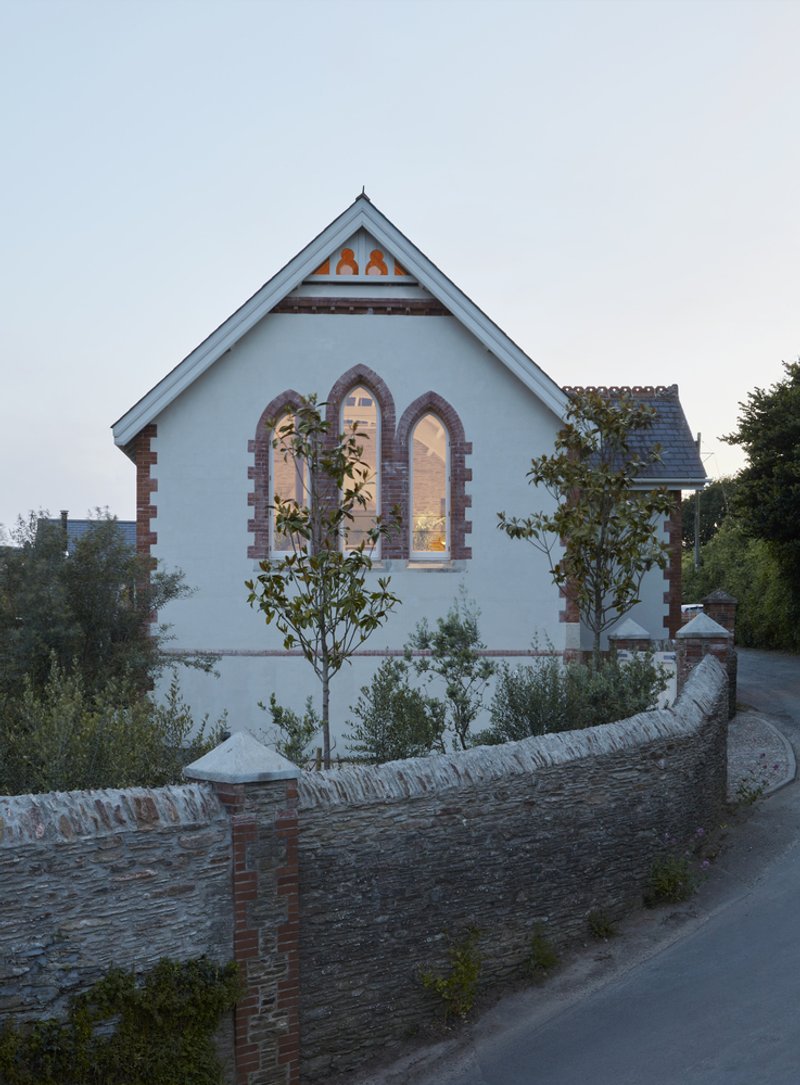
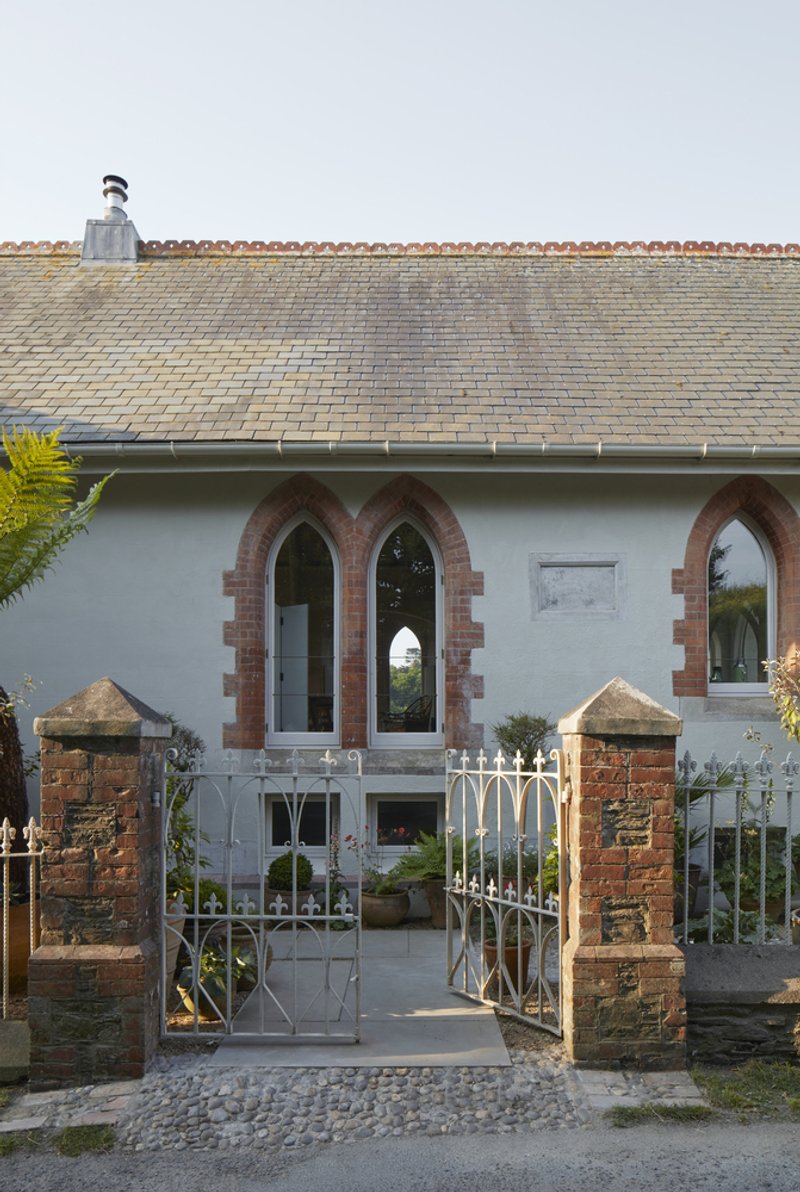
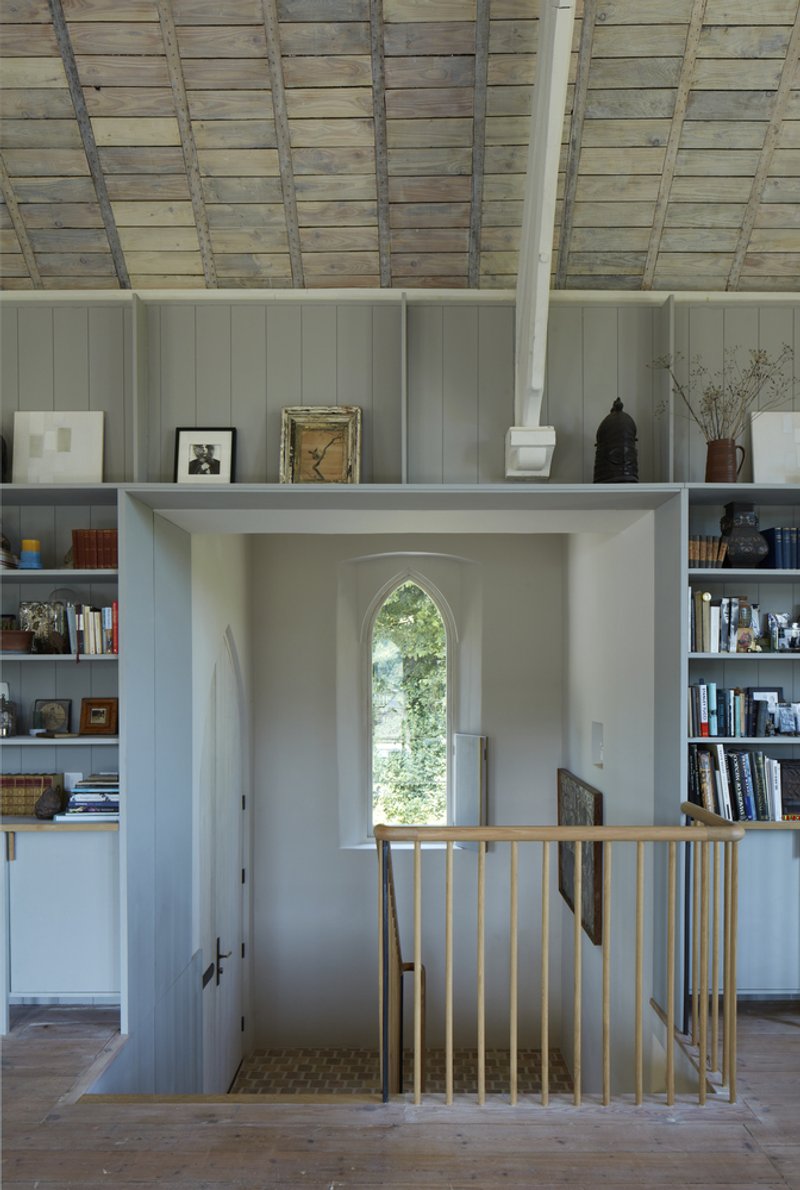
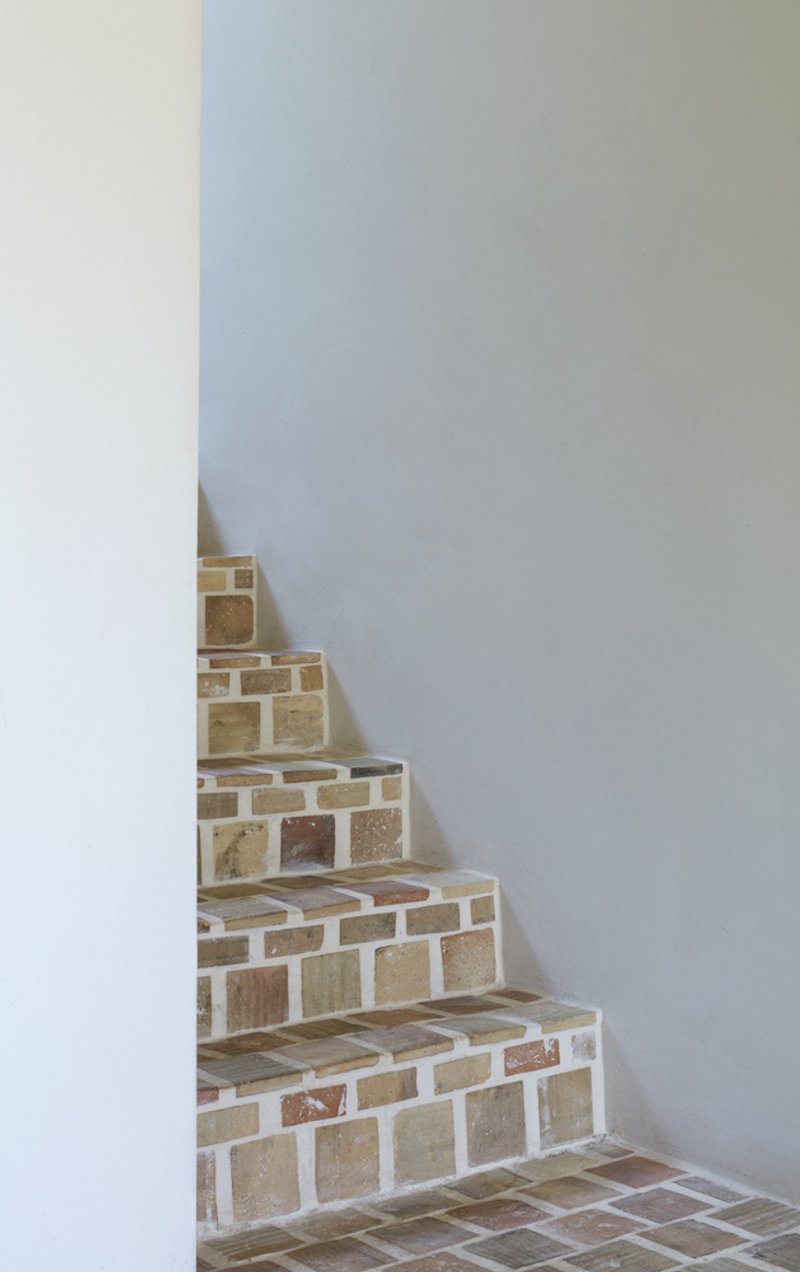
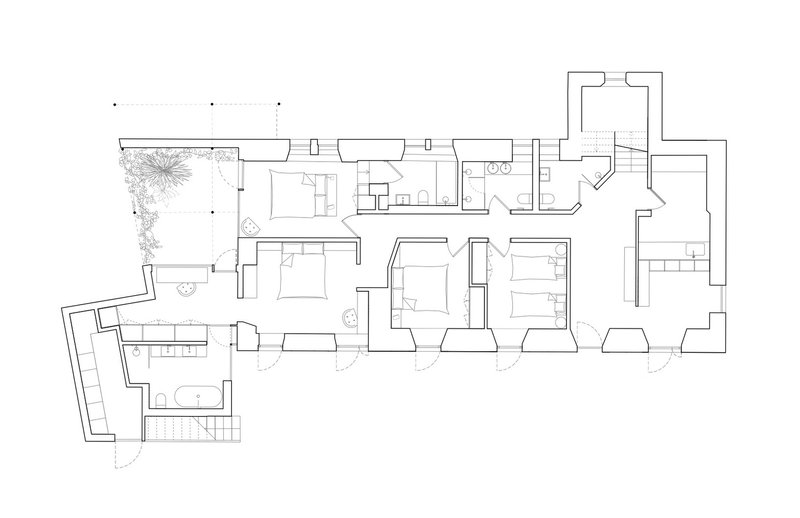
The design team began by removing the later additions that did not complement the original architecture. This included reinstating the north entrance, which became the main stair hall, thereby improving the flow throughout the building.
Thoughtful Additions and Layout Reconfiguration
Minimal new structures were added. Notably, an extension was built between the chapel’s southwest corner and the existing stone boundary wall. This addition expanded the ground floor and included a terrace on the first floor, seamlessly integrating indoor and outdoor spaces.
Interior Design and Functional Spaces
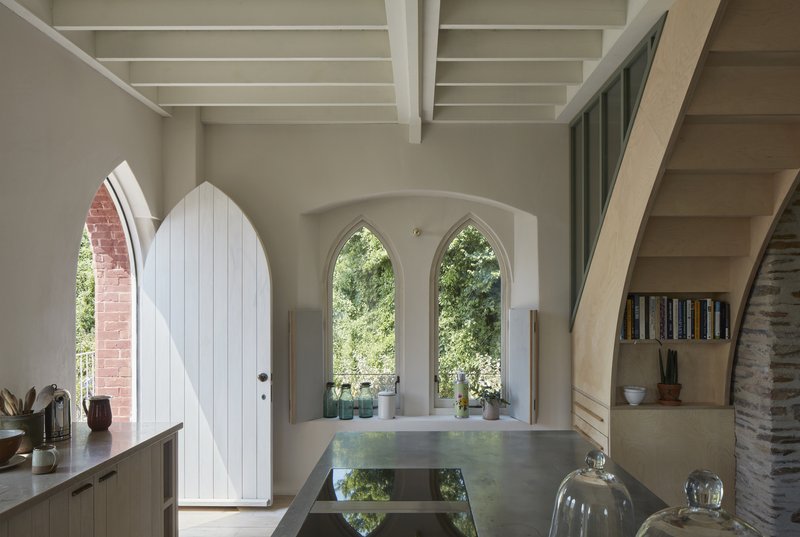
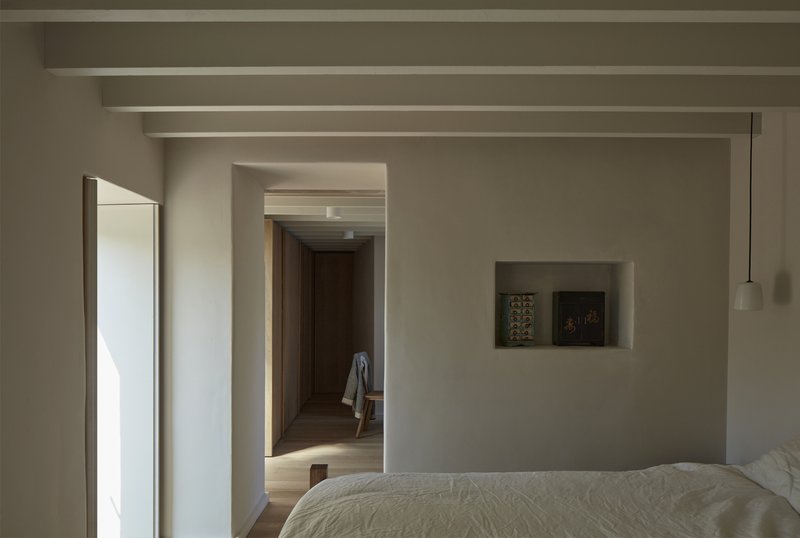
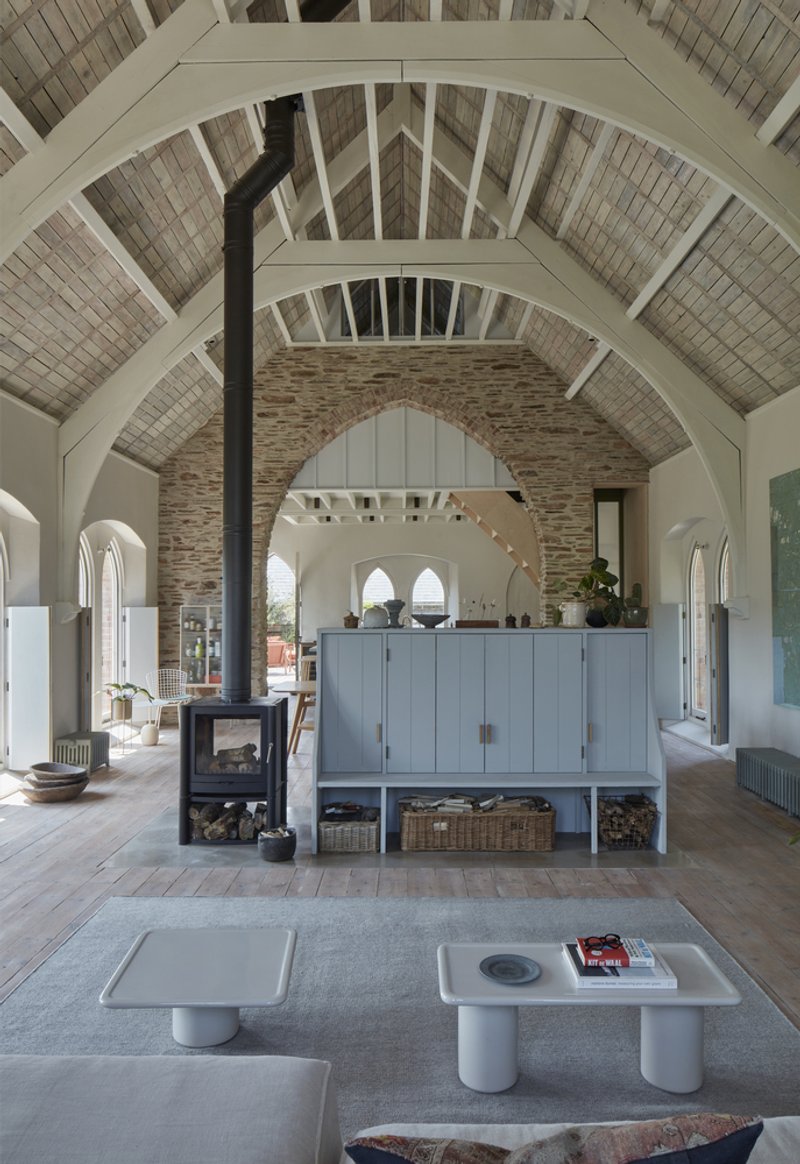
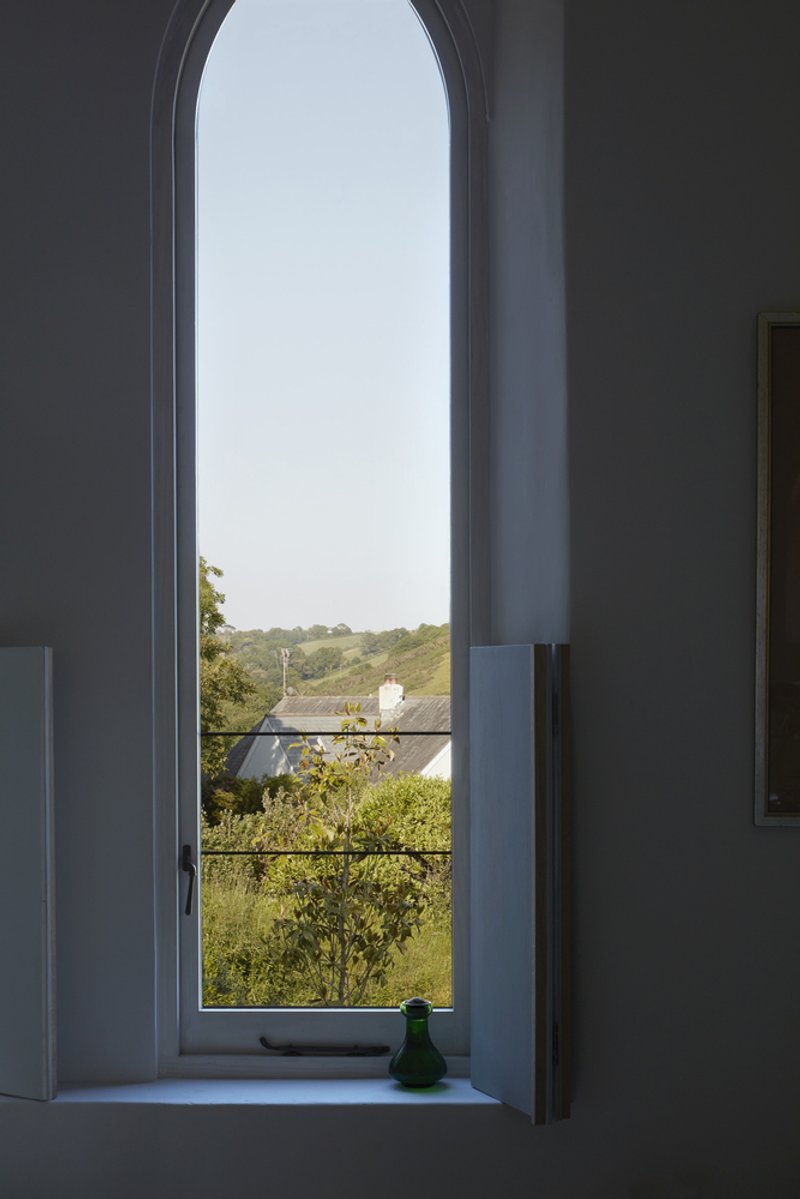
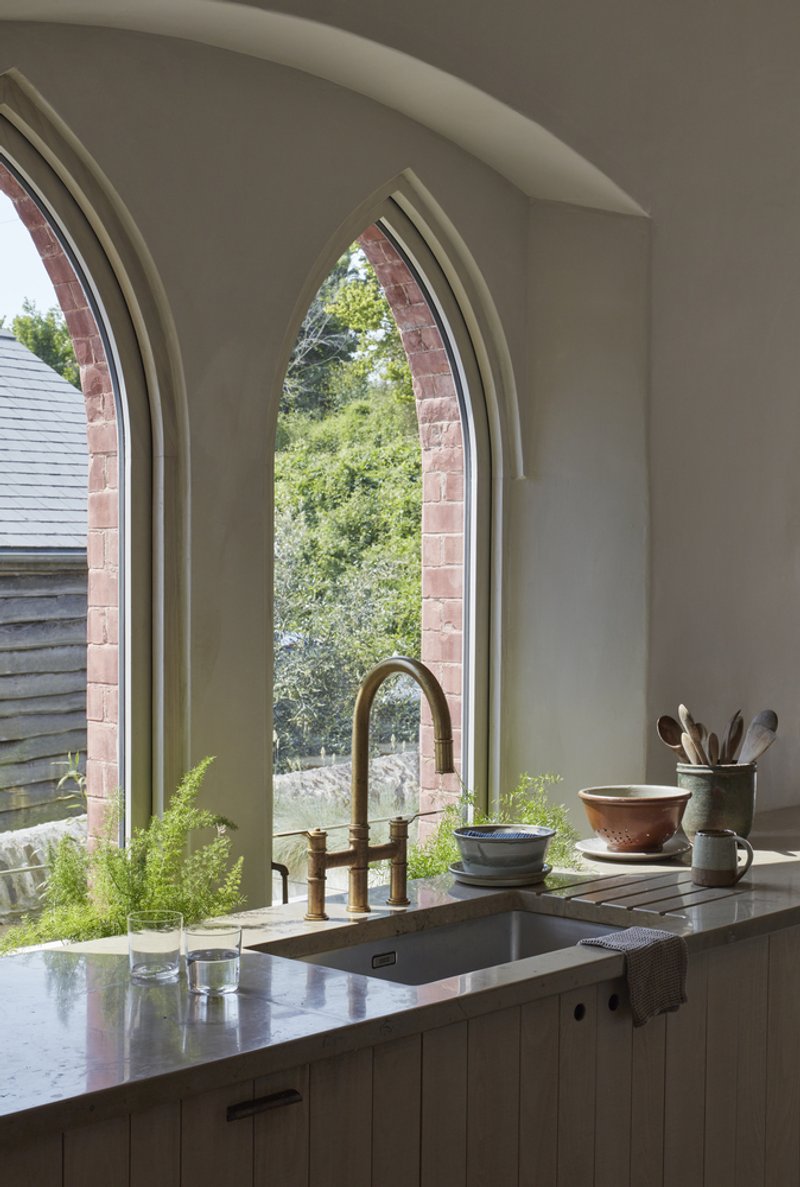
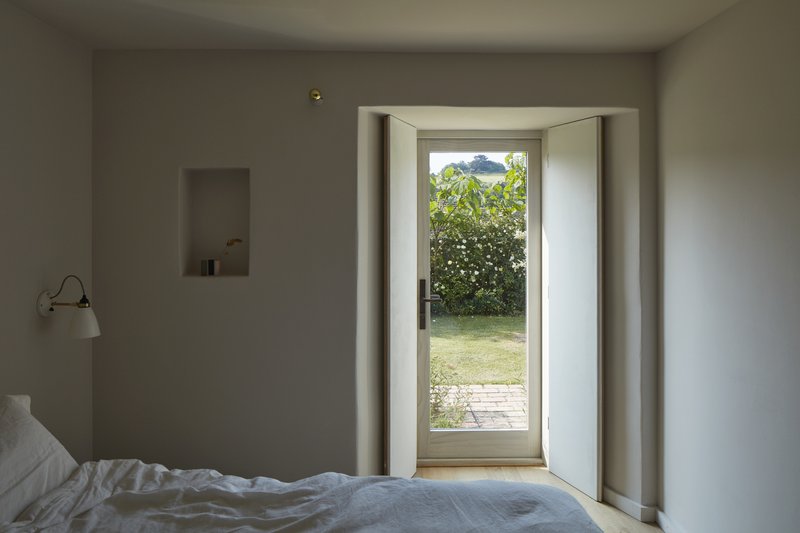
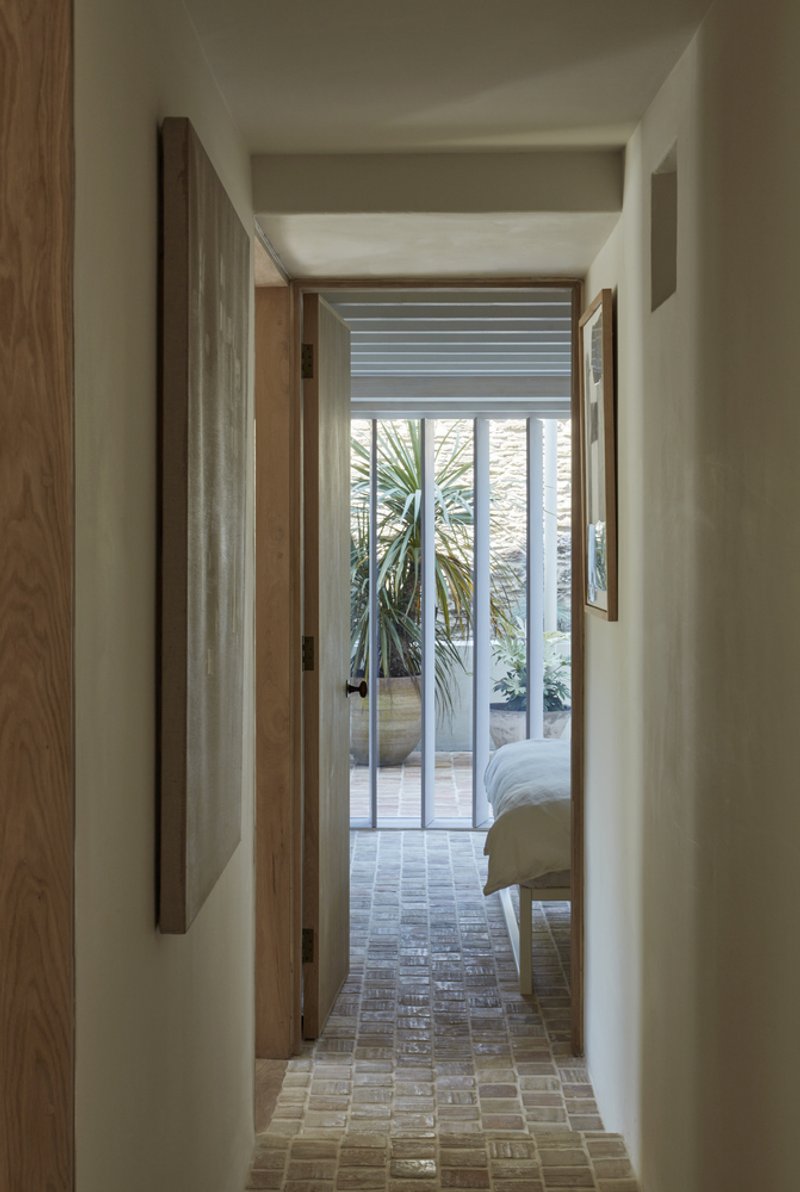
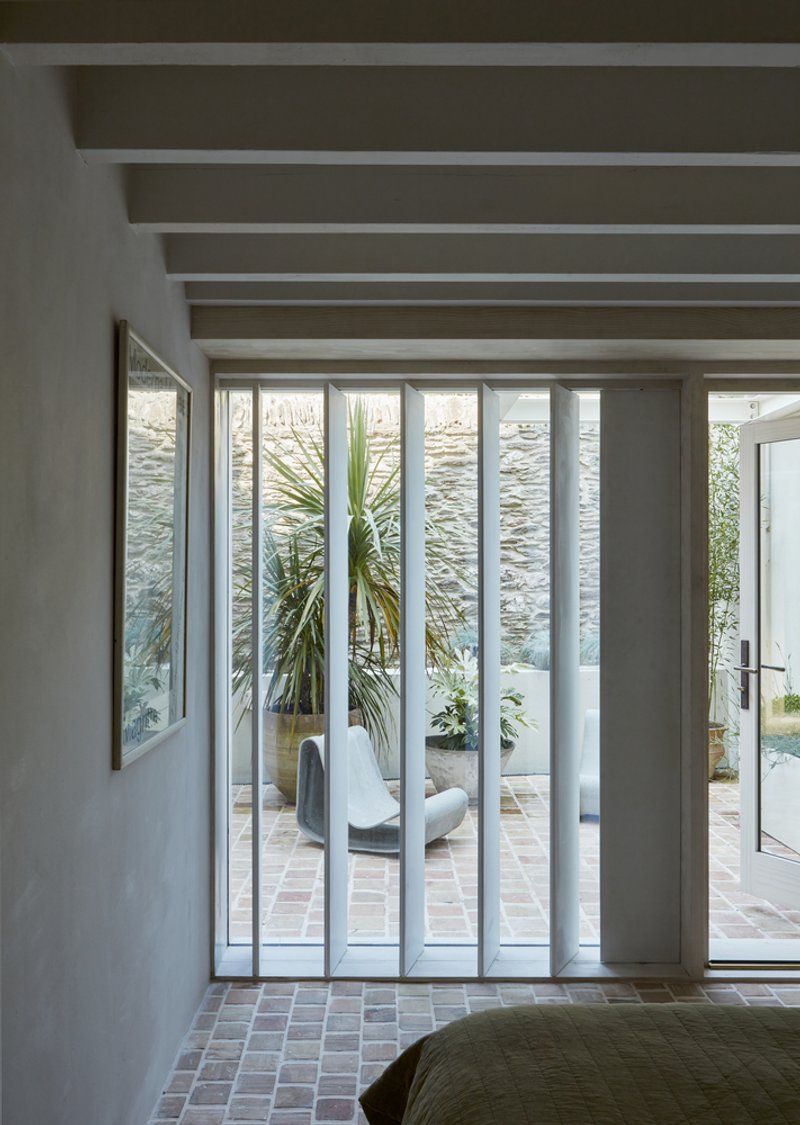
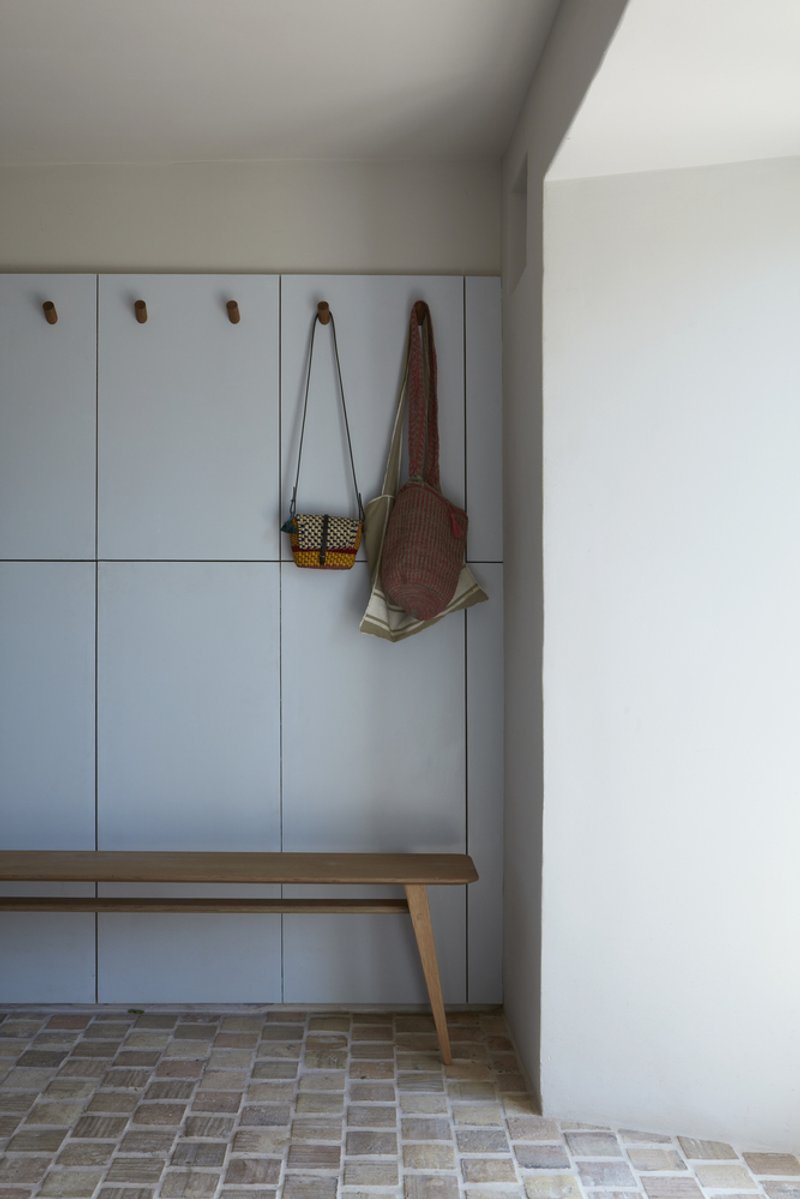
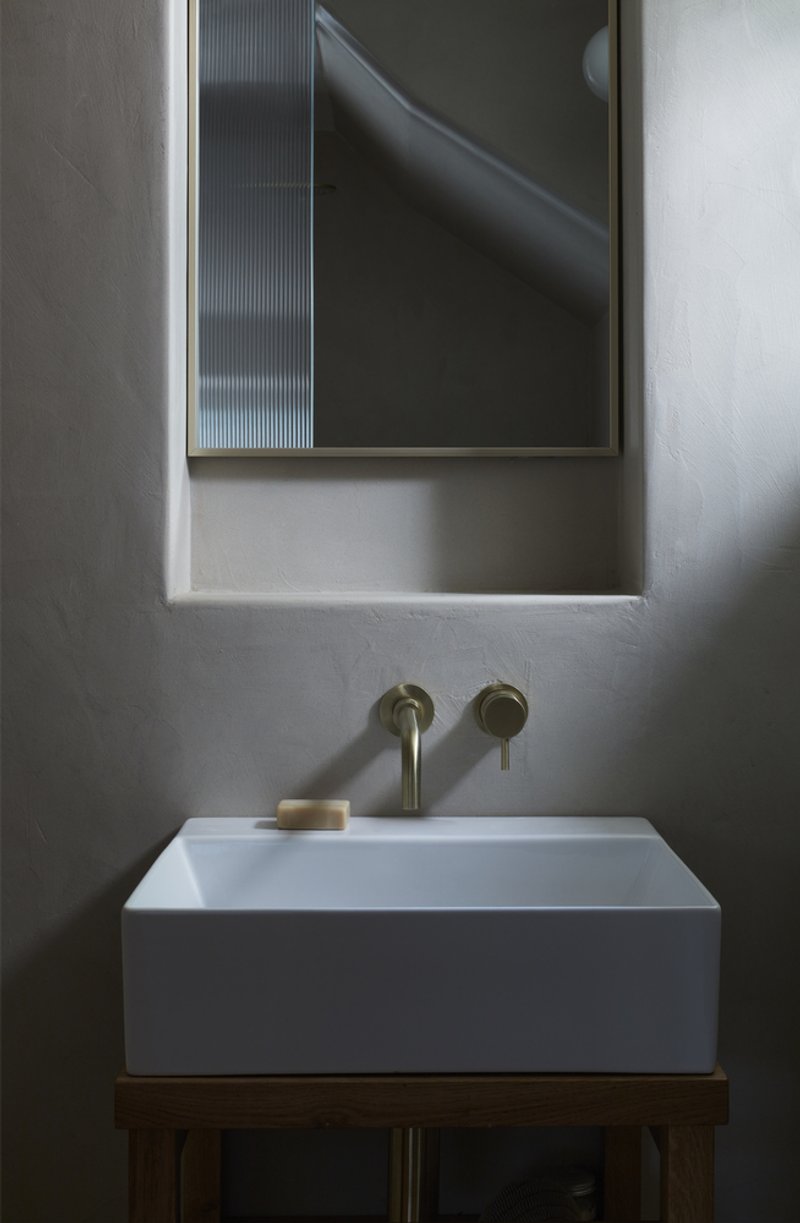
The ground floor was reorganized to accommodate four bedrooms and bathrooms, designed with an ecclesiastic aesthetic using calm materials and integrated storage niches. The first-floor open plan accommodates communal activities with a living room, dining area, and kitchen, fostering family interaction.
Special Features and Innovative Solutions
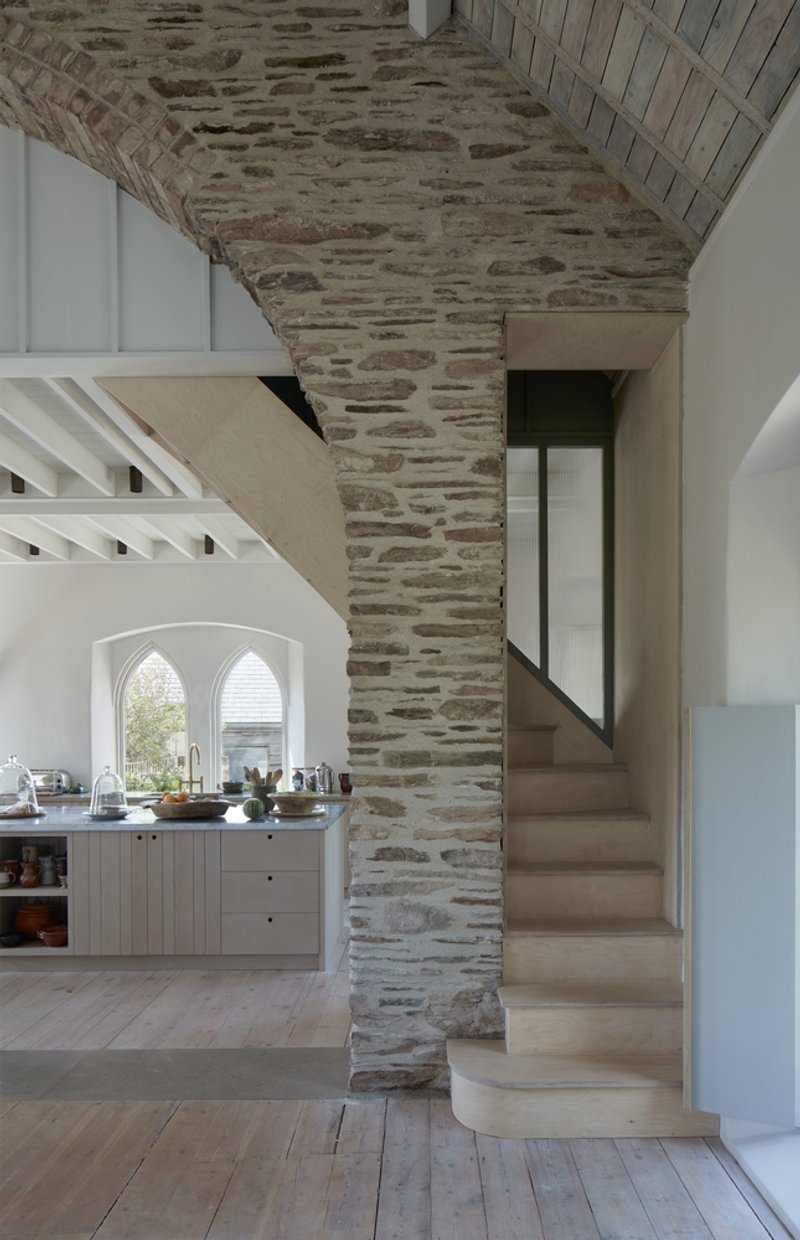
An ingenious addition was the timber box above the kitchen, nestled behind the chapel's stone arched wall. This feature serves as a nod to traditional choir and pulpit structures, blending historical reverence with modern functionality.
Impact of Adaptive Reuse on Community and Environment
Sustainability and Conservation
Adaptive reuse projects like the Old Chapel conversion play a crucial role in sustainable development. By maintaining the existing fabric of the building, the project conserves materials and reduces the environmental impact associated with new constructions.
Cultural Preservation and Enhancement
Such projects also preserve cultural heritage, allowing historical buildings to remain relevant and functional for modern uses. This not only saves the structures from decay but also keeps the history alive for future generations.
The transformation of the Old Chapel by Jonathan Tuckey Design exemplifies how adaptive reuse architecture can effectively meld historical preservation with modern needs, creating spaces that are both functional and inspirational. This project stands as a beacon for sustainable architectural practices, showcasing how the past and present can coexist in harmony.
By focusing on the keyword "adaptive reuse architecture," this article not only targets industry professionals and enthusiasts but also appeals to a wider audience interested in sustainable design practices and cultural preservation.
All photographs are work of James Brittain