

Aga Khan Academy by SHATOTTO and Feilden Clegg Bradley Studios: A Landmark in Sustainable School Architecture in Dhaka
Aga Khan Academy in Dhaka is a visionary school that blends sustainable architecture with cultural and environmental learning.


Reimagining Education through Contextual Architecture
The Aga Khan Academy in Dhaka, Bangladesh, designed in collaboration between SHATOTTO architecture for green living and UK-based Feilden Clegg Bradley Studios (FCBS), stands as a monumental example of sustainable school architecture in Dhaka. Rooted in local heritage yet innovatively modern, this project presents a bold architectural vision that blends environmental consciousness with the cultural and educational needs of a rapidly urbanizing city.
Inspired by Ancient Wisdom
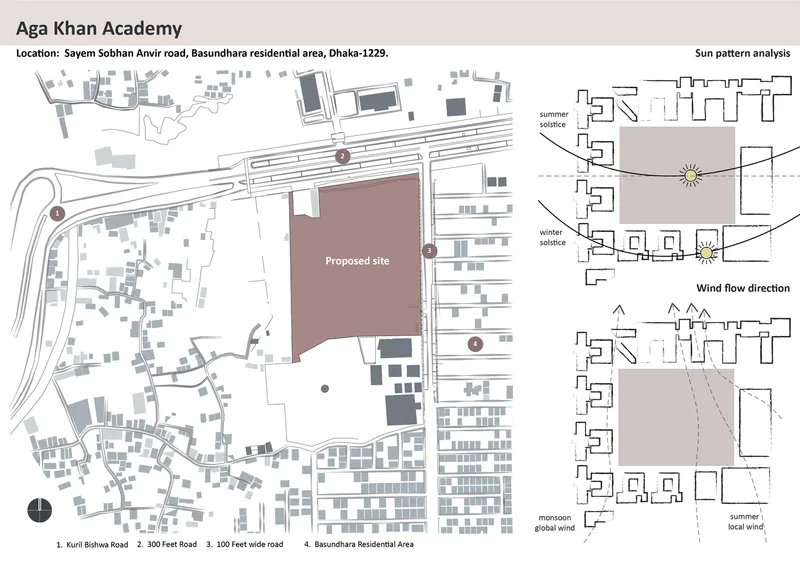
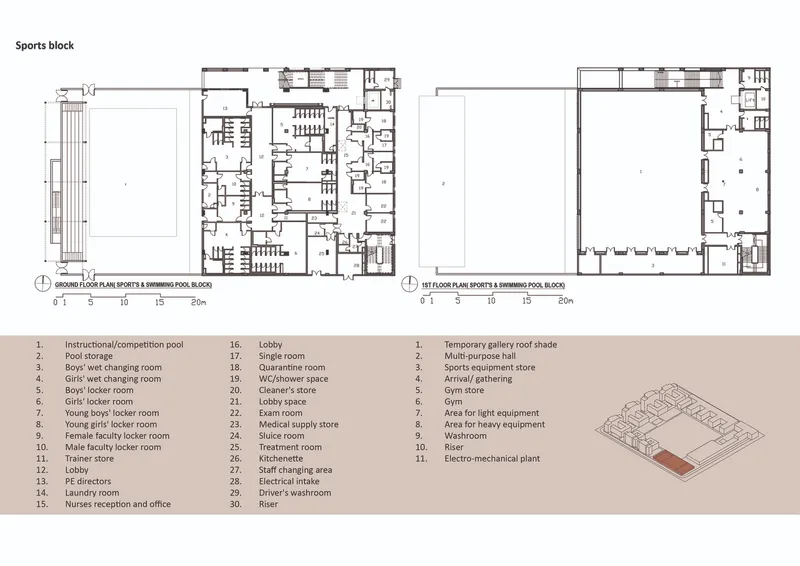
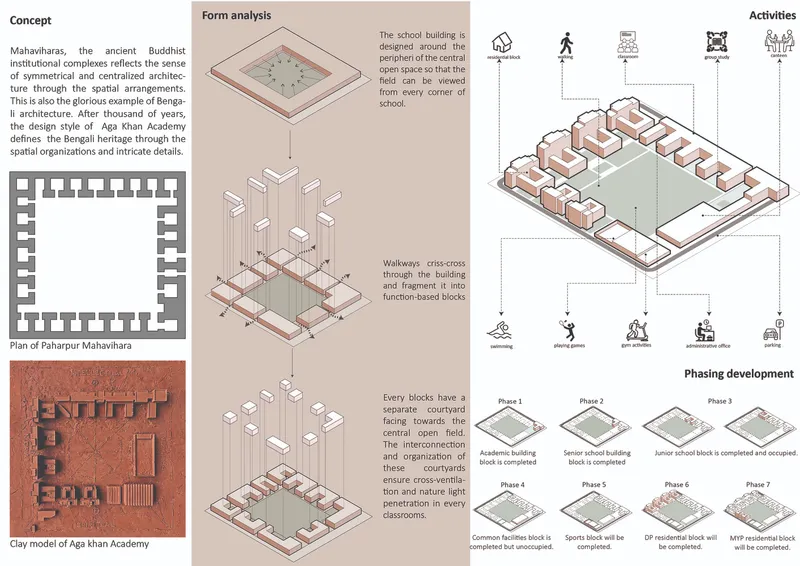
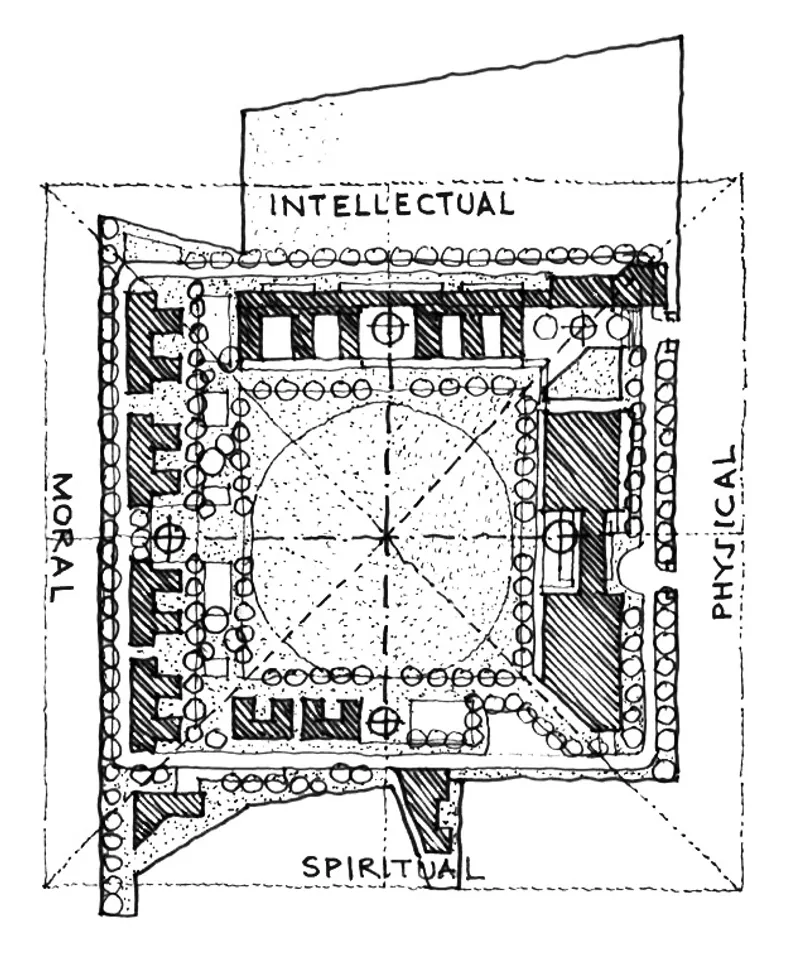
The design draws from the architectural philosophy of ancient Buddhist Mahaviharas, adapting their emphasis on spatial harmony, introspection, and natural interaction into a 21st-century academic environment. Set on a vast 74,150 square meter plot beside one of Dhaka’s busy roads, the Academy offers a serene refuge within the city's dense urban fabric.
A Green Lung in the City
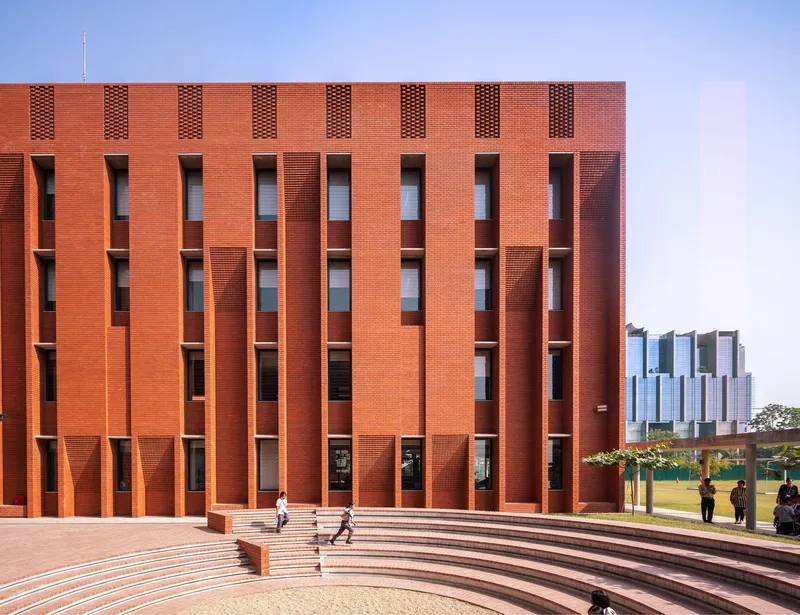
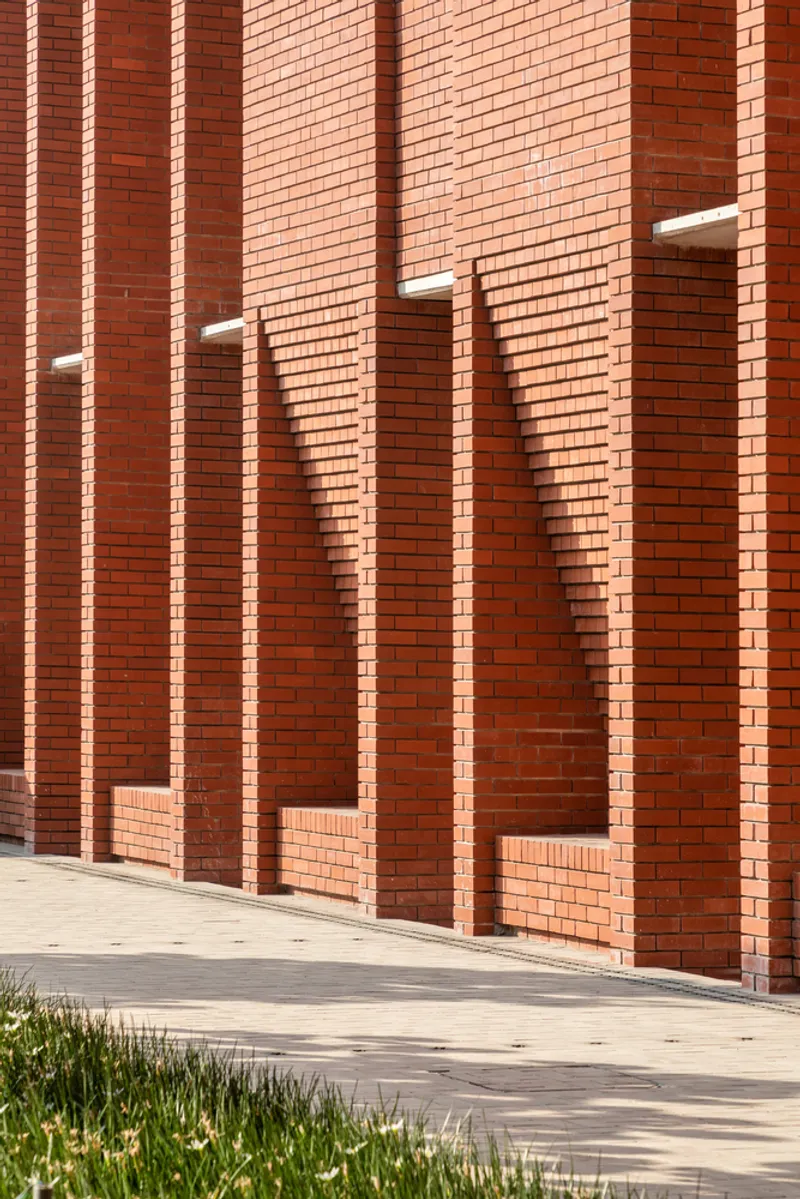
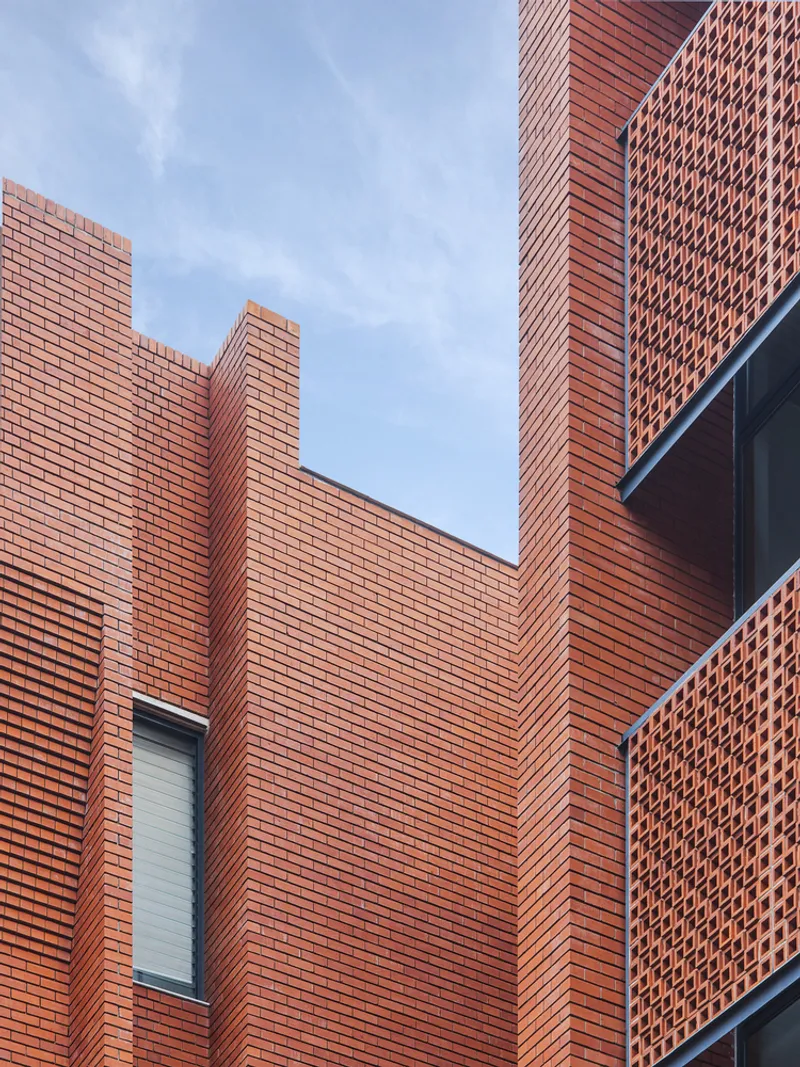
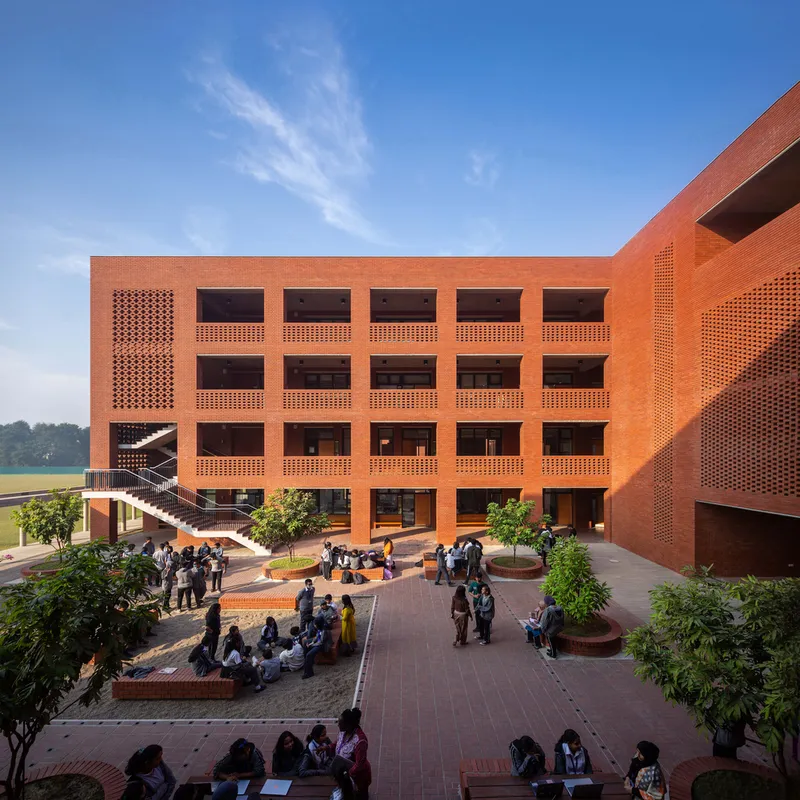
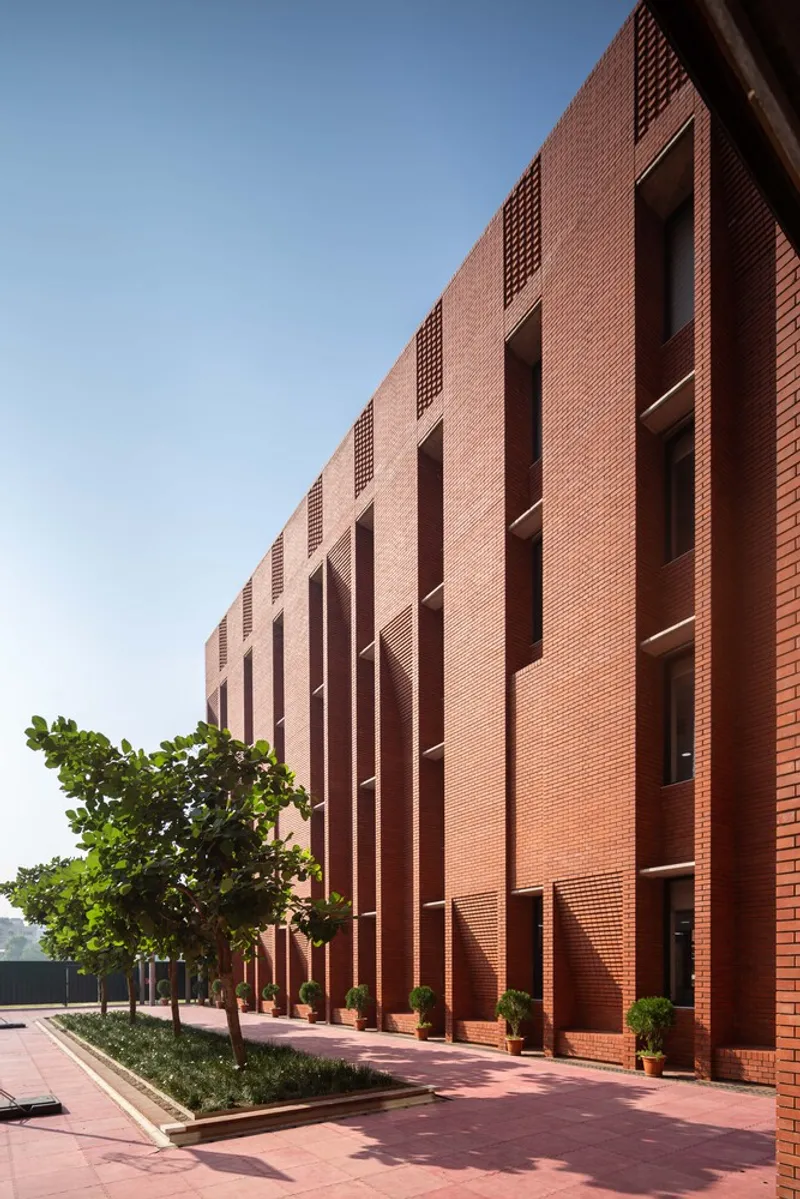
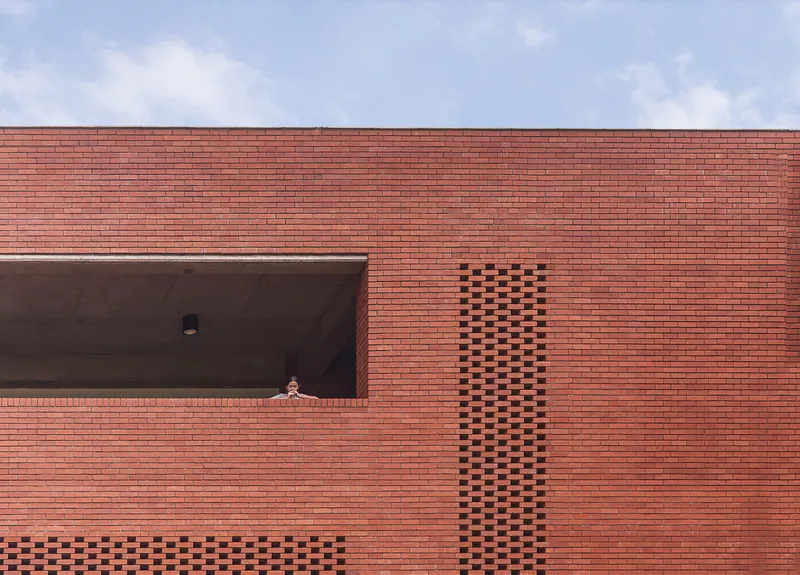
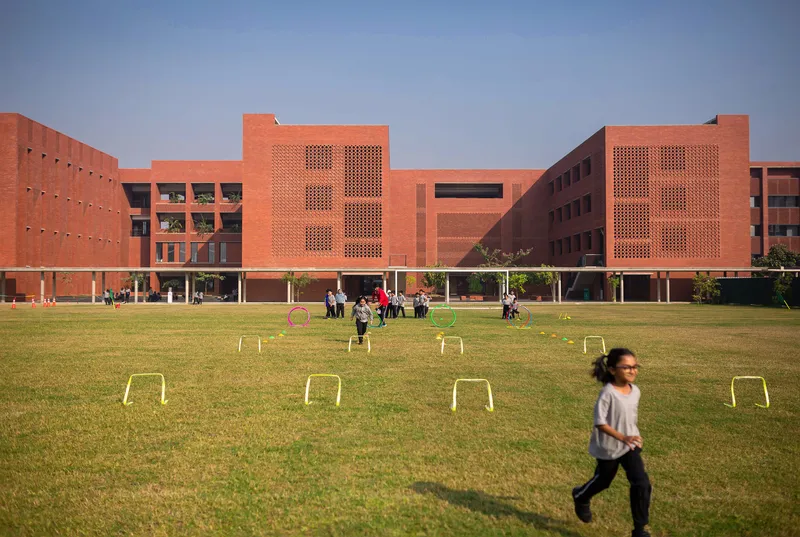
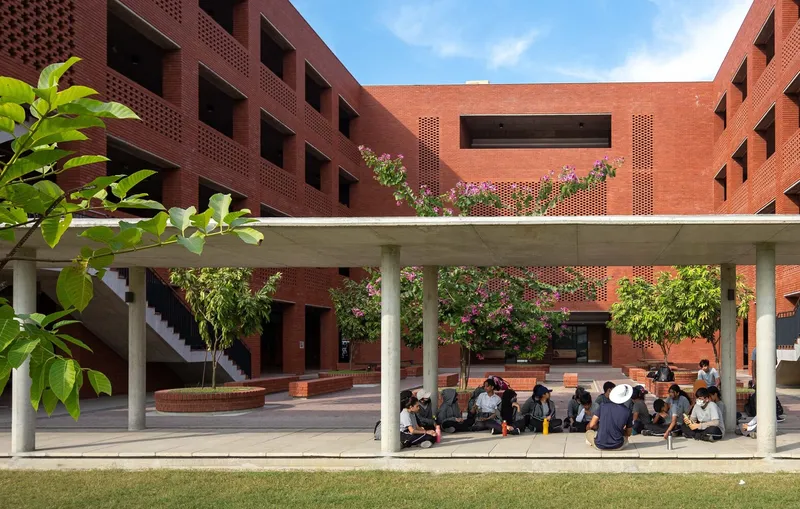
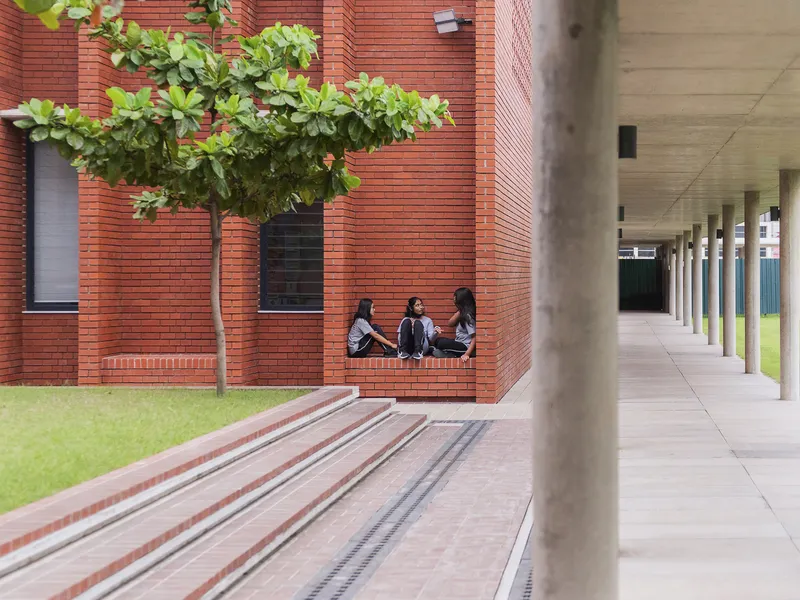
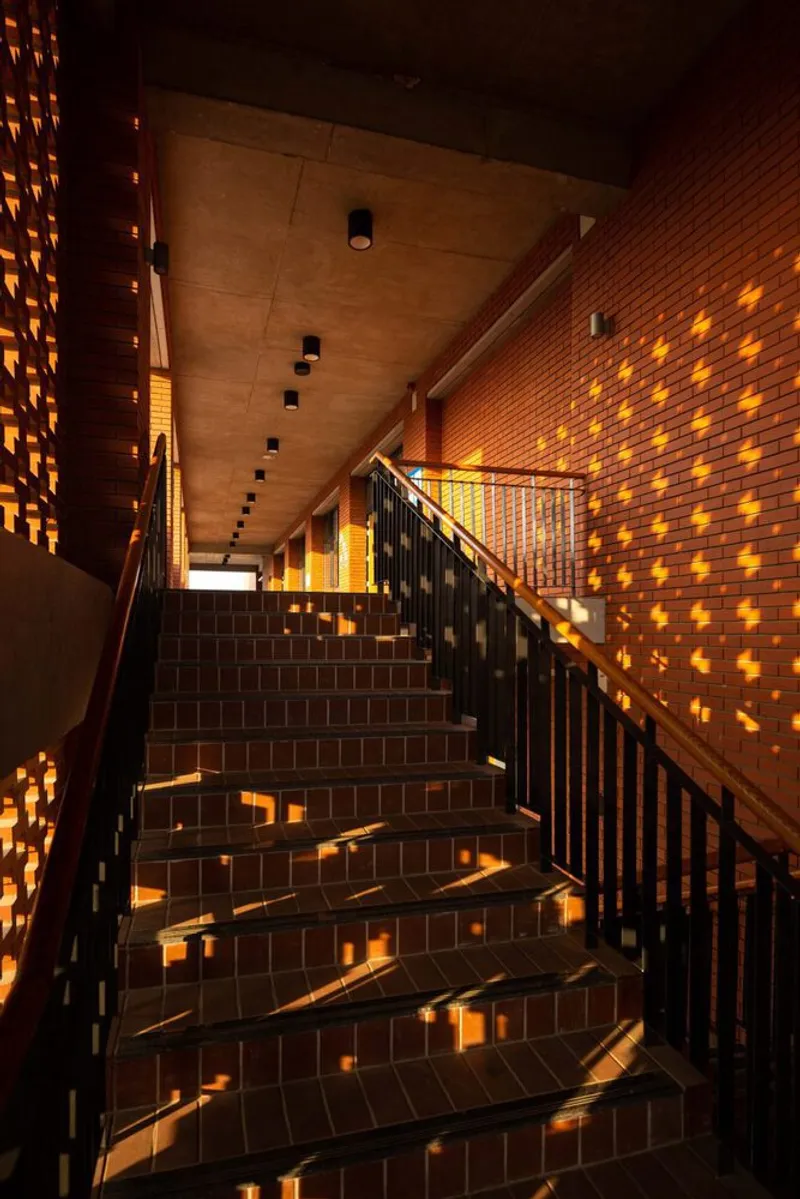
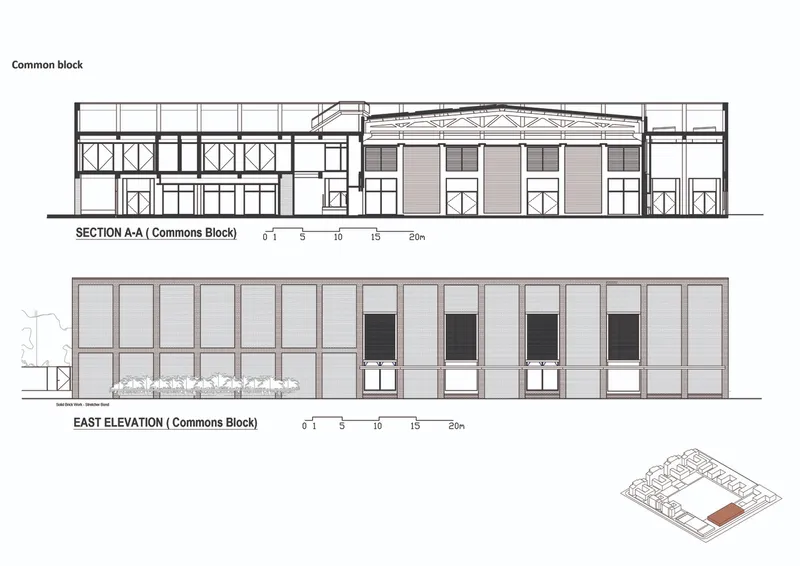
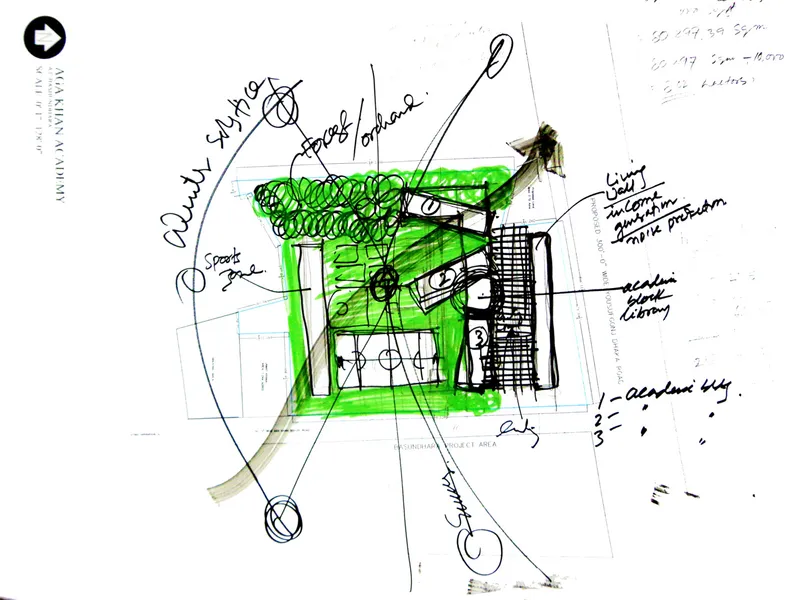
The campus is planned as a green lung—a self-sustaining ecosystem of courtyards, open spaces, and shaded pathways. Carefully composed with exposed brick, the architecture is highly responsive to Dhaka's tropical climate. The layout allows cooling summer winds to circulate while welcoming the soft winter sun. The use of brickwork not only pays homage to local building traditions but also enhances thermal performance and durability.
The Maidan: A Heart of Reflection
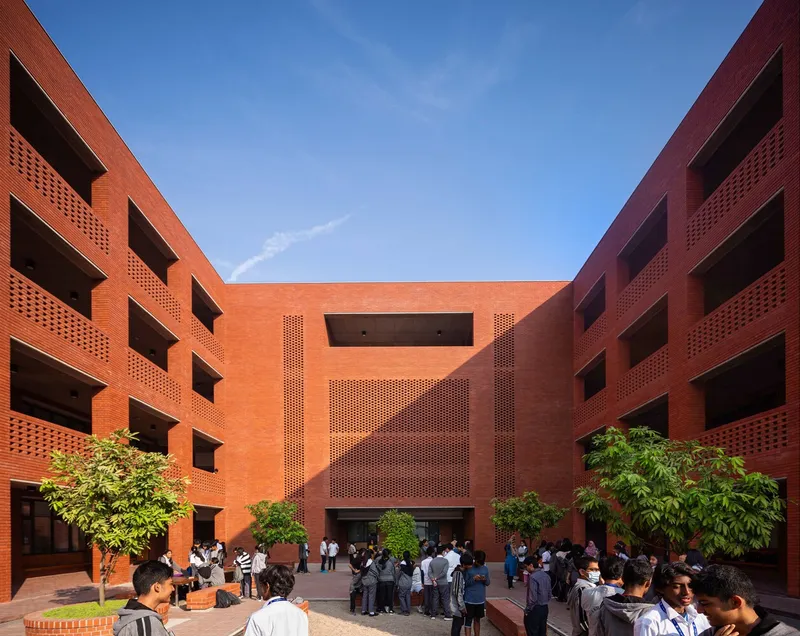
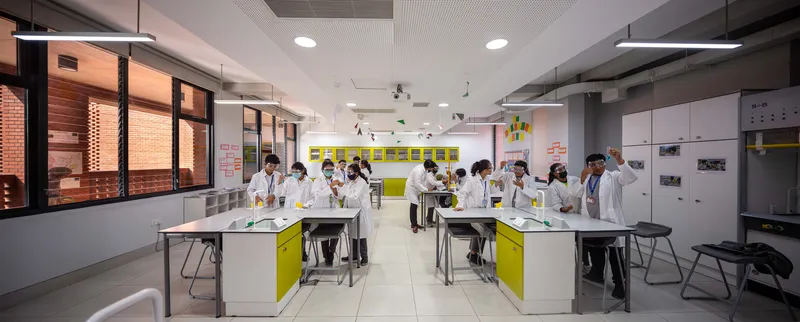
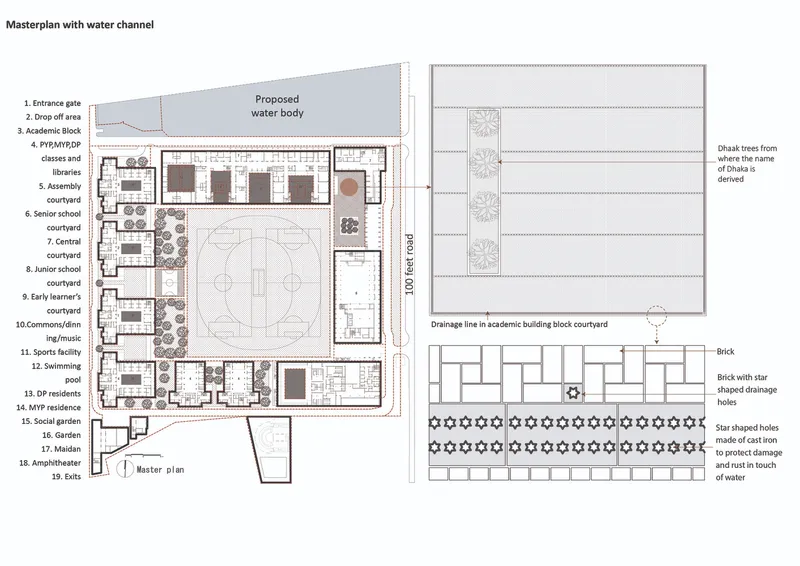
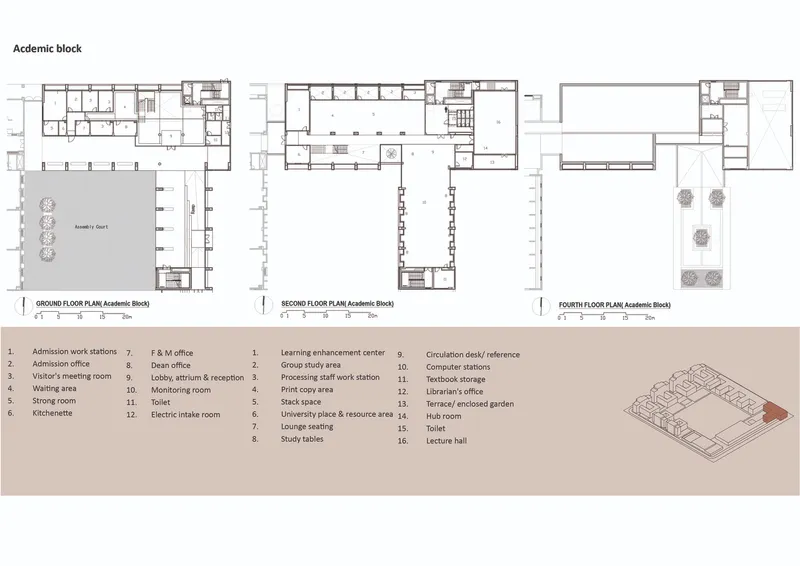
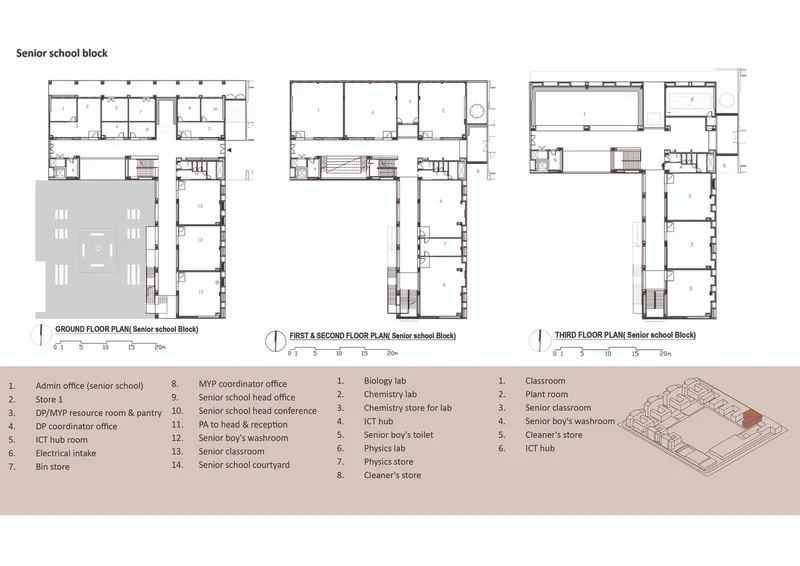
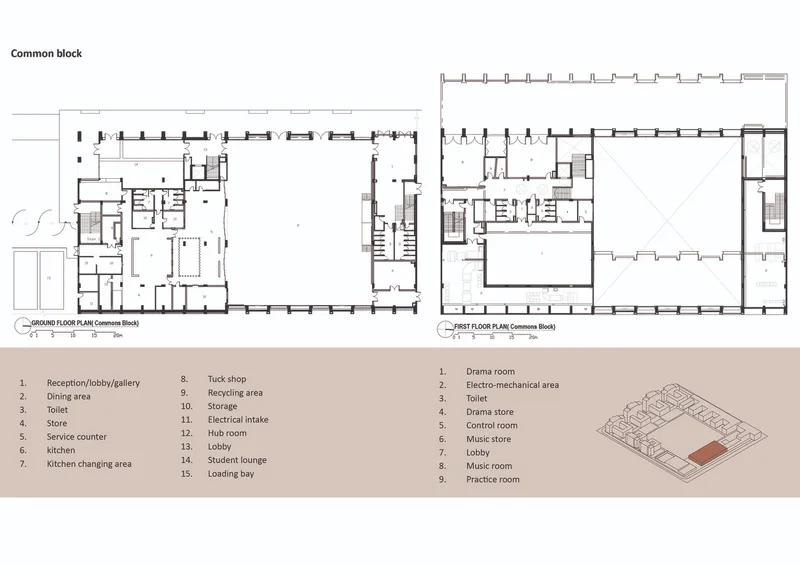
At the core of the campus lies the Maidan, a large central green inspired by historical courtyards in Buddhist monastic architecture. It functions not just as a gathering space but as a spiritual and visual anchor, promoting contemplation and community. Surrounding it are various academic buildings that frame smaller, age-specific courtyards designed with precise climatic and social intent.
Courtyards as Learning Spaces
Each courtyard supports different learning modes based on student age groups. The senior courtyard, shaded by planted trees, fosters informal group gatherings. In contrast, the assembly courtyard near the academic block is intentionally open, defined only by four Dhaak trees—an homage to Dhaka’s botanical origins. These spaces promote a didactic approach to learning, where children observe and interact with nature directly.

Nature as an Educational Tool
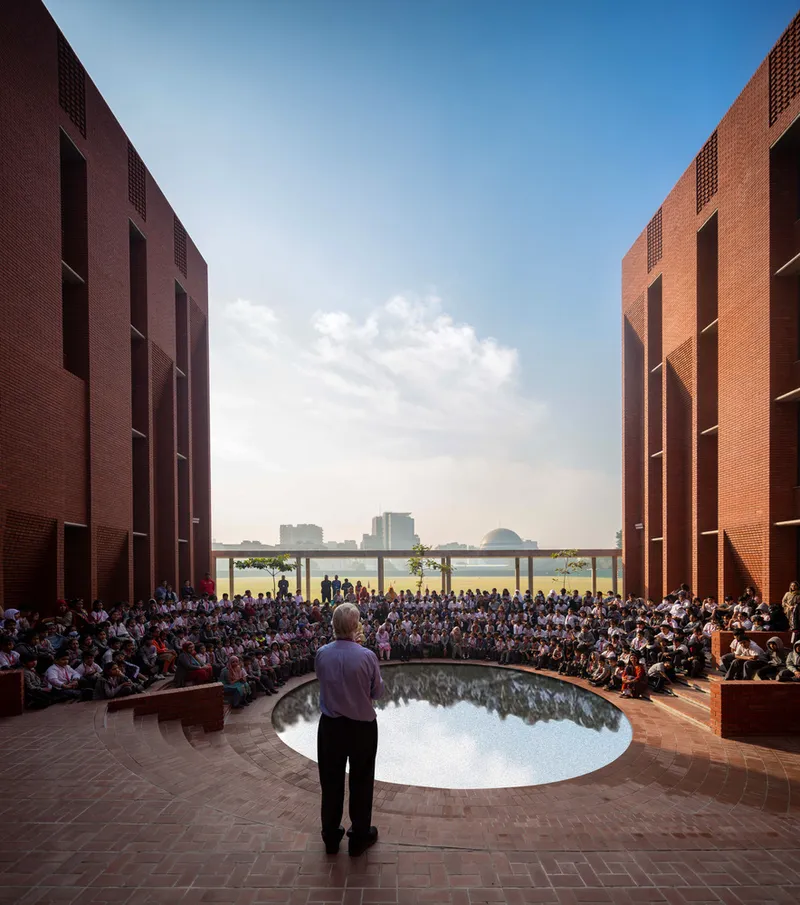
Sustainability at the Aga Khan Academy goes beyond material choices. The site integrates landscape and architecture to reinforce environmental awareness among students. A sand pit within the amphitheater transforms into a temporary pond during monsoon rains, encouraging children to celebrate the seasonal rhythm of water. Such spatial narratives encourage playful, immersive learning and deepen respect for natural processes.
Modern Infrastructure with Traditional Sensibility
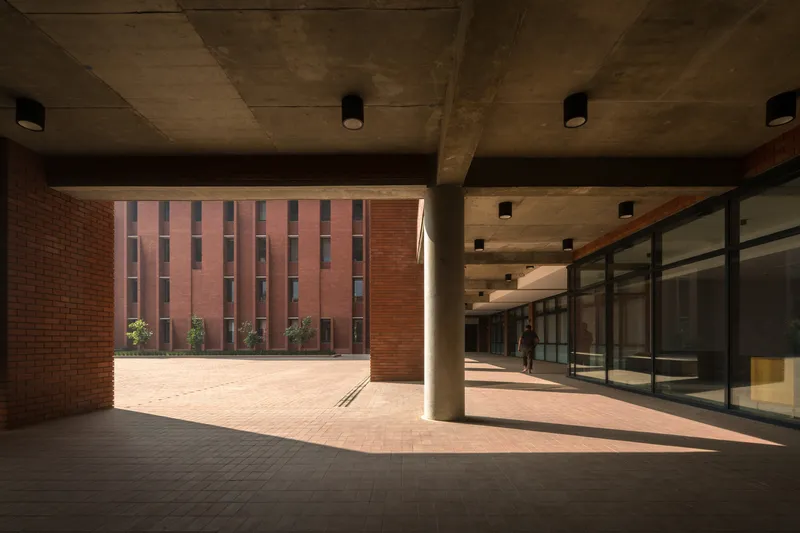
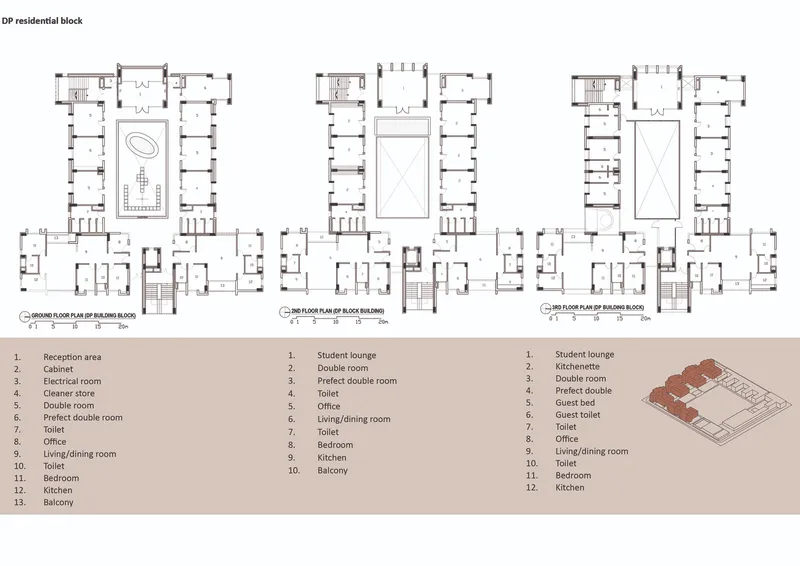
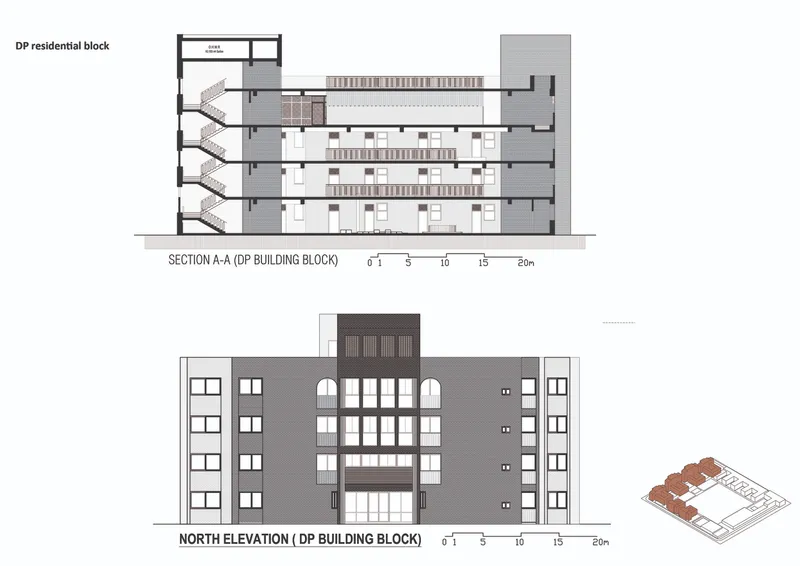
Despite its ancient inspirations, the academy is equipped with state-of-the-art infrastructure. Passive cooling techniques, open ventilation corridors, and strategic shading are integrated seamlessly into the architecture. The collaboration between SHATOTTO and FCBS ensured that global design standards were met while deeply rooting the project in local culture and construction techniques.
A Vision for the Future of Learning
The Aga Khan Academy is not just a school; it is an architectural statement about how education, culture, and sustainability can intersect meaningfully. By balancing historical reverence with modern needs, it sets a precedent for sustainable school architecture in Dhaka and beyond. It invites architects, educators, and urban planners to reconsider the future of academic environments—places that nurture not only knowledge but also environmental stewardship and cultural identity.
All Photographs are works of Asif salman, Sarker Protick, SHATOTTO architecture for green living


Popular Articles
Popular articles from the community


graciastudio Turns a Viewless Tijuana Lot Inward Around a Courtyard of Concrete, Timber and Trees
In Tijuana, Jorge Gracia's GA2 House stacks a timber-clad private floor over exposed concrete and replaces a missing view with a planted interior patio.

Juan García Correa, John González and Claudia Rueda Sink a Circular Amphitheater into a Manizales Engineering Building
On the La Nubia campus in Manizales, Colombia, the S1 Building folds labs and offices into a hillside of ramped lawns that double as a campus route.


Singing Woman: An Opera House That Performs Before the Curtain Rises
Ovidiu Cristian Pavel's conceptual opera house translates Estonia's choral identity into a sculpted waterfront landmark facing the Baltic Sea.

LT2A and OPEN Architectes Thread a Brick and Glass High School Through a Wooded Belgian Campus
In Braine-l'Alleud, a 3,000 m² wing for Collège Cardinal Mercier pairs pale brick with a glazed colonnade, deferring to a small chapel and a dense wood.

Similar Reads
You might also enjoy these articles

Bamboo Housing Challenge 2026: Design Affordable, Sustainable Homes Using Bamboo
An international design competition by Bamboo U and IBUKU inviting architects and designers to reimagine affordable housing using bamboo — with the winning design built full-scale in Bali.

Computational Design & Education: Beegraphy Design Awards Introduces 7th Category (Featuring Jiyun's Innovative Approach)
Dive into Beegraphy’s 7th Design Awards category, where computational design meets education to create immersive, interactive learning tools, inspired by Jiyun’s work.

From Parametric Lighting to Urban Furniture: Join the 2nd Workshop in Beegraphy’s Computational Design Series
Dive into Cutting-Edge Design Techniques and Practical Applications with Industry Experts

Last Call: Unleash Your Architectural Genius in SHAK's Kindergarten Design Competition
Urgent call for architects to join SHAK's kindergarten design competition before the looming deadline

Explore KSA Architects Competitions
Discover active competitions in this discipline

Challenge to reimagine the Iron Throne

Photograph architecture without architects

Illustrate the lost glory of Angkor Wat - Render Challenge

Design challenge to reuse E-waste
Comments (0)
Please login or sign up to add comments
No comments yet. Be the first to comment!