
AI Pavilion Architecture: Sauerbruch Hutton’s Vision for a Sustainable Future
An exploration of Sauerbruch Hutton’s AI Pavilion, merging sustainable design, prefabrication, and technology in a striking architectural statement.


Introduction to the AI Pavilion by Sauerbruch Hutton
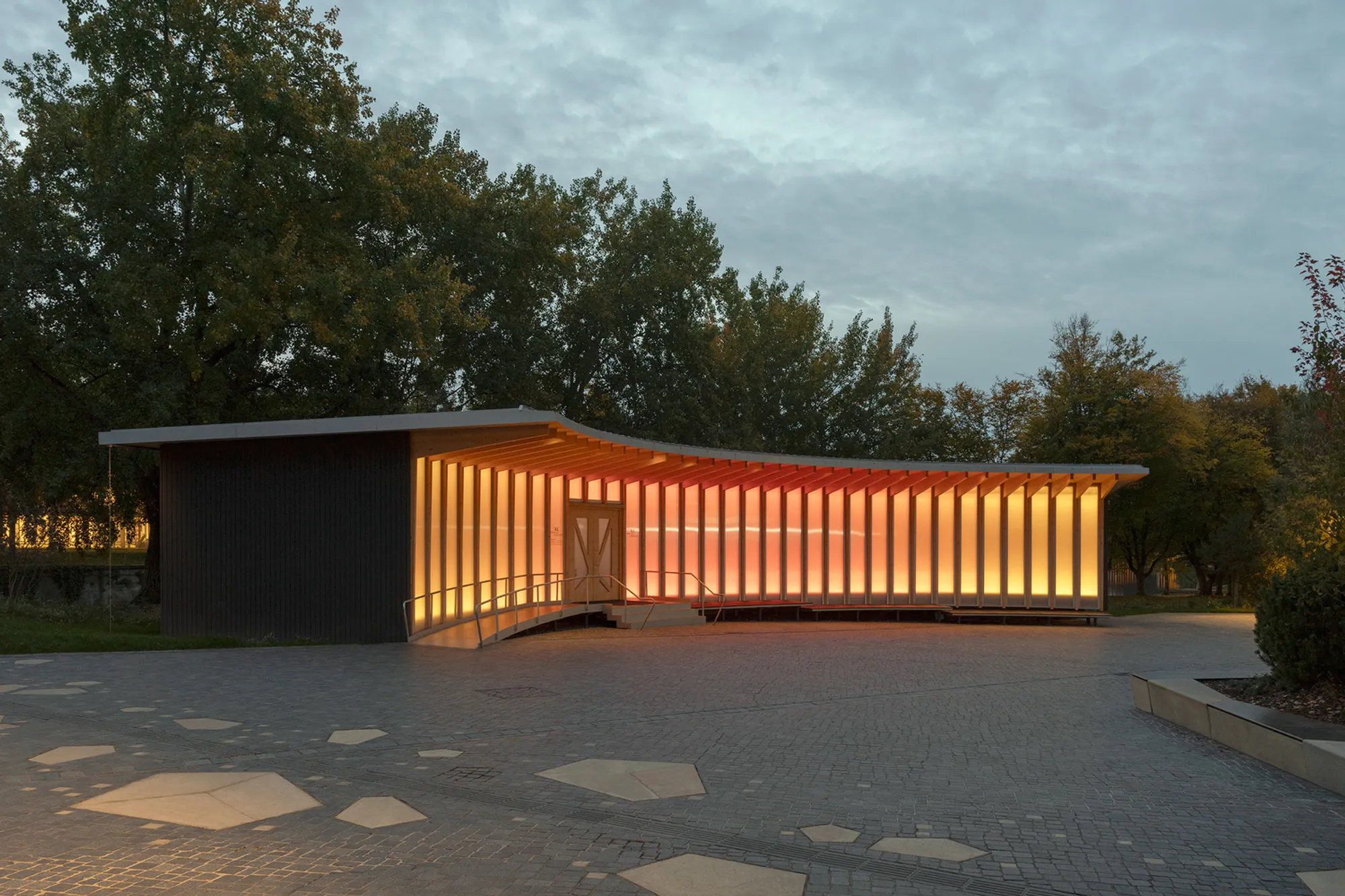
The AI Pavilion in Heilbronn, Germany, designed by the renowned architectural firm Sauerbruch Hutton, is a striking example of how architecture can embody the complex themes of artificial intelligence. Completed in 2024, this temporary 250 m² structure enriches the Experimenta Ensemble, offering visitors an immersive experience that blends technology, sustainability, and design innovation.


Architectural Context and Urban Integration
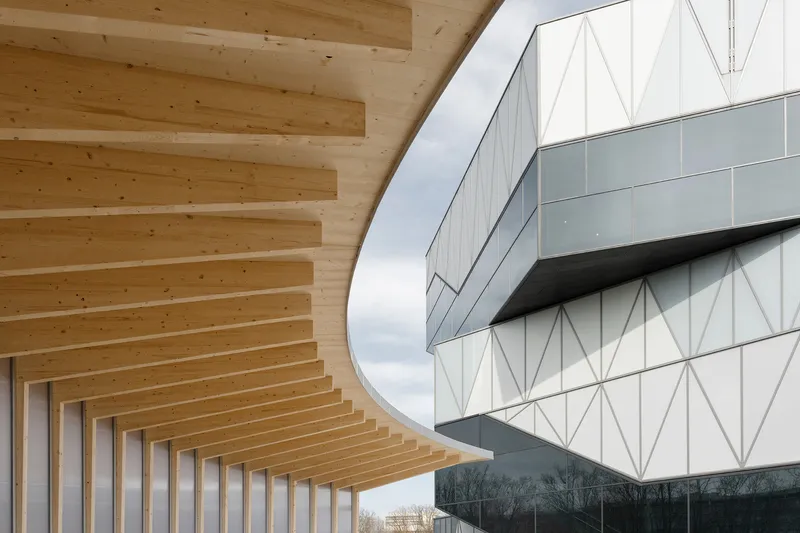
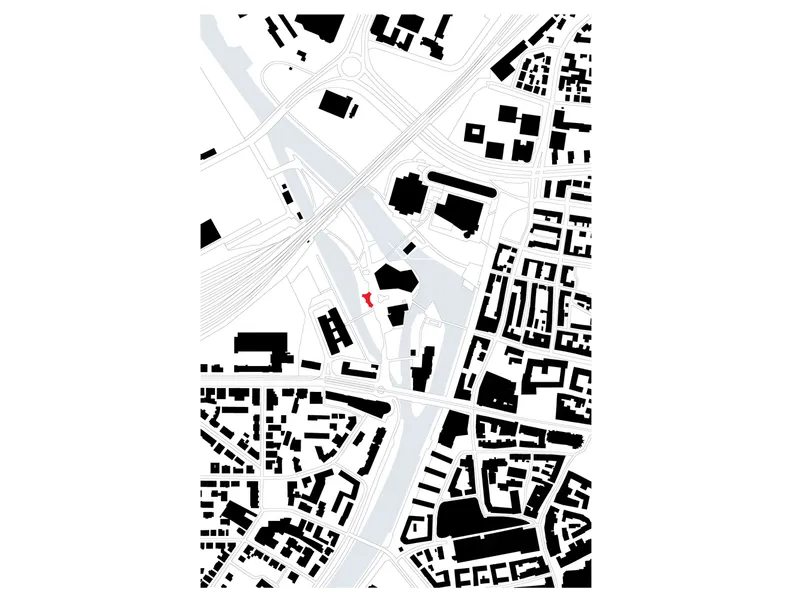
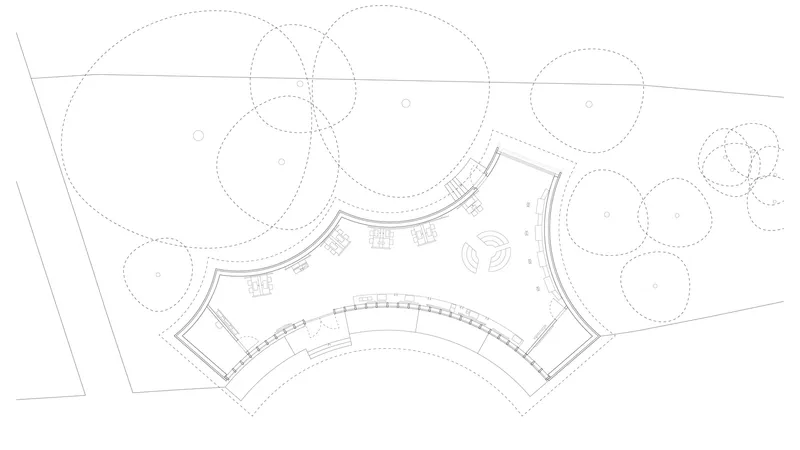
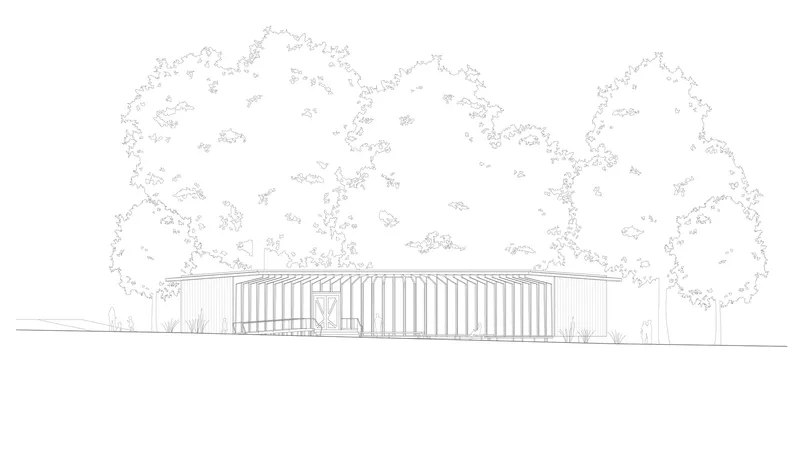
Located on Heilbronn's Kraneninsel, the AI Pavilion completes the urban composition defined by the Hagenbucher warehouse, the Experimenta extension, and the Neckar riverbank. The curved façade elegantly closes the west side of Experimenta square, creating a seamless dialogue between the natural and built environment. Under a light canopy, stepped platforms invite visitors to gather, making the building a contemporary reinterpretation of the ancient 'stoa' — a place of knowledge exchange and social interaction.


Design Concept and Spatial Experience
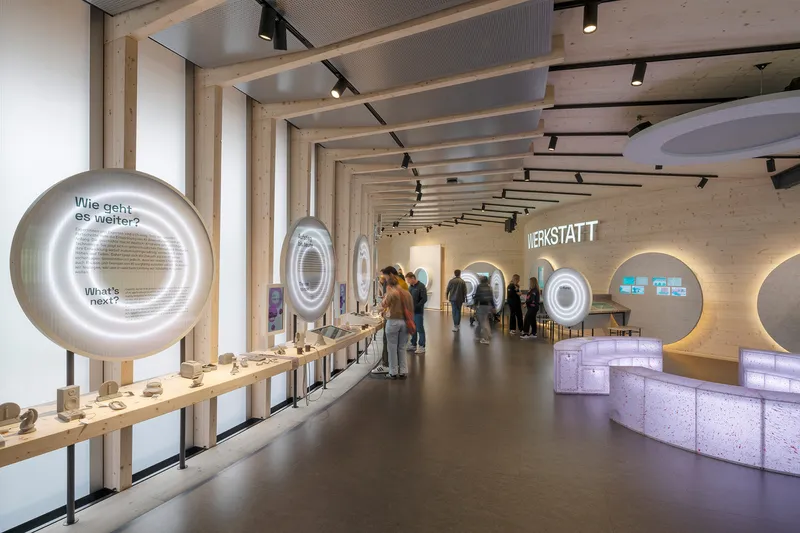
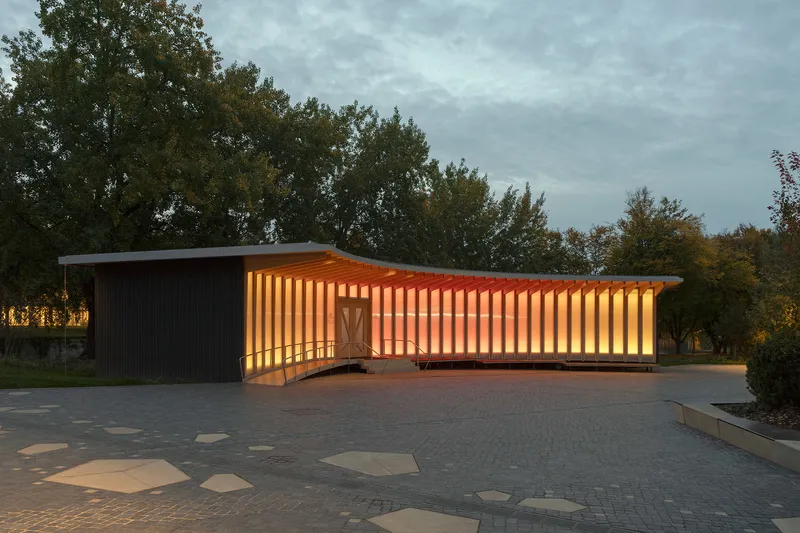
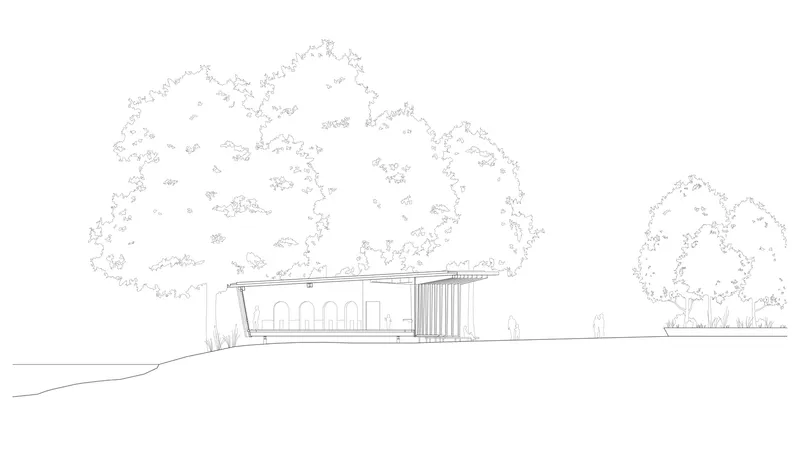
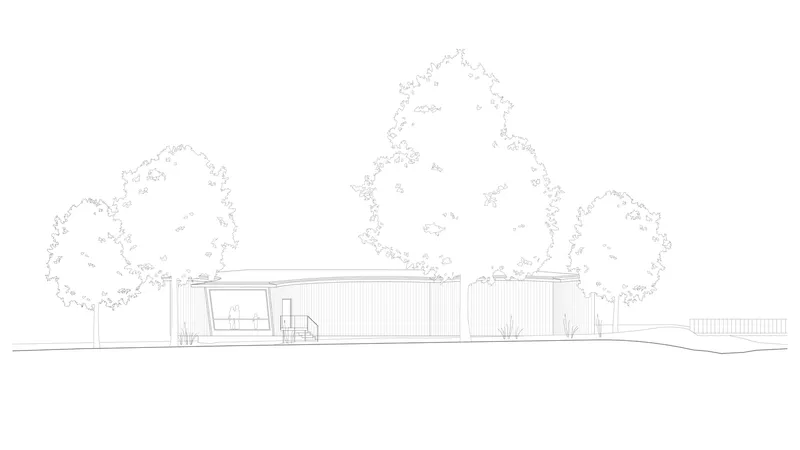
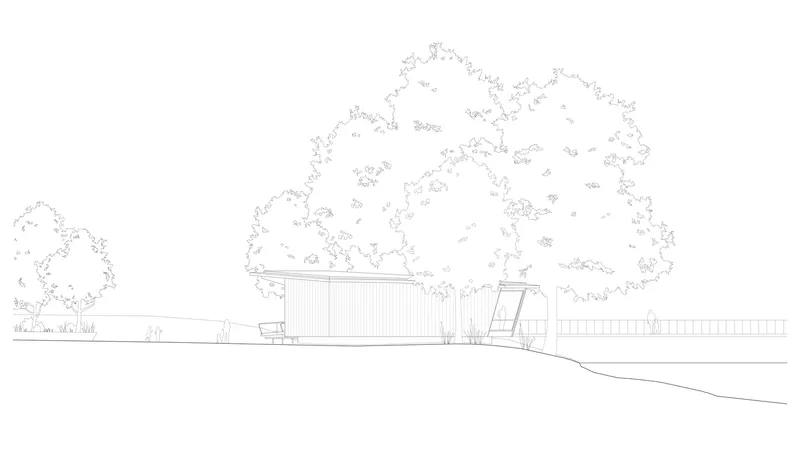
The distinctive character of the AI Pavilion architecture comes from its concave outer walls, which echo the crowns of the surrounding trees. As visitors move through the pavilion, these circular segments gradually unveil the exhibition, creating a dynamic and exploratory spatial experience. A curved translucent entrance façade brings gentle daylight into the interior while transforming the building into a glowing landmark at night. On the riverside, a panoramic window frames views over the Neckar Canal, connecting the interior with the landscape and allowing passers-by to engage with the pavilion’s interactive light installation.


Sustainable and Prefabricated Construction
The AI Pavilion is a showcase of sustainable architecture. Sauerbruch Hutton employed a lightweight, prefabricated timber system to construct the building efficiently and with minimal environmental impact. The floor slab, ceiling, and curved wall elements are made of cross-laminated timber, supported by glued laminated timber T-supports. The façade consists of identical polycarbonate panels, emphasizing the pavilion’s temporary nature.

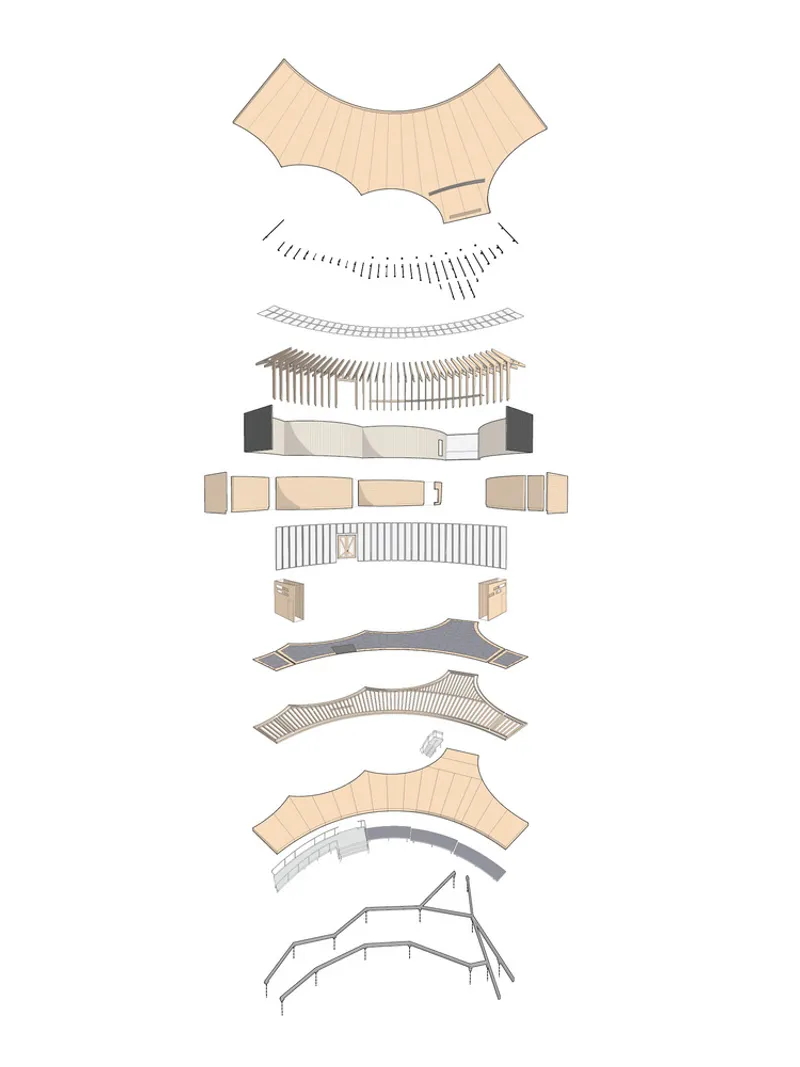
Crucially, all structural connections can be dismantled and reassembled, allowing the building to be relocated or parts to be replaced as needed. The use of renewable wood stores CO2, while the lightweight materials and prefabrication reduce resource consumption and enhance recyclability. This design not only minimizes waste but also embraces an aesthetic of natural aging and impermanence, pointing to a new vision of sustainable architecture.
A Dialogue Between Technology and Nature
By juxtaposing the fleeting, intangible nature of artificial intelligence with the sensory richness of natural materials, the AI Pavilion architecture deepens the exhibition’s theme and expands its meaning. Sauerbruch Hutton’s design invites visitors to reflect on the relationship between technology and the physical world, offering a tactile and thoughtful counterpoint to the virtual realm.
A Visionary Contribution to Temporary Architecture
The AI Pavilion by Sauerbruch Hutton stands as a visionary contribution to contemporary architecture, combining cutting-edge design, sustainability, and public engagement. Through its thoughtful integration into the urban landscape, innovative use of materials, and profound thematic exploration, the pavilion not only houses an exhibition on artificial intelligence — it becomes an architectural statement about the future.
All the photographs are works of Jan Bitter


Popular Articles
Popular articles from the community


Riyadh For All: Intergenerational Urban Design for Active Aging in Rabat
Riyadh For All reimagines urban design in Rabat with intergenerational co-living, adaptive courtyards, and Moroccan cultural exchange today.

Hill & Cross Opera: Sculptural Opera House Architecture Shaped by Tallinn’s Landscape and Identity
Hill & Cross Opera reimagines opera house architecture in Tallinn through its sculptural hill, civic plaza, glass wave and a luminous cross.
EW PARK: Sustainable Architecture Reimagines the Future of Urban Parking
EW PARK reimagines city parking as a modular wooden tower combining automation, solar energy, electric mobility, and adaptable urban design.

The Musturak Paradise: Senior Living Architecture for a Connected Future in Temara, Morocco
The Musturak Paradise reimagines senior living architecture in Temara via private homes, social spaces, culture, community, and shared care.


Similar Reads
You might also enjoy these articles

FAMM Arquitectura Organizes Ten Villas Around Courtyards and Jungle in Nosara, Costa Rica
El Molino pairs two elongated volumes with deep overhangs and timber louvers to build a compact coastal community five minutes from the beach.
Oscar Niemeyer's Ibirapuera Park Pavilions Define São Paulo's Cultural Identity in Concrete and Curve
A constellation of modernist volumes set within São Paulo's most important urban park, conceived for the city's 400th anniversary in 1954.
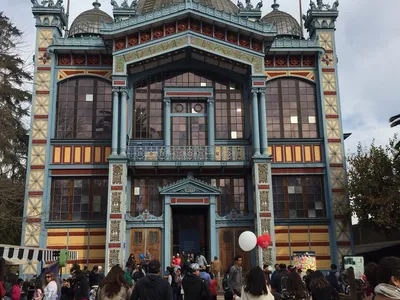
How Henri Picq's 1889 Paris Pavilion Traveled 11,000 Kilometers to Become Santiago's Artequín Museum
A prefabricated iron and glass pavilion built for the Paris Universal Exposition found a second life as a children's art museum in Chile.
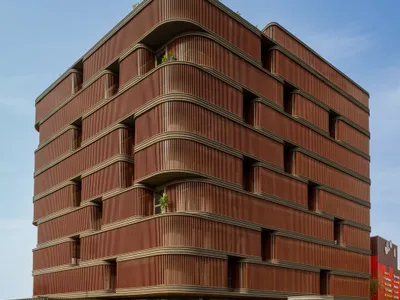
Sanjay Puri Architects Wraps a Jaipur Office Tower in Capsule-Shaped Green Buffers
A nine-level climate-responsive workplace near Jaipur Airport uses stacked planter terraces and aluminium screens to fight 40°C heat.

Explore Architecture Competitions
Discover active competitions in this discipline



Challenge to reimagine the Iron Throne


Photograph architecture without architects


Illustrate the lost glory of Angkor Wat - Render Challenge


Design challenge to reuse E-waste
Comments (0)
Please login or sign up to add comments
No comments yet. Be the first to comment!