
Amager Nature Park: A Landscape of Architecture, Biodiversity, and Coastal Experience in Copenhagen
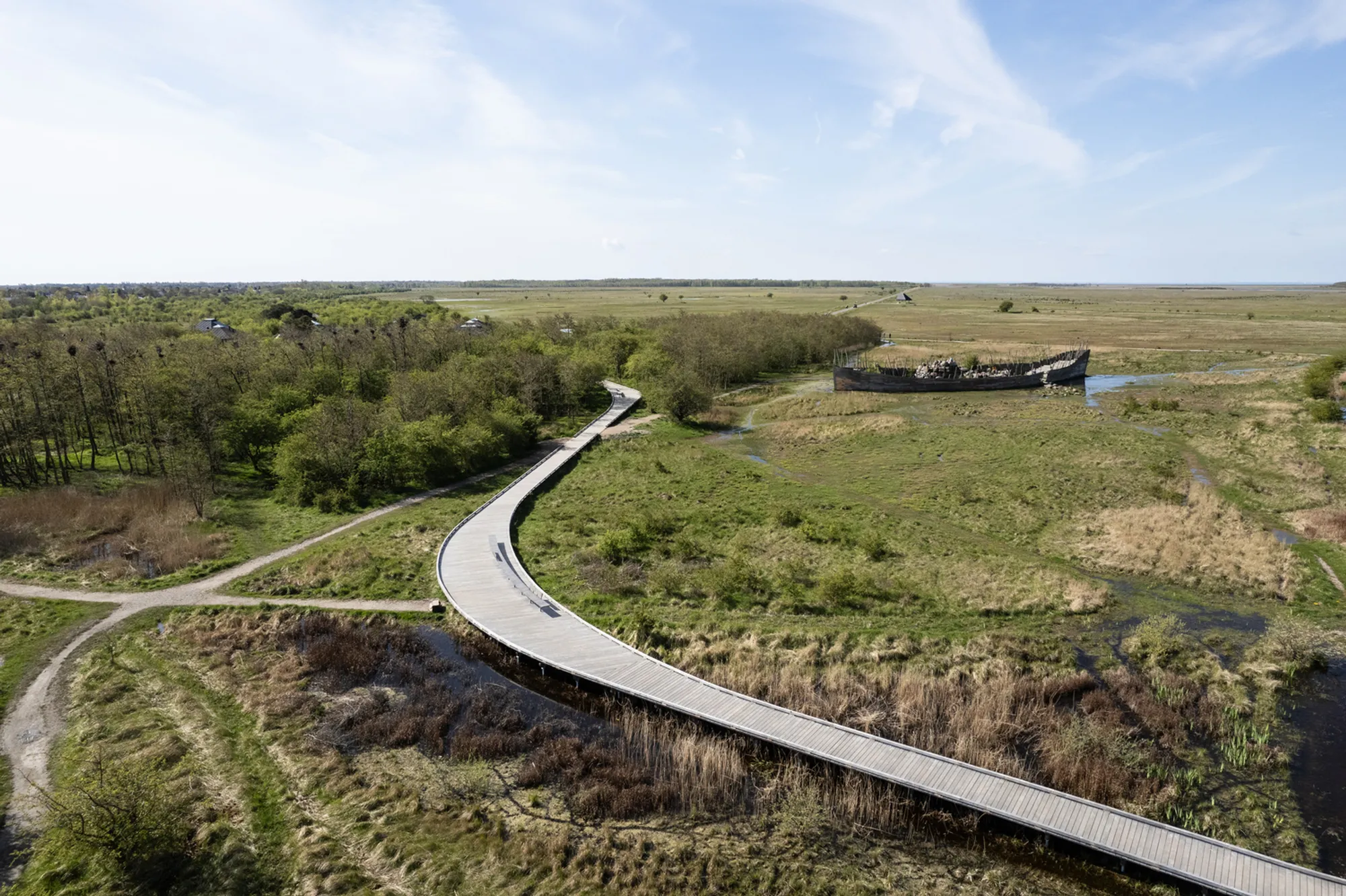
A vast coastal landscape near Copenhagen, Amager Nature Park blends subtle architecture, biodiversity, and accessible visitor points within protected natural environments.


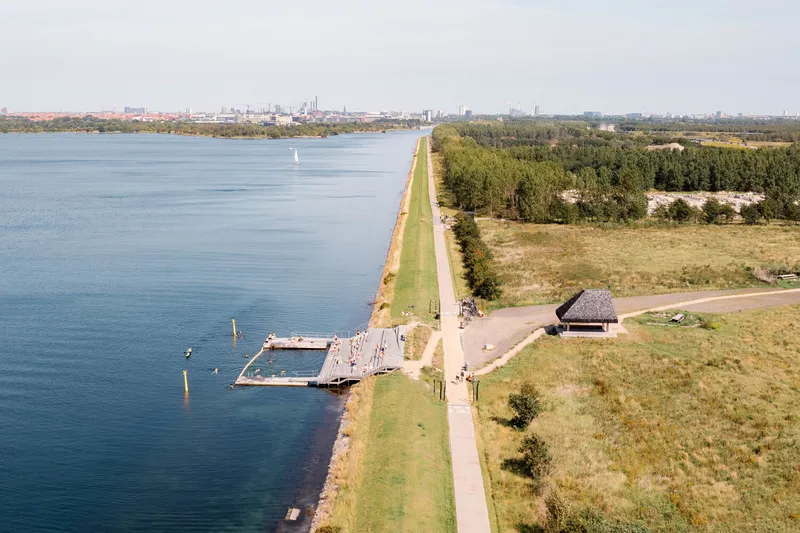
Nature Park Amager is a large-scale landscape architecture project that redefines the relationship between city, nature, and coastline on the edge of Copenhagen. Located just a short ride from City Hall Square, the 35 km² park stretches from the northern plains of Amager to the island’s southern coastline, offering protected natural habitats, open recreational spaces, and uninterrupted waterfront access. Completed in 2024, the project is led by LYTT Architecture in collaboration with ADEPT, positioning the park as one of Denmark’s most ambitious contemporary landscape transformations.
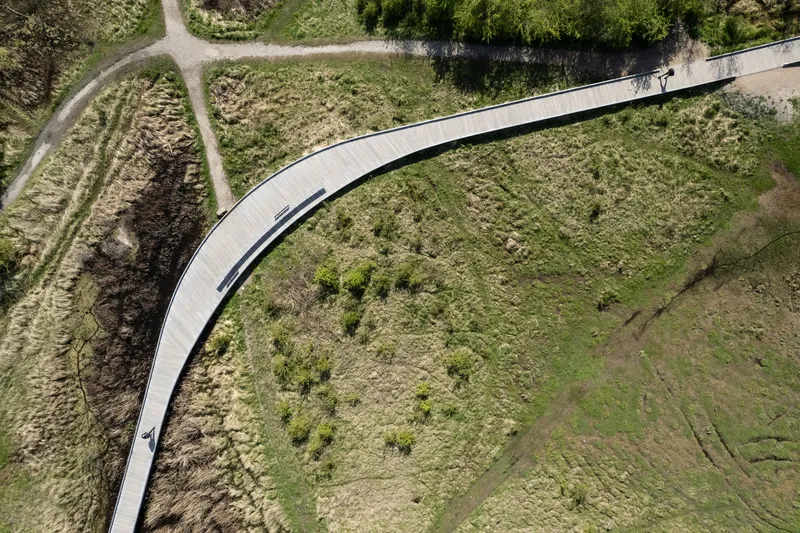
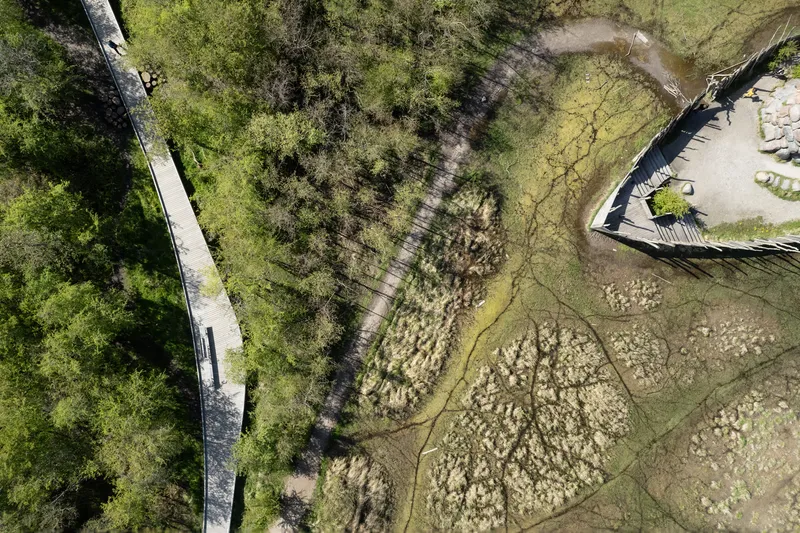
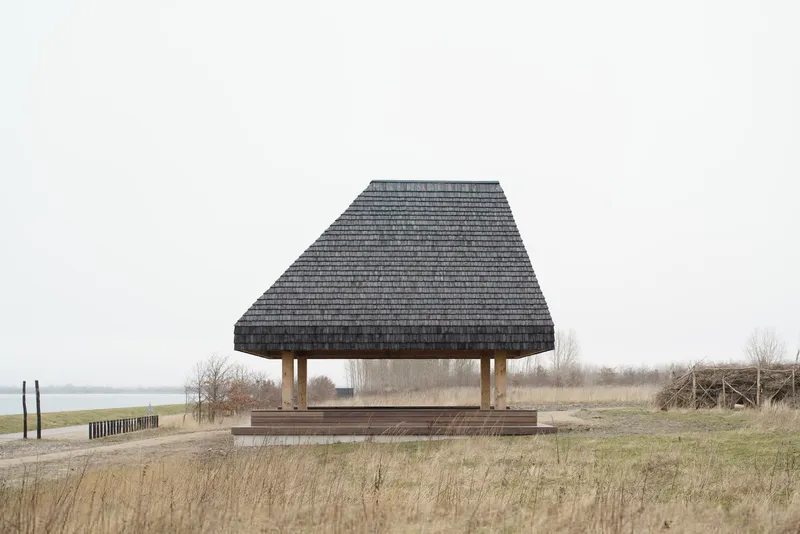
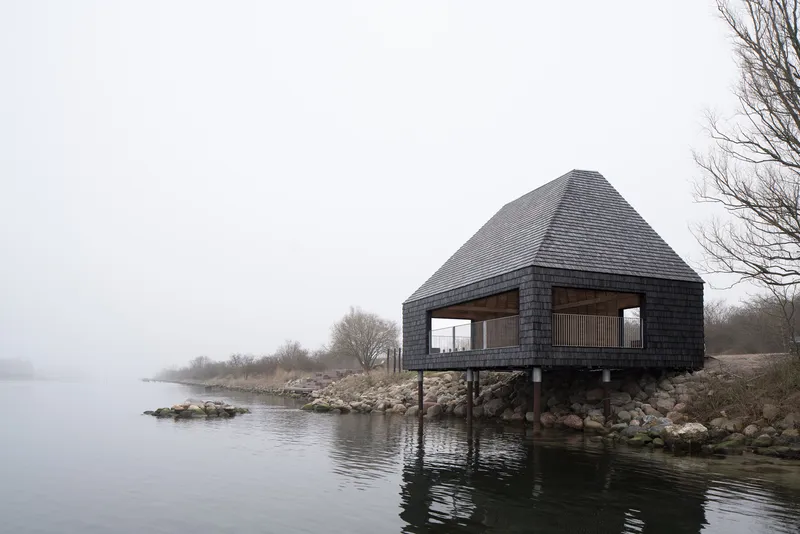
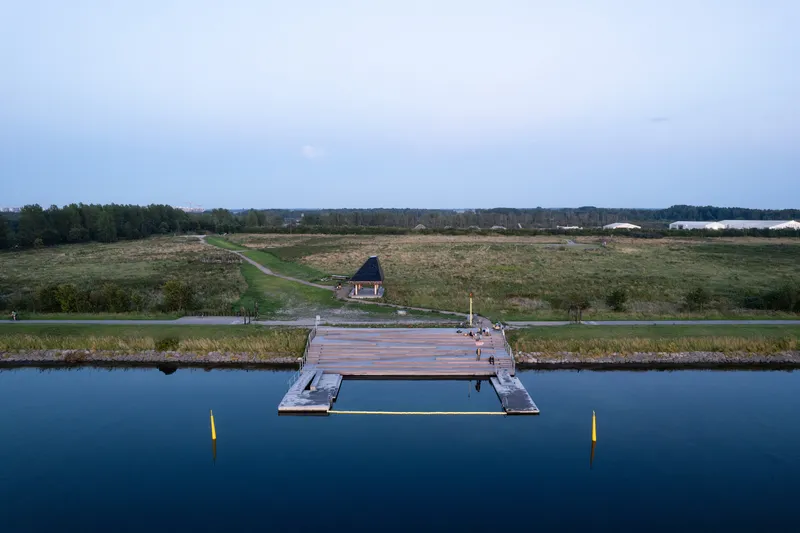
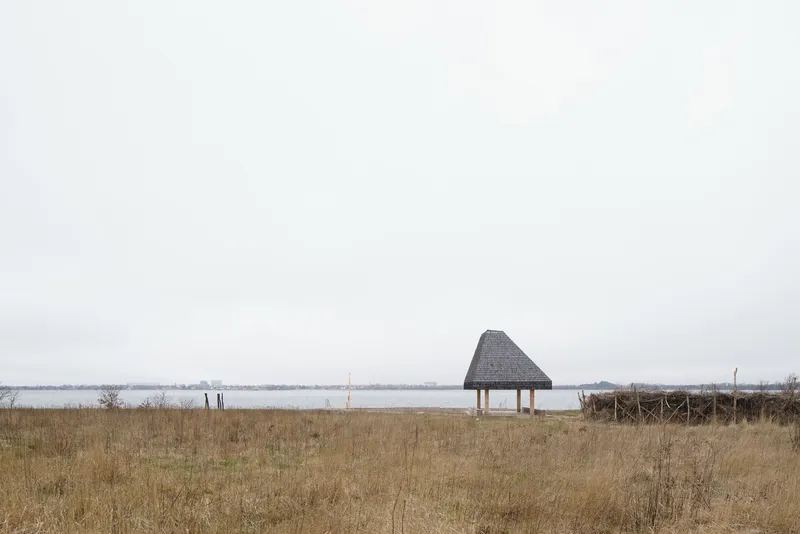
Rather than imposing a singular architectural gesture, the project introduces a carefully curated system of visitor points distributed strategically throughout the park. These architectural and landscape interventions form a new identity for Nature Park Amager, framing experiences of biodiversity, water, and expansive terrain while preserving the integrity of the protected landscape. The design strategy emphasizes clarity, accessibility, and subtlety, allowing architecture to enhance, rather than dominate, the natural environment.
A Landscape Strategy Rooted in Experience and Protection
At the core of the project lies a central ambition: to ensure that nature experience and environmental protection coexist. The architects developed a homogeneous yet understated architectural vocabulary that draws attention to the park’s inherent qualities: open horizons, wetlands, coastal edges, and diverse ecosystems. Each intervention adds a new layer of experience without disrupting the ecological balance of the site.
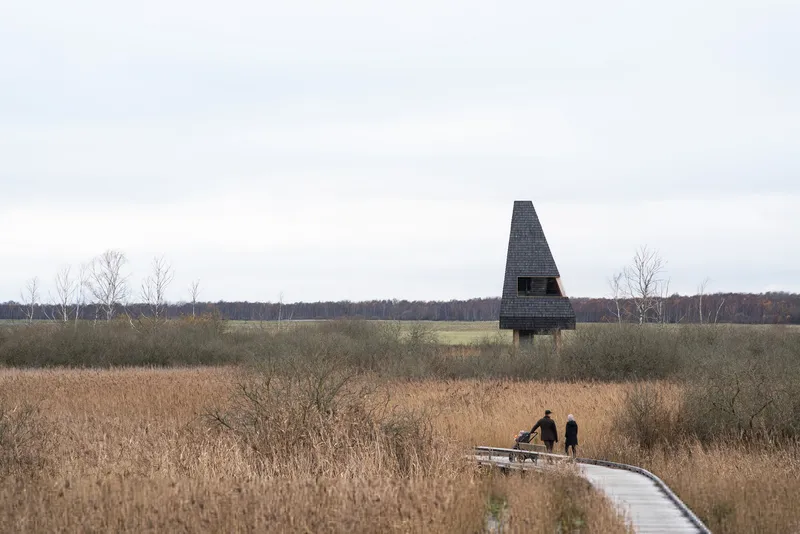
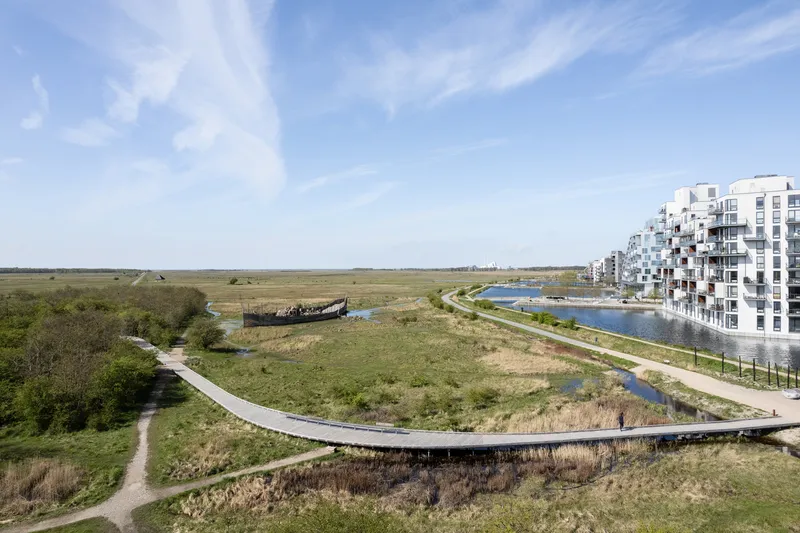
The visitor points are deliberately located in transition zones, where city meets nature or land meets water. These threshold conditions heighten the contrast between the built environment and the untouched landscape, reinforcing awareness of the park’s scale and ecological value. From bird towers and observation decks to small pavilions and landscape installations, each destination responds precisely to its local context, views, and programmatic potential.
Human-Scale Interventions in a Vast Landscape
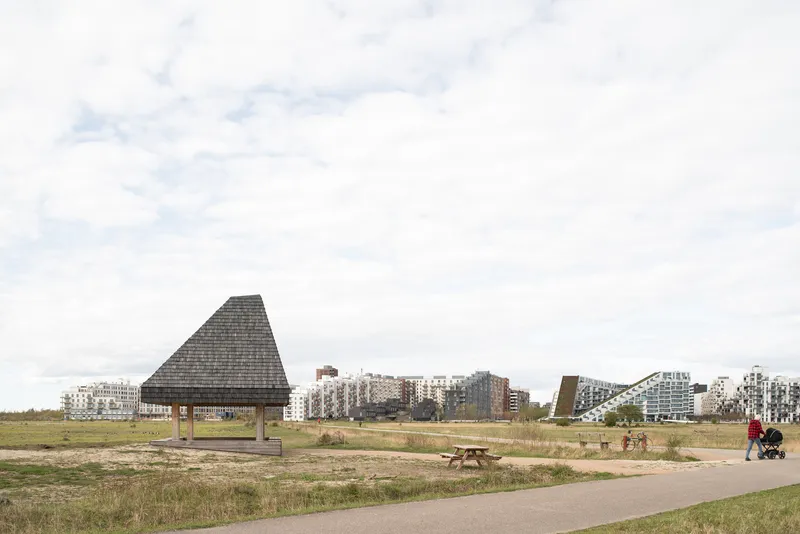
Given the immense scale of Nature Park Amager, one of the key design challenges was making the landscape legible and inviting for everyday users. The visitor points break down the vast terrain into human-scale narratives, creating moments for recreation, learning, play, and contemplation. These nodes encourage users to explore different parts of the park while minimizing impact on sensitive habitats.
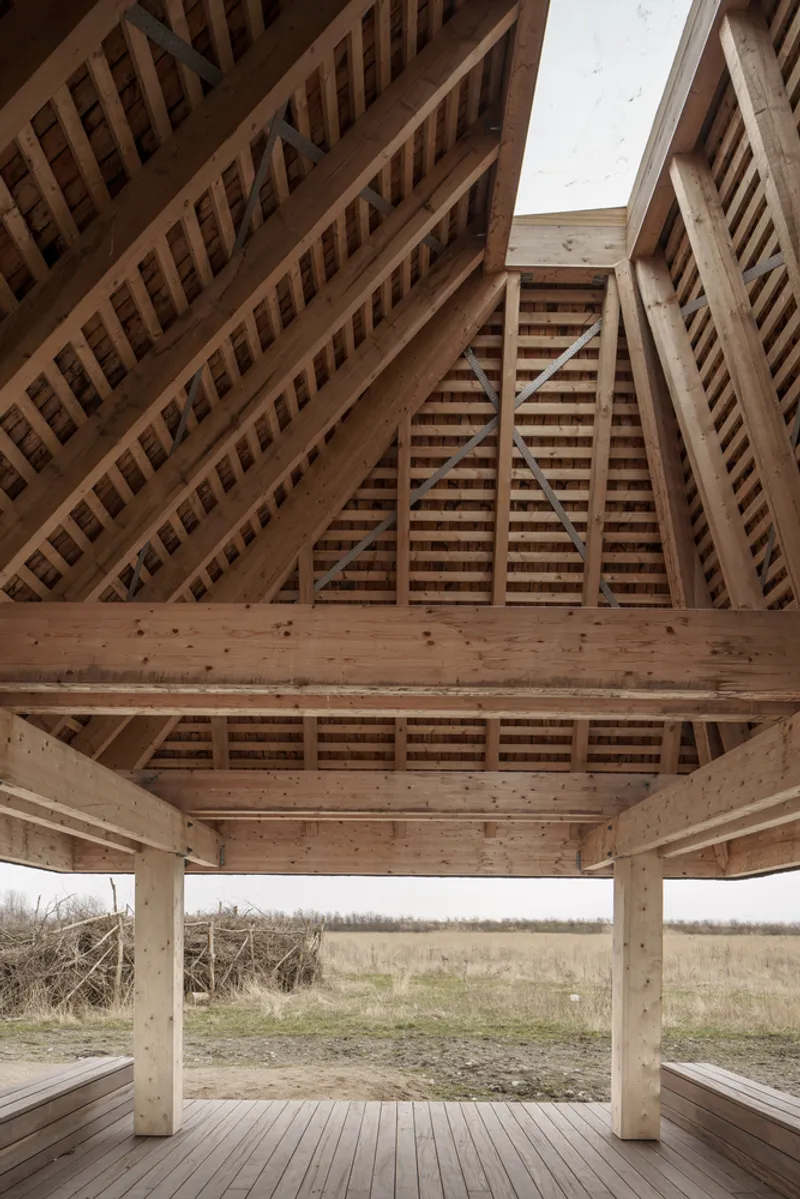
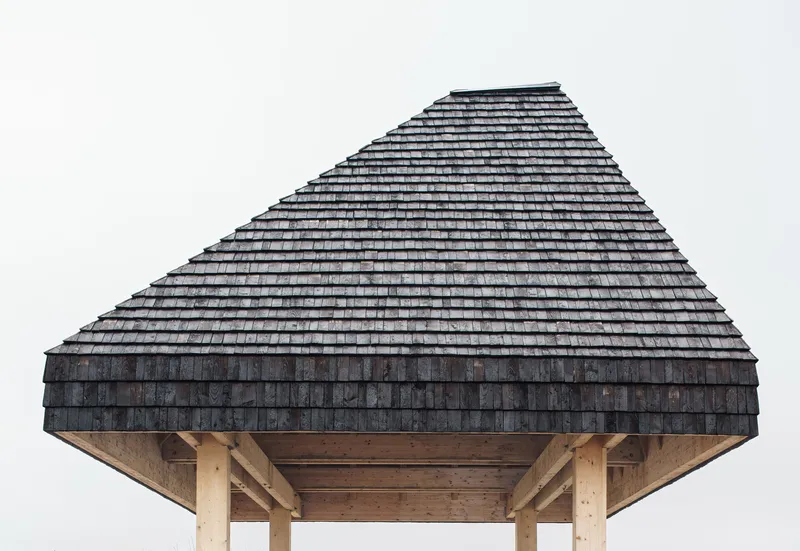
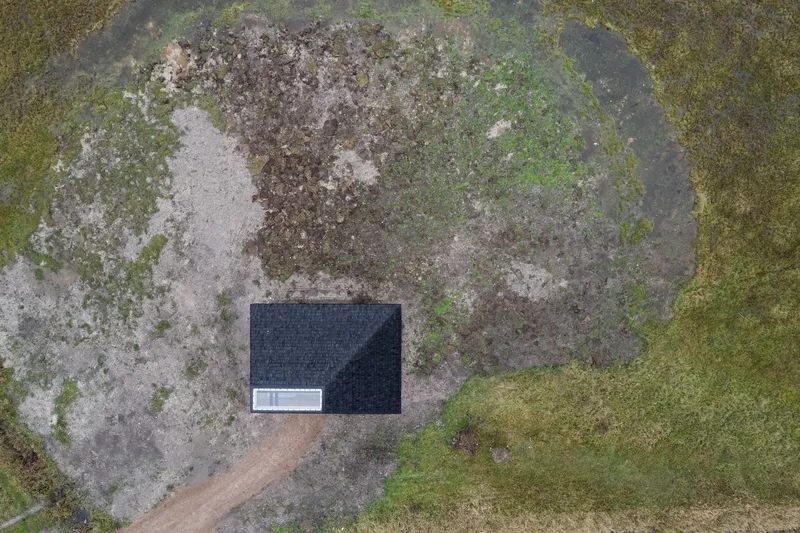
The architectural elements share a consistent material language, characterized by visible timber structures, expressive roof geometries, and dark-burnt wooden shingles. This restrained palette allows the buildings to mark places in the landscape without competing visually with their surroundings. The architecture is recognizable yet discreet, clearly contemporary, yet deeply embedded in the natural setting.
Accessibility, Wayfinding, and Outdoor Life
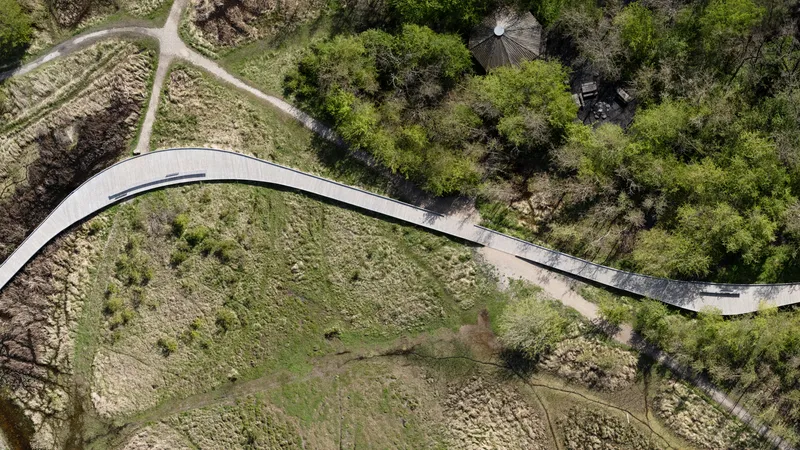
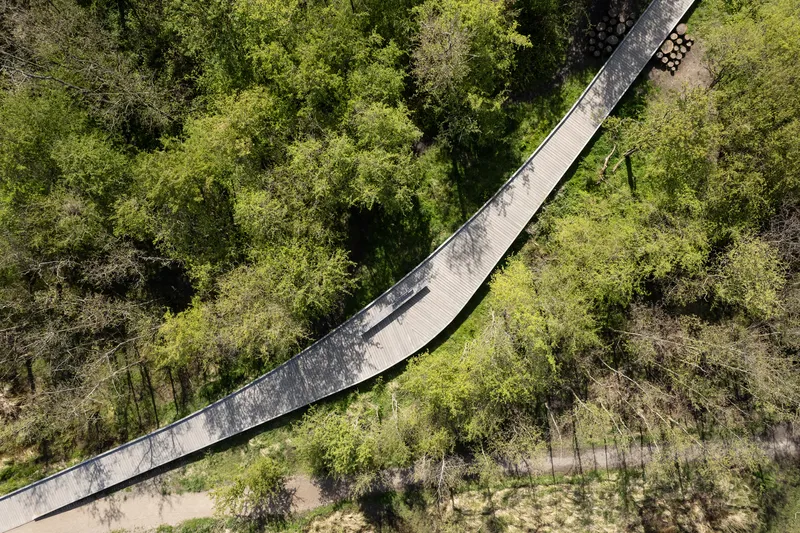
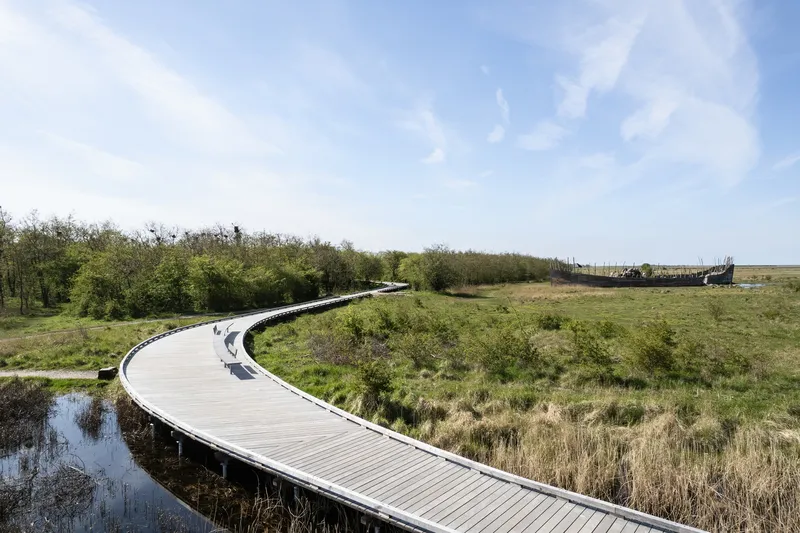
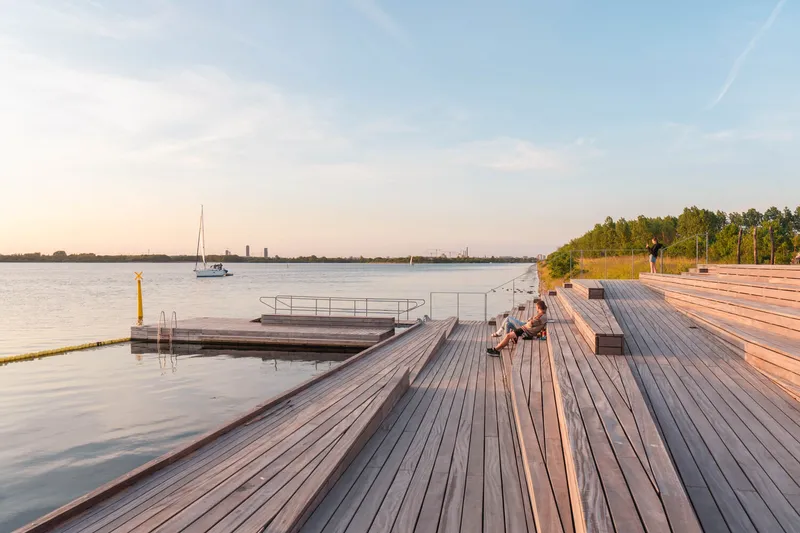
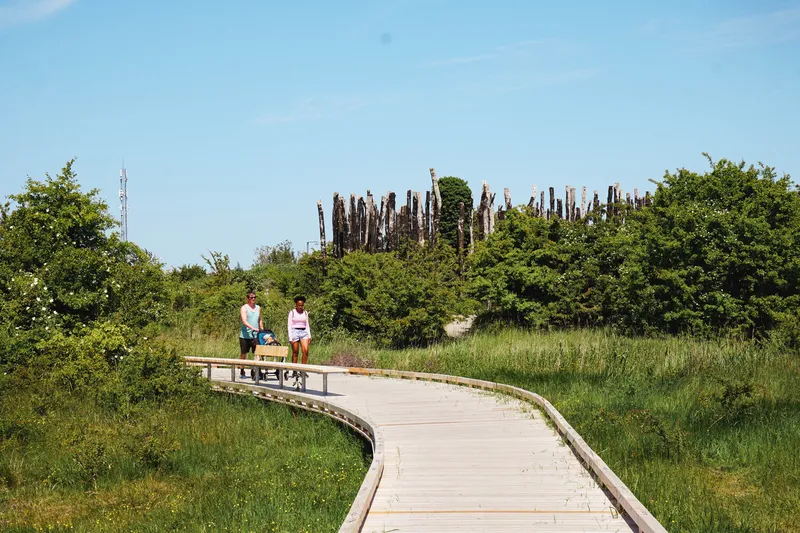
Complementing the built elements is a network of tracks and boardwalks that guide visitors through the park. These paths enhance accessibility and wayfinding, ensuring that a wide range of users can engage with the landscape while protecting vulnerable ground conditions. The routes connect wetlands, coastlines, and open plains, transforming movement through the park into a curated spatial experience.
By combining architecture, landscape design, and ecological awareness, Nature Park Amager establishes a new framework for large-scale urban nature parks. The project demonstrates how thoughtful design can activate protected landscapes, support biodiversity, and create meaningful public spaces, without compromising the very nature it seeks to celebrate.
All photographs are works of Morten Aagaard Krogh, LYTT Architecture




Popular Articles
Popular articles from the community


Co-Life: Senior Housing Design That Reconnects Older Adults With the City
Co-Life reimagines senior housing design through healing gardens, shared streets, workshops, and a sustainable community across generations.

Co-life: Sustainable Architecture for Age-Friendly Community Living
Co-life reimagines sustainable architecture for seniors through courtyards, rammed earth, shared gardens, and spaces designed for belonging.

Conexión: Biophilic Design Reimagines High-Rise Living in Hong Kong
Conexión reimagines high-rise living in Hong Kong through biophilic design, green facades, shared spaces, daylight, water and nature within.

Hill & Cross Opera: Sculptural Opera House Architecture Shaped by Tallinn’s Landscape and Identity
Hill & Cross Opera reimagines opera house architecture in Tallinn through its sculptural hill, civic plaza, glass wave and a luminous cross.


Similar Reads
You might also enjoy these articles


Hodi-Mandai Geram
Project Function: Preservation and revitalization of the Intangible heritage and socio-spatial identity of the Hodi by Housing, Cultural Memory Center, Sacred Grove, landscape, local tourism economy


Olio Towers: A Mid-Rise for Performers That Fuses Housing, Rehearsal, and Stage
Located blocks from Houston's Theater District, this modular tower stacks living units around a central performance atrium.

Oasis: Modular Green Housing Carved into Dhaka's Urban Fabric
A shortlisted Plugin Housing entry reclaims unauthorized settlements in Dhaka with stepped concrete volumes, green roofs, and ventilation-driven design.

Black Hole: A Floating Megastructure for the Post-Physical Era
Emiliano Mazzarotto envisions a spherical, self-scaling arena where e-sports, digital hotels, and holographic stadiums replace traditional public space.


Explore City Park Competitions
Discover active competitions in this discipline



Challenge to reimagine the Iron Throne


Photograph architecture without architects


Illustrate the lost glory of Angkor Wat - Render Challenge


Design challenge to reuse E-waste
Comments (0)
Please login or sign up to add comments
No comments yet. Be the first to comment!