

Bali Biophilic Architecture: Cala Blanca House by Biombo Architects
Discover the Cala Blanca House in Bali, a masterpiece of biophilic architecture by Biombo Architects, blending luxury with nature seamlessly.


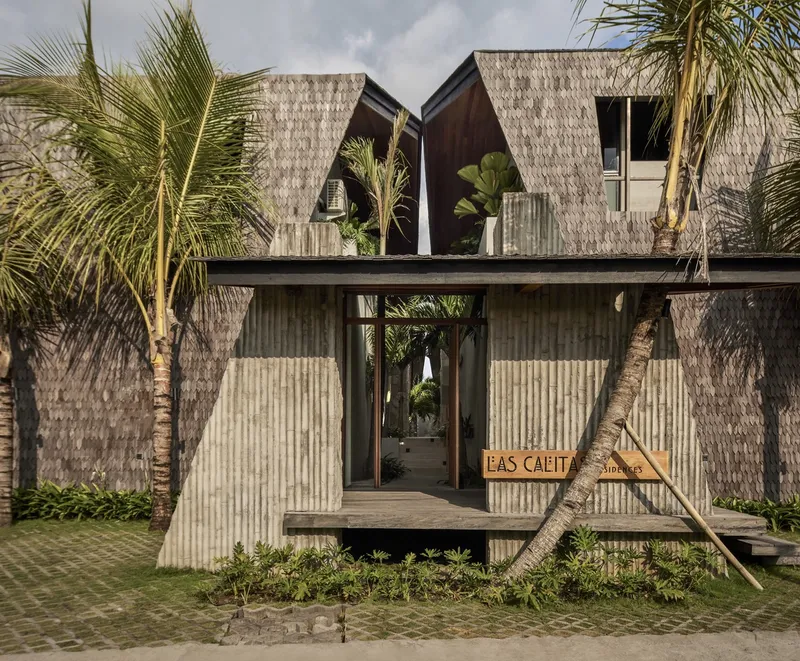
In the heart of Pererenan, Bali, the Cala Blanca House stands as a testament to Bali biophilic architecture, an architectural approach that seeks to connect its inhabitants with nature. Designed by Biombo Architects, this residential marvel is part of the "Biombo Secrets" villa hotel compound, offering a unique holiday experience enveloped in architectural beauty and natural tranquility.

The Architectural Vision
Unique Challenges and Innovative Solutions
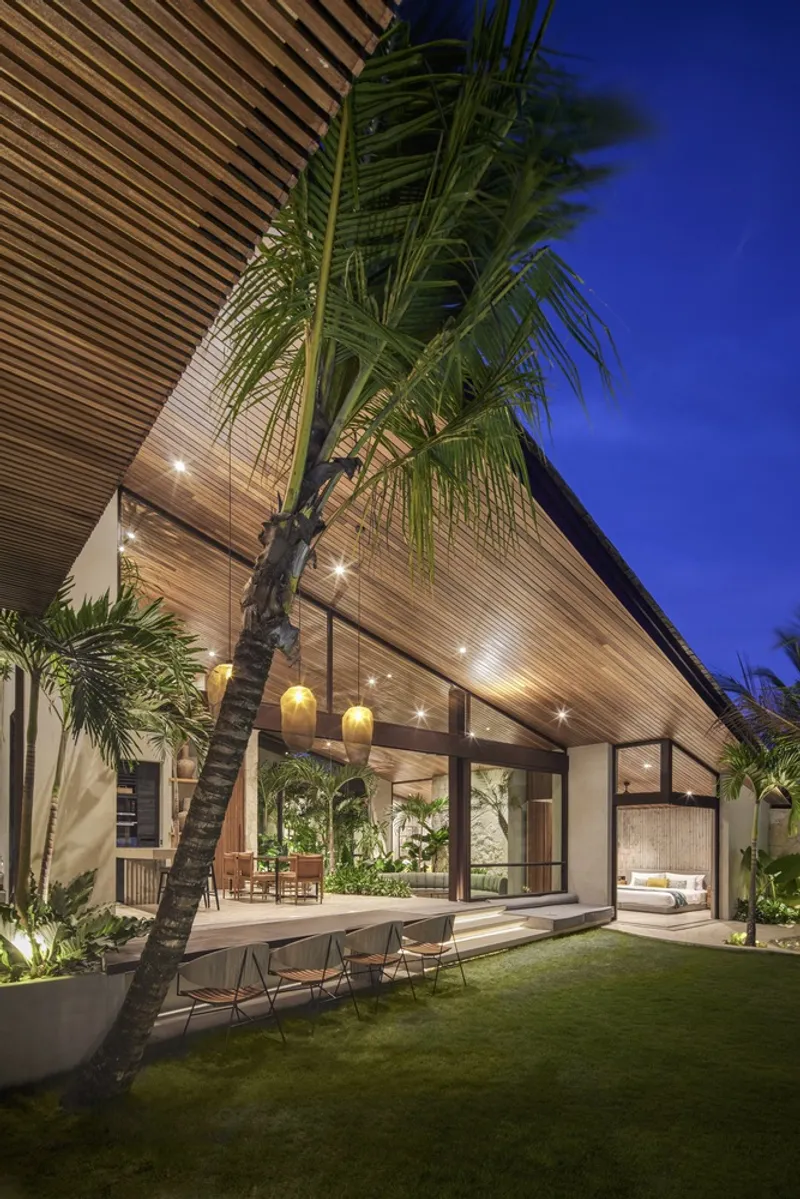
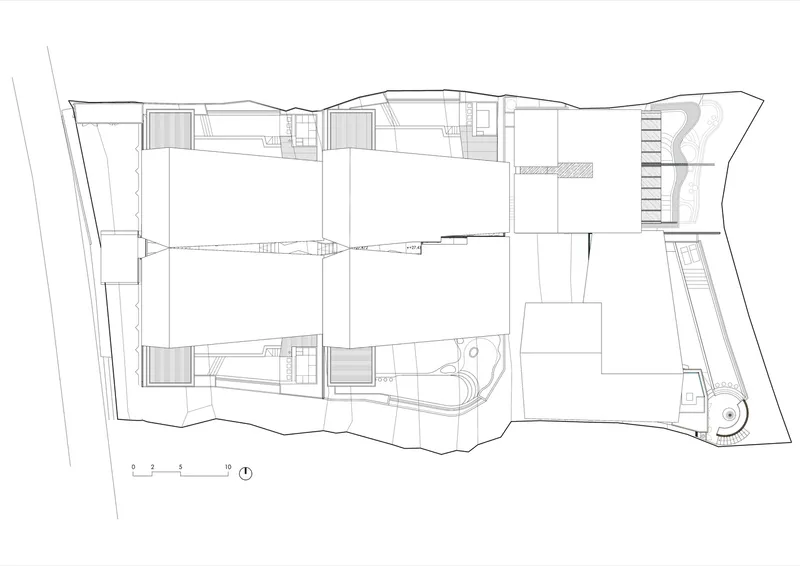
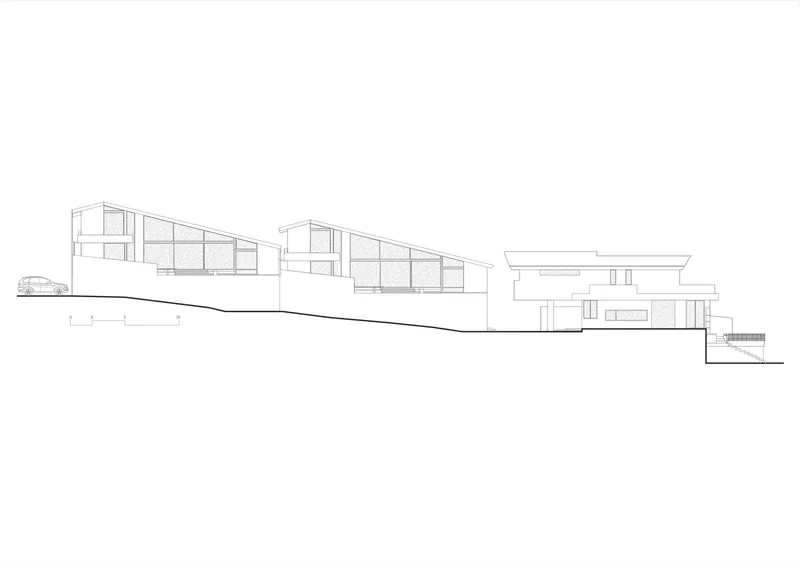
Occupying a plot size of 450 m², the Cala Blanca House is designed to maximize space and privacy, ensuring a spacious feel and intimate setting amidst a shared villa hotel environment. The strategic placement of the villa along the land's longest side facilitates a visual amplitude and privacy, thanks to the thoughtful layout and level variations between villas.

A Common Gateway to Private Paradises
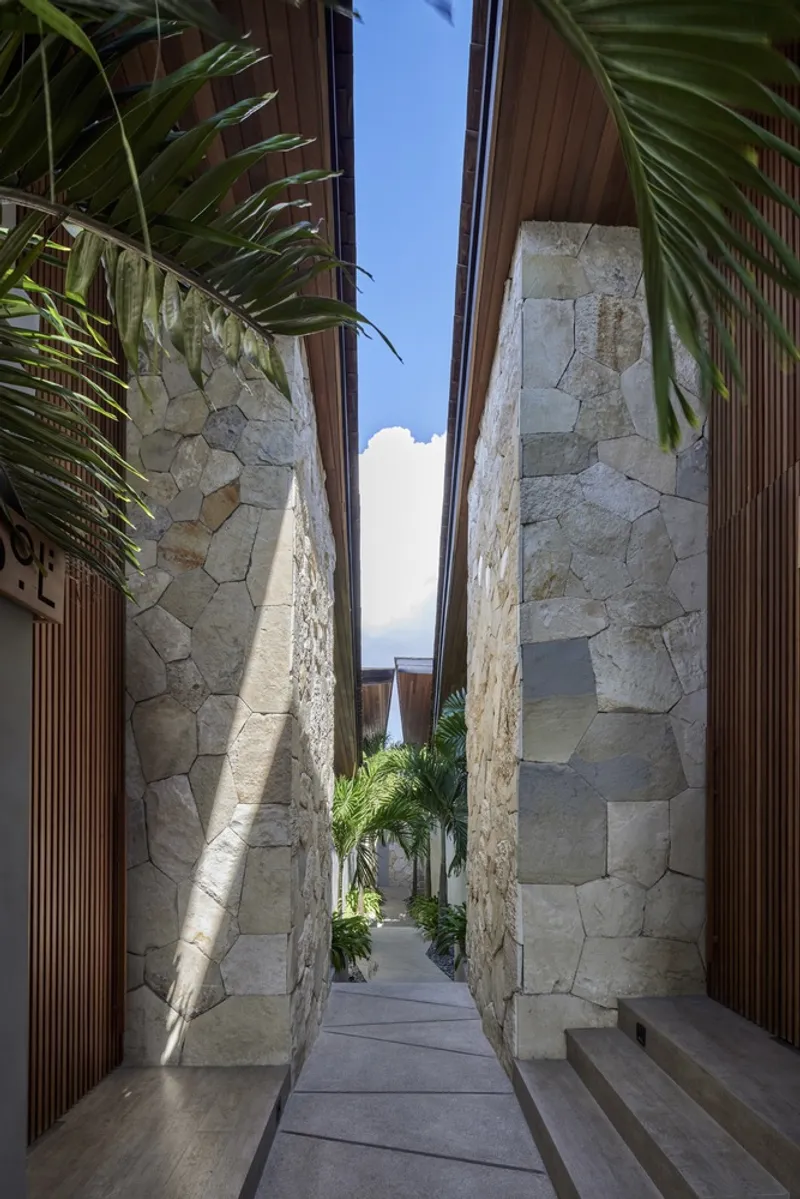
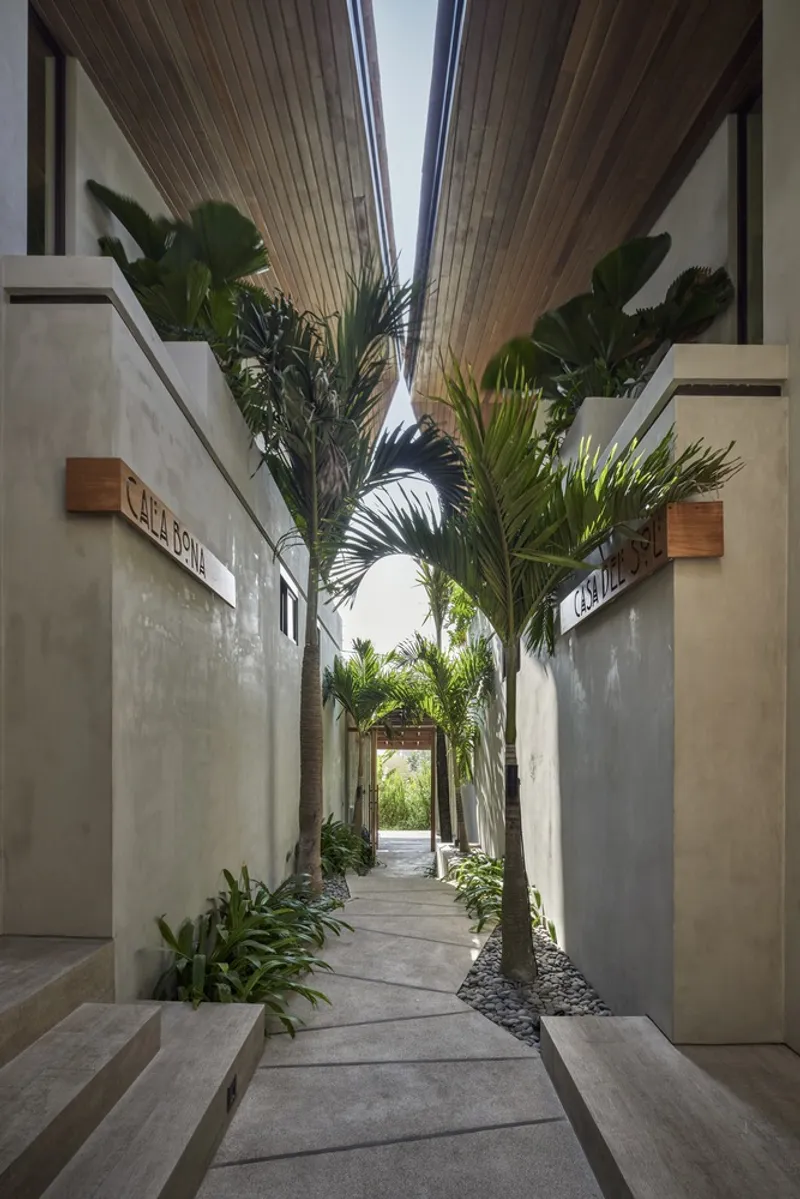
A shared parking area leads to a common entrance, where a zigzag walkway, bordered by lush greenery and natural stone, guides guests to their private villas. This communal approach fosters a sense of exclusivity and discovery, setting the stage for the biophilic experience within.
The Heart of Biophilic Design
Interior Spaces Where Nature Takes Center Stage
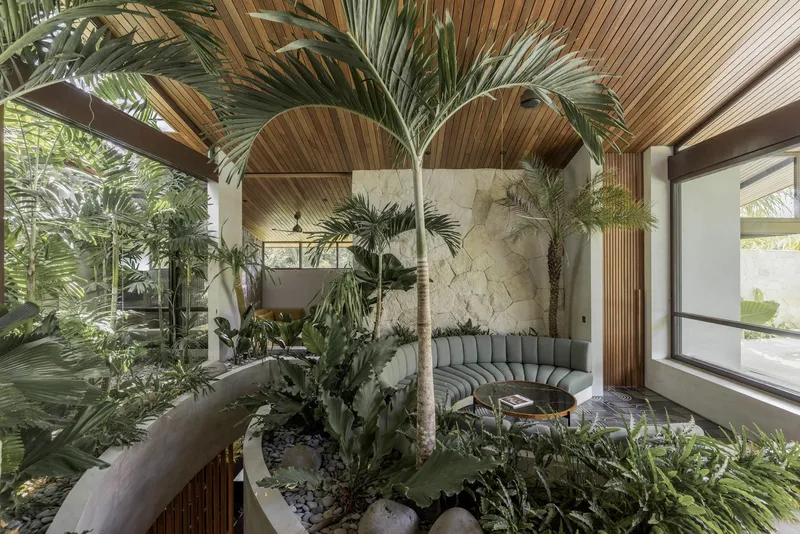
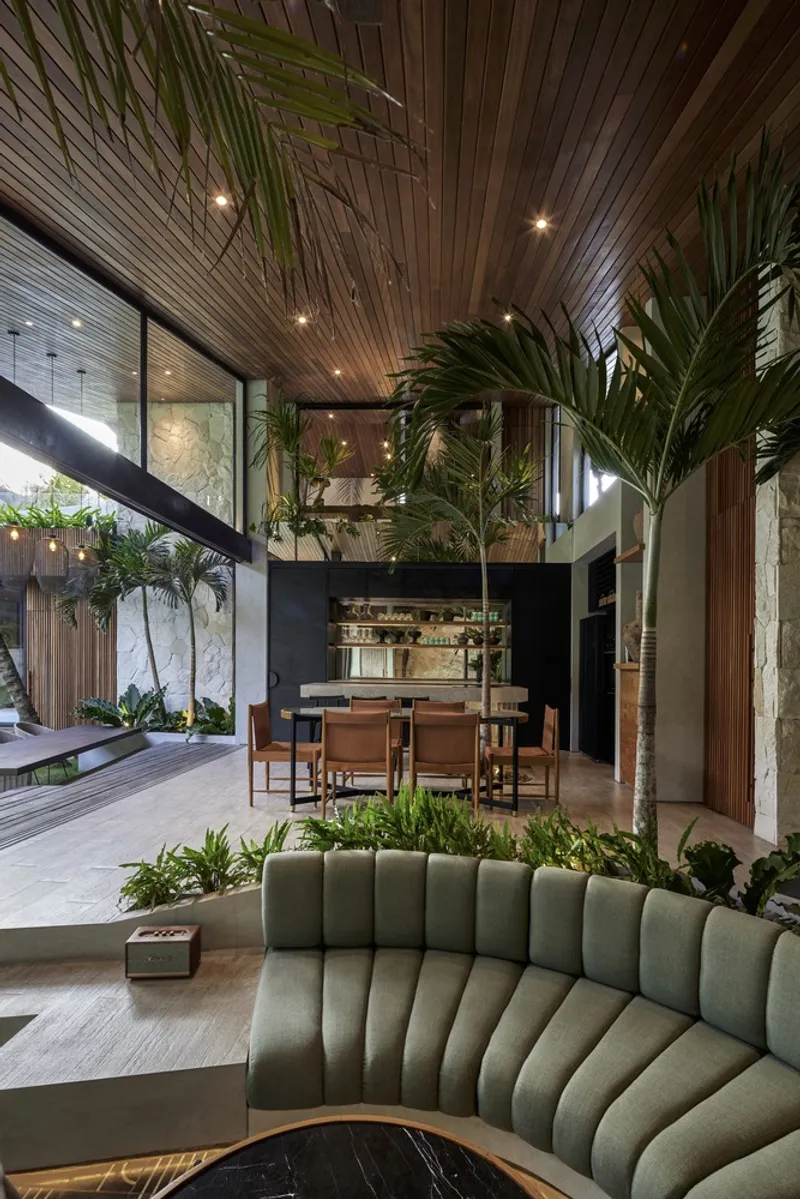
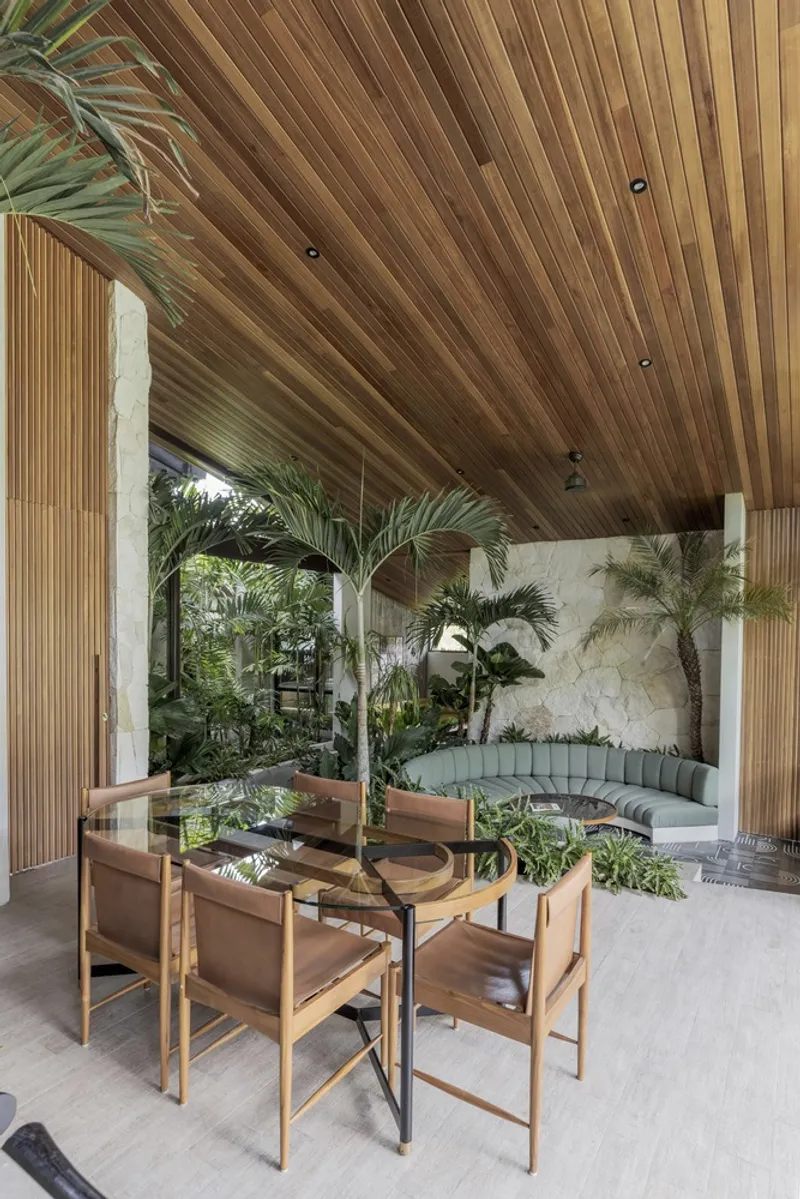
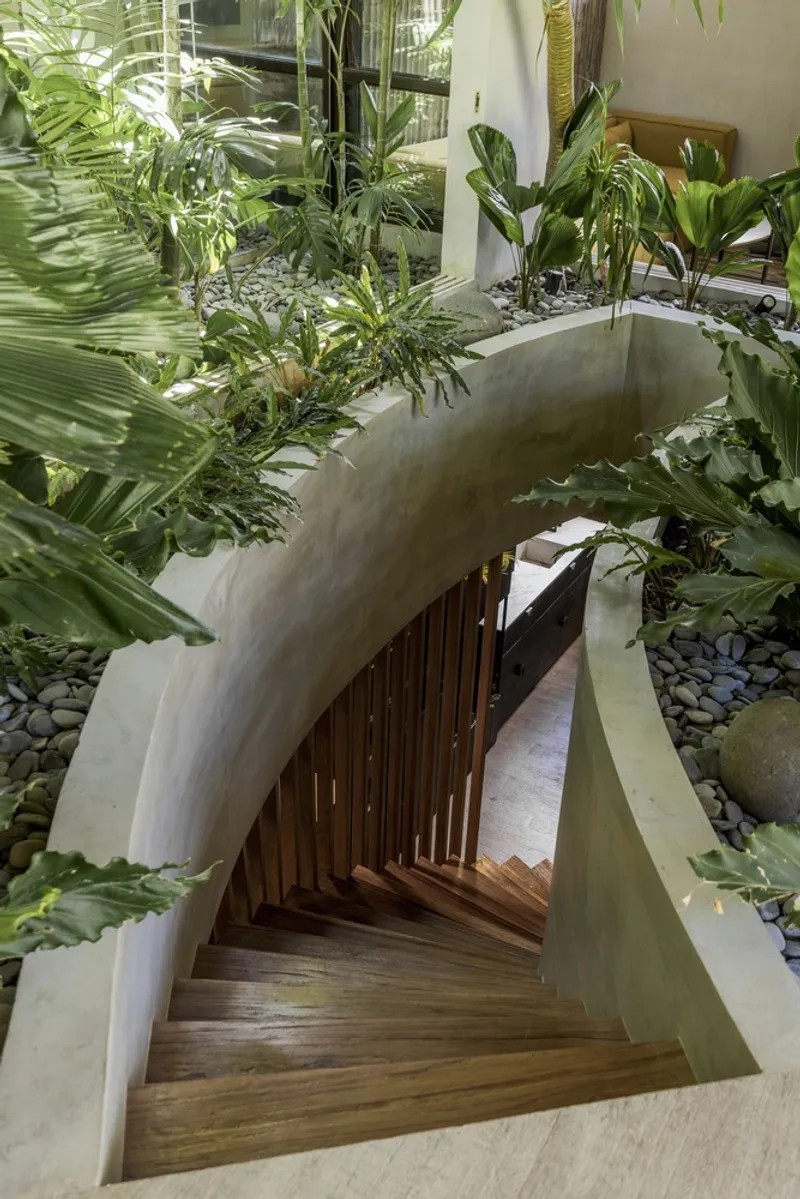
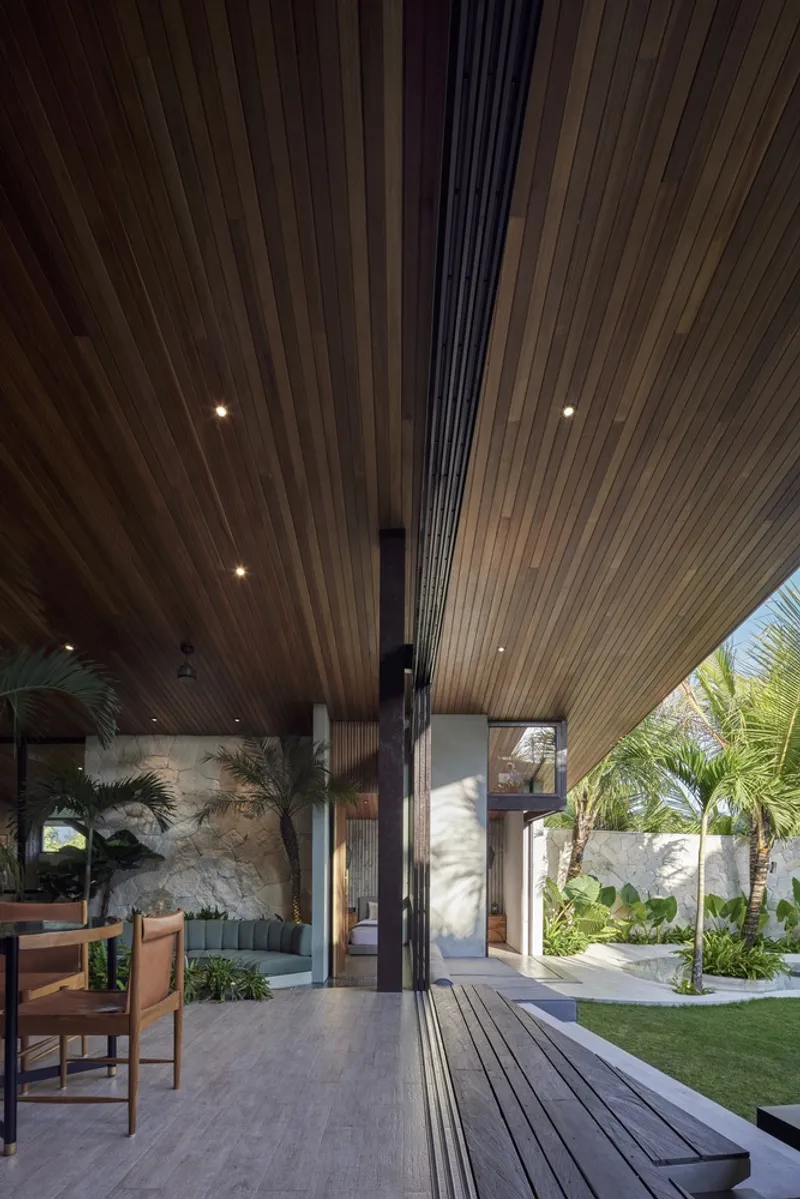
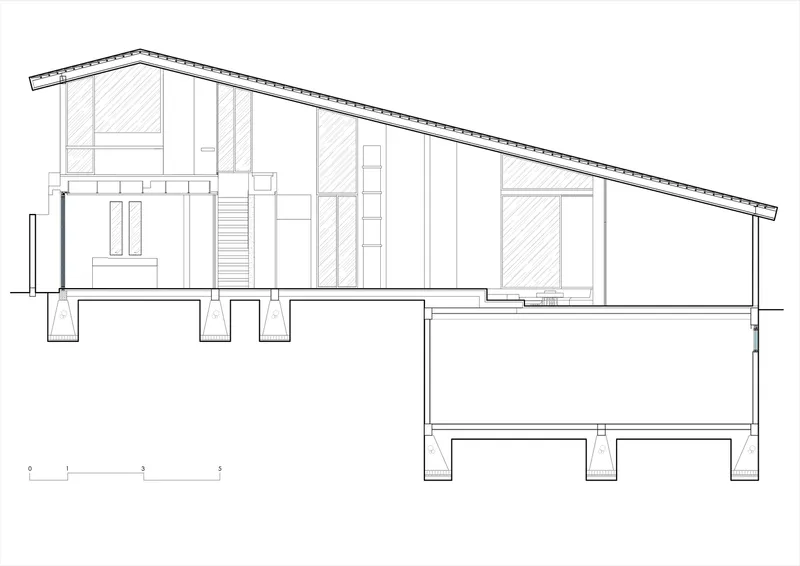
Upon entering the Cala Blanca House, guests are greeted by an expansive living area with a high-sloped timber ceiling that unifies the kitchen, living room, and dining room. The design’s hallmark is its incorporation of nature: palm trees and plants surround the sunken sofa and kitchen area, making the natural world an integral part of the living space. This concept is rooted in the belief that close contact with nature enhances physical well-being, reduces stress, and promotes mental health.



Biophilic Elements: Light, Air, and Material
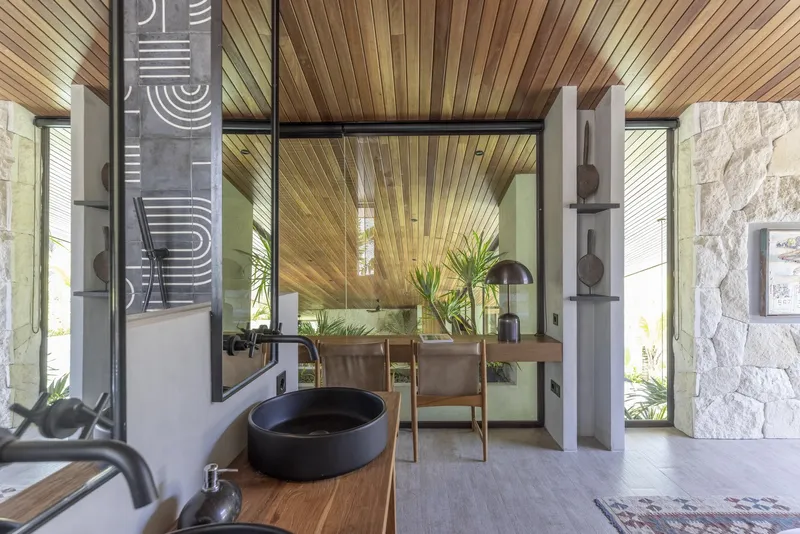
The emphasis on natural light, ventilation, and the use of natural materials such as timber and stone enhances the connection to nature, ensuring that each element contributes to a sense of well-being and comfort.

Luxurious Living Across Three Floors
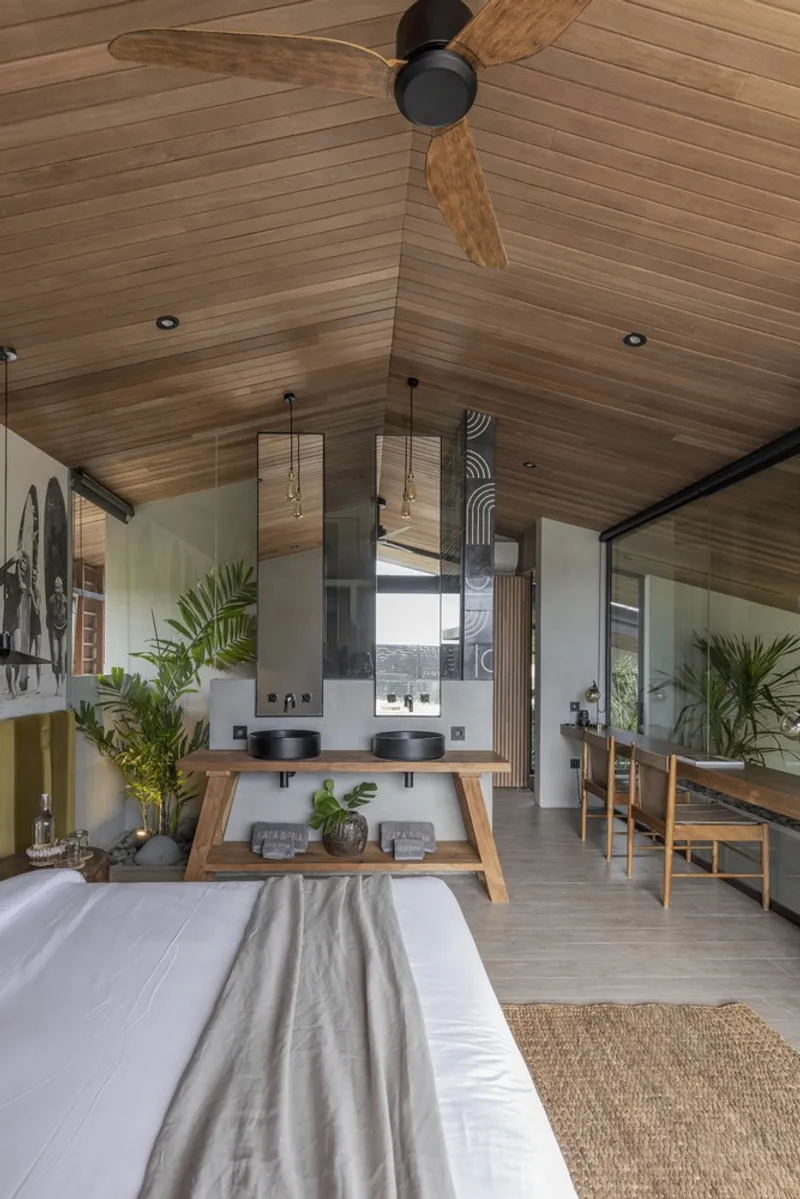
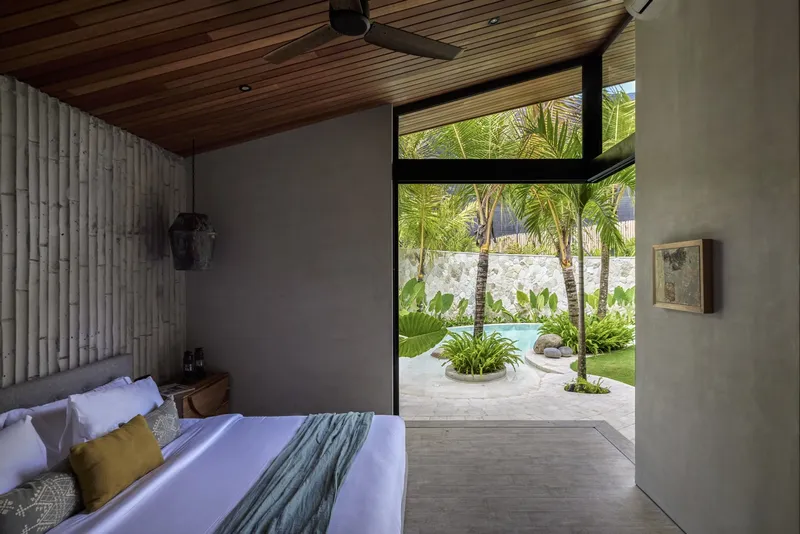
The villa boasts four luxurious bedrooms, with three on the ground floor and a grand master suite on the first floor, featuring a terrace overlooking the surroundings. The basement serves as an entertainment hub with a speak-easy bar and cinema room, designed not to disturb the tranquility of the sleeping quarters above.


The Pool: A Natural Oasis
The saltwater pool, with its organic design and custom marble pieces, is a highlight of the villa, offering a private beach experience under a canopy of coconut trees. This element exemplifies the seamless integration of architecture and nature, characteristic of Bali biophilic architecture.


A Harmony of Design and Nature
Cala Blanca House by Biombo Architects is a beacon of Bali biophilic architecture, marrying the island's natural beauty with modern design. It represents a holistic approach to living, where architecture not only serves functional needs but also nourishes the soul by fostering a deep connection with the natural world.

All photographs are work of Sheila Man Baliinteriors, KIE


Popular Articles
Popular articles from the community


LT2A and OPEN Architectes Thread a Brick and Glass High School Through a Wooded Belgian Campus
In Braine-l'Alleud, a 3,000 m² wing for Collège Cardinal Mercier pairs pale brick with a glazed colonnade, deferring to a small chapel and a dense wood.

U.GA Architects Wraps an Oval Rooftop Pool in Curved Board-Formed Concrete on Busan's Jeollidan-gil
In Busan's Jeonpo-dong, a 454 m² mixed-use block stacks a neighborhood facility, guest rooms and an oval rooftop pool inside spiraling concrete walls.

Juan García Correa, John González and Claudia Rueda Sink a Circular Amphitheater into a Manizales Engineering Building
On the La Nubia campus in Manizales, Colombia, the S1 Building folds labs and offices into a hillside of ramped lawns that double as a campus route.

David Ortega Stacks a Two-Story Mexico City Penthouse Around a Steel Stair and a Pergola-Shaded Roof Terrace
In Colonia Roma, a 300 m² penthouse uses oak joinery, a planted steel stair and a slatted roof pergola to make a new-build apartment feel like a house.

Similar Reads
You might also enjoy these articles


Hodi-Mandai Geram
Project Function: Preservation and revitalization of the Intangible heritage and socio-spatial identity of the Hodi by Housing, Cultural Memory Center, Sacred Grove, landscape, local tourism economy


Olio Towers: A Mid-Rise for Performers That Fuses Housing, Rehearsal, and Stage
Located blocks from Houston's Theater District, this modular tower stacks living units around a central performance atrium.

Oasis: Modular Green Housing Carved into Dhaka's Urban Fabric
A shortlisted Plugin Housing entry reclaims unauthorized settlements in Dhaka with stepped concrete volumes, green roofs, and ventilation-driven design.

Black Hole: A Floating Megastructure for the Post-Physical Era
Emiliano Mazzarotto envisions a spherical, self-scaling arena where e-sports, digital hotels, and holographic stadiums replace traditional public space.

Explore Bali Competitions
Discover active competitions in this discipline

Challenge to reimagine the Iron Throne

Photograph architecture without architects

Illustrate the lost glory of Angkor Wat - Render Challenge

Design challenge to reuse E-waste
Comments (0)
Please login or sign up to add comments
No comments yet. Be the first to comment!