Bunker of Unification
Humanity as we know it hangs on its last thread as the living remaining few build themselves back up through a scarred field of radiation, with only hope in their sights.

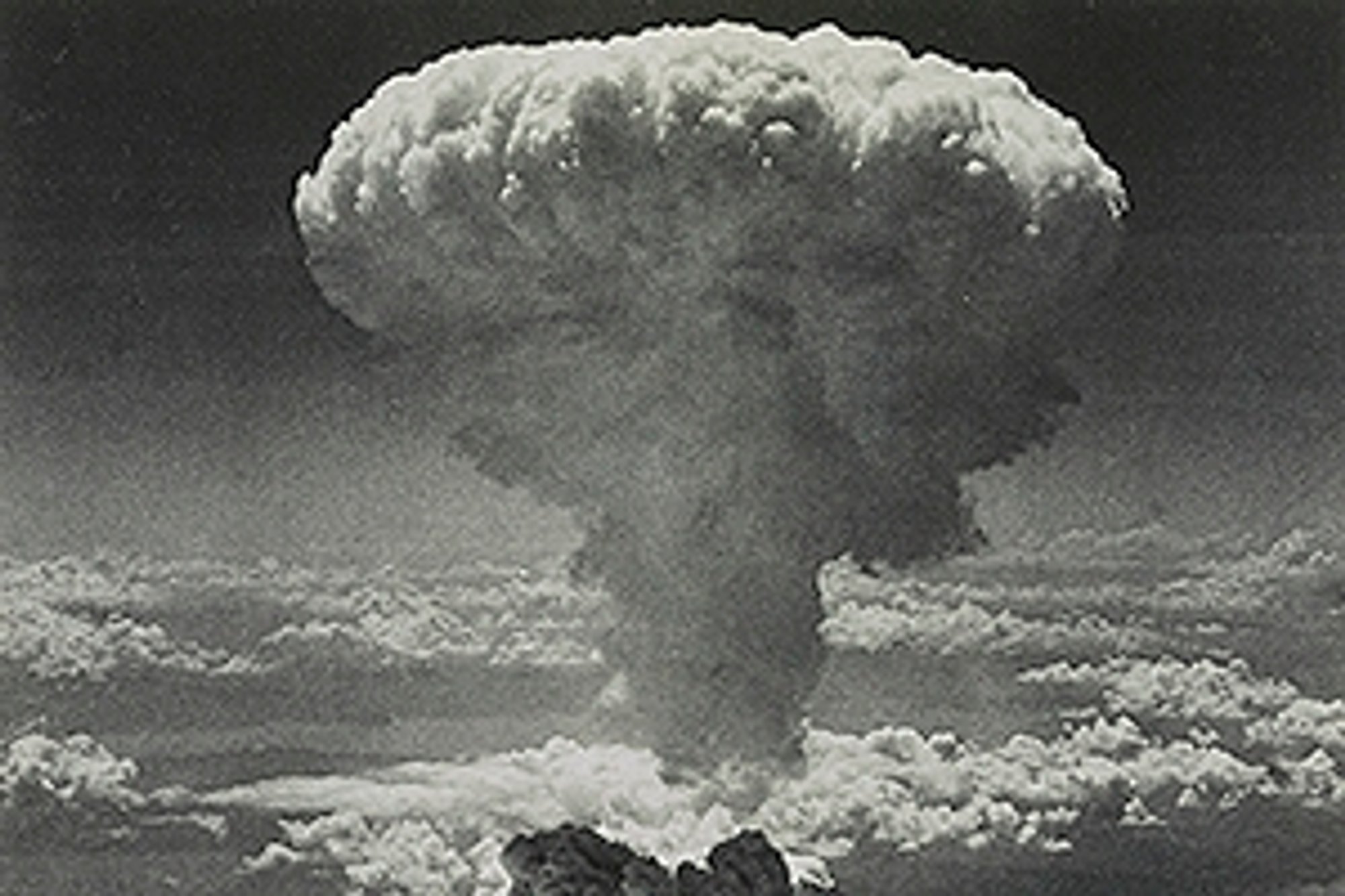
With the pending doom of an all-out war between the two country superpowers, Russia and the United States. Why Union Square is due to an attack of missile bombings from the Russians that landed on U.S. soil, some of which targeted the park. The attack left a large crater which conveniently gave the government an idea to fund the construction of a military outpost that also serves as a bunker if nuclear warfare began. This structure served as a long-standing symbol for the military effort which did not last long after completion as soon the world was led into a nuclear holocaust that wiped out almost the entirety of the world’s population. As for the site, it was one of the few standing as detonation occurred about 11 miles north, keeping a safe distance from annihilation. Post-destruction led the bunker to be a symbol of hope for the community that utilizes it.
As for the inhabitants, their way of living revolved around a military state. The MVPs consisted of 160 people with 70% being military personnel and 30% civilians. These civilians were farmers, doctors, and normal residents. Everybody inhabiting the bunker fills some sort of role in sustaining the life of those around them, but the main source of social power was the military.
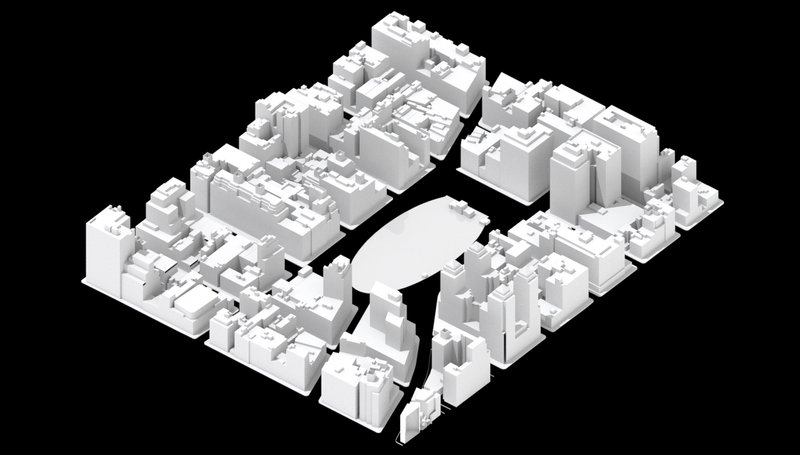
Prior to the bunker/outpost being built, it needed to have its general context. That was one of the main reasons why a certain type of MVP was chosen. The farmers correlate with the site's farmers market and the doctors reside in the hospitals that surround the site. Architecturally, it stands out on its own due to the vision that was behind the design in that it was made as a symbol of hope. It connects in a way that both the site and the design are places that bring people together, serving as a symbol of change or growth.
A majority of the iterations were conceptualized in a sketchbook. Once the idea had been realized, it transitioned over to a modeling program. There are officially two pieces that came out of the process. One of which was then alternated and turned into something completely different in terms of context.
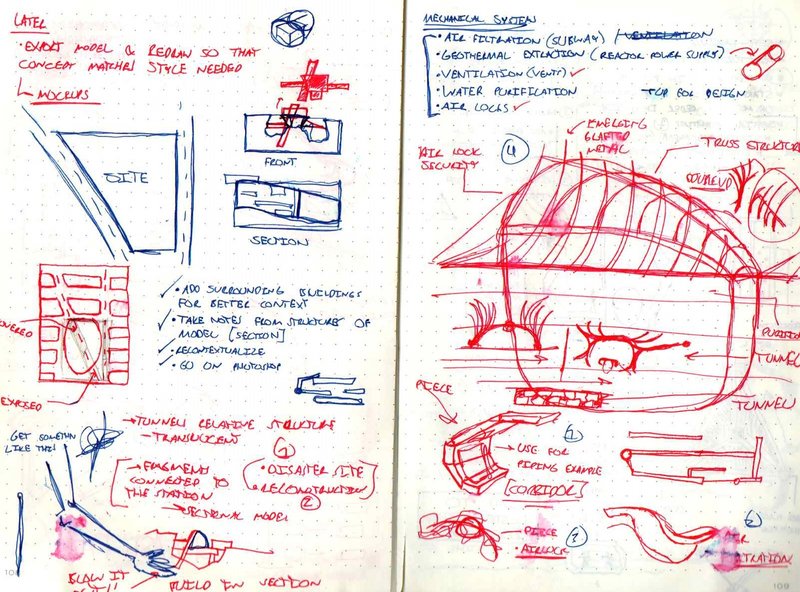
Iterations Comp – Sketches from my sketchbook that helped direct me in the right direction
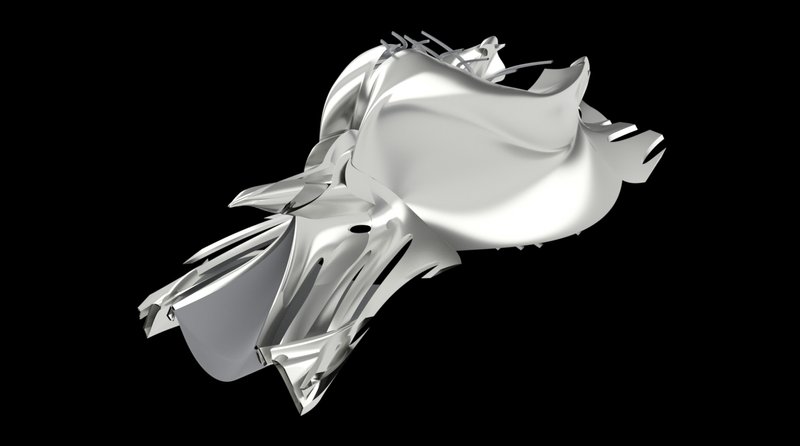
Piece 1 – First attempt at developing what was envisioned. It was then seen as something that could be potentially more than what it is so there came another attempt with the same idea. This was in turn transformed into a miniature version of the final iteration as a concept for a nodal station.
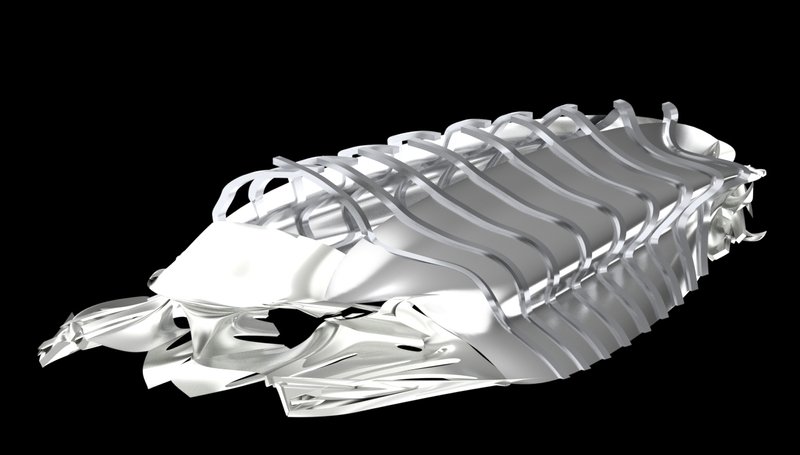
Piece 2 – Second attempt which became a more polished and realized look. As well as carrying the themes and design ideas more accurately.
Despite the number of iterations that resulted before the outcome, the process to get to the idea in mind was practically the same. The main approach involved the characterization of the design, more specifically, creating a novel tectonic. It is an expression to delve into a greater meaning behind the work. Through this, the design was characterized as a symbol of destruction and repair. It needed to be shown that despite the trying times there is still hope for the future and an opportunity to heal.
Programmatically, there needed to be an organized layout for how these 160 people should operate. This included making use of the subway tunnels underground and creating more if needed.
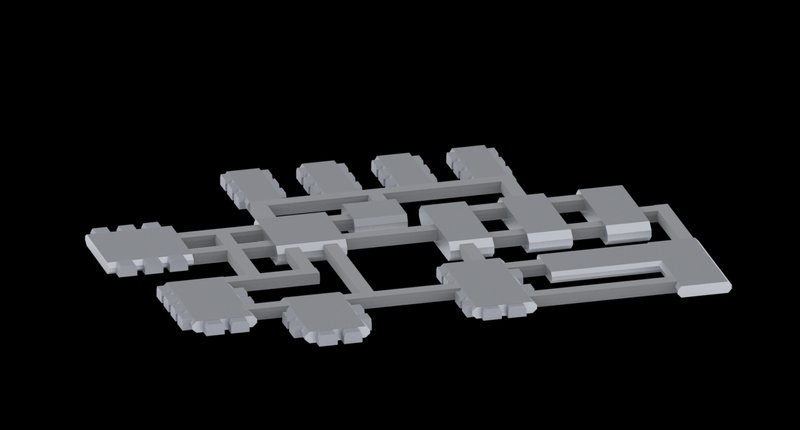
The program also relied on complimenting the attributes of the MVPs with the introduction of water purification systems, geothermal extraction, and hydroponic farming. All of which relate to underground living.
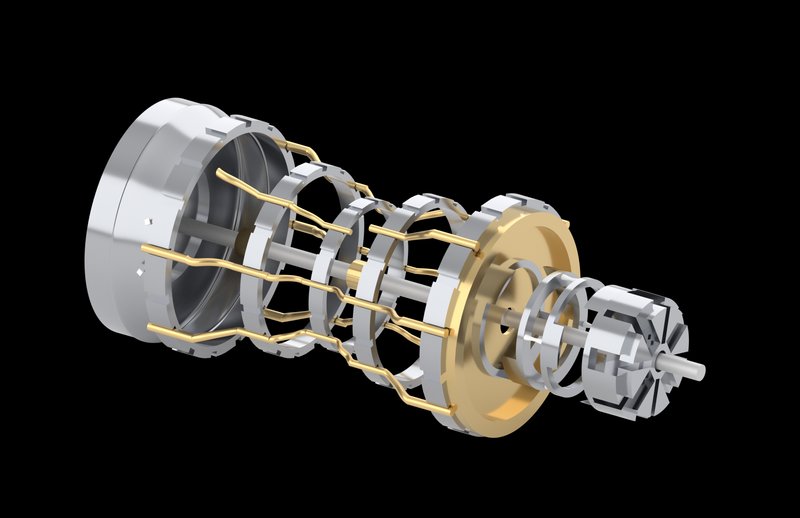
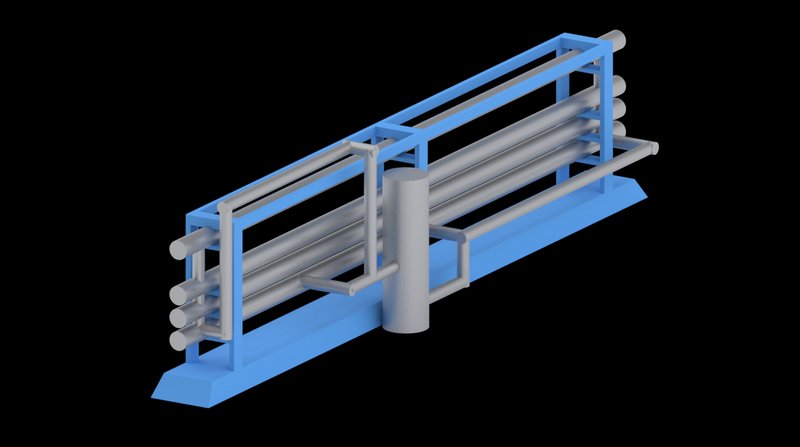
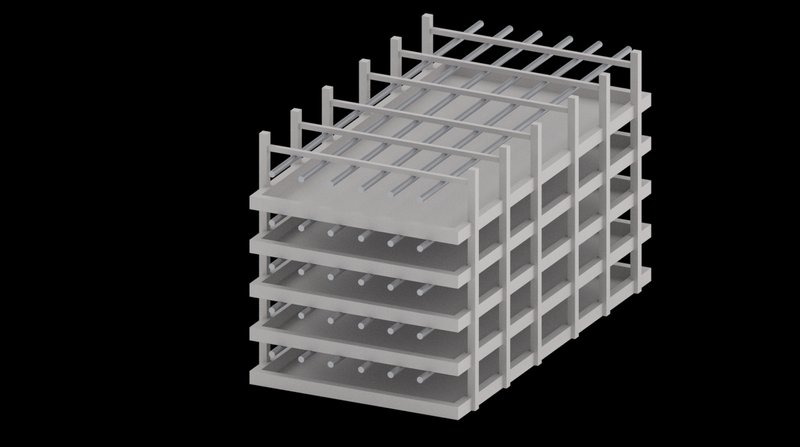
The living situation was based on a hierarchical structure, first being the barracks, the commonwealth, and finally the affluent. These are determined by class and level of importance in the bunker.
Research on radioactivity was taken into account when looking for materials that fit with the structure. Because the blast occurred 11 miles away from the site, extreme measures for protection were not necessarily needed. However, with lingering fallout resulting from the blast, it is still a precaution to implement materials that work with keeping radiation away from seeping into the bunker. The skin is of a titanium material. This kind of metal serves as a protectant which is also used for the metaphorical “stitch” to cover the remaining part of the structure.
With the world being a desolate wasteland, the 160 survivors set the plan to rebuild civilization. Above-ground living has now become obsolete, with high levels of radiation across the landscape, even with the site being 11 miles from the detonation site, there is still destruction from the overall explosion and the result of the fallout. And so, it is time to expand inwards to the earth and build up a society from there. Embrace underground living where the movement to the surface is only for recon missions, looking for resources, or scouting a new location that could work as another node for the future development of the railway system.
As the years carry on, the bunker will begin to expand. The outward nodal stations reach out from the main hub of the park. With the growing railway routes along with technology being pushed to rebuild humanity, the goal is to generate access points where communities can individualize themselves. These nodes each serve a primary purpose that relates to the inhabitants and if not for a purpose that is simply a place of refuge from the main hub.
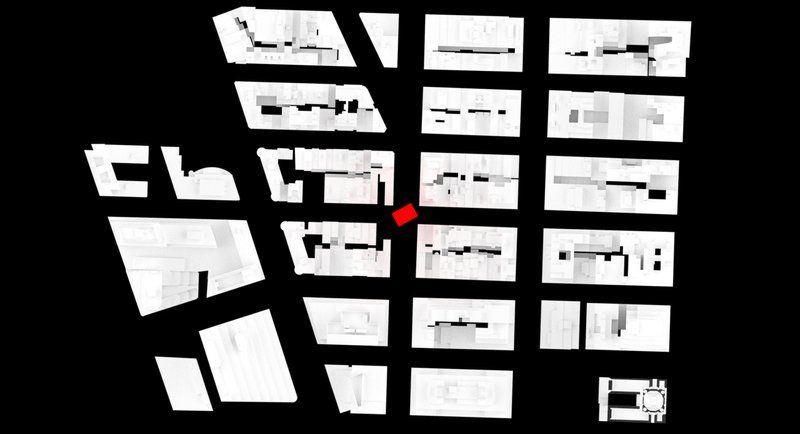
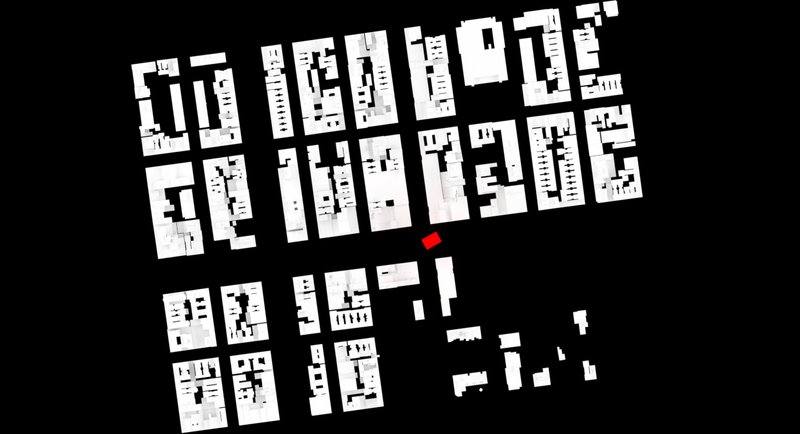
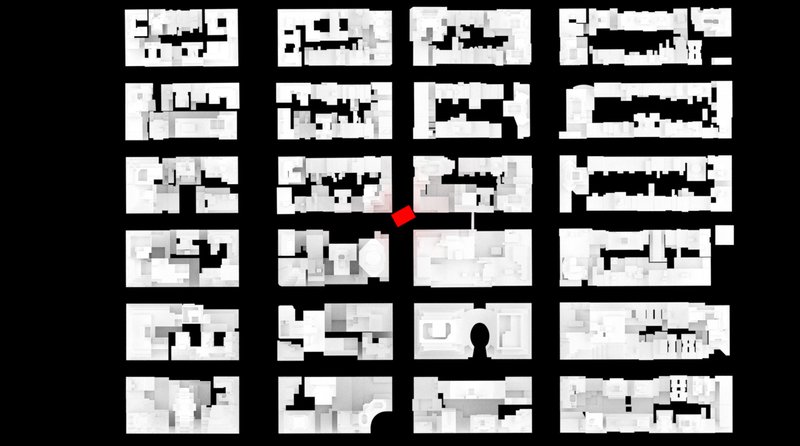
In time, the goal is to eventually grow the original site. It is already going in the right direction with the development of a hyperloop train but it will take over 100 years before anyone will be able to walk above ground. In the meantime, there will be an influx of technological and scientific breakthroughs which will be the building blocks to implement them above. Soon the nodal communities will be even more connected and branch out in search of any remnants of similar survivors or communities.