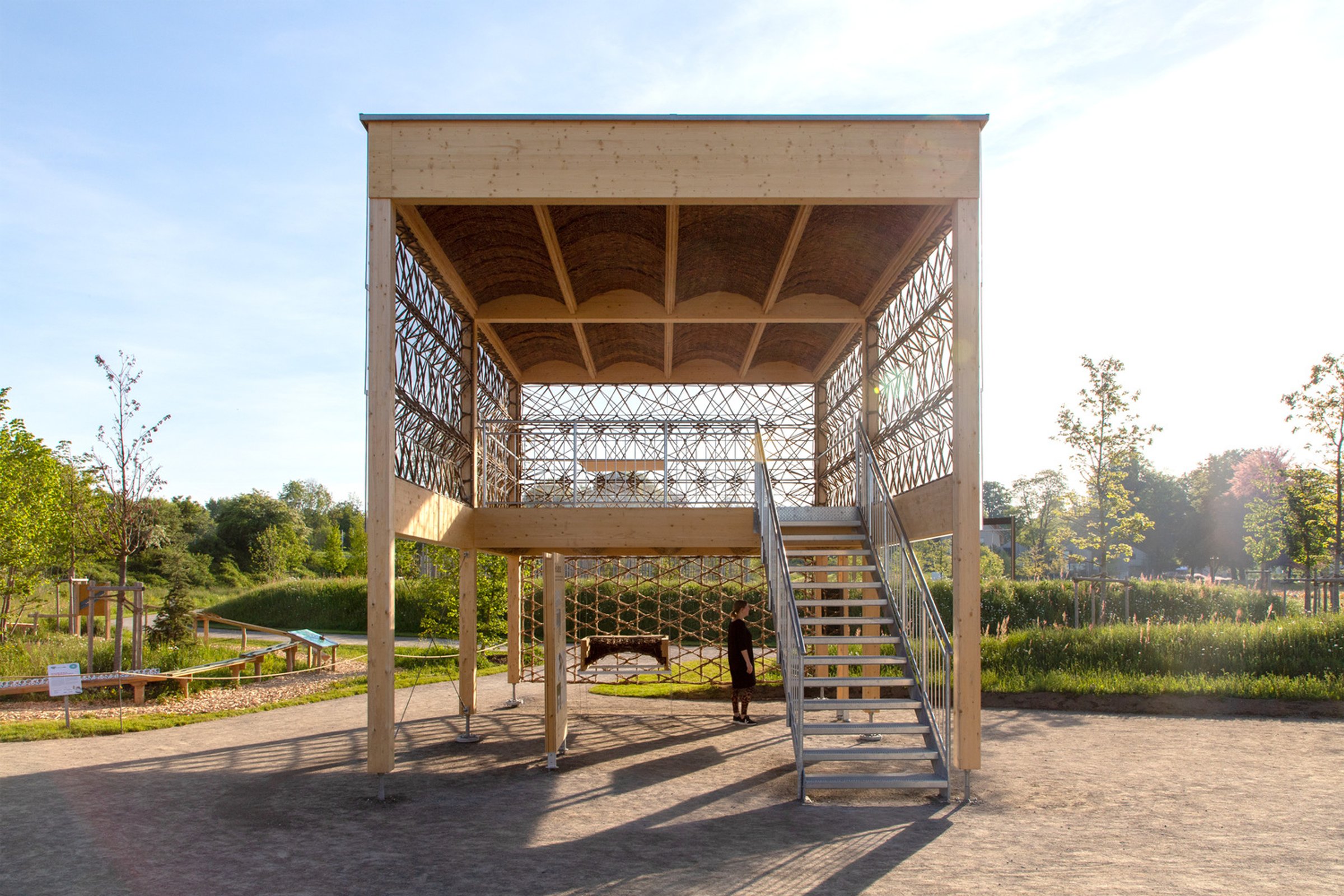
Circular Bio-Economy Architecture in ReSidence Pavilion by KIT and FibR GmbH
ReSidence explores circular bio-economy architecture through a modular pavilion built from willow, earth, flax, and wood using digital tools.


A New Vision for Circular Architecture Using Natural Materials
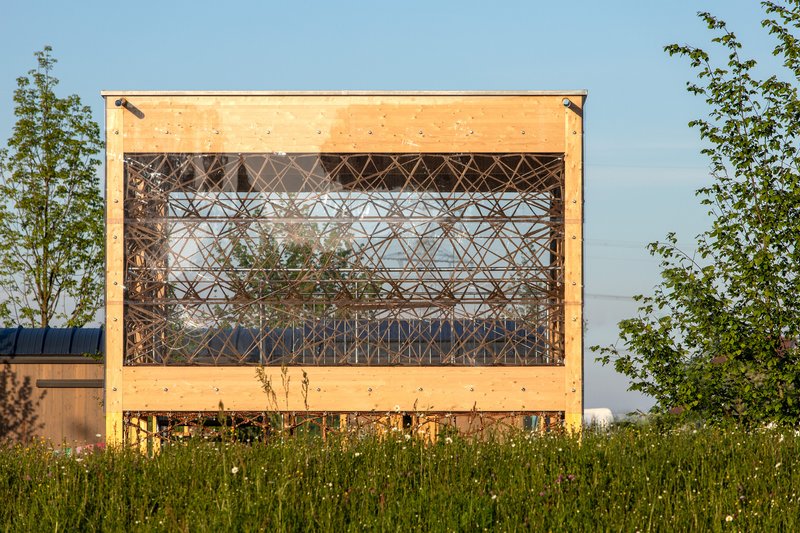
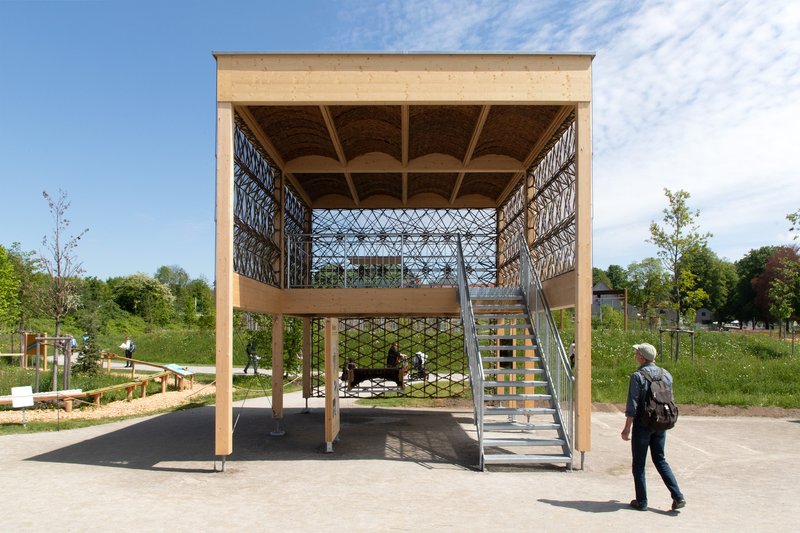
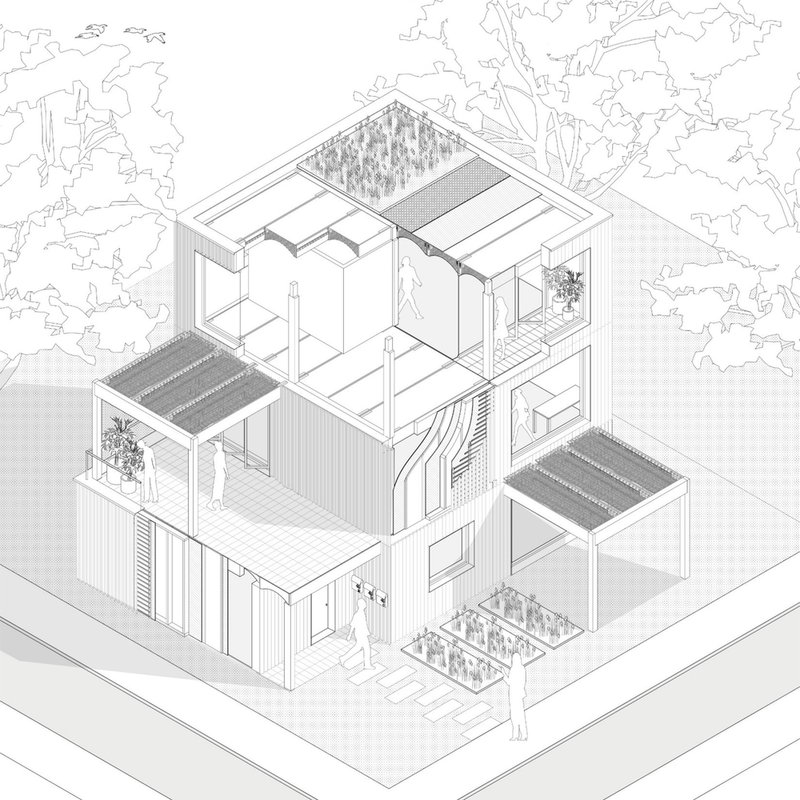
The ReSidence Research Installation by the Karlsruhe Institute of Technology (KIT) and FibR GmbH exemplifies the future of circular bio-economy architecture. Located in Germany, this innovative pavilion is more than just a structure—it is a living experiment in rethinking how we design, fabricate, and reuse architectural materials. Using earth, willow, flax, and wood, the project challenges conventional notions of building systems by proposing a closed-loop, low-impact design rooted in ecological thinking and digital craftsmanship.
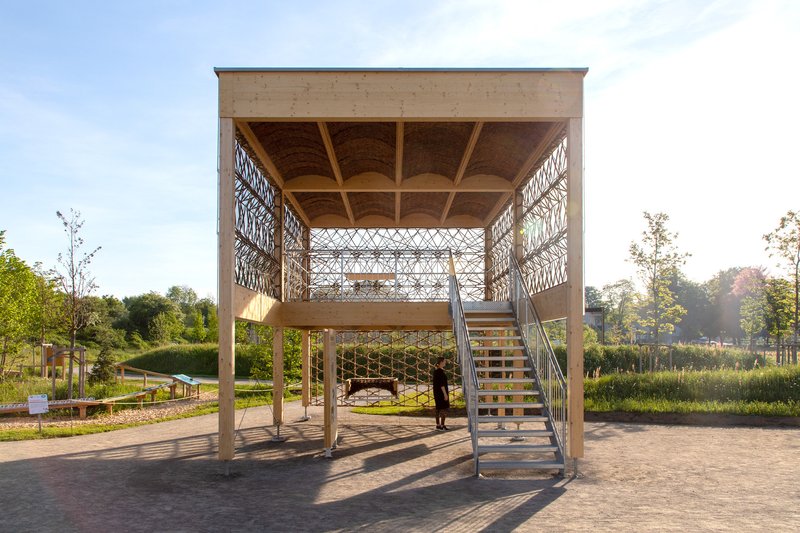
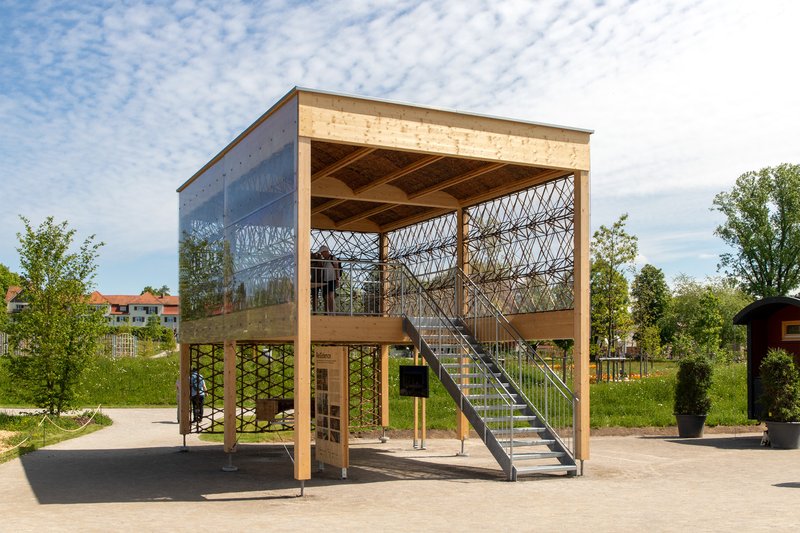
At only 51 square meters, ReSidence stands as a compact, powerful showcase of how material cycles, digital tools, and regional sourcing can intersect to create meaningful, sustainable architecture. Through its modular design and renewable materials, it not only addresses the climate crisis but also offers a replicable model for a sustainable construction future.
Earth, Willow, Flax, and Wood: Rethinking the Material Palette
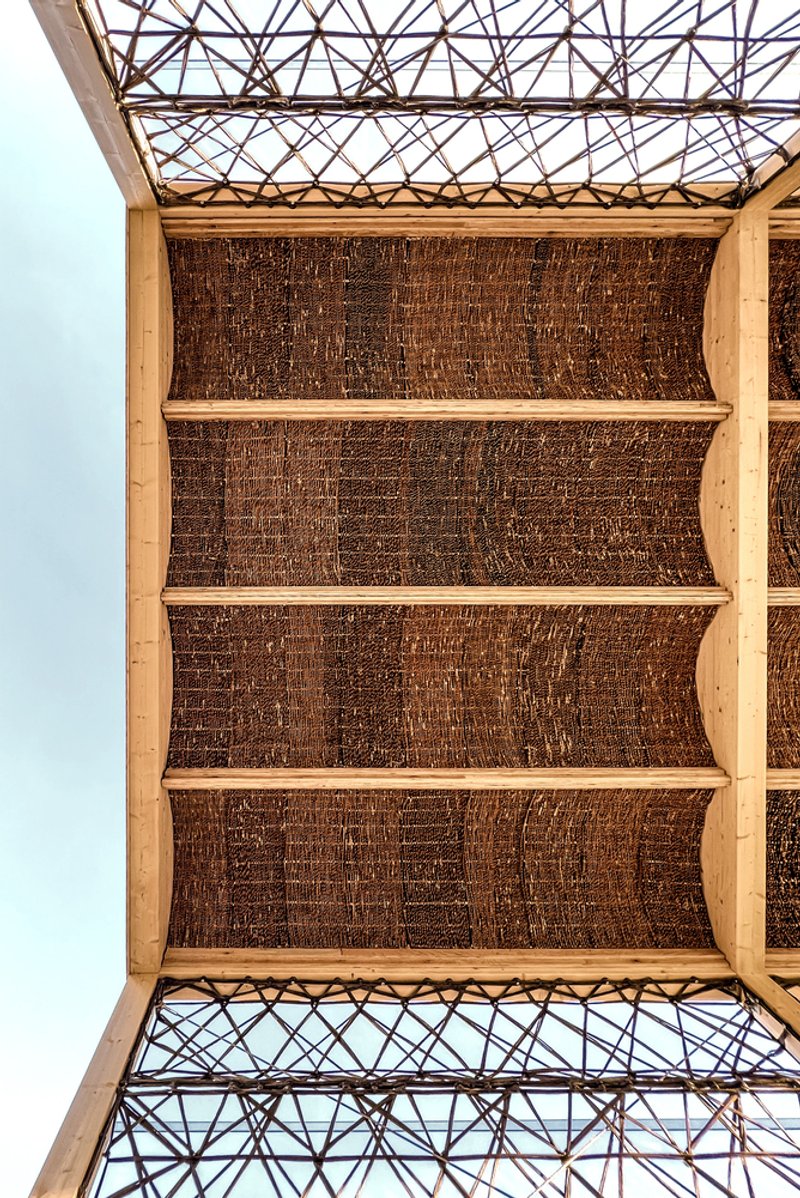
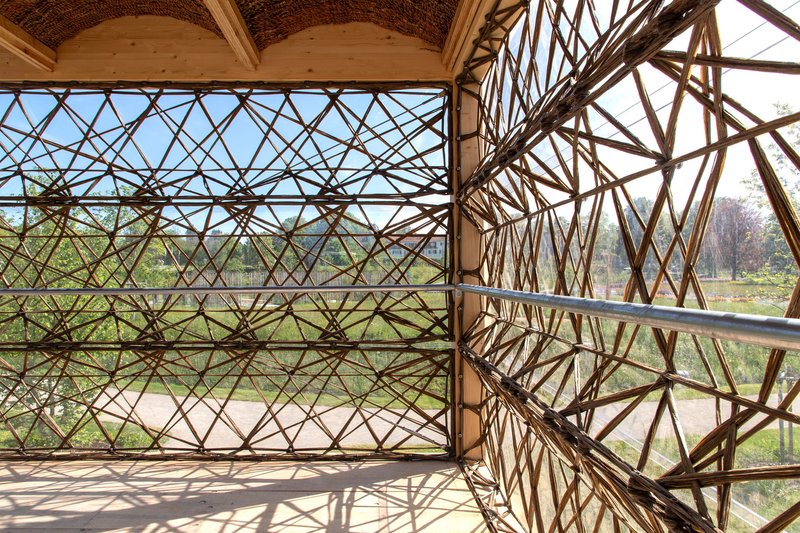
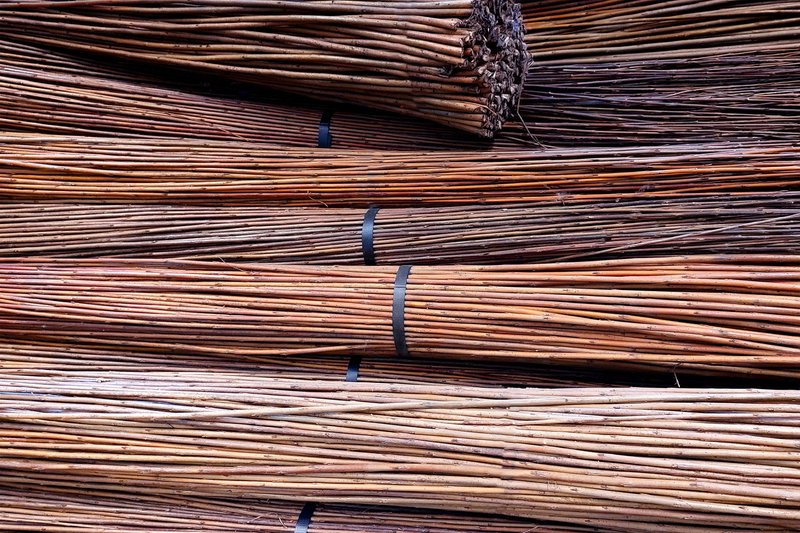
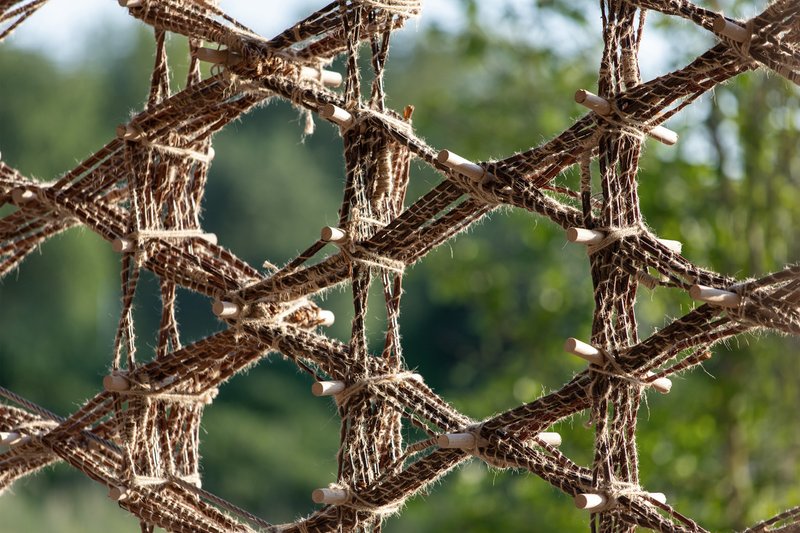
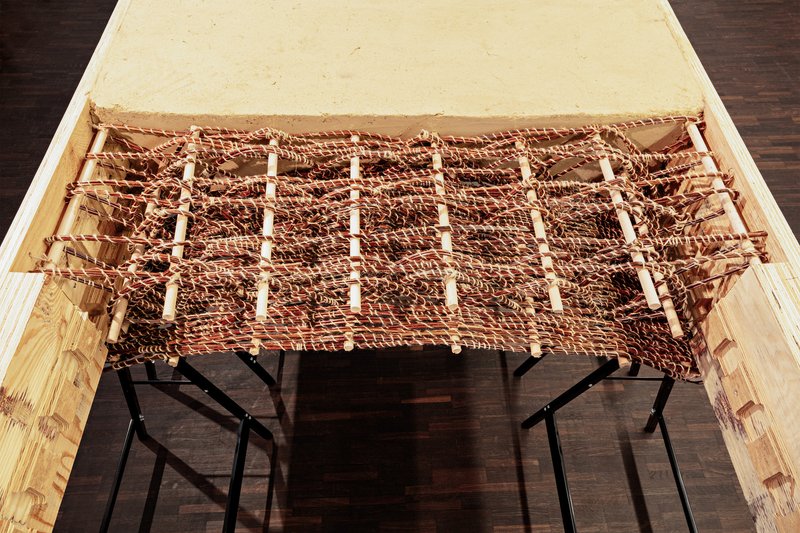
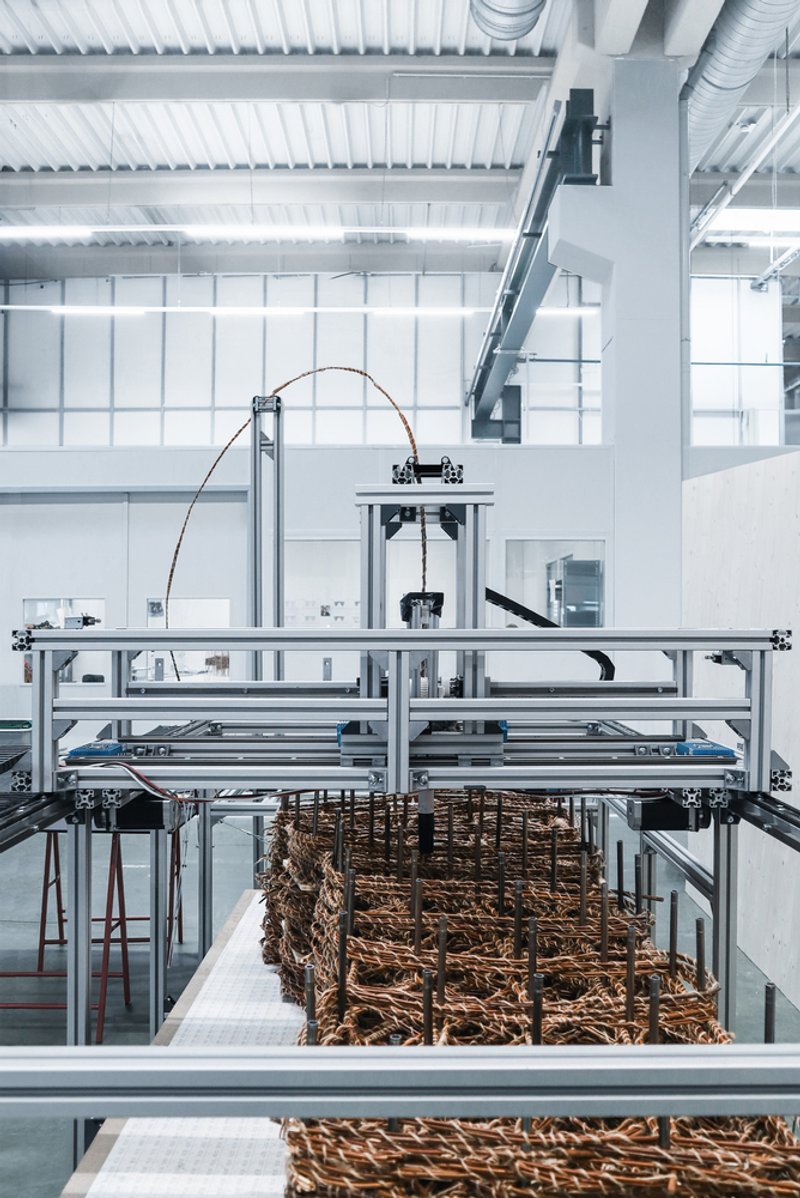
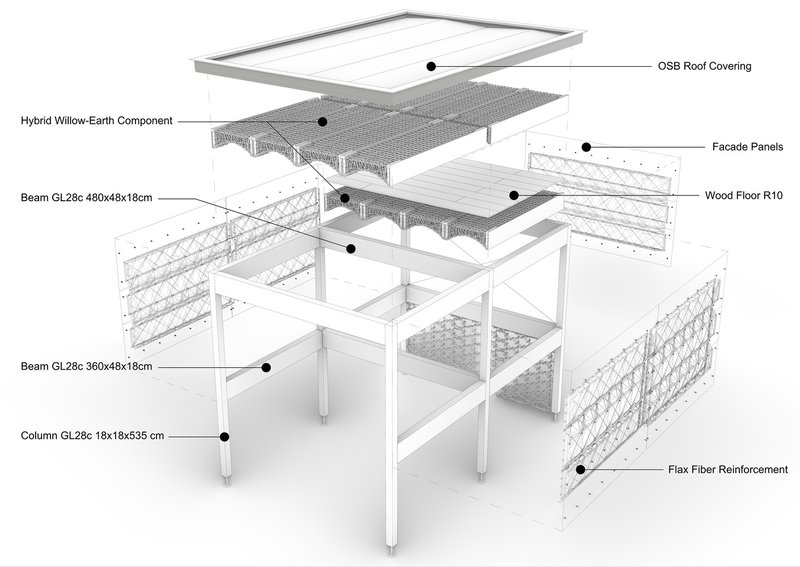
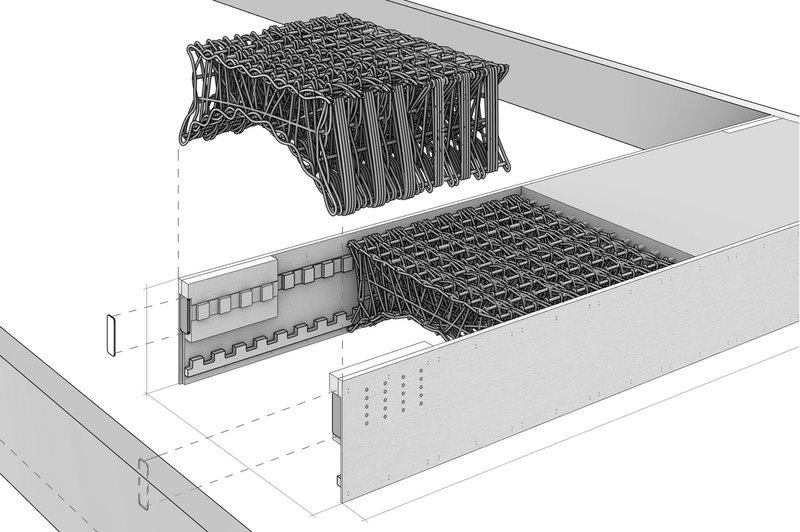
ReSidence introduces a hybrid material system that blends ancient techniques with cutting-edge design thinking. Drawing inspiration from traditional half-timbered structures, where earth and willow were used as infill, the installation reinvents these materials for contemporary use. Willow is used for its tensile strength, arranged into spatial rebar-like forms that mimic steel reinforcement but at a fraction of the carbon footprint. Earth is used in compression, stabilizing the modules with a solidity comparable to concrete yet completely natural and biodegradable.
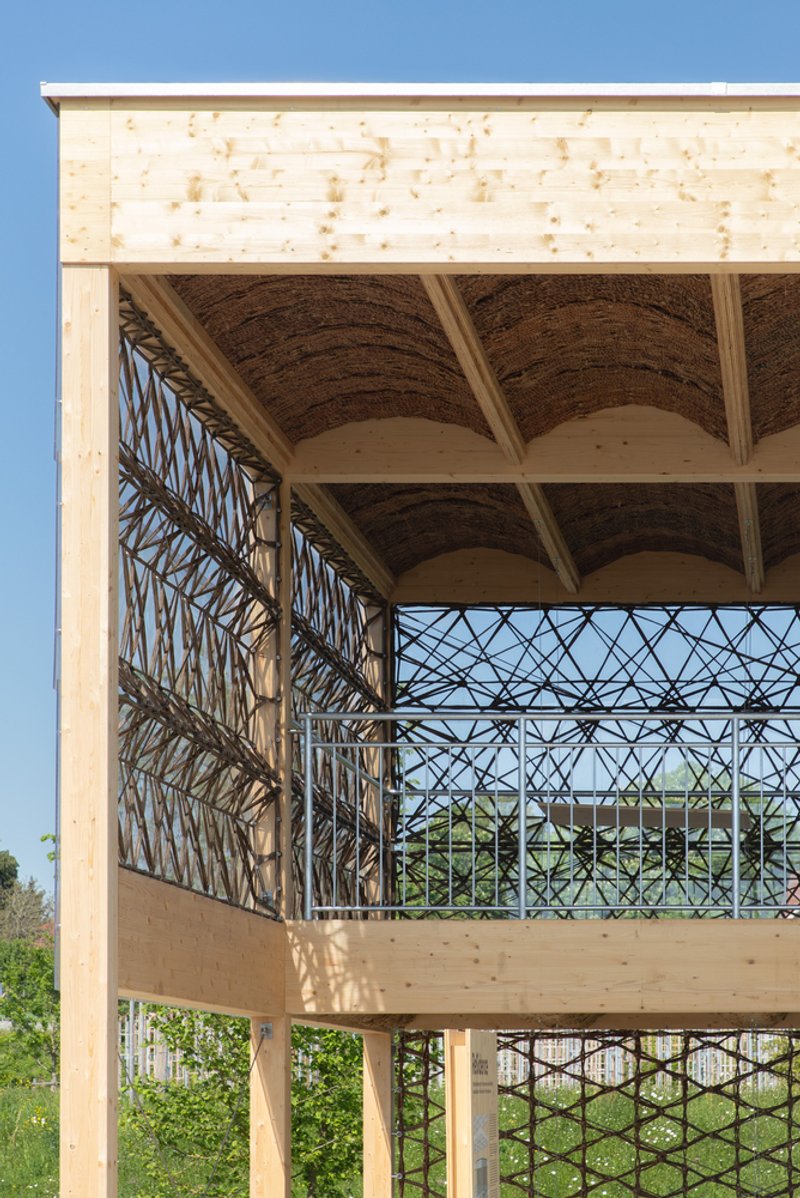
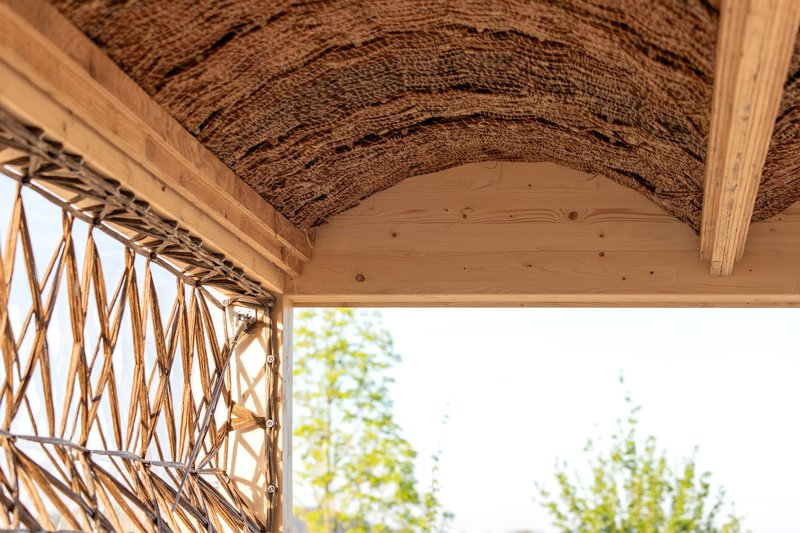
Complementing these are timber and flax fiber composites that bring strength and visual softness to the overall structure. Each material was selected not only for its structural contribution but for its environmental performance—local origin, renewability, and compatibility with a circular economy. The result is a set of components that can be dismantled, reused, or reintegrated into nature, without waste.
Modular Construction in Service of a Closed Material Loop
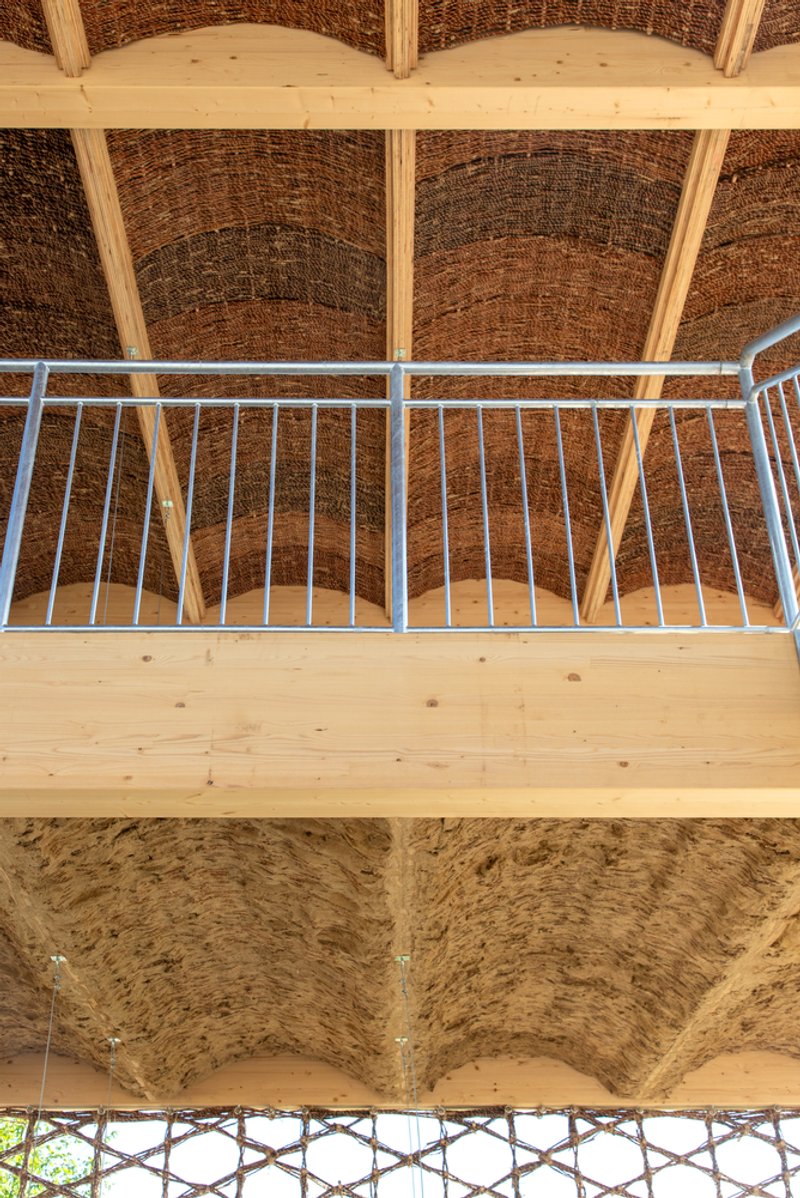
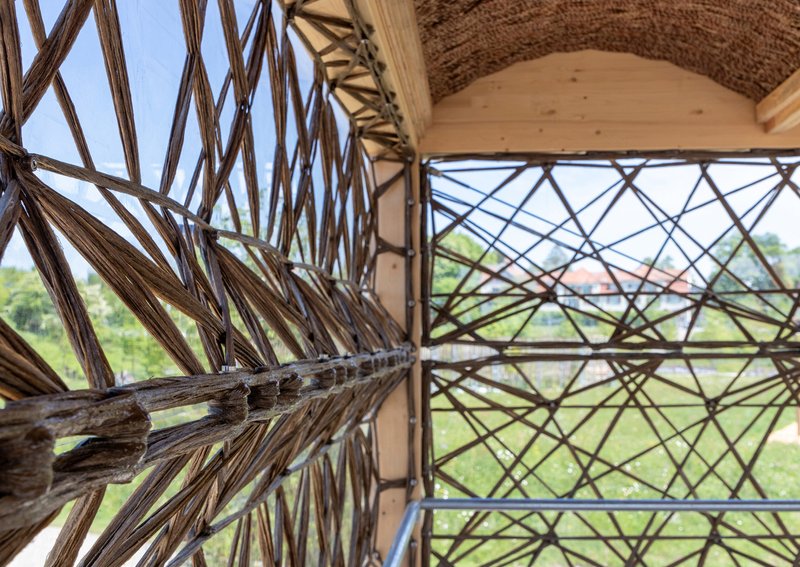
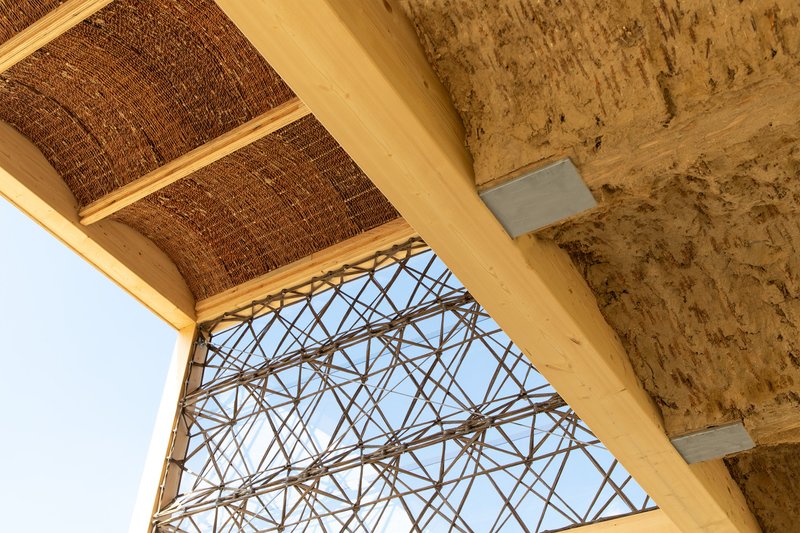
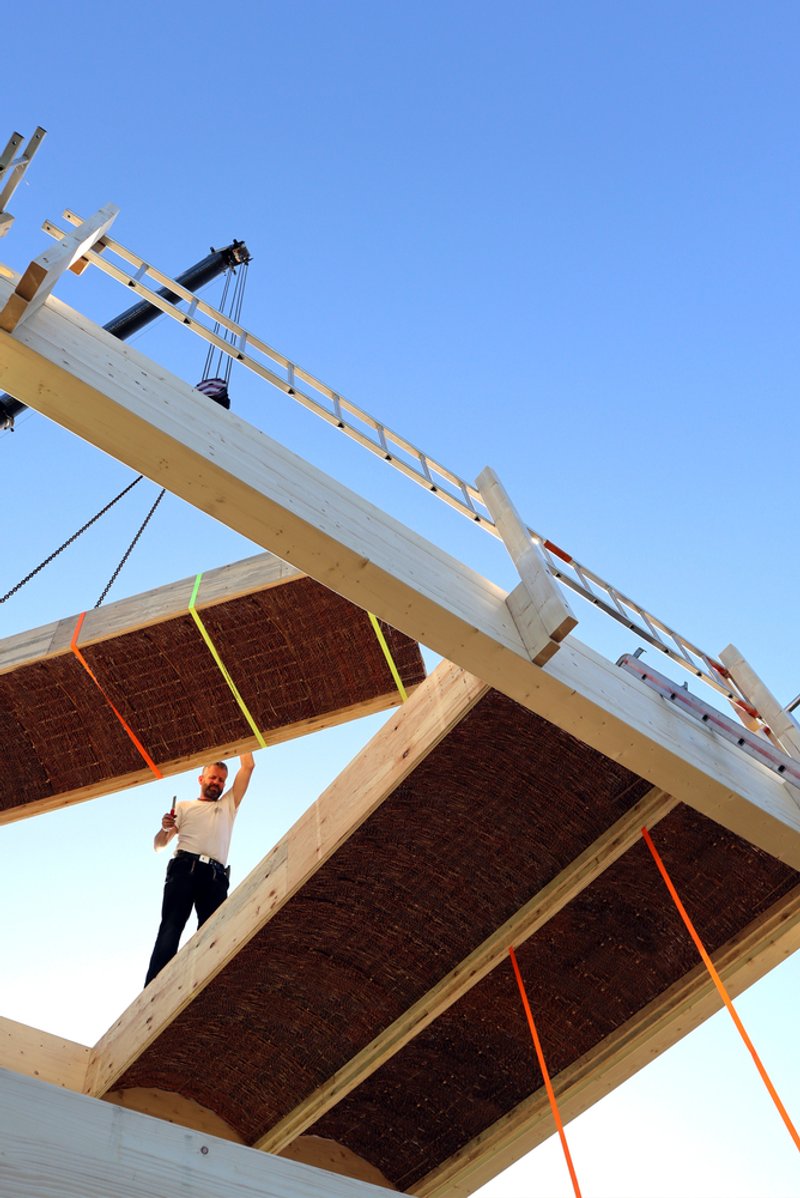
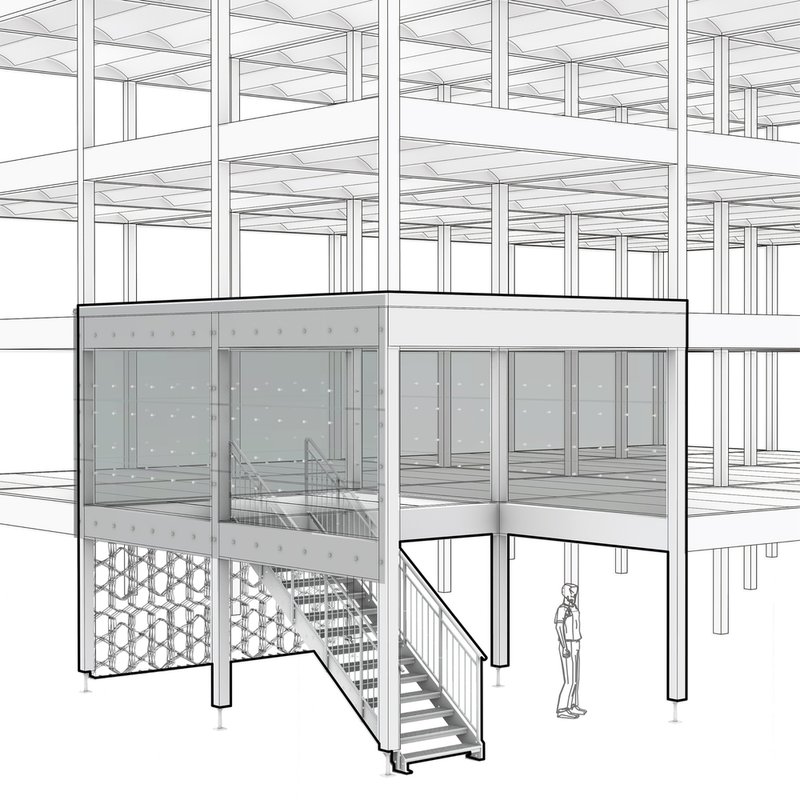
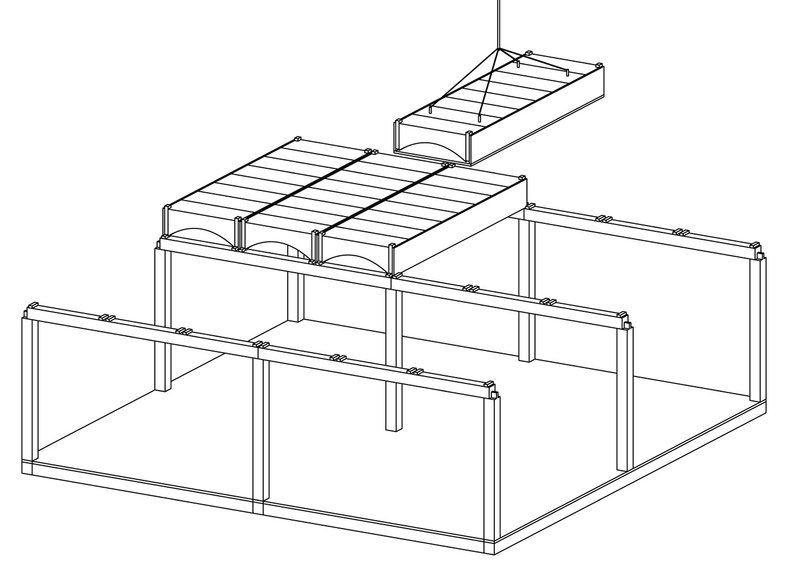
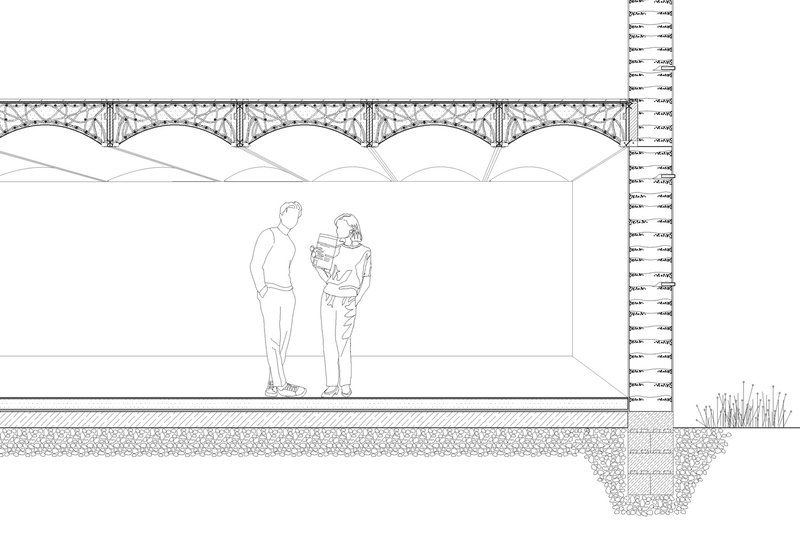
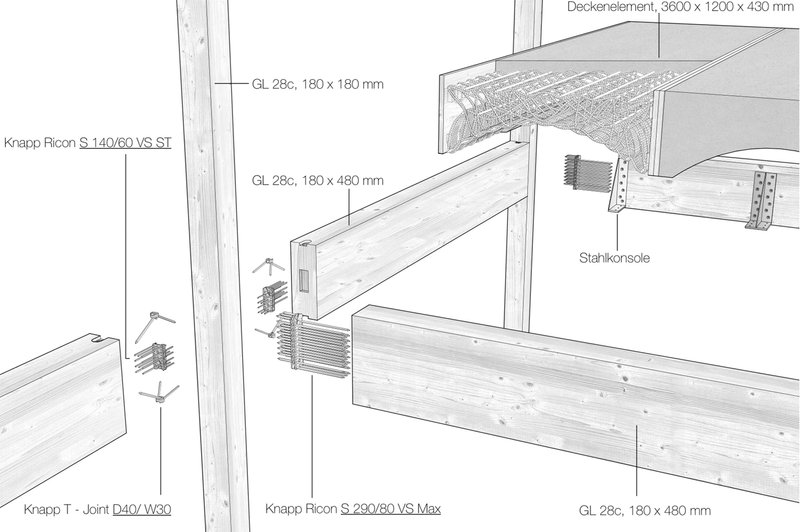
Central to the ReSidence project is its modular architecture, built from hybrid wall and ceiling elements measuring 3.6 x 1.2 meters. These modules slot neatly into a timber frame, forming both structure and envelope. The ceiling slabs enhance structural performance while providing visual rhythm, and the façade system made of flax fiber composites bridges the primary framework with point-supported cladding.
What sets this system apart is its complete deconstructability. Every part can be removed without demolition, enabling full reuse of materials. This design strategy realizes the ideals of a circular bio-economy, allowing materials to move across building cycles without generating waste or requiring energy-intensive recycling.
Digital Fabrication for Sustainable Innovation
Digital construction technologies play a foundational role in the success of ReSidence. From conceptual design to structural testing and material simulation, every phase was guided by digital tools. This not only ensured precision in building complex, curved, and hybrid elements but also reduced the resource demands typically associated with traditional fabrication.
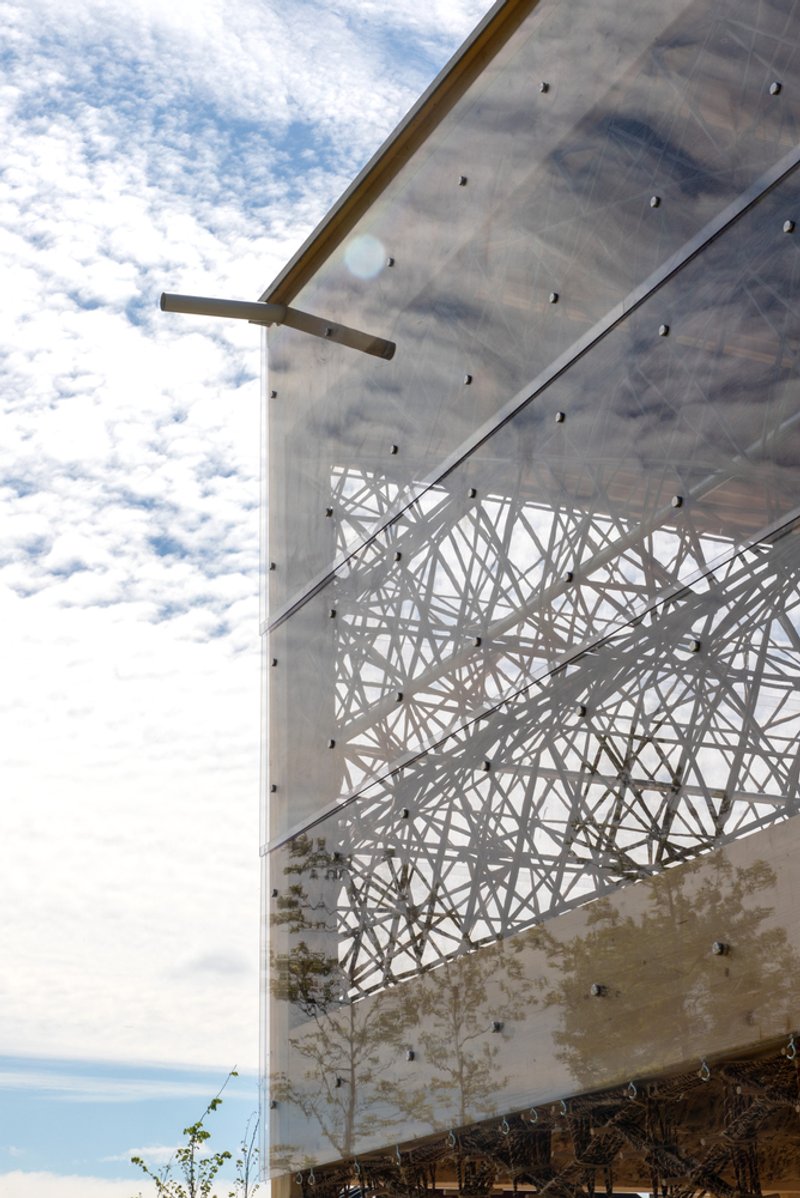
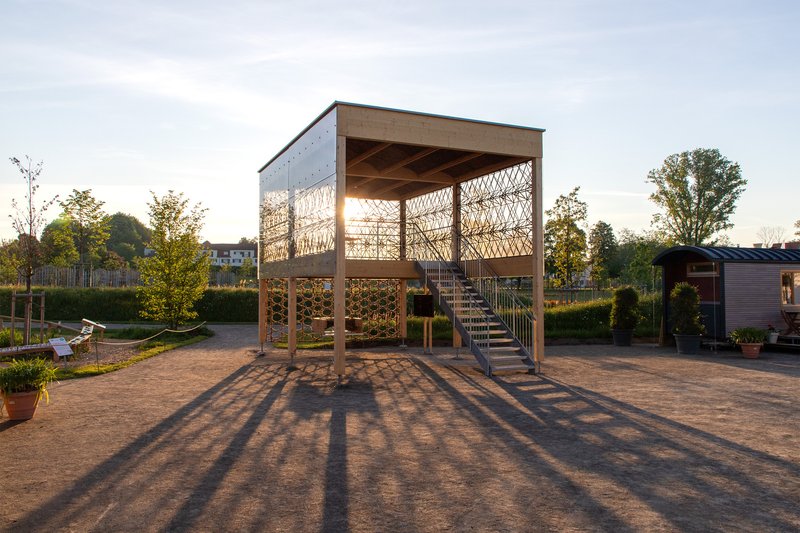
The marriage of digital innovation with natural materials enabled the team to explore new architectural languages—ones that emerge directly from material behavior and ecological logic. The visible textures of willow, earth, and flax become a poetic expression of both form and function, showcasing how sustainable design can be both performative and beautiful.
Supporting a Regional Circular Bio-Economy
ReSidence takes a bold step toward local material sourcing and regional economic integration. The willow used in the structure is cultivated on rewetted moorlands, a practice that not only regenerates peatlands—a crucial carbon sink—but also aligns agricultural productivity with ecological restoration. Flax, earth, and timber are similarly regionally sourced, ensuring that the project supports a low-emission, high-value supply chain rooted in place.
This hyperlocal approach redefines architectural sustainability, shifting focus from globalized material flows to locally closed ecosystems. The project serves as a model for how design can catalyze environmental, economic, and cultural resilience in the built environment.
Towards a Sustainable Architectural Future
ReSidence by KIT and FibR GmbH is not merely a research project—it is a manifesto for circular bio-economy architecture. Through its use of renewable materials, modular design, and digital precision, it reimagines how buildings are conceived, built, and returned to the earth. In doing so, it offers architects, researchers, and policymakers a replicable strategy for transforming construction practices into systems that heal rather than harm.
This installation marks a shift away from extractive architecture toward a regenerative future—where building becomes a restorative act within local ecological cycles.
All Photographs are works of DDF_KIT