

Circular Pavilion by Fabian A. Wagner and Hochschule Kaiserslautern: A Model of Reuse-Driven Circular Pavilion Design
A circular pavilion in Stuttgart designed from reused components demonstrates sustainable, modular architecture with educational and civic impact.


Adaptive Architecture in Stuttgart’s Akademiegarten
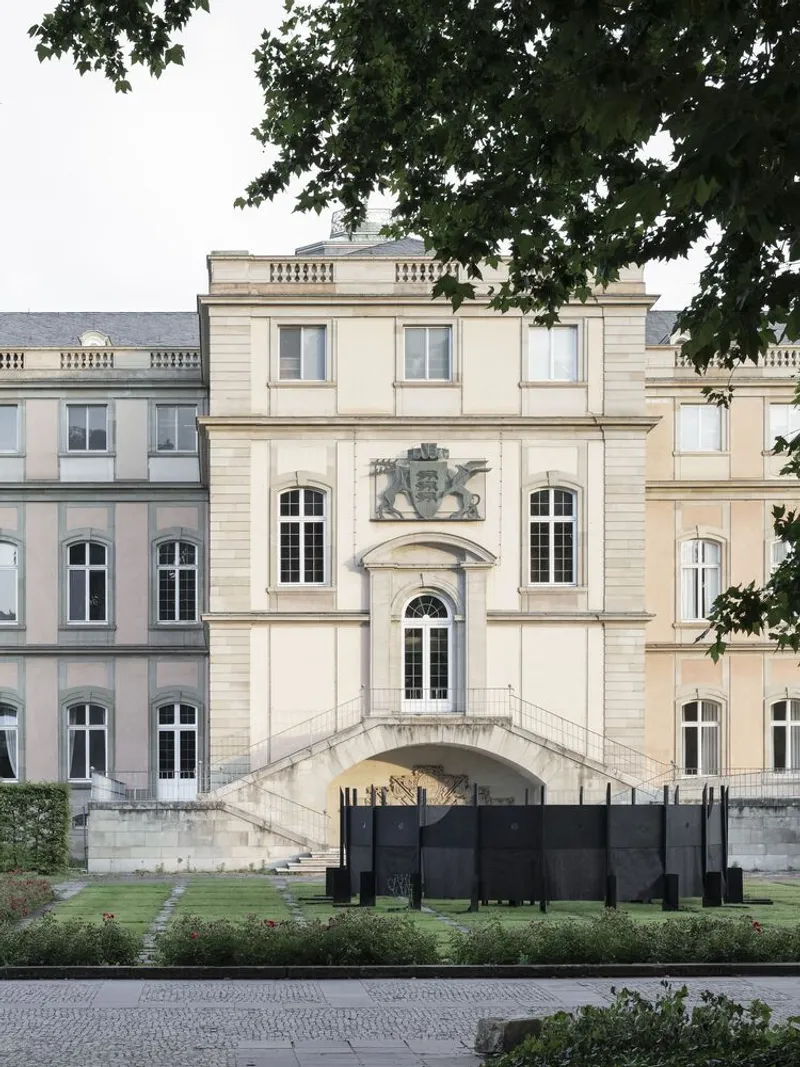
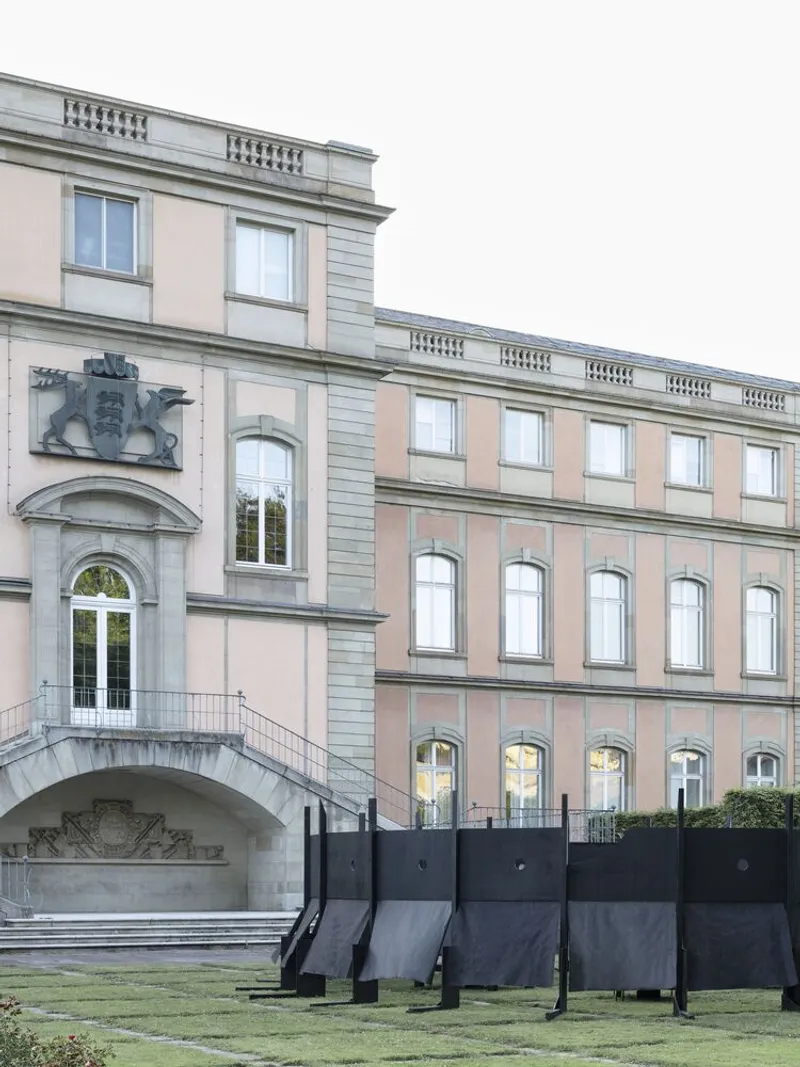
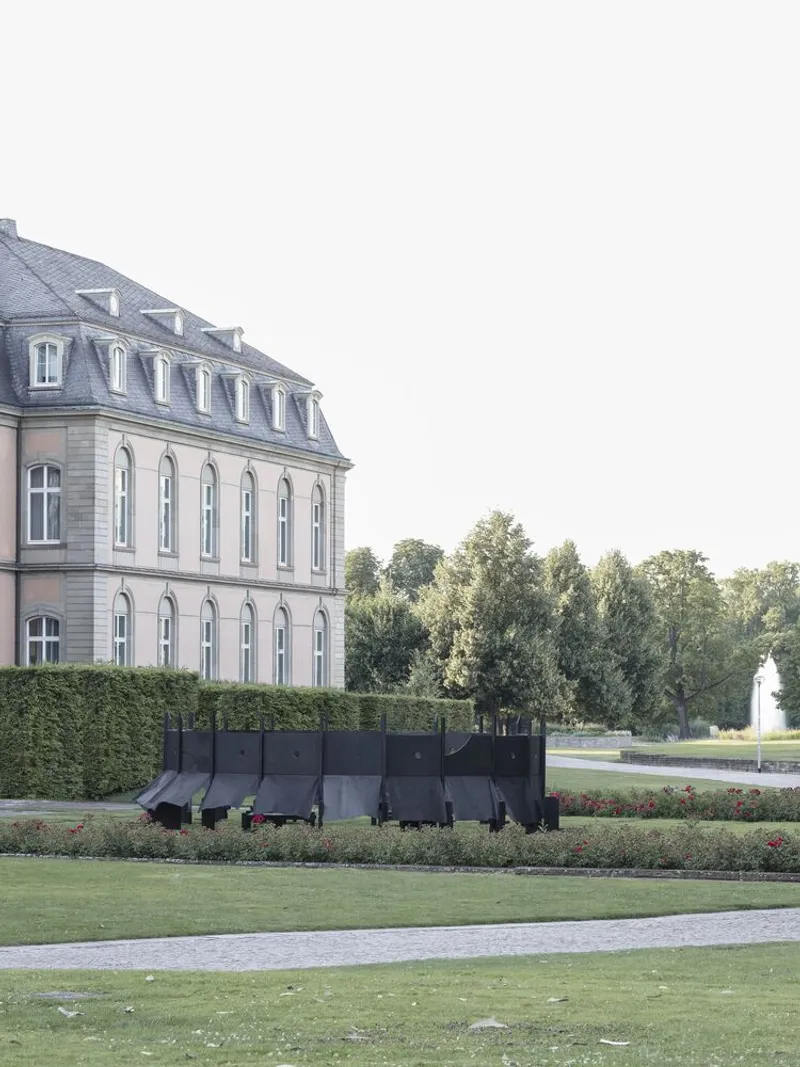
Set in front of Stuttgart’s historic New Palace, the Circular Pavilion designed by Fabian A. Wagner, Louise Daussy, and students of Hochschule Kaiserslautern University of Applied Sciences reimagines pavilion design through a circular and sustainable lens. Conceived as part of a design-build initiative, this structure showcases a new paradigm in temporary public architecture—one centered on reuse, modularity, and environmental sensitivity.
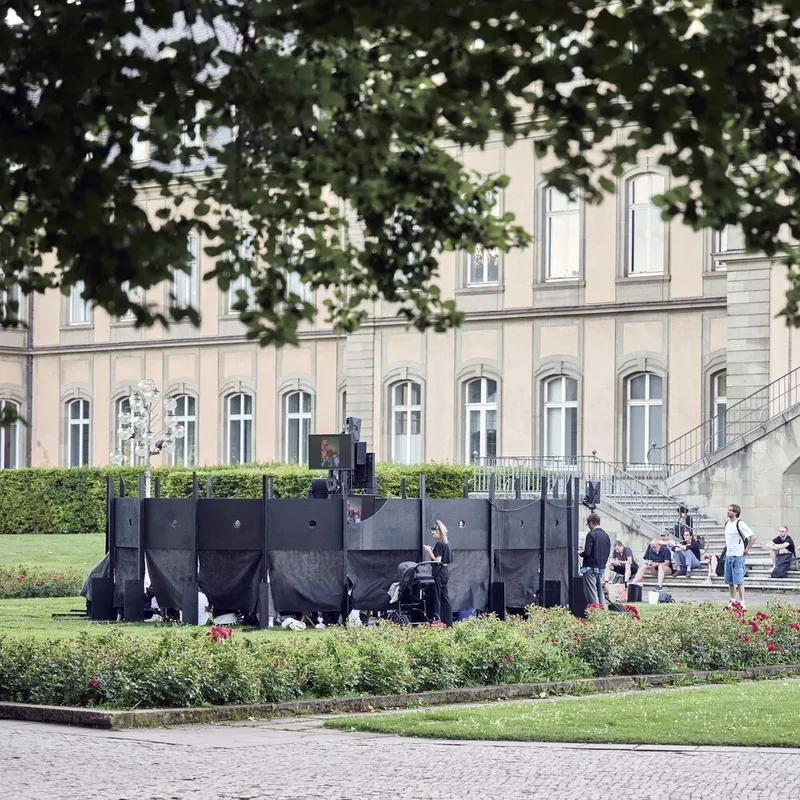
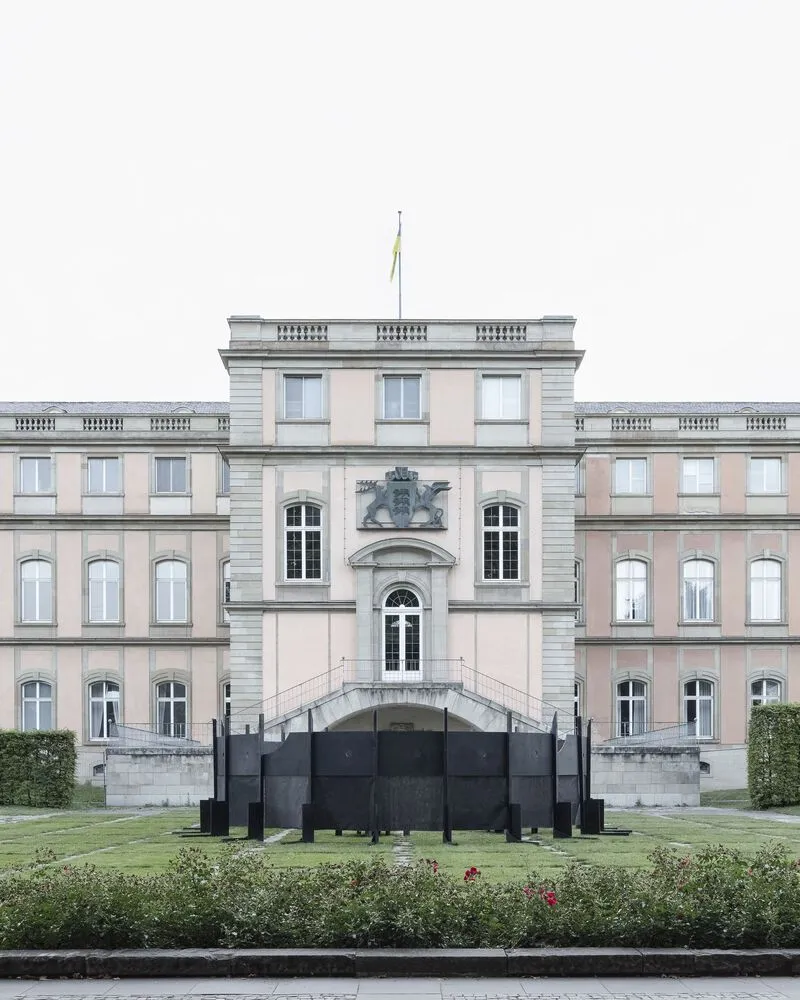
This circular pavilion design with reused materials exemplifies how educational projects can foster innovation in sustainable construction while activating public space. Designed for the Summer of the Arts and used for events by the BDA (Association of German Architects), the pavilion transformed a portion of the Akademiegarten into a participatory venue for exchange, contemplation, and interaction.
From Black Pavilion to Circular Pavilion: A Strategy of Reuse
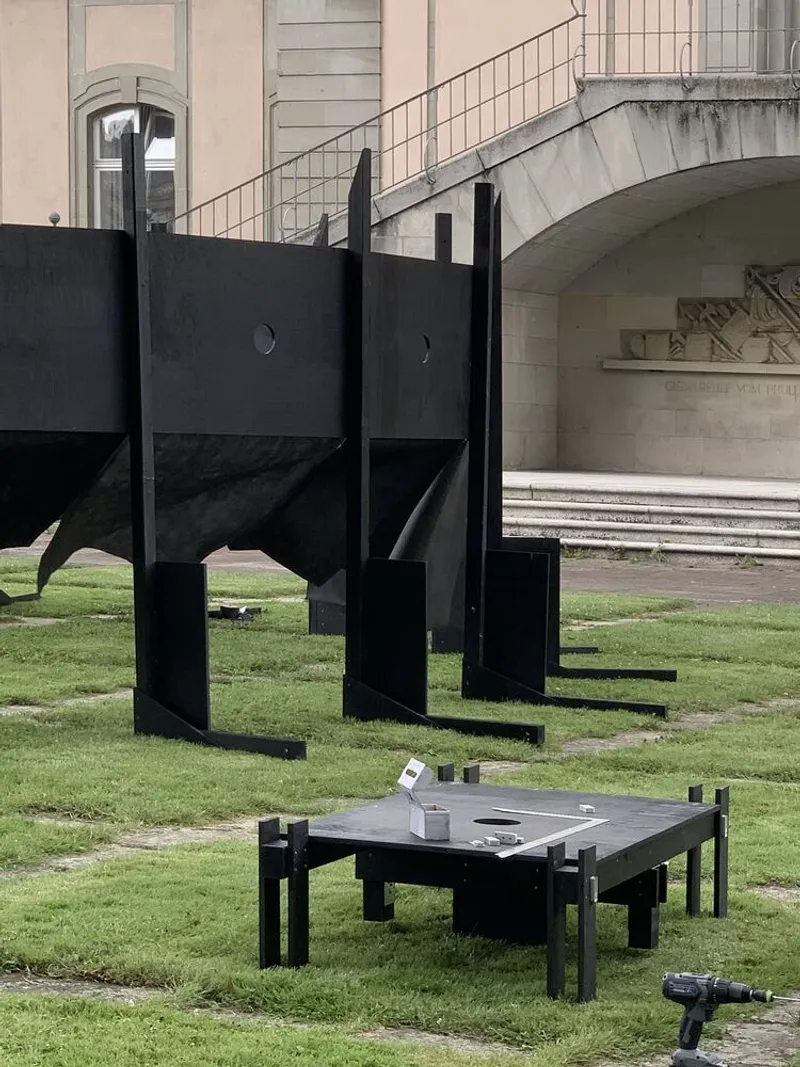
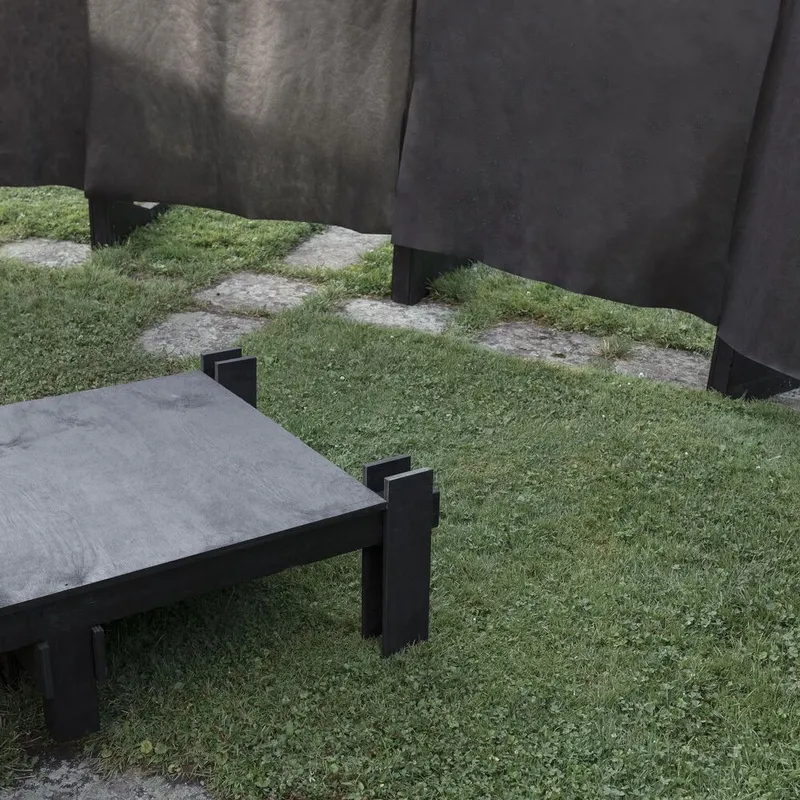
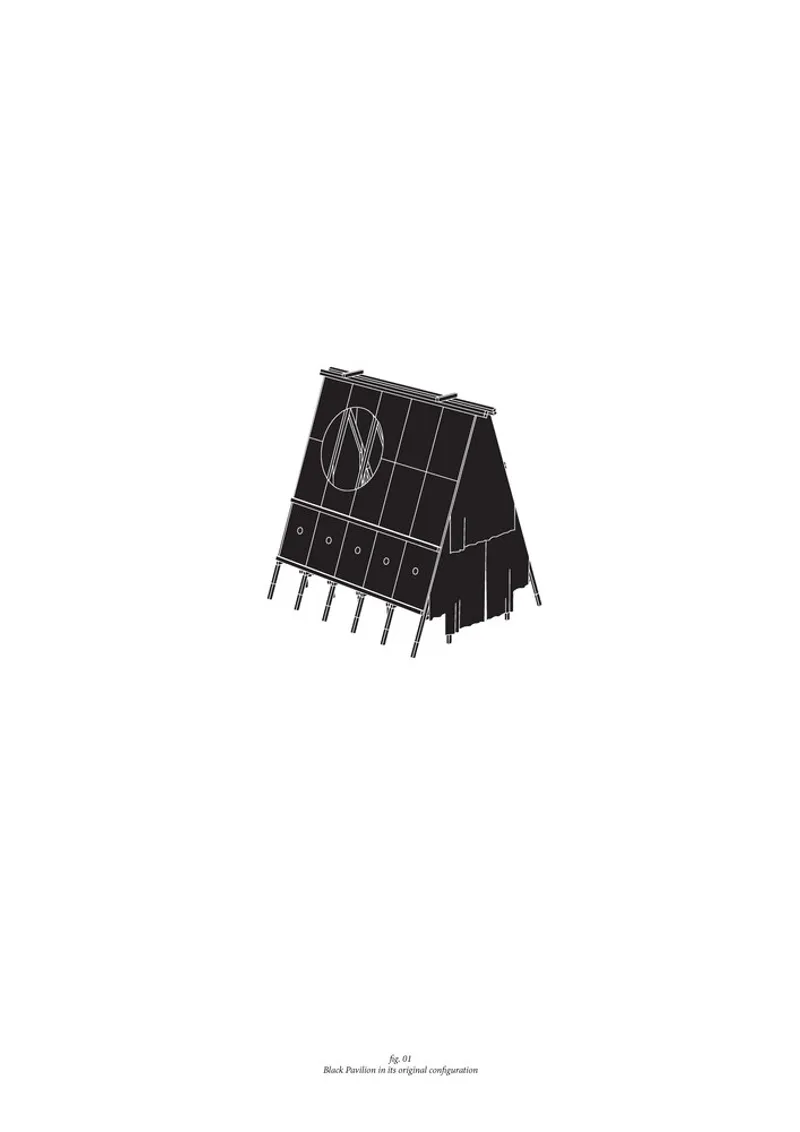
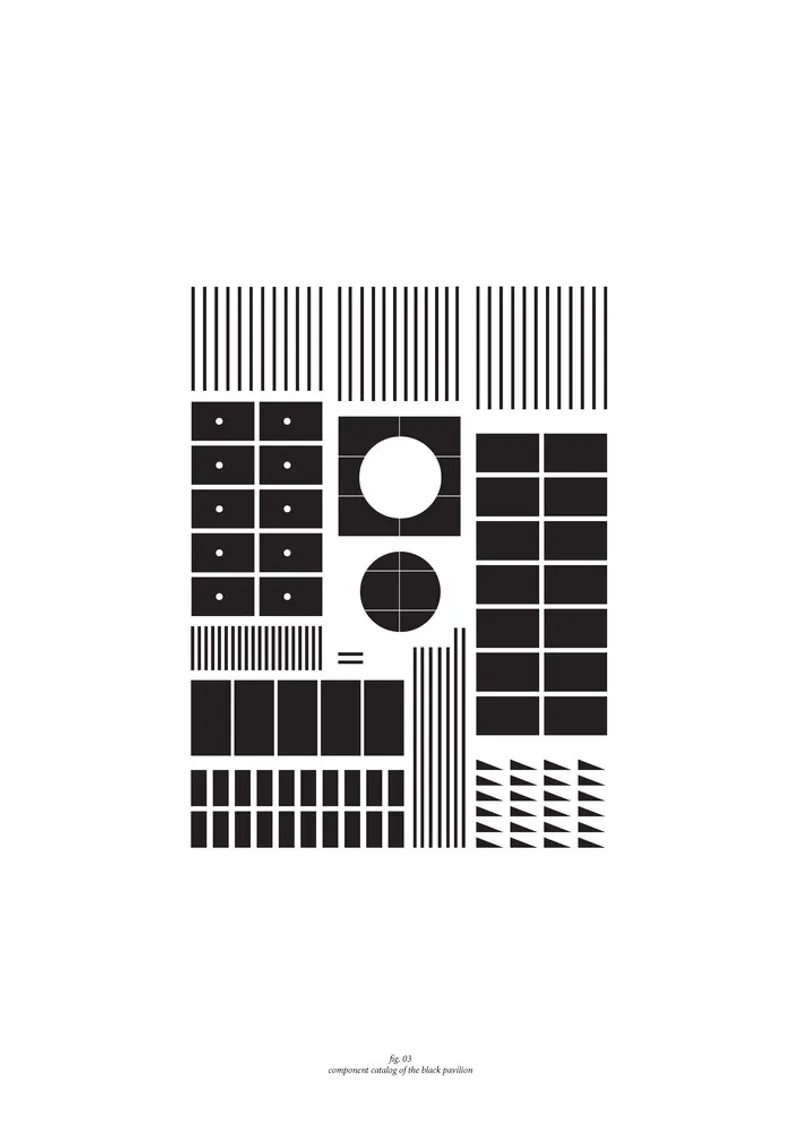
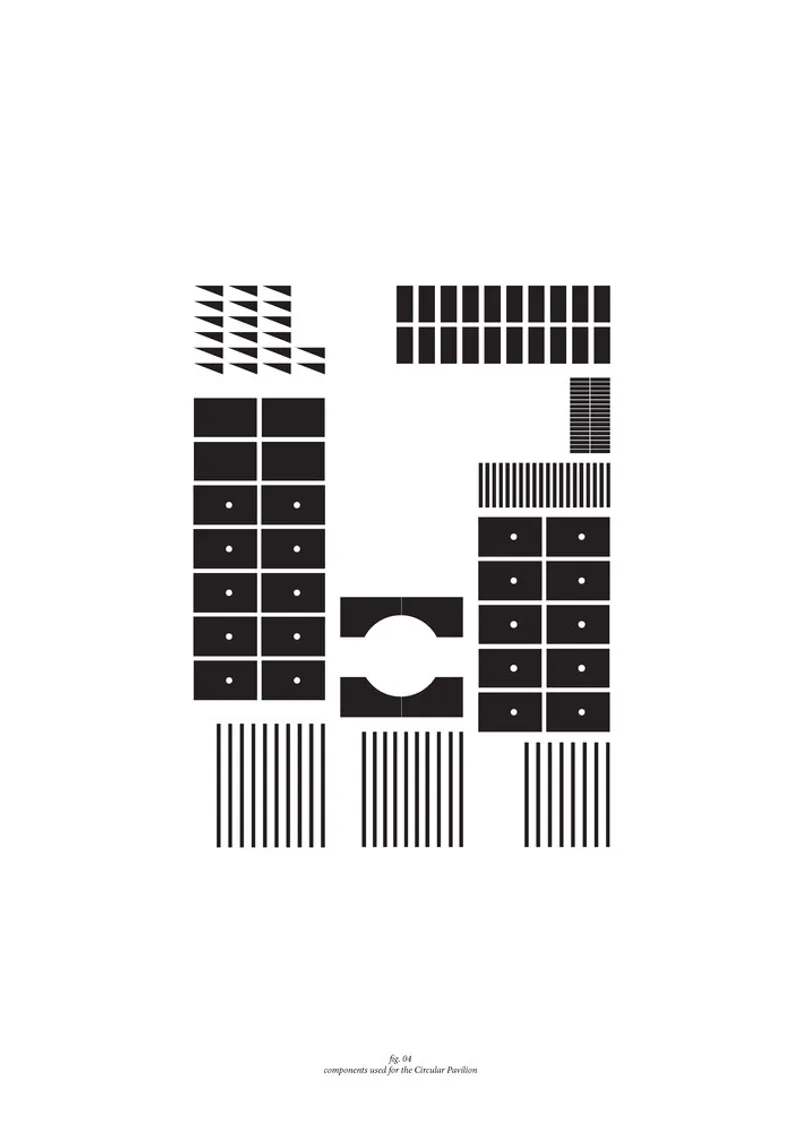
The project reappropriates components from the Black Pavilion in Villa Massimo, Rome. Thanks to the modularity and standardized joints of the original pavilion, students repurposed the panels and squared timbers without altering their dimensions. This commitment to non-destructive reuse ensured that every component retained its integrity, embodying the principles of circular construction and minimizing environmental impact.
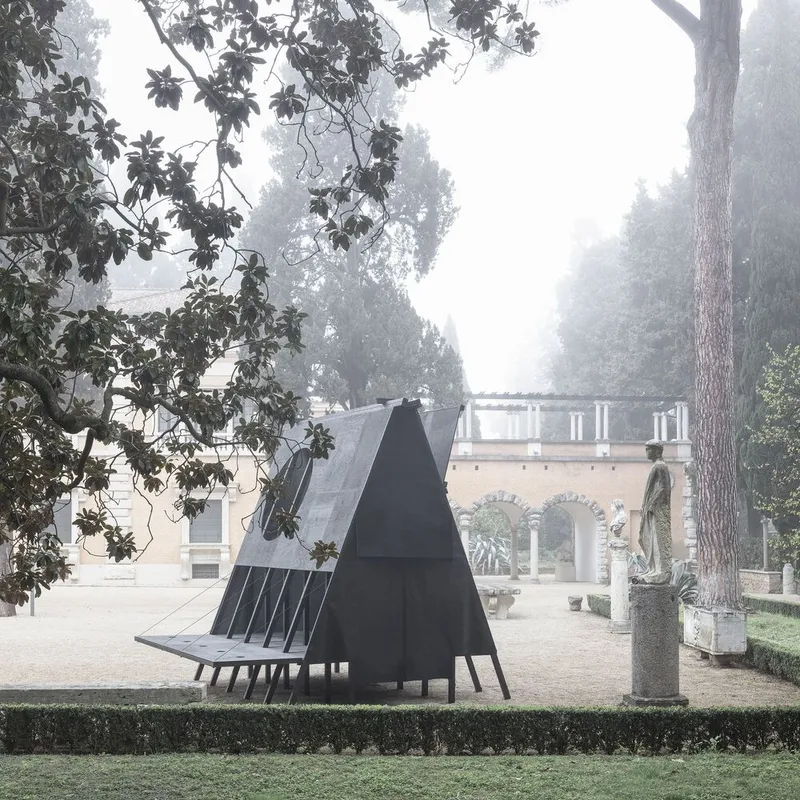

By reversing the conventional design process—designing a new structure from old materials—the team created a space that not only honors resource conservation but also underscores the importance of creative adaptation in architectural education. All components were joined using screw and wooden nail plate connections, allowing for full disassembly and reuse in future applications.
Geometry, Spatial Atmosphere, and Contextual Integration
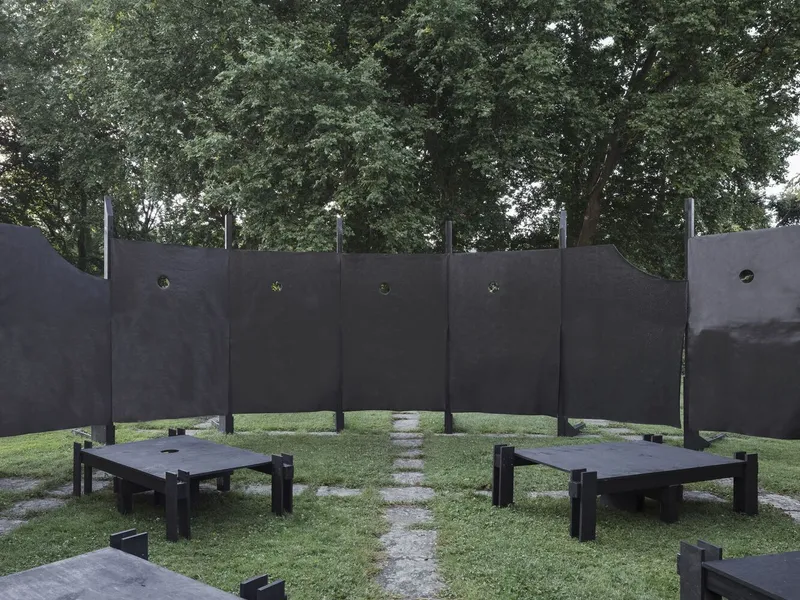
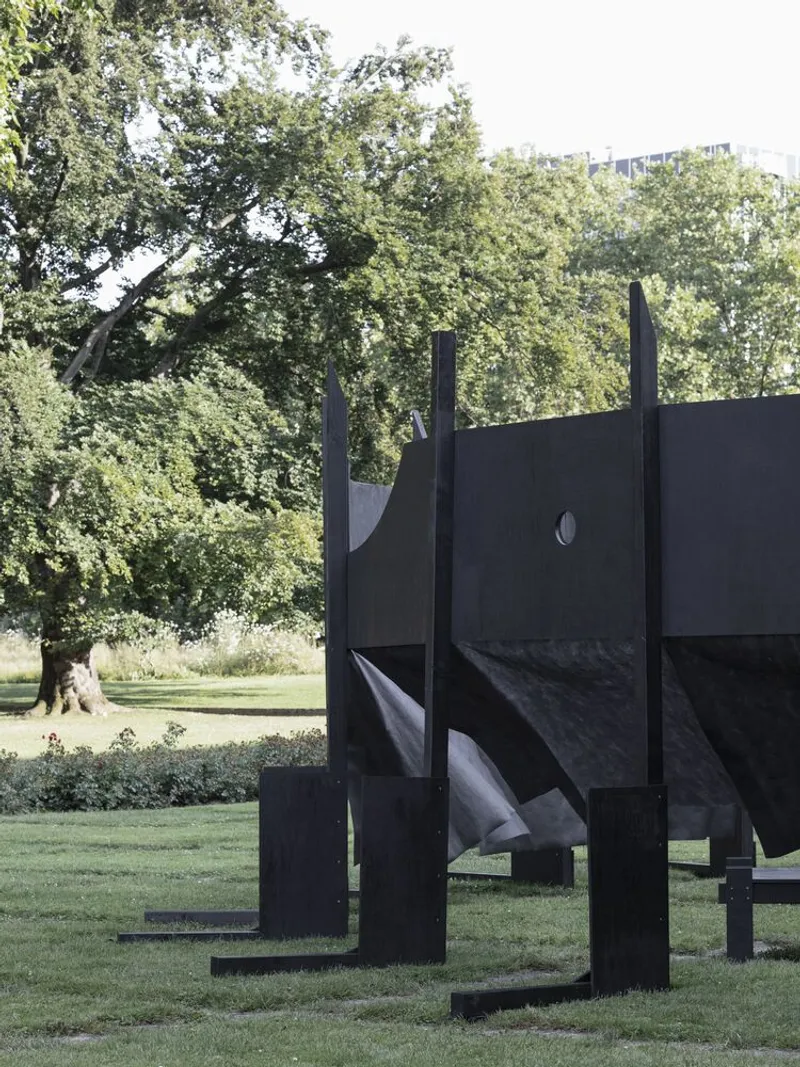
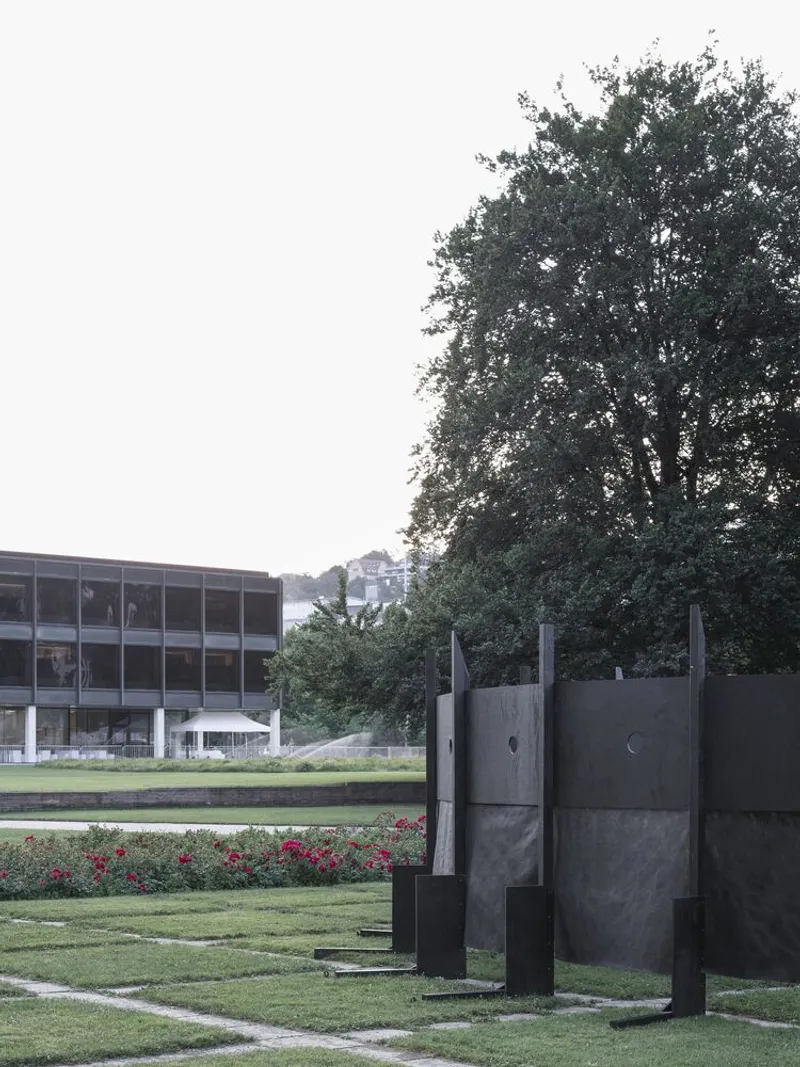
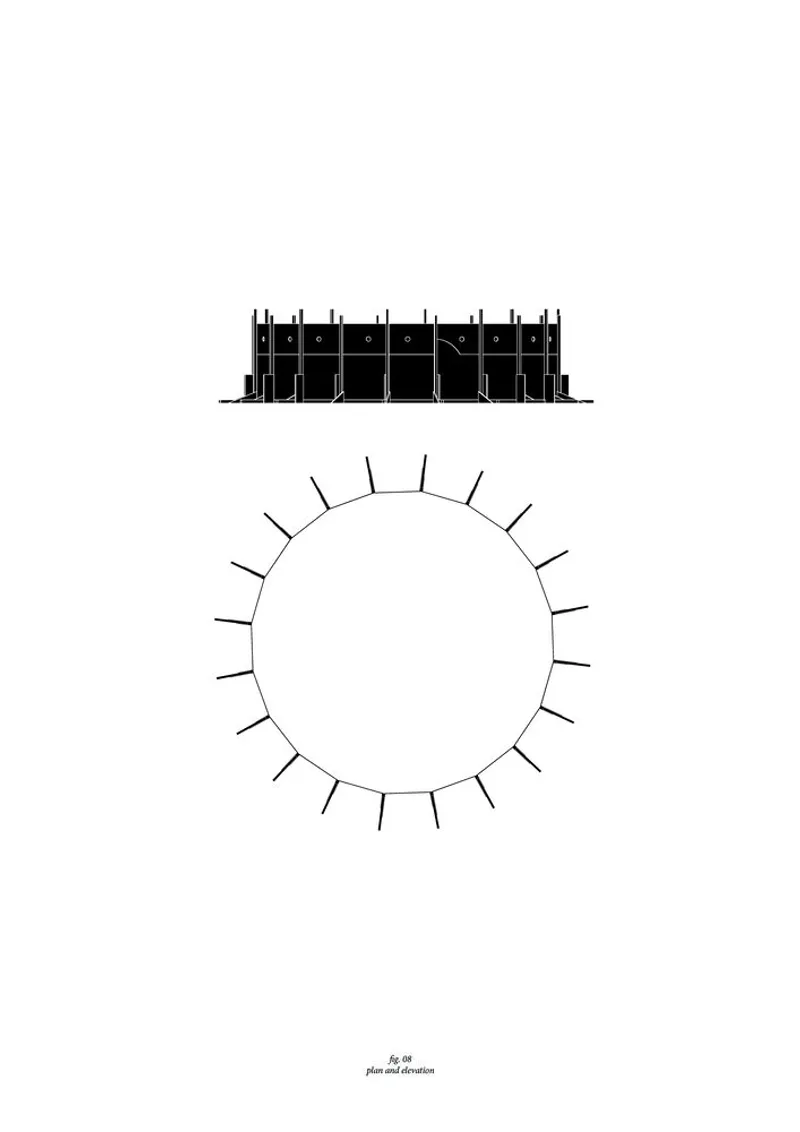
The pavilion adopts the geometry of a perfect circle, harmonizing with the symmetrical formalism of the surrounding Baroque palace complex. At eight meters in diameter, the pavilion offers an intimate yet open setting capable of accommodating up to 30 people.
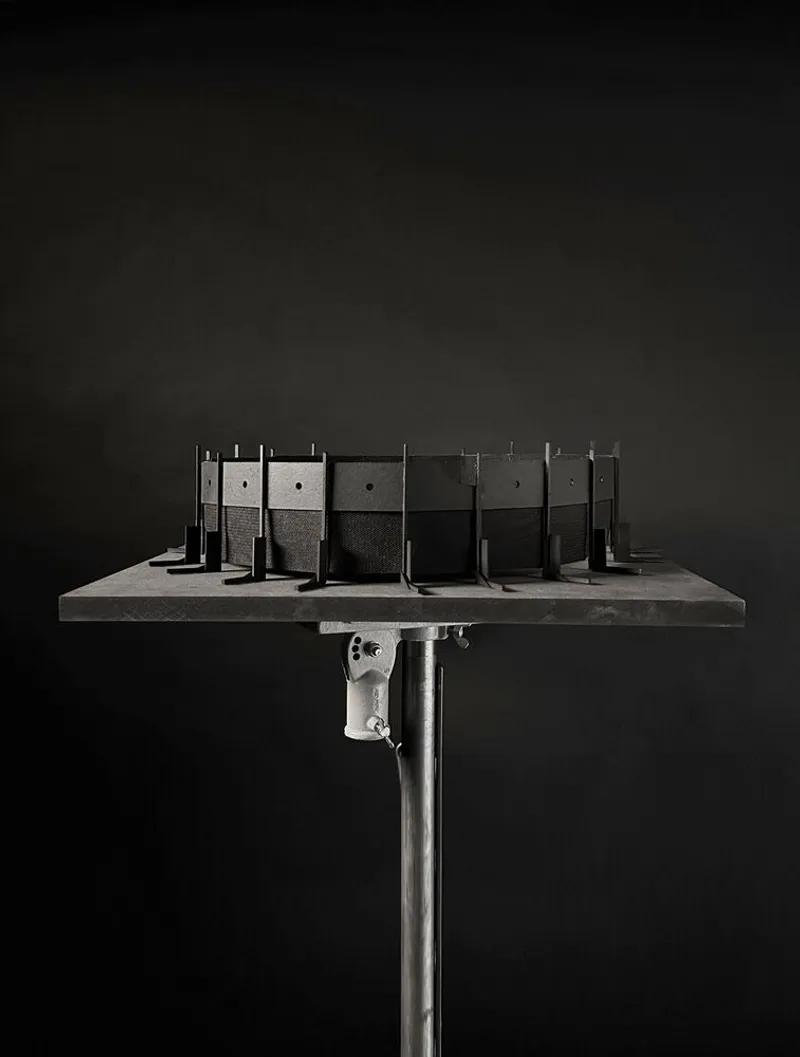
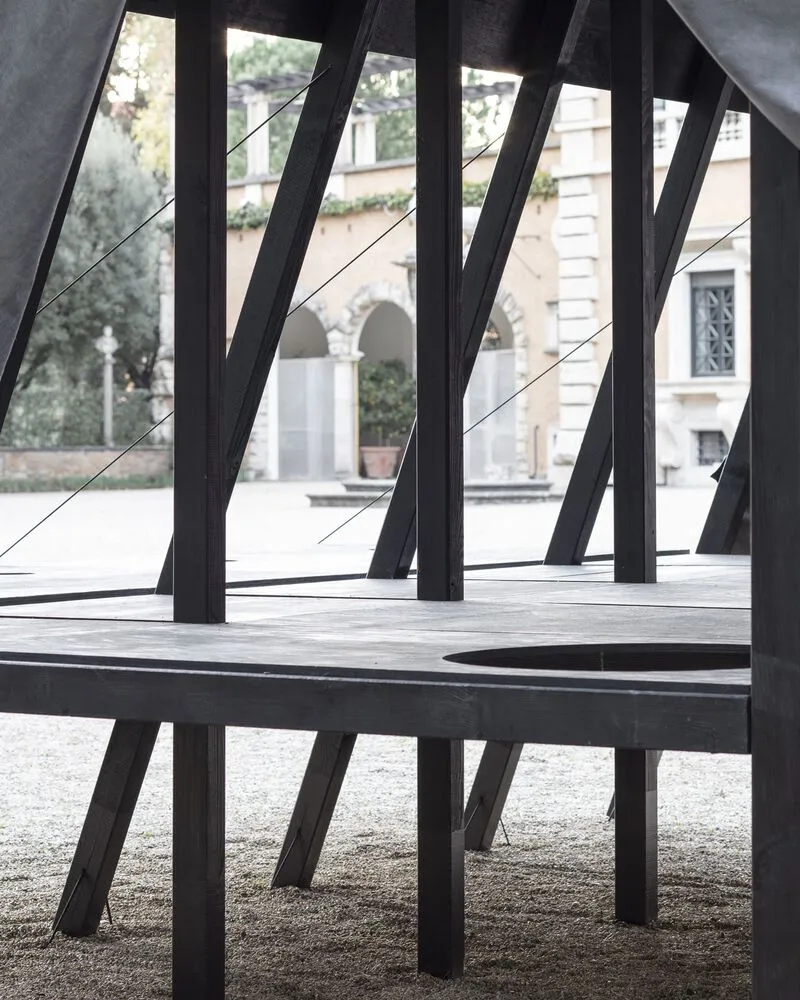
This upwardly open space hides the ground-level surroundings while framing new visual perspectives of the city’s landmarks, including the State Parliament and Stadtpalais. Circular roof panels—some elevated and others angled downward—define entry points and visual corridors, shaping an architectural experience that is simultaneously introspective and outward-looking.

A Platform for Dialogue and Community Engagement
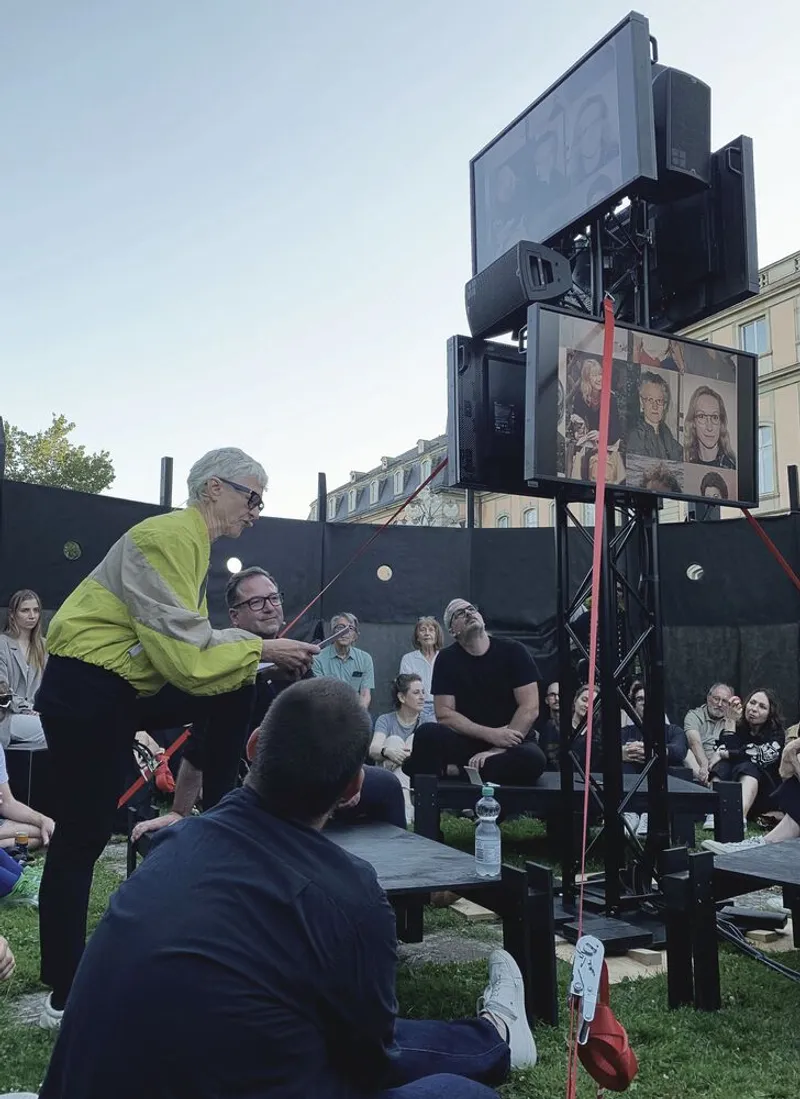
Throughout its lifecycle, the pavilion served multiple roles: a lecture space for the BDA’s Wechselgespräch event, a retreat for park-goers, and a stage for informal gatherings. A central pillar, symbolically representing technology, provided infrastructure for presentations, while small movable platforms allowed for versatile spatial configurations—from lecture seating to communal tables and performance stages.
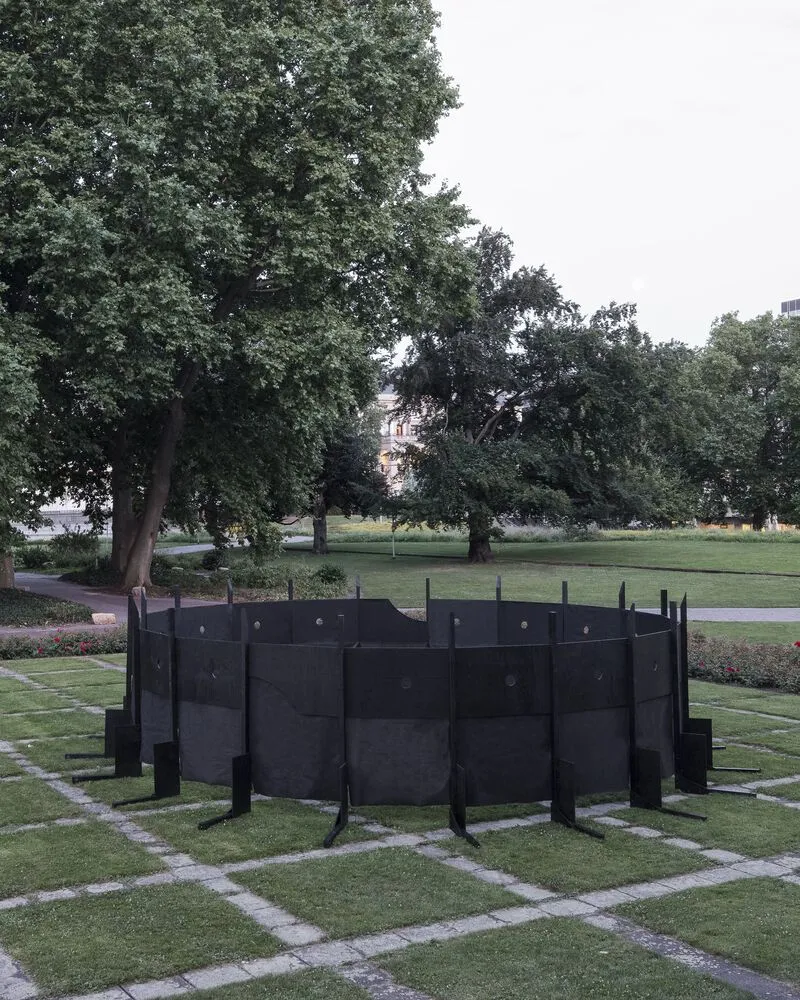
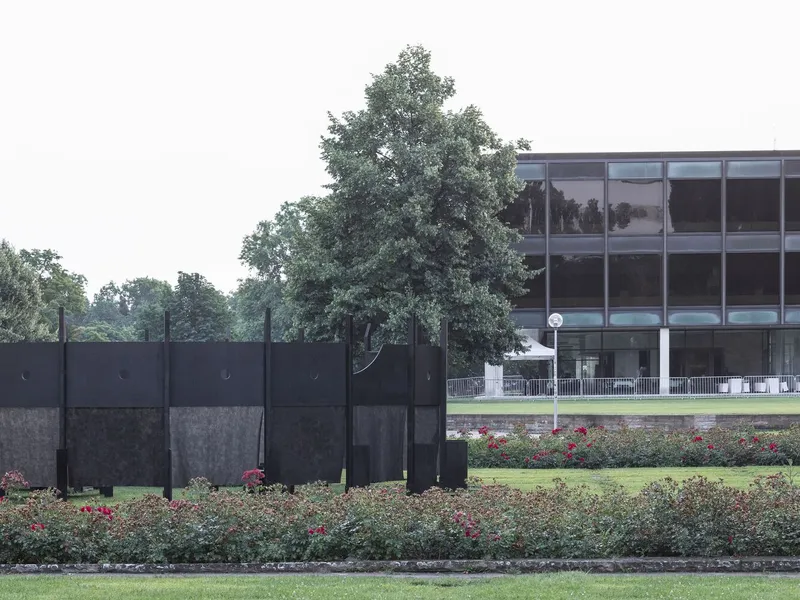
More than just an architectural gesture, this circular pavilion became a civic space—one designed for appropriation by its users. The radial arrangement, visual enclosure, and material simplicity created a space where citizens could participate freely and engage with the built environment in new ways.
Construction, Circularity, and the Future of Building
Construction methods were deliberately designed for reversibility. Maritime pine boards and timber rafters were joined using dry connections—no glues or permanent fixings were applied. Anchoring was done through micro-invasive ground nails and screws, emphasizing environmental responsibility and minimizing site impact.

This reuse-driven circular pavilion design sets an example for how architecture can embrace adaptability and temporal use without compromising aesthetic or structural integrity. The process of assembly and disassembly was made accessible enough for students to carry out independently, underscoring the project’s didactic mission.
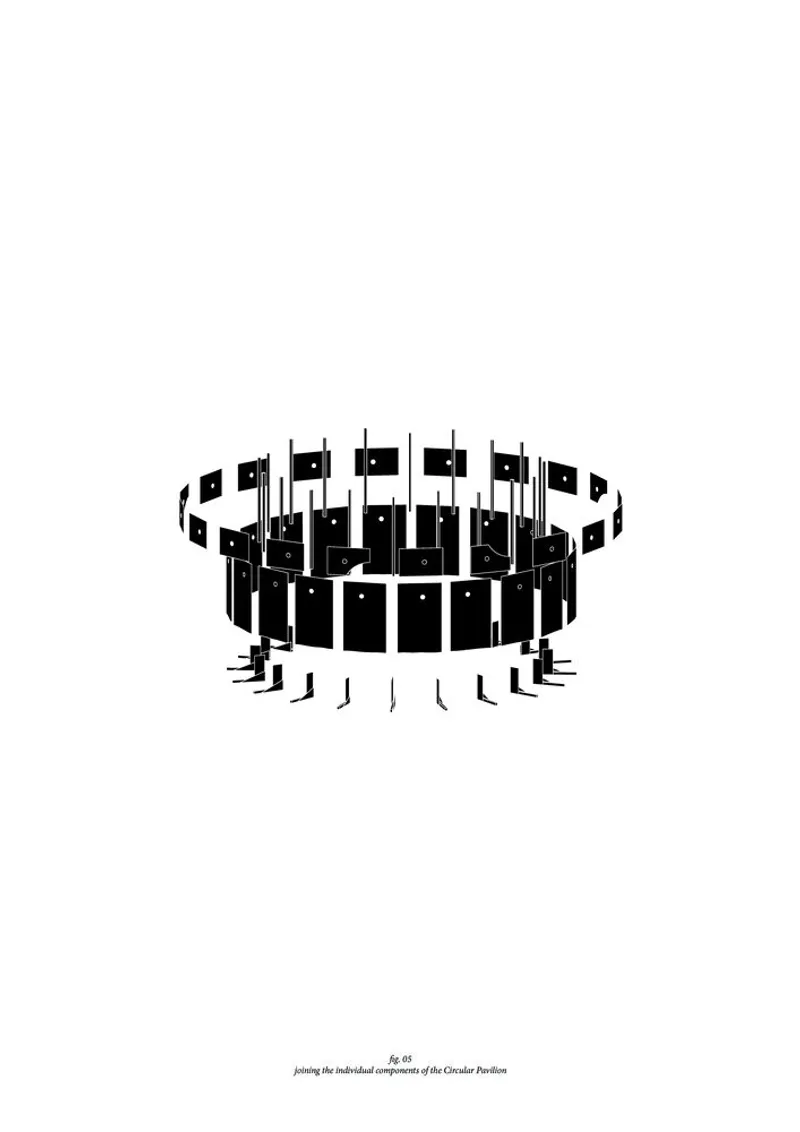
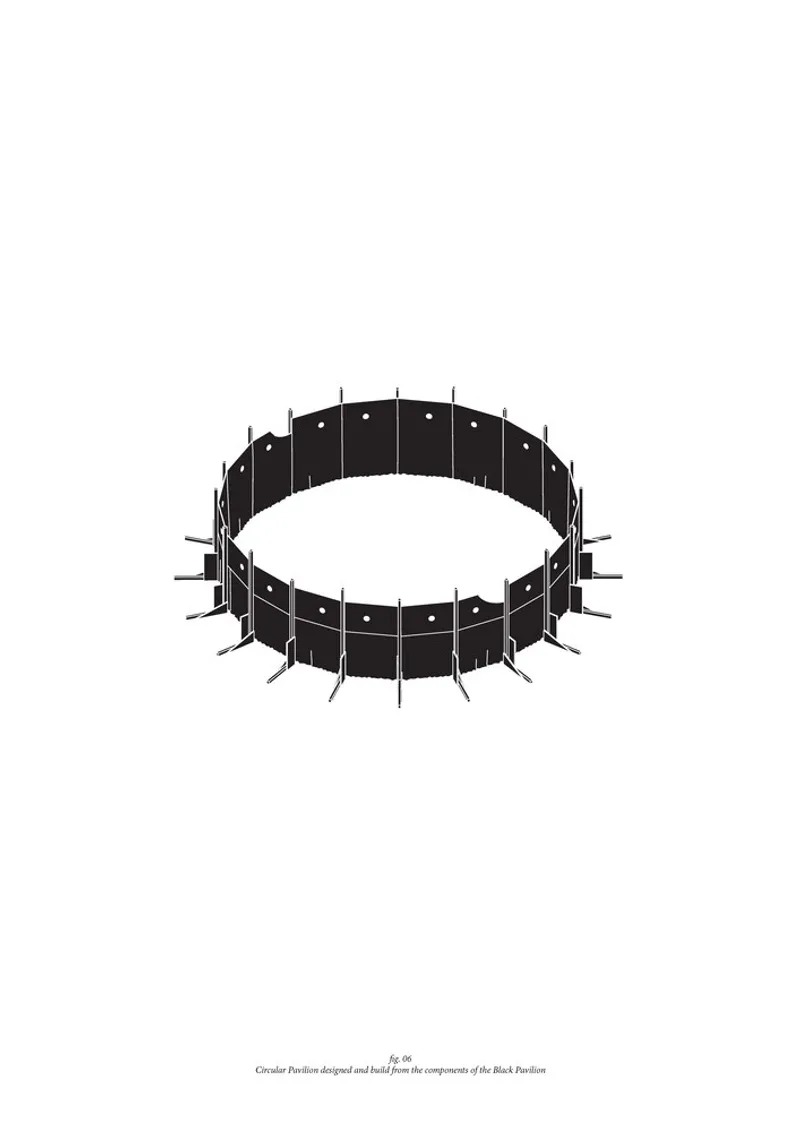
As architectural discourse shifts toward sustainability and repairability, the Circular Pavilion offers a compelling template. It repositions design as an act of stewardship—of materials, space, and social engagement.

All photographs are works of Martin Sigmund, Kim Fohmann, Fabian A. Wagner, Louise Daussy




Popular Articles
Popular articles from the community


The Earth Pod: 3D Printed Homes for Resilient Refugee Communities
The Earth Pod reimagines refugee housing through 3D printed homes made from clay, combining resilience, self-sufficiency, and rapid shelter.

Co-Life: Senior Housing Design That Reconnects Older Adults With the City
Co-Life reimagines senior housing design through healing gardens, shared streets, workshops, and a sustainable community across generations.

AL-JANNAH: Sustainable Architecture and Permaculture for Afghan Widows
AL-JANNAH uses sustainable architecture and permaculture to create resilient oasis of housing, learning, work and renewal for Afghan widows.

The Ocean Hive: Sustainable Architecture for a Self-Sufficient Civilization at Sea
The Ocean Hive imagines sustainable architecture at sea, where modular habitats, algae, wave power and ocean waste sustain a growing colony.


Similar Reads
You might also enjoy these articles

Bamboo Housing Challenge 2026: Design Affordable, Sustainable Homes Using Bamboo
An international design competition by Bamboo U and IBUKU inviting architects and designers to reimagine affordable housing using bamboo — with the winning design built full-scale in Bali.

Computational Design & Education: Beegraphy Design Awards Introduces 7th Category (Featuring Jiyun's Innovative Approach)
Dive into Beegraphy’s 7th Design Awards category, where computational design meets education to create immersive, interactive learning tools, inspired by Jiyun’s work.

From Parametric Lighting to Urban Furniture: Join the 2nd Workshop in Beegraphy’s Computational Design Series
Dive into Cutting-Edge Design Techniques and Practical Applications with Industry Experts

Last Call: Unleash Your Architectural Genius in SHAK's Kindergarten Design Competition
Urgent call for architects to join SHAK's kindergarten design competition before the looming deadline


Explore Prefabricated Architecture Competitions
Discover active competitions in this discipline



Challenge to reimagine the Iron Throne


Photograph architecture without architects


Illustrate the lost glory of Angkor Wat - Render Challenge


Design challenge to reuse E-waste
Comments (0)
Please login or sign up to add comments
No comments yet. Be the first to comment!