

A lattice of spaces that aims to accommodate people from all walks of life in a nurturing environment.
Coexistence: A proposal for an inclusive urban cemetery

Everything that was conceived for this project is based on providing warm, tranquil, and illuminating spaces for people of differing backgrounds. This simple idea started my research into how the project could come about. The design process for Coexistence began with thinking up ways to unite people from differing backgrounds and beliefs in a cohesive collection of spaces. It was a difficult task considering there are so many contrasting backgrounds, beliefs, and customs that often contradict each other. This fact and the desire to create an inclusive space led me to think about organizing the different spaces of the project not by singular beliefs or customs but by broad methods of burial.
When facing the issue of burial methods there’s no denying the problems that traditional methods bring with their inefficient use of valuable space. One solution that came to mind was to elevate all resting places off the ground, but that would severely undermine the inclusive aspect of the project. There are many groups of people whose foundational beliefs don’t allow them to not be buried in the earth. In order to make a compromise and strike a balance between the options for burial, I decided to make half the site an open field of greenery for green variations of traditional ground burial. The other half of the site would become the majority of the burial grounds in the form of a tower to be more efficient with the land.
I knew from the beginning that the burial grounds in the tower would become more akin to a park in the sky rather than a conventional burial tower. Greenery is an integral part of the project for its calming, meditative, and gentle nature. An abundance of greenery can redefine the perception of a cemetery to induce healing and tranquility for the people visiting their loved ones. This is especially important since a cemetery as a tower can easily become a heavy atmosphere to be in without a connection to nature and the open spaces that it brings. A high volume of vegetation can also be a method to offset the high carbon footprint that plagues our planet and bring a more pleasing experience to pedestrians and neighbors in the dense city.
The integration of relatively large trees greatly shaped the eventual layout and form of the cemetery. Naturally, trees need ample space vertically, but it was important to strike a balance between having open spaces and being sensible in how much space is utilized going vertically. The solution to this was creating a grid of squares in both plan and elevation and having one tree every other square in plan and take up two squares vertically. Alternating the grid both in plan and elevation like a chessboard allows for trees on every level without such a high ceiling height. This along with vegetation’s need for sunlight started to shape the form of the tower. The footprint needed to be thin in order to let sunlight into the innermost parts of the tower. To allow the vegetation and resting places to have more sunlight they mostly lie towards the facade of the tower leaving space in the inner portion of the tower for circulation.
The final factors that determined the final form of the cemetery were the site and the need for an appropriate structure. The open space designated for ground burial was placed towards the waterfront for the view of the New York City skyline and the isolation from the traffic on Kent Ave that defines the eastern part of the site. This left the south and eastern portions of the site for the tower leaving a narrow boomerang figure in plan.
A timber structure was decided for the cemetery due to its environmentally sustainable and nature connecting characteristics. I decided that a humble structure in form was most appropriate due to the sensitive nature of the project. The defining feature of the timber structure is the large columns made up of four small columns. This construction connects to the inclusive traits of the project as it displays the greater strength of individuals working and coexisting together.
Healing spaces within the tower are conceived to provide places of reflection and healing. There's one of these spaces in every corner of the tower where there isn’t a terrace creating four unique healing spaces on each level. To provide a contrasting and relaxing environment there’s a compressing and releasing nature to each healing space along with stark contrasts in light.
The tower further comes together with the organization of the differing types of resting places, which include a mausoleum, columbarium, and varying types of green burials. The resting places surround the trees and shrubs that are found on each floor of the cemetery creating more private and intimate spaces for burial as opposed to an endless wall of burial spaces that can become overwhelming.
The tower finally comes together with a staggered rooftop to create terraces. These terraces add a contrasting experience to the more enclosed spaces of the majority of the cemetery. They serve as resting places as well, but also create a promenade for a stroll and wandering. A prominent view of the New York City skyline provides a compelling backdrop to the space.
Modularity and replication were kept closely in mind during the design process. The timber structure is a simple grid of beams and columns that can be easily constructed in differing locations. The healing and resting spaces are situated as if they were slid into the grid created by the structure and could be rearranged if one desired.
One key “issue” that kept coming to mind in regards to the heavy use of vegetation was what happens when it's winter. The lifeless appearance of the trees and flowers could pose a great problem when it's such an integral part of a cemetery. But the opposite occurs during the spring. New leaves grow and replenish the trees. The flowers bloom and create beautiful scenery. I decided that the experience one could have during the spring was worth having. This cycle of the season can also be viewed from a different light. The winter is not the death of life, but a transitional phase to bring new life. The cycle of life found visually through the changing of the seasons can be an added attribute that displays how precious life is.
Coexistence is a flexible community space that not only serves as a resting place for people but also aims to support the emotional trauma that their loved ones endure. A collection of intimate spaces of vegetation and contrasts in light provide a serene and relieving experience to contemplate and heal. In addition, extensive vegetation paired with a series of terraces provides spaces for wandering, flower viewing, city viewing, and gathering. Coexistence offers an alternative to the traditional cemetery. A nurturing community space for people of all walks of life.

Popular Articles
Popular articles from the community


Tsunami Convergenics: Turning Catastrophic Ocean Forces into Underwater Housing Infrastructure
A speculative underwater settlement off the coast of Onagawa, Japan, treats tsunamis and typhoons as energy sources rather than threats.

Faces of the Soviet Avant-Garde: Turning Moscow's Street Names into an Open-Air Museum
A network of sculptural installations across a Moscow residential district transforms forgotten architect names into spatial encounters with cultural memor

The Amber Palace Opera: A Geological Fiction Surfaces on Tallinn's Baltic Waterfront
Pierre Brillard reimagines a Baltic legend as a public landscape, opera house, and waterfront promenade rooted in Tallinn's coastal identity.

Opera by the Sea Estonia: Three Shells Dissolving Architecture into Tallinn's Coastline
A winning opera house proposal replaces monumental form with interconnected shells that blur the boundary between building, park and Baltic Sea.

Similar Reads
You might also enjoy these articles
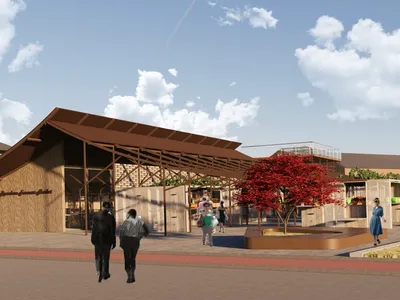
The Rhythm of Seasons
A Farmers' Market Connecting Nature and the City
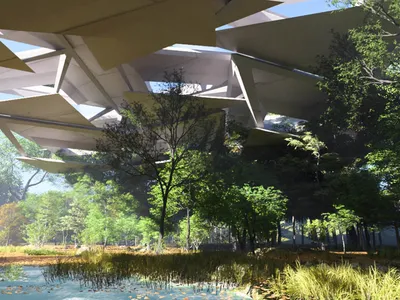

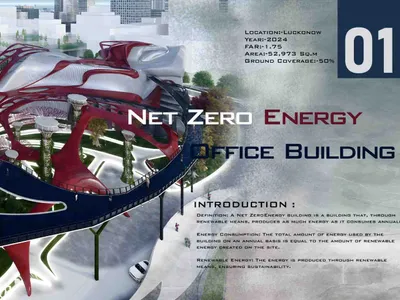
More Than a Building-Designing a Living System
More Than a Building-Designing a Living System
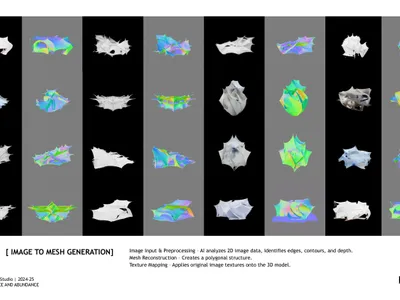
Base Beyond
DESERT COMPOUND ARID: TOURISM OF ABSENCE AND ABUNDANCE

Explore Inclusive Spaces Competitions
Discover active competitions in this discipline


Challenge to reimagine the Iron Throne

Photograph architecture without architects

Illustrate the lost glory of Angkor Wat - Render Challenge

Design challenge to reuse E-waste
Comments (0)
Please login or sign up to add comments
No comments yet. Be the first to comment!