Compact Urban House Design: Nakano House by Suzuko Yamada Architects
Nakano House by Suzuko Yamada Architects redefines compact urban house design through adaptable spaces, natural integration, and minimalist architecture.


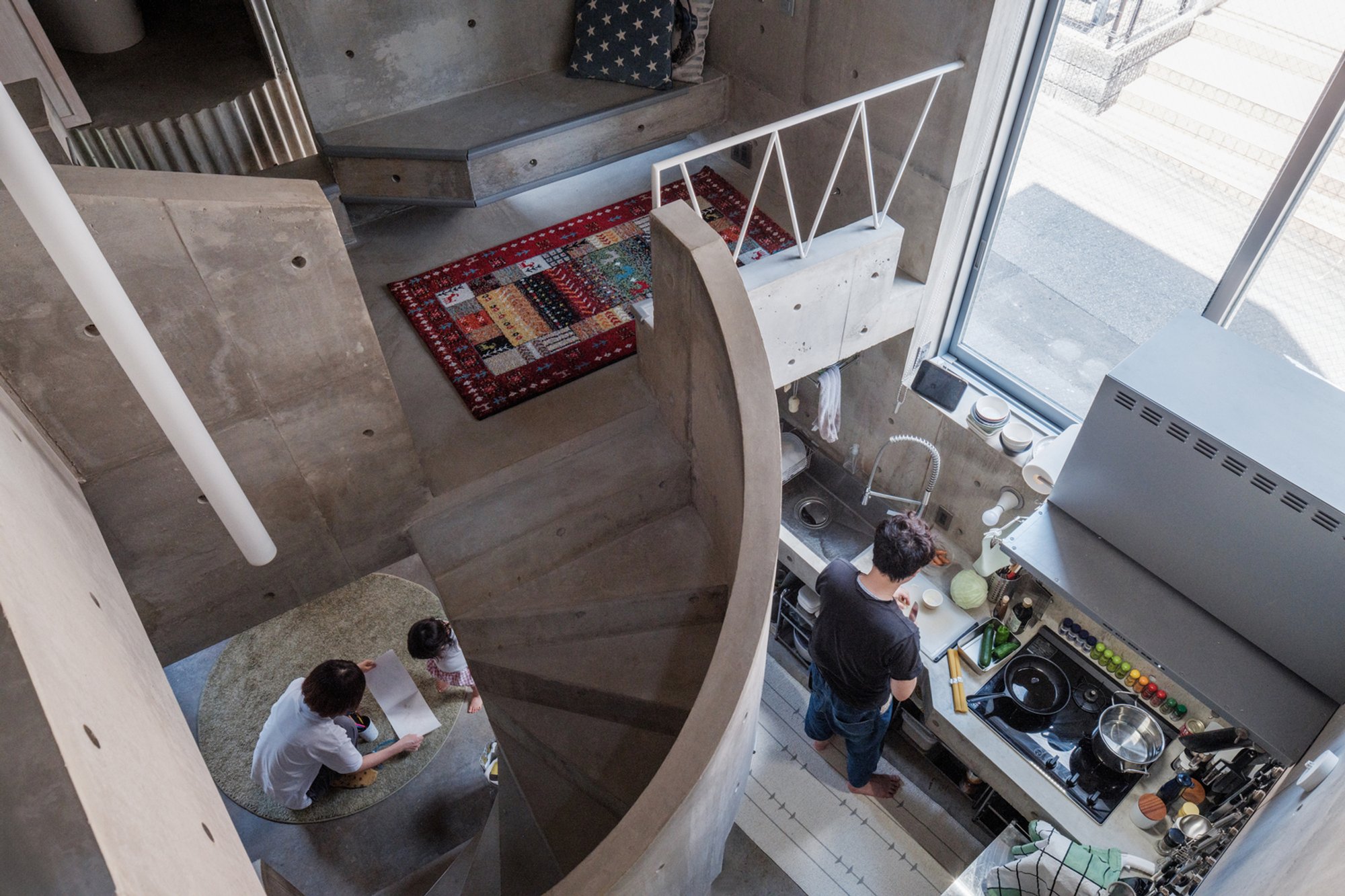
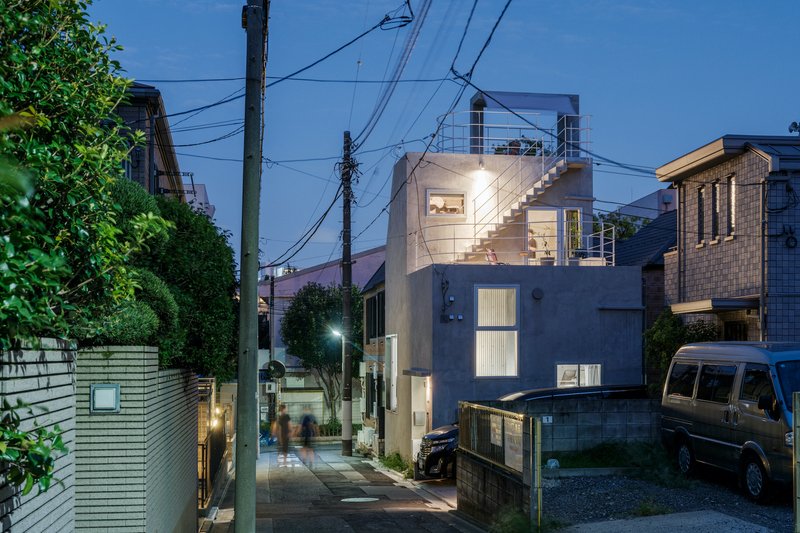
Compact urban house design is redefining residential architecture in dense cities. As urban populations grow, the challenge of creating functional, comfortable, and aesthetically compelling homes within small footprints has become more pressing. Nakano House, designed by Suzuko Yamada Architects, exemplifies this architectural evolution. Located in a dense Tokyo neighborhood, this 52-square-meter home showcases an innovative approach to space, blurring the boundaries between architecture, daily life, and nature.
A Minimalist Approach to Urban Living
Nestled in a vibrant yet tightly packed residential area beyond Tokyo’s bustling shopping streets, Nakano House is a striking example of minimalist urban living. Designed for a couple and their two cats, the project prioritizes simplicity and adaptability. The architects aimed to create an outer shell that would support everyday life while allowing the space to evolve over time according to the inhabitants’ needs.
Defining Space Through Essential Objects
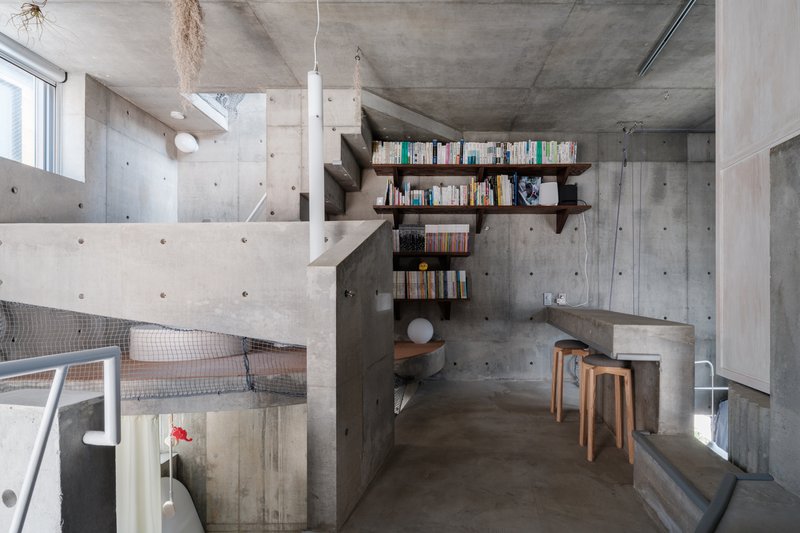
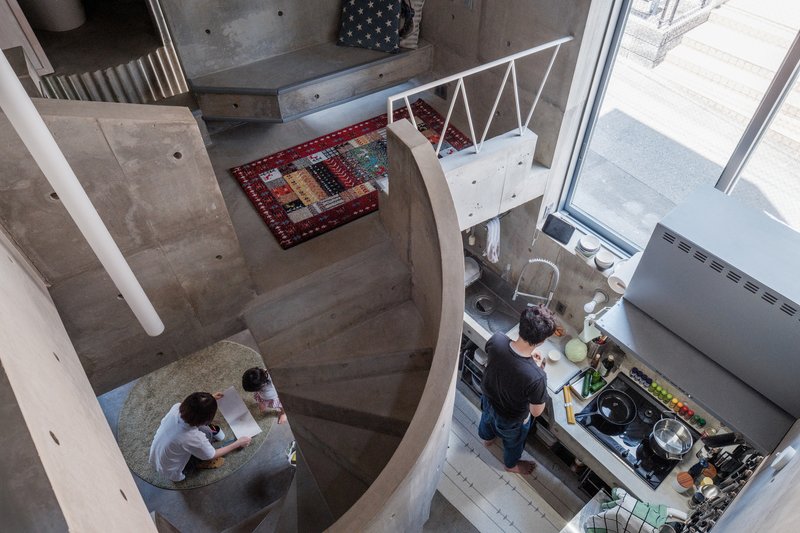
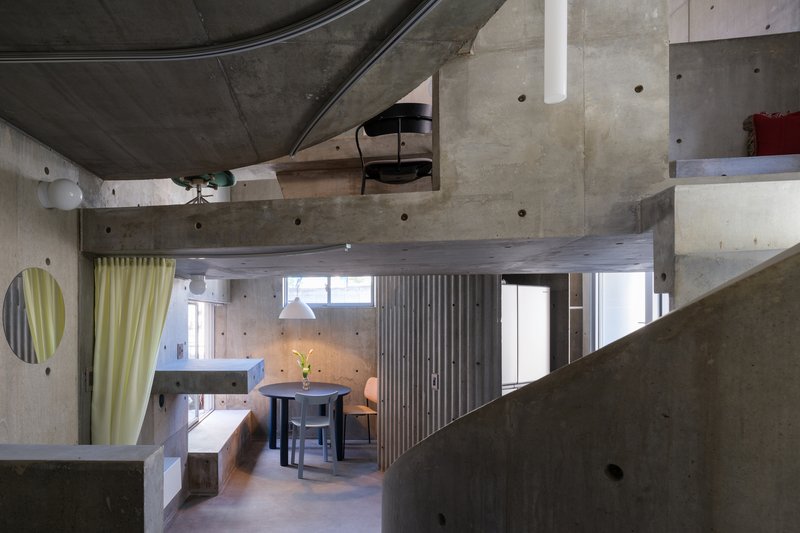
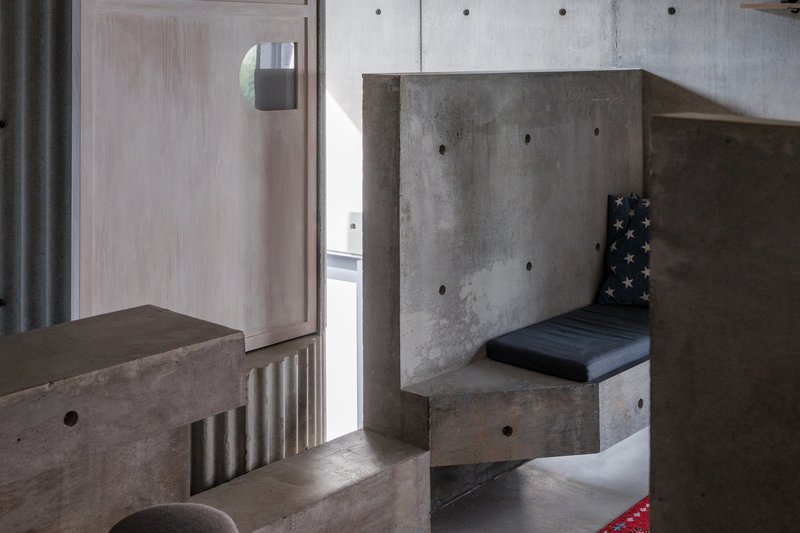
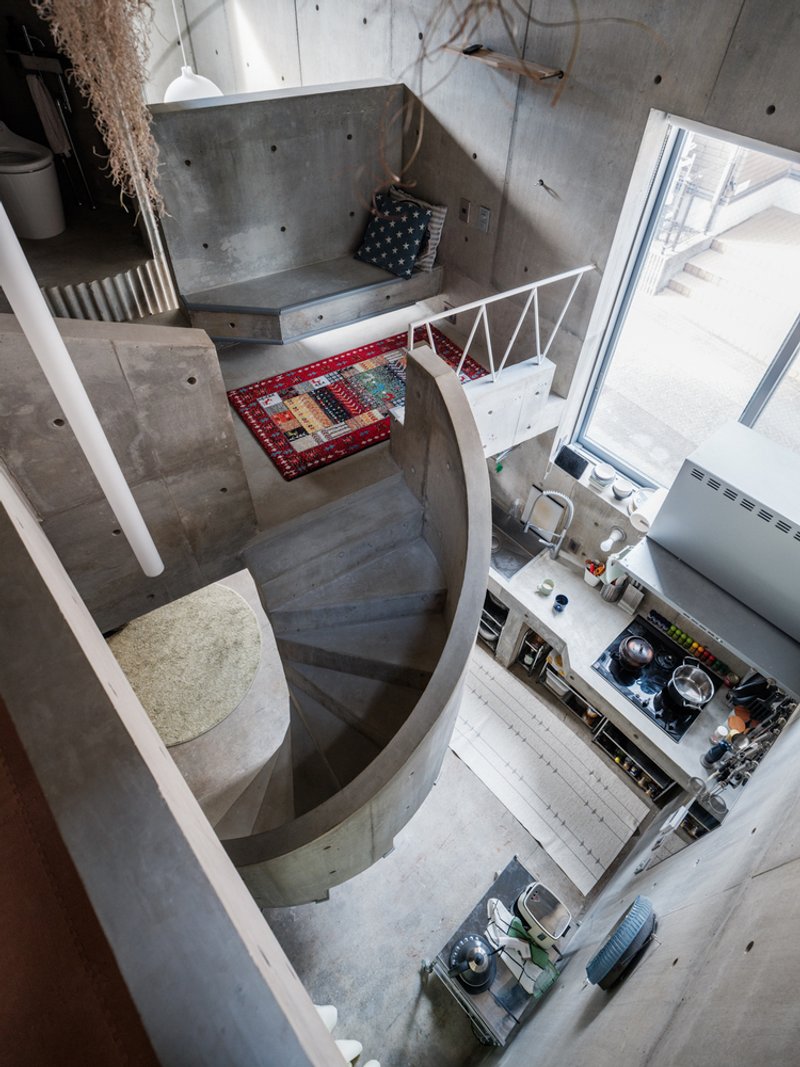
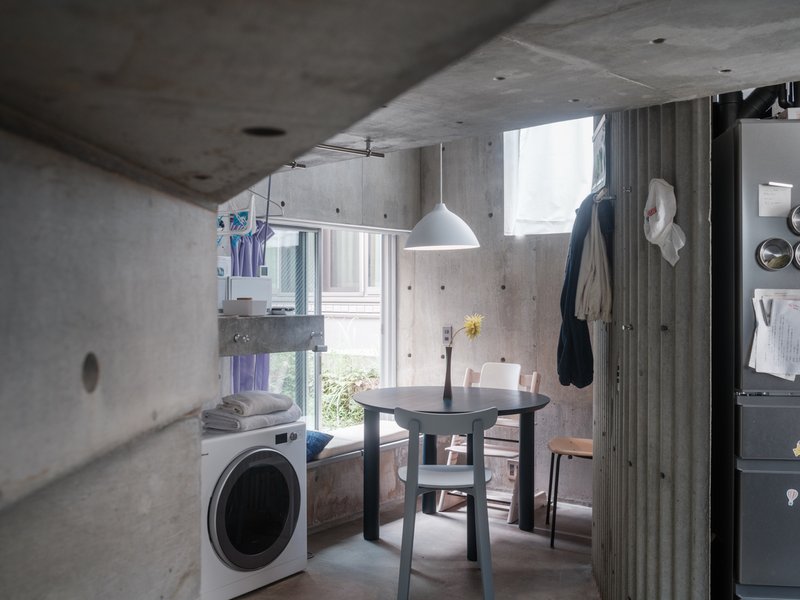
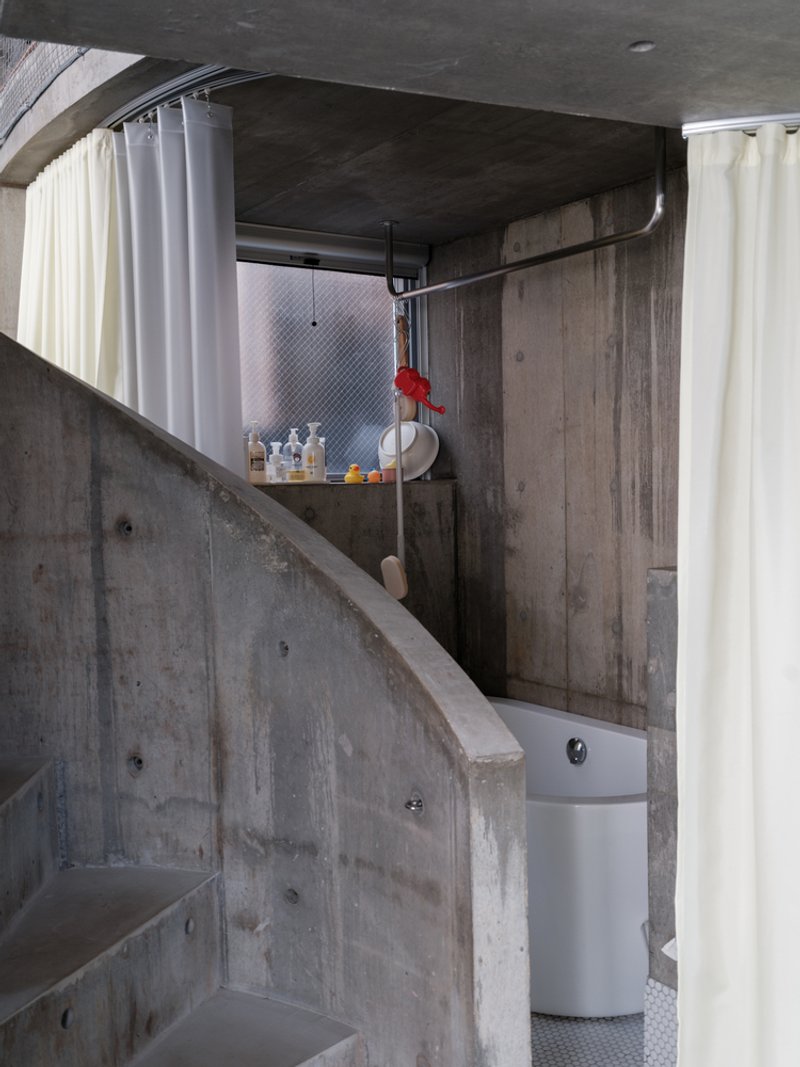
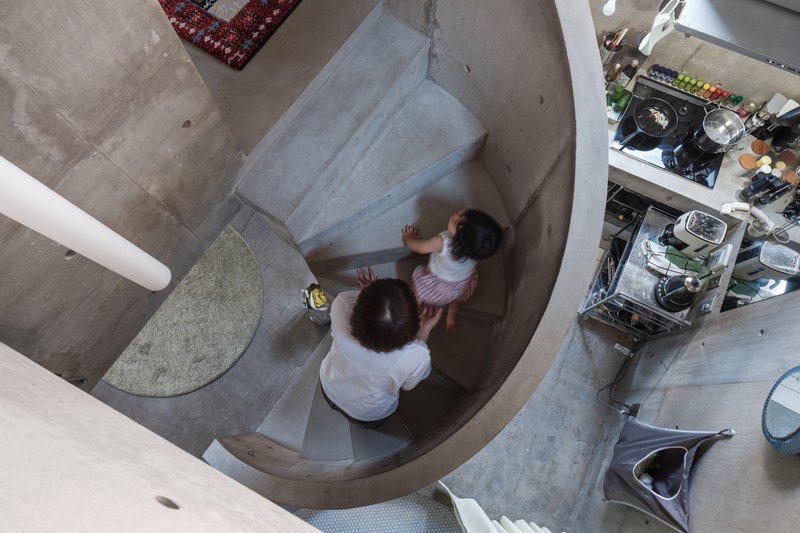
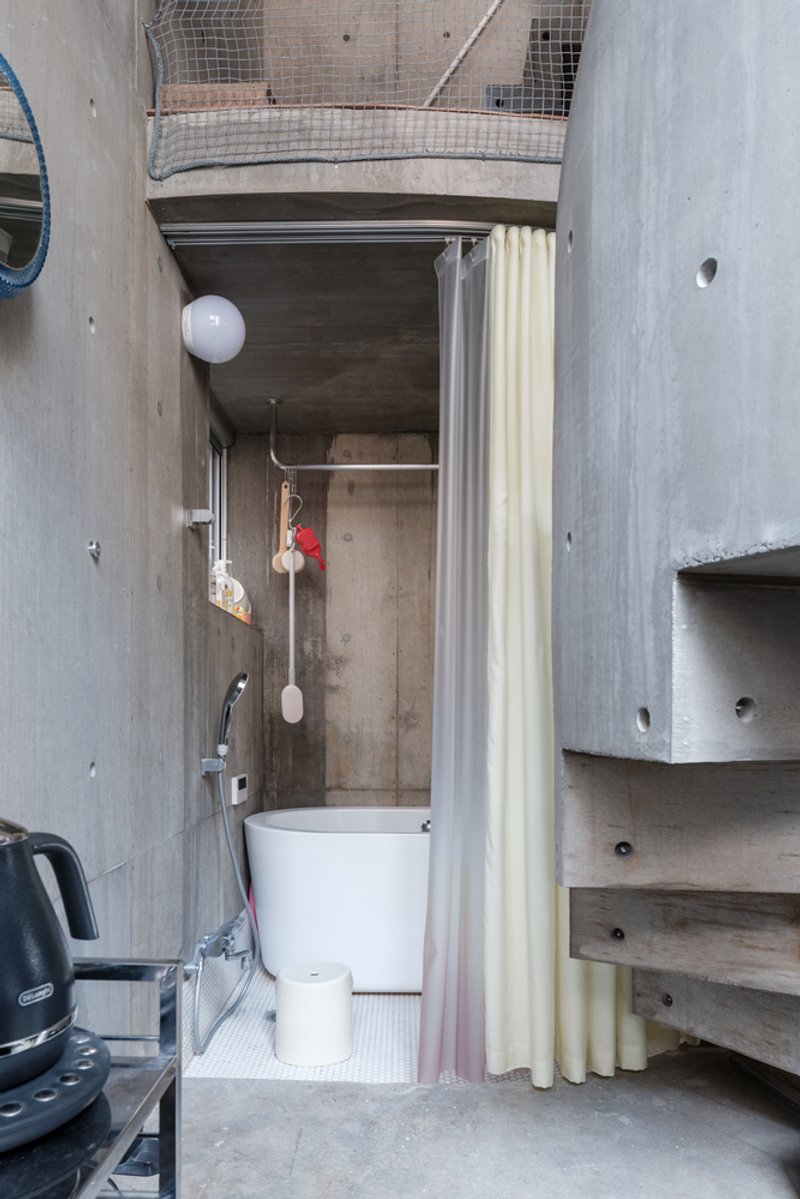
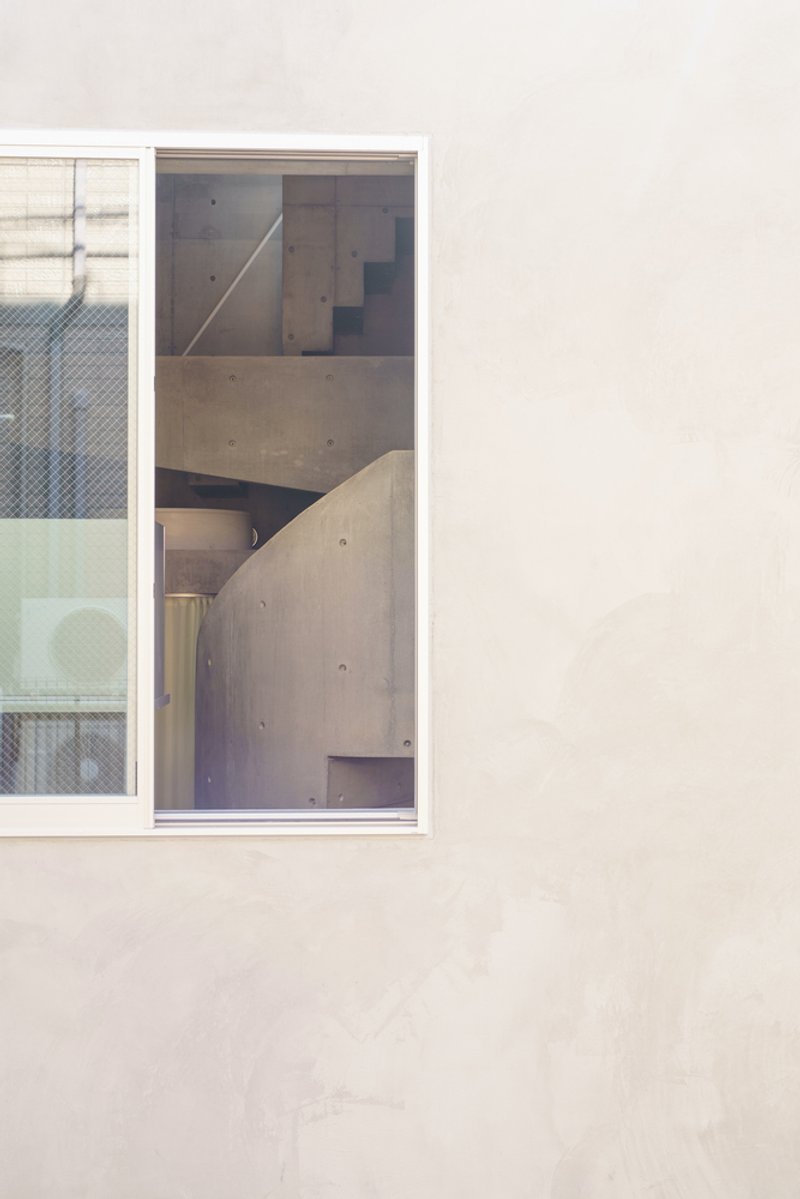
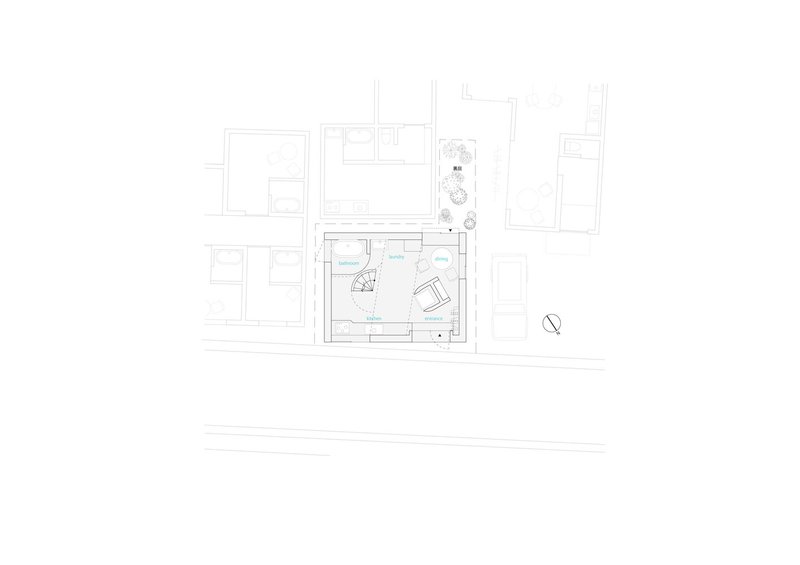
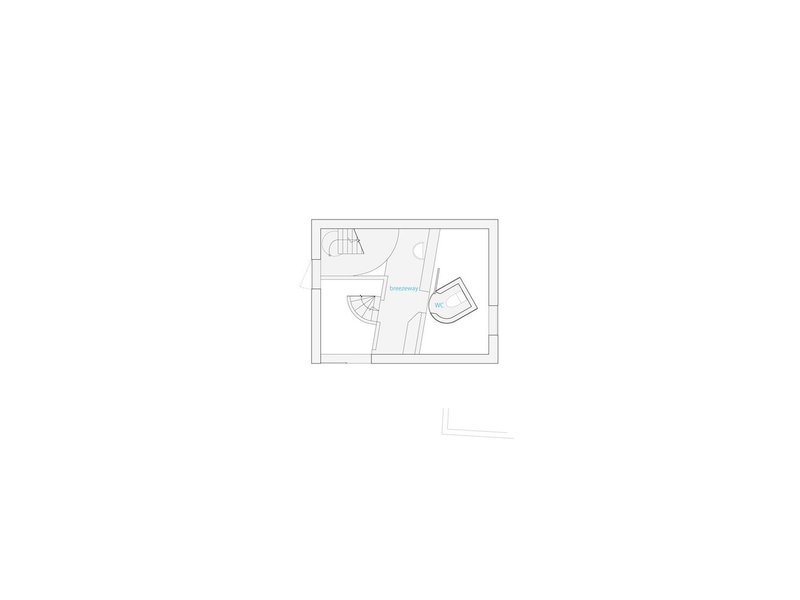
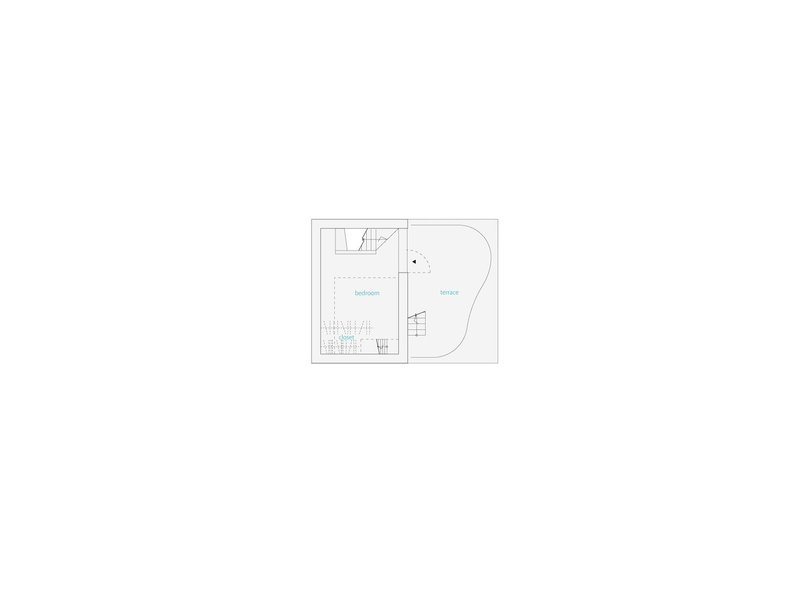
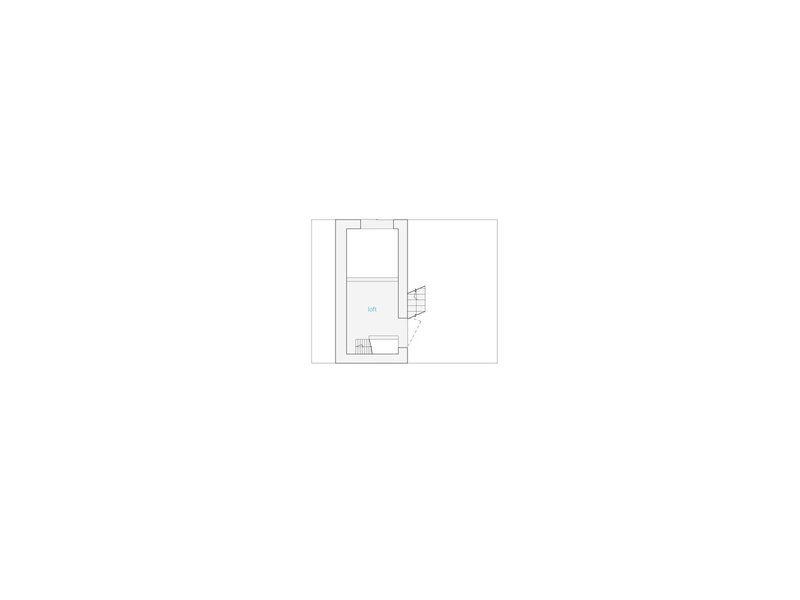
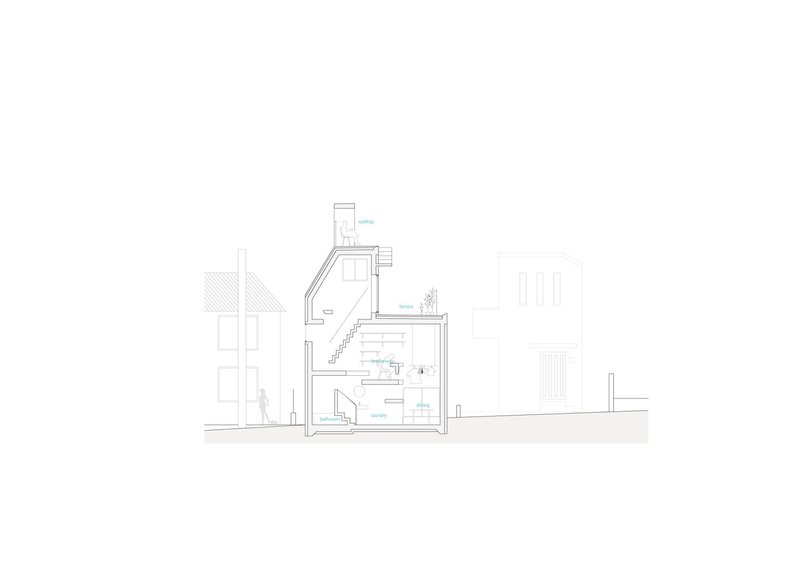
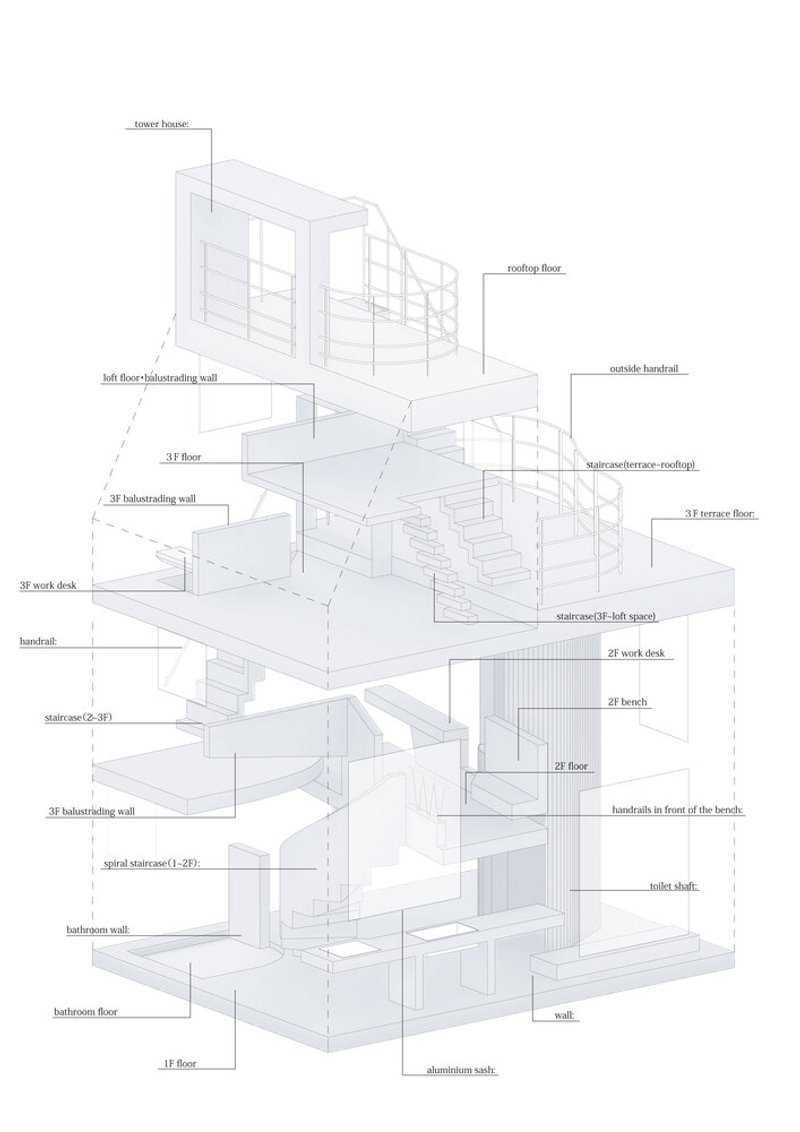
Given the extremely limited footprint, the architectural strategy focused on placing essential elements—such as the toilet, bath, and kitchen—strategically within the structure. These objects define the house, acting not just as functional necessities but also as spatial markers. The design integrates a cat walkway, handrails, benches, and two staircases, ensuring that every component contributes to the overall experience of movement and interaction within the home.
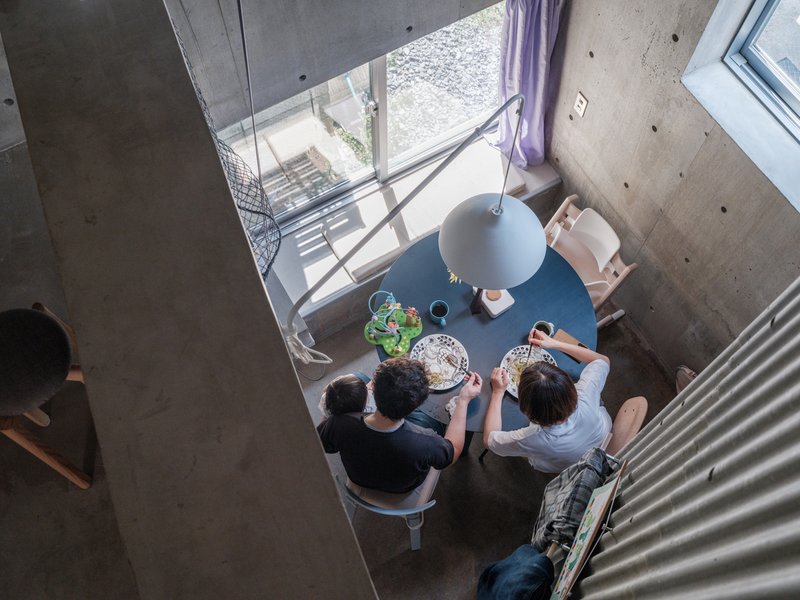
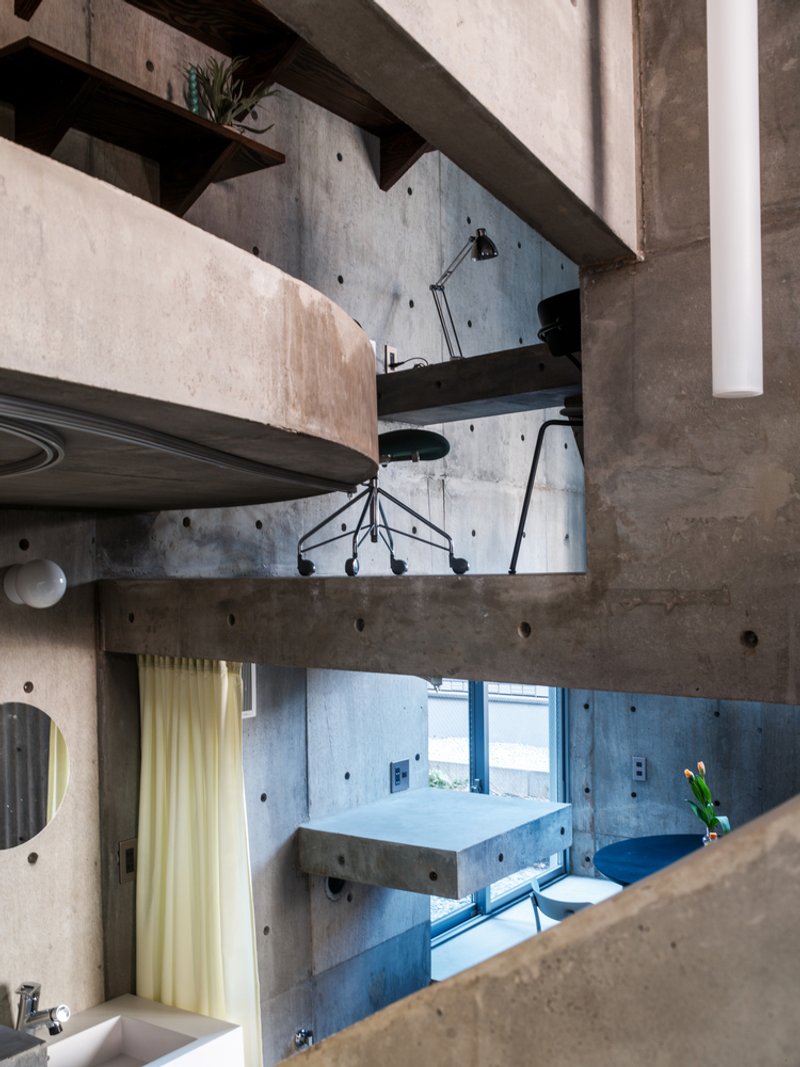
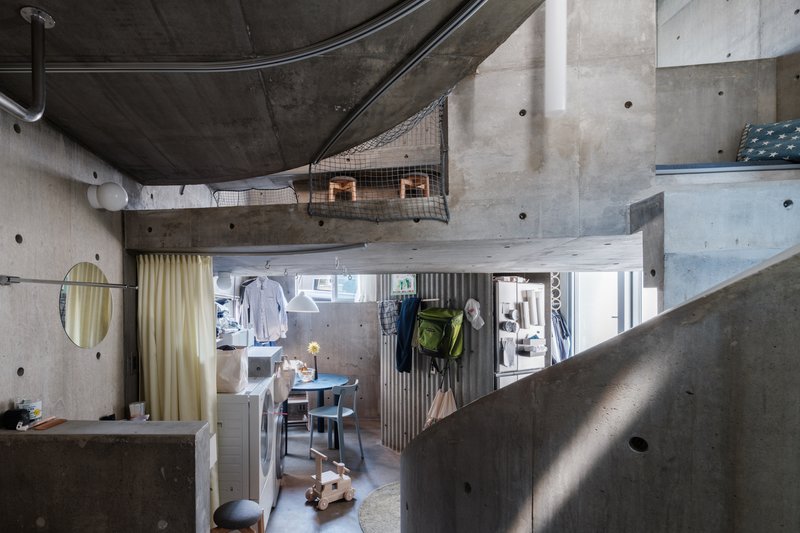
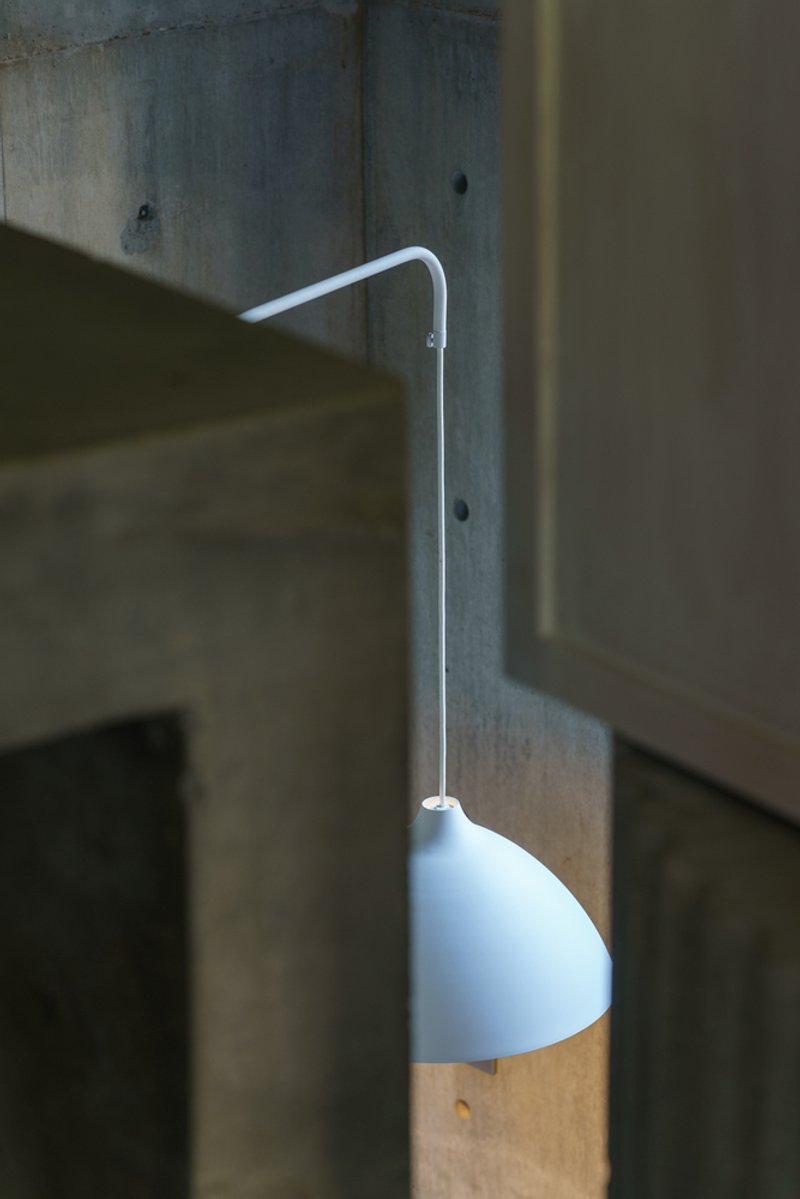
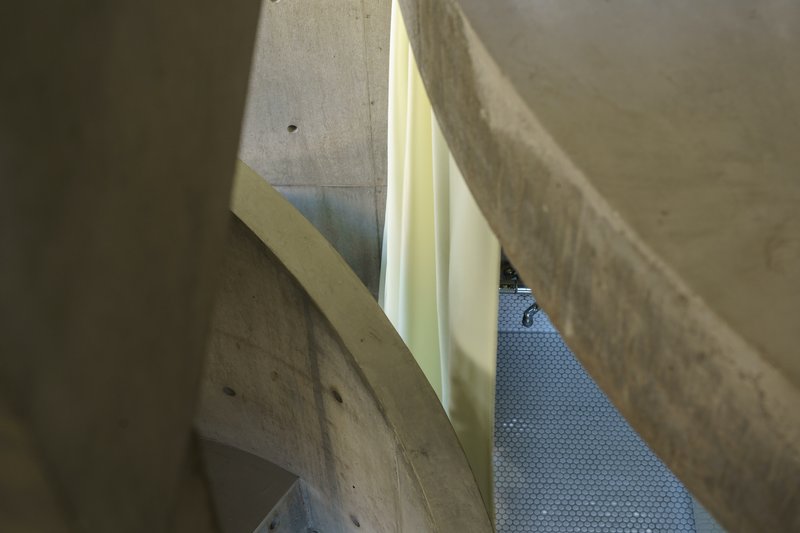
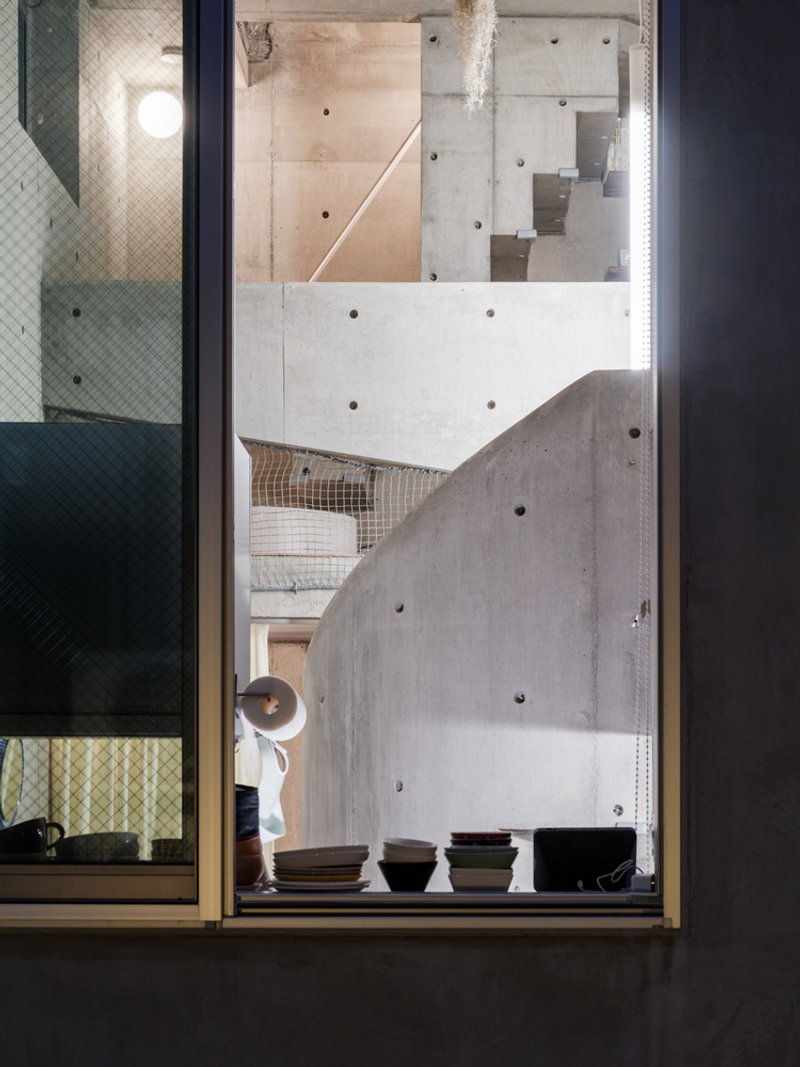
From any vantage point inside, it is impossible to see the entire space at once. Concrete walls and large structural elements obscure views, creating an immersive and shifting sense of scale. The house appears both expansive and enclosed, its raw materiality reflecting the dense urban fabric of Tokyo itself.
A Living Structure That Adapts Over Time
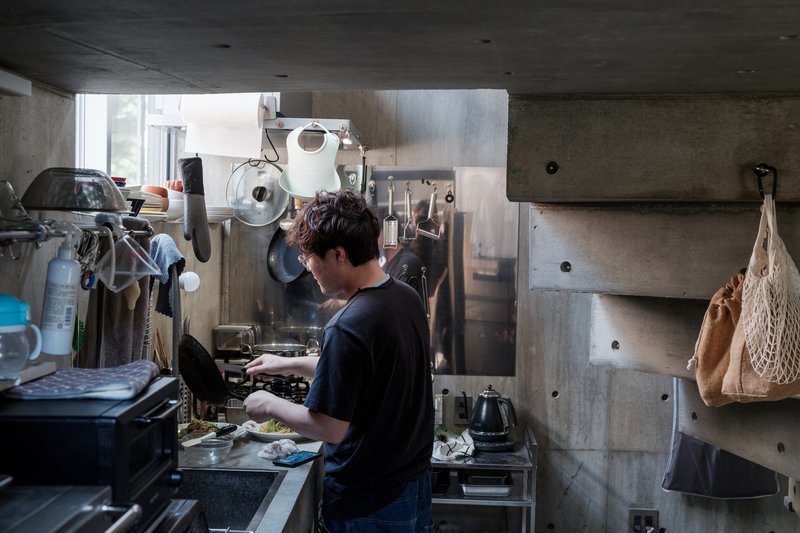
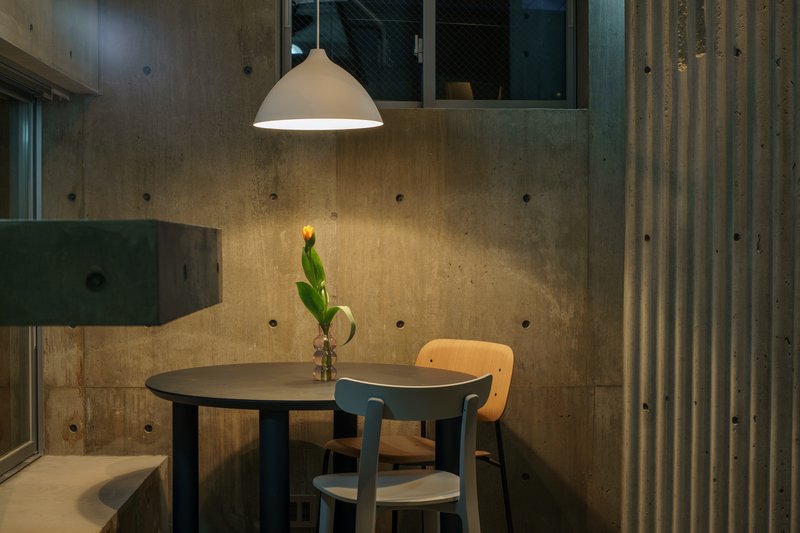
Rather than imposing a rigid spatial organization, Nakano House allows life to unfold dynamically. Cooking, eating, bathing, and everyday routines occur between the architectural elements, filling the voids between objects with daily interactions. The relationship between inhabitants and their home becomes an organic negotiation, where the house serves as both a frame and a canvas for evolving domestic life.
Blurring Boundaries Between Architecture and Nature
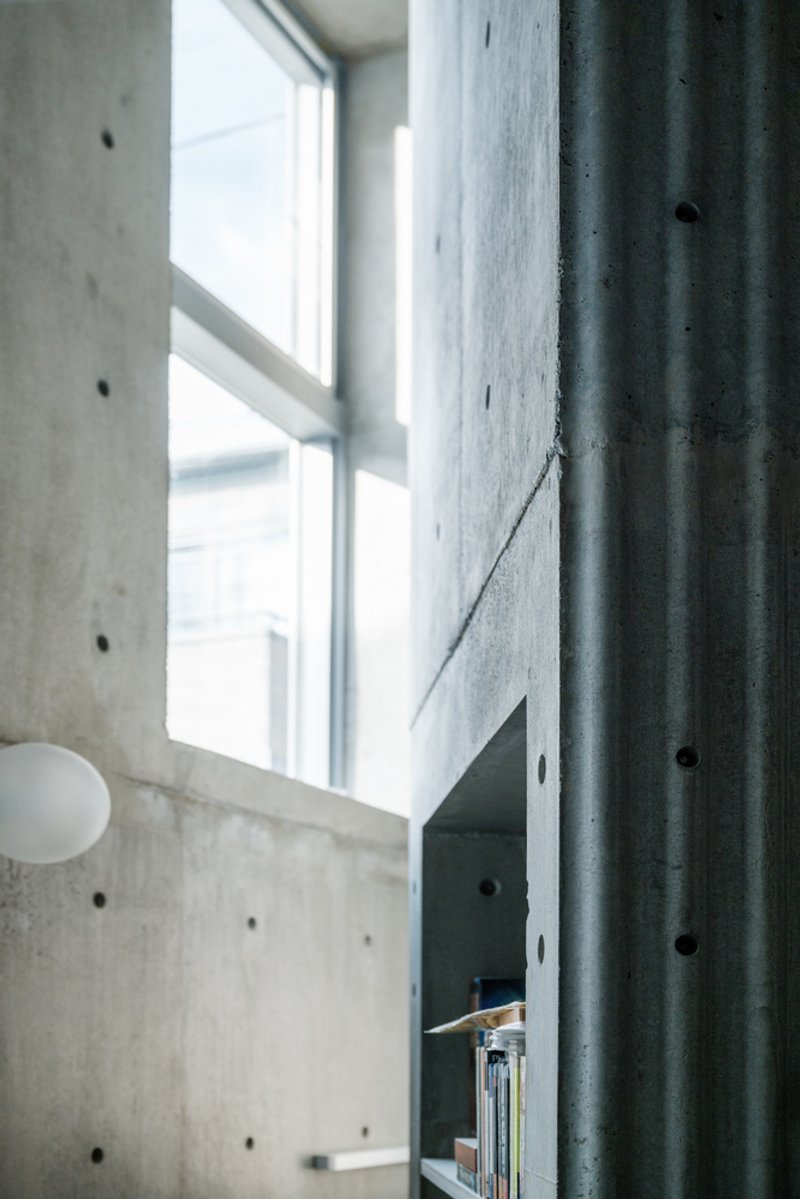
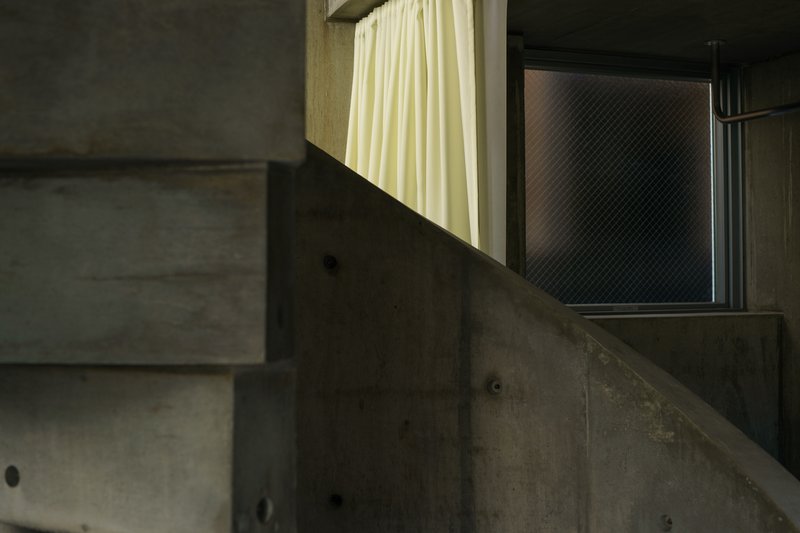
Despite its compact footprint, the design embraces a sense of openness. Wind filters through open windows, carrying light and shadows across the raw concrete surfaces. The couple’s two cats navigate the space effortlessly, reinforcing the seamless integration of life and architecture. This interplay between built form and natural elements fosters a living environment that is neither entirely enclosed nor entirely open—a balance between shelter and exposure.
The Philosophy of Space Ownership
Nakano House challenges conventional ideas of ownership and permanence in architecture. The house does not assert itself as a rigid structure owned by its inhabitants; instead, it exists as a continuous presence within the urban landscape. Like a natural form—mountainous yet intimate—it accommodates life without dictating how it should be lived. This quality allows the house to feel as though it belongs to both its residents and the city as a whole.
A New Paradigm for Compact Urban House Design
Suzuko Yamada Architects’ approach to Nakano House redefines compact urban house design by prioritizing adaptability, engagement with nature, and the fluid relationship between life and structure. It serves as a model for future residential architecture in dense urban environments, demonstrating that small spaces can be both functional and profoundly poetic.
All Photographs are works of Kei Sasaki, Naoki Takehisa