Crane Hub: Redefining Urban Living with Minimalist Architecture
Crane Hub: Minimalist living redefined through shared spaces, innovation, and modular architecture for a sustainable urban future


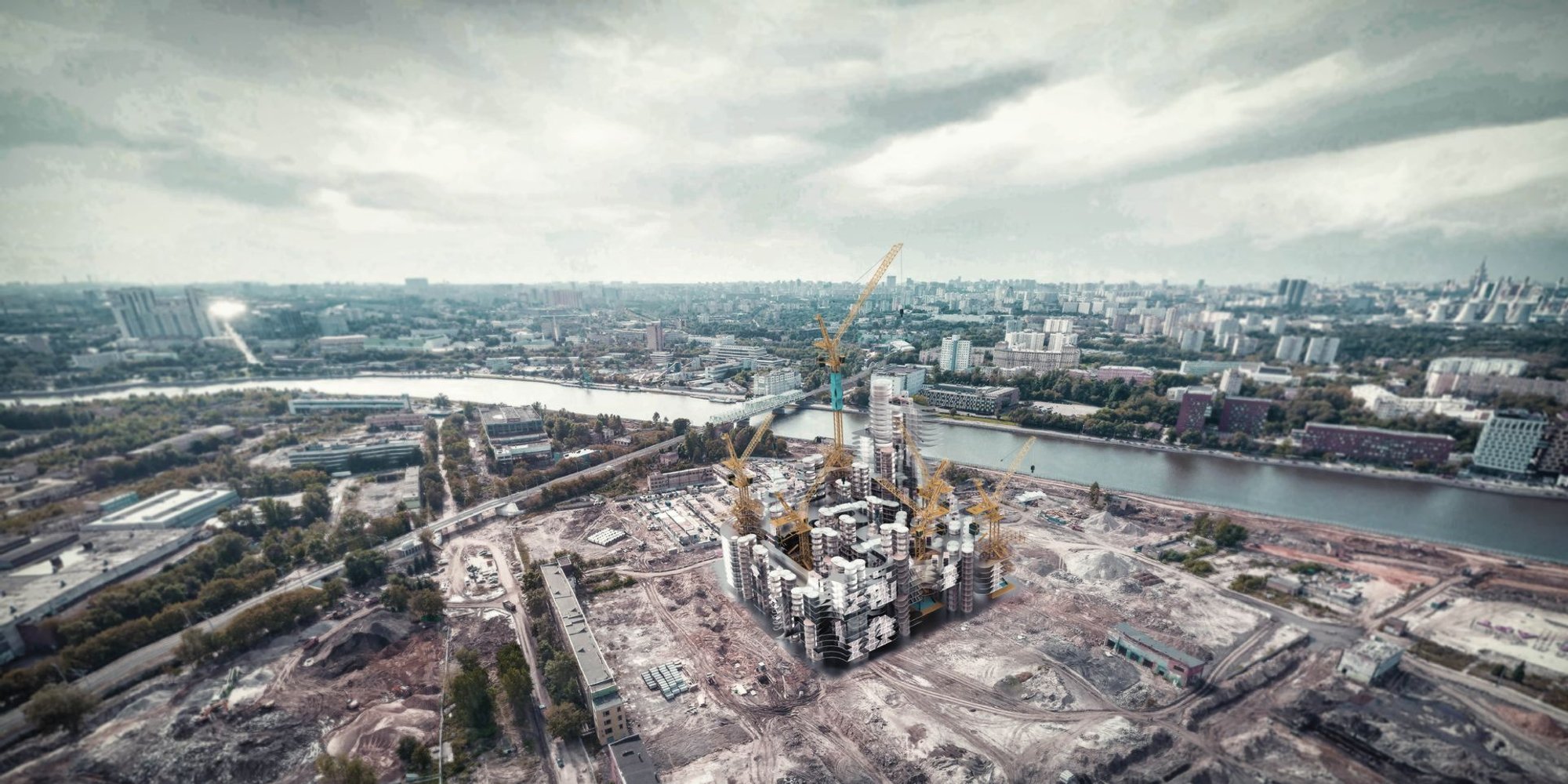
Facing the growing challenge of providing affordable and efficient housing for the younger generation, the "Crane Hub" project innovatively reimagines the concept of urban living. Designed by Yutianduxiu Hendu, this project minimizes privately owned property to its essentials—a bed and a compact working area—while communal spaces such as kitchens, study areas, living rooms, and bathrooms are shared among residents. This novel approach not only optimizes spatial efficiency but also fosters a sense of community.


Construction Logic
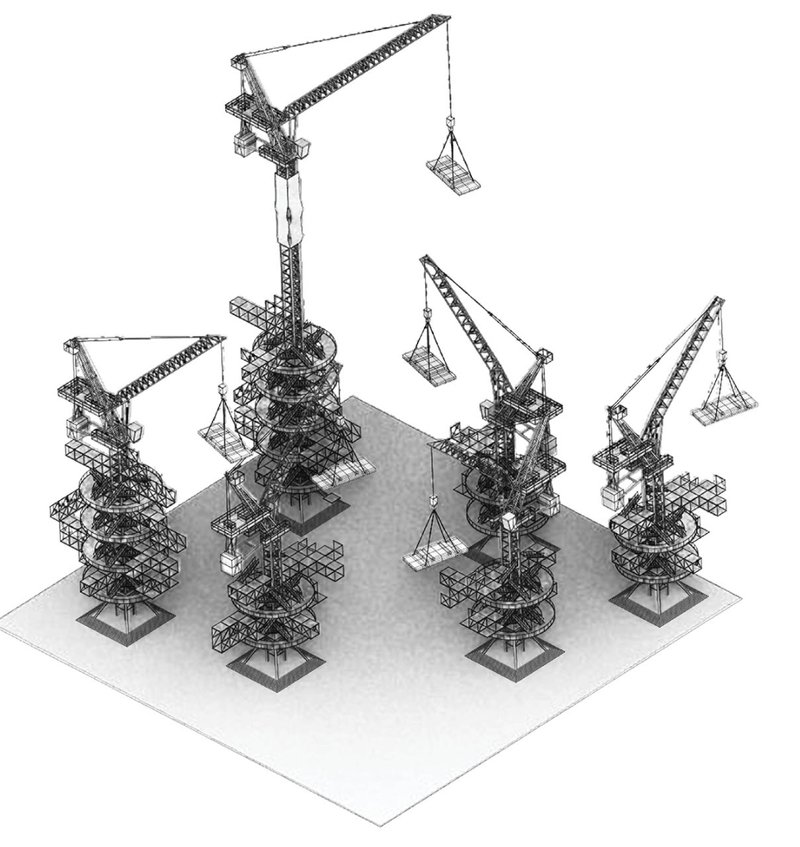
- Tower Crane: Serving as the core of the entire project, the tower crane facilitates the structural possibilities of vertical assembly. New structural units are added and developed on the crane’s base, enabling limitless growth potential.
- Circle Terrace: A circular terrace integrates with the crane’s center to create spaces for people’s activities and circulation.
- Stairs: Vertical transportation via stairs connects terraces and residential units, ensuring accessibility and social interaction.
- Units Extension: Structural units attached to the crane evolve to create various living spaces and educational amenities.
- Vertical Development: Terraces act as the assembly points for unit development, creating dynamic and adaptable urban layouts.
- In-Between Space: The in-between areas develop into intricate, multi-functional spaces that support residential needs.


Construction Kits
The Crane Hub project employs modular construction kits to achieve its vision.
These kits include:
- Structural Core: Minimum living spaces form the foundation.
- Platforms: Multi-level platforms create shared areas and activity zones.
- Construction Cranes: The cranes dynamically assemble and adjust modules as needed.


Vision and Impact
As a shortlisted entry in Hustle Hub 2019, the Crane Hub showcases a groundbreaking solution to modern urban challenges. By embracing modularity and shared spaces, it addresses affordability and environmental sustainability while redefining architectural paradigms.