Cultural Complex Architecture: Hengqin Culture & Art Complex by Atelier Apeiron
Hengqin Culture & Art Complex by Atelier Apeiron showcases a multifunctional, innovative design that blends culture, art, and sustainability.


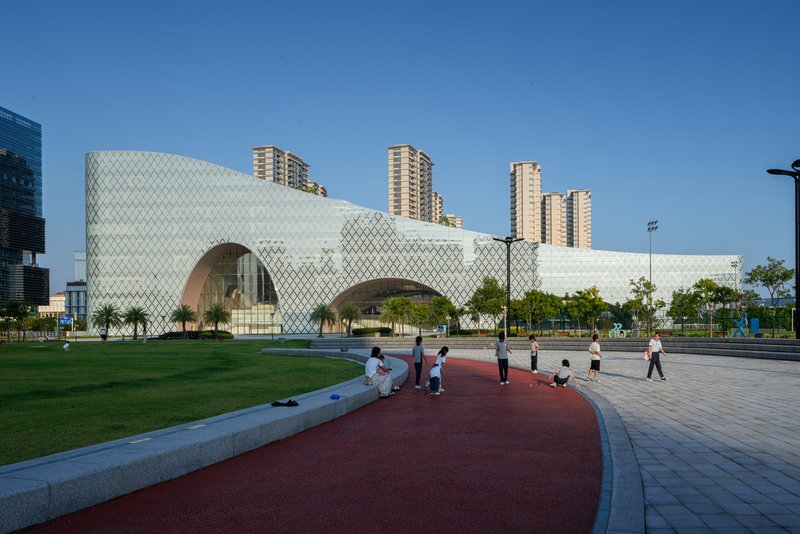
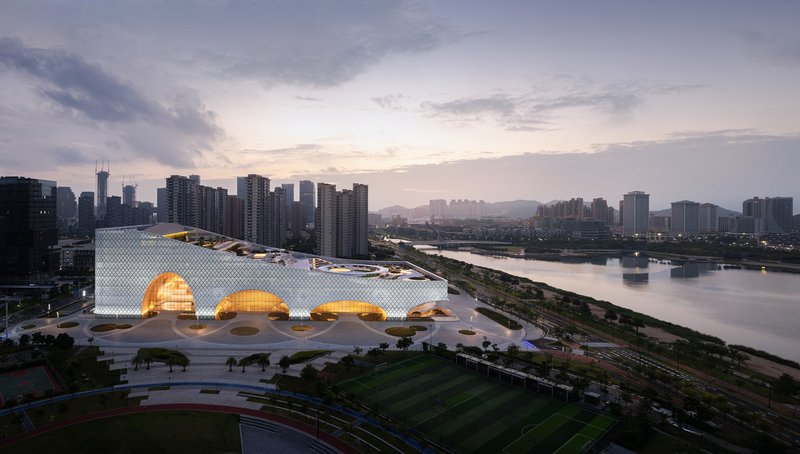
The Hengqin Culture & Art Complex, designed by Atelier Apeiron, represents a monumental achievement in cultural complex architecture. Located in Zhuhai, China, the 142,560 m² complex is a hub of culture, art, and community, strategically positioned within the dynamic Guangdong-Hong Kong-Macao Greater Bay Area. Opening its doors to the public in 2024, the complex is designed to serve as a focal point for the region, connecting residents, tourists, and artists in an innovative cultural space.
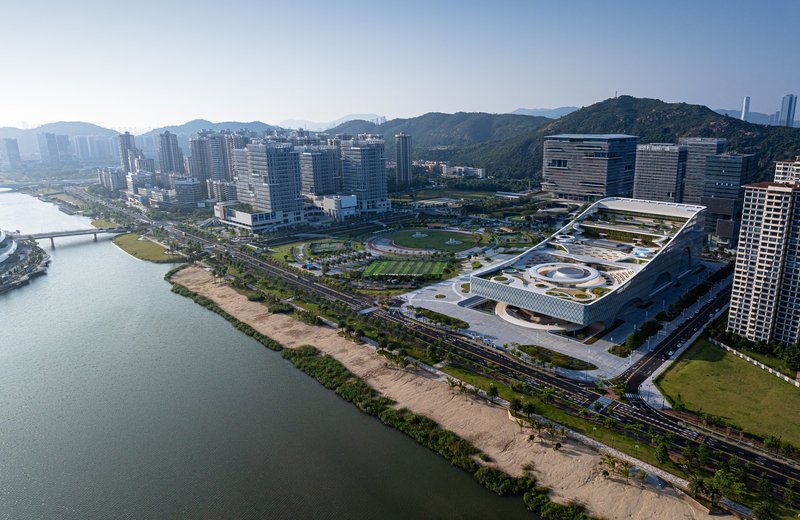
The complex embodies a blend of cultural heritage, modern design, and cutting-edge architecture that integrates public spaces, artistic venues, and educational facilities. The Hengqin Culture & Art Complex is a testament to sustainable, multifunctional urban planning, creating a vibrant environment for art exhibitions, performances, and community events.
A Multifunctional Cultural Center for the Greater Bay Area
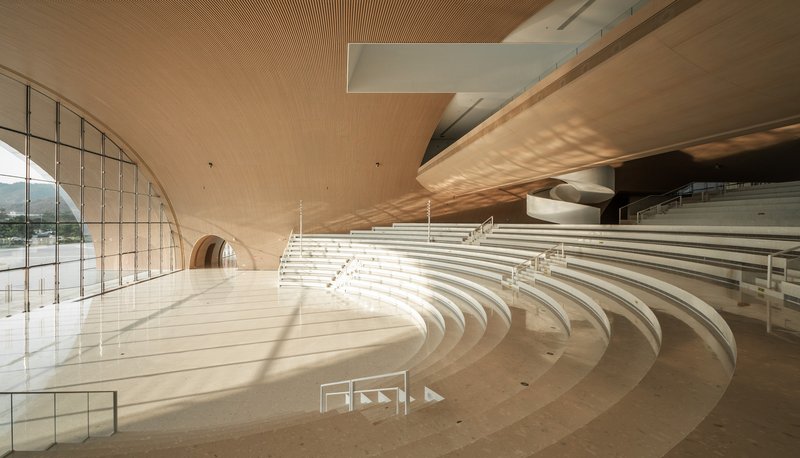
The Hengqin Culture & Art Complex comprises nine distinct cultural departments, including a library, concert hall, art gallery, science museum, and several community centers. The design aims to unify these independent functions under a single roof, fostering a cohesive environment that can accommodate a variety of cultural and social activities. Each department is designed to offer a unique experience while contributing to the complex's overall vibrancy.
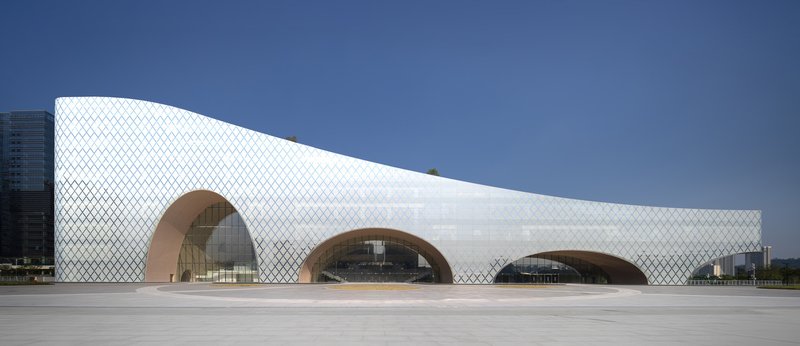
The design concept embraces a modular approach, allowing each space to remain flexible and adaptable to different events, performances, and exhibitions. Whether hosting large-scale performances or intimate workshops, the Hengqin Culture & Art Complex caters to diverse artistic and educational needs.
Innovative Architectural Design for a Dynamic City
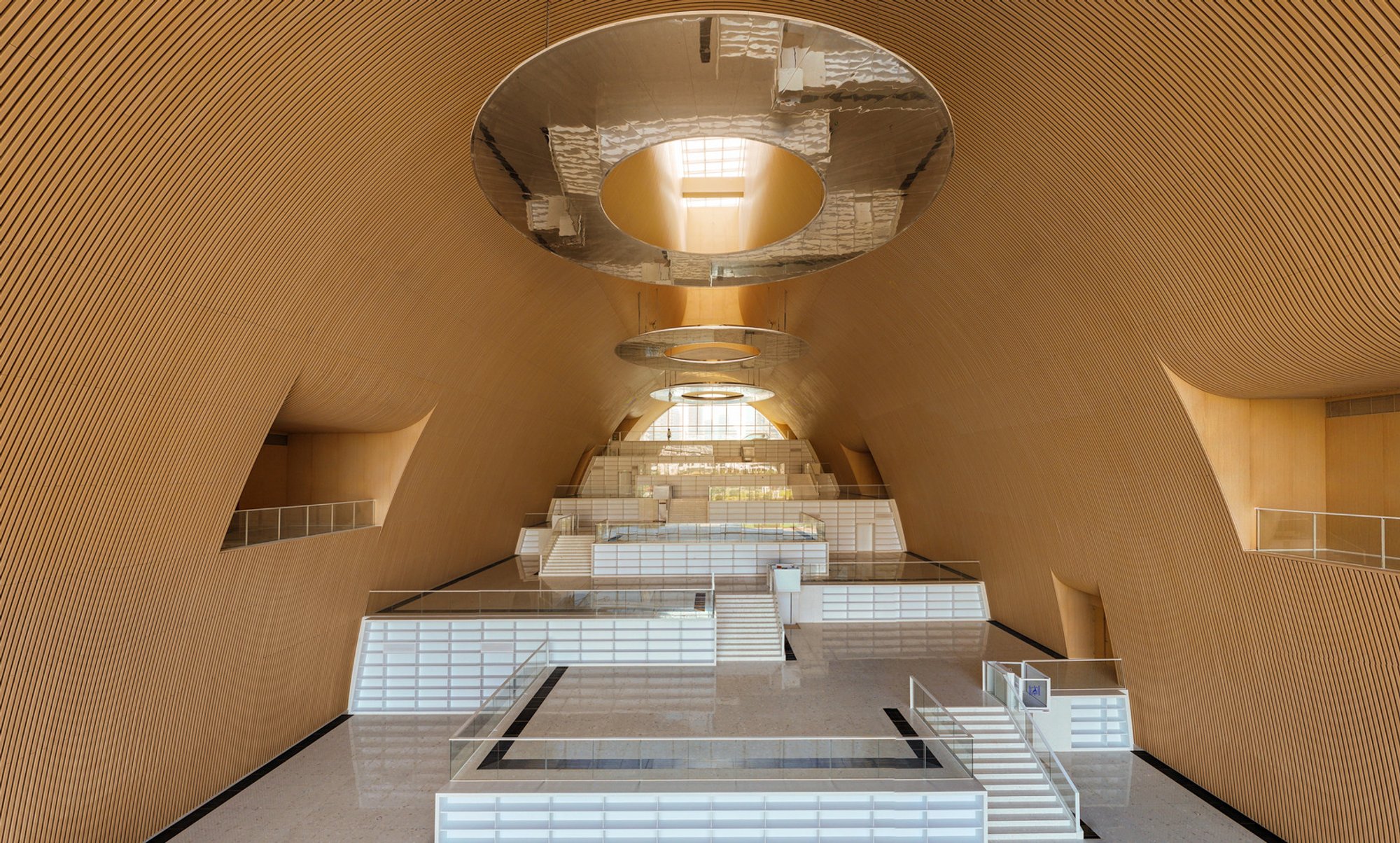
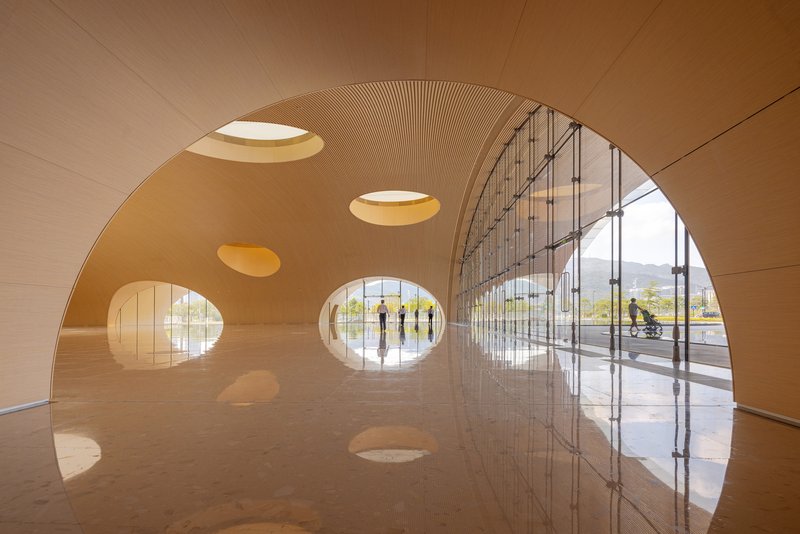
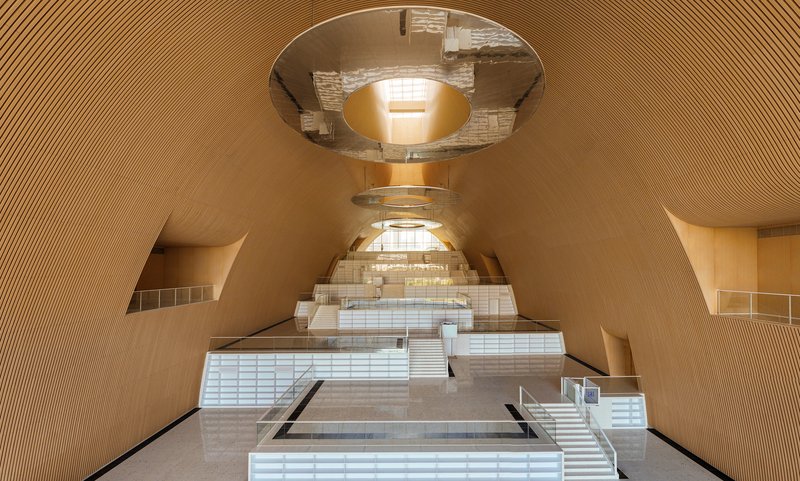
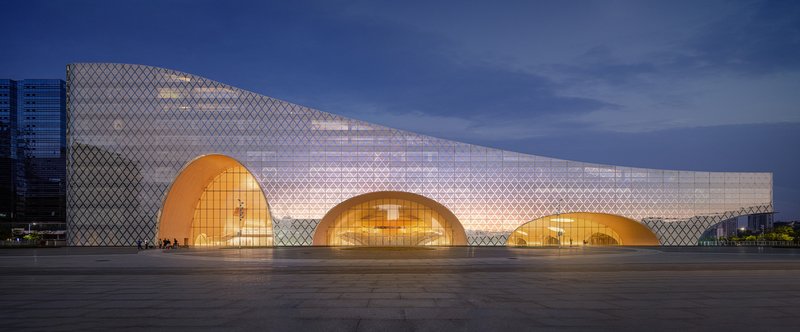
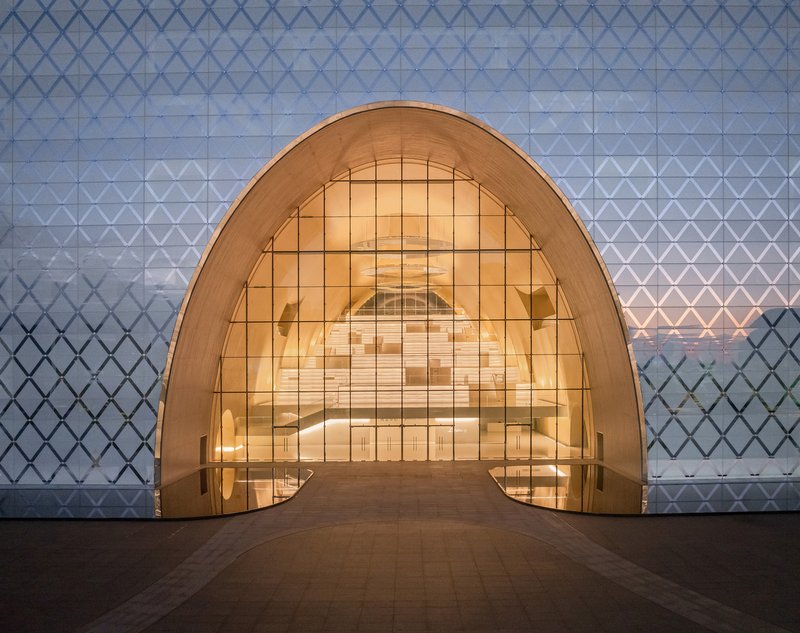
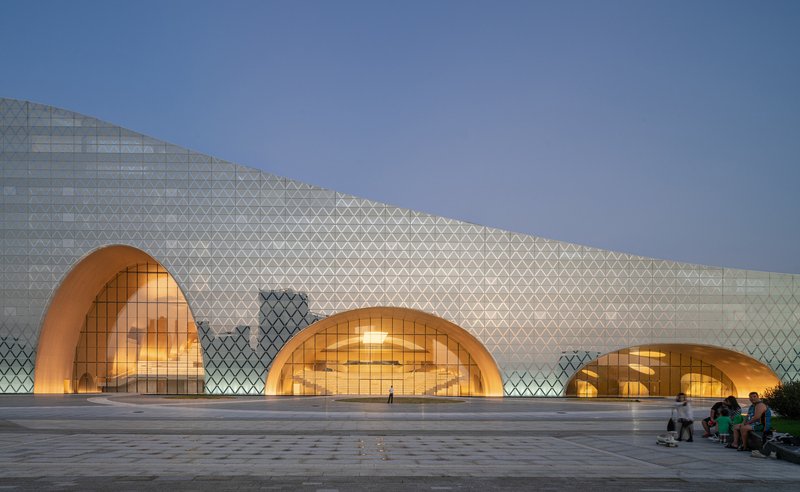
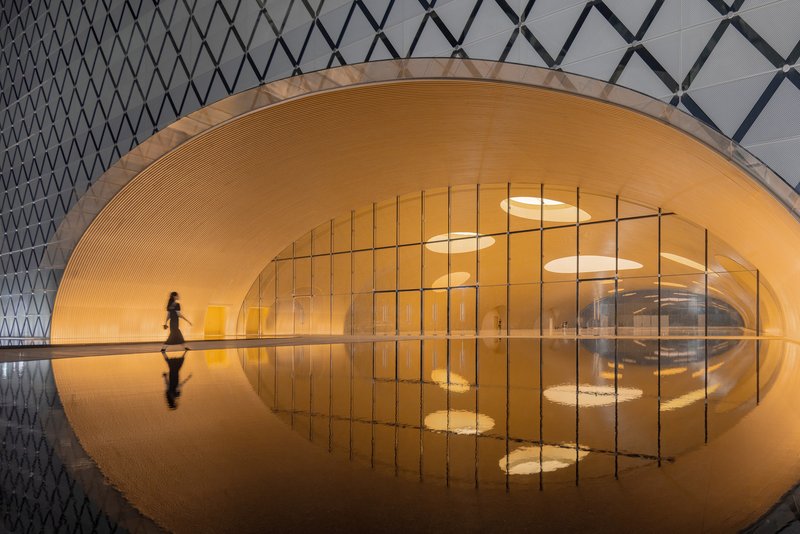
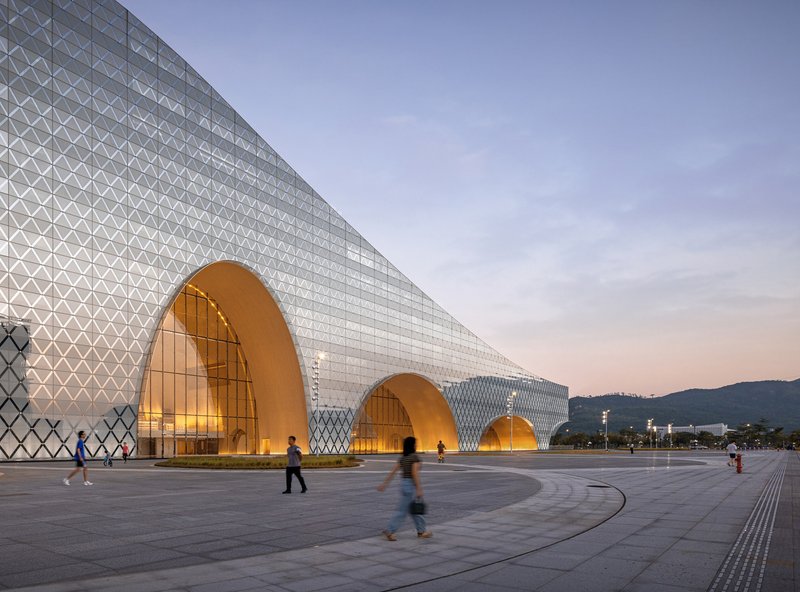
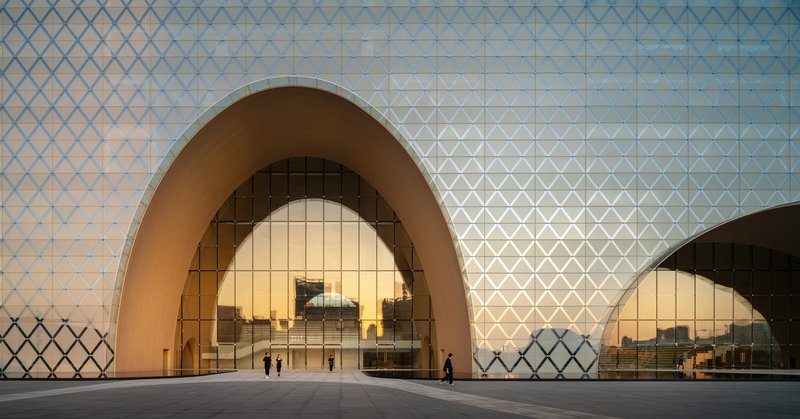
The architectural challenge of integrating nine departments into a single complex was met with an innovative approach to spatial organization. The firm used the inverted catenary arch as the key design element, creating three monumental arches that serve as gateways to the different halls within the complex. These arches are not only structurally efficient but also symbolically significant, bridging Eastern and Western architectural traditions.
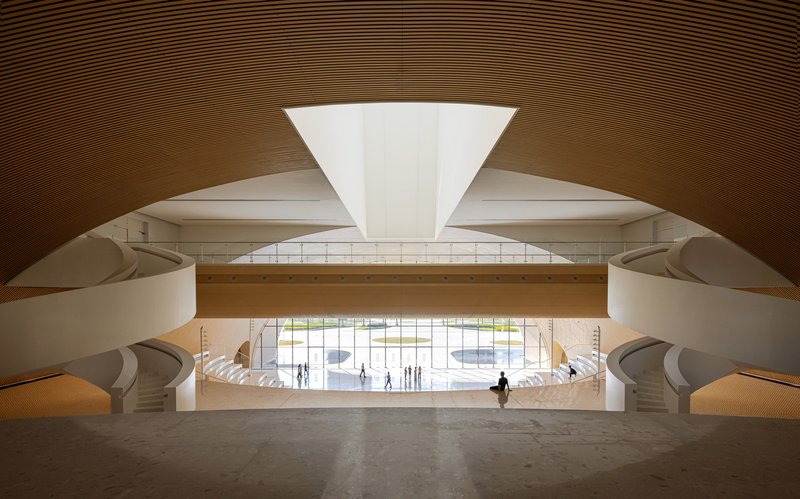
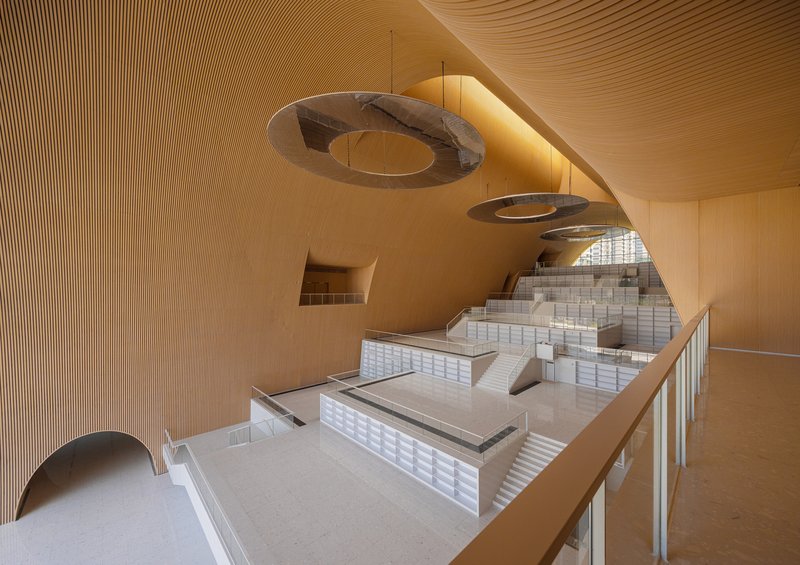
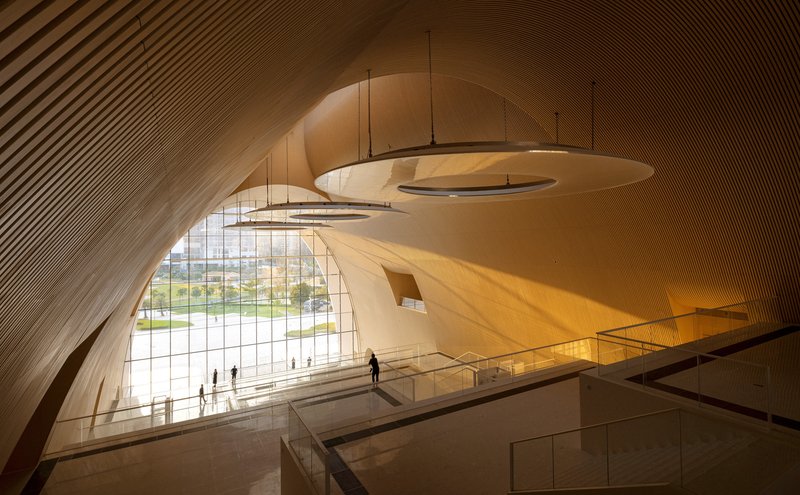
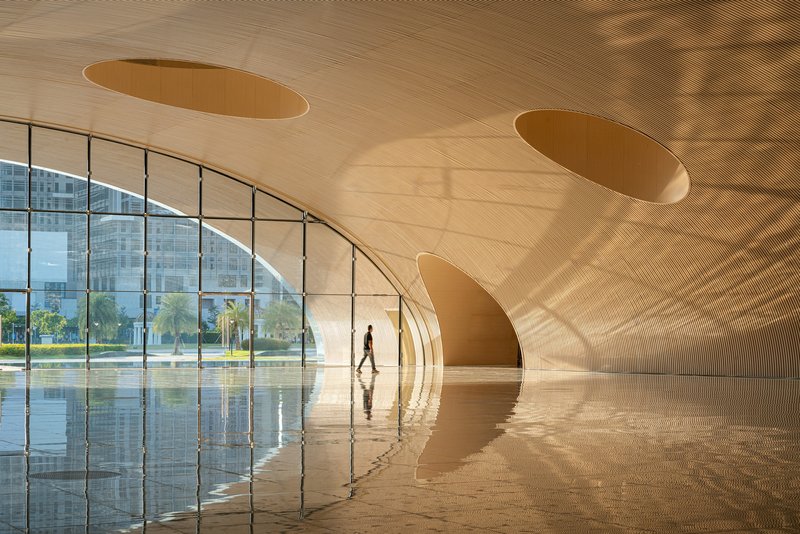
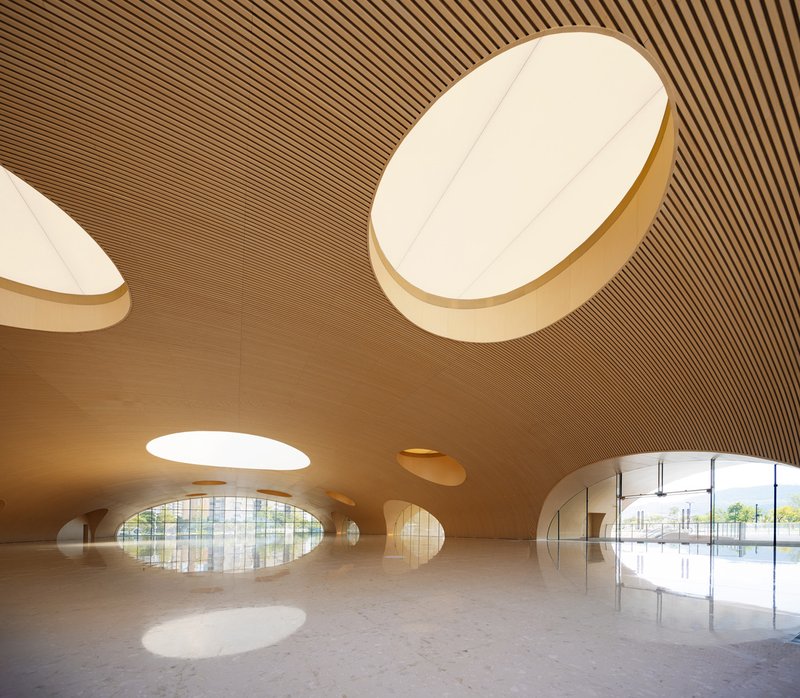
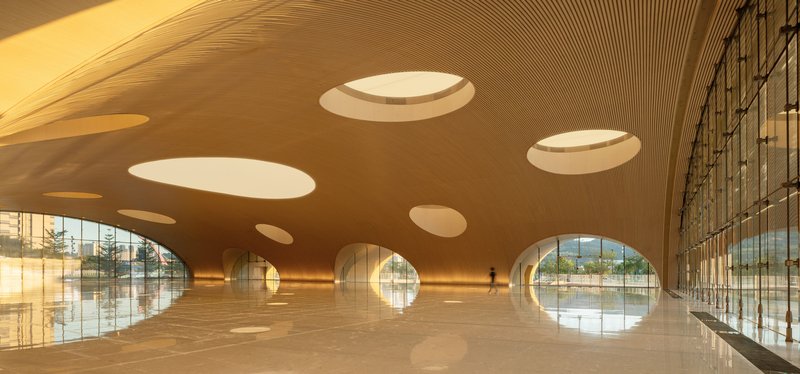
Incorporating natural light was another significant challenge. To address this, the design features skylights above the arches and reflective surfaces that diffuse sunlight into the interior spaces. The arches, made of wood and bamboo, offer transparency and allow visitors to experience unobstructed views of the surrounding urban landscape.
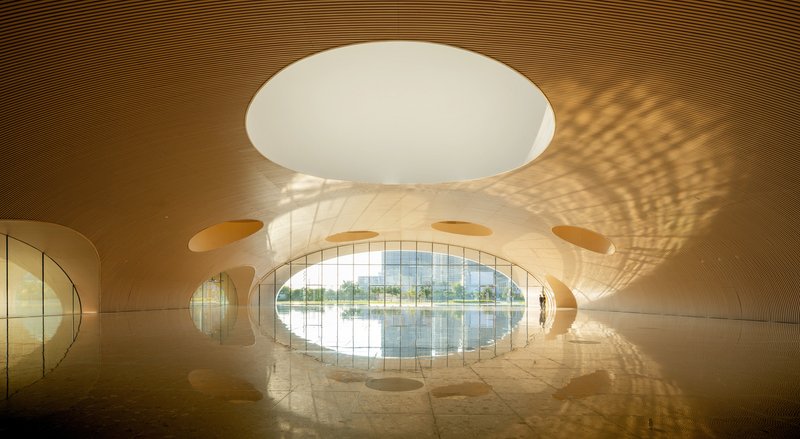
Addressing Environmental and Climatic Challenges
Designing a building in a typhoon-prone area posed significant challenges, especially regarding wind resistance and stability. To counter this, the complex utilizes suspended glass curtain walls, which provide a flexible and efficient solution for wind resistance while maintaining transparency and openness.
Additionally, the complex's foundations were carefully engineered to address the silty soil of the region. A sealed basement with anchor points was designed to ensure the structural integrity of the building, ensuring its long-term stability and safety.
Connecting the Public with Culture
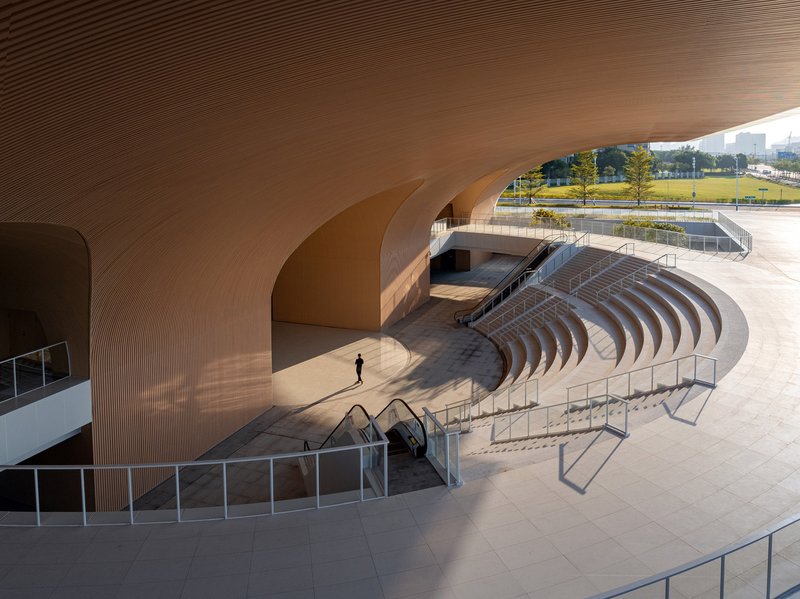
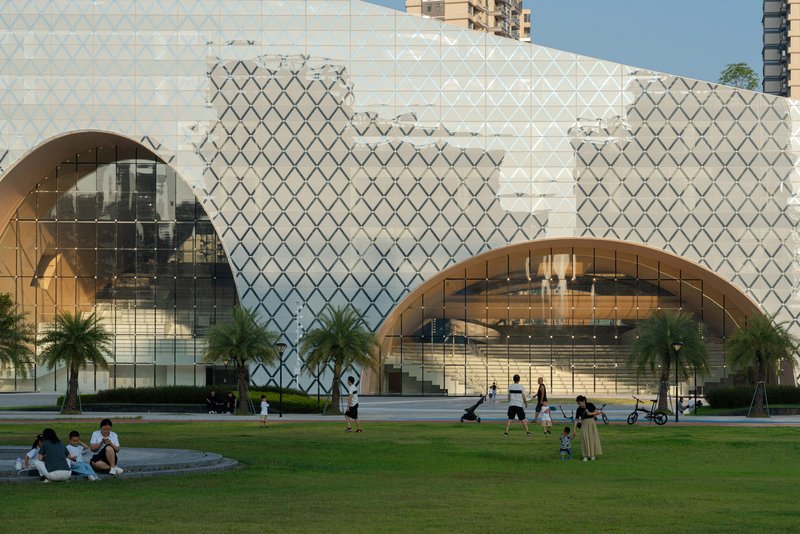
One of the standout features of the Hengqin Culture & Art Complex is its commitment to public engagement. The design incorporates a highly porous structure, allowing seamless interaction between the building and its surrounding urban environment. The lower levels of the complex are open and inviting, with three key areas—the Knowledge Hall, Performance Hall, and Exhibition Hall—designed to host a variety of events, including art exhibitions, theater performances, and educational programs.
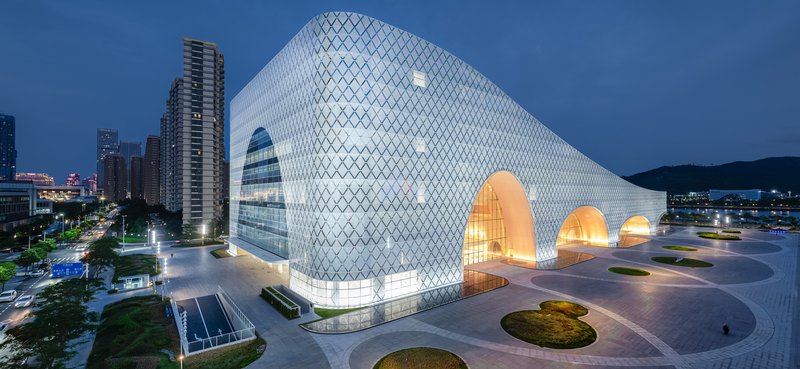
The modular design of the complex ensures that future programs can be easily accommodated, offering flexibility for years to come. Whether for public performances or community-driven cultural events, the Hengqin Culture & Art Complex will continue to be a vibrant space that engages with its visitors on many levels.
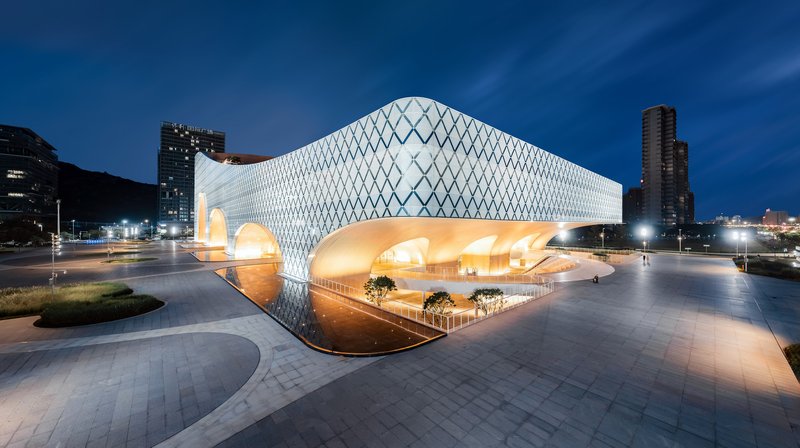
Landscaping and Environmental Integration
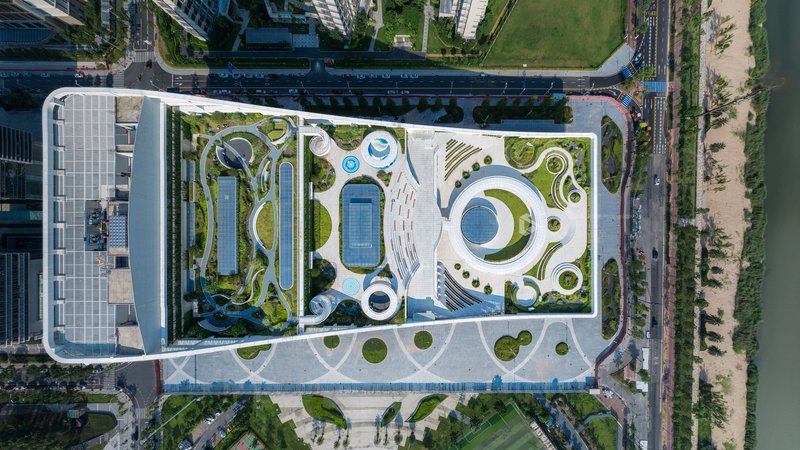
The landscape design of the Hengqin Culture & Art Complex integrates nature into the architectural experience. Drawing inspiration from natural forms such as terraces, caves, and cliffs, the complex's rooftop gardens offer visitors a tranquil retreat with stunning views of the surrounding cityscape.
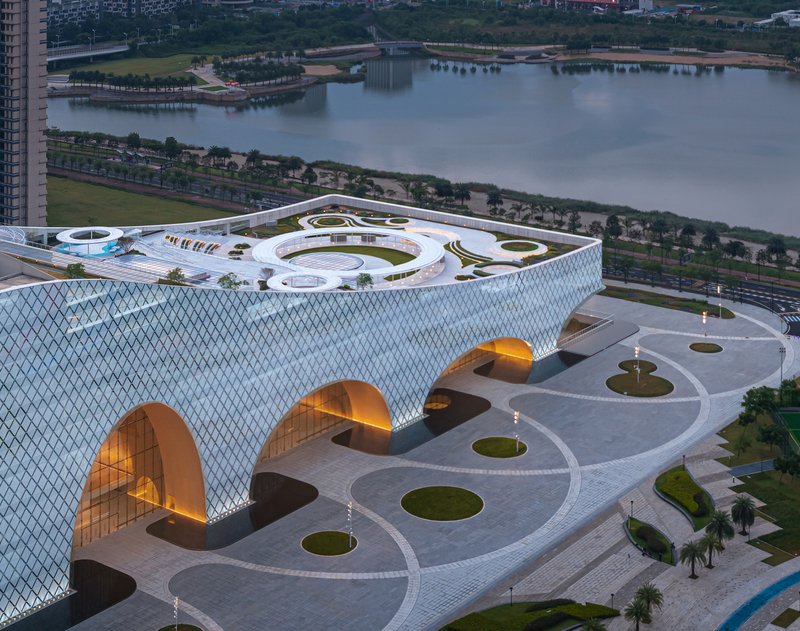
Multiple platforms across different levels provide spaces for various activities, from children’s play areas to environmental zones. These green spaces serve not only as recreational areas but also as vital parts of the complex's sustainability strategy. They contribute to the building’s eco-conscious design by reducing its carbon footprint and enhancing the overall quality of the urban environment.
Cultural and Artistic Legacy
As a new cultural landmark, the Hengqin Culture & Art Complex sets a precedent for cultural complex architecture in China. The combination of art, education, and community within the design fosters a strong sense of identity and civic pride. Through innovative design solutions, the complex is poised to become an integral part of the city's future, welcoming millions of visitors and contributing to the development of the region's cultural and creative industries.
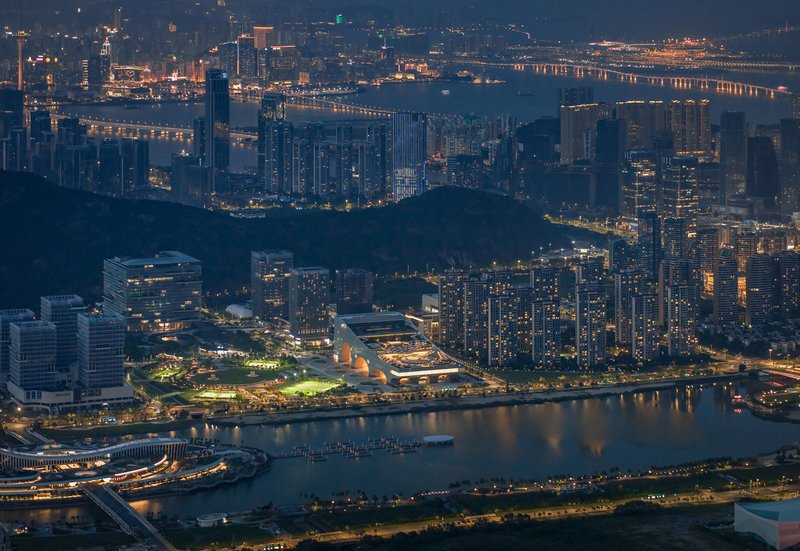
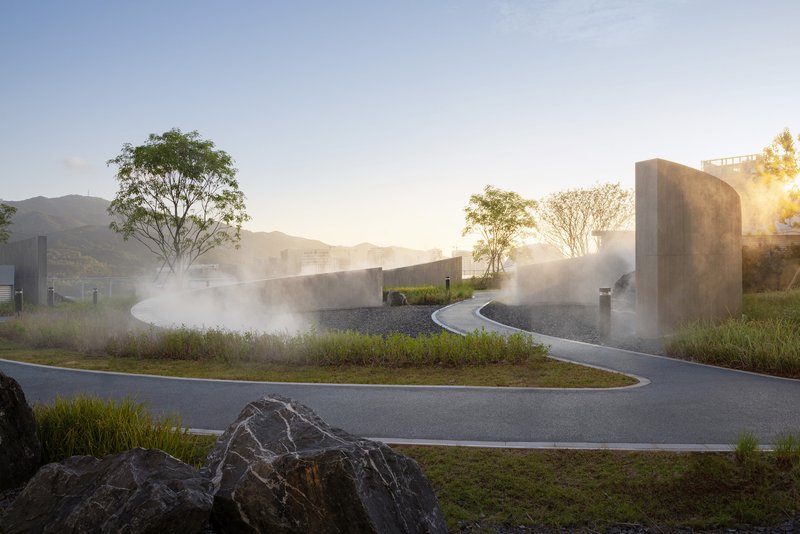
The Hengqin Culture & Art Complex stands as a monumental achievement in cultural complex architecture, integrating sustainability, flexibility, and public engagement into a cohesive design. By incorporating innovative engineering solutions and an adaptable layout, this cultural landmark offers a unique space for artistic expression, education, and community interaction. It sets a new benchmark for multifunctional cultural centers, blending modernity with cultural heritage in a rapidly evolving urban landscape.
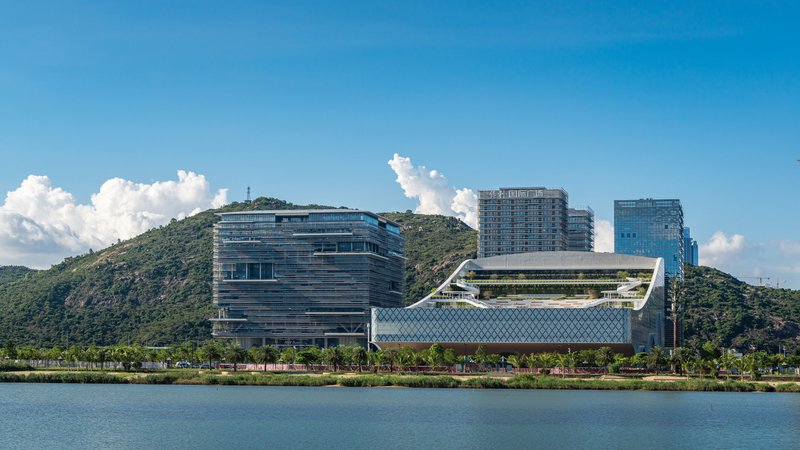
All photographs are works of Shengliang Su, Hao Zhang, Yipeng Lv