
Exploring Innovation in Computational Design with the Beegraphy Design Awards
Discover how computational design turns concepts into reality through projects like the MX3D Bridge, and learn how to join the Beegraphy Design Awards to showcase your innovation.


In today's rapidly evolving world, the fusion of technology and creativity is unlocking unprecedented possibilities. At the heart of this revolution lies computational design, a transformative approach that empowers creators to transcend traditional boundaries and bring visionary concepts to life. From groundbreaking infrastructure that redefines engineering to industrial designs that optimize efficiency, computational design is not just shaping objects—it's shaping the future.
This article delves into the innovative potential of computational design through real-world case studies that exemplify its impact. We also introduce the Beegraphy Design Awards, a platform dedicated to fostering innovation and creativity in computational design. If you're a creator eager to turn your concepts into reality and make a meaningful difference, this is your opportunity to shine.
The Evolution of Computational Design
Computational design refers to the use of computational methods and algorithms to aid the design process. It allows designers to explore complex forms, patterns, and structures that would be challenging—or even impossible—to achieve through traditional means. Originating from the advent of computer-aided design (CAD) in the mid-20th century, computational design has evolved dramatically with advancements in computing power, software, and algorithms.
Today, computational design enables:
- Parametric Design: Creating flexible models where key parameters can be adjusted to generate variations.
- Generative Design: Using algorithms to generate optimal design solutions based on specified constraints.
- Simulation and Optimization: Testing and refining designs virtually before physical production, saving time and resources.
This approach is revolutionizing industries such as architecture, product design, and healthcare, facilitating innovation and efficiency on an unprecedented scale.
From Concept to Reality – Case Studies of Innovation
Case Study 1: Innovative Infrastructure – The MX3D 3D-Printed Steel Bridge
Project Overview
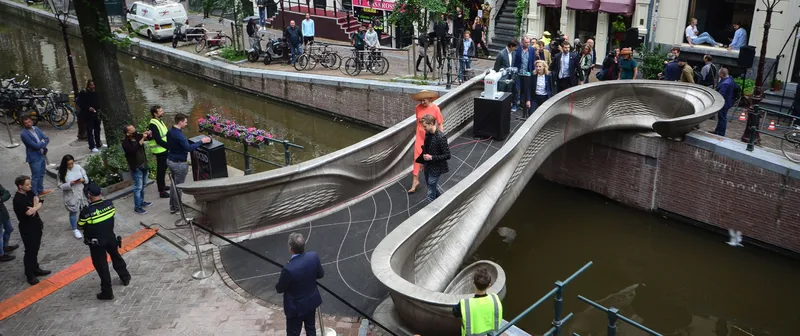
The MX3D Bridge in Amsterdam is the world's first 3D-printed steel bridge, unveiled in July 2021. Developed by Dutch company MX3D in collaboration with Joris Laarman Lab, this pedestrian bridge spans one of Amsterdam's historic canals in the city center. The project exemplifies how computational design and advanced manufacturing techniques can revolutionize infrastructure development.
Computational Techniques Used
- Generative Design: The bridge's intricate lattice structure was developed using generative design algorithms that optimized the geometry for strength and material efficiency.
- Parametric Modeling: Designers used parametric models to adjust and refine the bridge's form dynamically, ensuring it met aesthetic and structural requirements.
- Structural Simulations: Advanced computational simulations analyzed load-bearing capacities and stress distribution throughout the bridge.
- Robotic 3D Printing: The design was brought to life using multi-axis industrial robots that welded layers of steel to create the complex structure without the need for traditional molds or frameworks.
Impact and Realization
The MX3D Bridge demonstrates the potential of 3D printing in large-scale metal structures, opening new possibilities for custom, efficient, and sustainable infrastructure. The project also incorporates a network of sensors that monitor the bridge's performance in real-time, feeding data back into computational models for ongoing analysis. This fusion of design, manufacturing, and digital monitoring positions the bridge as a pioneer in smart infrastructure.
Case Study 2: Industrial Design Innovation – The Airbus Bionic Partition
Project Overview
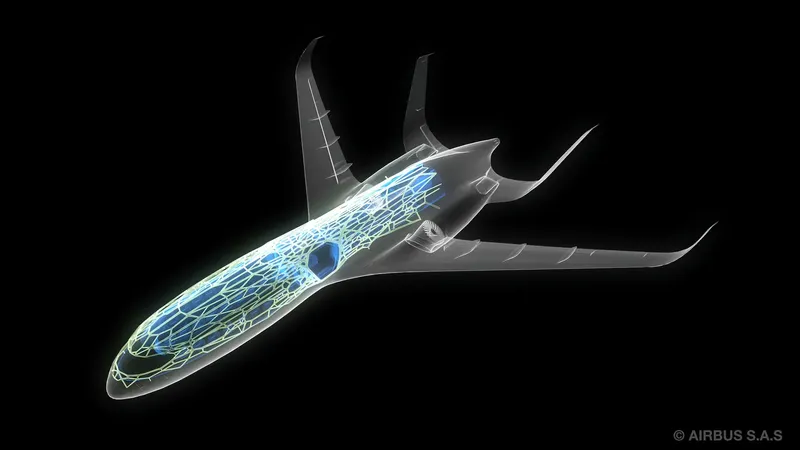
In collaboration with Autodesk, Airbus developed the Bionic Partition, a lightweight cabin divider for their A320 aircraft, unveiled in 2015. This project showcases how computational design can revolutionize industrial components by optimizing them for performance and efficiency.
Computational Methods Used
- Generative Design: Utilizing algorithms that mimic natural growth patterns, the partition's design was optimized for minimal weight and maximal strength, resembling the structure of human bones.
- Topology Optimization: Computational techniques were used to remove unnecessary material from the design while maintaining structural integrity.
- Additive Manufacturing: The complex geometry was produced using 3D printing with a high-strength alloy, enabling the creation of intricate forms not possible with traditional manufacturing.
Impact and Realization
The Bionic Partition is 45% lighter than traditional designs, contributing to significant fuel savings and reduced CO2 emissions over the aircraft's lifespan. The partition also meets all safety and regulatory requirements. This case demonstrates how computational design can lead to more efficient and sustainable industrial products, pushing the boundaries of what's possible in manufacturing.
Case Study 3: Medical Advancements – Patient-Specific Implants
Project Overview
In medicine, computational design has enabled the creation of patient-specific implants through 3D printing technologies. Companies like Materialise have pioneered solutions that are tailored to individual patients, improving surgical outcomes and recovery times.

Computational Methods
- Anatomical Modeling: Utilizing patient CT or MRI data to create accurate 3D models of anatomical structures.
- Custom Design: Engineers use computational tools to design implants that fit precisely, optimizing for biomechanical performance.
- Simulation: Virtual testing ensures the implant will function correctly under physiological loads.
Improving Lives
Patient-specific implants have transformed orthopedic and craniofacial surgeries. They reduce operation times, improve implant integration, and enhance patient comfort. This personalized approach exemplifies how computational design directly impacts individuals' quality of life.
The Power of Computational Design
These case studies highlight several key advantages of computational design:
- Innovation: Unlocking creative possibilities beyond traditional methods.
- Efficiency: Optimizing resources, reducing waste, and saving time.
- Customization: Tailoring solutions to specific needs, from individual products to large-scale structures.
- Sustainability: Enhancing environmental performance through optimized designs.
- Scalability: Easily adapting designs for different contexts or mass production.
Computational design addresses complex challenges by leveraging data and algorithms, enabling designers to explore uncharted territories. As technology advances, its potential applications continue to expand, promising exciting developments across various fields.
Introducing the Beegraphy Design Awards
To foster innovation and support creators in pushing the boundaries of design, Beegraphy presents the Beegraphy Design Awards. Beegraphy is an online platform dedicated to computational design, offering tools and resources for designers to create, share, and collaborate on parametric models.
About the Awards
The Beegraphy Design Awards aim to recognize and celebrate outstanding computational design projects across various categories. The awards provide a platform for designers to showcase their work, gain recognition, and connect with a global community of innovators.
Open Innovation Category
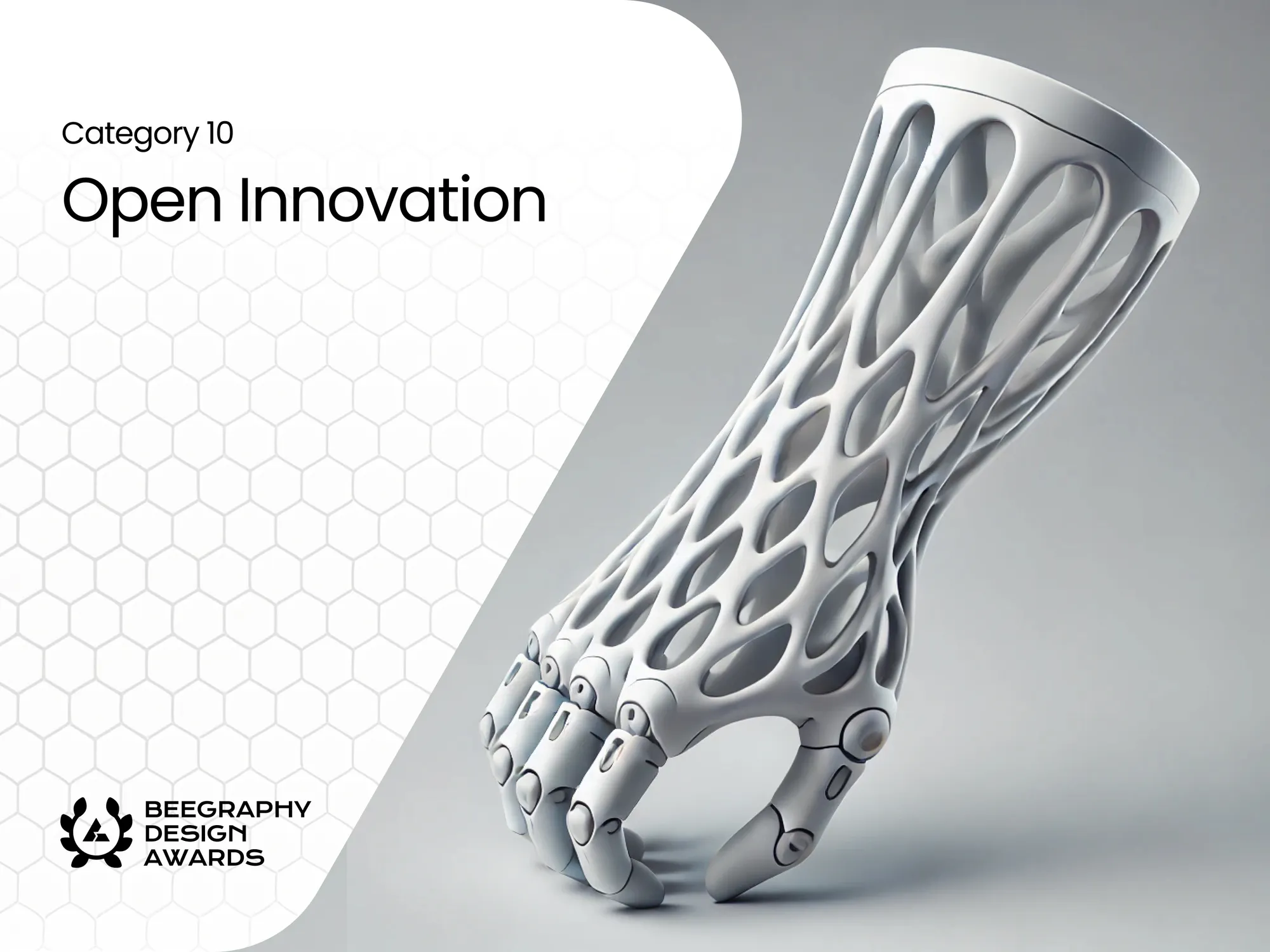
The Open Innovation category is particularly exciting, as it invites creators from all fields to submit their computational designs without limitations on scale, size, or material. Whether your project is in architecture, product design, healthcare, environmental solutions, or any other domain, this category welcomes your unique ideas.
Design Criteria:
- Originality: Present a unique solution or concept demonstrating high creativity.
- Functionality: Ensure the design serves a clear purpose or solves a specific problem.
- Aesthetics: Reflect thoughtful and artistic design choices.
- Feasibility: Consider practicality and current technological capabilities.
- Impact: Assess the potential social, environmental, or economic benefits.
Key Information
- Registration: Register and read brief of the competition on UNI
- Submission: Create and submit your Computational Design on Beegraphy. Learn More
- Deadline: Submit your entry by 9th December. Check out the schedule.
- Jury: The competition will be judged by some of the experts in the field of computational design. See the full list here.

Resources and Support
- Tutorials and Webinars: Access educational content to enhance your skills with these learning resources.
- Community Forum: Engage with other designers, share insights, and seek feedback. Join Discord
- Technical Support: Get assistance with any aspect of your submission at support@beegraphy.com
The Beegraphy Design Awards offer a unique opportunity for creators to be at the forefront of this exciting field. By participating, you can bring your ideas to life, gain recognition, and contribute to meaningful advancements in society.
Innovation thrives when imagination meets technology. As computational design continues to evolve, it's the visionaries and creators who will define what's possible. Your ideas could be the next breakthrough that inspires change and makes a lasting impact.
Don't just imagine the future—design it. Submit your project to the Beegraphy Design Awards and be part of the movement transforming concepts into reality.


Popular Articles
Popular articles from the community


Co-Life: Senior Housing Design That Reconnects Older Adults With the City
Co-Life reimagines senior housing design through healing gardens, shared streets, workshops, and a sustainable community across generations.

The Ocean Hive: Sustainable Architecture for a Self-Sufficient Civilization at Sea
The Ocean Hive imagines sustainable architecture at sea, where modular habitats, algae, wave power and ocean waste sustain a growing colony.

Lunar Spiral: Space Architecture Shaped by the Mathematics of the Universe
Lunar Spiral reimagines space architecture through Fibonacci geometry, lunar regolith, levitating habitats, and self-sustaining Moon living.

Play: Fragments of Their World
Familiar architecture becomes modular playground design, creating safe spaces where displaced children can learn, connect, imagine and play.


Similar Reads
You might also enjoy these articles

Day and Night Park: A Time-Based Urban Newsstand in Beijing
A temporary urban newsstand in Beijing blending travel, light, and reading through poetic colors, compact form, and community-focused design.

Modernist Patio Renovation in El Masnou, Barcelona by Oliver Segura Arquitectura + Cebrià Arquitectura
Modernist patio renovation blending tradition and innovation with a movable pool, leveled floors, and Catalan materials in El Masnou.
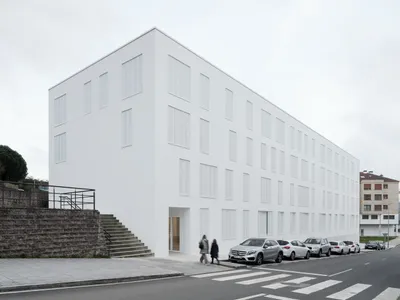
Alto Residencial Coop: Cooperative Housing Development in Santiago de Compostela by Carbajo Barrios Arquitectos
A linear cooperative housing complex blending white volumes and perforated metal façades, enhancing community living, natural light, privacy, and urban integration.
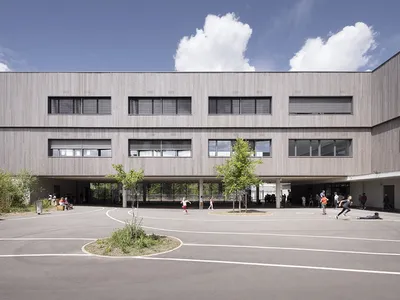
Vil Genis School by BPA ARCHITECTURE – Massy, France
Vil Genis School in Massy, France, features sustainable design, south-facing classrooms, community integration, accessible spaces, and modern educational architecture.





Comments (0)
Please login or sign up to add comments
No comments yet. Be the first to comment!