Germinated Seed: A Model of Sustainable Architecture in Hong Kong
A seed-shaped sanctuary of sustainability, where urban farming, biodiversity, and resilient design grow together.


What does a seed bank in the heart of a megalopolis mean? What is the role of urban agriculture in the architecture of tomorrow?The Germinated Seed project by Audrey Bayle answers these questions through a visionary approach to sustainable architecture, combining food security, climate resilience, and community engagement in one unified space.
Context: Architecture as a Response to Global Challenges
As urban populations grow and the climate crisis escalates, architecture must respond with sustainable, forward-thinking solutions. The Germinated Seed is a seed bank integrated into the dense urban fabric of Hong Kong, designed to protect biodiversity and promote urban farming practices. Here, seeds are not only preserved but also celebrated as essential building blocks of our future food systems.
Urban Agriculture: The Core of Sustainable Architecture
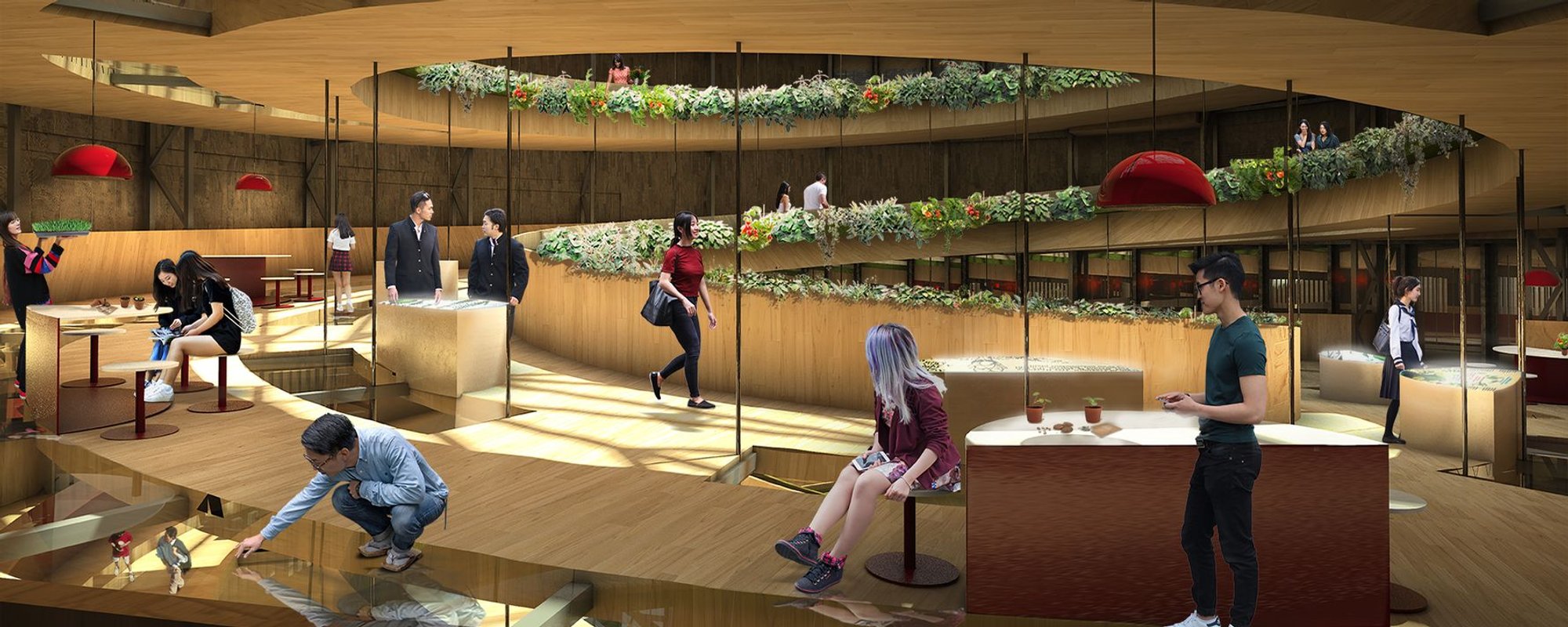
According to the Food and Agriculture Organization, urban agriculture is key to global food security. This project creates a living architecture that provides public spaces, markets, and learning hubs centered around local food production. It reconnects city dwellers with nature by integrating green spaces, aeroponic planters, and communal farming within the built environment.
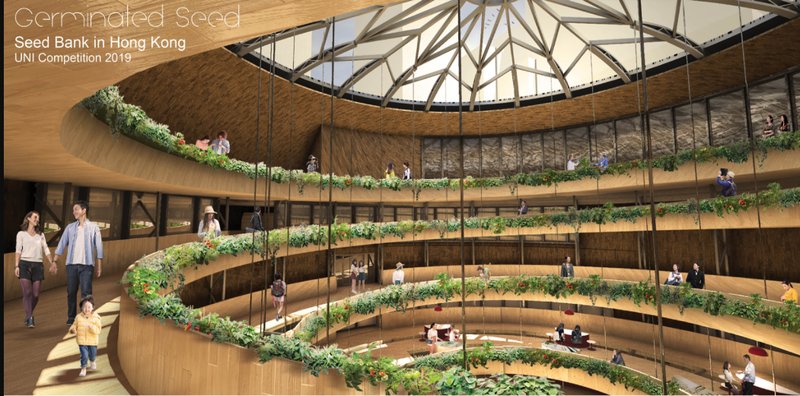
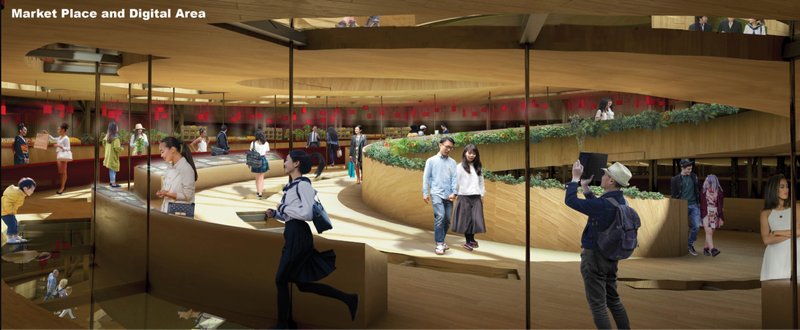
The building’s radial form invites visitors to walk up through a spiraling ramp, discovering layers of agriculture, education, and social exchange. It becomes an immersive journey into sustainable living.
Nature in the City: Breathing Green into the Urban Core
The project is envisioned as a "breath" in the urban context—a green lung offering shelter for biodiversity and a haven for people. Spontaneous vegetation and curated planting areas increase well-being, reduce stress, and improve environmental quality without pesticides or chemicals.
Climate Adaptation Through Design
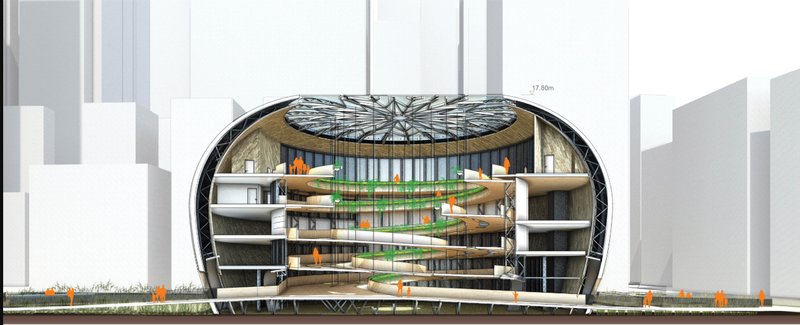
Sustainable architecture must be resilient. The Germinated Seed incorporates rainwater harvesting systems and double-skin façades that regulate temperature and reduce the urban heat island effect. The building's cladding does not accumulate heat, acting as a natural insulator.
Its open central core allows for natural airflow, while mechanical systems optimize the seed bank's storage conditions. These features together demonstrate a proactive approach to environmental change.
Program & Function: A Vertical Ecosystem
Spanning five levels, each floor has a clear function:
- Composting, recycling, and wastewater systems support circular living.
- Workshops, digital labs, and repair stations empower citizens.
- Seed libraries, libraries, and auditoriums educate the public.
- Urban agriculture fields outside and inside support hands-on learning.
The layout fosters interaction, with marketplaces and public zones blending education and economy.
Design Innovation: A Sculptural, Spherical Form
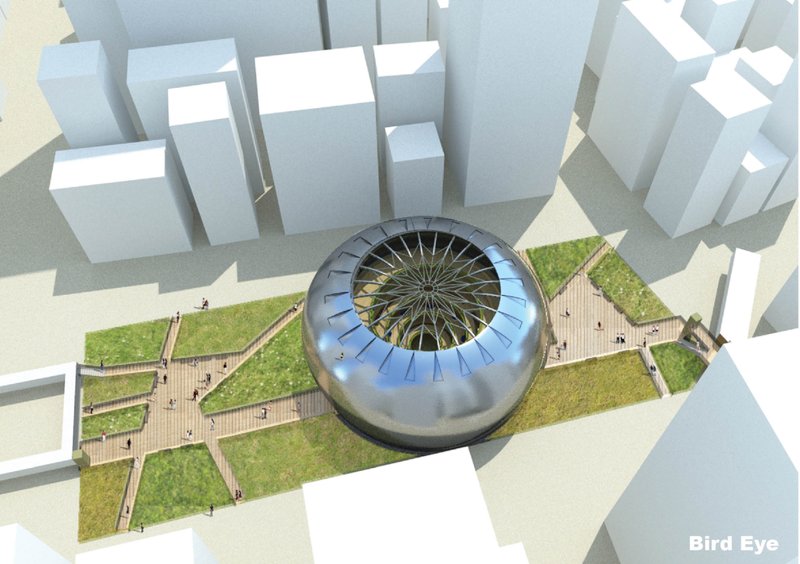
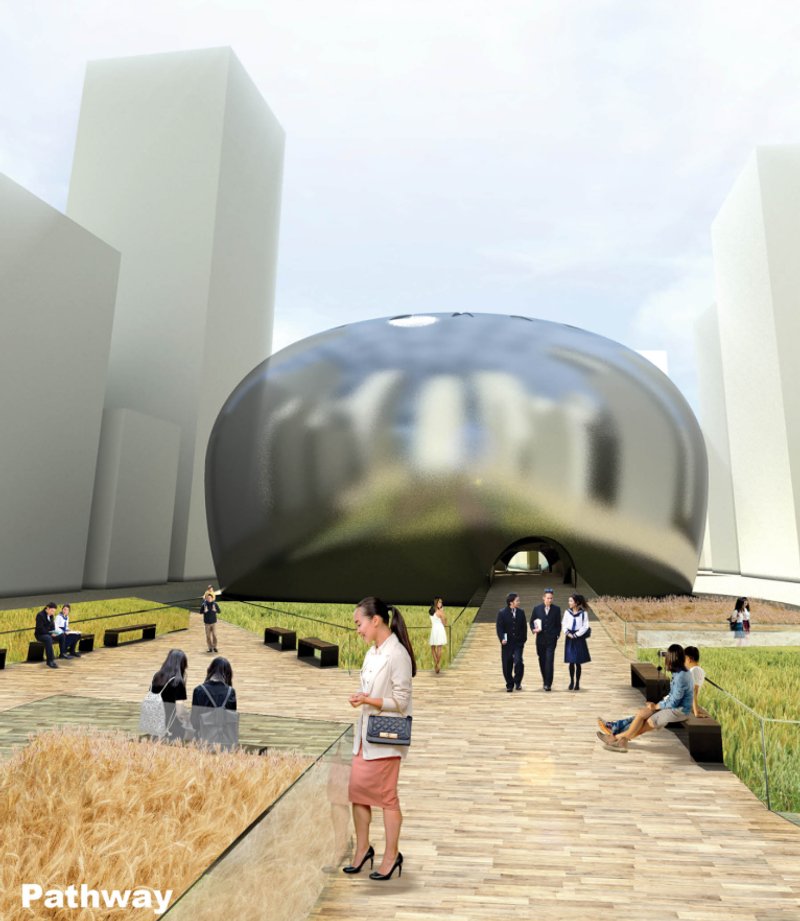
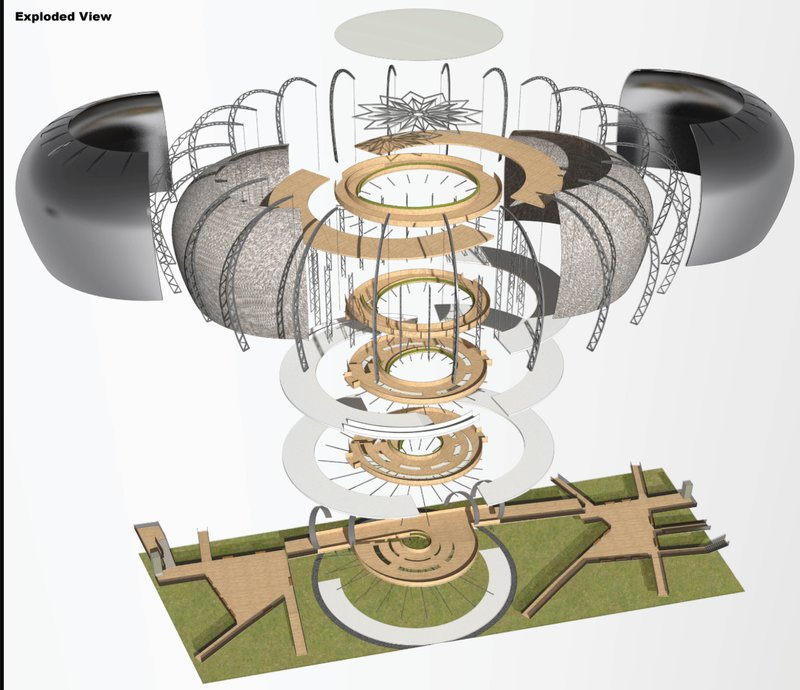
The Germinated Seed's form echoes a seed itself—symbolic and functional. The structure includes a metallic shell that protects a warm, wooden interior. Its exploded axonometric reveals a refined layering of public and technical spaces held together by an expressive architectural form.
From bird’s-eye views to section cuts, every part of the building is intentional—ventilation, lighting, and materiality come together to make a space that is both futuristic and deeply rooted in ecological values.
A Winner of the UNI Seed Bank Competition
Designed by Audrey Bayle, Germinated Seed won the UNI Seed Bank Competition for its compelling vision of integrating architecture, agriculture, and climate resilience. It challenges the conventional boundaries of architecture by prioritizing environmental and social sustainability.
In essence, Germinated Seed is not just a building—it's a living system. A hub of knowledge, biodiversity, and community rooted in the principles of sustainable architecture.