

Halala Kella Lodge Architecture: A Fusion of Heritage, Sustainability, and Luxury in Ethiopia
Halala Kella Lodge combines Ethiopia’s heritage, vernacular design, and sustainability to create a luxurious eco-resort within the historic Halala Wall.


Halala Kella Lodge is a groundbreaking hospitality project by RAAS Architects, redefining luxury eco-tourism in Ethiopia. Located within the historic Halala Kella, a monumental stone wall built by King Kawo Halala in the late 18th century, the lodge combines cultural authenticity, vernacular architecture, and sustainable design strategies to create a world-class destination.
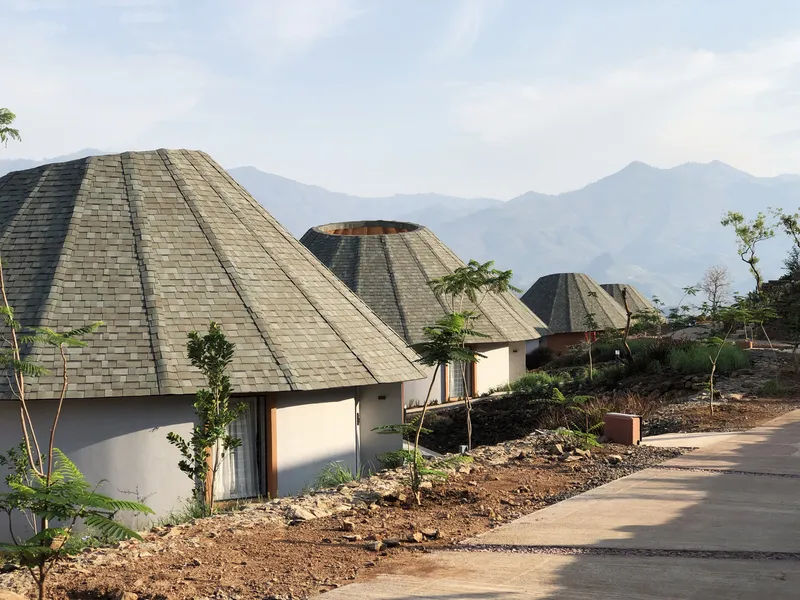


Historical Context and Location
Situated in the Dawro Zone of Ethiopia's Southern Nations, Nationalities, and Peoples' Region, the Halala Kella Wall originally spanned approximately 175 kilometers. This remarkable fortification surrounds a landscape defined by the Omo River and Lake Gibe III, providing a dramatic natural backdrop for the resort. The project falls under Ethiopia's 'Gebeta Le Hager' initiative, spearheaded by Prime Minister Dr. Abiy Ahmed to boost tourism and regional development.


Master Plan and Site Layout
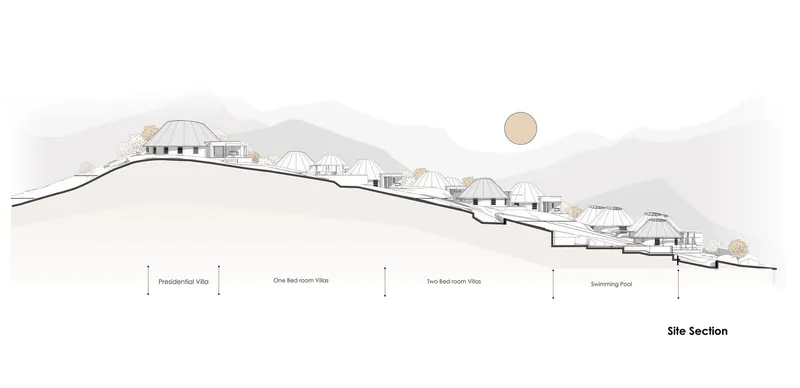
Spread across 12 hectares of sloped basaltic terrain at 850 meters above sea level, Halala Kella Lodge incorporates a wide range of facilities, including:
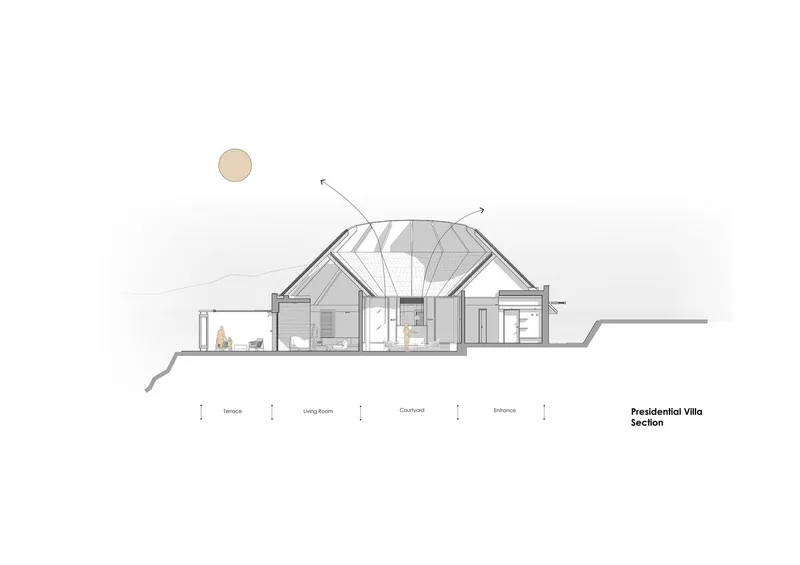
- Two presidential villas
- 18 one- and two-bedroom villas
- A reception and lounge area
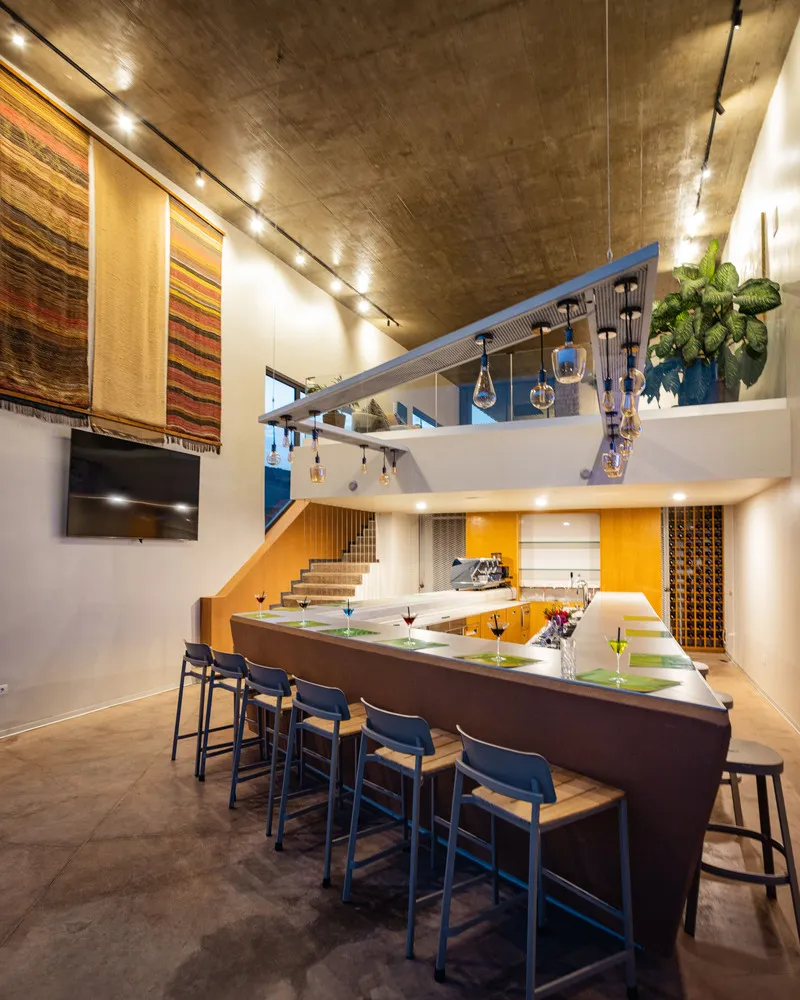
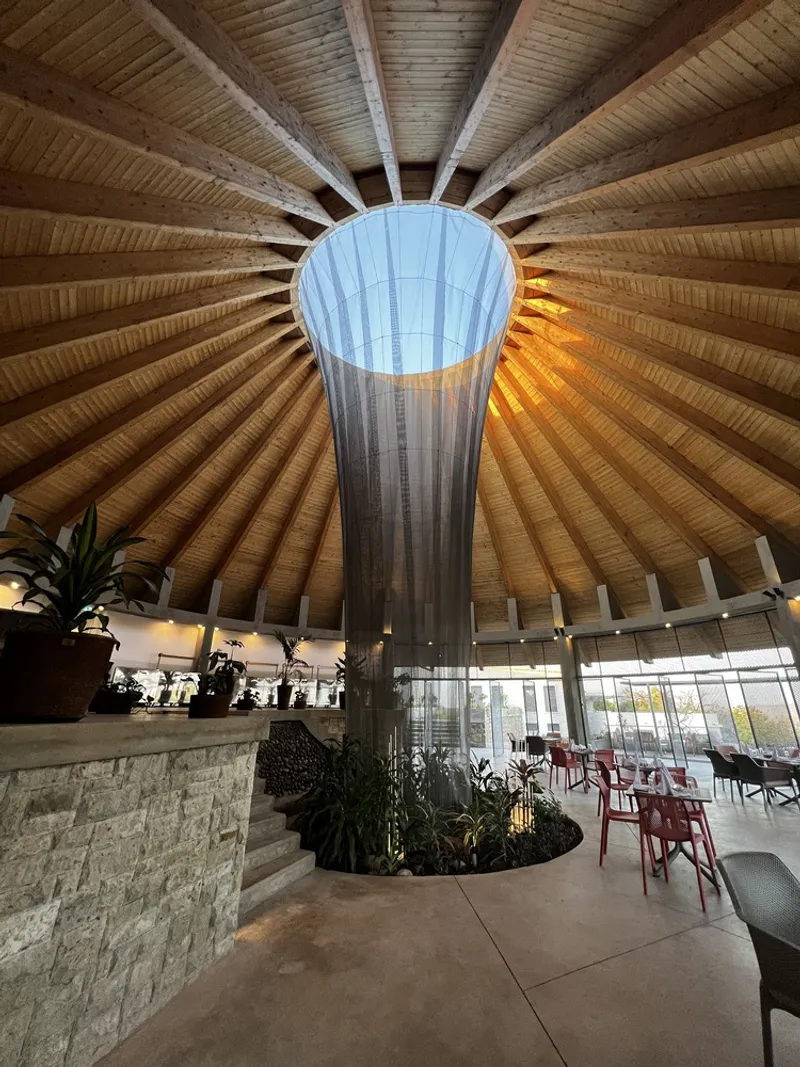
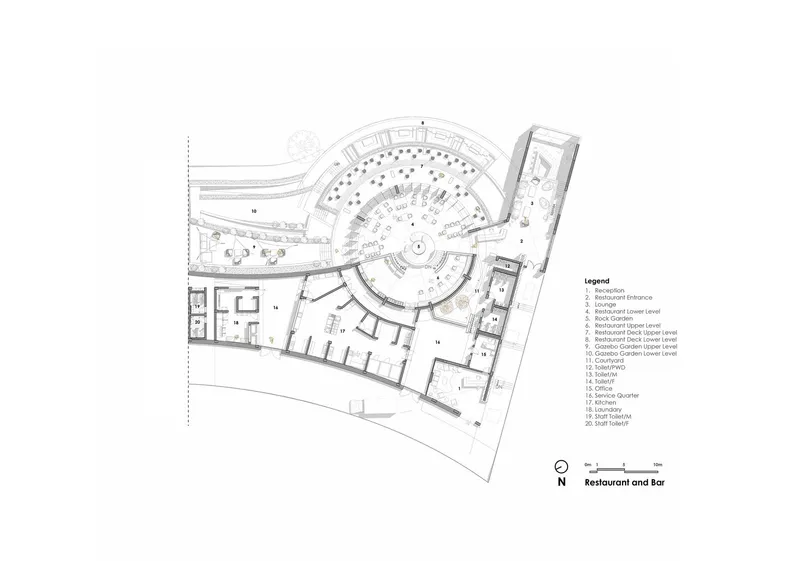
- A signature restaurant and bar
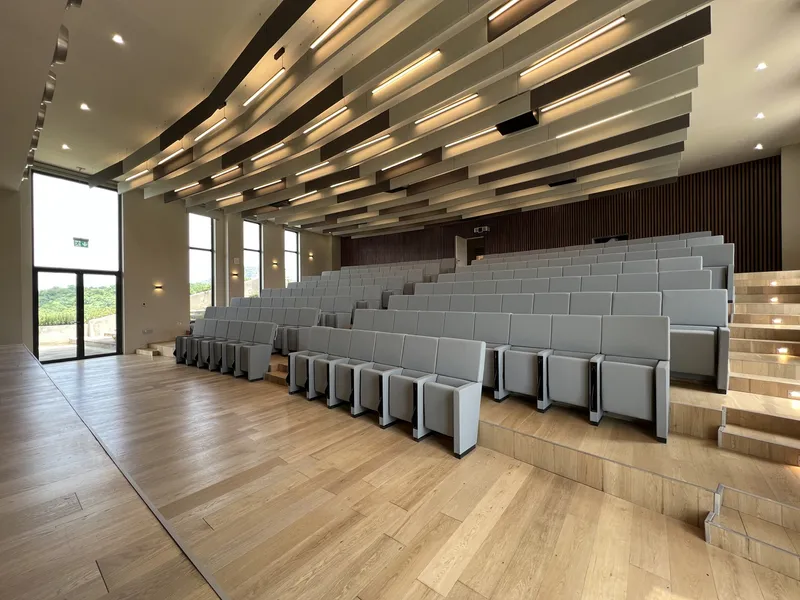
- Convention center and museum
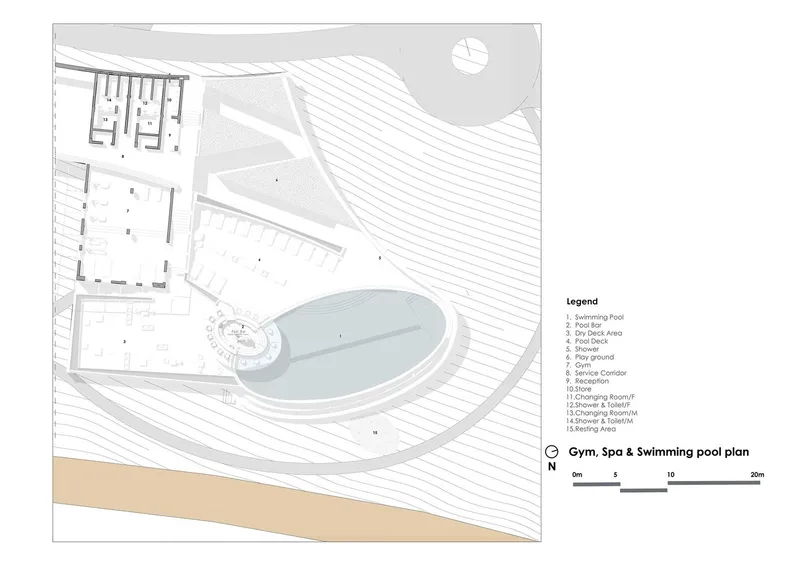
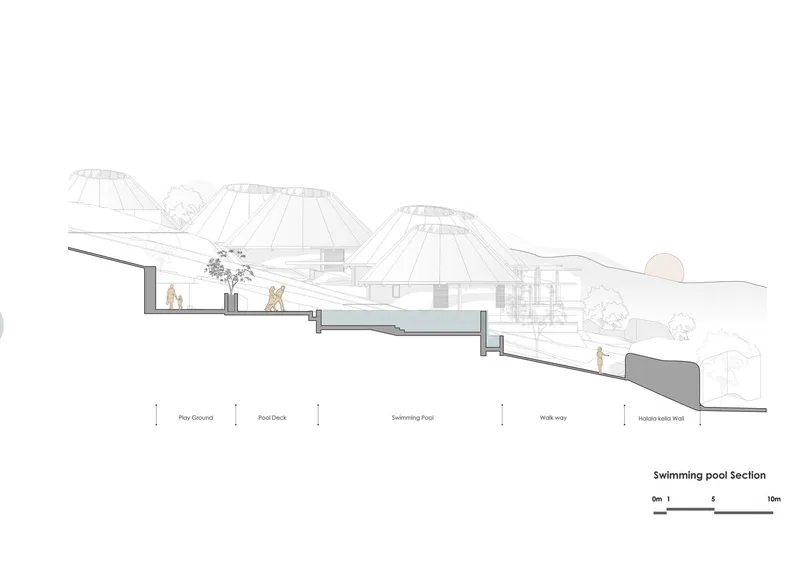
- Recreation building with spa, gym, and infinity pool
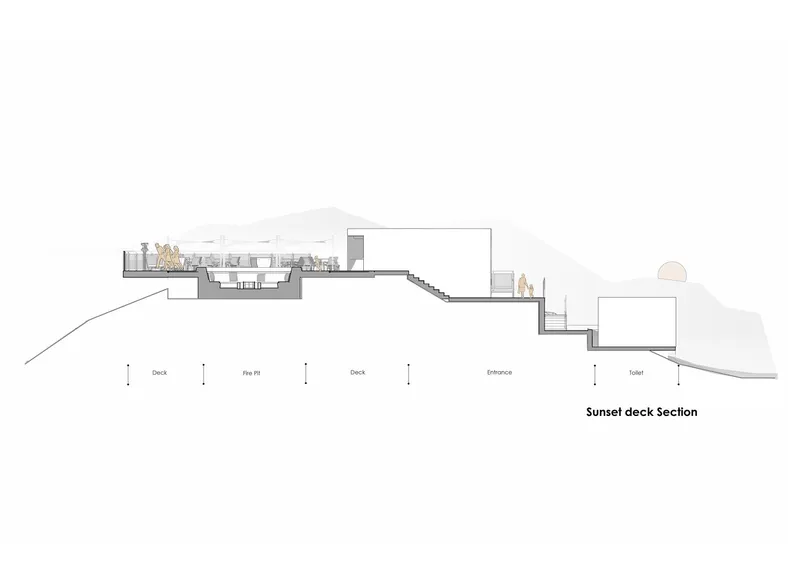
- Amphitheater, sunset deck, and satellite restaurant The layout harmonizes with the natural topography while framing breathtaking views of the mountains, lake, and the historic wall.

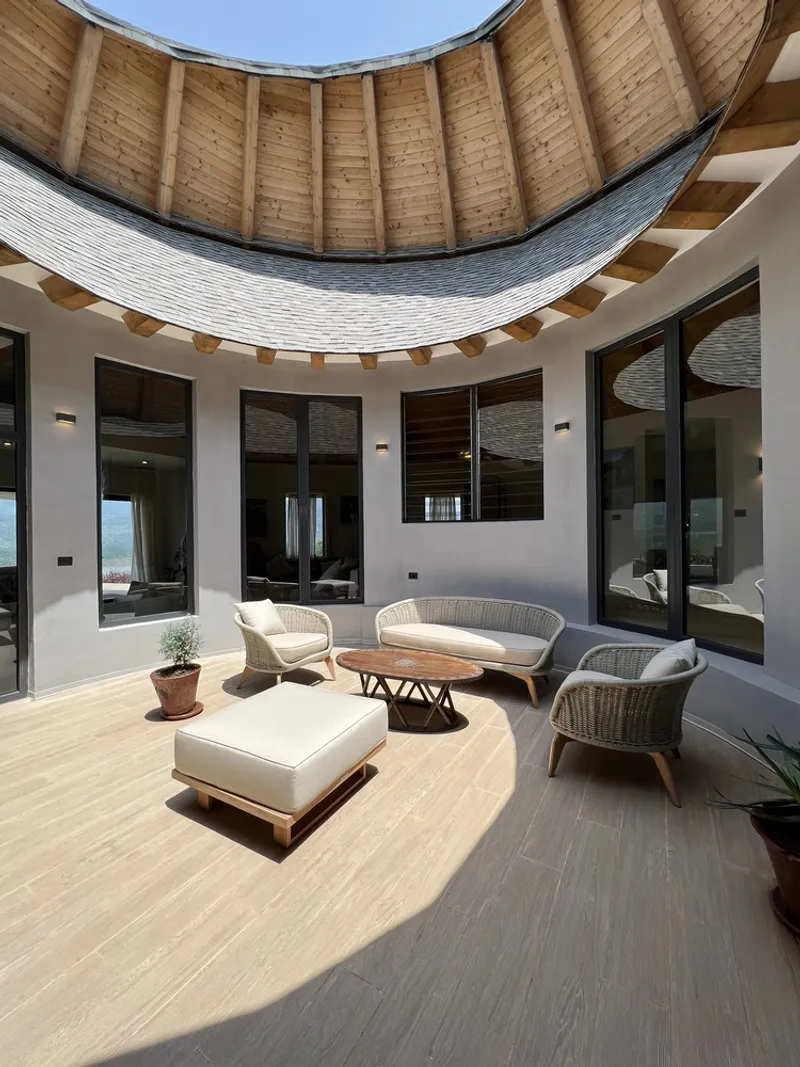
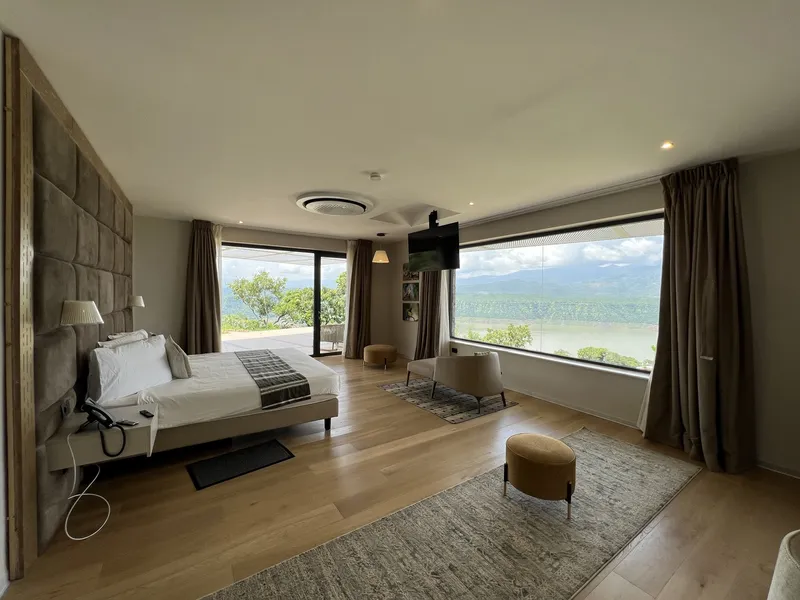
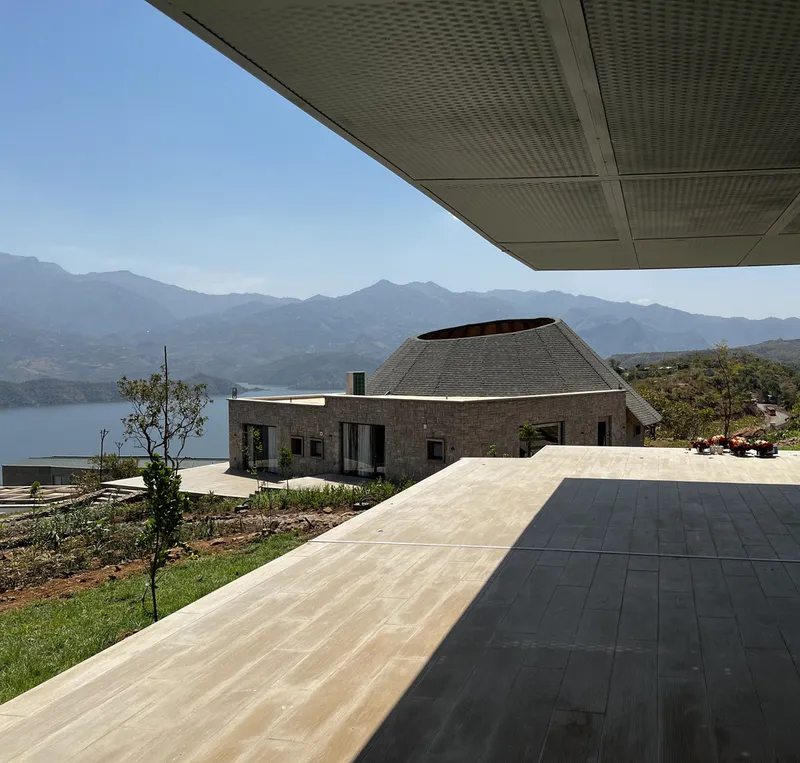

Architectural Vision and Design Language
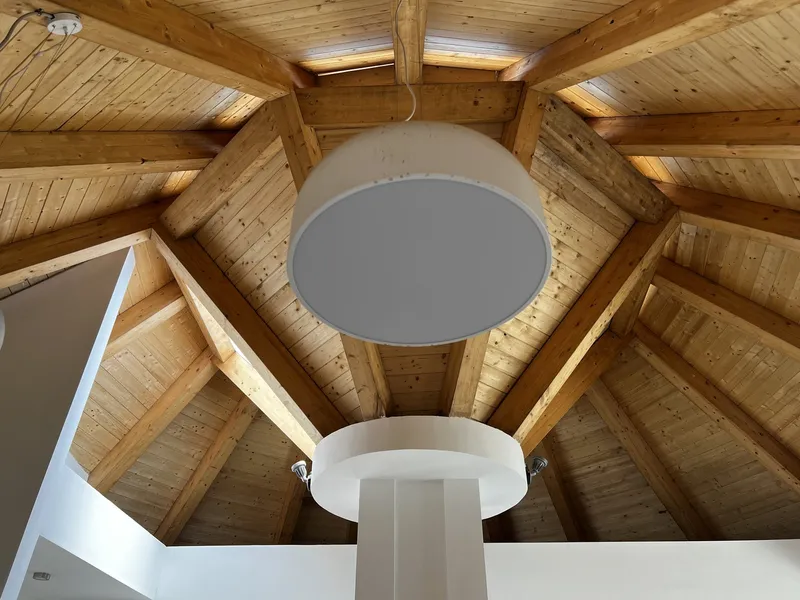
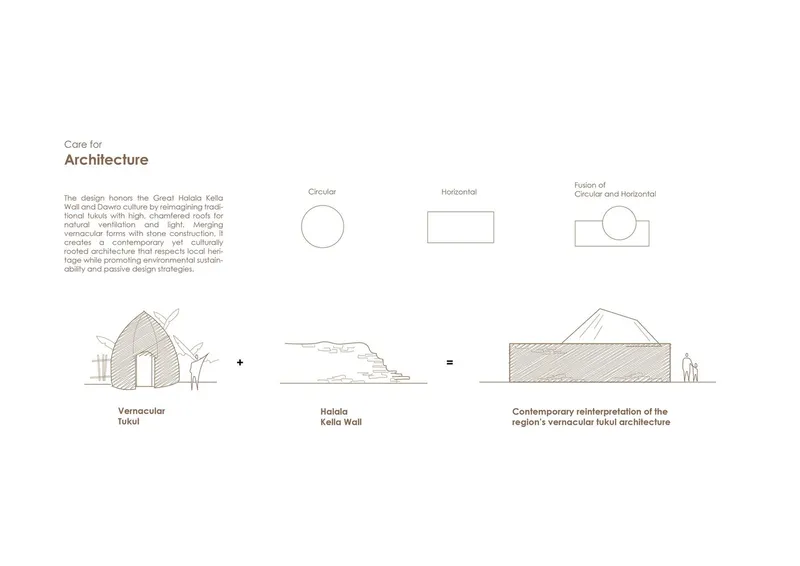
The architectural concept draws inspiration from Ethiopia’s traditional tukul houses, known for their circular forms and high ventilated roofs. These elements are reinterpreted with a contemporary approach:
- Villas feature circular plans and conical, chamfered roofs, optimizing airflow and daylight.
- Horizontal stone walls echo the protective essence of Halala Kella.
- Presidential villas include internal courtyards for privacy and natural ventilation.
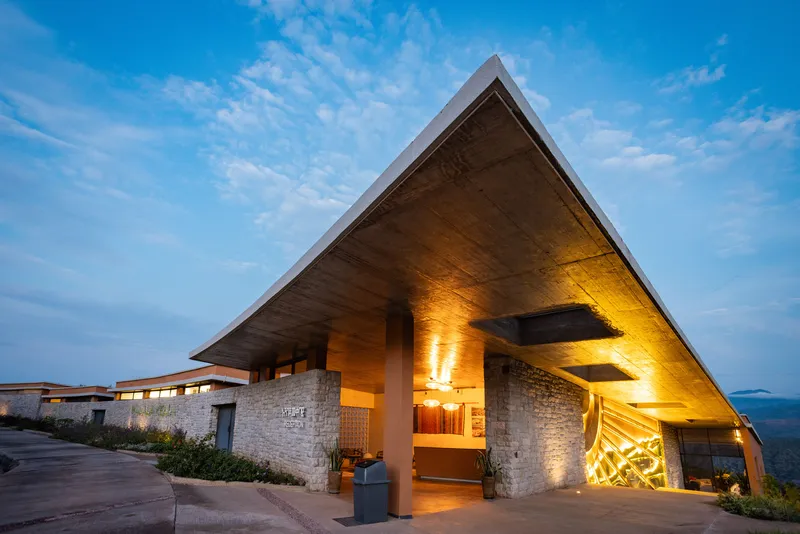
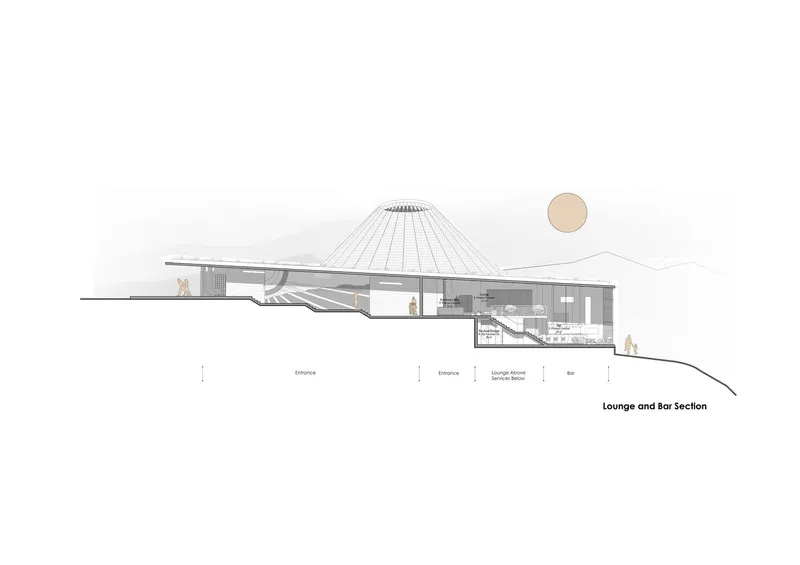
The restaurant, crowned with an open conical roof supported by tensile cables and mesh, fosters a strong connection with the elements—allowing natural light, wind, and rain to flow through. The cascading green roof system reduces thermal gain, enhancing comfort in Ethiopia’s warm climate.
Public Spaces and Guest Experience
Social interaction and cultural immersion define the public zones. The reception area opens dramatically to panoramic views of the Wolaita mountains and Halala Kella Wall. The museum and convention center are tiered into the sloping terrain, offering shaded terraces and outdoor gathering areas. Adjacent, the recreation building features wellness amenities and an infinity pool overlooking the Omo River basin.

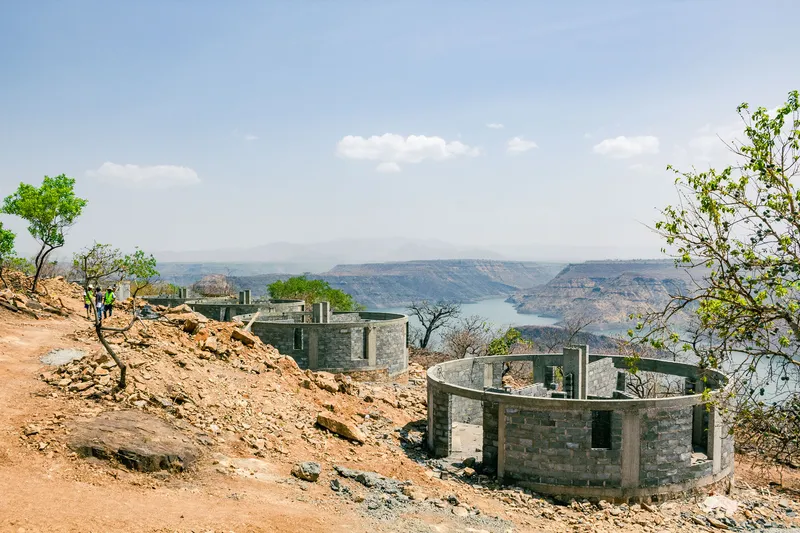

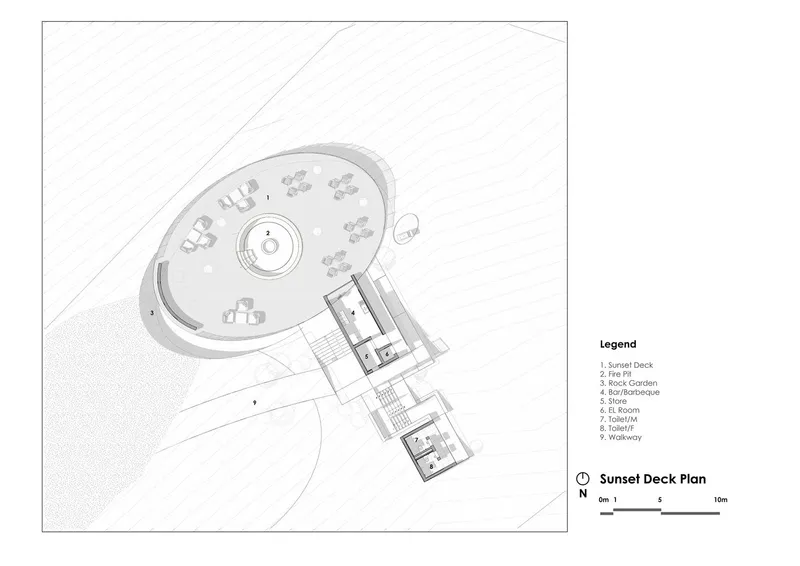
One of the most iconic features is the cantilevered sunset deck, providing a 270-degree view of the Dawro landscape, and the circular satellite restaurant, accessible by boat, creates a unique dining experience integrated with the river.


Sustainability and Biophilic Design
Halala Kella Lodge exemplifies biophilic and sustainable design principles:
- Local materials such as basalt stone and timber minimize environmental impact.
- Dry-stone landscaping pathways and native vegetation promote biodiversity.
- Rainwater harvesting and natural ventilation reduce reliance on mechanical systems.
- Fruit trees and herb gardens contribute to a self-sustaining ecosystem.


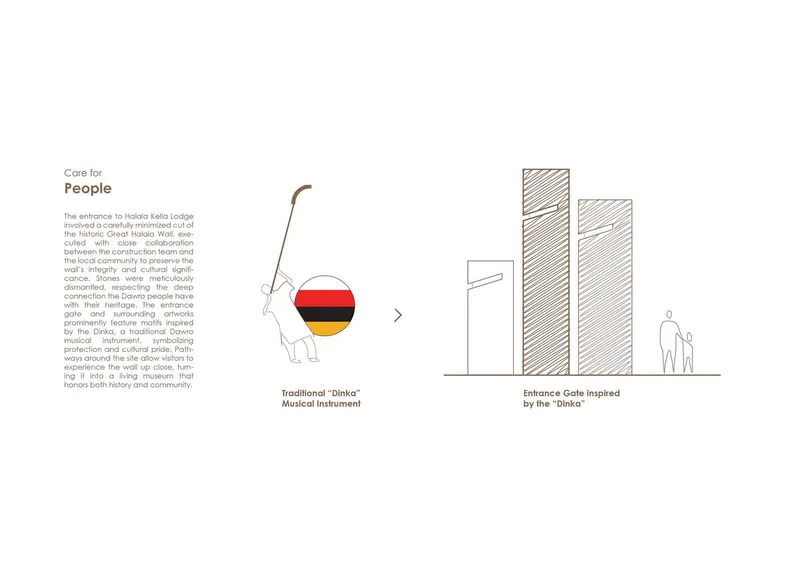
To respect heritage, access through the Halala Wall was created by dismantling and reconstructing a section stone-by-stone, involving the local community in the process. Sculptural elements inspired by traditional Dinka instruments now mark the entrance, reinforcing cultural identity.

Halala Kella Lodge is more than a luxury destination—it is a cultural landmark that honors Ethiopia’s heritage while setting a benchmark for sustainable hospitality architecture. By merging vernacular traditions with modern innovation, RAAS Architects have crafted an immersive environment where nature, history, and design coexist in harmony.
All the photographs are works of Aron Simeneh, Ketema Journal, RAAS Architects


Popular Articles
Popular articles from the community


David Ortega Stacks a Two-Story Mexico City Penthouse Around a Steel Stair and a Pergola-Shaded Roof Terrace
In Colonia Roma, a 300 m² penthouse uses oak joinery, a planted steel stair and a slatted roof pergola to make a new-build apartment feel like a house.

U.GA Architects Wraps an Oval Rooftop Pool in Curved Board-Formed Concrete on Busan's Jeollidan-gil
In Busan's Jeonpo-dong, a 454 m² mixed-use block stacks a neighborhood facility, guest rooms and an oval rooftop pool inside spiraling concrete walls.

Juan García Correa, John González and Claudia Rueda Sink a Circular Amphitheater into a Manizales Engineering Building
On the La Nubia campus in Manizales, Colombia, the S1 Building folds labs and offices into a hillside of ramped lawns that double as a campus route.

LT2A and OPEN Architectes Thread a Brick and Glass High School Through a Wooded Belgian Campus
In Braine-l'Alleud, a 3,000 m² wing for Collège Cardinal Mercier pairs pale brick with a glazed colonnade, deferring to a small chapel and a dense wood.

Similar Reads
You might also enjoy these articles

Gil Mello Arquitetura Tilts a Single Roof Toward the Waterfalls on a Plateau Above Aiuruoca, Brazil
In Aiuruoca, Minas Gerais, a 200 m² house of local labor and reclaimed poles pairs a low valley veranda with a tall mountain one.
U.GA Architects Wraps an Oval Rooftop Pool in Curved Board-Formed Concrete on Busan's Jeollidan-gil
In Busan's Jeonpo-dong, a 454 m² mixed-use block stacks a neighborhood facility, guest rooms and an oval rooftop pool inside spiraling concrete walls.

Felipe Hess Arquitetos Turns a Blind Stone Wall to the Street and Opens a Brazilian House onto a Courtyard and Canal
A canal-front house in Brazil hides behind painted stone and planting, then opens to an olive-tree courtyard, a reed-ceilinged porch and a curving pool.

David Macias Steps a Doorless Stone and Plaster House Down a Tropical Colombian Hillside
In the humid hills of Colombia, Threshold House replaces the front door with an open void and terraces its 850 m² down the slope instead of fighting it.

Explore Architecture Competitions
Discover active competitions in this discipline

Challenge to reimagine the Iron Throne

Photograph architecture without architects

Illustrate the lost glory of Angkor Wat - Render Challenge

Design challenge to reuse E-waste
Comments (0)
Please login or sign up to add comments
No comments yet. Be the first to comment!