Human Factory: Redefining Prison Architecture for a Progressive Society
Transforming prisons into hubs of rehabilitation, education, and innovation for a progressive and just society.


Prisons have always played a significant role in shaping society. Their objectives range from punishment, education, and remorse to security and deterrence of crime. However, the conventional prison system has been historically associated with violence and rigid structures. The evolution of penal philosophy calls for a modern approach—one that redefines incarceration through the lens of progressive prison architecture.
The Evolution of Prison Architecture
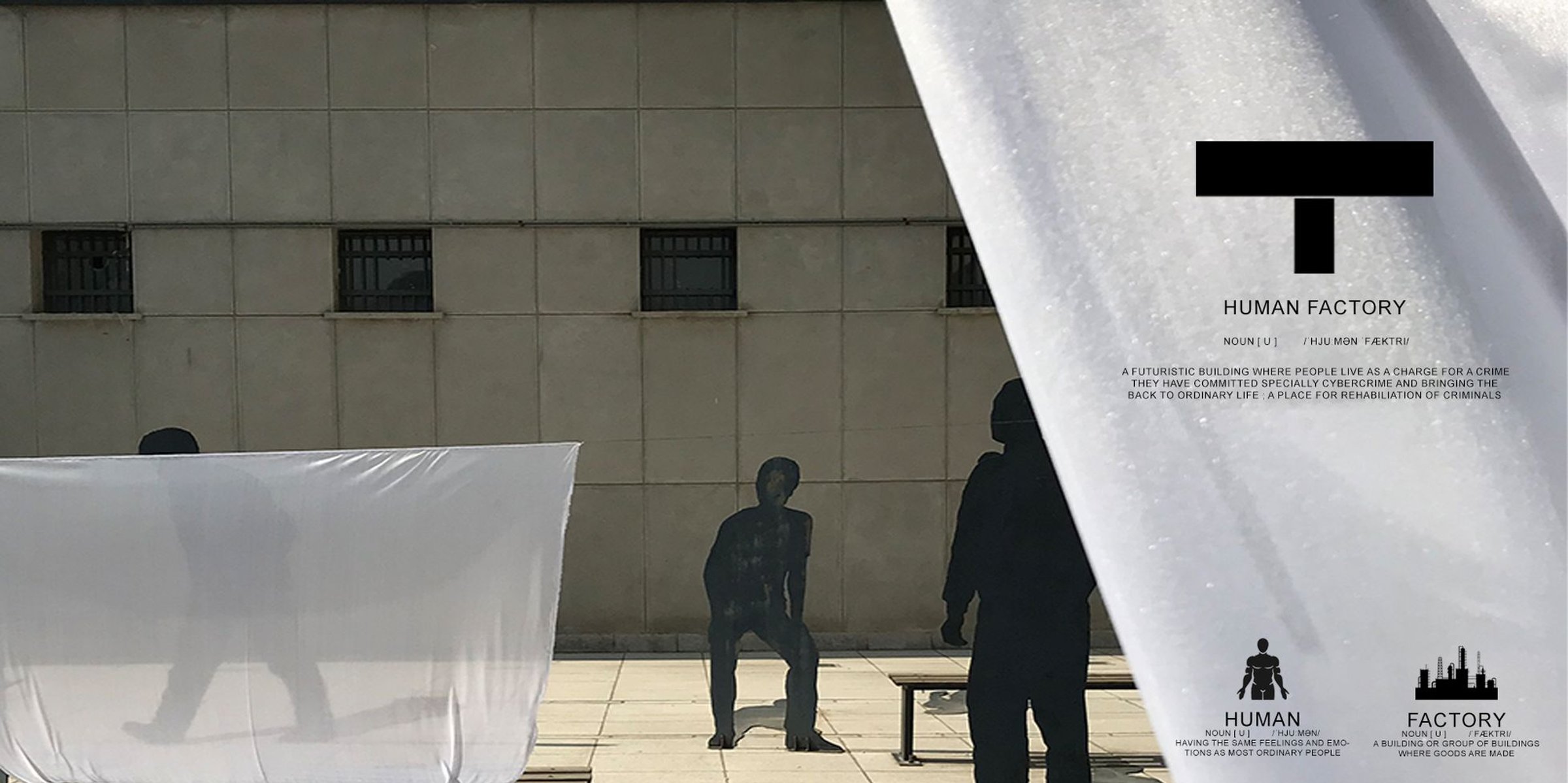
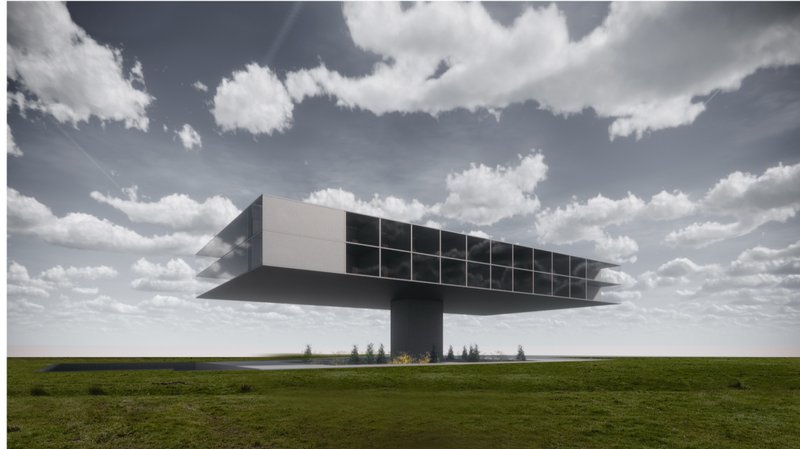
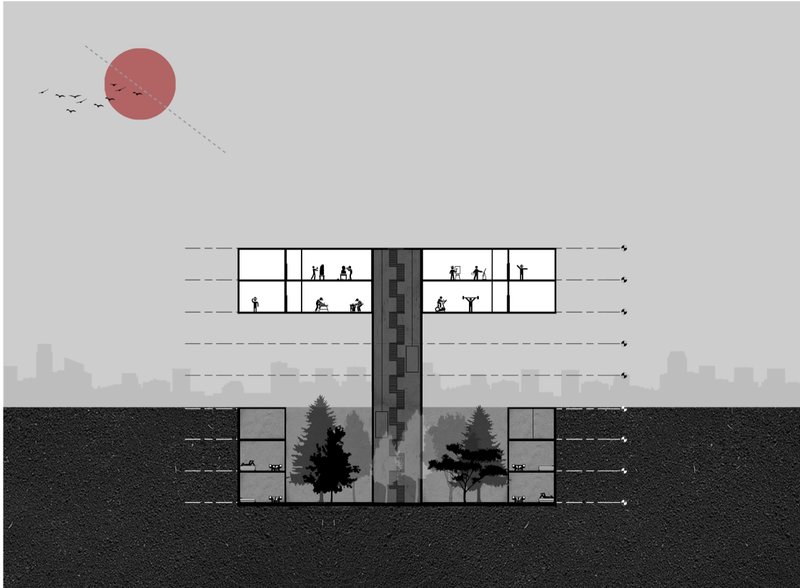
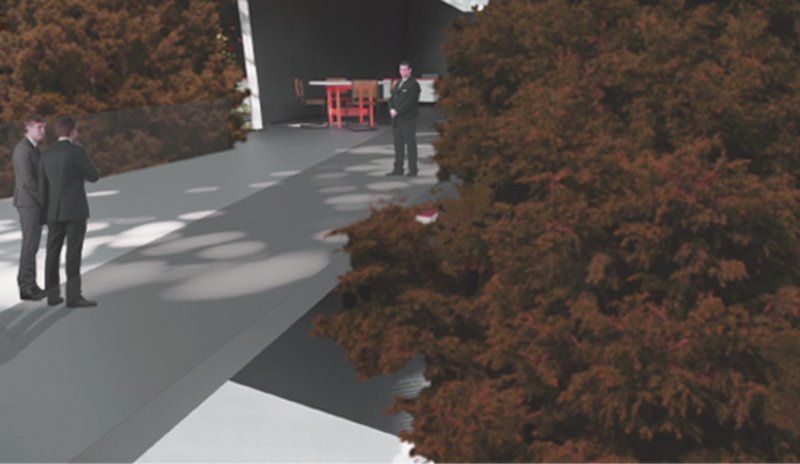
Over time, the architecture of prisons has evolved, reflecting changes in societal values. The traditional model focused on punishment, whereas contemporary designs emphasize rehabilitation and reintegration into society. Human Factory, a conceptual prison, reimagines the structure of correctional facilities by integrating technology, nature, and social interaction to create a more effective reformative environment.
Key Influences on the Design
The Human Factory prison concept is shaped by three primary aspects:
- Historical Philosophy of Prisons – Examining how prisons have transformed across different eras, from punitive spaces to rehabilitative environments.
- Impact of Progress and Time on Crime – Understanding how technological advancements and societal shifts influence criminal behavior.
- Analyzing the Personality of Hackers – Investigating digital-age crimes and the mindset of cybercriminals to create an adaptive rehabilitation model.
A New Approach to Incarceration
Unlike traditional prisons, Human Factory incorporates elements that foster growth and skill development. It features:
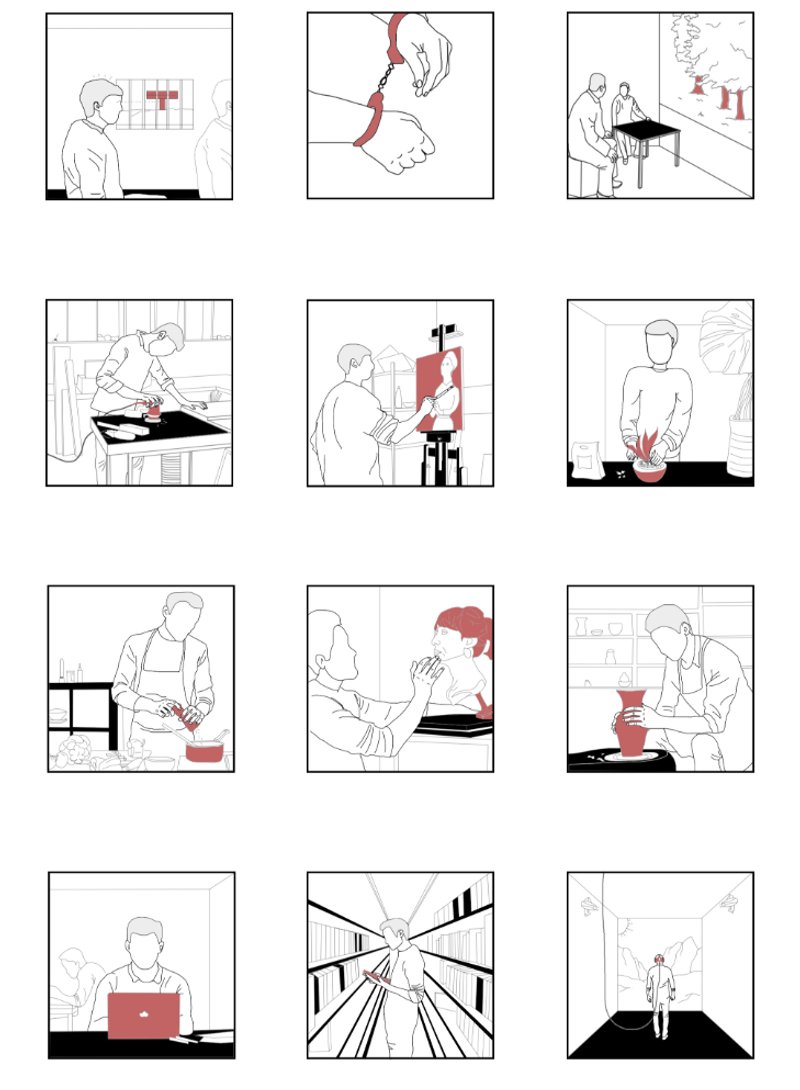
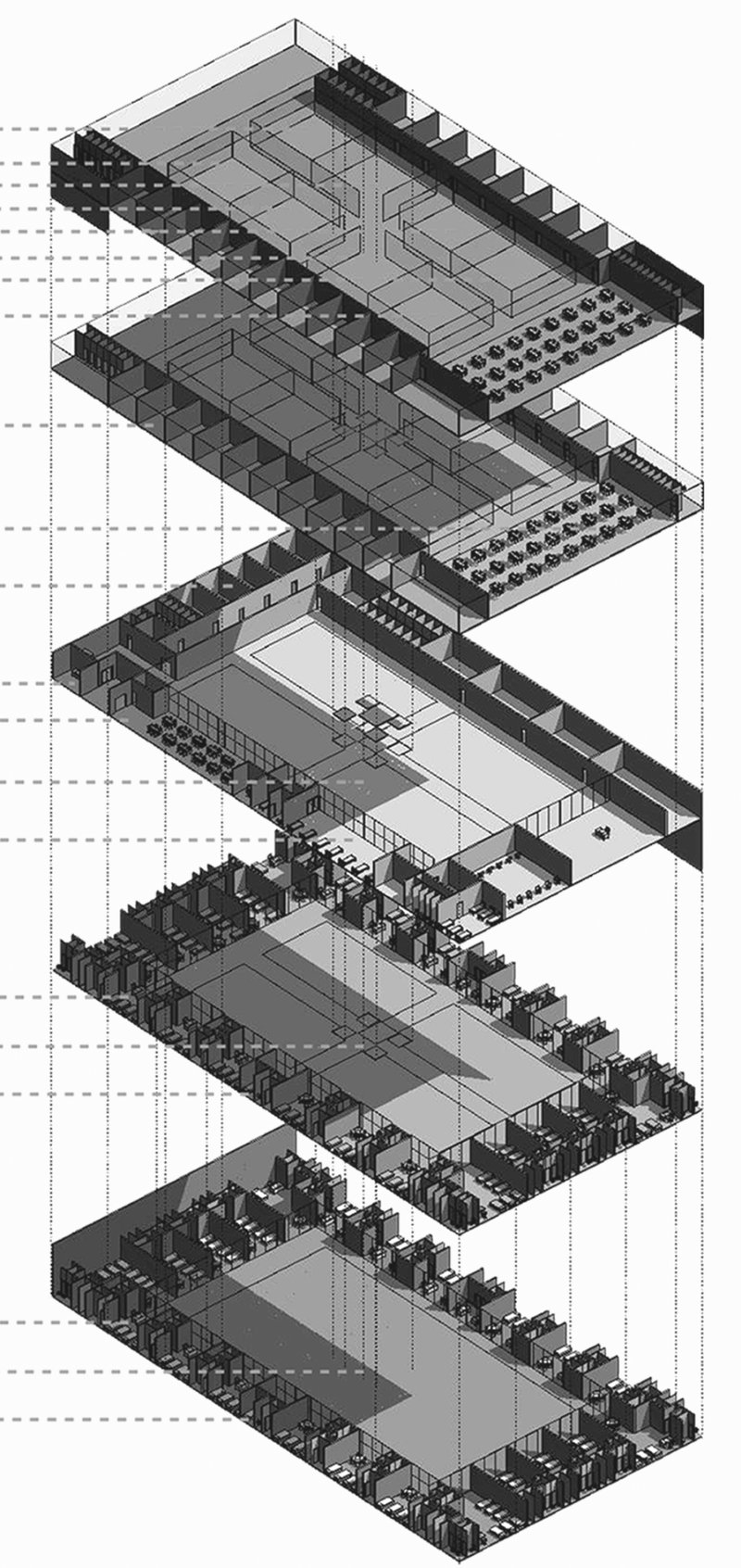
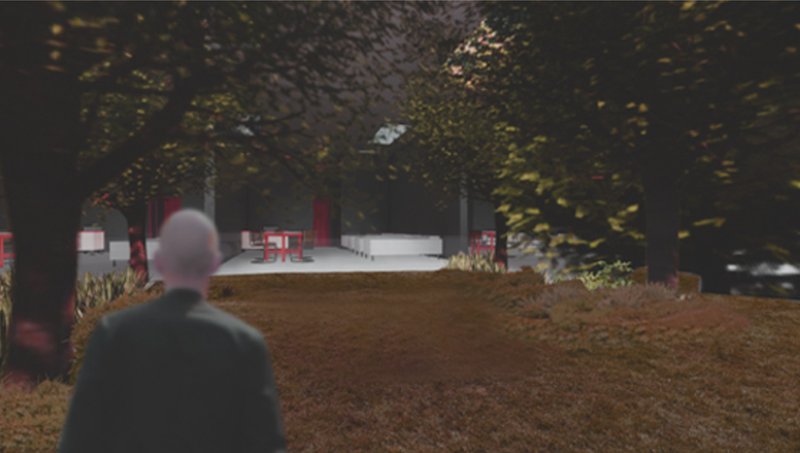
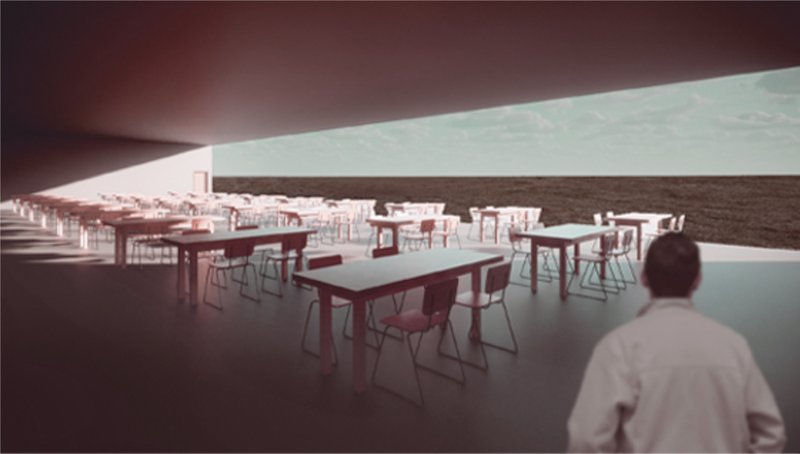
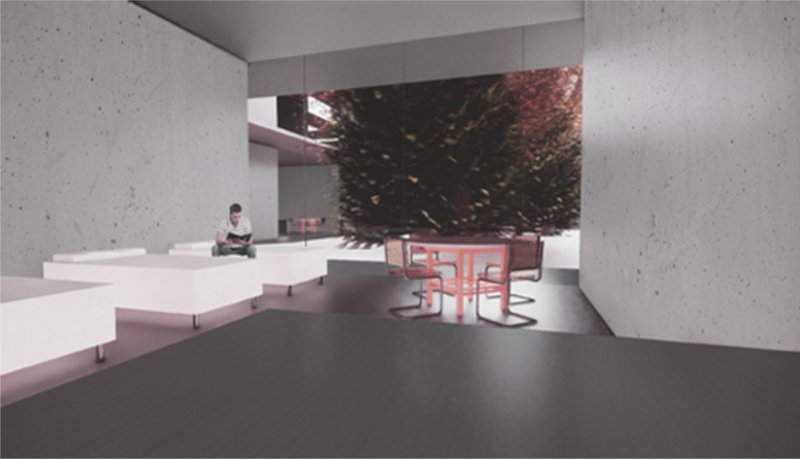
- Multi-functional Spaces – Including libraries, workshops (carpentry, painting, sculpting, and software development), green areas, and virtual reality rooms.
- Rehabilitative Programs – Encouraging inmates to engage in creative and educational pursuits rather than confinement and isolation.
- Integration with Nature – Expanding green spaces within prison facilities to improve mental well-being and social engagement.
The Human Factory project challenges the outdated penal system by proposing a multi-dimensional space where rehabilitation takes precedence over punishment. By reconstructing the relationship between architecture and social justice, this project envisions prisons as transformative spaces rather than institutions of suppression.
Credits & Recognition
Project by: Mohammadreza Nafari, Amin Farhoudi, Roshan Abri, Nazli Mozaffari, and
Shortlisted Entry: Switching Prisons
Through innovative prison architecture, Human Factory aims to create a bridge between punishment and progress, redefining incarceration for a more just and forward-thinking society.