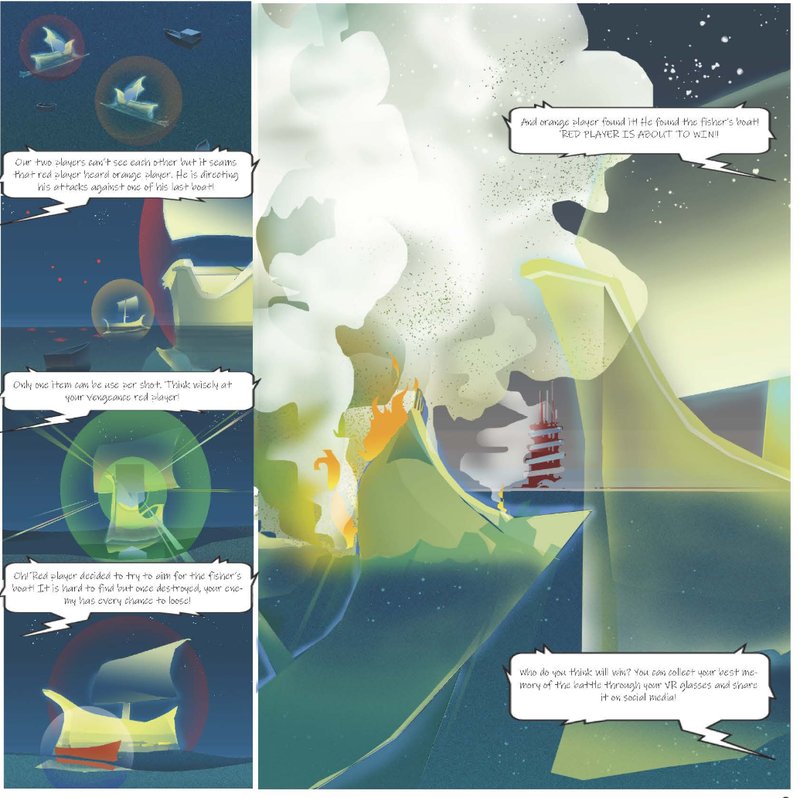
Immersive Architecture for Digital Heritage: E-Sports Arena in Alexandria
Experience the future of e-sports through architecture that resurrects the past and redefines the urban skyline.


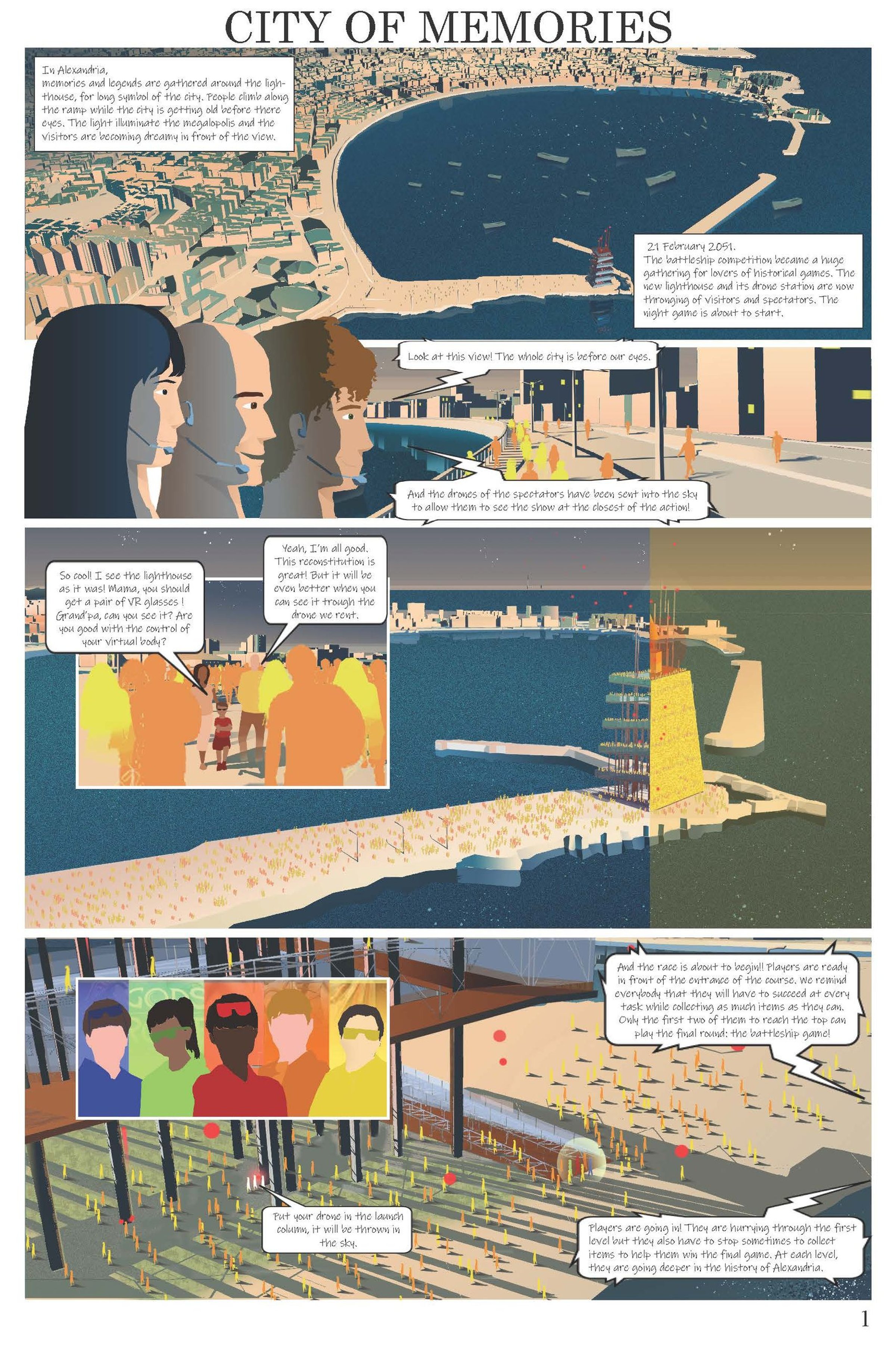
In the city of Alexandria, where ancient wonders once stood and civilizations bloomed, a new architectural narrative rises from history: a virtual e-sports arena that reclaims memory through immersive architecture. Designed by Maylis LamaignÈre and Juliette Davet, this speculative project titled City of Memories was awarded an Editor's Choice in The Digital Colosseum 2020. It reinvents the classic concept of the arena by making the city itself the stage of the game.
Unlike conventional stadiums, this architectural proposal removes walls and boundaries. Instead, it uses Alexandria as both inspiration and platform. The game structure is embedded within an open ramp system, ascending a modern reinterpretation of the Lighthouse of Alexandria. Along the route, players experience layers of the city's past while racing through tasks designed around historical events and mythological elements.
A Tower That Plays with Time and Memory
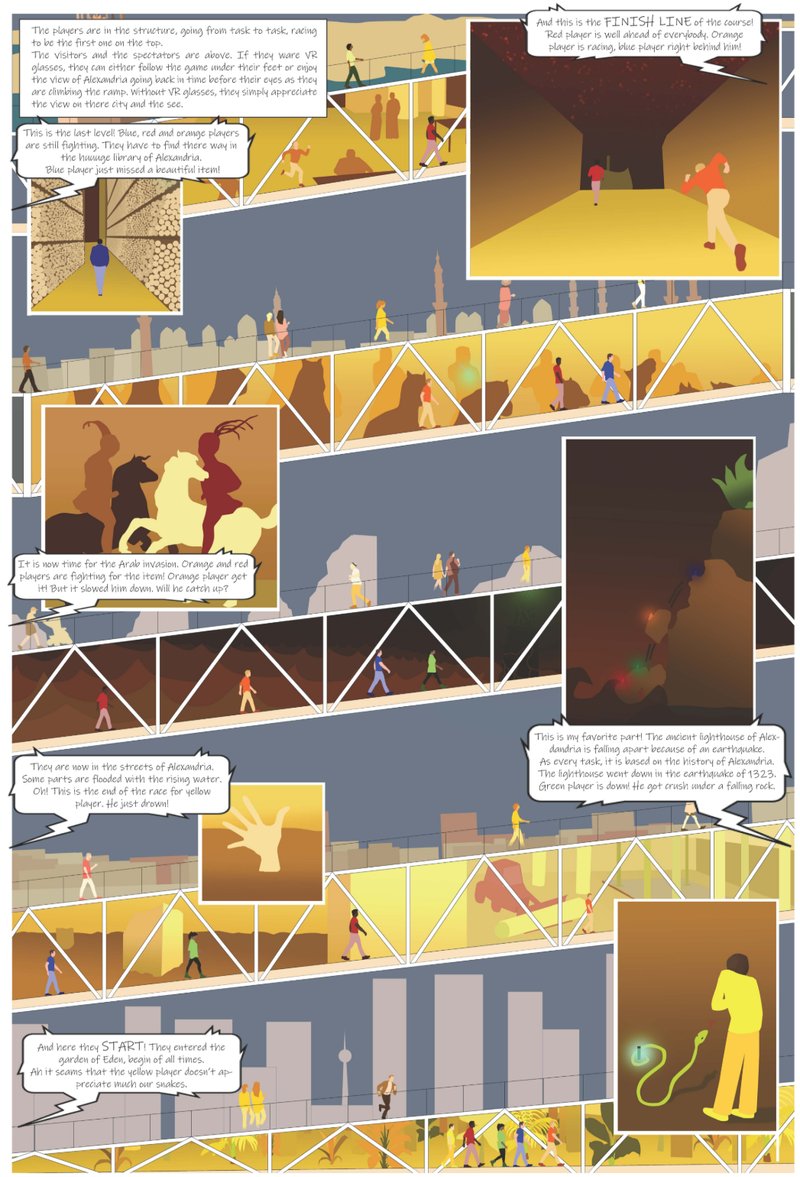
The arena begins at the Garden of Eden—a poetic origin of all time—and ascends through the eras of Alexandria, from flooded streets and ancient invasions to the dramatic fall of the lighthouse during the earthquake of 1323. These levels aren't static visuals. They are dynamic, interactive stages crafted with immersive storytelling techniques. Players must survive floods, battle invaders, and navigate collapsing architecture, while spectators and visitors observe via VR glasses or augmented viewpoints.
This integration of real urban landscape with virtual interaction demonstrates a bold evolution of the spectator sport. Visitors may walk the inclined paths and appreciate the cityscape through temporal layers, while those with VR tools experience a gamified Alexandria from inside the structure and through digital overlays.
A New Typology of Urban Play
At the heart of this project lies a compelling redefinition of architecture: not as passive infrastructure, but as an active agent of memory, participation, and narrative. By blurring boundaries between historical reconstruction and futuristic game design, LamaignÈre and Davet propose a new typology for public space—where play is educational, movement is symbolic, and architecture is no longer inert.
Their project hints at a future where immersive architecture can animate forgotten spaces and re-engage cities with their own heritage. The lighthouse is not merely rebuilt; it is reimagined as a vertical interface where technology meets legend. Players do not simply compete; they inhabit Alexandria's mythos.
Virtual Access for All
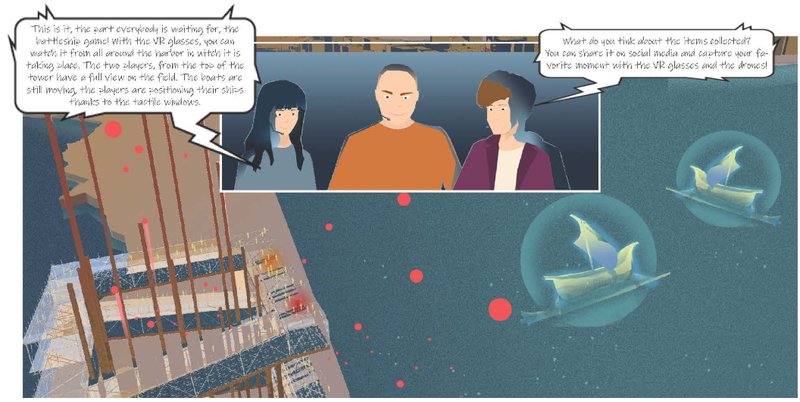
Inclusivity is a core design principle here. Drones and projections allow participation for those unable to physically climb. Elderly or disabled visitors can experience the race and view the evolving cityscape as holograms, while their avatars perform actions in sync within the arena.
This democratization of space—where physical limits are overridden by virtual agency—cements the project's place in the emerging field of immersive architecture. It is a lighthouse not only of memory, but of accessibility, adaptability, and interaction.
Alexandria Reborn as an Interactive Urban Arena
Through this visionary concept, City of Memories merges historical narrative, urban design, and gaming technology to imagine a world where the past is not archived but enacted. Immersive architecture becomes a tool not just to preserve heritage, but to relive it. Here, Alexandria is both playground and museum, both city and interface.
And for the spectators? The battle is epic, the drama real, and the city unforgettable.