Innovative Hotel Design: Transforming Guest Experiences at PRISM Inn Ogu Hotel
This article explores the PRISM Inn Ogu Hotel in Tokyo, showcasing its innovative hotel design and architectural solutions for urban spaces.


Innovative hotel design merges functionality with aesthetic appeal to enhance the guest experience, particularly in urban environments. PRISM Inn Ogu Hotel in Tokyo, designed by Hiroyuki Ito Architects, exemplifies how architectural creativity can revolutionize accommodations for larger groups and long-term stays.
Architectural Vision of PRISM Inn Ogu Hotel
Addressing the Challenges of Urban Hotel Design
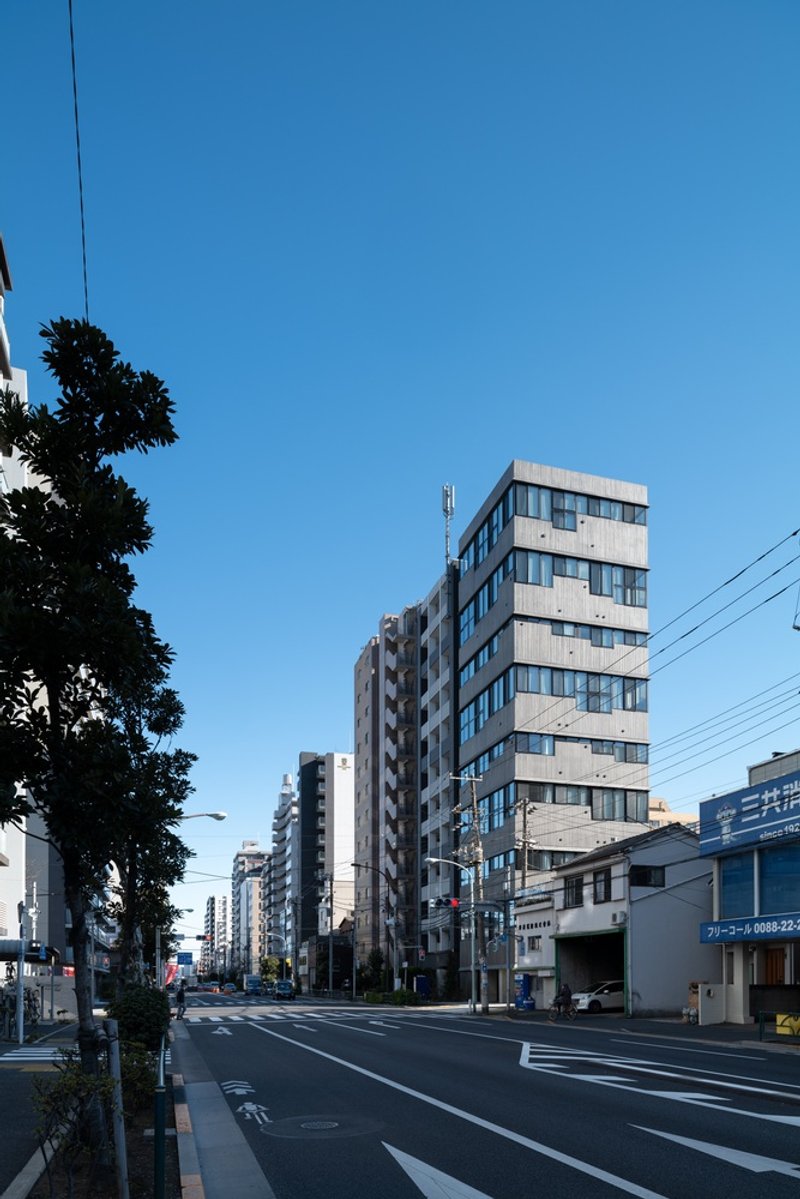
Located near Tokyo's city center, PRISM Inn Ogu Hotel is strategically placed to cater to families and large groups, typically underserved in the crowded Tokyo hotel market. The design focuses on providing spacious, cost-effective solutions for both short and long-term visitors.
Design Philosophy and Structural Innovations
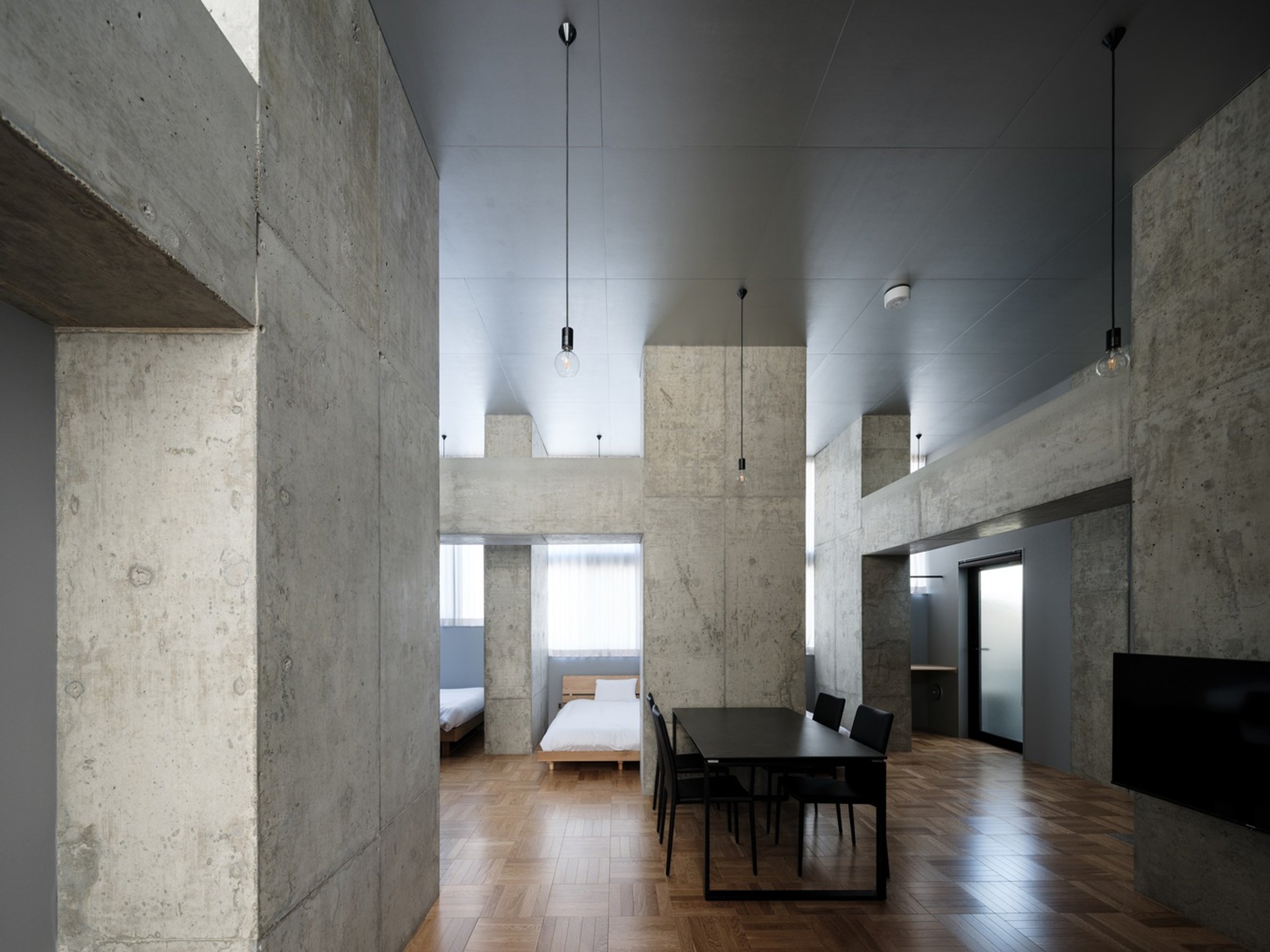
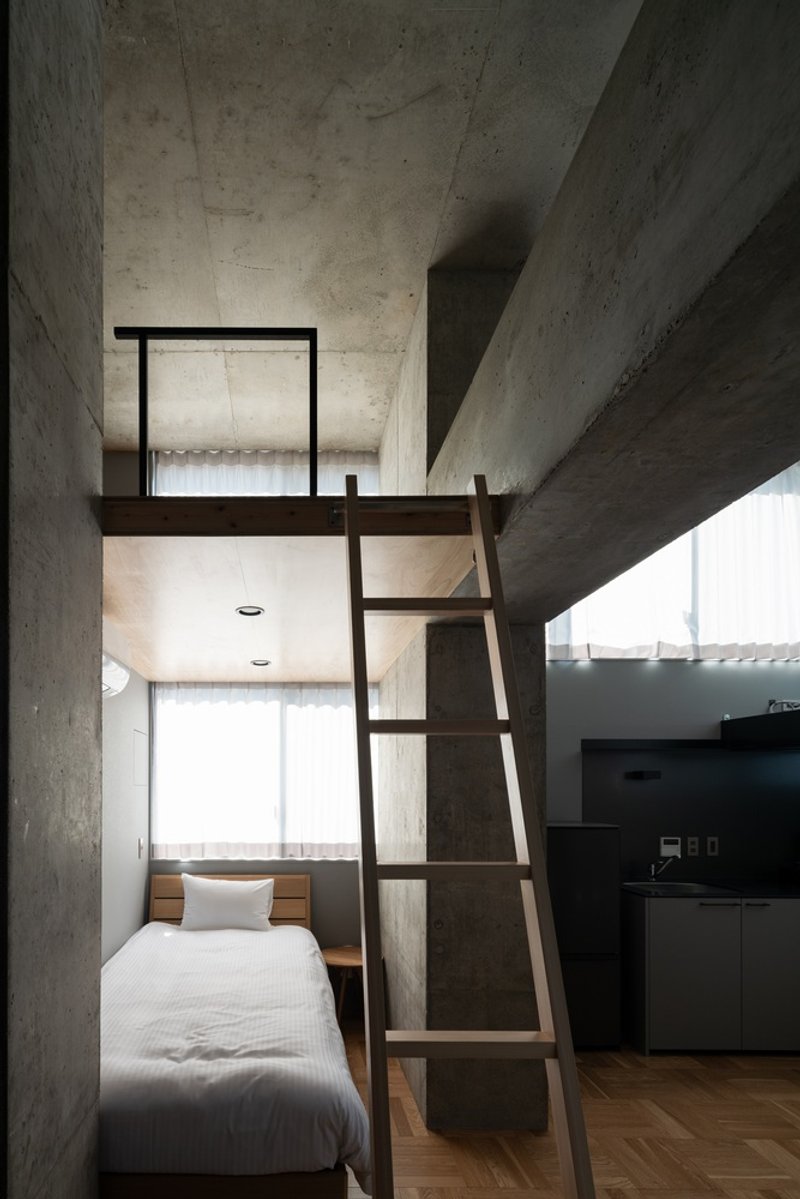
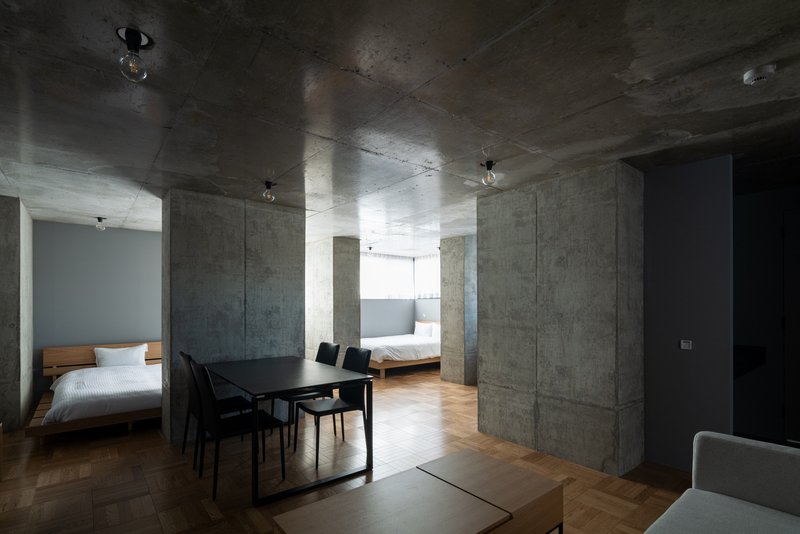
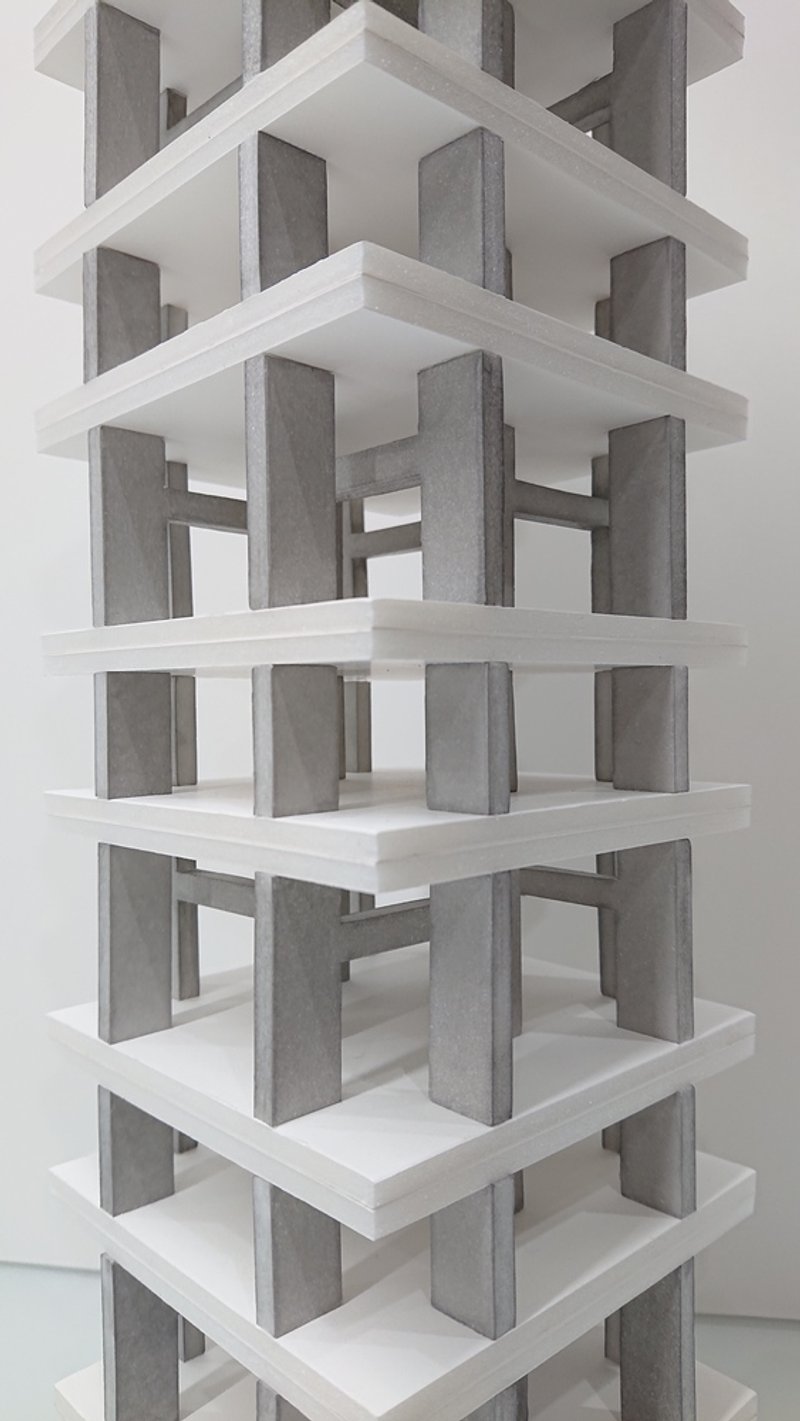
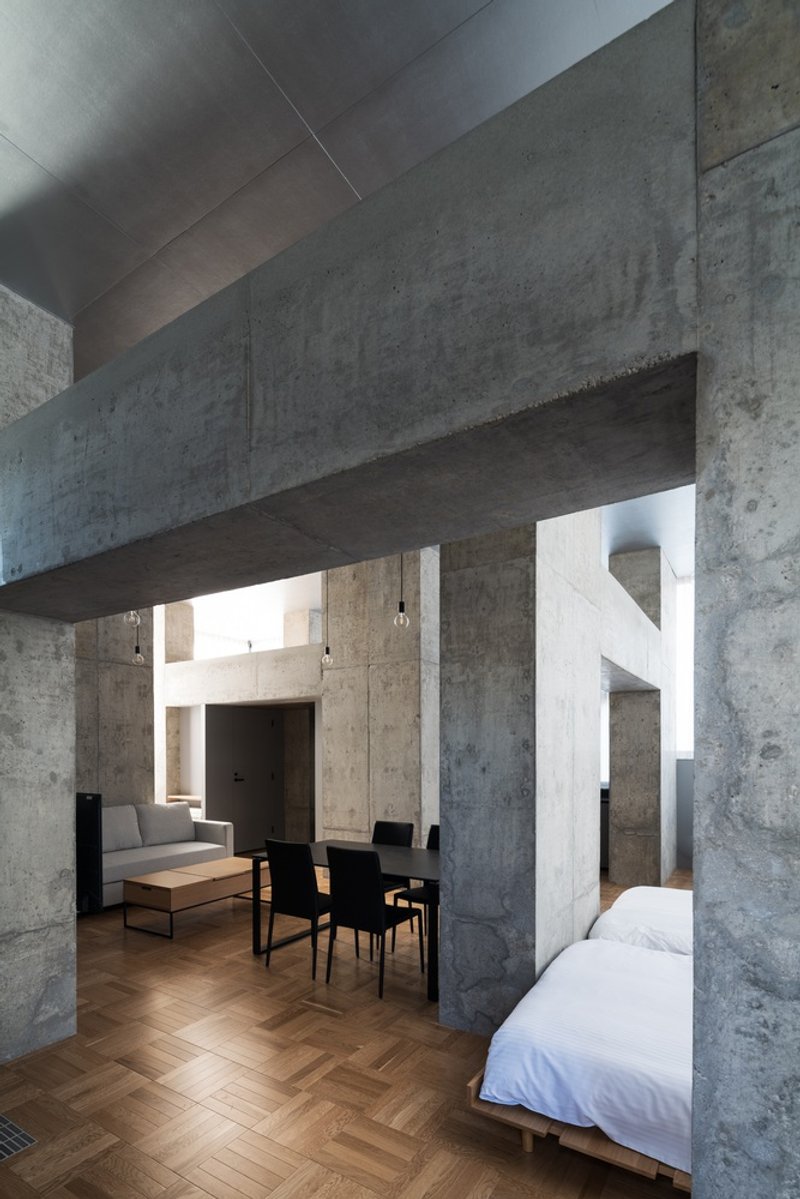
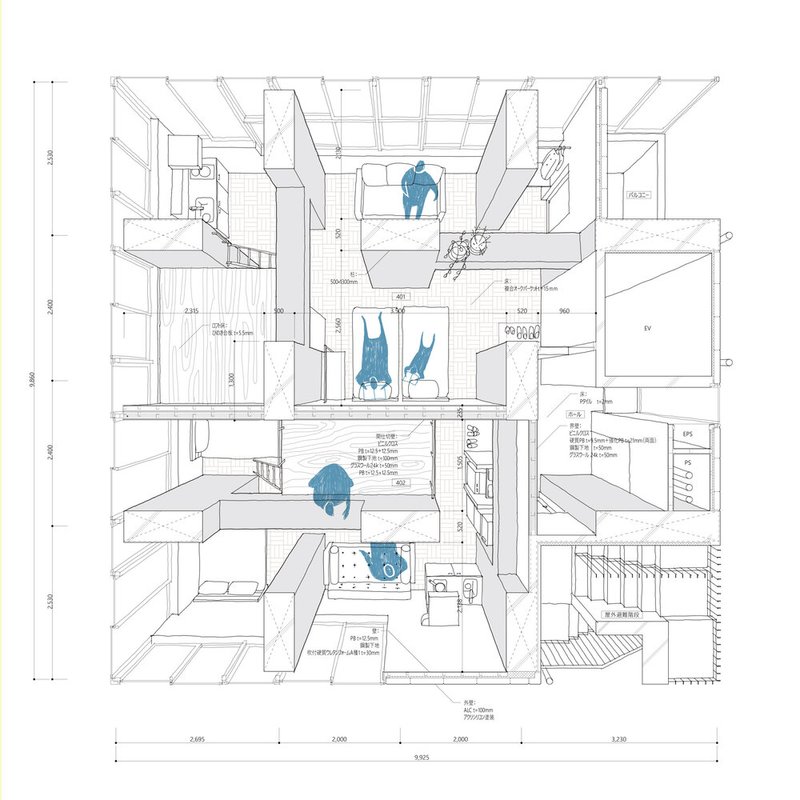
The architectural team employed a novel approach to the building's structural design to maximize space and comfort. By opting for a staggered column arrangement instead of a standard grid, the design avoids the cramped feel typical of many urban hotels, offering guests a sense of spaciousness and freedom.
Key Features of PRISM Inn Ogu Hotel
Spatial Configuration and Guest Comfort
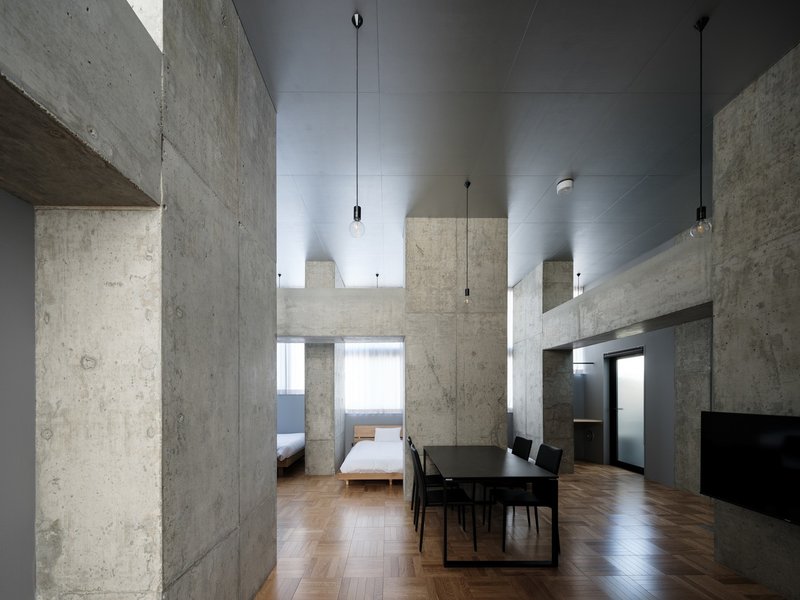
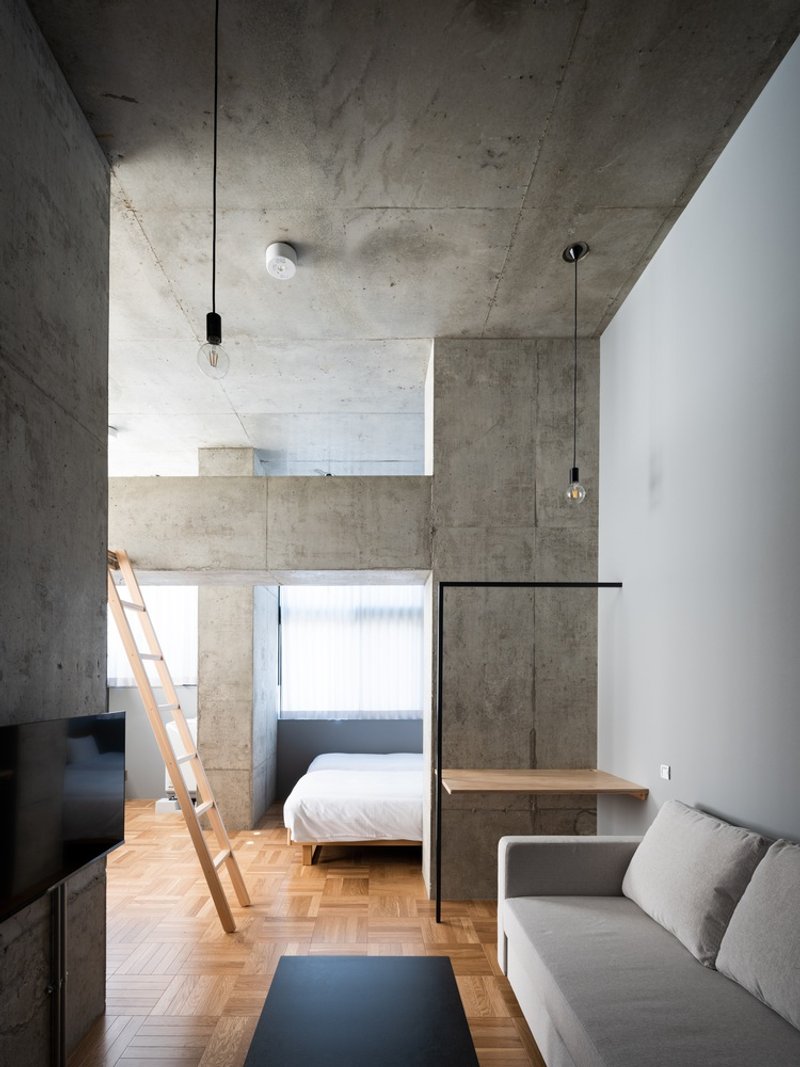
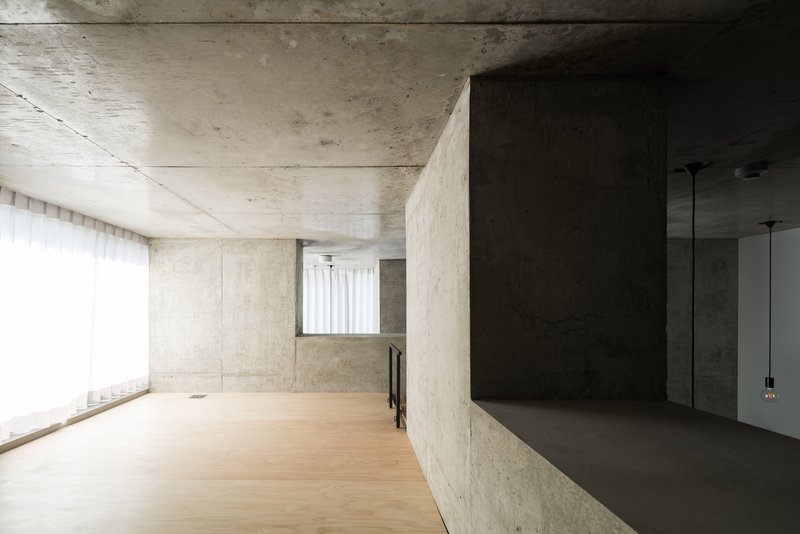
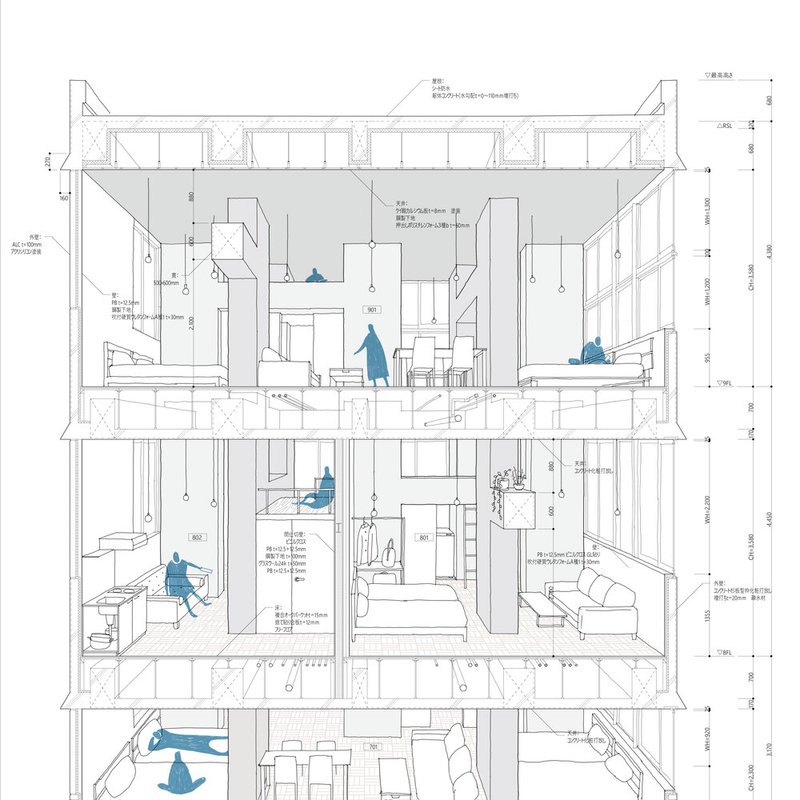
The hotel’s innovative use of space is highlighted by its unique column-and-beam system, which allows for a fluid, dynamic interior. This setup not only enhances the structural integrity of the building but also provides flexible room configurations, adapting to the varying needs of guests.
Integrating Natural Light and Views
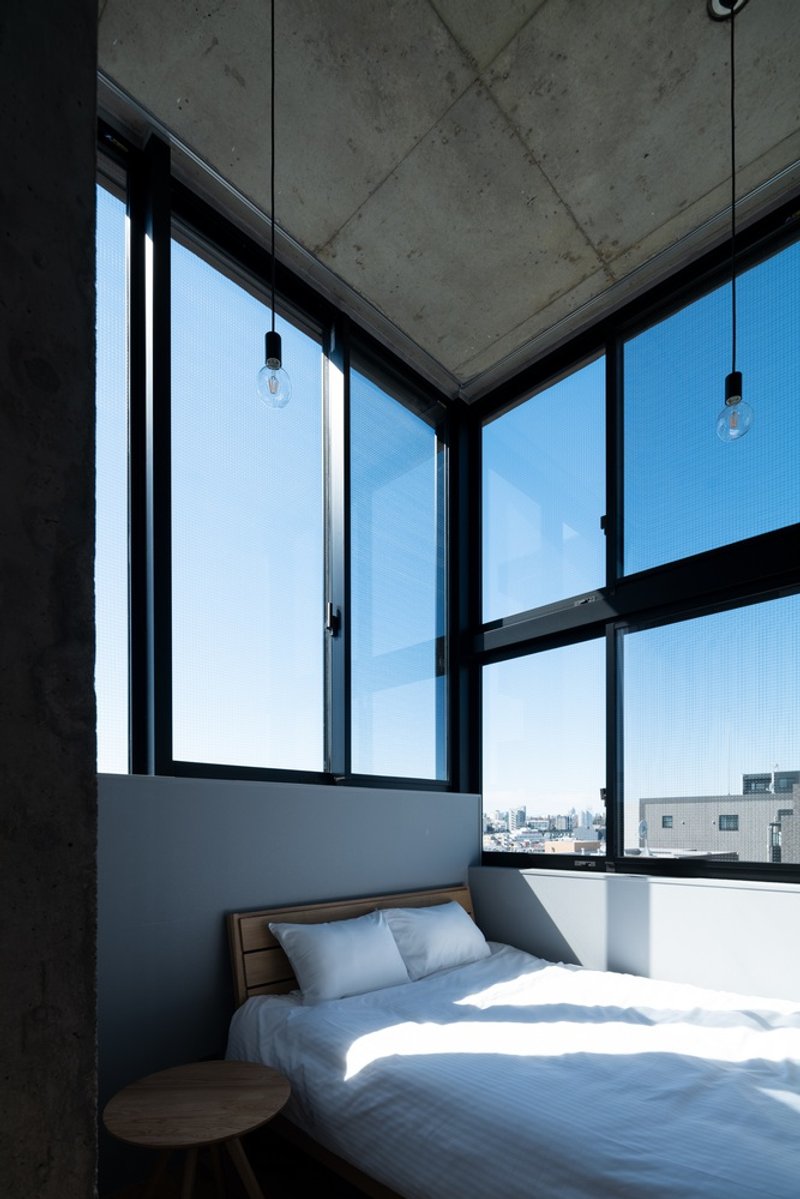
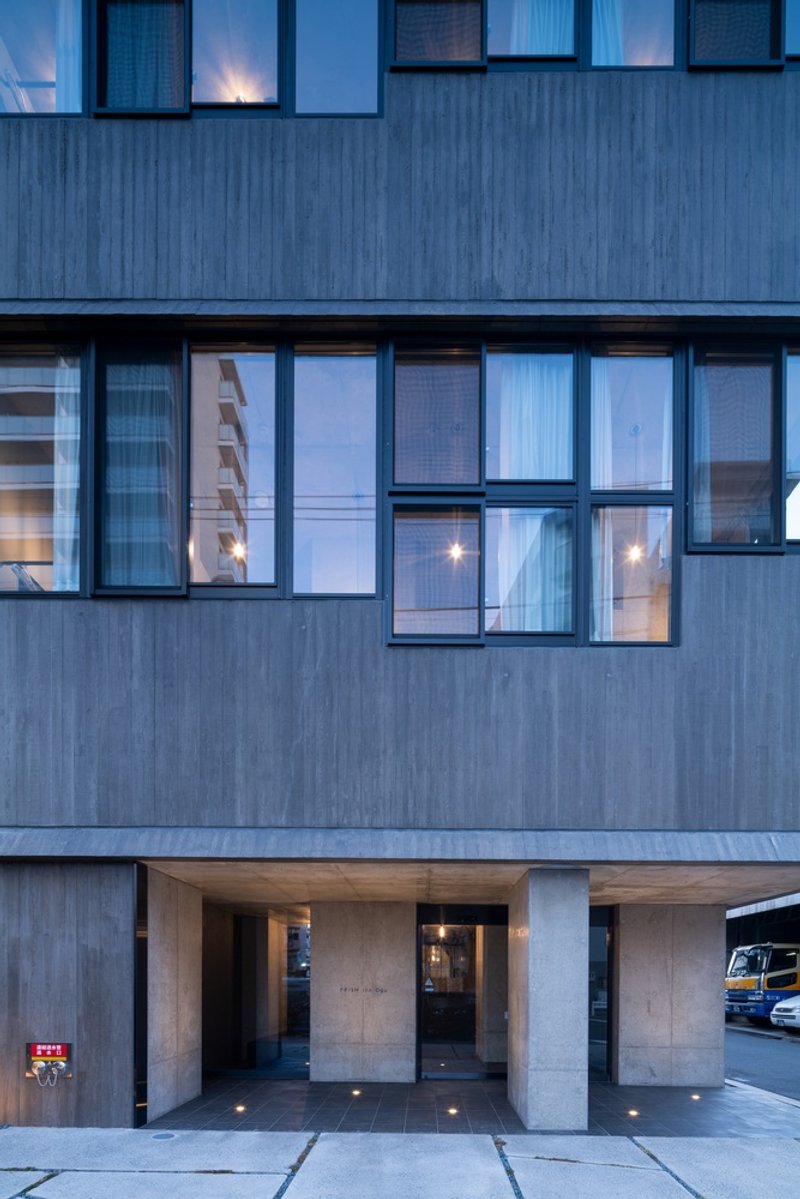
The design includes a continuous strip of glazing that allows light to enter from three directions, ensuring that all rooms and common areas are well-lit and comfortable. This thoughtful placement of windows aligns with both internal furniture arrangements and external urban conditions, optimizing the visual and living experience within each space.
Sustainability and Material Use
Structural Materials and Environmental Considerations
Hiroyuki Ito Architects chose materials like reinforced concrete for their durability and aesthetic flexibility. The concrete beams, arranged like windmill sails, not only support the building's floors but also contribute to its overall rigidity, enhancing the hotel's ability to withstand the dense urban environment.
Creating Engaging Social Spaces
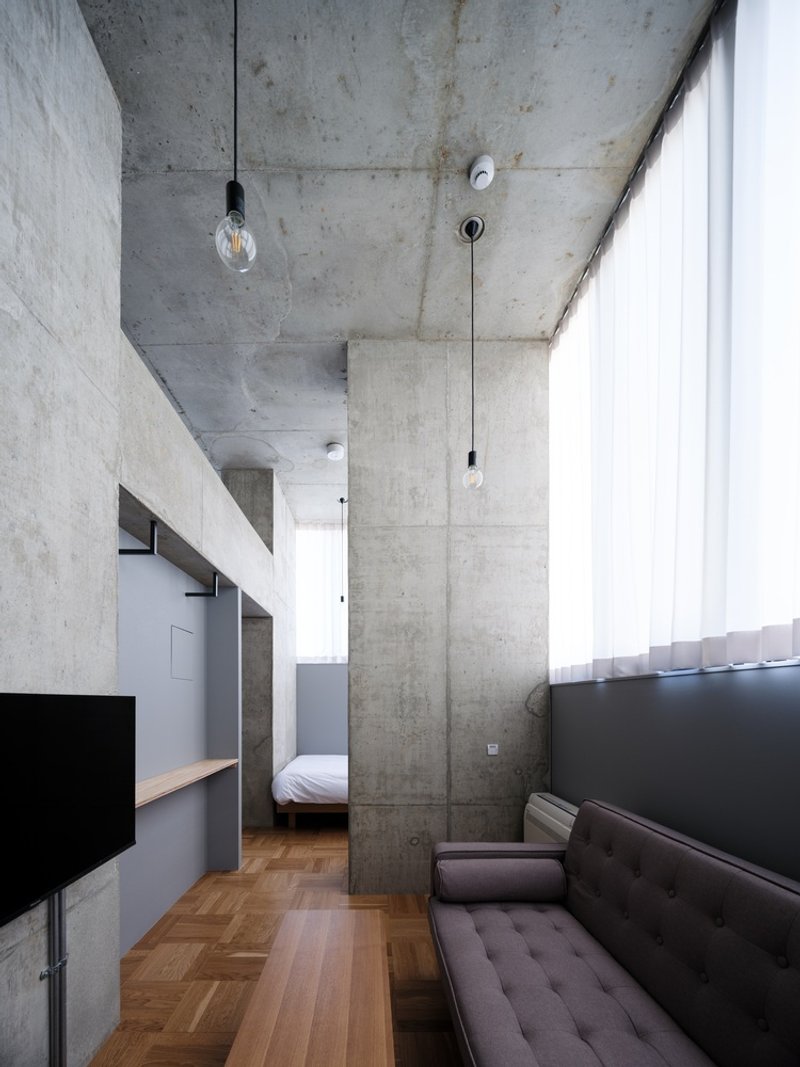
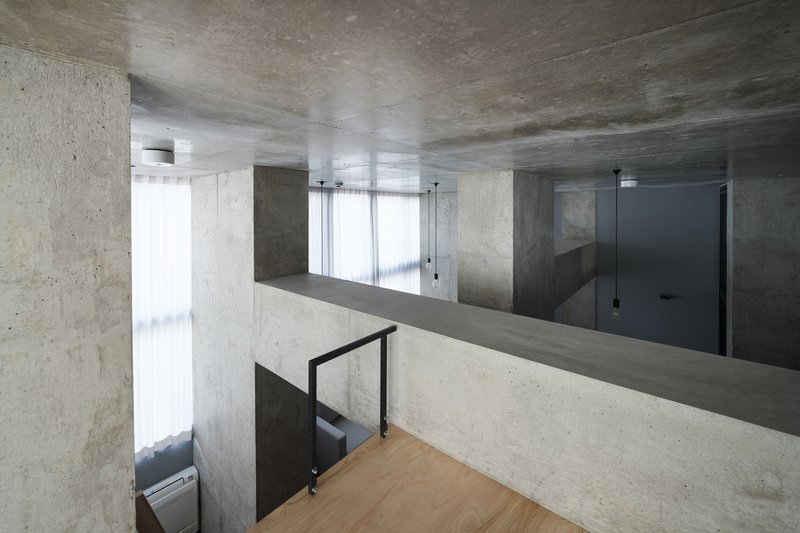
The hotel's design includes innovative uses of beams and columns to create engaging social spaces. These structural elements serve dual purposes as aesthetic features and functional parts of the hotel’s interior, providing seating and creating intimate nooks that enhance guest interactions.
The Impact of Innovative Hotel Design
PRISM Inn Ogu Hotel stands as a testament to the possibilities within modern hotel architecture. It showcases how innovative design can address the complex needs of urban travelers, offering them a spacious, light-filled retreat in the heart of Tokyo. The project serves as a model for future developments in hotel design, particularly in cities facing similar challenges of space and guest diversity.
All photographs are work of Masao Nishikawa