
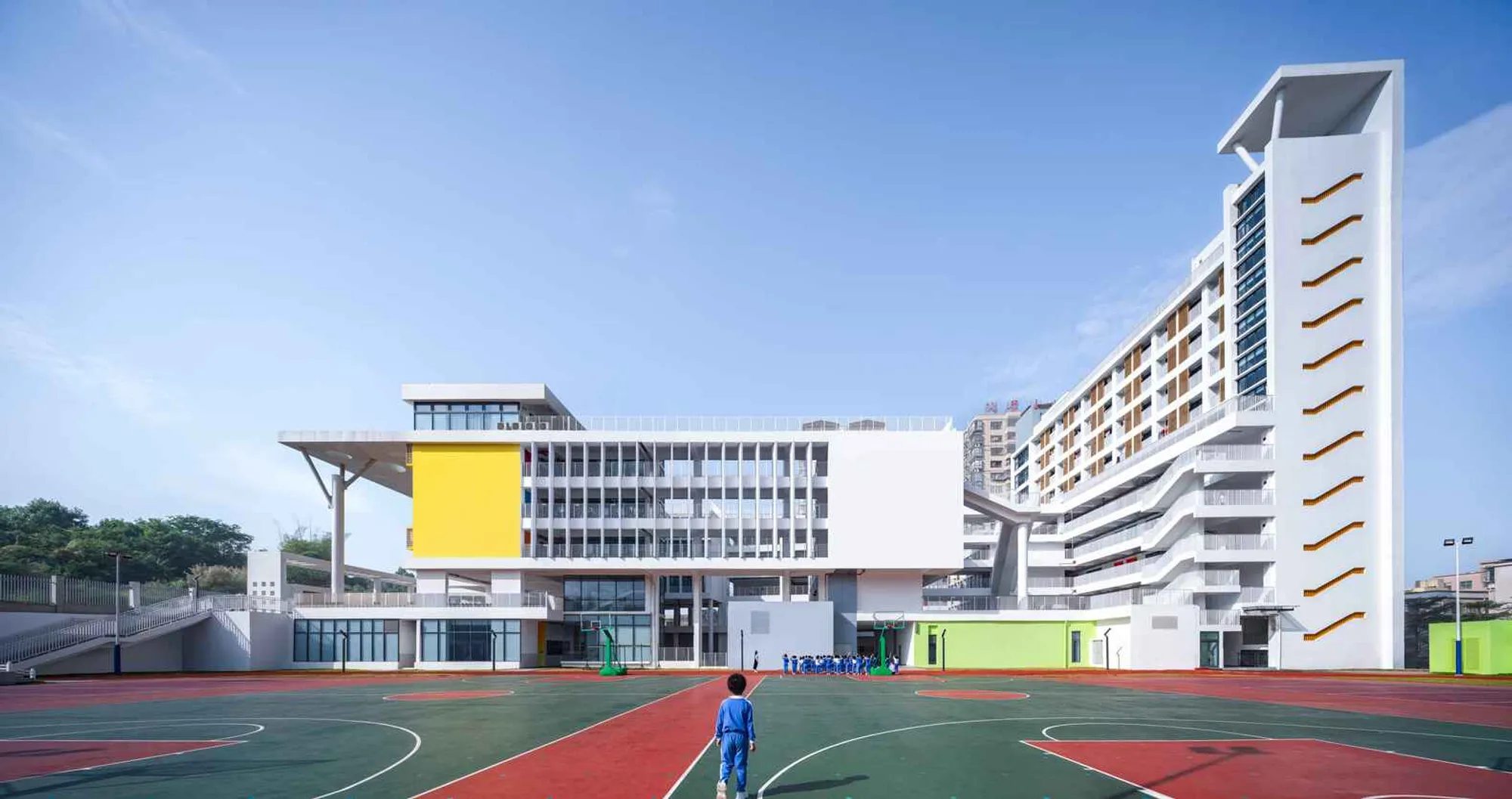
Innovative School Architecture Design: The Transformation of Fucheng Experimental School
This article explores the architectural innovation of Fucheng Experimental School in Shenzhen, showcasing its space-efficient, community-integrated, and sustainable design.


In the face of urban development challenges, the architecture of educational institutions plays a crucial role in both the functionality and the aesthetics of learning environments. The Fucheng Experimental School in Shenzhen, China, designed by The Institute of Architectural Design & Research at ShenZhen University (Z&Z STUDIO), is a stellar example of how innovative design can address space constraints while enhancing educational experiences.

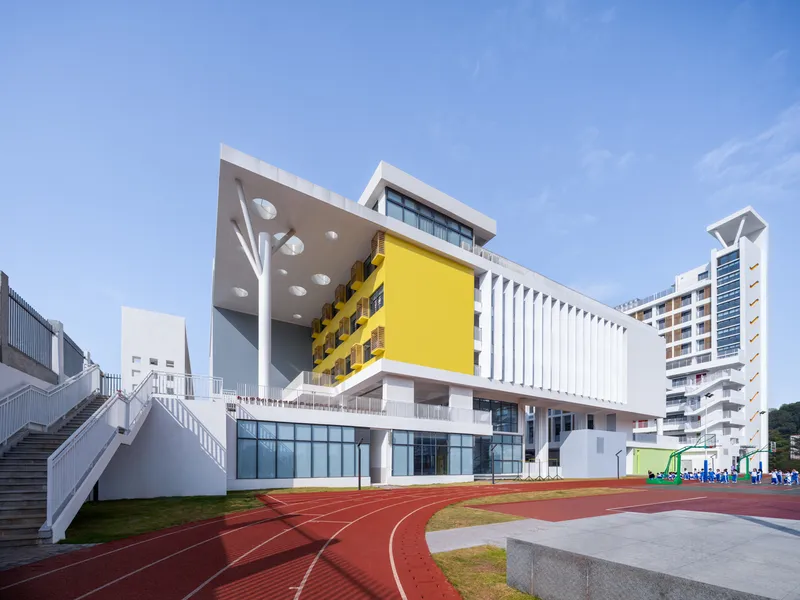
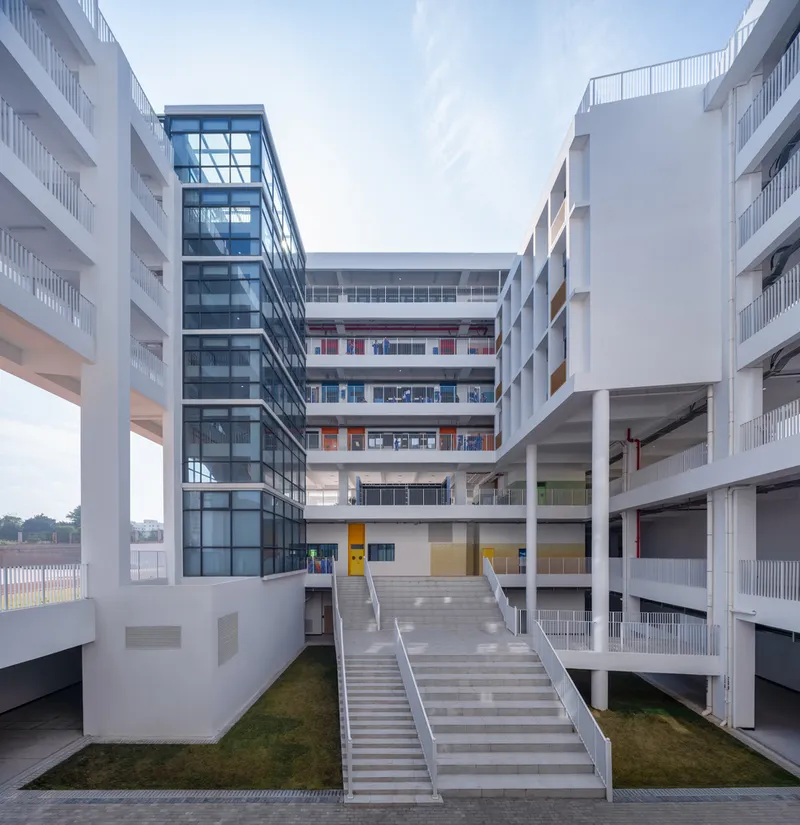

Project Overview: Fucheng Experimental School
Background and Challenges
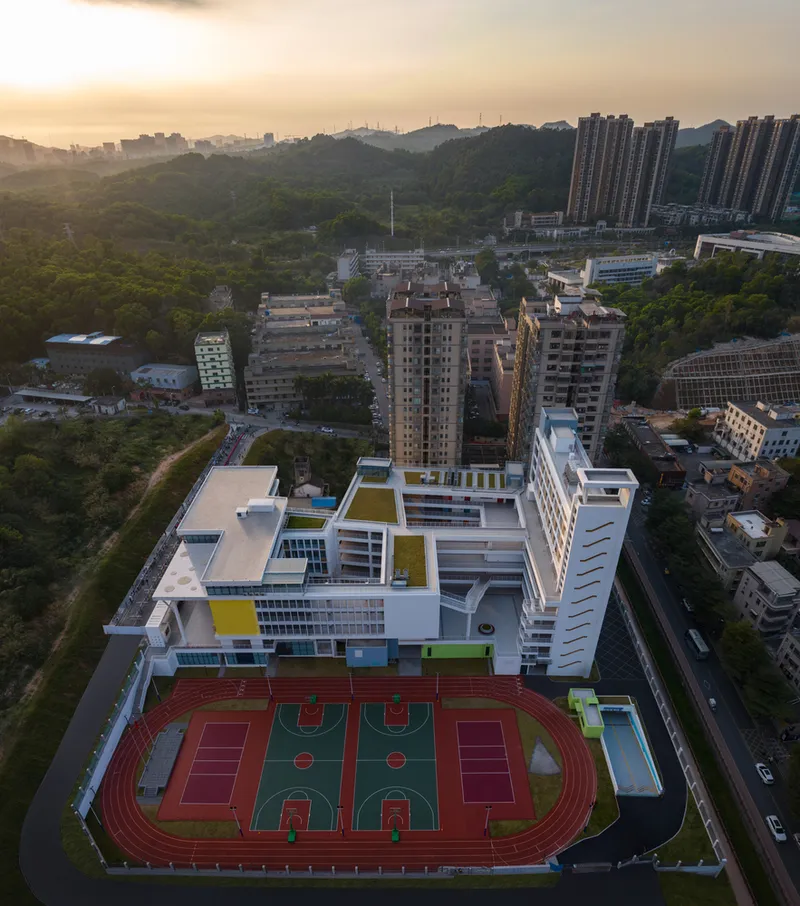
Located in the bustling city of Shenzhen, the Fucheng Experimental School faced the dual challenges of a rapidly increasing population and limited construction land. This project, situated on a compact site in the Longhua District, was envisioned to meet the growing demand for educational spaces through a thoughtful architectural approach.

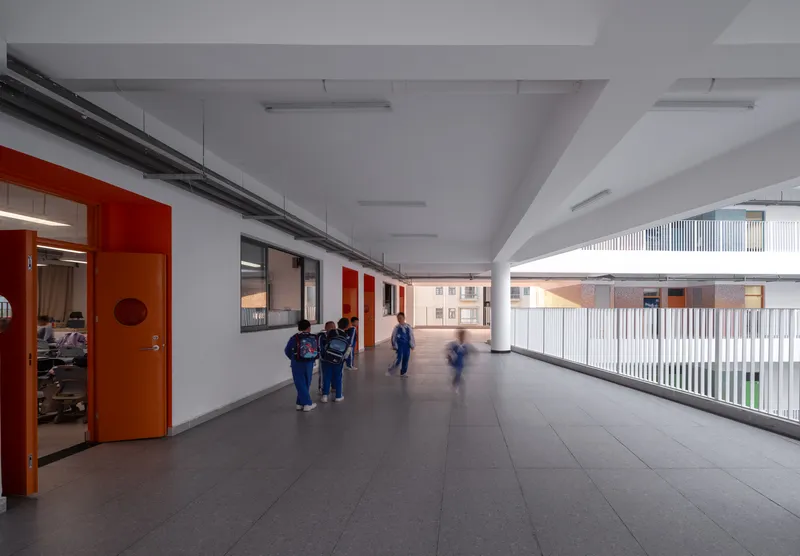
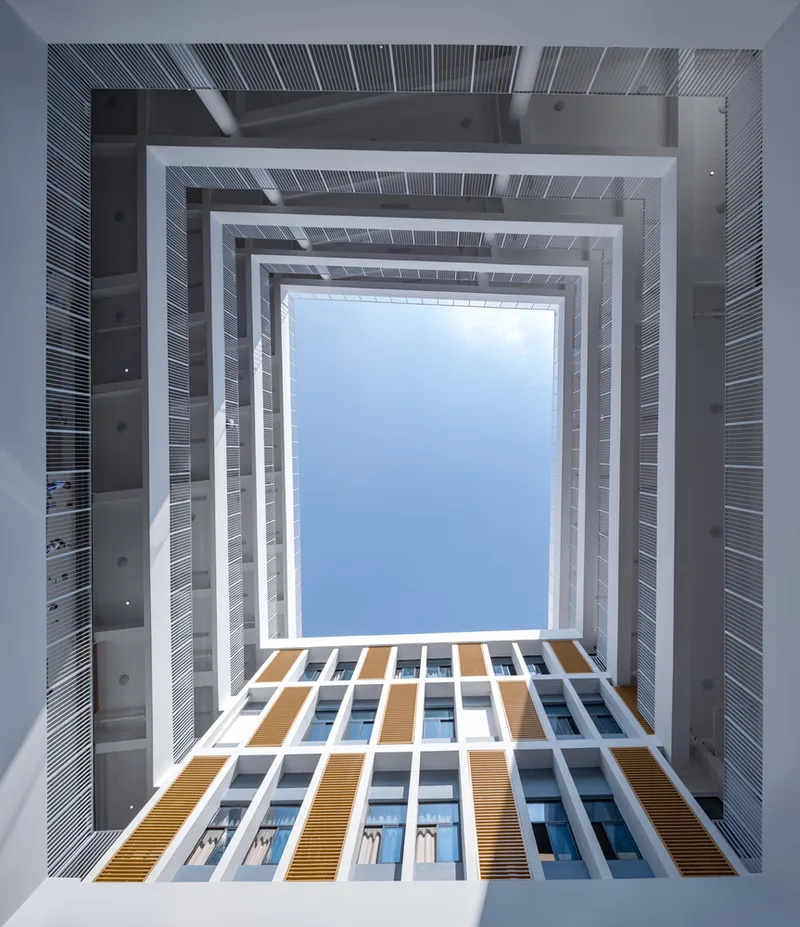
Architectural Vision and Design Goals
The design team aimed to create a multifunctional educational complex that would not only accommodate a significant number of students but also integrate with the community. The goal was to blend traditional educational functions with public accessibility, ensuring that the school served as a community hub.
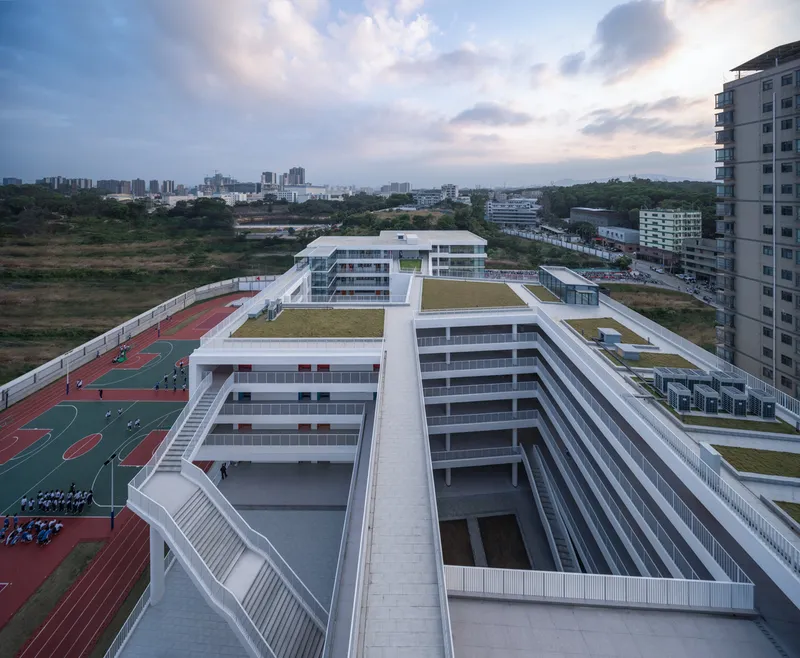
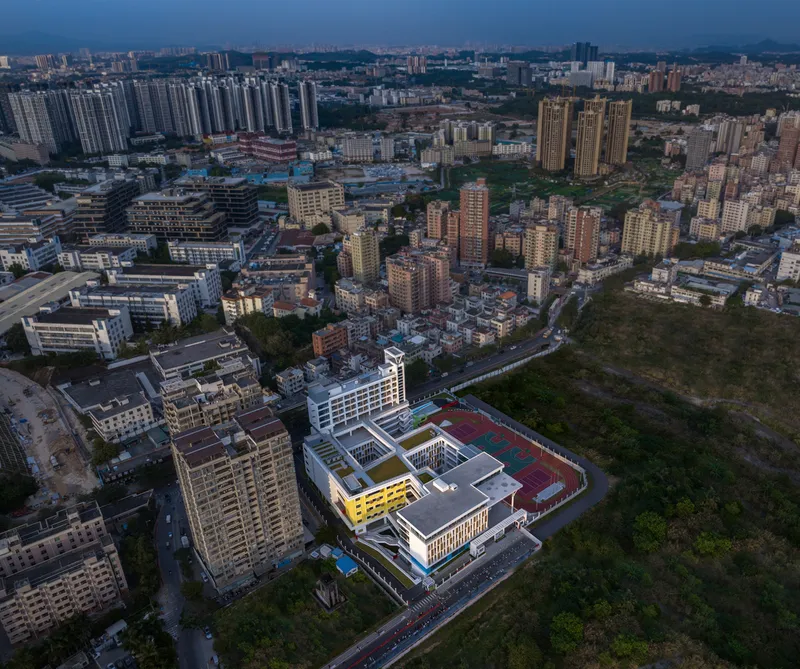

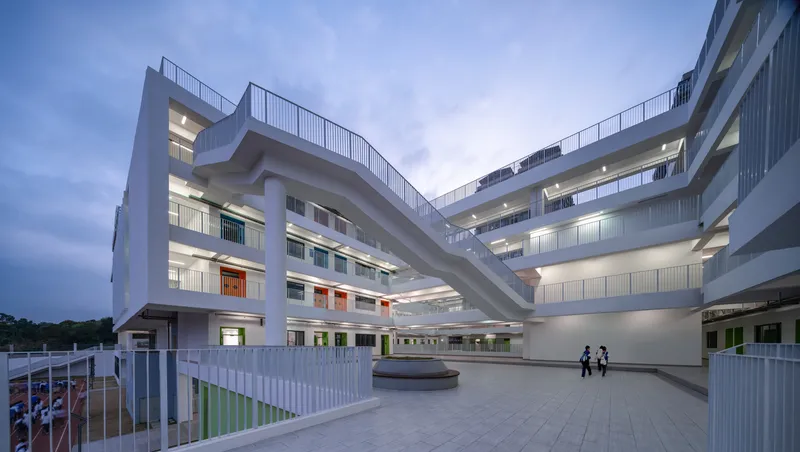
Key Architectural Features of Fucheng Experimental School
Innovative Use of Space
Vertical Campus Design
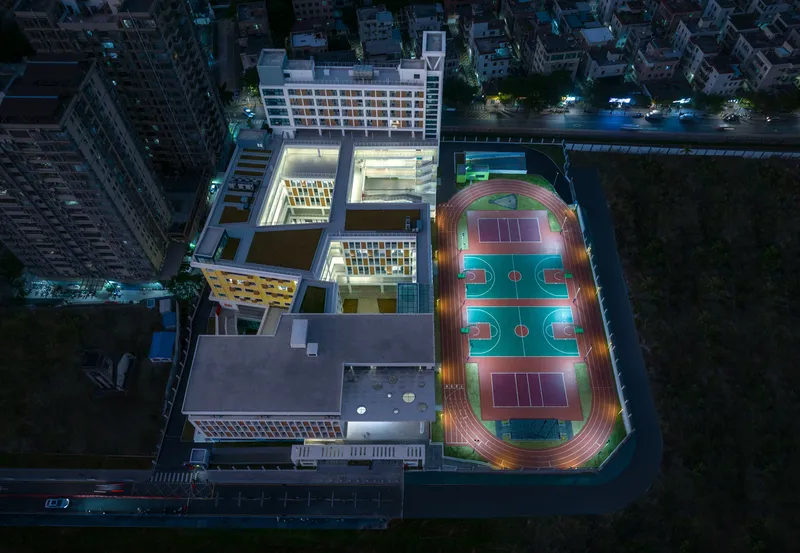
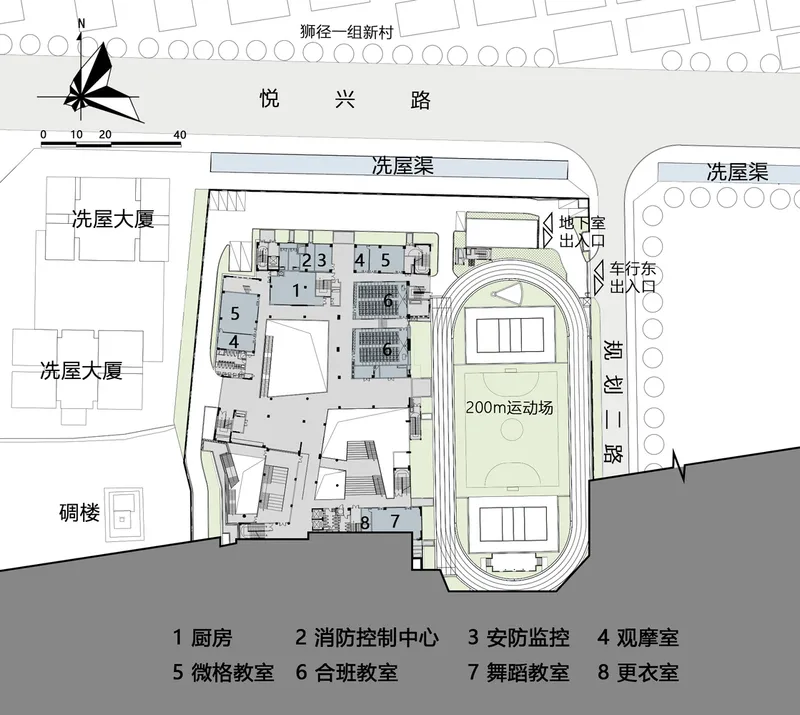
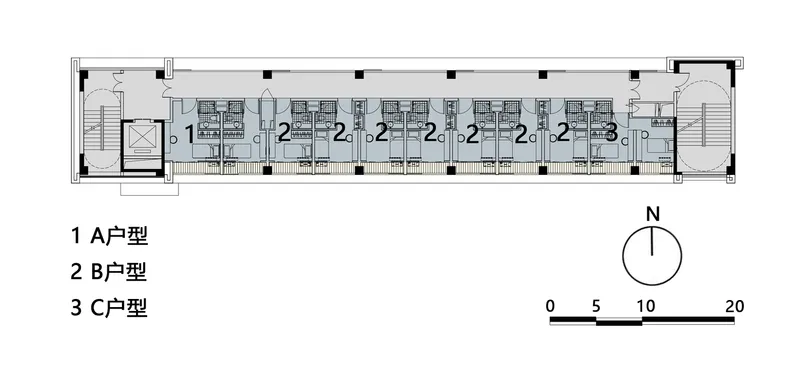
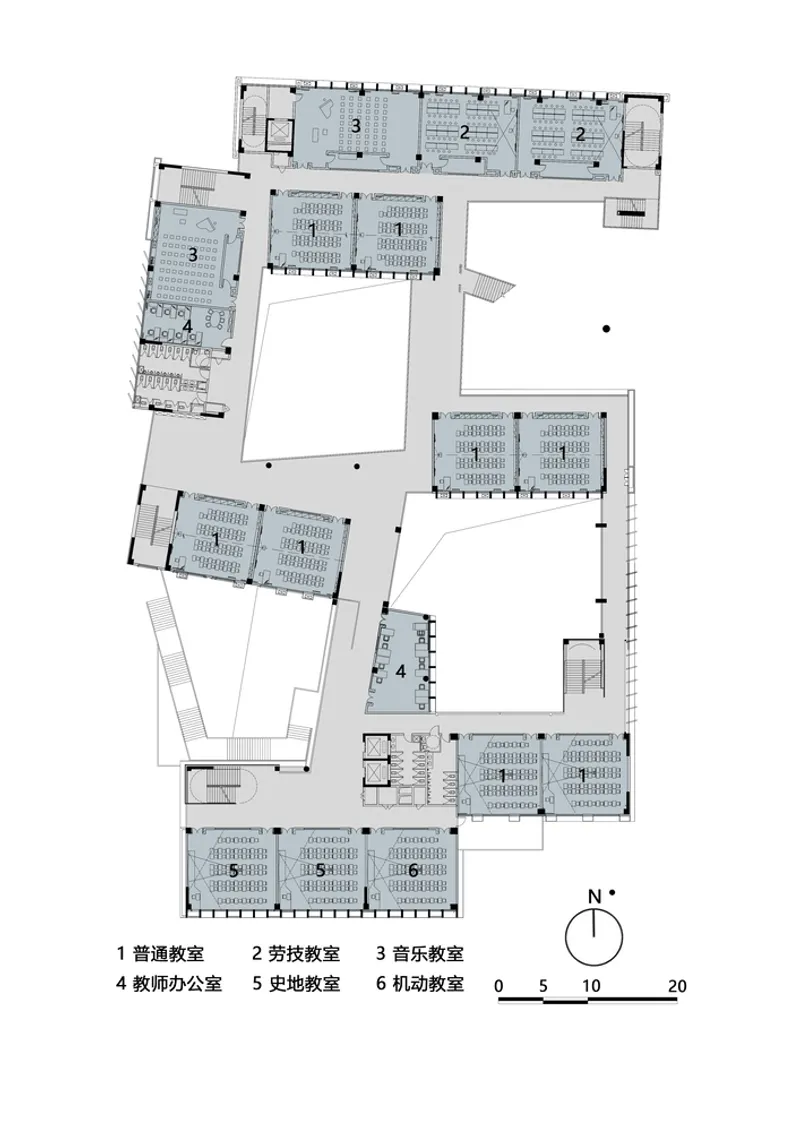
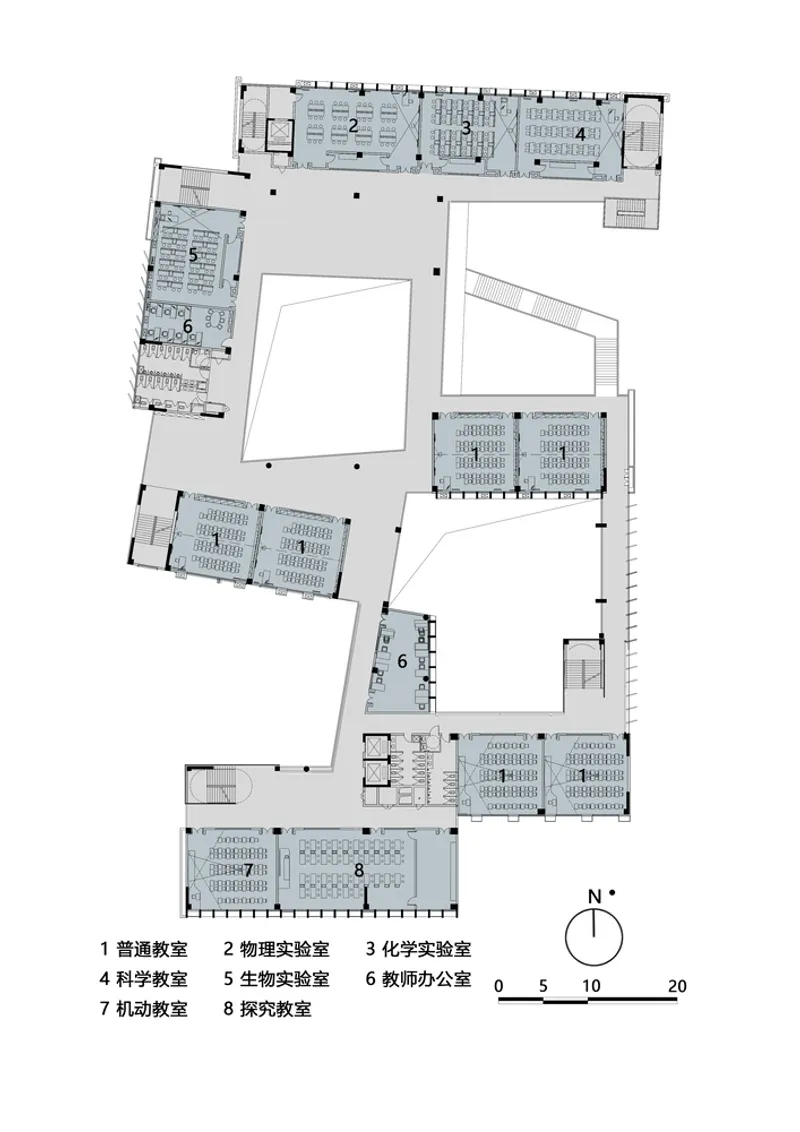
To maximize the limited land area, the architects employed a vertical design strategy, stacking educational and recreational spaces in a compact footprint. This approach not only conserved space but also created dynamic, interconnected environments for students and staff.
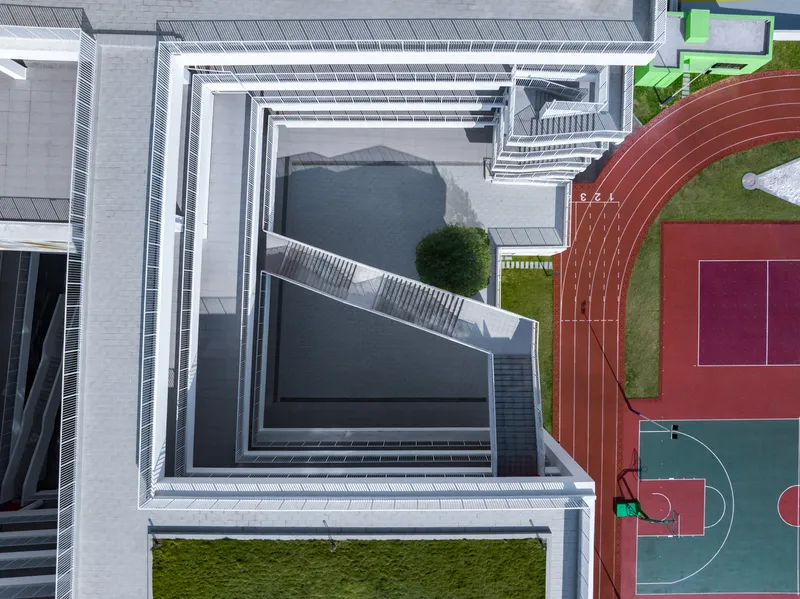

Multi-functional Courtyards
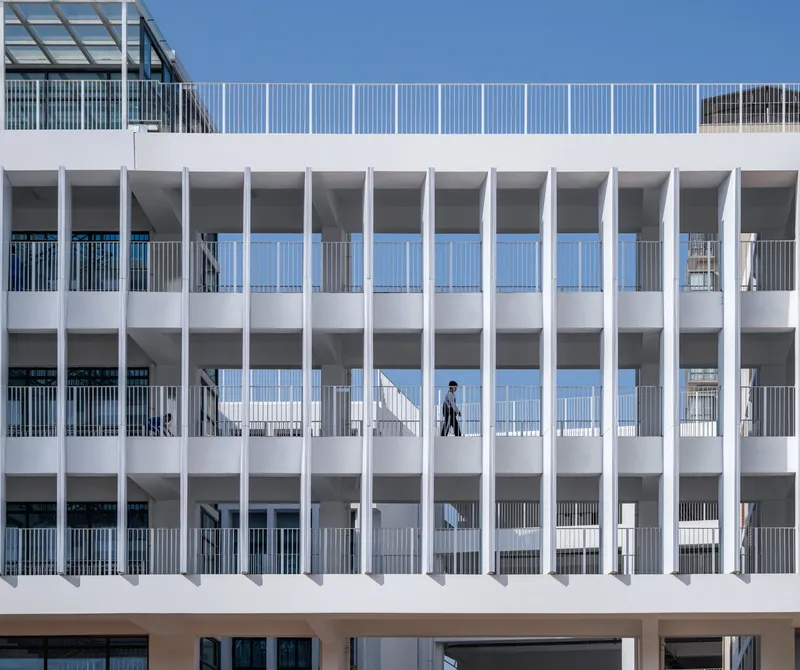
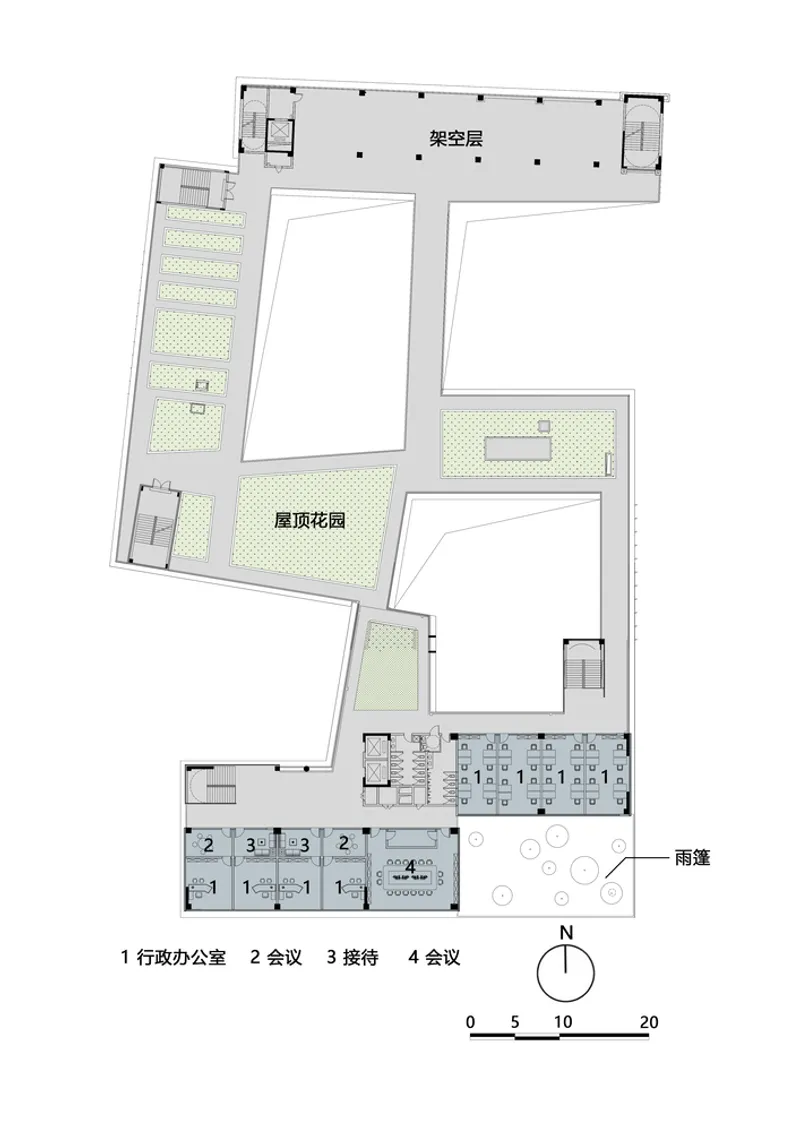
The school design includes multiple courtyards that serve various functions, from recreational areas to environmental buffers. These courtyards are strategically placed to enhance the school's ventilation and natural lighting, contributing to a more sustainable building design.


Integration with the Community
Resource Sharing
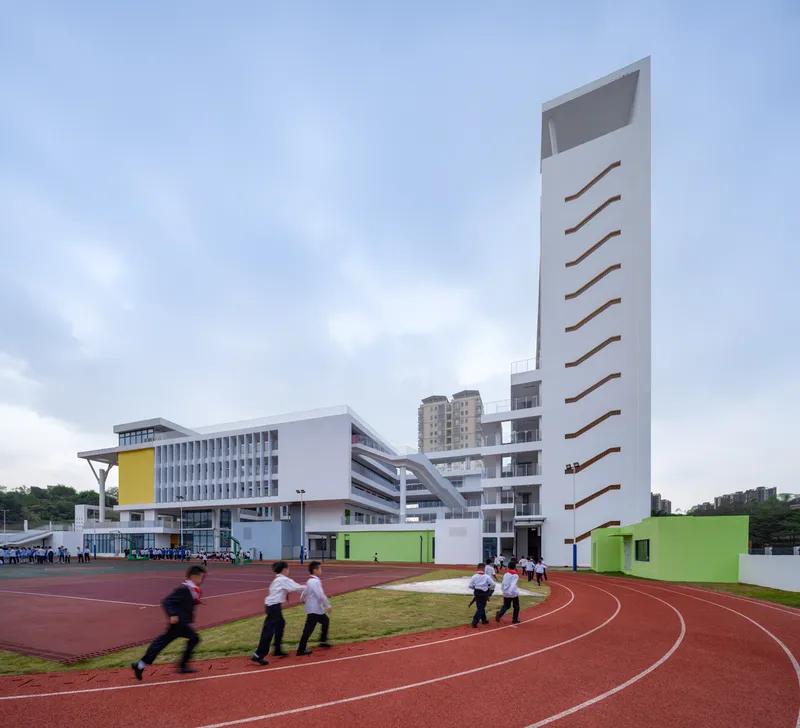
The concept of "resource sharing" is central to the school's design, with spaces like libraries and sports facilities designed to be accessible to the community outside school hours. This integration fosters a stronger connection between the educational institution and its surrounding community.


Cultural and Sports Centers
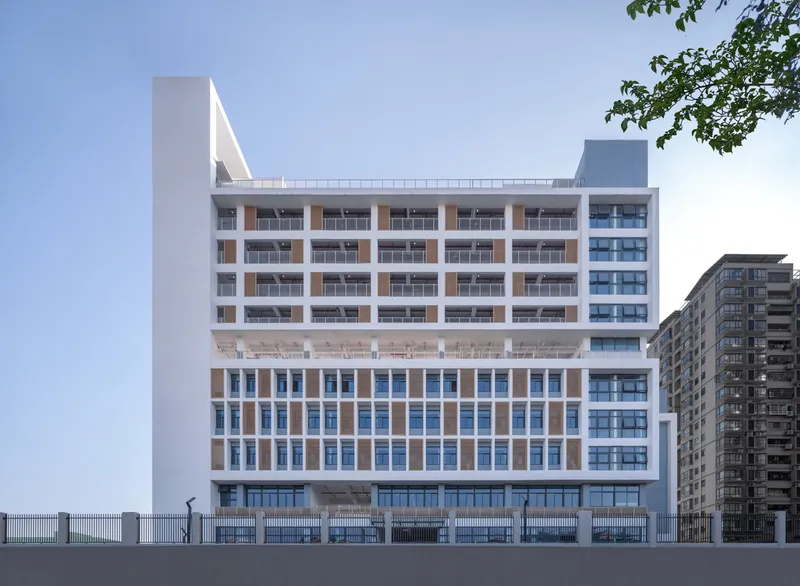
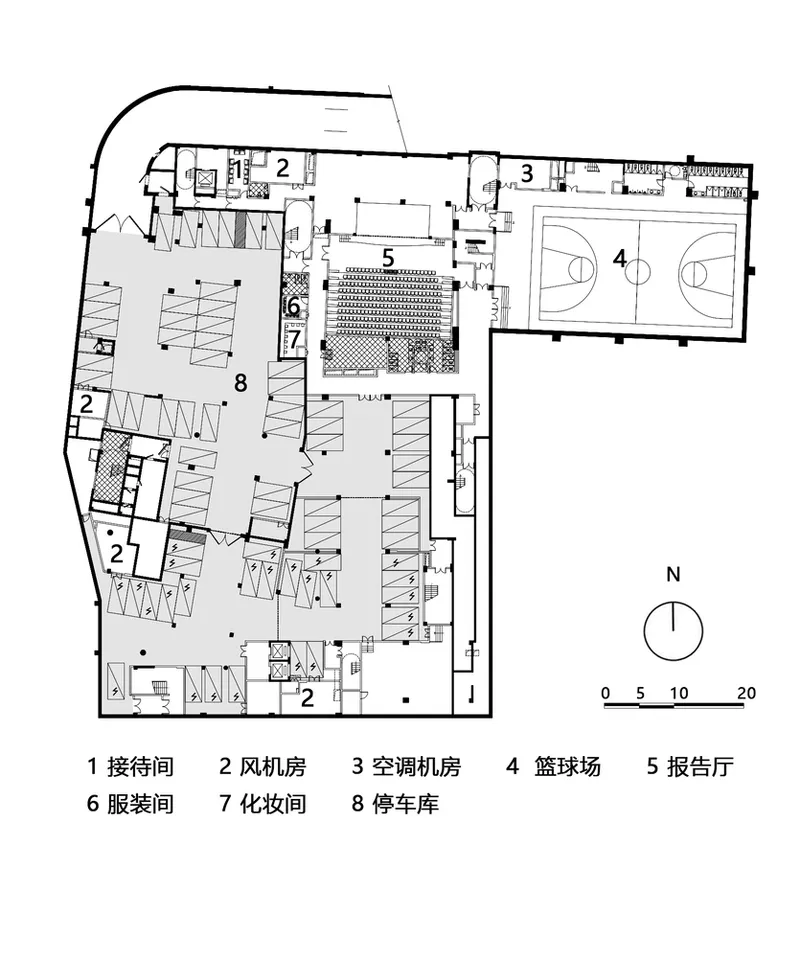
Located in the semi-basement area, these facilities provide spaces for cultural activities and sports, accessible independently from the academic areas, which facilitates community use during non-school hours.
Sustainability and Adaptation to Local Climate
Climate-Responsive Design
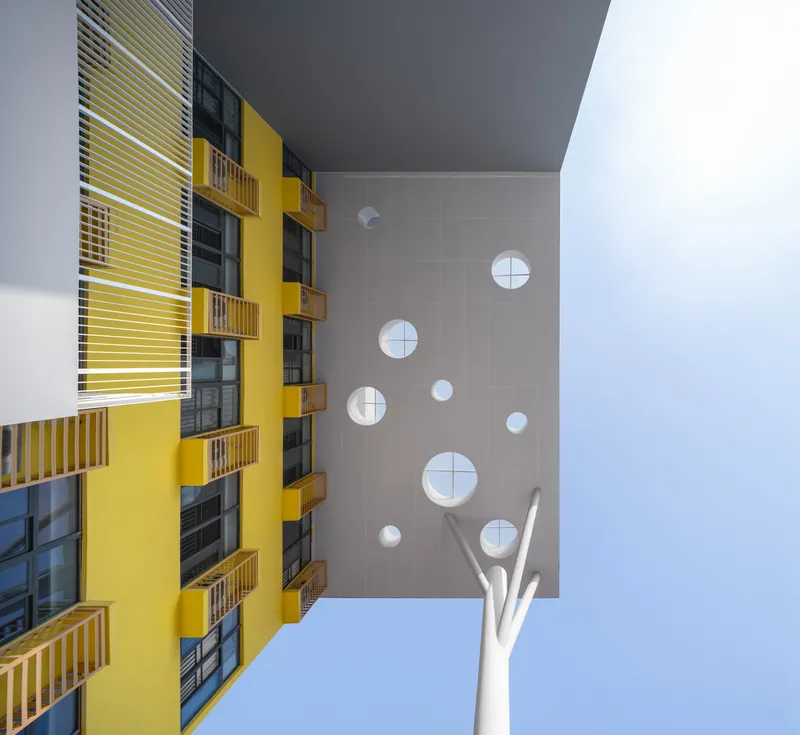
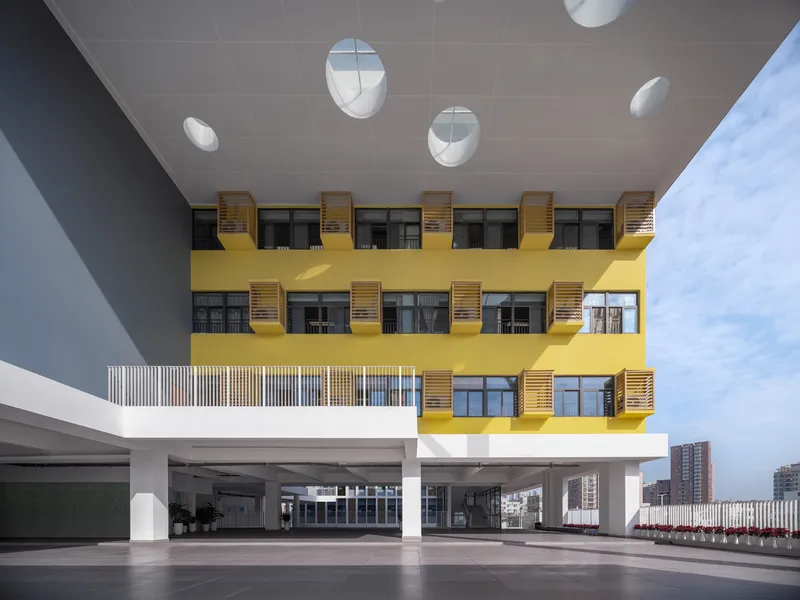
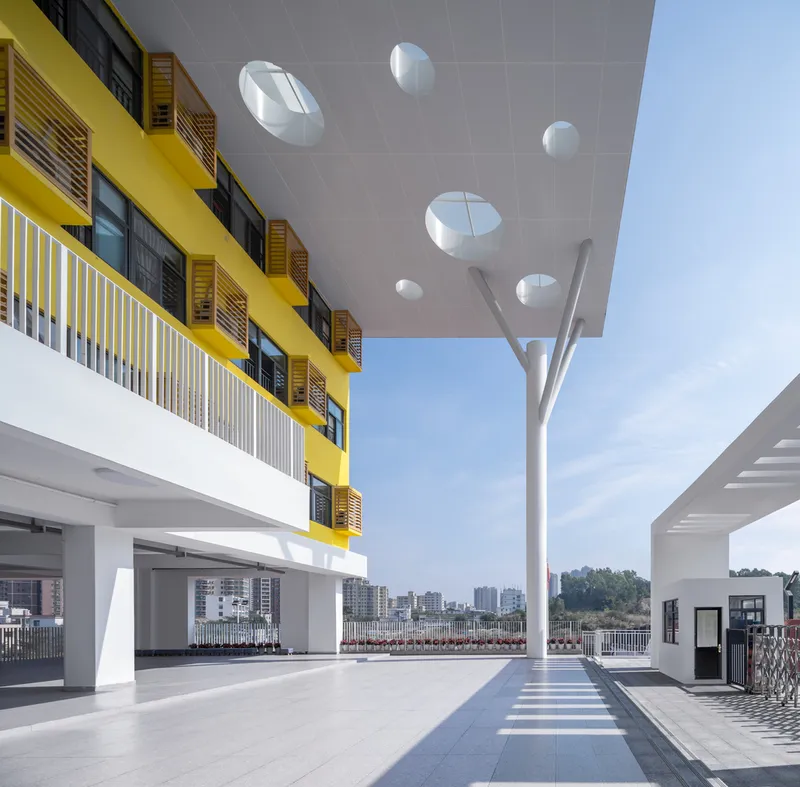
In response to Shenzhen’s humid and rainy climate, the school incorporates features such as large overhanging eaves and elevated ground floors, which are characteristic of Lingnan architectural style. These elements provide effective sun and rain protection, enhancing the comfort of outdoor spaces.


Use of Local Materials
Emphasizing sustainability, the construction utilizes locally sourced materials, reducing the environmental impact associated with transportation and supporting the local economy.

The Impact of Innovative Architectural Solutions
The Fucheng Experimental School stands as a testament to the possibilities of innovative school architecture design in urban settings. By addressing space limitations creatively, incorporating community-focused elements, and responding to local climate conditions, the project sets a benchmark for future educational architecture projects worldwide.


All photographs are work of Inter_mountain image,Zhong Zhong




Popular Articles
Popular articles from the community


The Musturak Paradise: Senior Living Architecture for a Connected Future in Temara, Morocco
The Musturak Paradise reimagines senior living architecture in Temara via private homes, social spaces, culture, community, and shared care.

AL-JANNAH: Sustainable Architecture and Permaculture for Afghan Widows
AL-JANNAH uses sustainable architecture and permaculture to create resilient oasis of housing, learning, work and renewal for Afghan widows.

Hill & Cross Opera: Sculptural Opera House Architecture Shaped by Tallinn’s Landscape and Identity
Hill & Cross Opera reimagines opera house architecture in Tallinn through its sculptural hill, civic plaza, glass wave and a luminous cross.

Conexión: Biophilic Design Reimagines High-Rise Living in Hong Kong
Conexión reimagines high-rise living in Hong Kong through biophilic design, green facades, shared spaces, daylight, water and nature within.


Similar Reads
You might also enjoy these articles


FAMM Arquitectura Organizes Ten Villas Around Courtyards and Jungle in Nosara, Costa Rica
El Molino pairs two elongated volumes with deep overhangs and timber louvers to build a compact coastal community five minutes from the beach.

Oscar Niemeyer's Ibirapuera Park Pavilions Define São Paulo's Cultural Identity in Concrete and Curve
A constellation of modernist volumes set within São Paulo's most important urban park, conceived for the city's 400th anniversary in 1954.
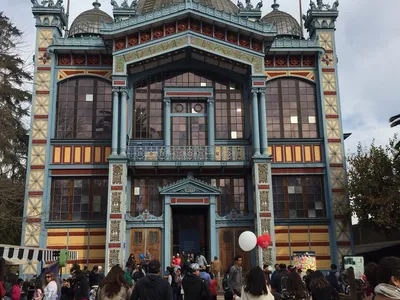
How Henri Picq's 1889 Paris Pavilion Traveled 11,000 Kilometers to Become Santiago's Artequín Museum
A prefabricated iron and glass pavilion built for the Paris Universal Exposition found a second life as a children's art museum in Chile.

Sanjay Puri Architects Wraps a Jaipur Office Tower in Capsule-Shaped Green Buffers
A nine-level climate-responsive workplace near Jaipur Airport uses stacked planter terraces and aluminium screens to fight 40°C heat.


Explore Architecture Competitions
Discover active competitions in this discipline



Challenge to reimagine the Iron Throne


Photograph architecture without architects


Illustrate the lost glory of Angkor Wat - Render Challenge


Design challenge to reuse E-waste
Comments (0)
Please login or sign up to add comments
No comments yet. Be the first to comment!