
Introduction to Luxury Apartment Architecture
This article explores the innovative design and luxury features of the Perfumiarnia Estate Apartments in Poznań, designed by JEMS Architects.

Luxury apartment architecture is about blending innovation, comfort, and style to create environments that are not just spaces to live but places to experience. In Poznań, Poland, the Perfumiarnia Estate Apartments stand as a testament to this philosophy. Designed by Warsaw-based JEMS Architects, these residences offer a modern twist to luxury living.
Overview of Perfumiarnia Estate Apartments
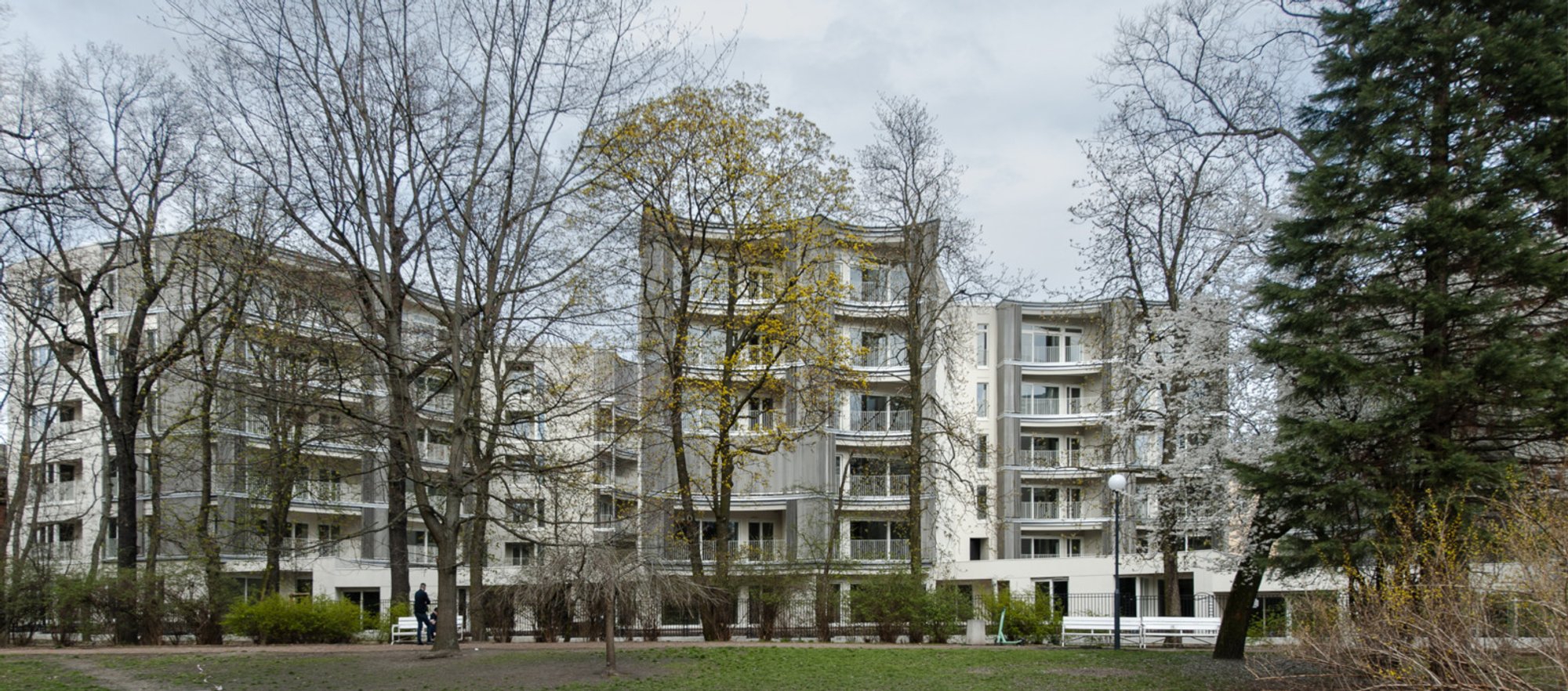
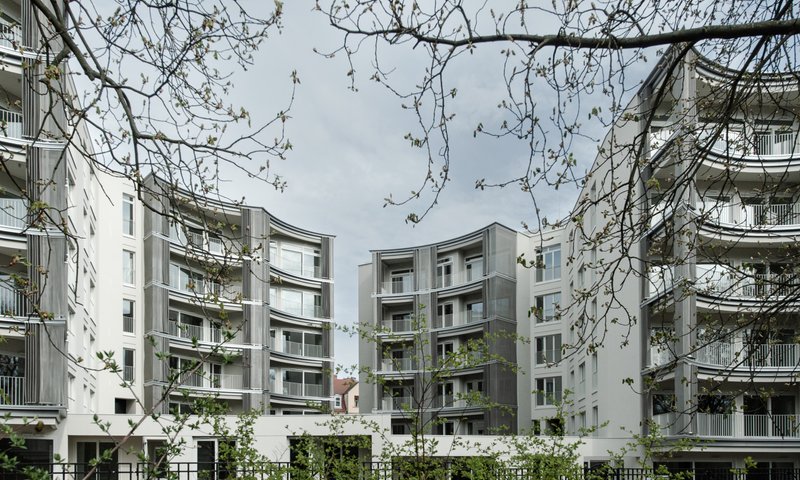
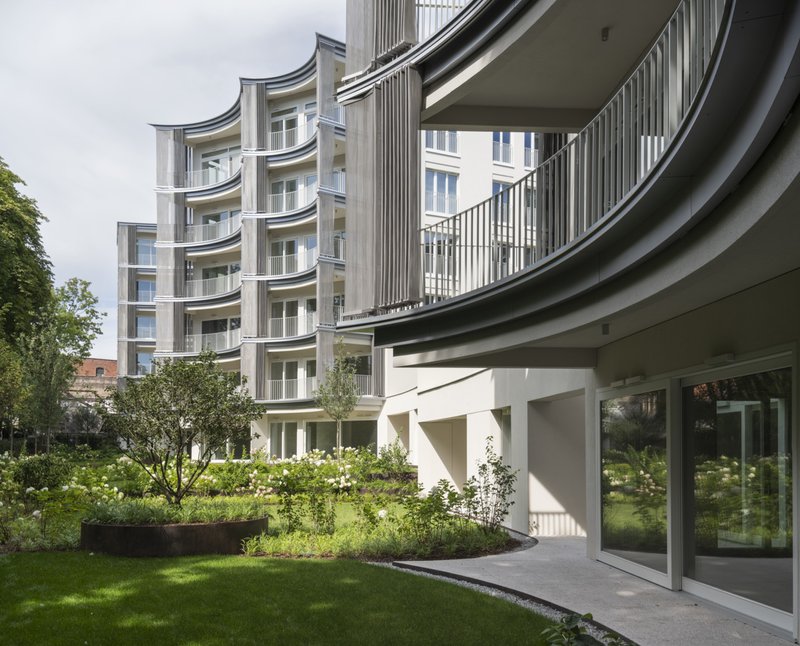
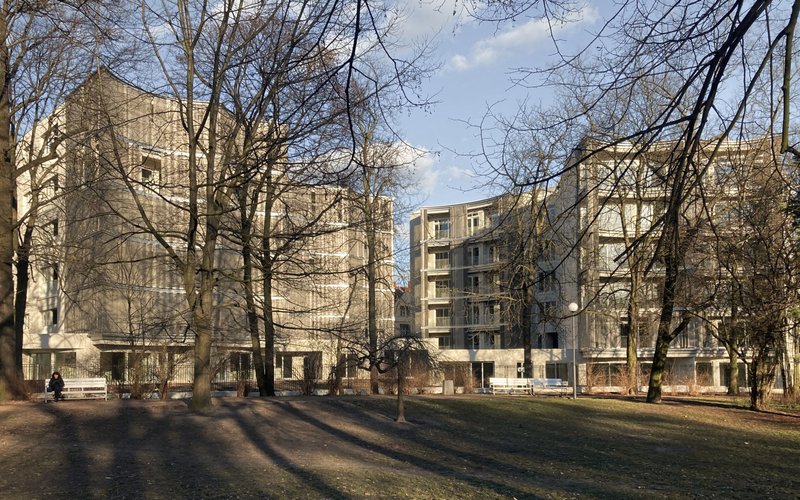
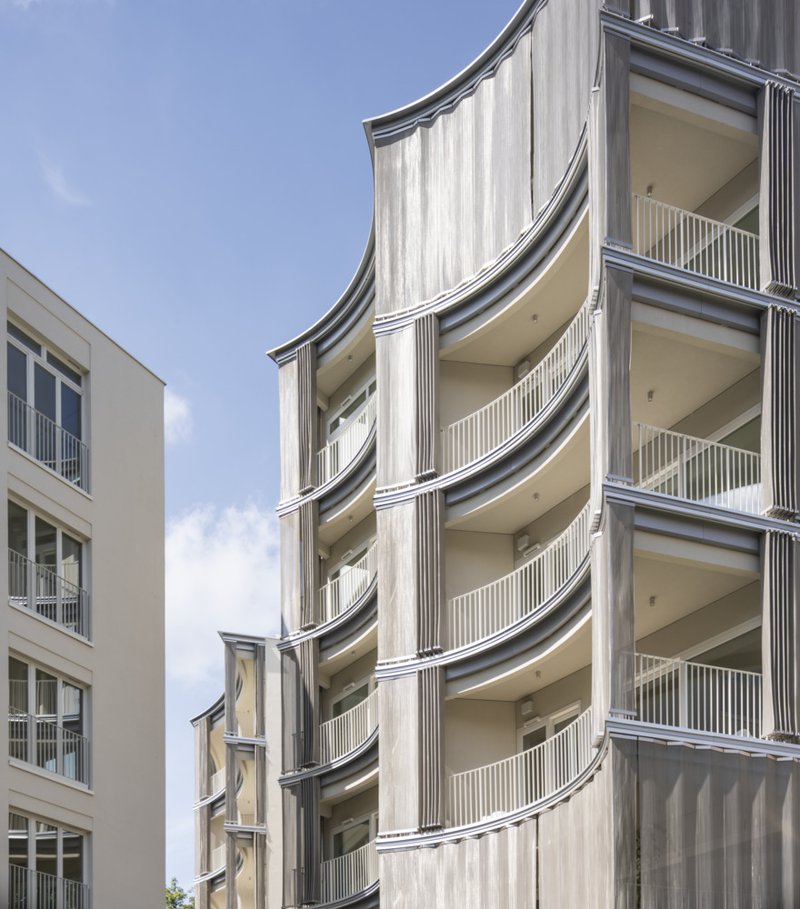
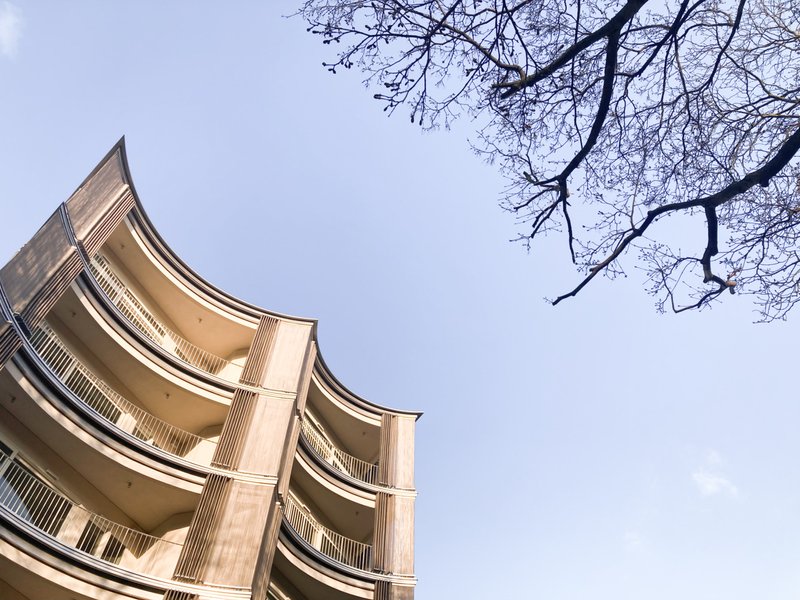
Perfumiarnia Estate, with its unique "wavy" facade and gracefully arched loggias, is an exceptional example of luxury apartment architecture. The estate’s design not only reflects high standards but also incorporates elements of the surrounding historical environment, providing a bridge between past and present architectural aesthetics.
Architectural Design and Innovation
The "Wavy" Facade
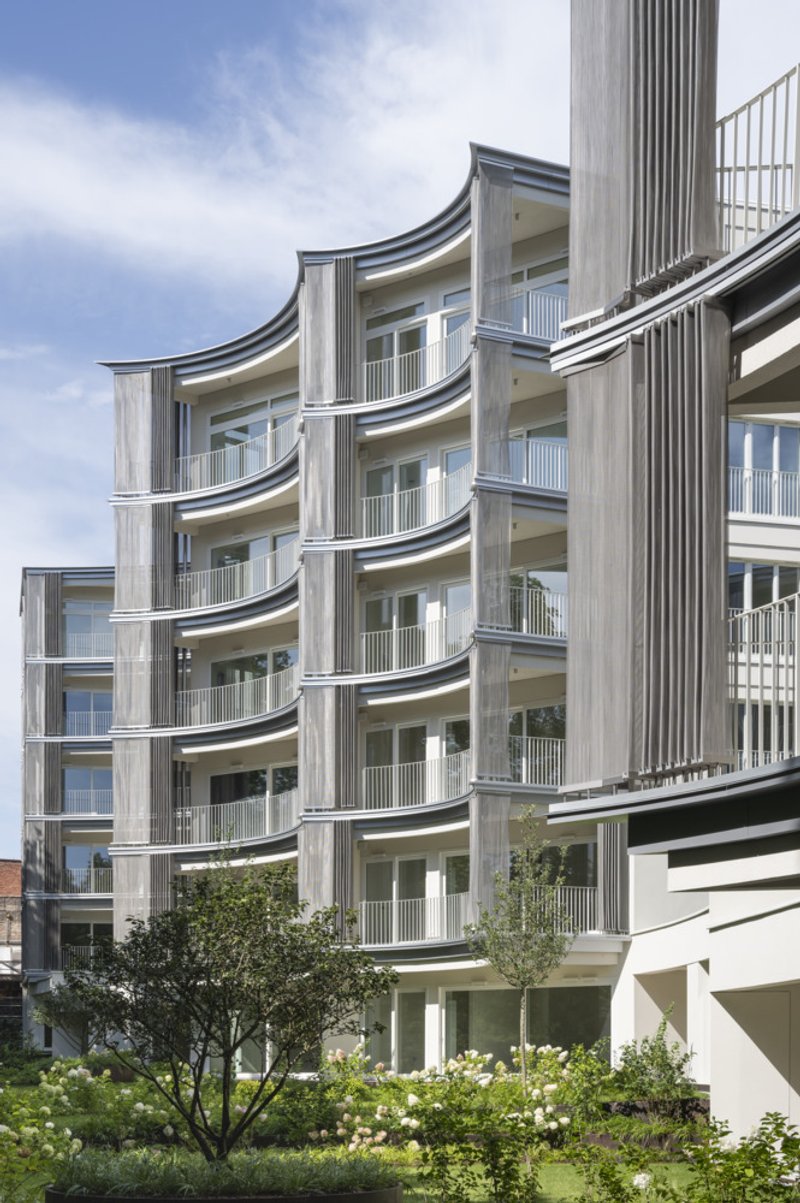
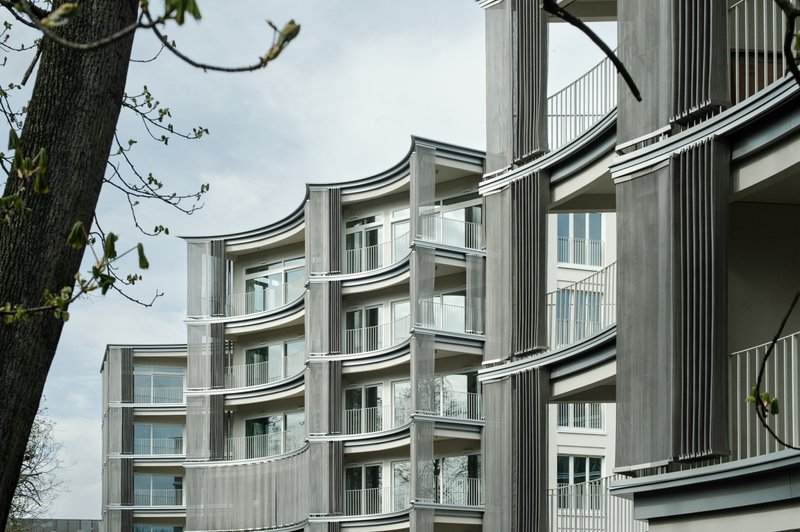
The dynamic facade of Perfumiarnia Estate Apartments is one of its most striking features. Designed to mirror the organic forms of the nearby park’s vegetation, the facade includes recessed and protruding elements that make the buildings appear as if they are a natural extension of the outdoor landscape.
Integration with Nature
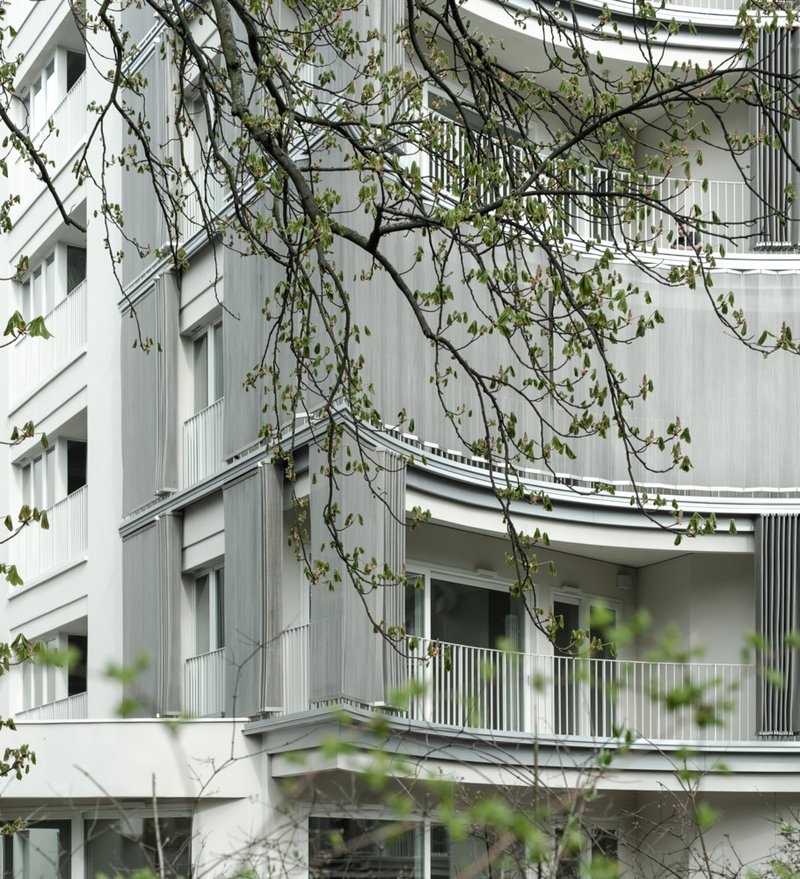
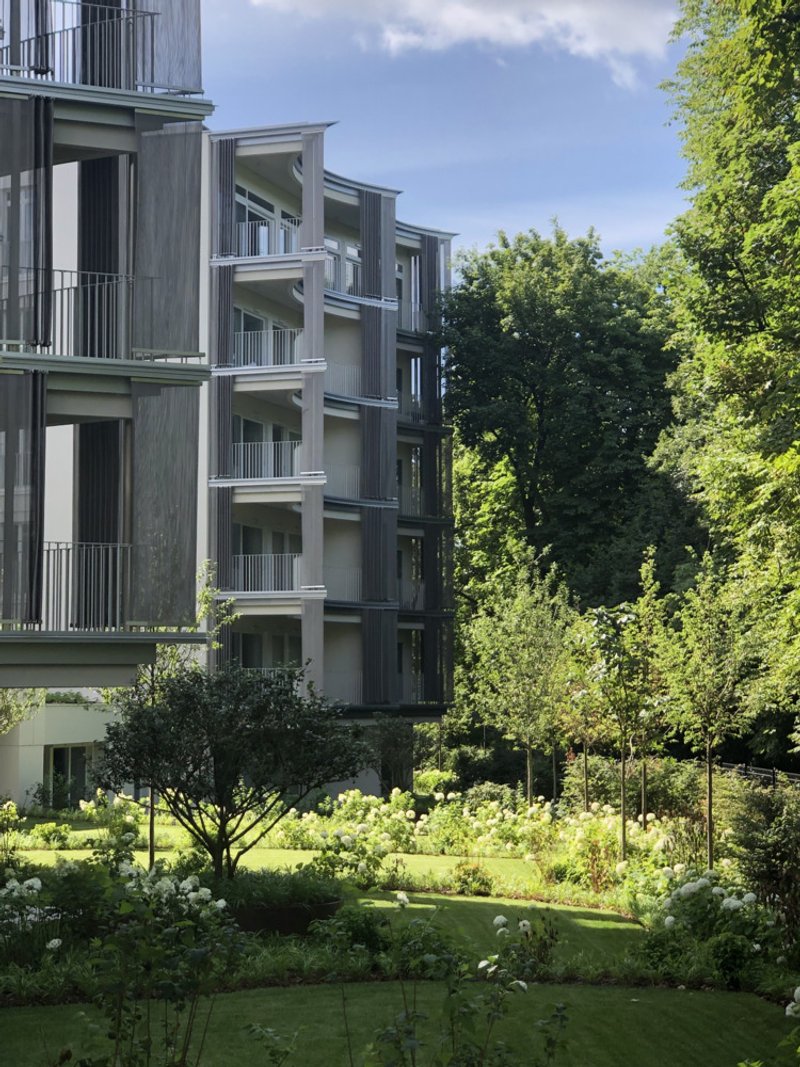
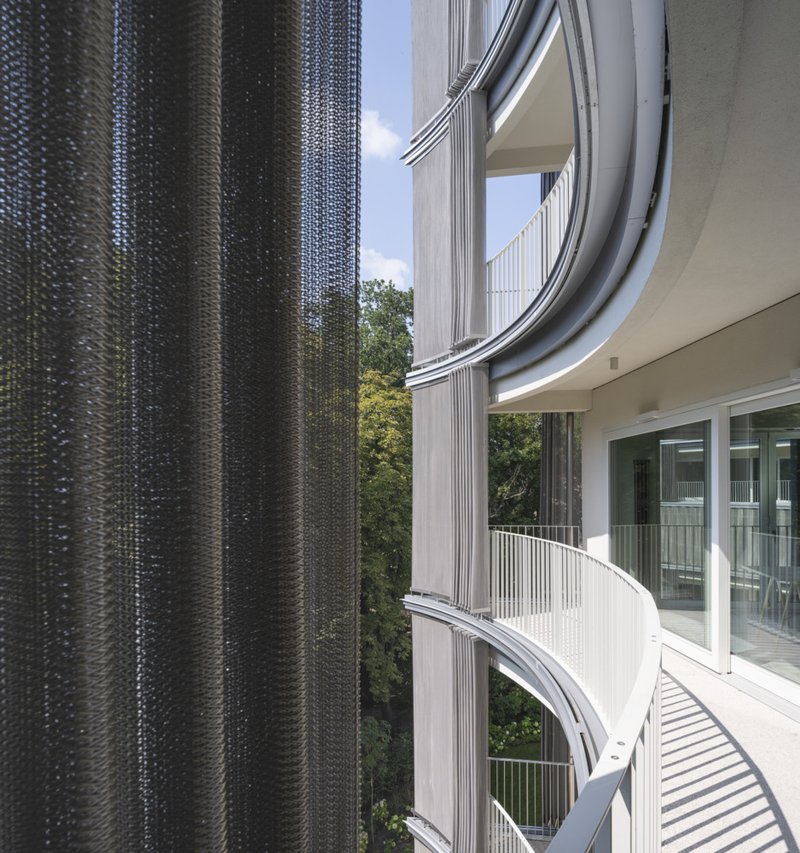
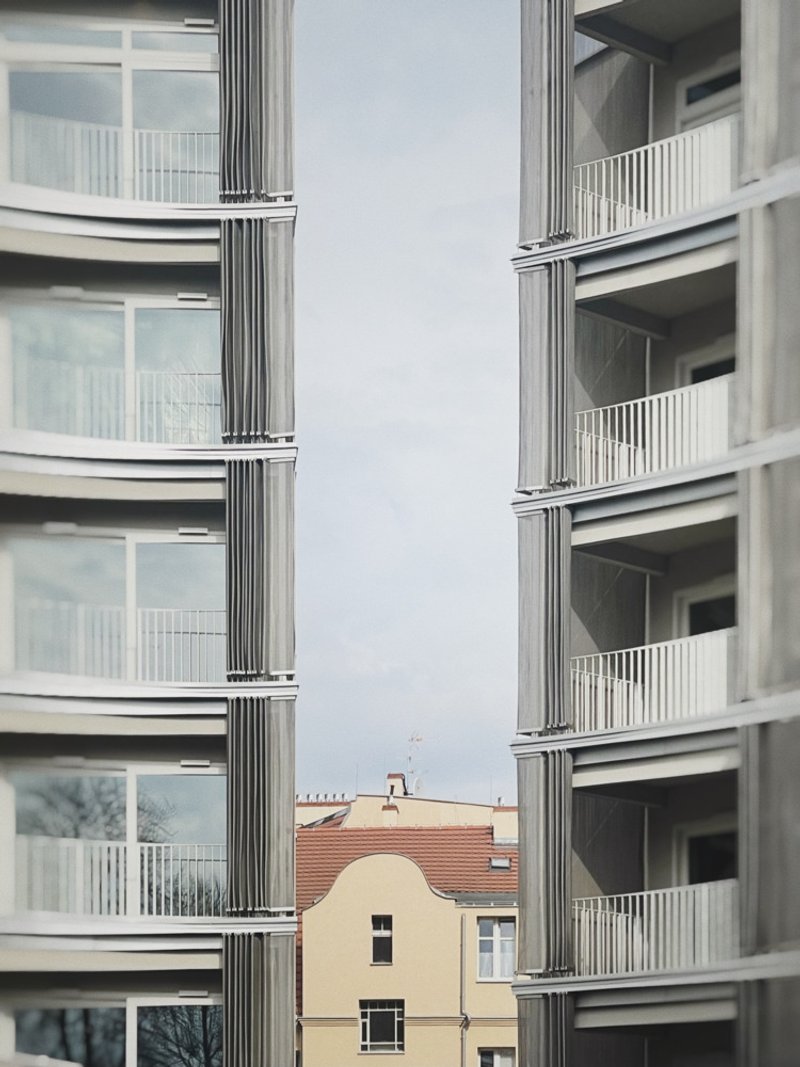
Large glass paneling and silver blinds on the balconies allow for panoramic views of the historic park, creating a seamless blend between the interiors and the external environment. This design choice emphasizes the architects' vision of luxury that interacts with nature rather than overpowering it.
Luxurious Features and Amenities
Sophisticated Living Spaces
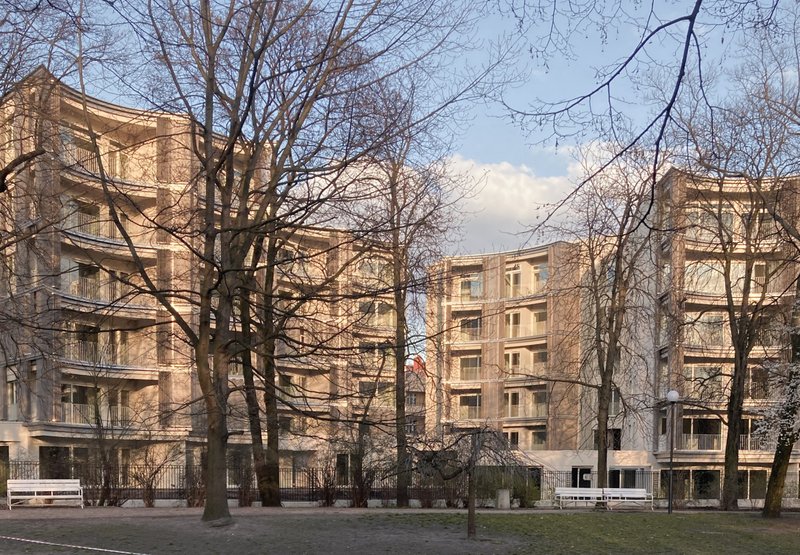
Perfumiarnia Estate offers 140 spacious apartments, ranging from 46 to 153 square meters. These units are designed to maximize natural light, creating bright, airy spaces that enhance the feeling of openness and luxury.
Interior Design Elements
The interior common areas display meticulous attention to detail with Italian stone floors, wooden paneling, and hand-crafted stair handrails, embodying a standard of elegance and refined taste. These elements ensure that every corner of Perfumiarnia Estate reflects luxury and quality.
Unique Architectural Elements
Innovative Loggias and Balconies
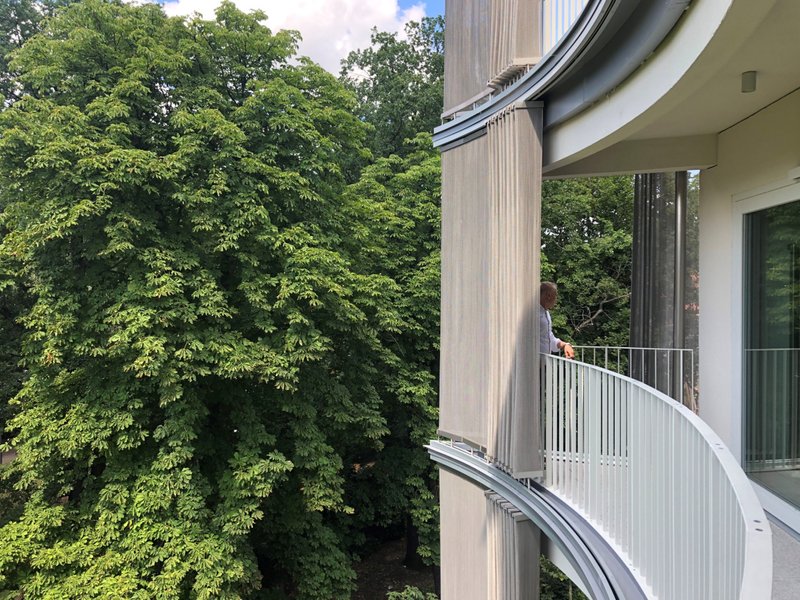
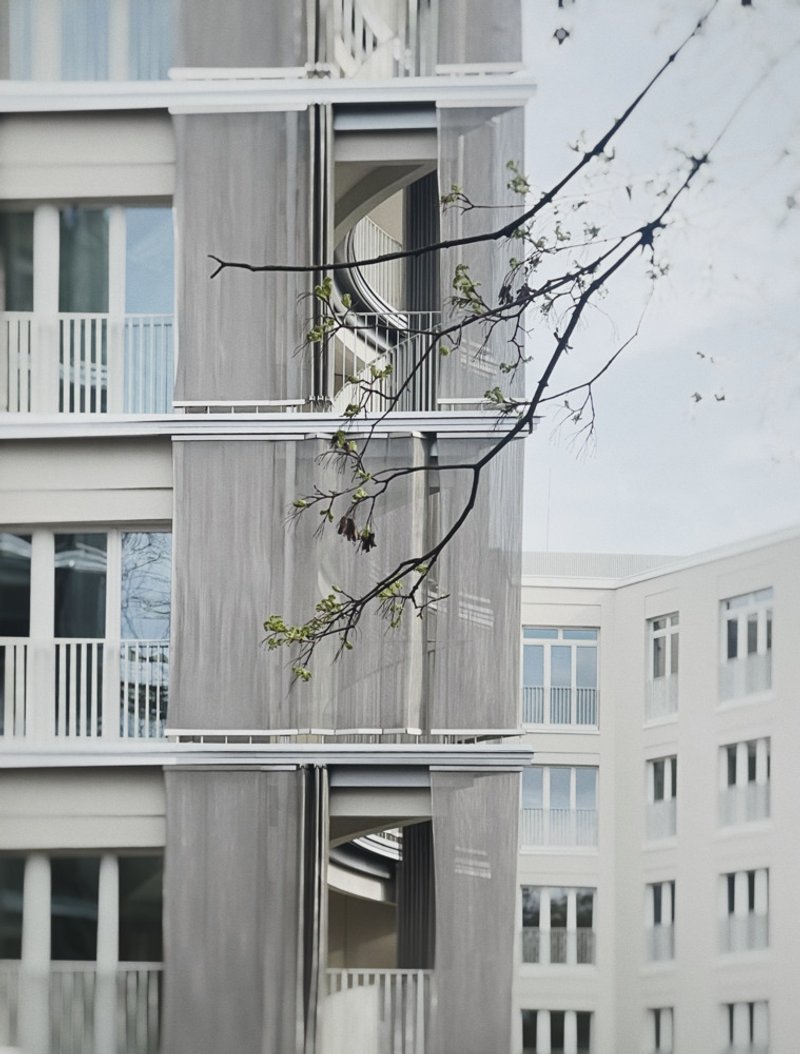
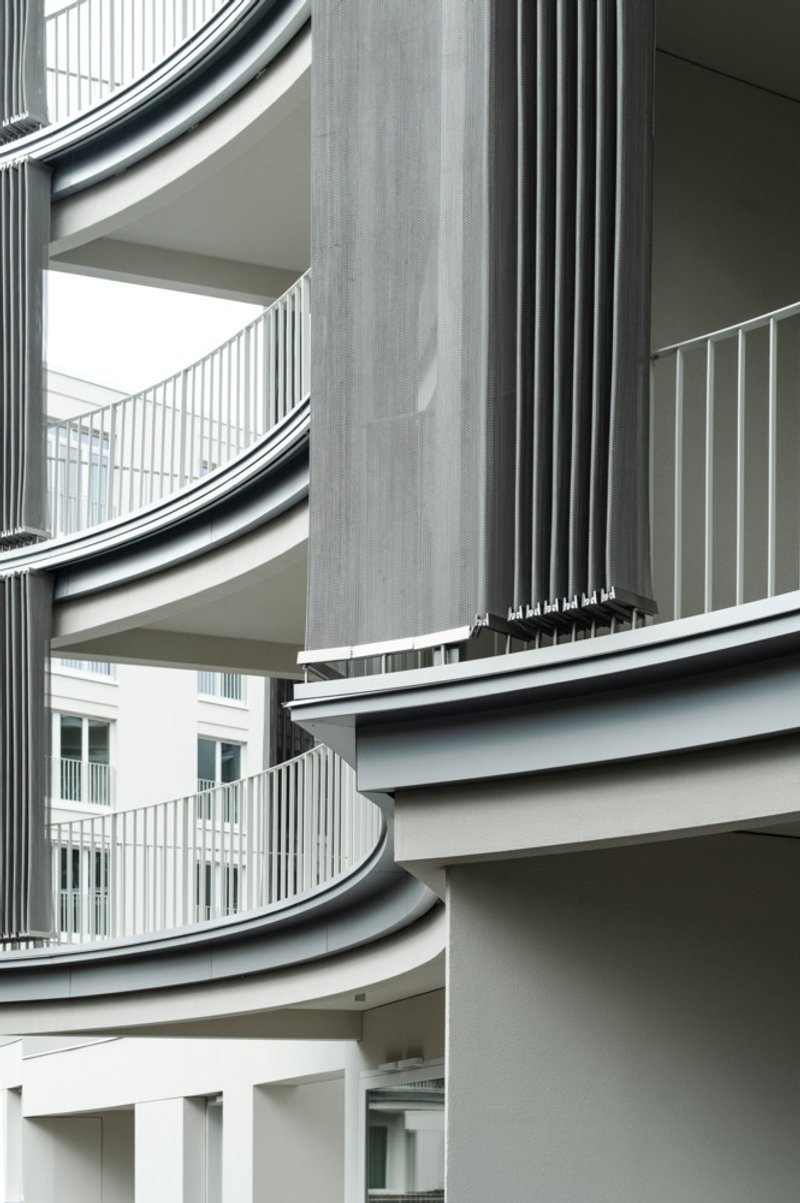
The loggias at Perfumiarnia are notable for their large, arching handrails and remote-controlled, semi-transparent steel net curtains. This innovative feature allows residents to modulate their level of privacy and interaction with the environment, providing a mystical sensation as described by the architects.
Challenges in Construction
The complex geometry of the building and the innovative design of the loggias posed significant challenges, requiring custom solutions in both architectural design and engineering. These challenges were met with creative engineering solutions and the development of new construction methodologies.
Sustainability and Environmental Integration
Harmonizing with the Historical Context
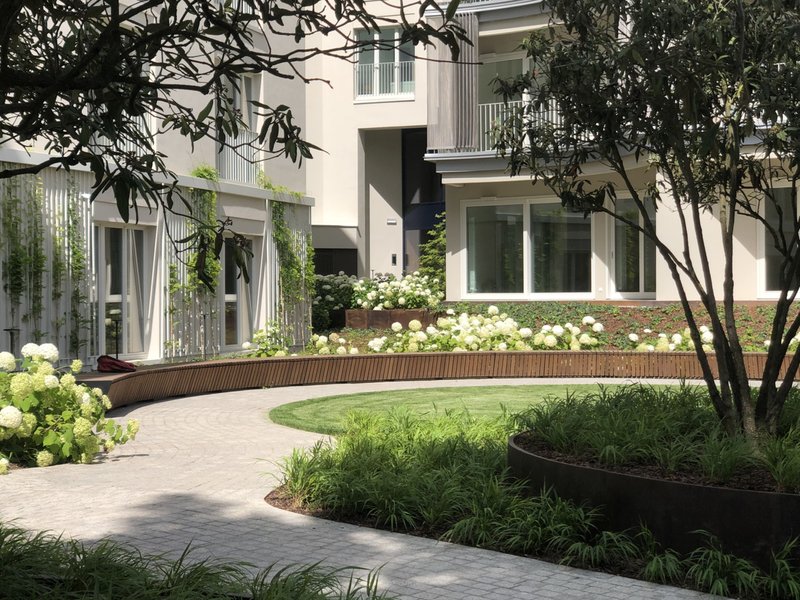
The location of the estate on the site of a former perfume factory and near century-old tenements adds a layer of historical context that is deeply integrated into the design. This connection is manifested in the careful consideration given to the estate's scale, form, and material selection, ensuring it complements its historical surroundings.
Seasonal Dynamics
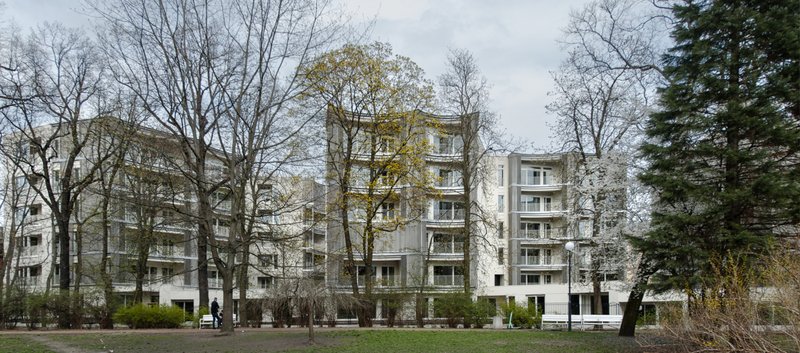
The design of the facade and the external features of the apartments are intended to interact dynamically with the changing seasons. During summer, the tree canopies provide natural shading, while in autumn and winter, the light facades serve as a backdrop to the bare branches, integrating the building with the cycle of nature.
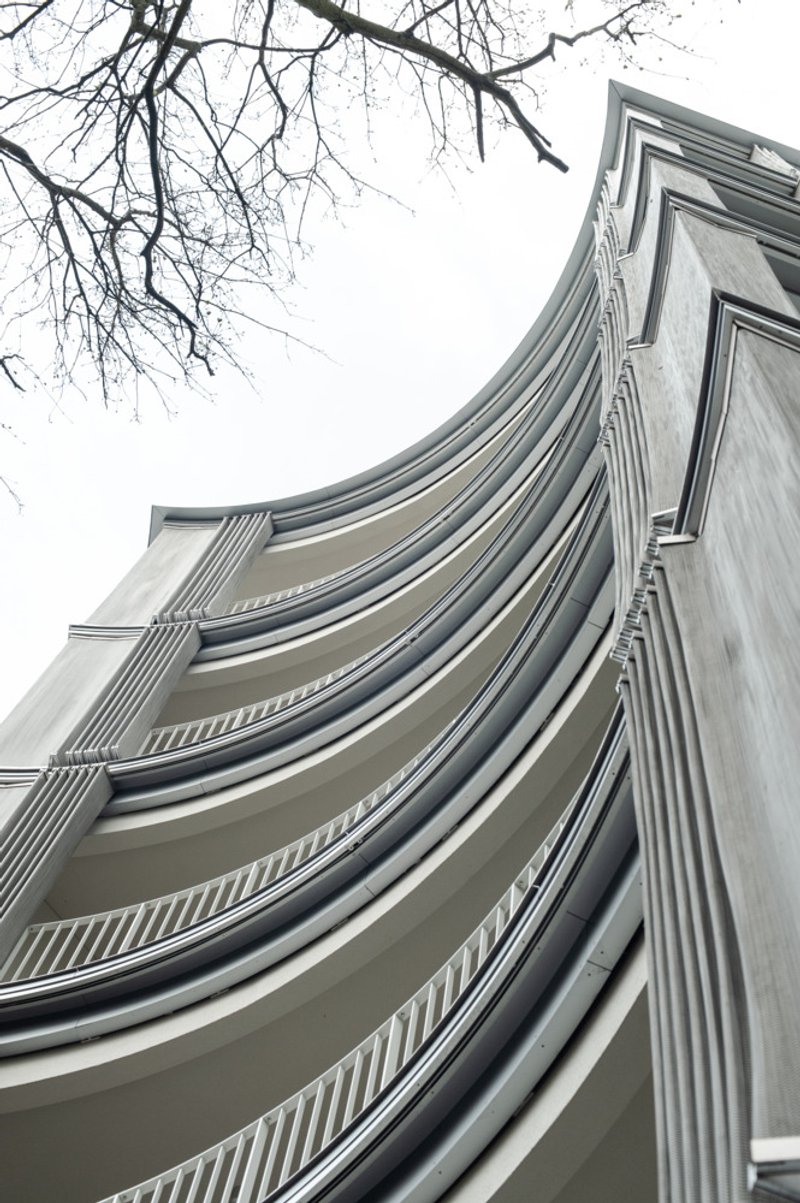
Perfumiarnia Estate Apartments exemplify modern luxury apartment architecture by marrying functionality with aesthetic appeal. The project by JEMS Architects in Poznań not only sets a high standard for residential design but also serves as a model for integrating new constructions into historical contexts while promoting sustainable architectural practices. This estate stands as a beacon of luxury and innovation in urban living.
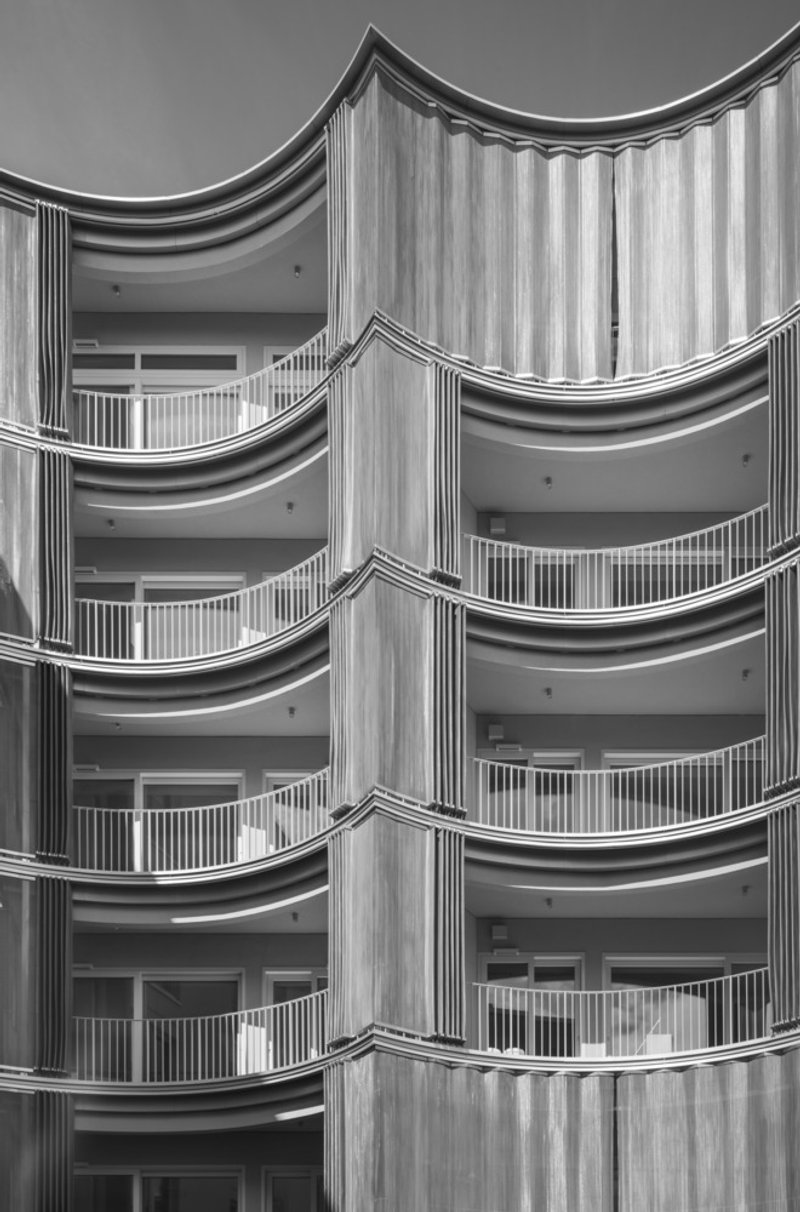
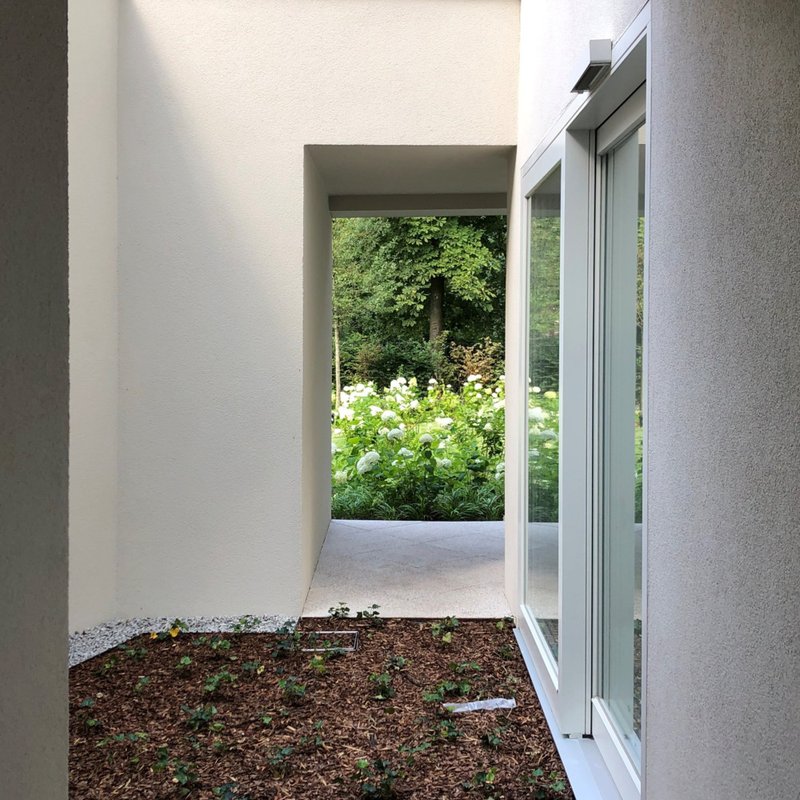
All photographs are work of Marcin Sadowski, Tomasz Napieralski, Maria Kot, Juliusz Sokołowski




Popular Articles
Popular articles from the community

Split House: A Compact Urban Home Blending Privacy, Light, and Flexible Living in Japan
Compact Japanese home featuring DOMA space, flexible café potential, passive lighting, privacy zoning, and sustainable urban living design.
Marvila Apartment Renovation in Lisbon: A Bright Minimalist Attic Transformation by KEMA Studio
Bright attic transformed into minimalist Lisbon apartment with skylights, sustainable materials, open plan layout, and industrial-inspired interior design elements.

Filtering Space: A Gradual Spatial Experience
From urban intensity to spatial calm.
Magic Box Office Barcelona Innovative Sustainable Workplace Design
Innovative sustainable office design featuring triangular form, ceramic façade, flexible interiors, natural light optimization, and creative workspace for modern work culture.


Similar Reads
You might also enjoy these articles

20 Most Popular Commercial Architecture Projects of 2025
From sustainable market concepts to heritage factories, the commercial buildings and proposals that drew the most attention on uni.xyz this year.
Free Architecture Competitions You Can Enter Right Now
No entry fees, real prizes. Here are the best free architecture competitions open for submissions in 2026.
Top 15 Architecture Competitions to Enter in 2026
From student-friendly idea competitions to prestigious international awards, here are the best architecture competitions open for entries in 2026. Updated regularly.

DIY & Engineering in Computational Design : Enter the BeeGraphy Design Awards
Showcase Your Creativity with Computational Design and Open Source Projects


Explore Architecture Competitions
Discover active competitions in this discipline




The International Standard for Design Portfolios


The Global Benchmark for Architecture Dissertation Awards


The Global Benchmark for Graduation Excellence


Challenge to reimagine the Iron Throne
Comments (0)
Please login or sign up to add comments
No comments yet. Be the first to comment!