Japanese Architecture Inspired Chicken Coop: Merging Tradition with Modern Sustainable Practices
Exploring the Niwatorigoya Chicken Coop's fusion of traditional Japanese architecture with sustainable design practices in Kyoto.


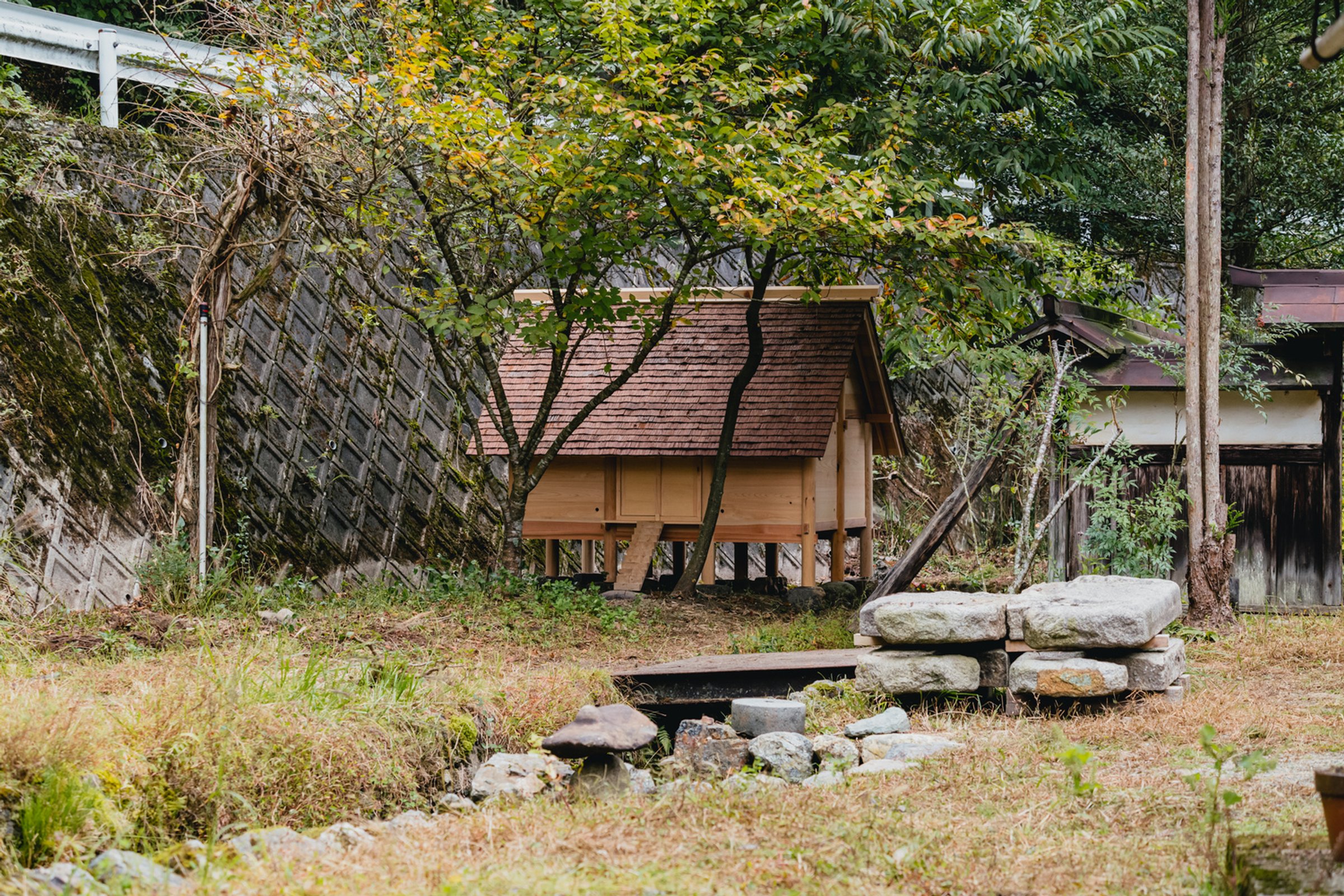
In the serene north mountainside of Kyoto city, a unique structure stands as a testament to the harmonious blend of traditional Japanese architecture and modern sustainable design. The Niwatorigoya Chicken Coop, crafted by the Kyoto-based architectural studio 2M26, is not just any ordinary animal shelter. It is a creative reinterpretation of the iconic Ise Shrine structure, serving as a protective haven for free-range chickens, and a striking example of eco-conscious construction within the realm of contemporary architecture.
The Inspiration Behind Niwatorigoya
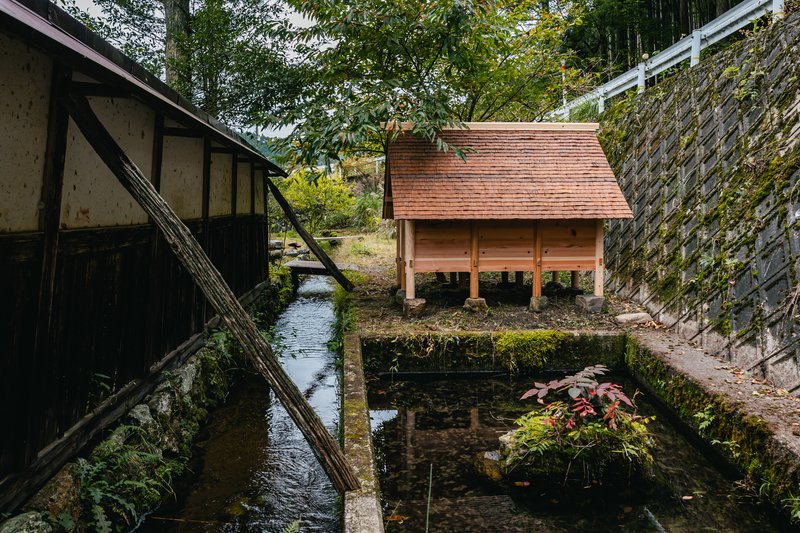
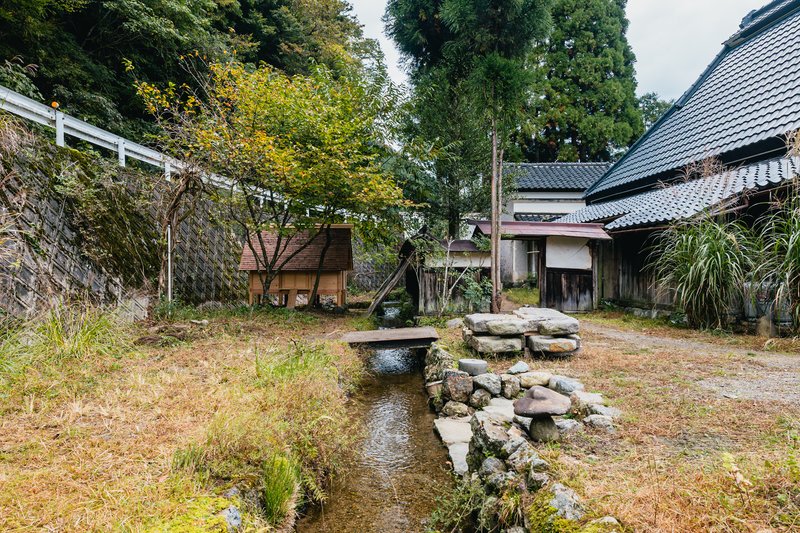
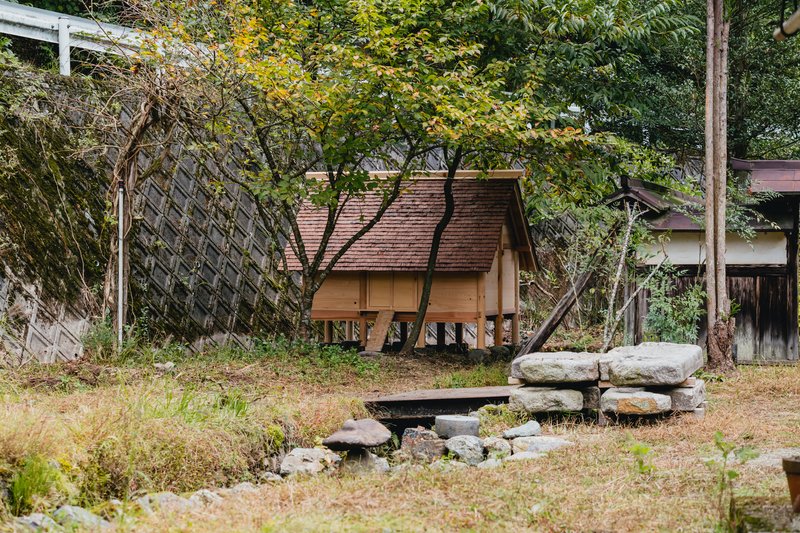
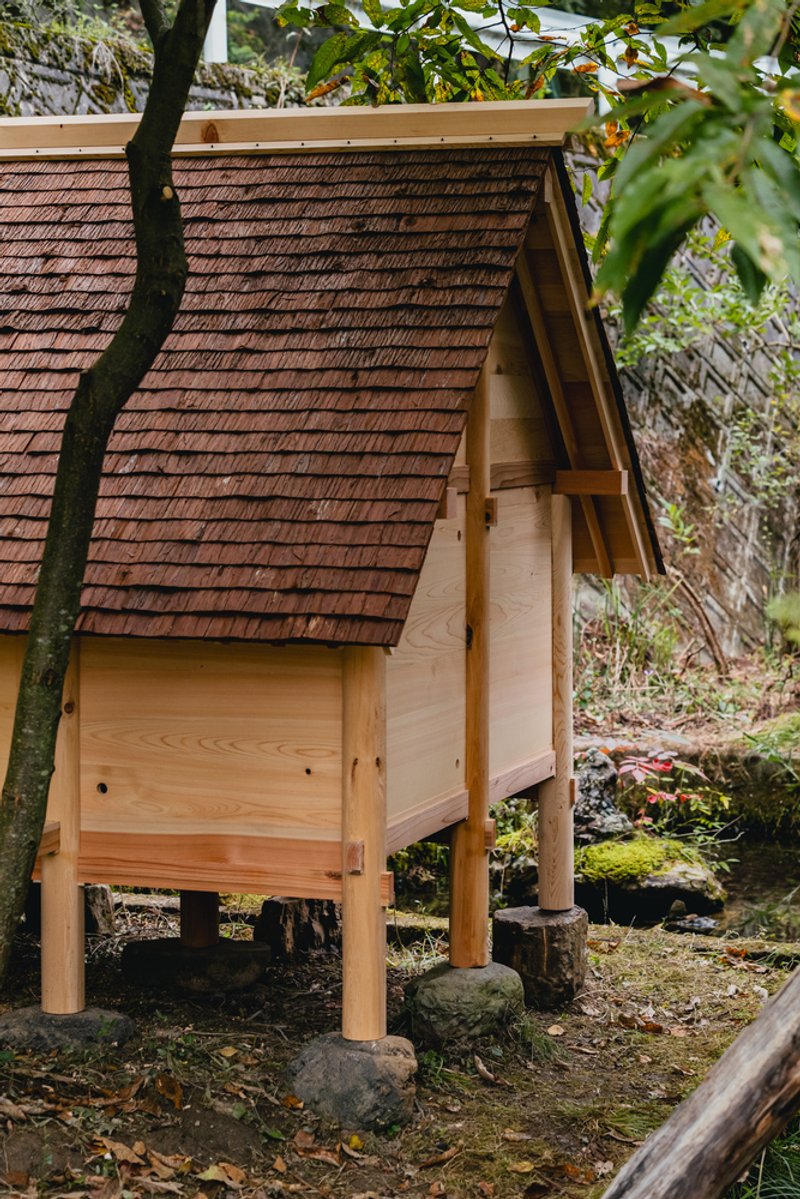
Drawing from the ancient aesthetics of Japanese shrines, Niwatorigoya reimagines the traditional form to meet the functional requirements of a chicken coop. Located next to a thatched roof dwelling in Keihoku, the coop is a marvel of architectural ingenuity, seamlessly integrating into its forested backdrop while providing a safe retreat for its avian inhabitants.
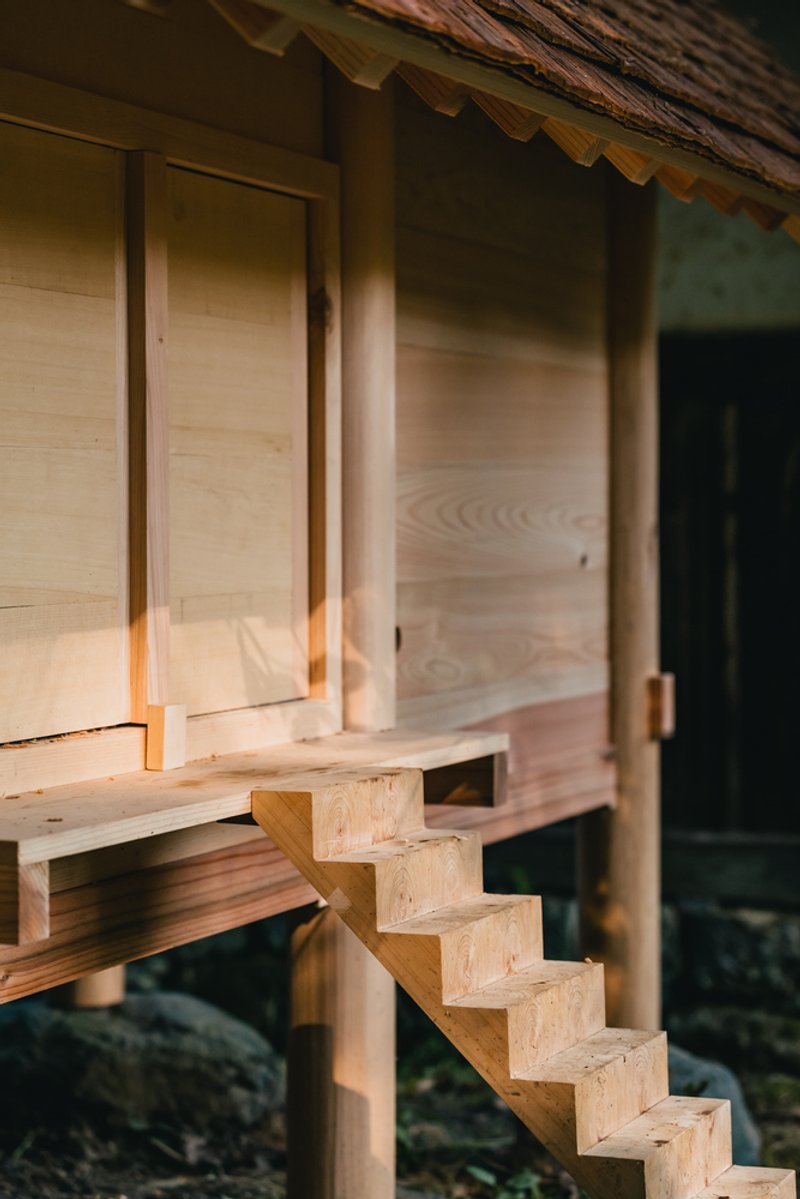
Architectural Features and Sustainable Practices
The Structure and Materials
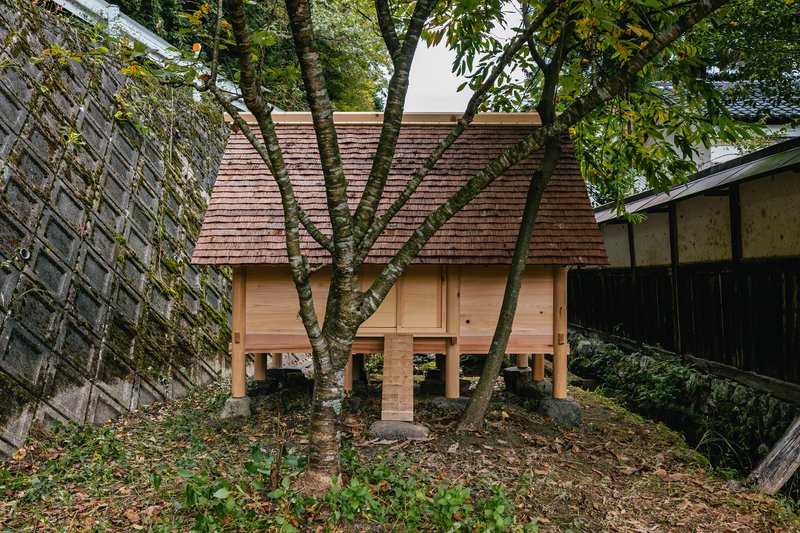
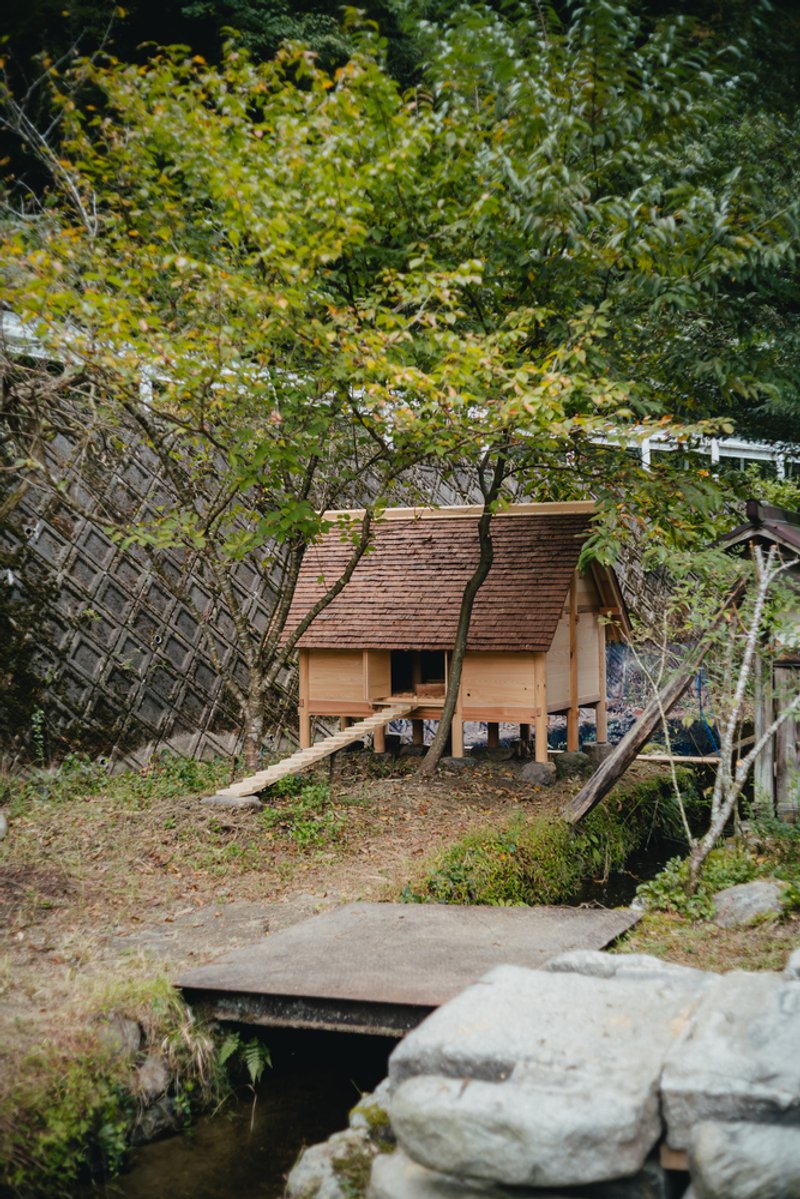
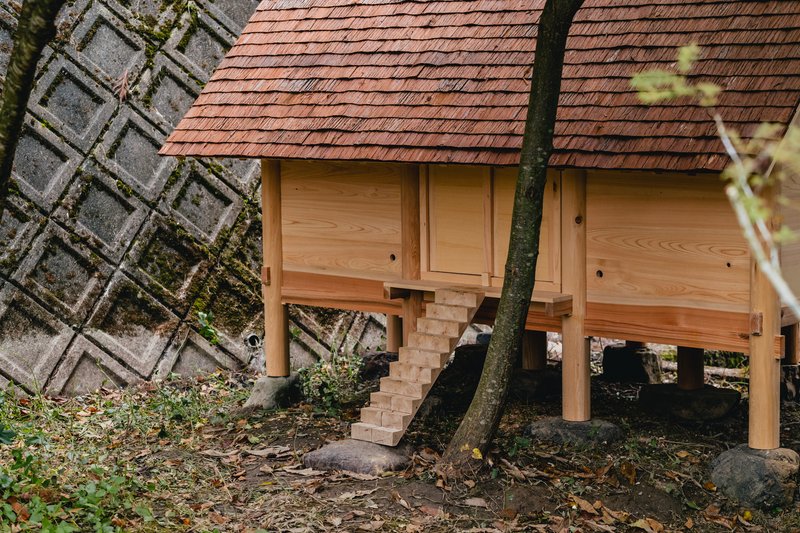
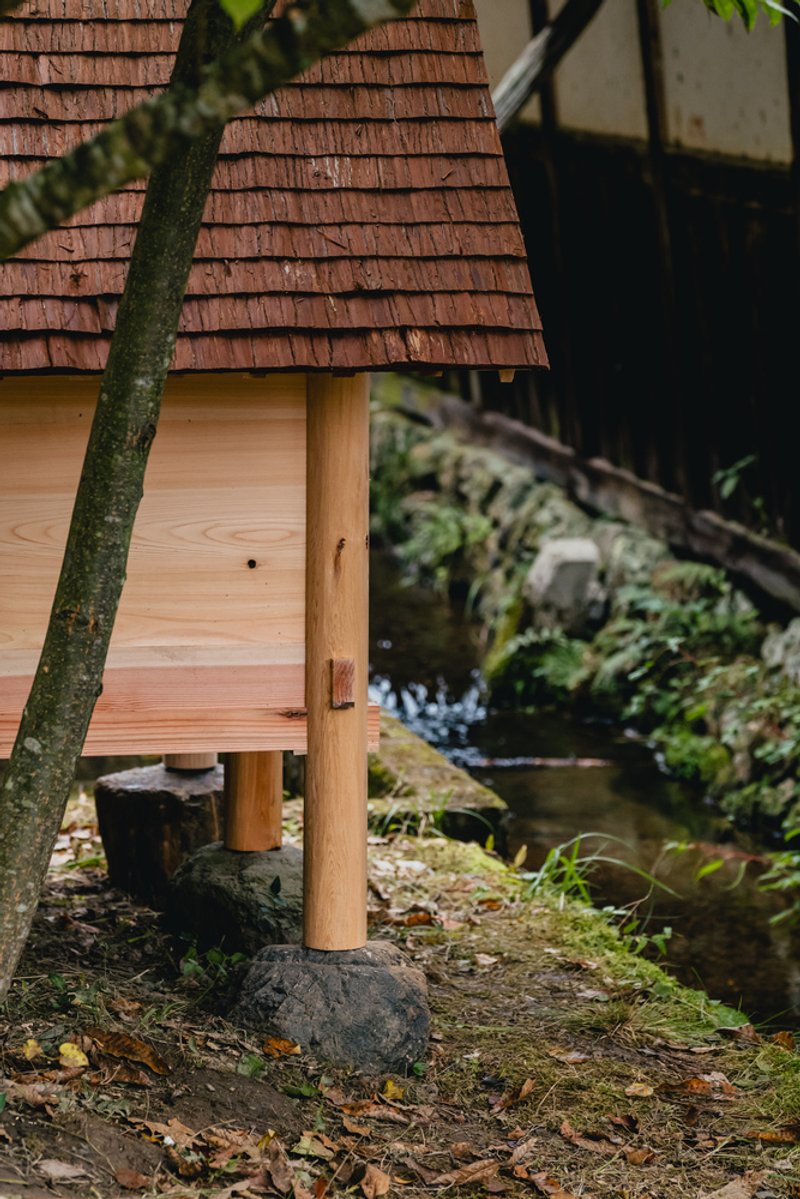
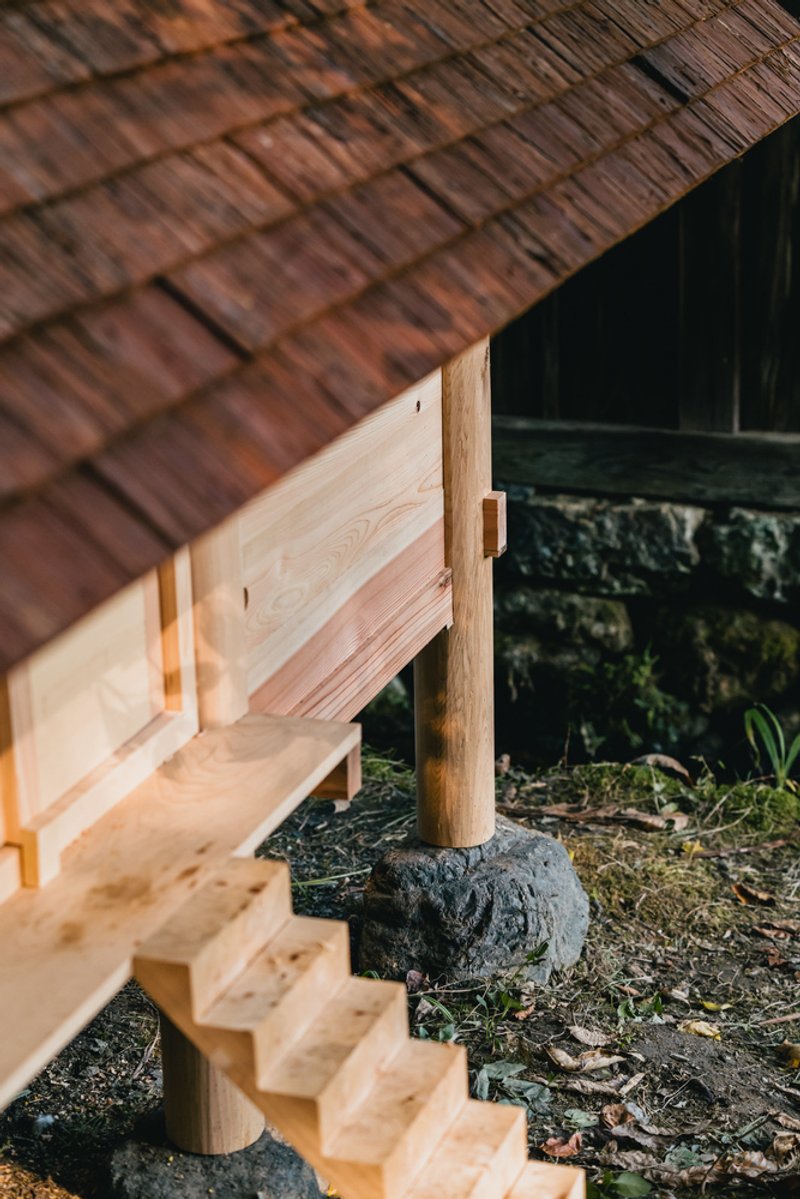
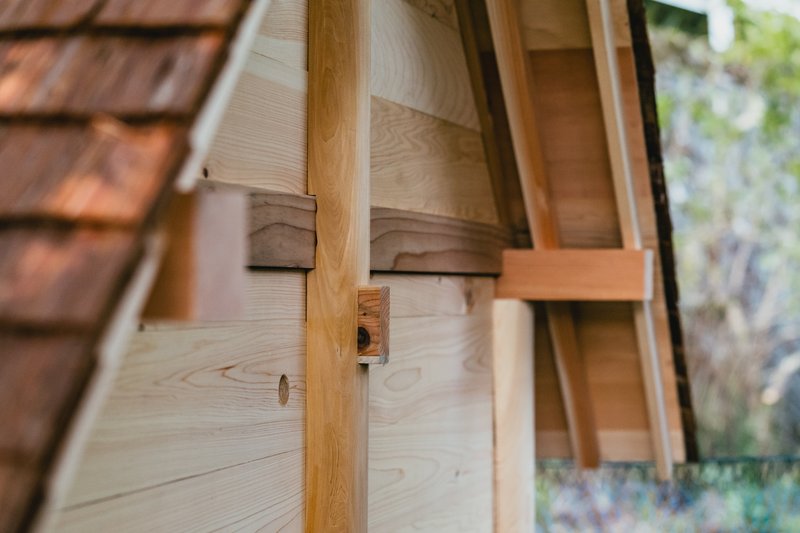
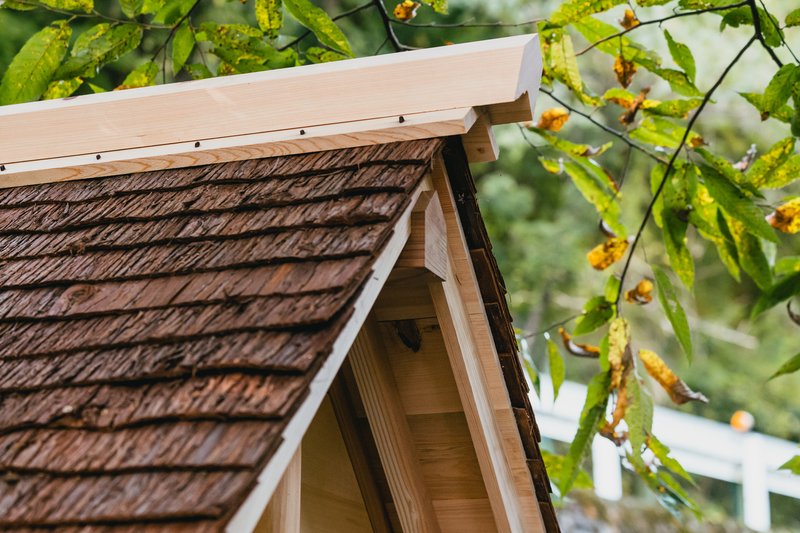
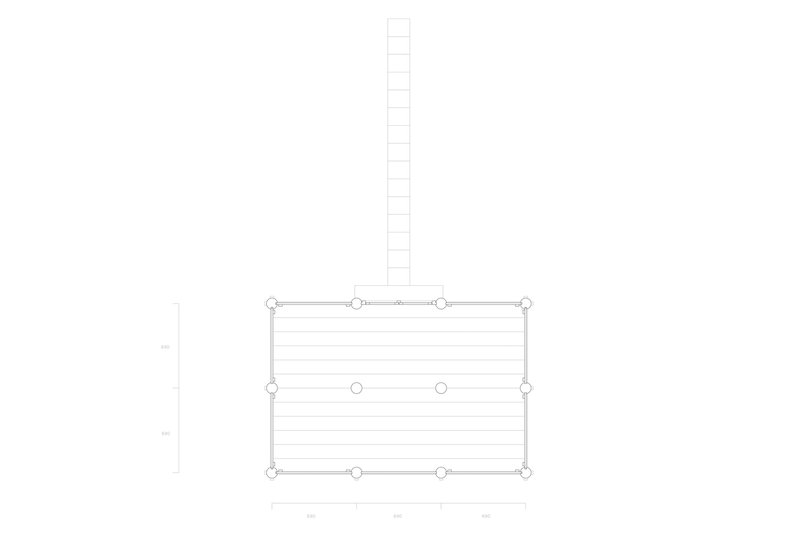
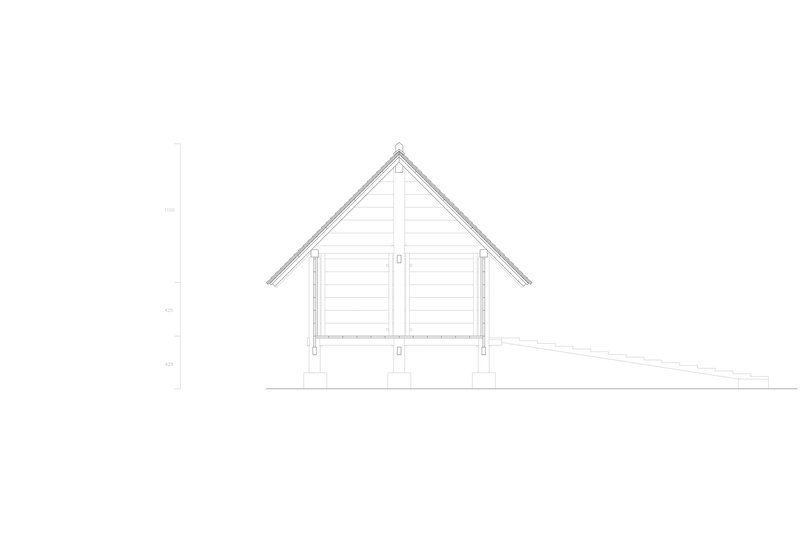
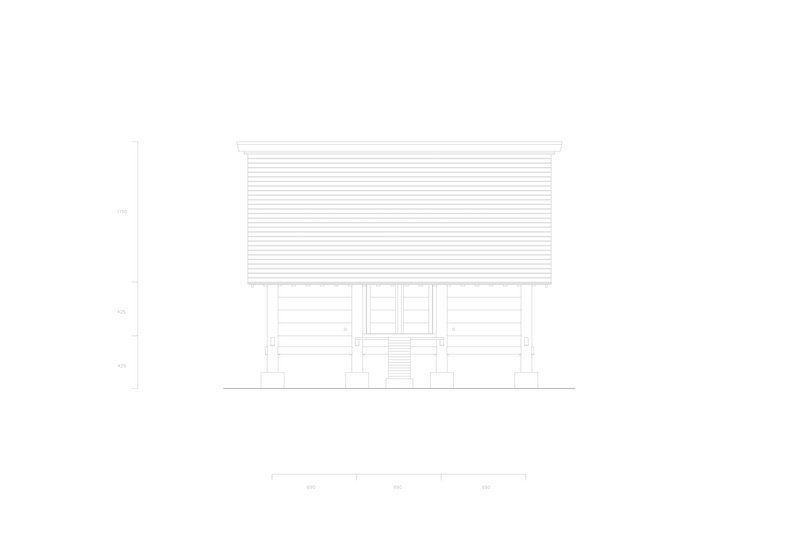
At the heart of Niwatorigoya's design is its cypress wood framework, which rests on stones and comprises beams crossing 12 round pillars. This structure is assembled using traditional Japanese joinery techniques, eliminating the need for nails and allowing for parts of the building to be replaced without dismantling the entire structure. The sloping roof, covered with cedar bark, is a nod to the materials used in ancient Japanese folk houses. This local, natural material is harvested by hand and dried slowly over months, ensuring a sustainable approach to construction.
Functional Design Elements
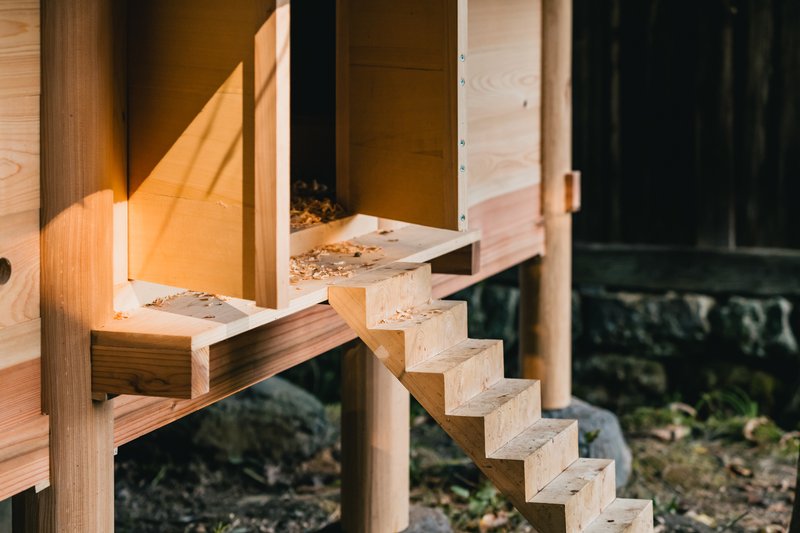
The coop's wooden panels, which can slide open for easy access to collect fresh eggs, and the single-piece wood stairs that lead chickens into their nesting area, are examples of thoughtful design that prioritizes both functionality and aesthetic appeal. The coop's design also accommodates perches and nest boxes for the chickens, providing them with a comfortable environment that mimics their natural habitat.
A Zero Impact Construction
Emphasizing a "zero impact" philosophy, the Niwatorigoya Chicken Coop is built with locally sourced materials and designed to return to the earth after its lifecycle ends. This approach reflects a deep respect for nature and a commitment to sustainability, principles that are deeply ingrained in traditional Japanese architecture.


A Fusion of Tradition and Sustainability
The Niwatorigoya Chicken Coop by 2M26 is a brilliant example of how traditional architectural principles can be adapted to meet modern needs and environmental concerns. It stands as a symbol of sustainable design, merging the aesthetic beauty of Japanese shrines with the practical demands of contemporary living. In doing so, it not only provides a sanctuary for chickens but also serves as an inspiration for architects and designers worldwide, demonstrating the potential of architecture to contribute positively to the environment and society.
This project highlights the importance of looking to the past to solve the challenges of the future, showcasing the timeless relevance of traditional designs in the modern world. It is a reminder that architecture can be both beautiful and beneficial to the earth, embodying the principles of sustainability in every beam, pillar, and roof tile.
All photographs are work of Yuki Okada