Journal - Roots and Reverie. Cultivating Community
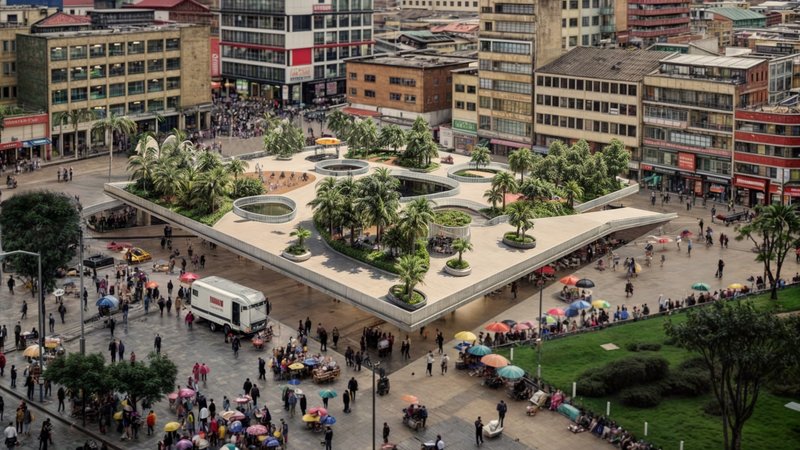
The project proposes lowering and covering San Victorino Square with a double level to manage pedestrian flow, preserve and enhance informal commerce, and create a vibrant, socially inclusive space.


SENSE AND MEANING OF THE BUTTERFLY ARTIST: EDGAR NEGRET
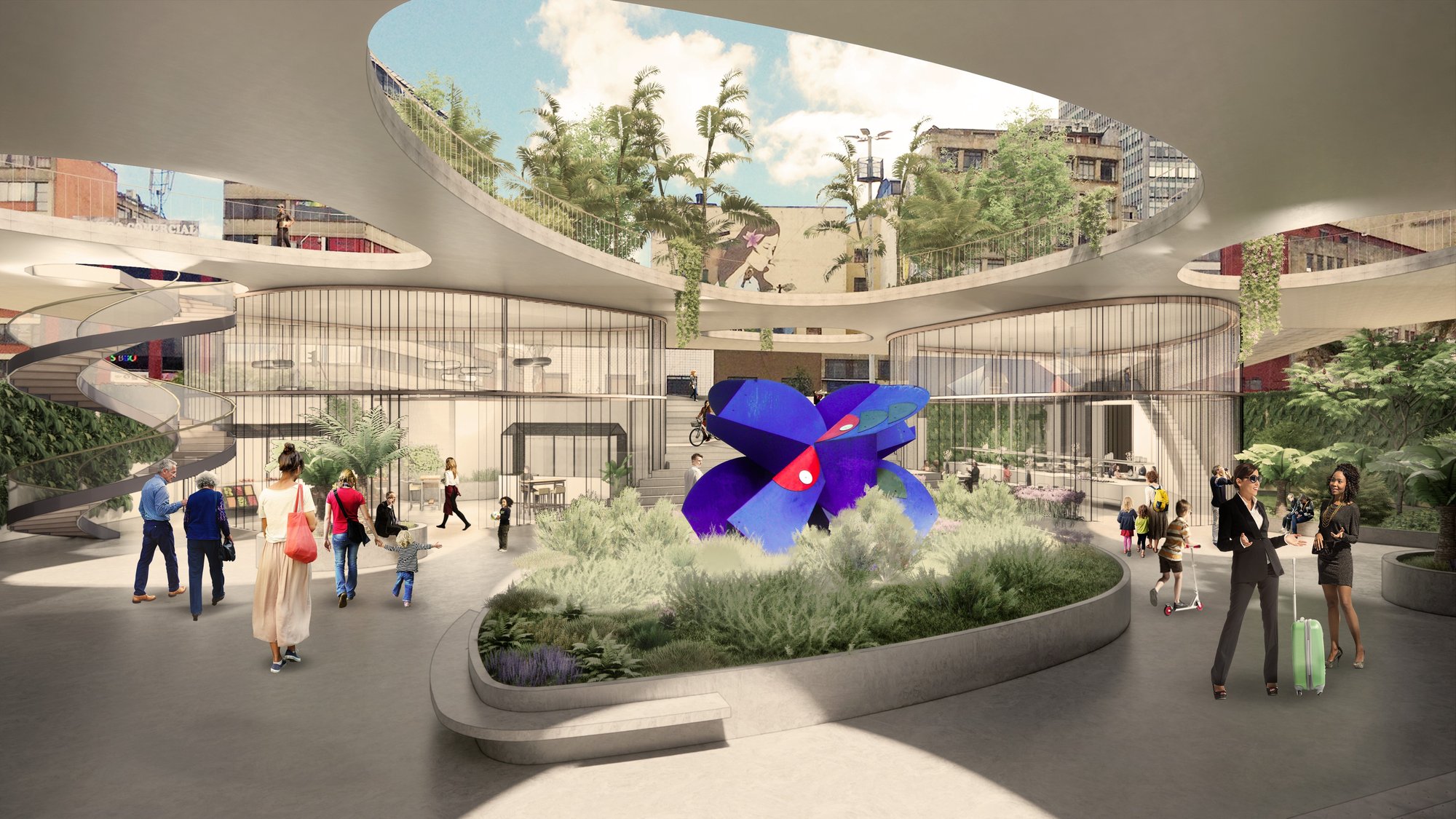
It’s located in San Victorino Square, Bogotá, and exemplifies successful integration within its environment and among its observers. Drawing inspiration from the surrounding urban landscape, the sculpture commands attention through its scale and dynamic interaction with pedestrians, thereby aesthetically revitalizing a space previously dominated by street vendors.
However, the sculpture’s current perception is marred by the proliferation of informal commerce and an excess of visual stimuli, which detracts from its intended purpose as a communal gathering space and emblem of local identity.
CONCEPTS AND DEFINITIONS
Green Areas: These are strategically designed urban spaces that incorporate vegetation—such as trees, shrubs, and grass—to create a natural oasis within the urban fabric. They are intended to facilitate recreation and foster a connection with nature.

Recreation: Designated urban zones aimed at leisure, amusement, and relaxation, these areas enhance physical and mental health and encourage social interaction across diverse age and cultural demographics.
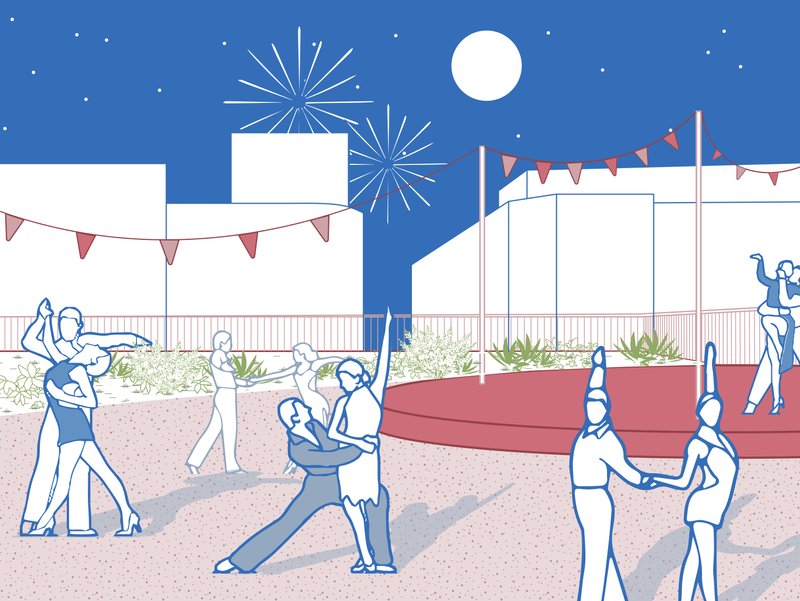
Formal Commerce: This refers to lawful and regulated commercial activities within urban settings, which operate under the appropriate permits and licenses. Such activities are integral to the structured growth of commercial zones, ensuring safety and instilling trust among merchants and patrons alike.
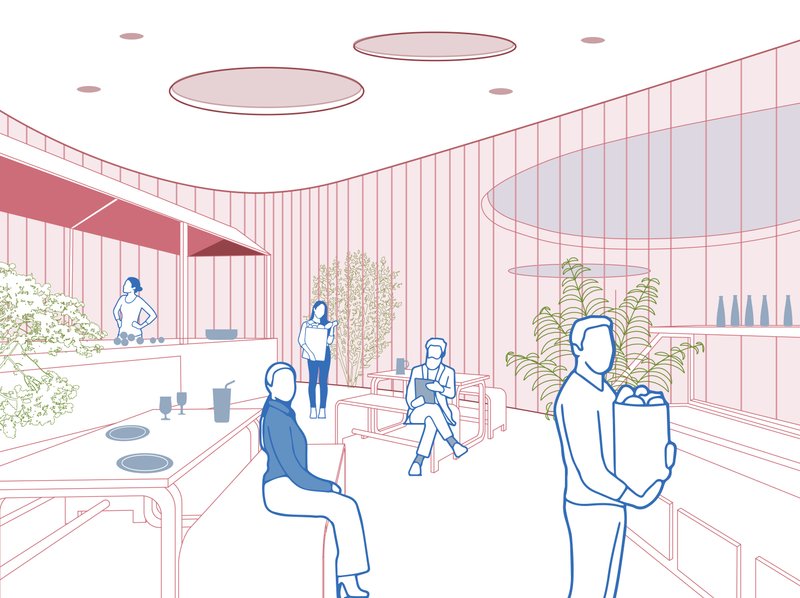
Recreational Commerce: Retail establishments specialising in leisure-related merchandise, such as toys, literature, and sporting goods, enrich the urban recreational landscape. The strategic planning of these retail spaces is designed to promote social engagement, cultural enrichment, and overall community well-being.
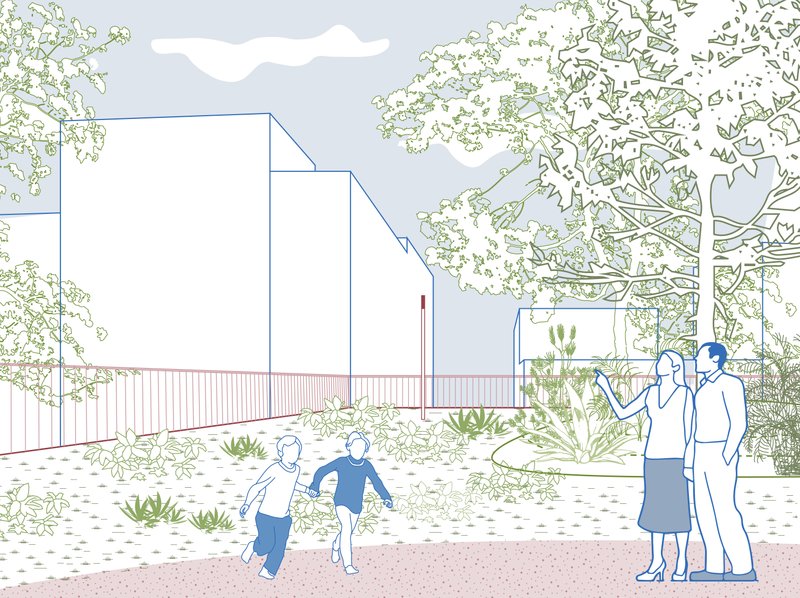
Expansion of Work Area: Justification The proposed expansion of the workspace within the architectural competition is a strategic response to the social challenges inherent in the area, such as insecurity and microtrafficking. By increasing the spatial footprint, the design can foster an environment prioritising safety and well-being. This is achieved through the implementation of security measures and the creation of open spaces that enable natural surveillance, thereby deterring illicit activities.
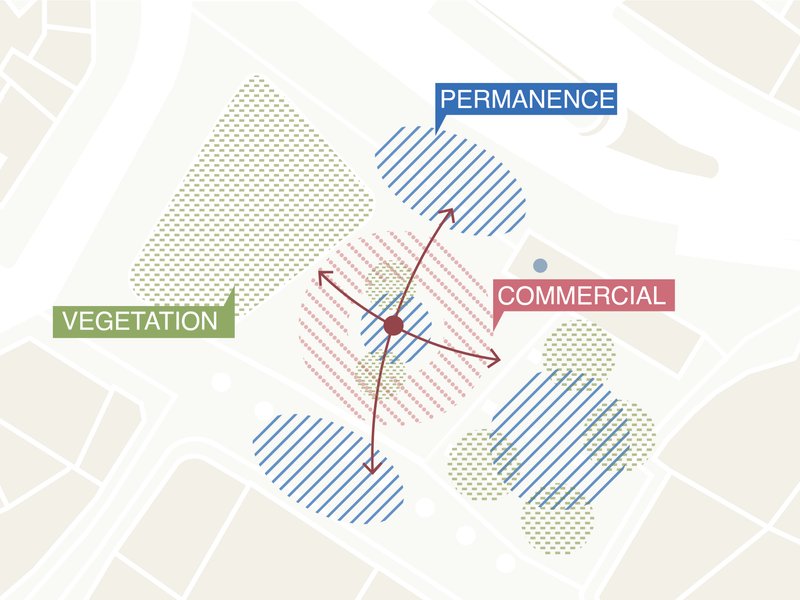
PRINCIPLES OF DESIGN:
“Plaza de la Mariposa” in Bogotá, Colombia, is a vibrant and complex public space. Its design demands meticulous consideration to ensure its utility harmonizes with the urban context. This involves drawing inspiration from exemplary projects like Mercat dels Encants in Barcelona, Spain—a market that integrates various facets of public commerce within both open and sheltered spaces—and Piazza Garibaldi in Naples, Italy, which thoughtfully aligns with the adjacent road network and delineates zones for lingering through multi-tiered connectivity.
The objective is to cultivate areas conducive to lingering that offer respite from the relentless sensory overload of the surroundings. These spaces are tailored to meet environmental, social, and economic imperatives. To navigate this endeavour, three principal design tenets are advocated:
Structure of the Public Scenario: Establishing a coherent framework delineating the public realm, fostering engagement and activity.
Order: Implementing a systematic arrangement of elements to create a cohesive and navigable space.
Functional Contrast: Introducing varied uses within the space creates a dynamic and stimulating environment while ensuring each function is clearly defined and accessible.
First Principle: Structure of the Public Scenario This principle is dedicated to shaping the flow of pedestrians and moderating the duration of visits within the square. It involves the tactical placement of urban elements—like seating and greenery—to guide movement and prevent congestion. Additionally, incorporating rest zones and communal areas is crucial for fostering social engagement and enriching the enjoyment of the space.
Second Principle: Order Understanding the demographic profile of the square’s users—their use patterns and temporal habits—is vital. Achieving this requires a deep dive into the dynamics of the users, their needs, and preferences, which converge in versatile spaces designed for recreation and relaxation. These spaces are complemented by layers of recreational commerce, allowing for a design that caters to everyone, from local denizens to visitors, thereby establishing an inclusive and practical environment.
Third Principle: Functional Contrast This principle pertains to the environmental allure of the square. It calls for the creation of visual and sensory contrasts that invigorate the senses and pique interest. Utilizing elements like innovative lighting, interactive water features, and verdant spaces can cultivate a lively and appealing atmosphere.
Implementing the Structure of the Public Scenario aims to foster proper circulation and enhance social interaction. The Order principle will ensure the square remains accessible and serviceable to all its patrons. Lastly, Functional Contrast aims to elevate the environmental allure of the square, crafting a distinctive and unforgettable communal haven.
DESIGN PROCESS:
The design strategy for the plaza is grounded in essential considerations to ensure its functionality and resonance with users. A crucial element has been integrating a continuous connection across multiple levels, accommodating the transient population flows toward the plaza’s peripheral functions and main arteries. This is achieved by creating tranquil spaces designed to enhance social and cultural exchanges. These peaceful areas are set apart from the active movement by barriers formed through recreational commerce, stratified functional zones, and the use of discreet partitions.

Moreover, the design introduces a sunken level, establishing a distinct area that diverges from the periphery’s transient circulation. This lower level provides a controlled access point to the heart of the plaza.
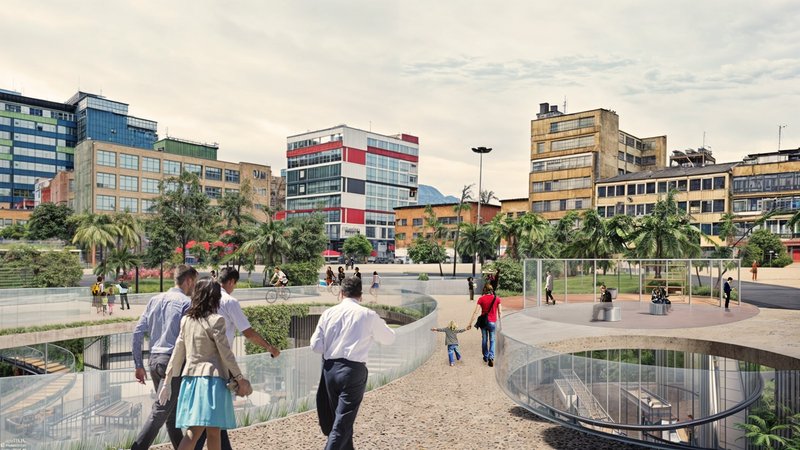
Taking inspiration from the Vilkaviškis Bus Station / Balčytis Studija in Lithuania, which exhibits a harmonious interplay between exterior and interior through broad lighting, an elevated level is proposed. This level lightly shelters the plaza, forming a walkable canopy with openings that facilitate the connection between different pedestrian areas and highlight the square’s signature vistas. These vistas are defined by the paths surrounding the butterfly sculpture, contributing to a sense of security for pedestrians,
Additionally, the environmental aspect of the project has been carefully considered, seeking to establish a link with the nearby hills and parks of various scales. The outcome is an open and breezy space that acts as a terminus to the environmental axis of Jiménez Avenue. This space aims to create permeability in relation to the spatial experience, integrating with the local vegetation and favouring species no taller than two meters.