
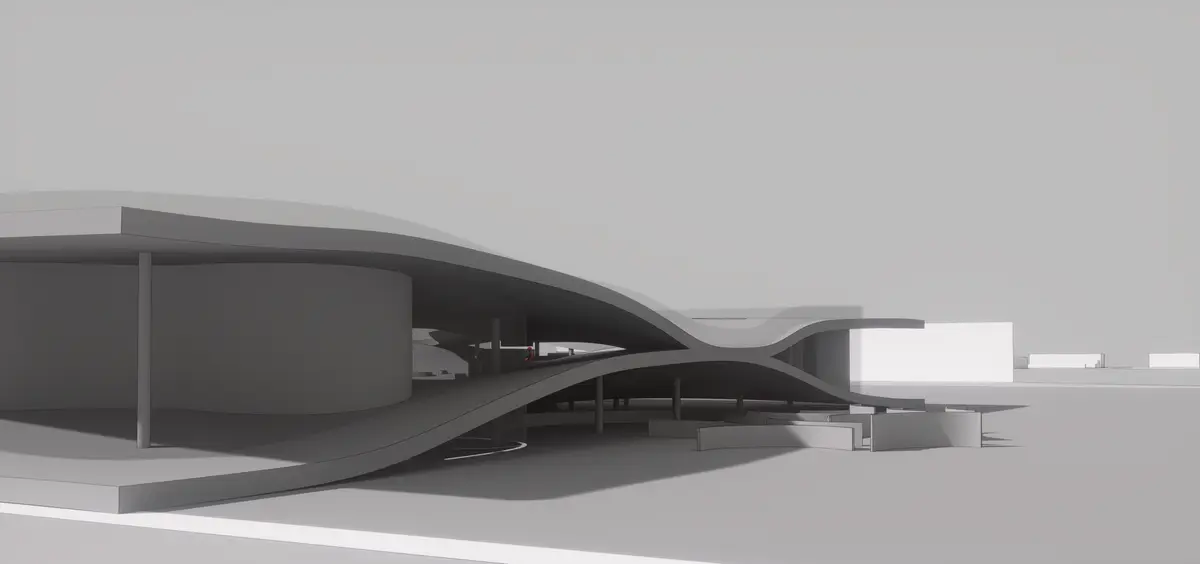
KINESIA
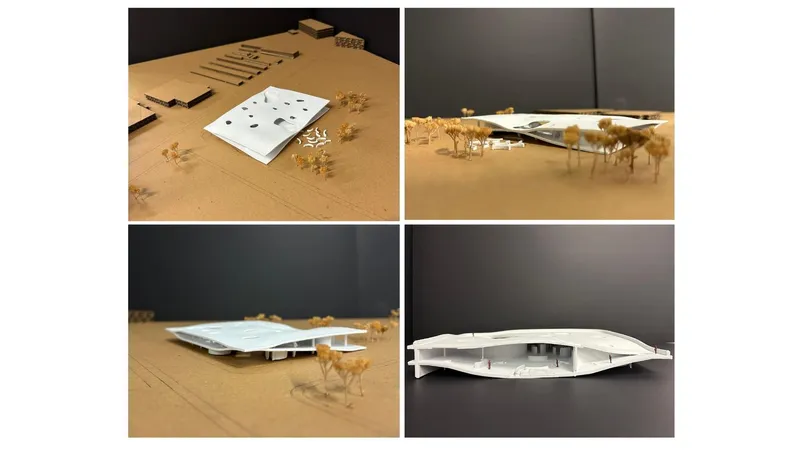
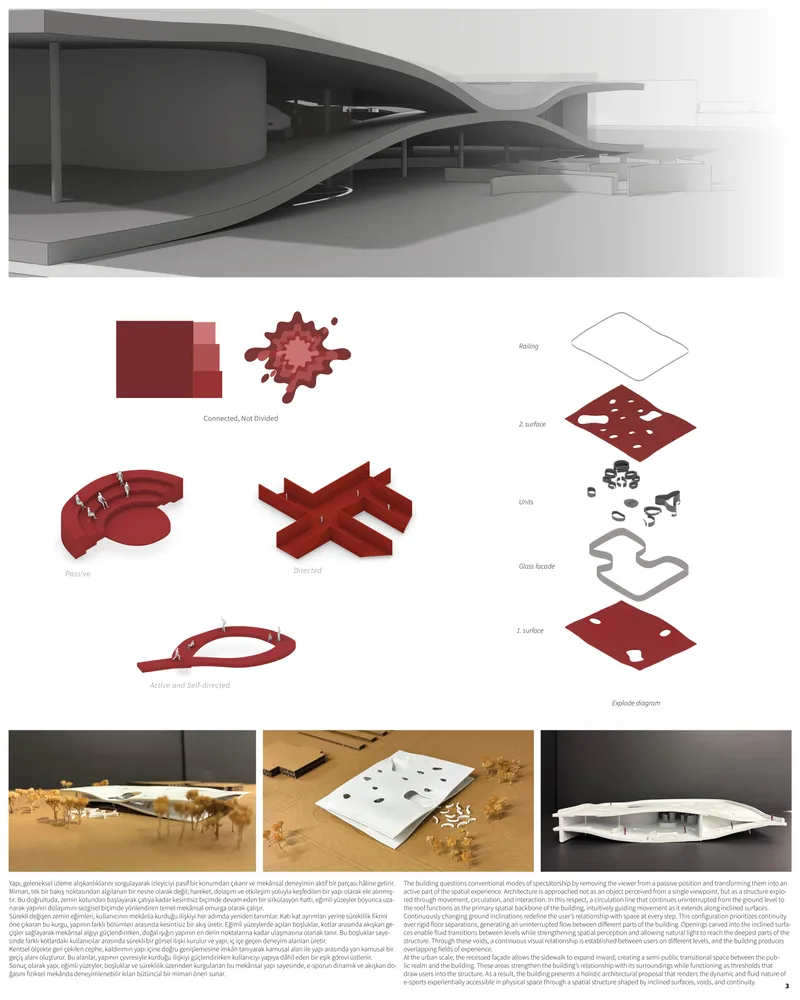
The project starts from a simple question: can an e-sports arena be experienced rather than just observed? The design responds by placing the user at the center of spatial movement and interaction.
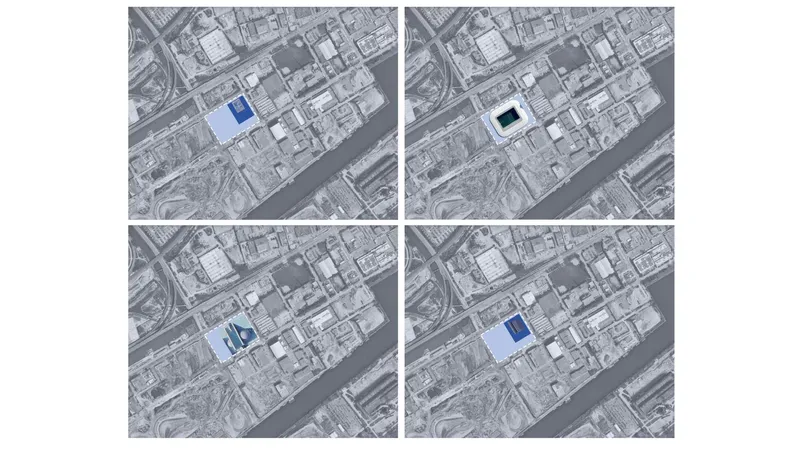
Here, the design process is traced step by step, from the first concept to the outcome.
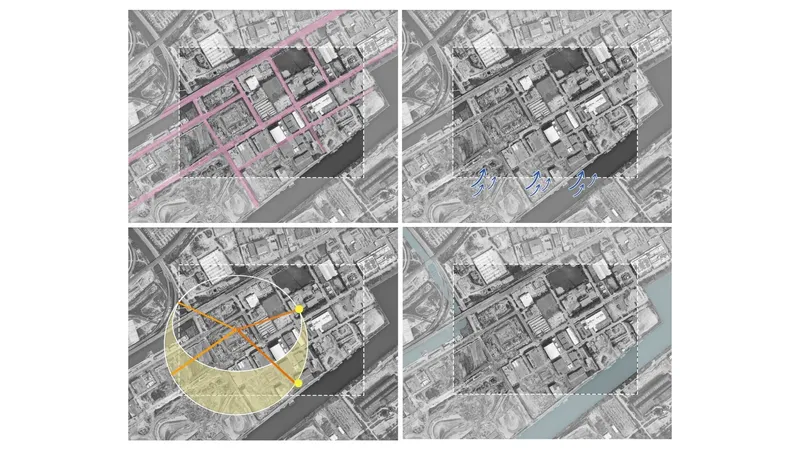
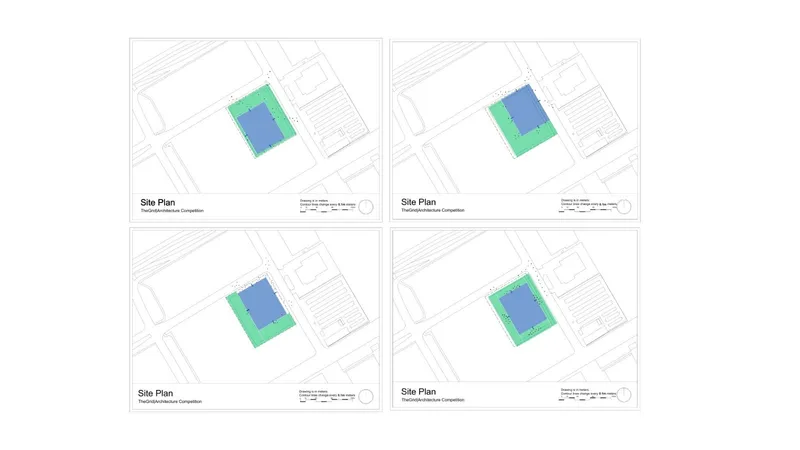
The surrounding road network was studied to define access and circulation around the site.
Wind direction and flow were studied to support natural ventilation strategies.
The sun study informed how natural light enters and moves through the structure.
The nearby water bodies were analyzed as part of the context study, informing the environmental conditions of the site.
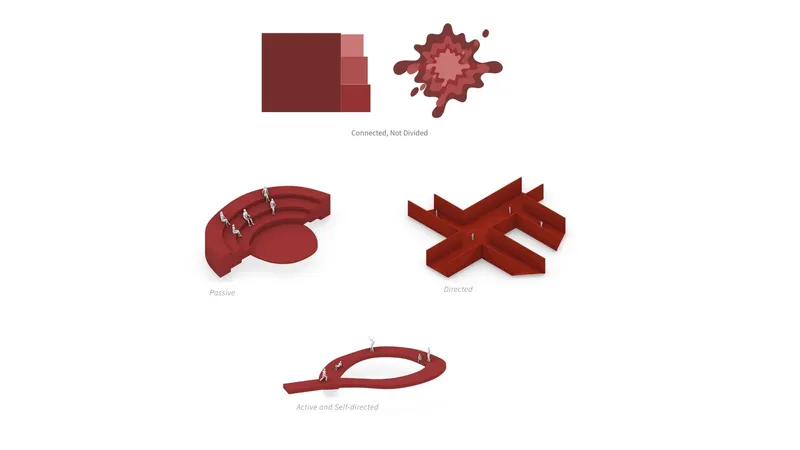
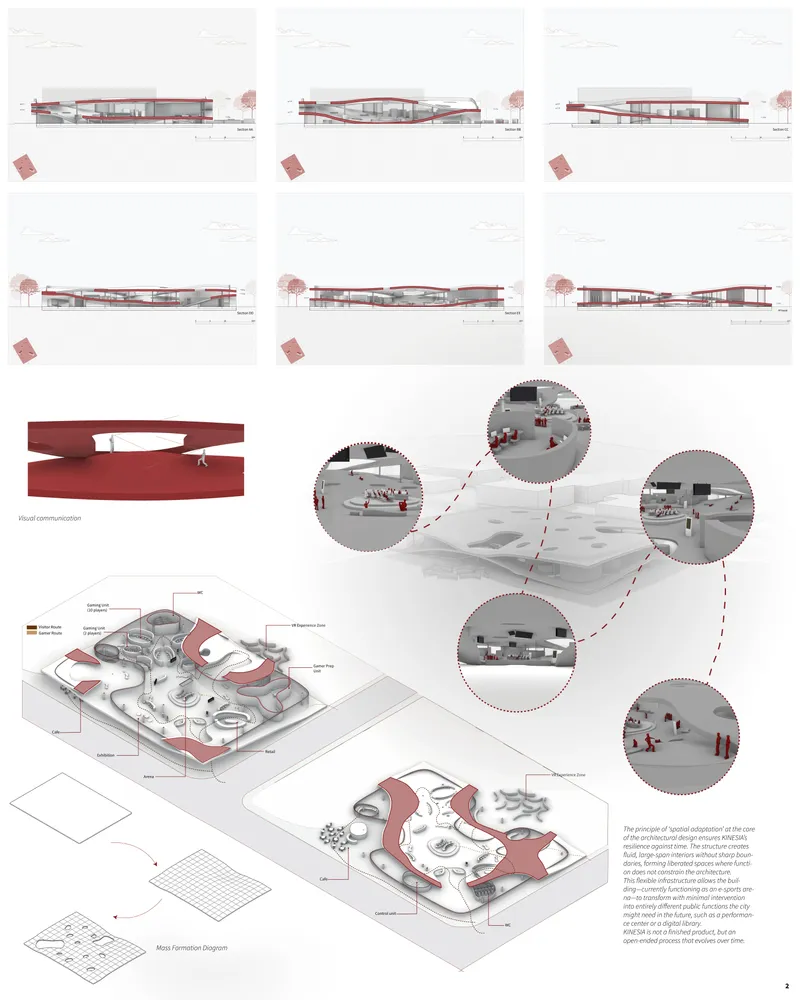
While designing this space, we argued that an e-sports arena should not be defined by sharp boundaries or rigid separations. Instead of being composed of isolated and clearly defined rooms, the building is conceived as a continuous environment that prioritizes connection, spatial flow, and interaction. Each space is not divided but linked through visual, spatial, and functional relationships, allowing the interior to be experienced as a cohesive whole.
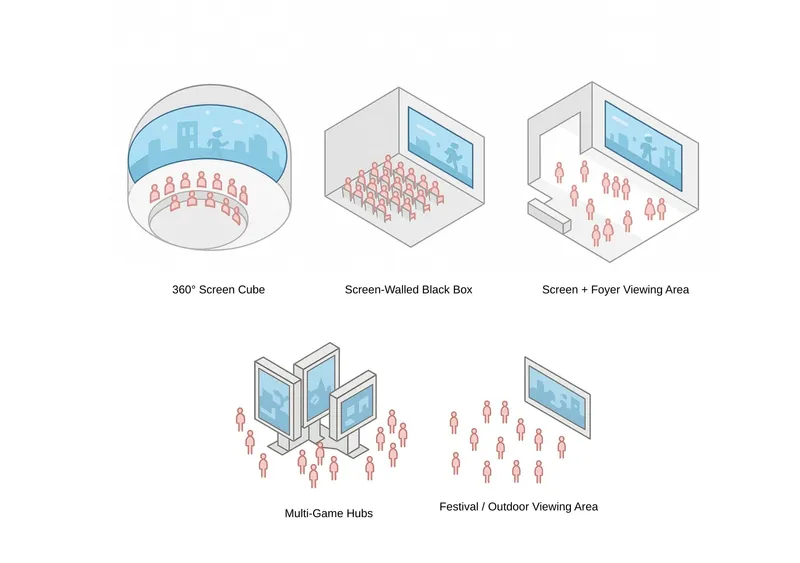
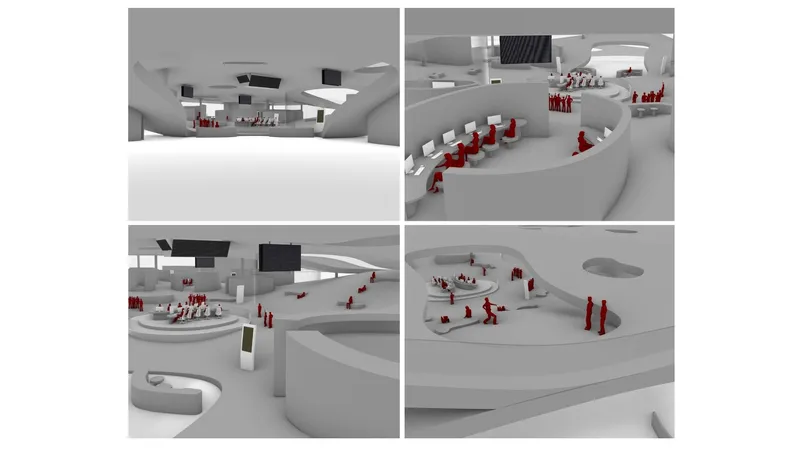
Following this core idea, our next focus became the act of spectating. Based on our earlier discussions, we believed that the audience should no longer remain in a passive position. Rather than being fixed to predetermined viewpoints, spectators can engage with e-sports events from anywhere within the building. The act of watching is no longer static; it can occur while walking, sitting, lying down, or even while playing, offering multiple ways of participation.
Through this approach, the architecture does not limit or direct the user. Instead, it provides an open and flexible framework that accommodates different behaviors and interpretations. The space allows each individual to construct their own path, mode of engagement, and personal experience, transforming spectating into an active and dynamic spatial practice.
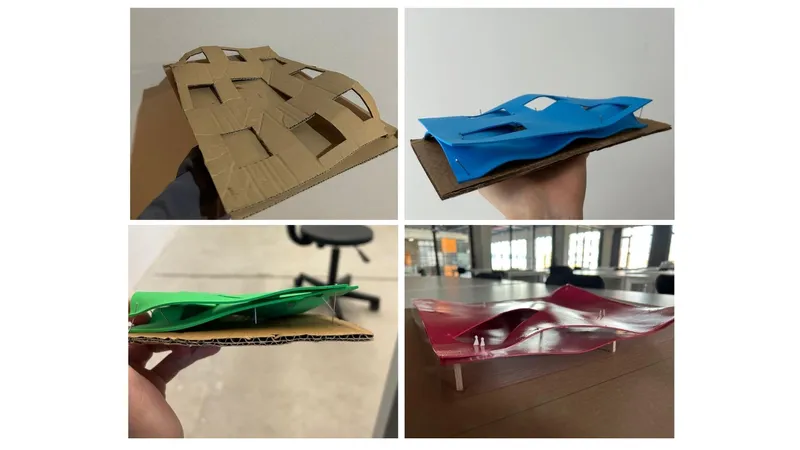
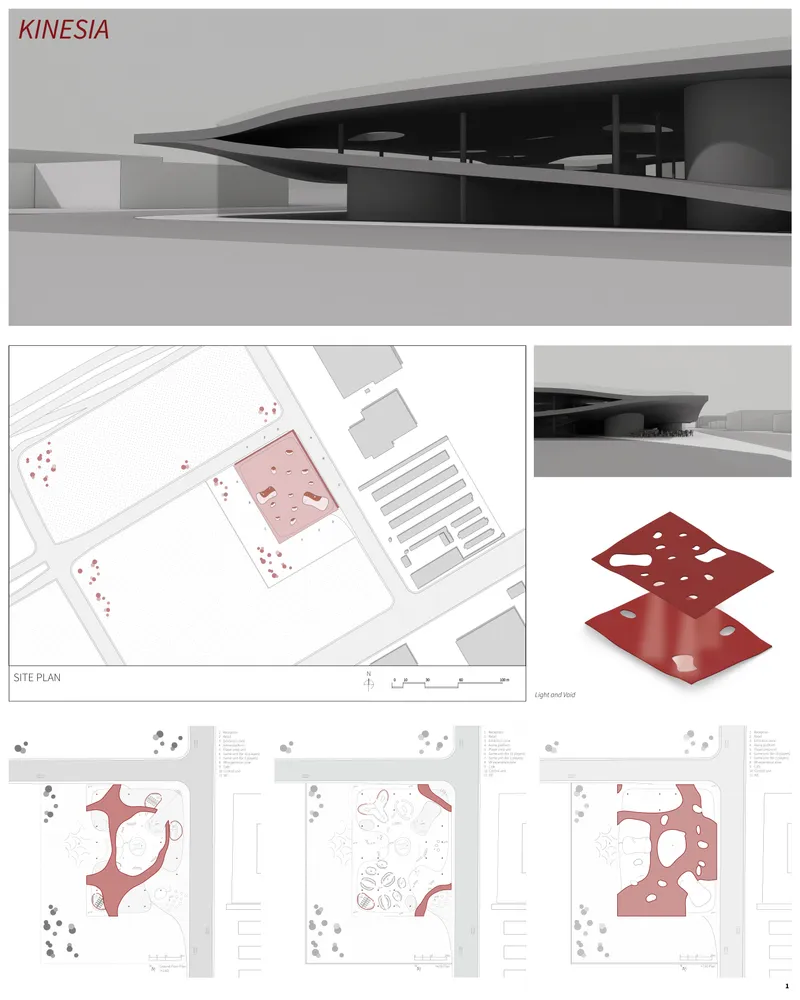
In the plans, we can see that the setbacks in the building's facade allow the sidewalk to widen, creating semi-public spaces.

Popular Articles
Popular articles from the community


GROUP A Strips a 1969 Rotterdam Harbor Headquarters to Its Frame and Wraps It in Timber Louvers
In Rotterdam's M4H harbor district, Ferro Offices reuses a 1969 frame, adds one timber storey and reaches BREEAM-NL Outstanding.

Juan García Correa, John González and Claudia Rueda Sink a Circular Amphitheater into a Manizales Engineering Building
On the La Nubia campus in Manizales, Colombia, the S1 Building folds labs and offices into a hillside of ramped lawns that double as a campus route.

Cube Design Draws an Ecological Corridor Between Two Shenzhen Hills with the Nankai Building
Beside Shenzhen's container docks, the Nankai Building pairs stacked balconies with a climbing green screen to connect two hillsides across its height.

longwave studio Reorganizes a 112 m² Tainan Apartment Around the Daily Routines of a Family and Two Cats
In Tainan, Taiwan, birch plywood, rust-red furniture and a freestanding plaster wall link arrival, storage, work and family life in one apartment.

Similar Reads
You might also enjoy these articles
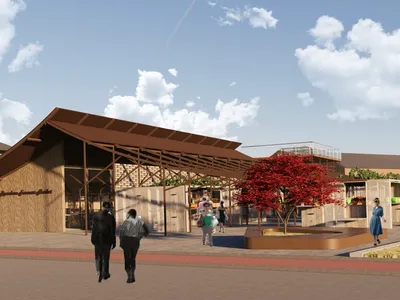
The Rhythm of Seasons
A Farmers' Market Connecting Nature and the City
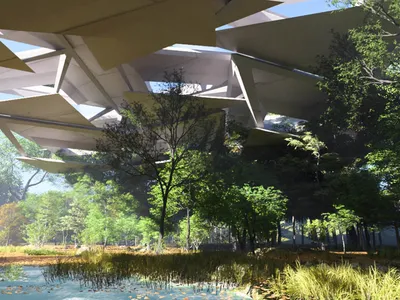

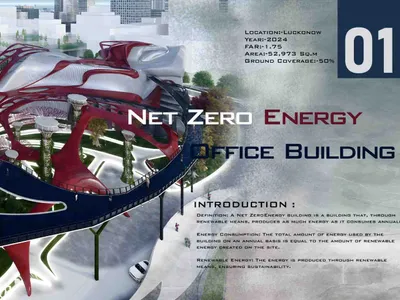
More Than a Building-Designing a Living System
More Than a Building-Designing a Living System
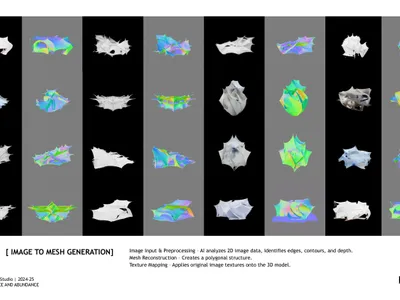
Base Beyond
DESERT COMPOUND ARID: TOURISM OF ABSENCE AND ABUNDANCE

Explore Kinetic Architecture Competitions
Discover active competitions in this discipline


Challenge to reimagine the Iron Throne

Photograph architecture without architects

Illustrate the lost glory of Angkor Wat - Render Challenge

Design challenge to reuse E-waste
Comments (1)
Please login or sign up to add comments
Farklı açılardan muhteşem analiz ve sonuç mükemmel,başarılar dilerim.