
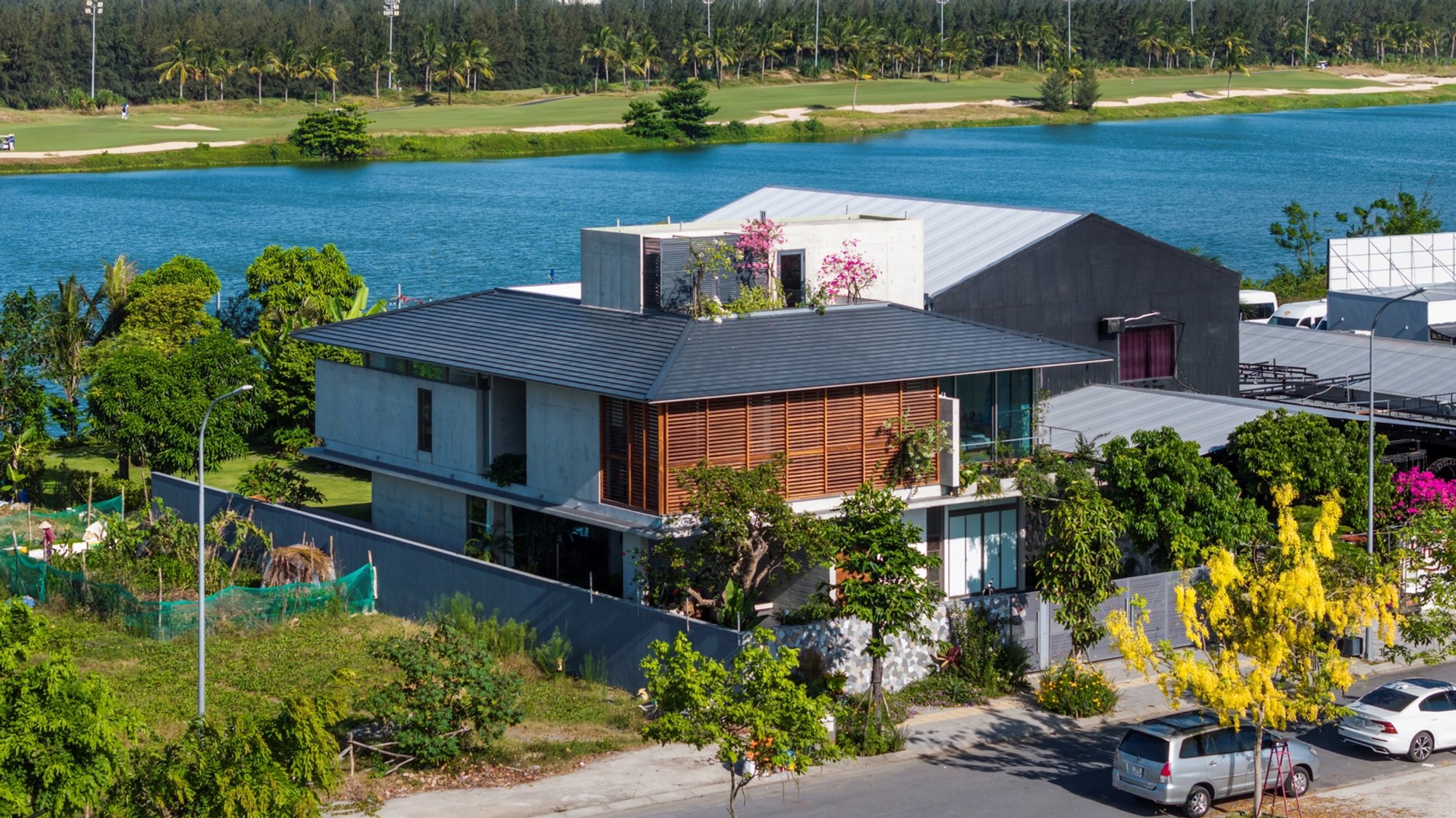
Lavender Villa Be4 Architecture: A Dialogue with Nature in Da Nang
Lavender Villa by Be4 Architecture in Da Nang blends exposed concrete, wood, and greenery to create a climate-responsive riverside sanctuary.

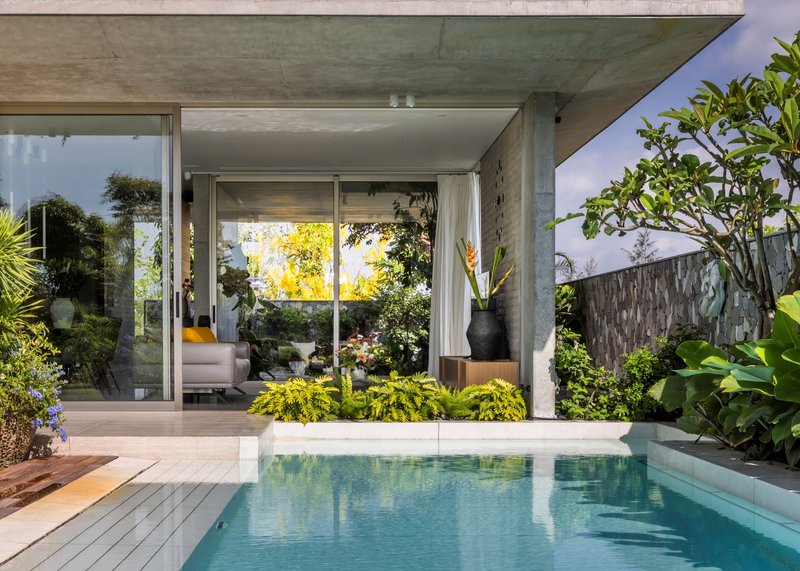
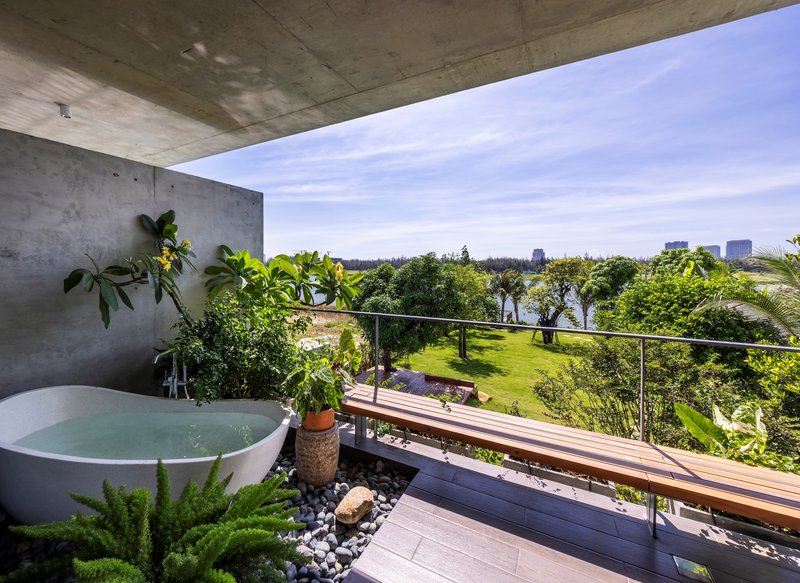
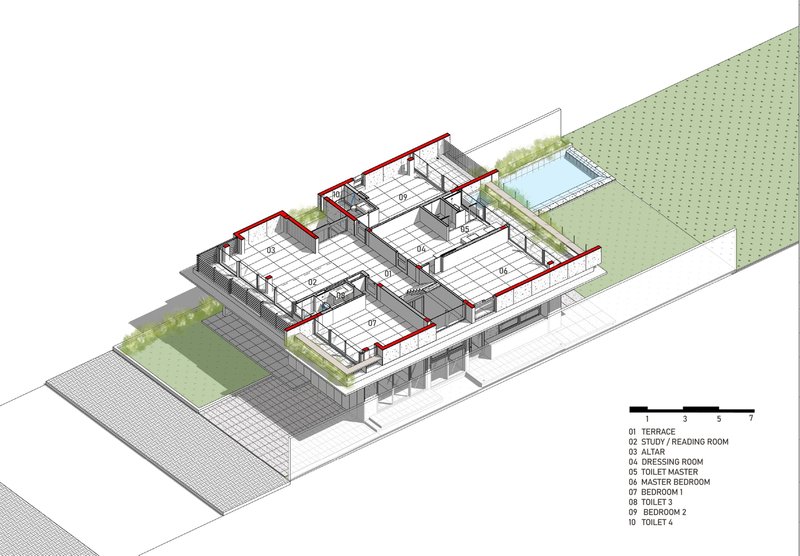
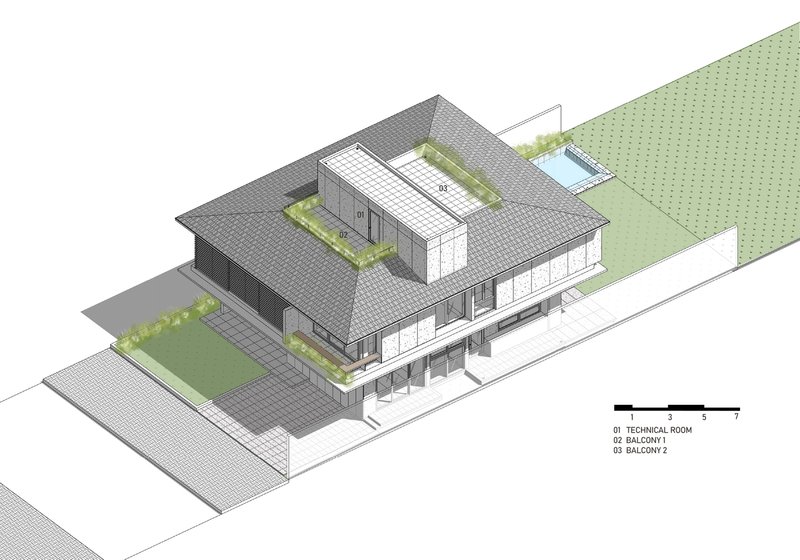
The Lavender Villa Be4 Architecture project is an architectural retreat nestled along the tranquil Co Co River in Hòa Hải, Da Nang, Vietnam. Spanning 172 square meters, this villa is designed as an extension of its surrounding landscape, embodying a philosophy of seamless environmental integration. Instead of imposing itself on the natural setting, the villa merges with its environment, breathing in harmony with the coastal climate of Central Vietnam—its sun, rain, and river breezes shaping the experience of daily living.
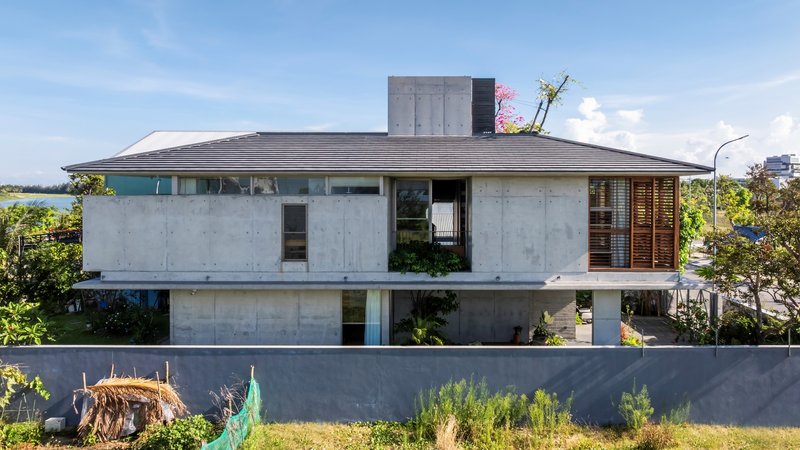
Architectural Design and Orientation
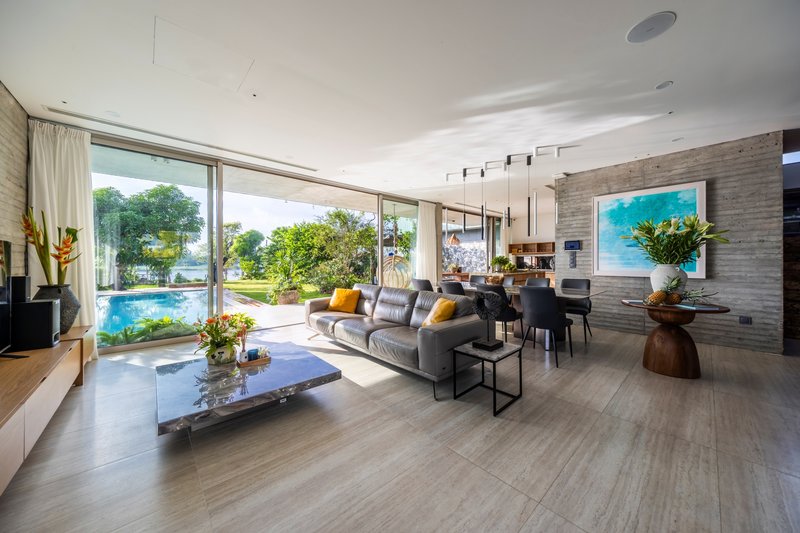
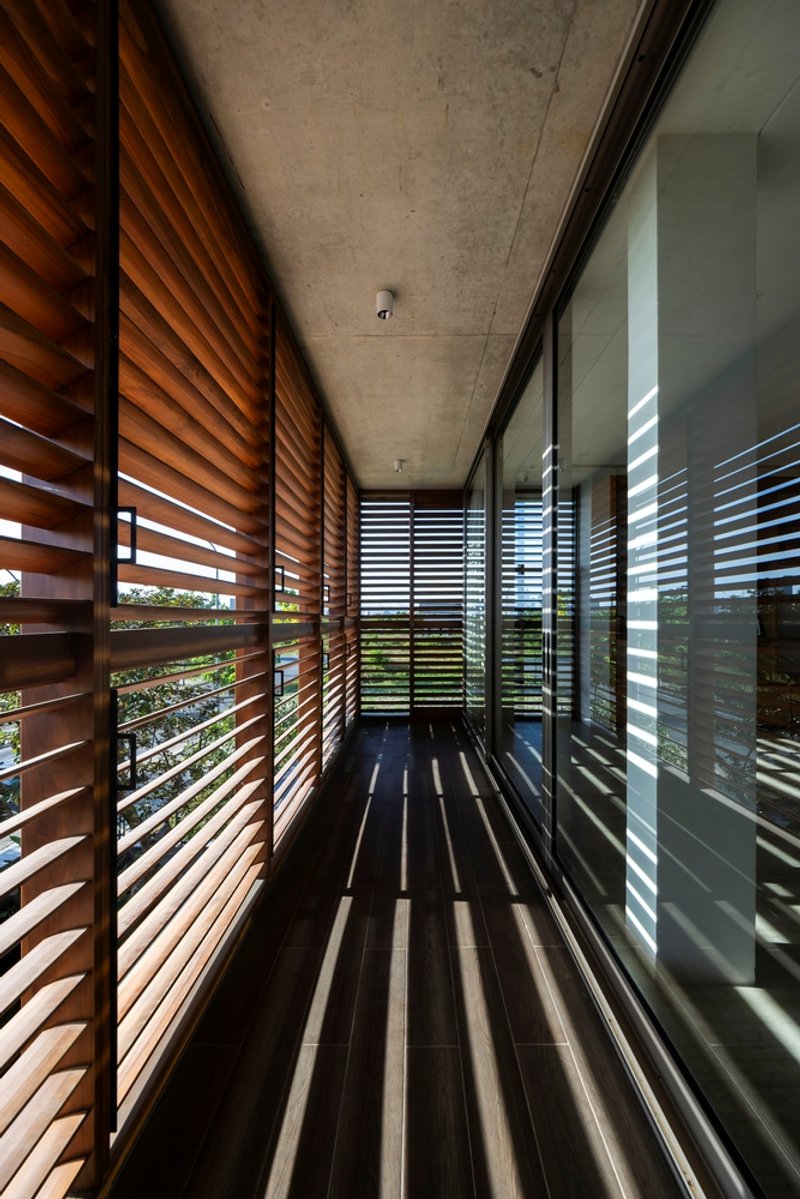
The villa’s design emphasizes openness and natural ventilation. The east-facing façade opens toward the river, inviting fresh breezes and filtered morning light through carefully arranged exposed concrete panels. In contrast, the west-facing façade combats the harsh tropical sun with a dual-layered protective skin. This system comprises operable wooden louvers and an inner layer of greenery that reduces heat gain while maintaining a refreshing microclimate inside the home.
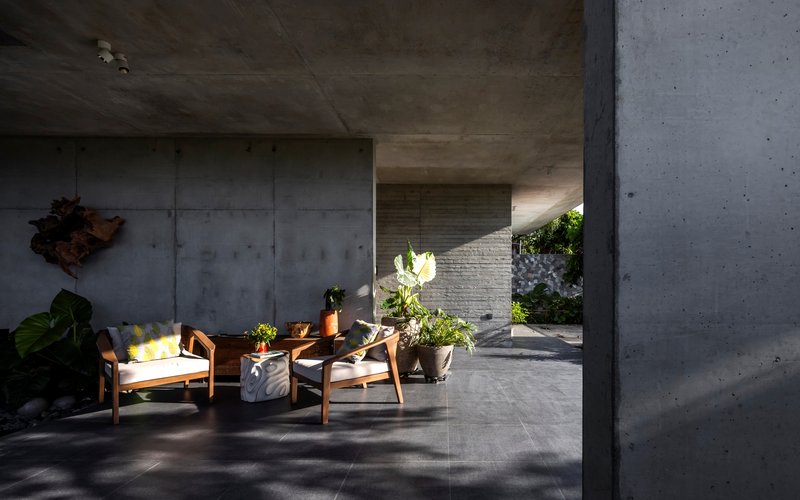
By orienting the structure in response to natural forces, Lavender Villa Be4 Architecture achieves a delicate balance between shelter and openness, creating spaces that are both protective and permeable.
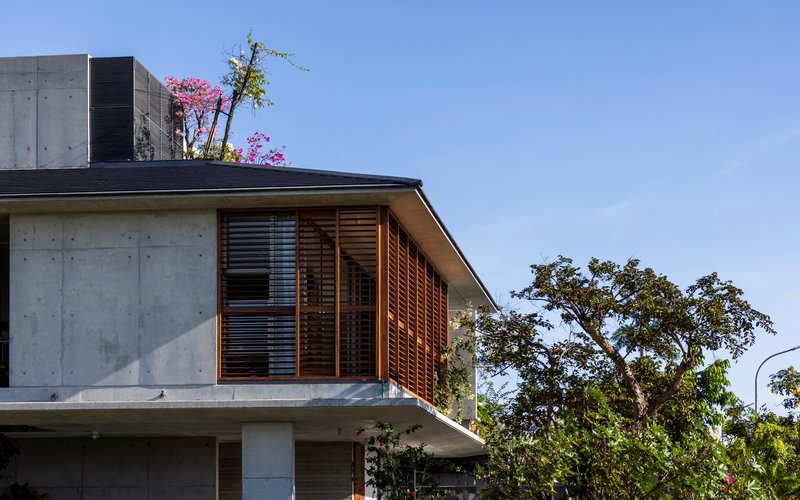
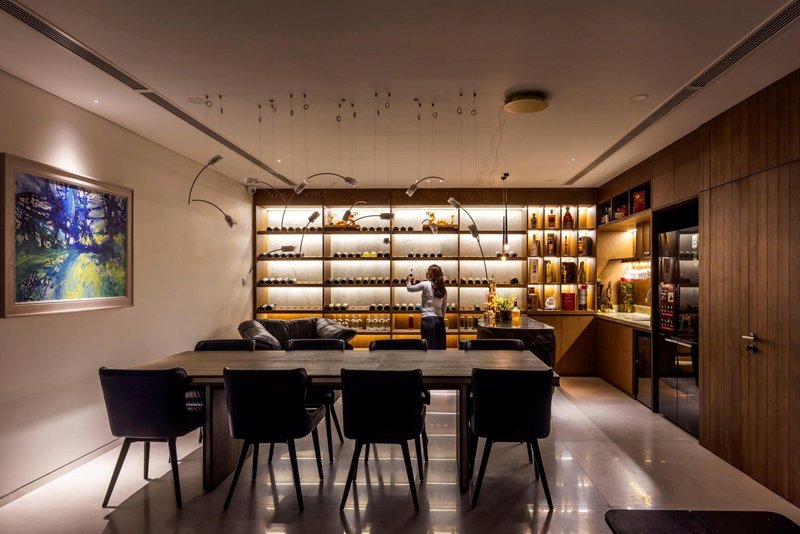
Material Palette and Emotional Resonance
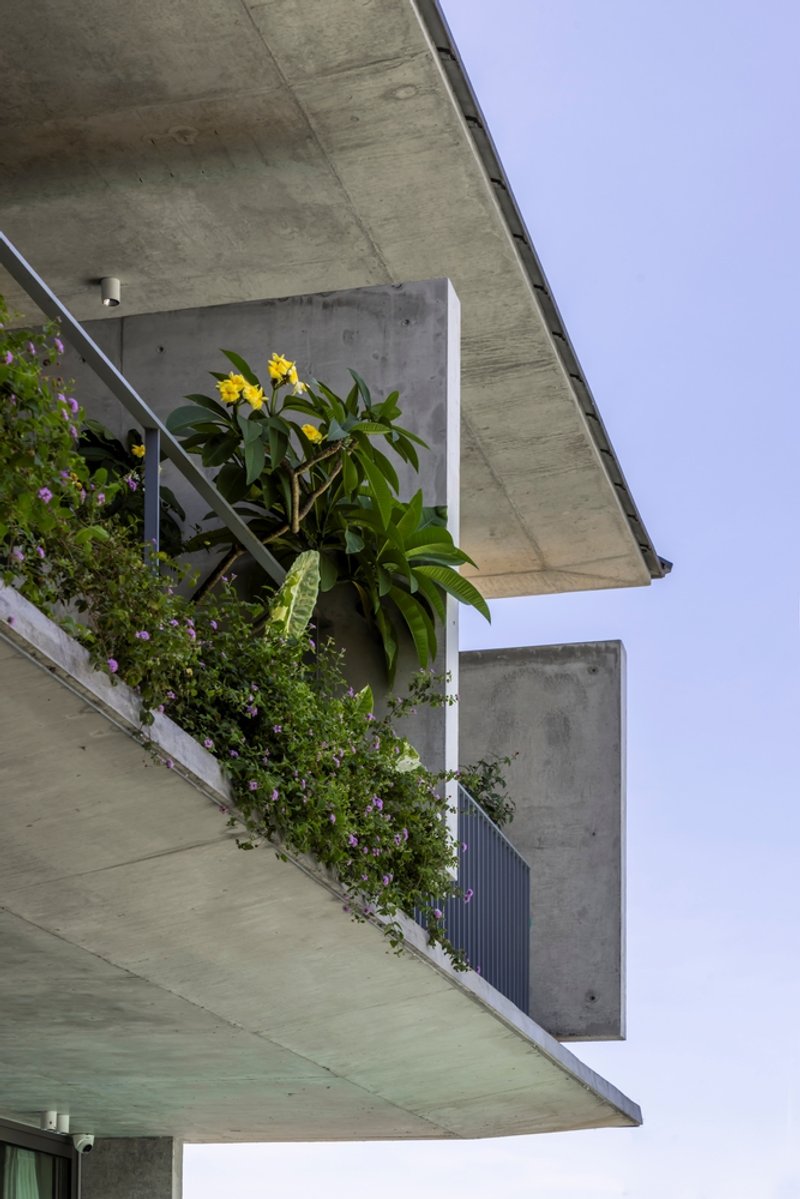
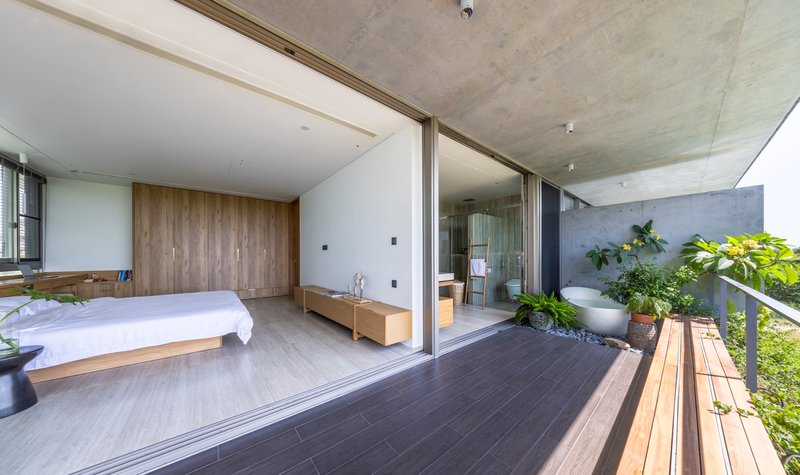
Exposed concrete is the primary material, left raw to preserve every construction mark as part of the building’s narrative. Rather than hiding imperfections, the villa celebrates the authenticity of its materials, allowing sunlight to soften and warm the concrete surfaces throughout the day. Complementing the concrete’s strength, natural wood introduces warmth and tactility, enhancing the sense of comfort and intimacy within the living spaces.
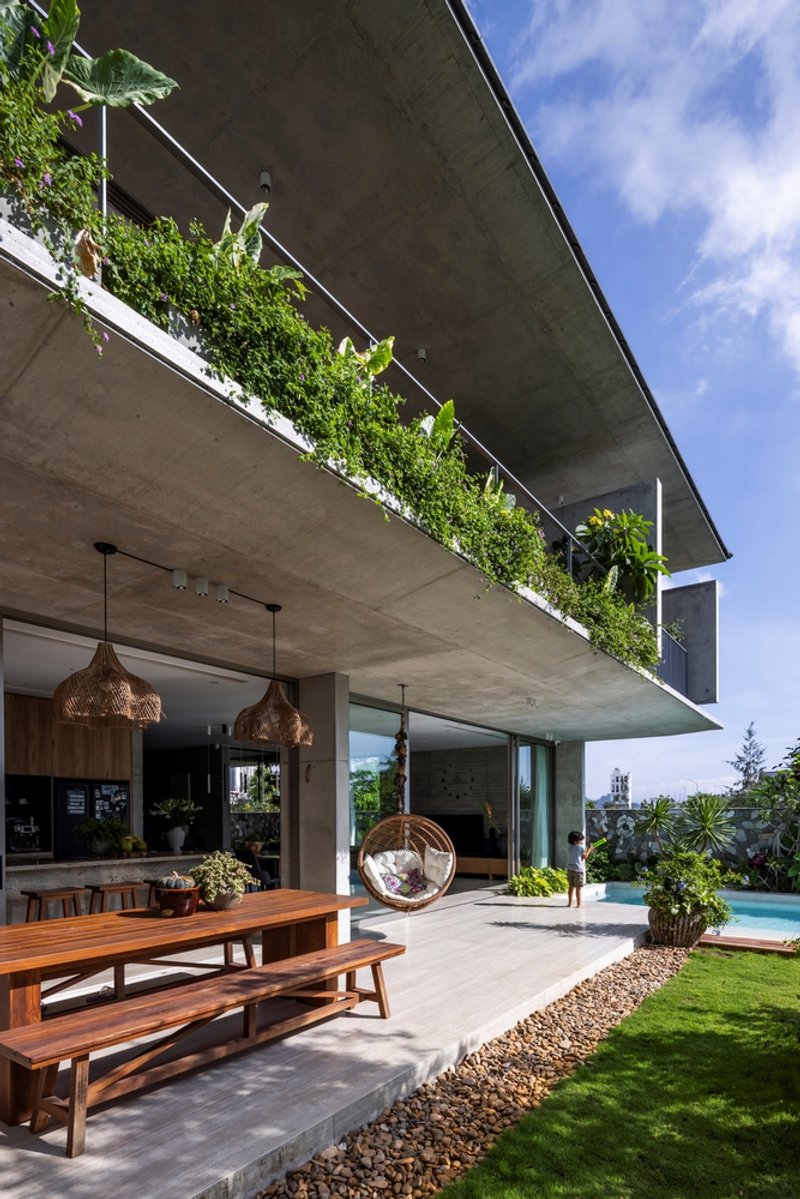
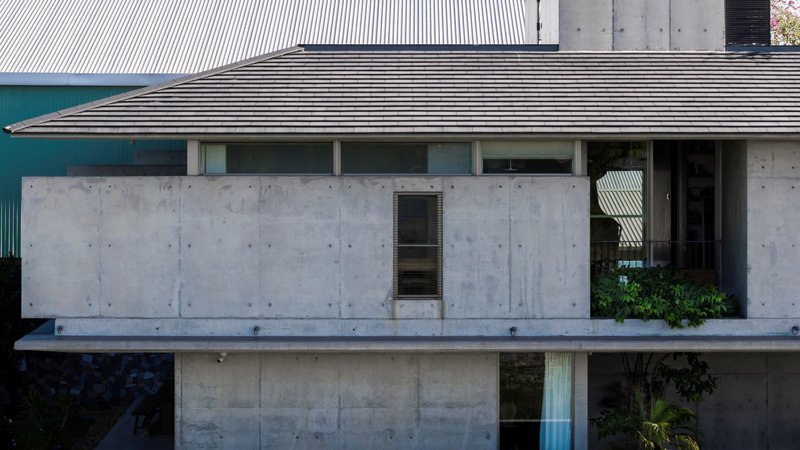
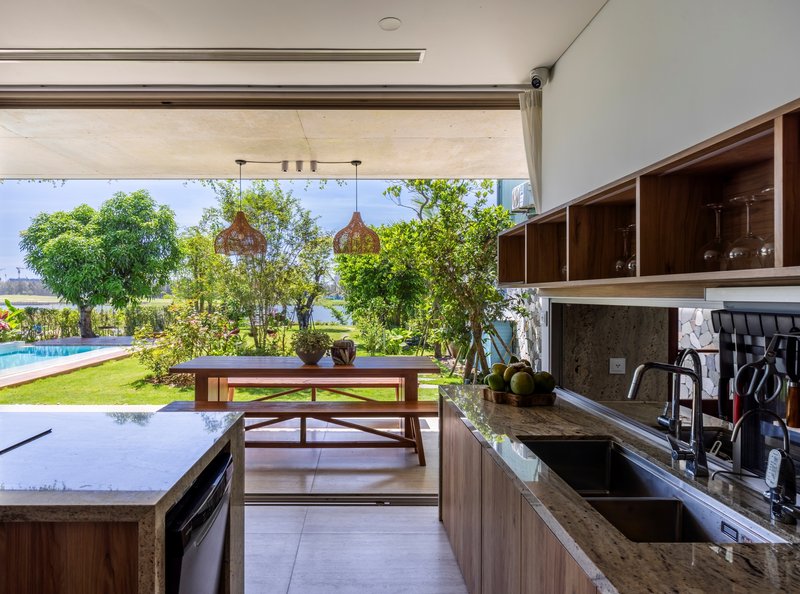
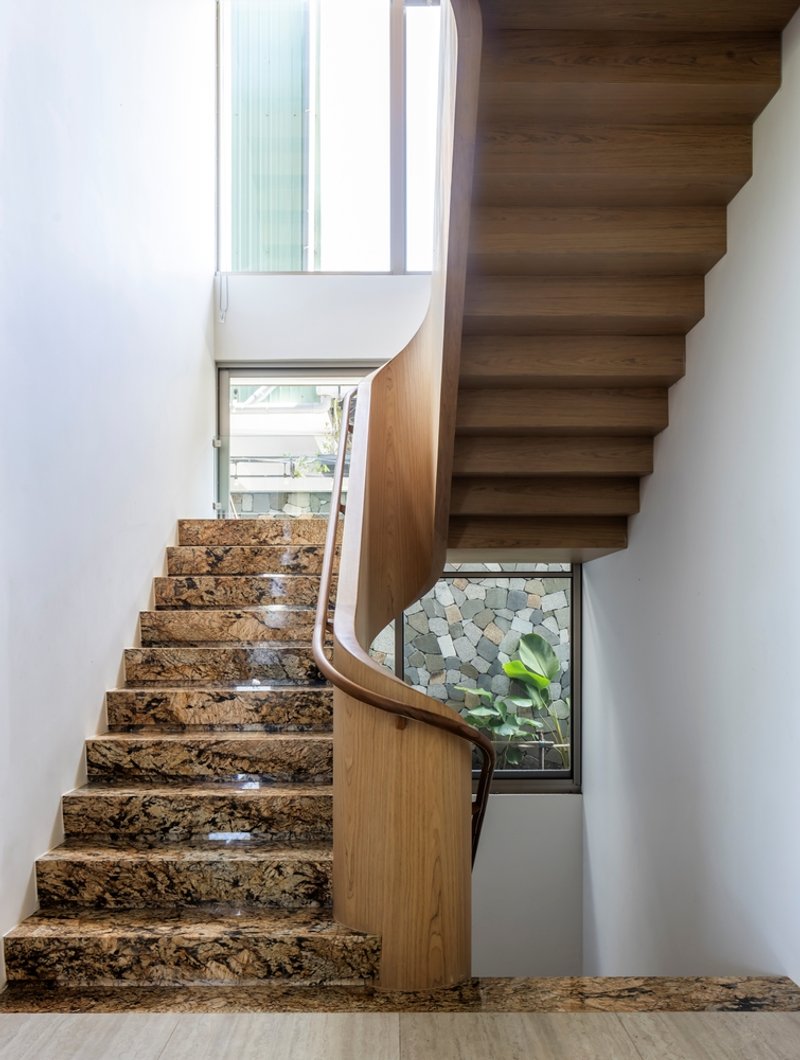
Vegetation, integrated both indoors and outdoors, is not merely decorative but acts as a living element of the architecture. Plants weave through the spaces, connecting the residents to the rhythms of nature, creating a sensory journey that blends greenery, light, and shadows.
Climate-Responsive Design
The villa’s design is deeply rooted in climatic responsiveness, a hallmark of sustainable architecture in tropical environments. The operable wooden louver system allows occupants to control ventilation and shading, adapting the home to changing weather conditions. By combining natural cooling techniques with carefully placed openings, the villa minimizes reliance on mechanical systems, ensuring energy efficiency while enhancing comfort.
Minimalism and Spatial Experience
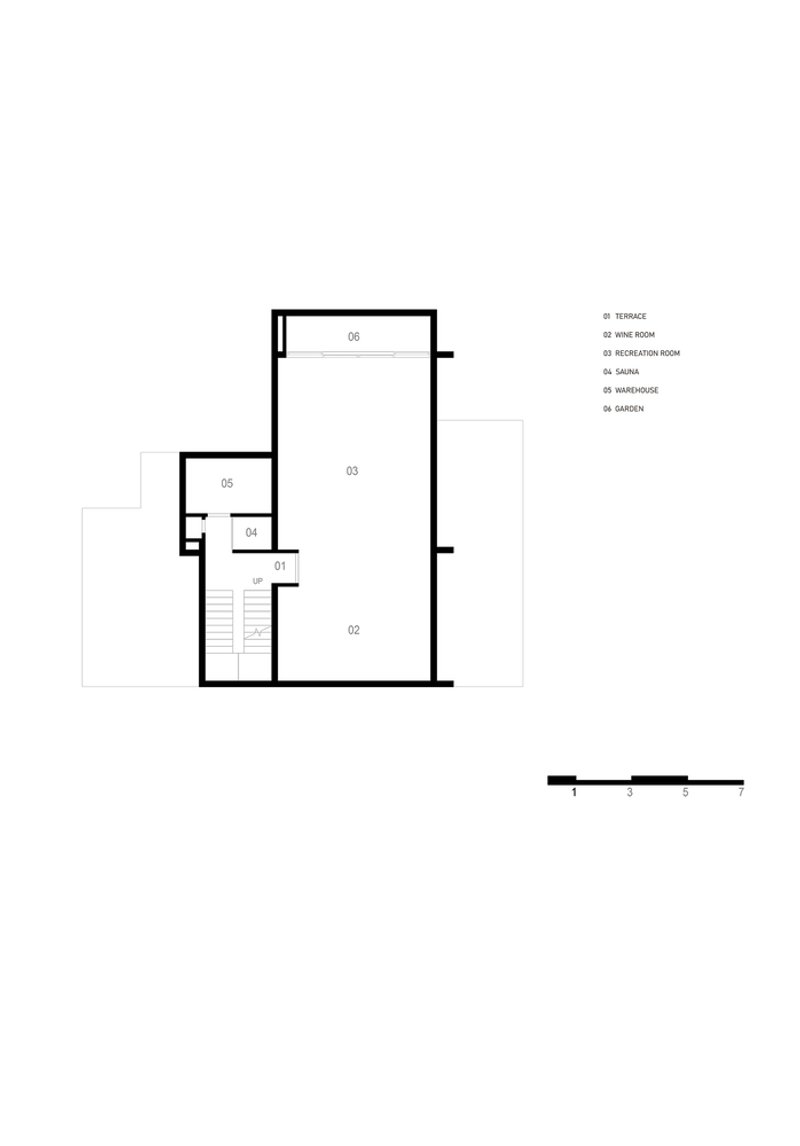
Lavender Villa avoids excessive ornamentation. Its aesthetic emerges naturally from material honesty, environmental harmony, and spatial fluidity. Each room opens toward the landscape, creating a strong connection between interior rituals and the surrounding natural elements. The home offers a meditative environment where one can sense the rhythm of the wind, the warmth of the sun, and the presence of the river.
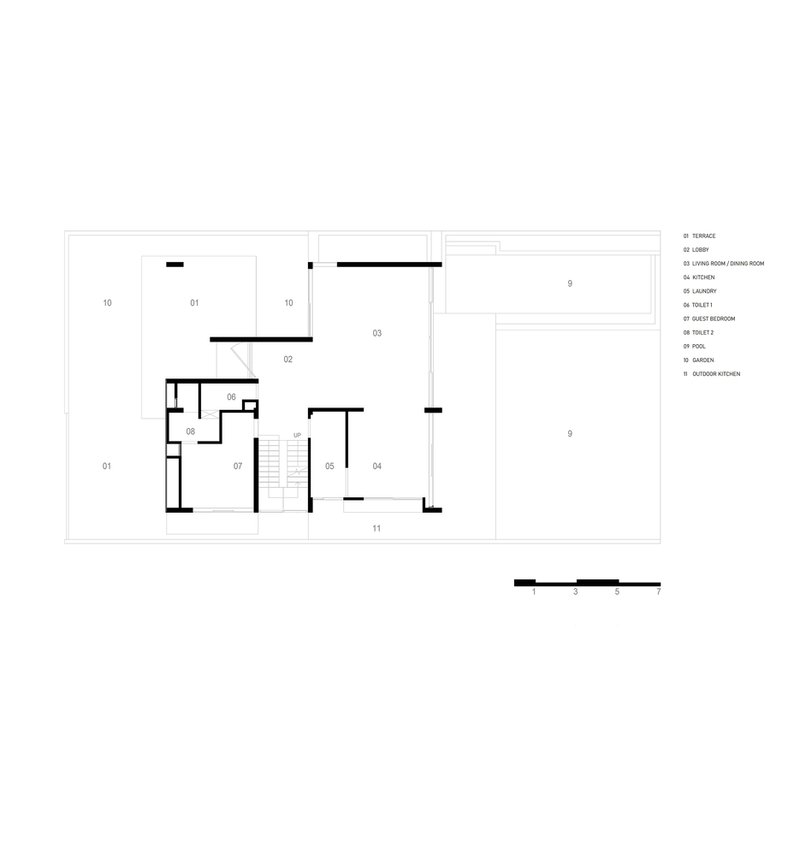
This architectural approach transforms the villa into more than just a place to live—it becomes a sanctuary for reflection and sensory experiences, where architecture and nature coexist in poetic dialogue.
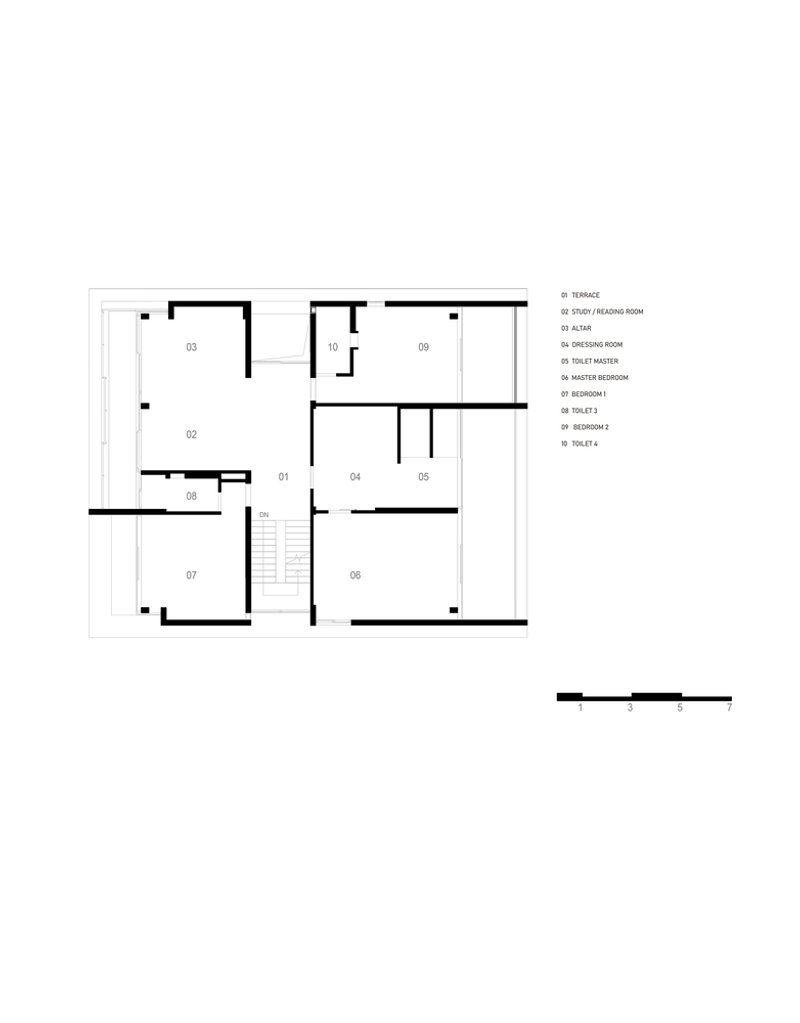
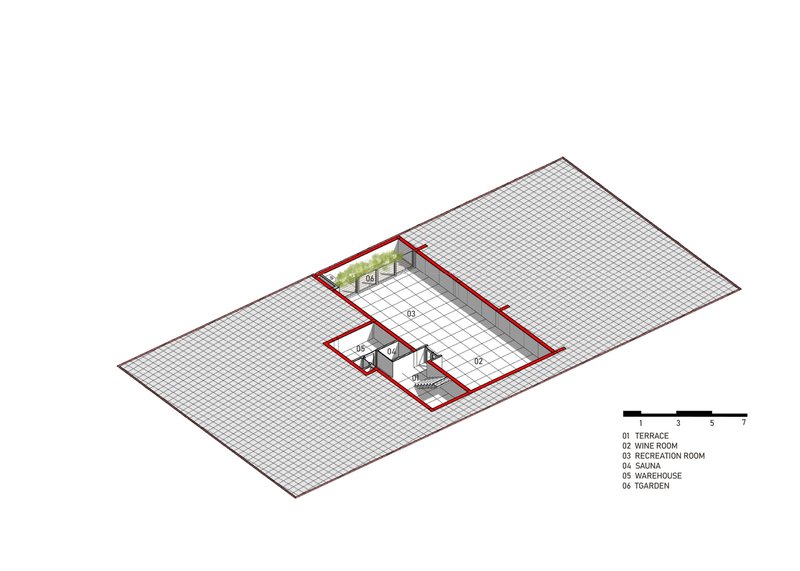
The Lavender Villa Be4 Architecture project stands as a remarkable example of contemporary Vietnamese architecture, emphasizing sustainability, material authenticity, and emotional resonance. By responding thoughtfully to the climate and landscape, the villa creates an immersive living environment that celebrates both nature and design. It is a testament to how modern architecture can be deeply rooted in local context while maintaining a timeless aesthetic.




Popular Articles
Popular articles from the community

Eco Chapel: A Green Architecture Pavilion Designed in Symbiosis with the Forest
Eco Chapel uses green architecture to weave prayer, learning and reuse into a forest pavilion shaped by modular hexagonal canopies for life.

IKC de Geluksvogel: Sustainable School Architecture Designed for Free Movement and Digital Learning
IKC de Geluksvogel turns sustainable school architecture into a flexible Maastricht campus for digital learning, nature, and free movement.
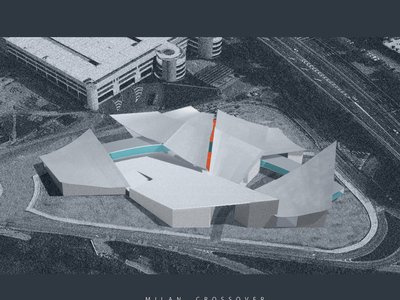
Milan Crossover: Sustainable Architecture for a New Fashion Culture in Milan
Milan Crossover transforms fashion culture through sustainable architecture, linking material libraries, remake studios, and public runways.
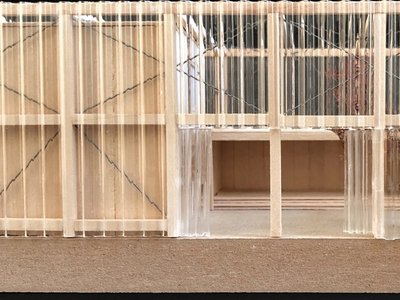
Kaffeebühnen: Coffee Shop Architecture Designed as a Civic Stage Between Vienna’s City and Park
Kaffeebühnen turns coffee shop architecture into a civic stage, linking Vienna’s park edge, urban life, warm timber yards, and coffee craft.


Similar Reads
You might also enjoy these articles
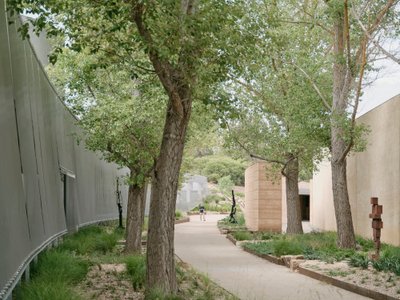
Kerstin Thompson Architects Buries a Cultural Center Beneath Its Own Car Park in the Yarra Valley
The Eva and Marc Besen Centre at TarraWarra hides 2,375 square metres of gallery and archive space under a reinstated landscape in Healesville, Australia.
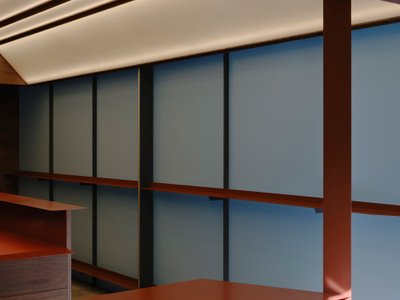
Kerry Kounnapis Packs 800 Daily Coffees into a 43-Square-Metre Melbourne Laneway Bar
Palace Coffee channels Pellegrini's and European standing bars through oxide-red steel and spotted gum timber in a Ridgway Place sliver.
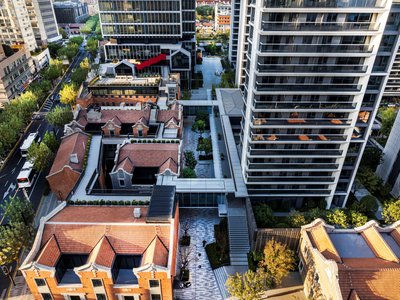
Nikken Sekkei Stacks a Three-Dimensional Lilong Atop Shanghai's Historic Alleyways
A 180-meter tower and restored heritage houses on Nanjing West Road reimagine communal lane life as a vertical mixed-use district.
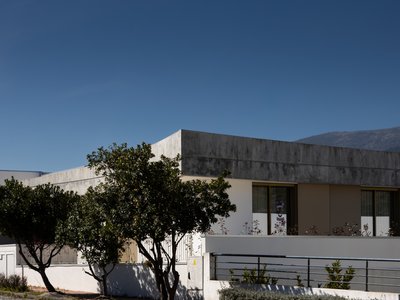
PLATAFORMArq Folds a Concrete Roof Over the Portuguese Mountains in House #474
A 220-square-meter residence in Teixoso, Portugal, wraps board-formed concrete into an angular canopy that frames the Serra da Estrela foothills.


Explore Architecture Competitions
Discover active competitions in this discipline




The International Standard for Design Portfolios


The Global Benchmark for Architecture Dissertation Awards


The Global Benchmark for Graduation Excellence


Challenge to reimagine the Iron Throne
Comments (0)
Please login or sign up to add comments
No comments yet. Be the first to comment!