

Mimetic Architecture: Blending Design with Nature at Casa Perla Negra
Exploring Casa Perla Negra's design that harmonizes architecture with nature through mimetic principles in Costa Rica.


In the realm of architecture, the concept of mimetic architecture emerges as a profound strategy to achieve harmony between man-made structures and their natural surroundings. Casa Perla Negra, designed by Salagnac Arquitectos, embodies this principle through its innovative design and material use. Located in Puerto Carrillo, Costa Rica, this architectural marvel not only showcases the possibilities of environmental integration but also sets a benchmark for future constructions aiming for minimal ecological footprint.


Key Design Features of Casa Perla Negra
Modulation and Grid Pattern
Casa Perla Negra features an L-shaped layout that optimizes cross ventilation, enhancing the livability of its spaces. The house's design is based on a 5-meter modulation, strategically organizing social areas on the ground floor with private bedrooms above. This spatial distribution not only facilitates natural airflow but also ensures that each area of the house enjoys the benefits of natural light and scenic views.


Terrain Adaptation with Piles
One of the standout features of Casa Perla Negra is its adaptive design to the terrain through the use of piles. This approach minimizes the building's environmental impact, allowing for a seamless integration with the landscape. The choice of laminated wood, known for its resistance to marine corrosion, mirrors the verticality and transparency of the surrounding tree trunks, further blending the structure with its natural setting.


Cross Ventilation and Outdoor Integration
The architects have meticulously designed Casa Perla Negra to leverage cross ventilation, ensuring that the social spaces remain comfortable and connected to the outdoors. Bedrooms are strategically placed to offer both privacy and the advantage of cross ventilation. The design of social areas, particularly the outdoor dining space, emphasizes a fluid transition between indoor and outdoor living, enriching the occupants' experience of the natural environment.


Mimetic Elements in Design
Landscape Integration
The house's integration with its landscape is achieved through its color scheme and structural design. Utilizing black to mimic the darkness of tree bark and shadows, the house achieves a camouflage effect that makes it appear as an extension of the natural landscape rather than an intrusion.

Fusion and Camouflage Details
Casa Perla Negra's design includes details such as vertical railings and enclosures that further its visual integration with the surroundings. These elements not only contribute to the house's aesthetic appeal but also reinforce its mimetic character, allowing it to coexist harmoniously with its environment.

Material and Color Choices
The use of black in the building's exterior not only aids in blending the structure with its surroundings but also imparts a sense of elegance and sobriety. This choice of color and material reflects a thoughtful approach to design that prioritizes environmental integration and aesthetic coherence.
Casa Perla Negra stands as a testament to the principles of mimetic architecture, demonstrating how buildings can be designed to respect and enhance their natural settings. Through its innovative use of materials, strategic design, and environmental considerations, it offers valuable insights into how architecture can evolve to address the challenges of sustainability and ecological integration. As we move towards a future where the impact of human activities on the environment is a growing concern, projects like Casa Perla Negra serve as inspiring examples of how design and nature can coexist in harmony.


All photographs are work of Andres Garcia Lachner


Popular Articles
Popular articles from the community

Opera by the Sea Estonia: Three Shells Dissolving Architecture into Tallinn's Coastline
A winning opera house proposal replaces monumental form with interconnected shells that blur the boundary between building, park and Baltic Sea.
Opera on the Sea: Driftwood Logic Shapes a Timber Opera House on Estonia's Coast
Trevor Orgill's opera house translates the entangled drift of floating timber into a civic building where wood, water, and music converge.
Faces of the Soviet Avant-Garde: Turning Moscow's Street Names into an Open-Air Museum
A network of sculptural installations across a Moscow residential district transforms forgotten architect names into spatial encounters with cultural memor
The Amber Palace Opera: A Geological Fiction Surfaces on Tallinn's Baltic Waterfront
Pierre Brillard reimagines a Baltic legend as a public landscape, opera house, and waterfront promenade rooted in Tallinn's coastal identity.

Similar Reads
You might also enjoy these articles

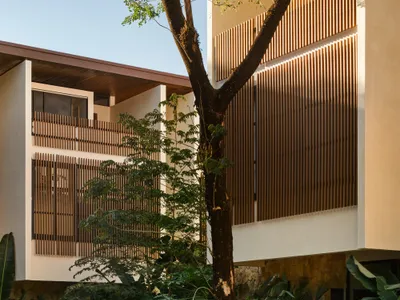
FAMM Arquitectura Organizes Ten Villas Around Courtyards and Jungle in Nosara, Costa Rica
El Molino pairs two elongated volumes with deep overhangs and timber louvers to build a compact coastal community five minutes from the beach.
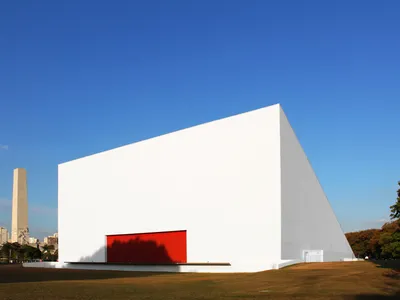
Oscar Niemeyer's Ibirapuera Park Pavilions Define São Paulo's Cultural Identity in Concrete and Curve
A constellation of modernist volumes set within São Paulo's most important urban park, conceived for the city's 400th anniversary in 1954.
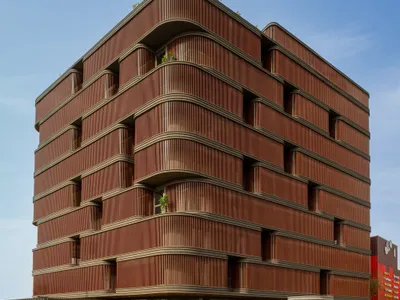
Sanjay Puri Architects Wraps a Jaipur Office Tower in Capsule-Shaped Green Buffers
A nine-level climate-responsive workplace near Jaipur Airport uses stacked planter terraces and aluminium screens to fight 40°C heat.
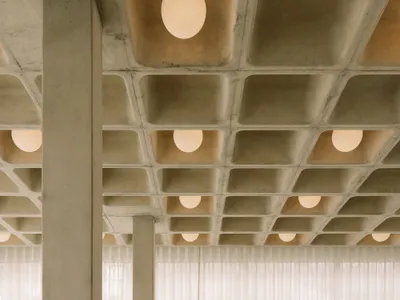
RHO Converts a Berlin Spree-Side Industrial Courtyard into Enkime's 1,000 m² Agency Headquarters
A social media agency's new home in Charlottenburg trades glossy branding for concrete waffle ceilings, glazed tile, and sheer curtains.
Explore Architecture Competitions
Discover active competitions in this discipline

Challenge to design mud housing for contemporary communities

Challenge to reimagine the Iron Throne

Photograph architecture without architects

Illustrate the lost glory of Angkor Wat - Render Challenge
Comments (0)
Please login or sign up to add comments
No comments yet. Be the first to comment!